
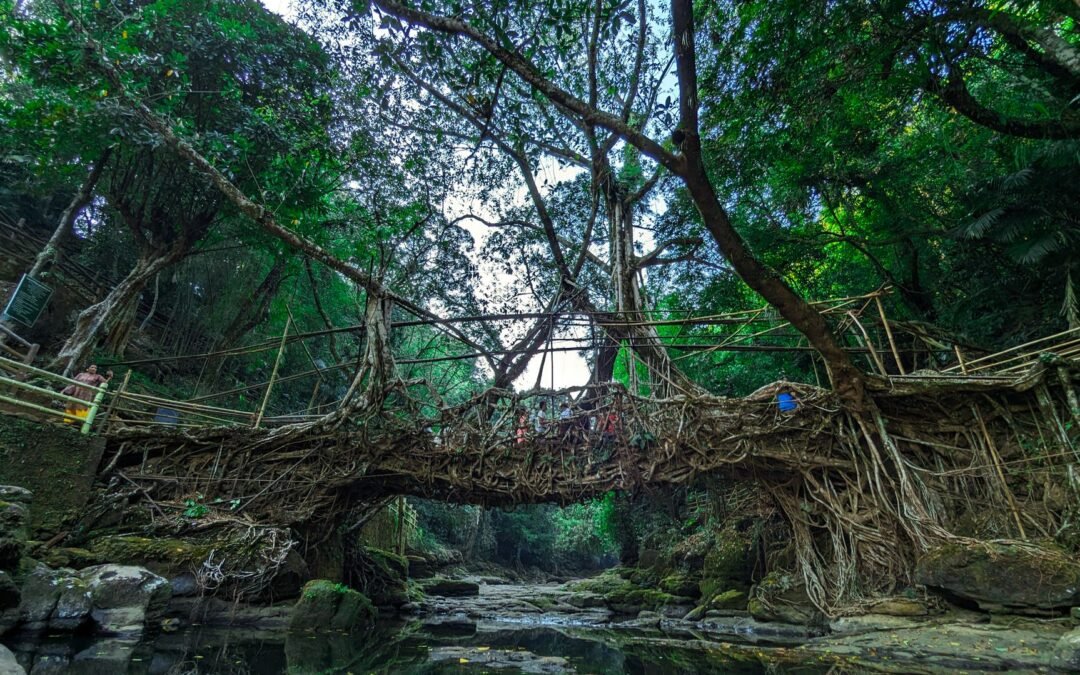
- Double Decker Living Root Bridge in Nongriat requires 3,500 steps descent and steep climb back
- October to March offers best weather with minimal rainfall for trekking to the bridges
- Bridges are formed over 10-15 years by training Ficus elastica roots across streams
- Start treks early morning by 6 AM to avoid afternoon heat and complete return journey comfortably
- Local Khasi guides are essential for navigation and cost around ₹500-800 per day
- Introduction
- Quick Facts About Living Root Bridges
- Why Visit Living Root Bridges
- How to Reach Living Root Bridges
- Best Time to Visit Living Root Bridges
- Top Things to Do in Living Root Bridges
- Where to Stay in Living Root Bridges
- Local Food & Cuisine
- Practical Travel Tips for Living Root Bridges
- Final Thoughts
- Frequently Asked Questions
Introduction
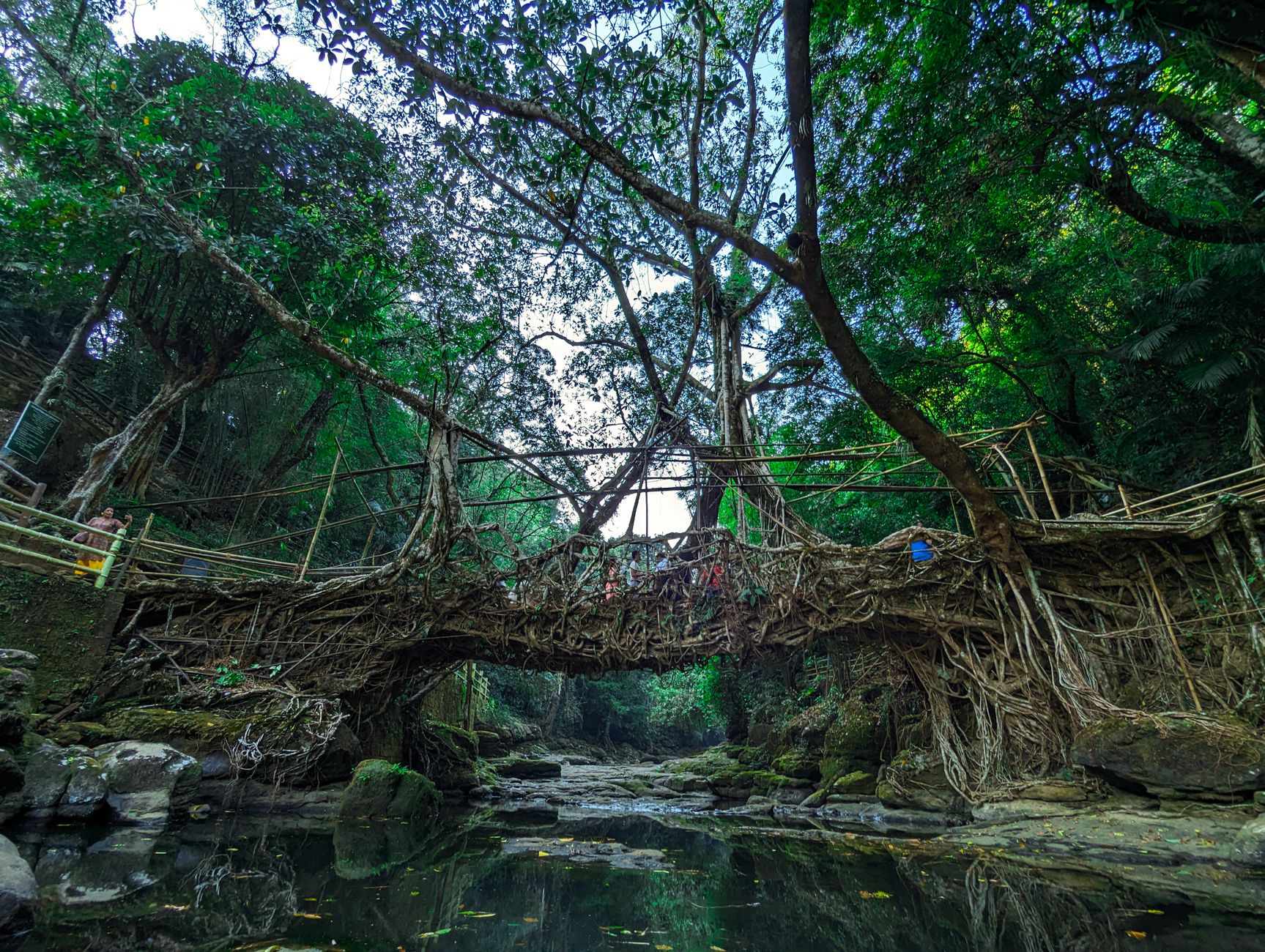
Hidden in the mist-clad hills of Meghalaya, where rainfall measures in metres rather than millimetres, lies one of nature’s most extraordinary collaborations with human ingenuity. The Living Root Bridges of Meghalaya are not merely structures spanning rivers and gorges—they are breathing, growing testaments to the patience and ecological wisdom of the Khasi and Jaintia tribes. These bridges, woven from the aerial roots of rubber fig trees (Ficus elastica), take decades to form and can last for centuries, growing stronger with each passing year.
Unlike conventional bridges that deteriorate over time, these living architectural marvels actually gain strength as they age, with some estimated to be over 500 years old. Scattered across the dense rainforests of the East Khasi Hills and West Jaintia Hills districts, these bridges represent a sustainable building practice that modern engineering is only beginning to appreciate. The most famous among them—the double-decker root bridge near Nongriat village—has become an icon of Meghalaya’s unique bio-engineering heritage, drawing trekkers and nature enthusiasts from across the globe.
For travellers seeking experiences beyond conventional tourist circuits, the Living Root Bridges offer an adventure that combines challenging treks, pristine natural beauty, cultural immersion, and the humbling experience of witnessing human harmony with nature. This is not a destination for the faint-hearted or those seeking luxury—it’s for souls who find luxury in the rustle of ancient forests, the song of mountain streams, and the triumph of descending 3,500 steps into a hidden valley only to climb back up again.
Quick Facts About Living Root Bridges
| Aspect | Details |
|---|---|
| Altitude | Varies: 50m to 2,400m above sea level (most famous bridges at 800-1,200m) |
| Best Time to Visit | October to May (November-February ideal) |
| Distance from Nearest City | Shillong: 78 km to Tyrna village (base for Nongriat trek) |
| Nearest Airport | Shillong Airport (Umroi): 95 km; Guwahati (LGBI): 160 km |
| Permits Required | None for Indian citizens; foreigners require Protected Area Permit (usually arranged by hotels) |
| Temperature Range | Winter: 4°C-15°C; Summer: 15°C-25°C; Monsoon: 18°C-23°C |
| Approx Budget per Day | ₹1,500-₹3,000 (budget); ₹3,000-₹6,000 (mid-range); ₹6,000+ (comfortable) |
Why Visit Living Root Bridges
The Living Root Bridges represent something increasingly rare in our modern world: a building technique that improves the environment rather than degrading it. While most infrastructure projects involve cutting trees, these bridges are grown by training the secondary roots of Ficus elastica trees across rivers and streams, using hollowed-out betel nut tree trunks as guides. The process takes 10-15 years before a bridge becomes functional, and 30-50 years to reach full strength—a timeline that speaks to the long-term thinking of the Khasi people.
What makes these bridges scientifically fascinating is their self-strengthening mechanism. As the roots grow thicker and interweave more densely, the bridges become more robust, capable of supporting the weight of 50 or more people simultaneously. Some bridges stretch over 100 feet in length and have been in continuous use for over 500 years. The double-decker root bridge near Nongriat village is particularly exceptional—a two-tiered structure that showcases advanced bio-engineering, with the lower deck estimated to be 180 years old and the upper deck around 50 years old.
Beyond their structural uniqueness, these bridges are located in one of the wettest places on Earth—Meghalaya receives over 12,000 mm of rainfall annually, with some areas like Mawsynram and Cherrapunji holding world records. The living root bridges have evolved specifically to withstand the tremendous force of monsoon floods that would destroy conventional wooden or metal bridges within years. They’re also found in regions of such dense biodiversity that every trek to reach them becomes a journey through pristine rainforests filled with rare orchids, carnivorous pitcher plants, and endemic bird species.
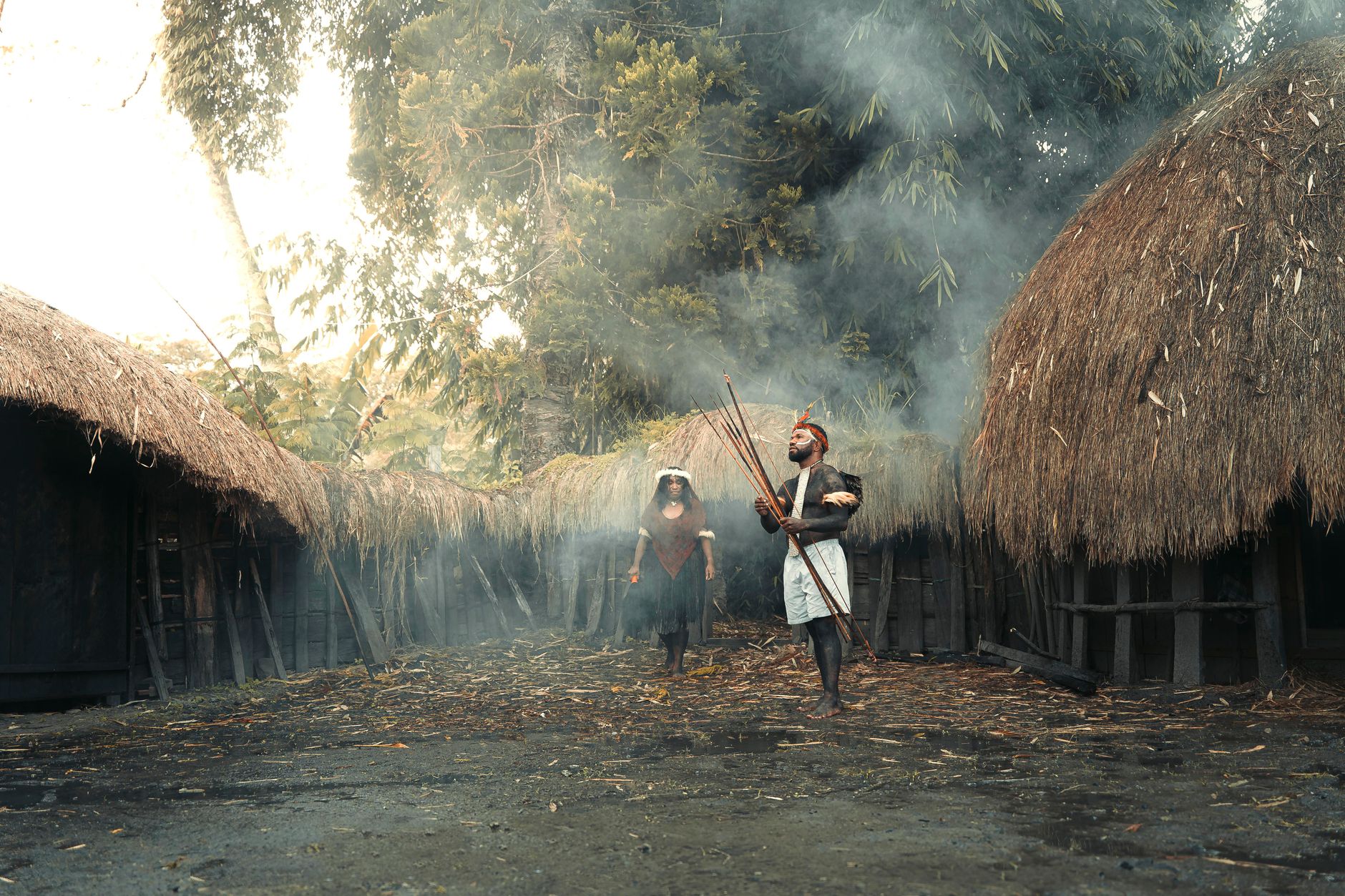
From a cultural perspective, visiting these bridges offers insight into the matrilineal Khasi society and their deep-rooted environmental ethics. The knowledge of creating these bridges is passed down through generations, primarily through oral tradition and hands-on teaching. However, with modernization and the availability of steel and concrete, this traditional knowledge is at risk. By visiting responsibly and supporting local communities, travellers contribute directly to the preservation of this intangible cultural heritage.
How to Reach Living Root Bridges
By Air: The nearest major airport is Lokpriya Gopinath Bordoloi International Airport (LGBI) in Guwahati, approximately 160 km from the Tyrna village trailhead (gateway to the famous Nongriat double-decker bridge). From Guwahati, you can hire a private taxi for ₹3,500-₹4,500 (4-5 hours) or take a shared Sumo that costs around ₹400-₹500 per person. The smaller Shillong Airport at Umroi is just 95 km away but has limited connectivity. From Shillong, taxis to Tyrna cost approximately ₹2,500-₹3,000 and take 2.5-3 hours.
By Train: The nearest railway station is Guwahati Railway Station, well-connected to major Indian cities including Delhi, Kolkata, Bangalore, and Mumbai. From Guwahati station, you’ll need to take a taxi or bus to reach Shillong (100 km, ₹300-₹400 by shared taxi, ₹2,500-₹3,000 by private vehicle). From Shillong, proceed to Tyrna or other root bridge locations. Budget 6-7 hours total from Guwahati railway station to Tyrna village.
By Road: Shillong serves as the base for exploring different root bridge locations. From Shillong to Tyrna (for Nongriat bridges), the distance is 78 km via Pynursla and Mawlynnong route. State-run Meghalaya Transport Corporation (MTC) buses operate between Shillong and Dawki, stopping at Tyrna, costing ₹80-₹100. Private cabs charge ₹2,000-₹2,500 one way. For other root bridge locations like Mawkyrnot (single-decker bridge), it’s 56 km from Shillong; Riwai village (Umunoi root bridge) is approximately 55 km from Shillong. Most visitors prefer hiring a vehicle for the day (₹3,500-₹4,500) for flexibility.
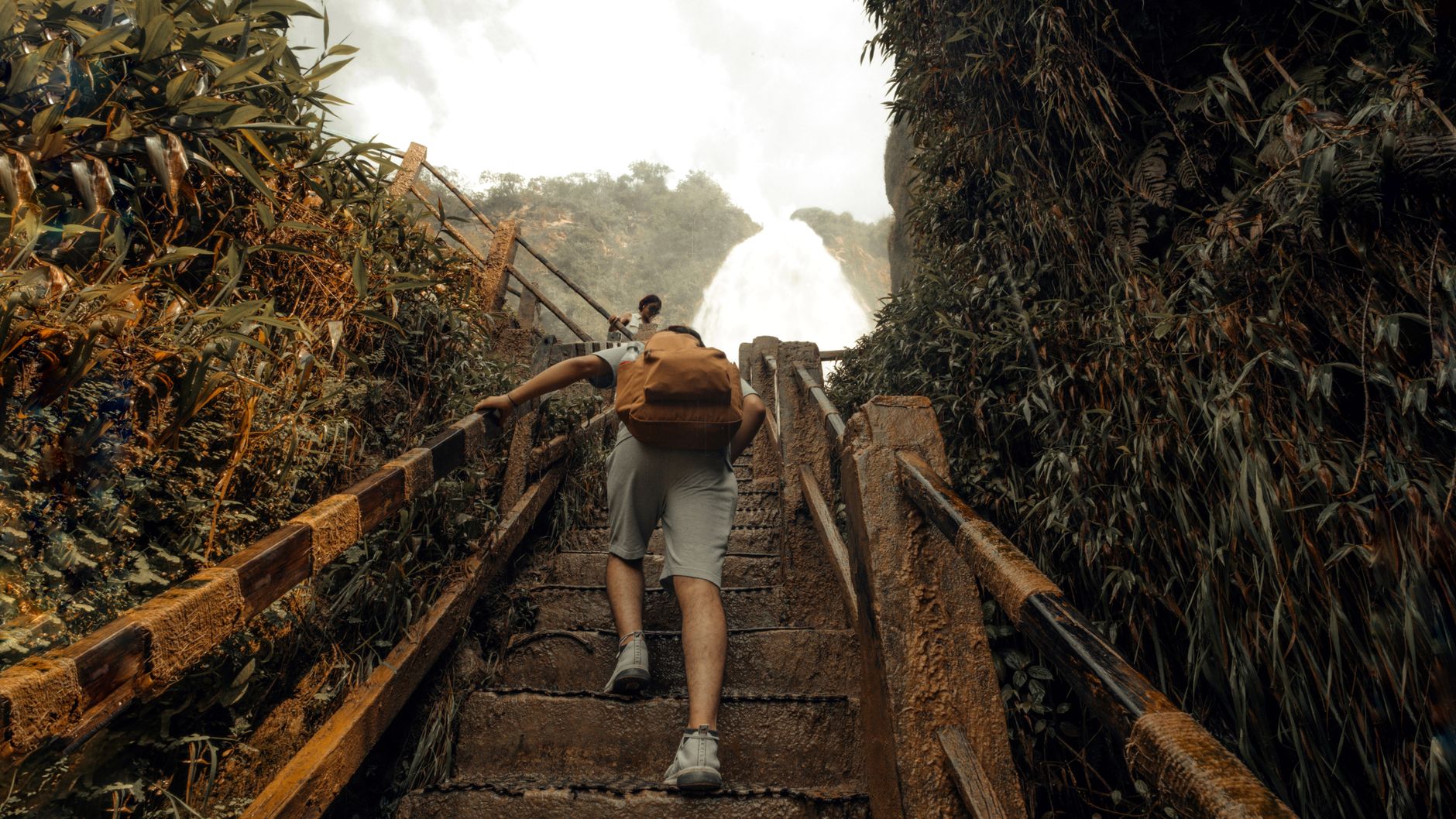
The Trek: Once you reach Tyrna village, the real journey begins. The trek to the double-decker root bridge at Nongriat involves descending approximately 3,500 steps (about 7 km, taking 1.5-2 hours down and 2.5-3 hours up). The path is well-maintained with stone steps but can be slippery during rains. Local guides are available at ₹500-₹800 per group and are highly recommended, especially for first-time visitors. Porters can carry luggage for ₹500-₹700 per bag.
Best Time to Visit Living Root Bridges
Winter (November to February): This is the absolute best time to visit the Living Root Bridges. The weather is pleasantly cool with temperatures ranging from 4°C to 15°C, crystal-clear skies, and minimal rainfall. The trekking conditions are ideal as the steps are dry and safe, and the forest visibility is excellent for photography. Water levels in streams are moderate, making crossings easier. This is peak tourist season, so expect more visitors, especially around Christmas and New Year. Book accommodations in advance. All trails are fully accessible, and you can comfortably attempt the extended trek to Rainbow Falls beyond the double-decker bridge.
Spring (March to May): A beautiful time with temperatures gradually rising from 15°C to 25°C. The forests are lush, and numerous wildflowers bloom, including rare orchid species. Pre-monsoon showers begin in late April-May, bringing occasional afternoon rain but nothing prohibitive. The weather is warmer, so carry lighter clothing, but keep rain gear handy. This period sees moderate tourist numbers. Humidity starts building up, but the streams and waterfalls are at their picturesque best. Excellent for birdwatching as many migratory species can be spotted.
Monsoon (June to September): Meghalaya transforms into a water wonderland, but this is the most challenging time to visit. Rainfall is extremely heavy—Cherrapunji and Mawsynram nearby receive the world’s highest rainfall during these months. The 3,500 steps become treacherously slippery, leeches are abundant, and flash floods are a real danger. However, for adventurous souls, this is when the bridges truly demonstrate their purpose—withstanding raging torrents while the forests are at their most dramatic and vibrant. Waterfalls are thunderous, and the landscape is ethereally beautiful in the mist. Many homestays close, and treks may be temporarily restricted during heavy downpours. Only recommended for experienced trekkers with proper gear. Costs may be lower due to low tourist numbers.
Post-Monsoon (October): A transitional period as rains taper off. The forests are at their greenest, waterfalls are still powerful, and the air is fresh and clean. Temperature ranges from 15°C to 20°C. Trails begin drying out, though some slippery patches remain. This is an excellent time for photographers—dramatic clouds, pristine water, and fewer crowds. Accommodations are readily available, and prices are still in the off-season range. A hidden gem period that many savvy travellers prefer.
Top Things to Do in Living Root Bridges
Trek to the Double-Decker Root Bridge at Nongriat
The crown jewel of Meghalaya’s living root bridges, this two-tiered marvel is accessed via the 3,500-step descent from Tyrna village. The upper deck is approximately 50 years old while the lower is around 180 years old, spanning about 30 meters across a river gorge. The trek takes you through dense subtropical forest, past several smaller root bridges, traditional Khasi villages, and crystal-clear mountain streams. Budget 5-6 hours for a round trip with time to explore and photograph the bridge. The sense of achievement upon reaching it is indescribable, and many visitors choose to spend a night in Nongriat to experience the tranquility.
Continue to Rainbow Falls (Also Called Nohsngithiang Falls)
From the double-decker bridge, an additional 45-minute trek takes you to the magnificent Rainbow Falls—a multi-tiered waterfall where you can often spot rainbows in the spray during sunny hours. The natural pool at the base is perfect for a refreshing swim after your trek (water is cold year-round, around 15°C). The area around the falls is less crowded and offers peaceful spots for picnics or meditation. The entire extension adds about 2 hours to your trip but is absolutely worth it for nature enthusiasts.
Explore the Umunoi Single-Decker Root Bridge at Riwai
For those seeking a less strenuous alternative or wanting to see a different style of root bridge, the Umunoi bridge near Riwai village is excellent. It requires only about 800-1,000 steps down (approximately 45 minutes descent, 1 hour ascent) and is equally impressive in its construction. This 50-meter-long bridge is surrounded by pristine forests and offers a more intimate, less touristed experience. The village of Riwai itself is charming, with homestays that provide authentic cultural interactions with Khasi families.
Visit the Single-Decker Bridge at Mawkyrnot
Located near Rangthylliang village, about 56 km from Shillong, this bridge requires approximately 1,500 steps down. What makes this location special is the combination of the root bridge with the stunning Mawkyrnot Waterfall nearby. The trek is moderate and suitable for families with older children. The surrounding area has excellent opportunities for spotting unique flora including pitcher plants and rare ferns. Local guides can point out medicinal plants traditionally used by the Khasi people.
Experience Village Life and Homestays
Staying overnight in villages like Nongriat, Riwai, or Rangthylliang offers immersive cultural experiences. Participate in daily village activities, learn about the traditional process of training root bridges (if you’re lucky, you might see a new bridge being started), enjoy home-cooked Khasi meals prepared over wood fires, and hear stories passed down through generations. Evening conversations with villagers—often conducted in a mix of Khasi, Hindi, and English—provide insights into the matrilineal society, local beliefs, and how modernity is slowly changing traditional ways.
Photography and Birdwatching
The root bridge regions are a photographer’s paradise, especially for those interested in landscape, nature, and architectural photography. The interplay of light filtering through the dense canopy, the textures of the root bridges themselves, and the dramatic landscapes create endless opportunities. For birdwatchers, these forests host over 250 species including the rare and endemic Khasi Hills Laughingthrush, various hornbill species, and numerous sunbirds and flycatchers. Early morning hours (6-9 AM) are best for birding. Hiring a local guide familiar with bird calls enhances the experience significantly.
Where to Stay in Living Root Bridges
Budget Options (₹500-₹1,500 per night): The most authentic experience comes from village homestays. In Nongriat village, at the bottom of the 3,500 steps, several families offer basic homestays including Serene Homestay (₹600-₹800 per person with meals), Nongthymmai Homestay (₹500-₹700), and Nature’s Home Nongriat (₹800-₹1,000). These are simple accommodations with basic mattresses, shared bathrooms (often with bucket baths), and no electricity during the day. However, the hospitality is genuine, food is fresh and home-cooked, and you get to experience village life authentically. In Tyrna village at the trek starting point, Tyrna Cottage and SAI MIKA Resort Tyrna offer slightly more comfortable rooms at ₹1,200-₹1,500 with attached bathrooms.
Mid-Range Options (₹2,000-₹4,500 per night): Staying in Cherrapunji (about 20 km from Tyrna) provides more comfort while keeping you close to the root bridges. Polo Orchid Resort offers well-appointed rooms starting at ₹3,500 with valley views, hot water, and a decent restaurant. Kutmadan Resort (₹2,800-₹3,500) provides comfortable accommodation with modern amenities and can arrange trekking guides. Coniferous Resort (₹2,500-₹3,200) has cozy cottages with fireplaces—perfect for winter visits. Sa-I-Mika Resort near Laitkynsew (₹2,000-₹2,800) is popular among trekkers for its convenient location and helpful staff who can organize treks and transport.
Splurge Options (₹5,000+ per night): For those wanting comfort after adventurous days, Cherrapunji and nearby areas offer premium options. Cherrapunjee Holiday Resort (₹6,500-₹9,000) provides luxury cottages with spectacular valley views, multi-cuisine restaurant, spa services, and trekking arrangements. Jiva Resort (₹8,000-₹12,000) is an upscale property with modern amenities, organic gardens, and curated local experiences. In Shillong, which can serve as a base, Ri Kynjai (₹10,000-₹18,000) is a five-star luxury resort on Umiam Lake, about 90 minutes from Tyrna, offering top-tier comfort, fine dining, and complete tour arrangements. Hotel Polo Towers in Shillong (₹5,500-₹8,500) provides city comfort with excellent services.
Local Food & Cuisine
The Khasi cuisine of Meghalaya is distinctive, with minimal use of spices but strong emphasis on fresh, local ingredients and unique cooking methods. Jadoh is perhaps the most beloved dish—red rice cooked with pork, special spices, and black sesame. It’s hearty, flavourful, and perfect after a long trek. Dohneiiong is a pork curry prepared with black sesame paste, giving it a distinctive nutty flavour and dark colour—absolutely delicious with rice. Tungtap (fermented fish chutney) is an acquired taste but beloved locally; it’s pungent, salty, and packed with umami flavour. Putharo, steamed rice cakes, are usually served during special occasions and festivals, often accompanied by meat dishes.
Meghalaya also has unique beverages worth trying. Kyat is local rice beer, mildly alcoholic and refreshing, often offered as a welcoming drink in homestays. For tea lovers, Lakadong turmeric tea from the region known for having the world’s highest curcumin content is both delicious and healthy.
In terms of where to eat, the homestays in Nongriat and other villages serve simple but fresh meals—expect rice, local vegetables, sometimes chicken or pork, all cooked traditionally (₹150-₹300 per meal). In Cherrapunji, Orange Roots is popular for both Khasi and North Indian cuisines, with meals ranging from ₹200-₹500. Halari Restaurant near Cherrapunji serves good local fare at ₹150-₹350 per dish. Café Cherrapunjee is excellent for breakfast and snacks, with items priced at ₹100-₹300, and they serve good coffee. In Tyrna, there are small local eateries like Iing Shnong Restaurant serving basic meals for ₹80-₹150 that are filling and authentic.
Practical Travel Tips for Living Root Bridges
Permits and Regulations: Indian citizens do not require any special permits to visit the Living Root Bridges area. However, foreign nationals technically require a Protected Area Permit (PAP) or Restricted Area Permit (RAP) for certain parts of Meghalaya, though enforcement is inconsistent. It’s best to arrange this through your hotel or a local tour operator (usually ₹500-₹1,000 processing fee). The permits are generally valid for 10-30 days. Register with the Foreigner’s Registration Office in Shillong if staying longer than a specified period.
Mobile Network and Connectivity: Mobile coverage is surprisingly good in main villages like Tyrna, with Airtel and Jio providing decent 4G connectivity. However, once you descend into the valleys, particularly in Nongriat, network becomes patchy to non-existent. BSNL sometimes works where private networks don’t. Download offline maps and carry physical maps. Inform family/friends that you’ll be out of reach during trek days. Some homestays in Nongriat now have Wi-Fi powered by solar panels, though it’s unreliable.
ATM and Money: The last reliable ATMs are in Cherrapunji and Pynursla. Tyrna village has no ATMs, and Nongriat operates entirely on cash. Withdraw sufficient cash in Shillong or Cherrapunji before heading to root bridge areas. Carry small denominations (₹50, ₹100, ₹500 notes) as getting change can be difficult. Budget approximately ₹2,000-₹3,000 cash per person per day to cover homestays, meals, guide fees, and incidentals.
Medical Facilities: Medical facilities are basic in root bridge regions. Cherrapunji has small clinics and pharmacies for minor ailments. Serious medical issues require travel to Shillong (Civil Hospital Shillong or Ganesh Das Hospital). Carry a comprehensive first-aid kit including antiseptic cream, band-aids, pain relievers, anti-diarrheal medication, altitude sickness pills (if sensitive), and any personal prescription medicines. Anti-leech socks or salt/tobacco to remove leeches during monsoon is advisable. Insect repellent is essential year-round.
What to Pack: Sturdy trekking shoes with good grip are non-negotiable—the 3,500 steps demand it. Pack light but include: quick-dry trekking pants, moisture-wicking t-shirts, a good rain jacket (even in dry season), fleece or light jacket for evenings, hat/cap, sunglasses, sunscreen, headlamp/torch (villages have limited electricity), water purification tablets or filter bottle, trekking poles (highly recommended for knee protection on descent/ascent), basic toiletries, and toilet paper. A waterproof bag or cover for your backpack is essential. If staying in homestays, bring your own towel.
Safety Considerations: The treks are generally safe but require reasonable fitness. Take frequent breaks, stay hydrated (carry at least 2 liters of water), and don’t rush. The steps can be slippery even when dry—test each step. During monsoon, avoid trekking during heavy downpours due to flash flood risk. Always hire a local guide if you’re unfamiliar with the terrain (₹500-₹800 is a worthy investment). Don’t trek alone. Inform your accommodation about your trekking plans. Be cautious near waterfalls and stream crossings. The forests are safe from dangerous wildlife, but watch for insects and leeches.
Responsible Tourism: The Living Root Bridges are fragile ecosystems despite their strength. Please follow these guidelines: Do not carve names or damage the bridges in any way. Carry all trash back with you—there’s no waste management system in Nongriat. Avoid single-use plastics; carry reusable water bottles. Don’t pick flowers, plants, or disturb wildlife. Respect local customs and dress modestly in villages. Ask permission before photographing people. Support local economy by staying in homestays, eating local food, and hiring local guides. If you see a root bridge being trained, don’t disturb the guiding mechanisms. The bridges are living structures that require care to last for future generations.
Trekking Etiquette: The stone steps are narrow in places—allow people coming up to pass (ascending is harder than descending). Keep noise levels down to respect the forest ambiance and wildlife. When crossing root bridges, go in small groups and avoid jumping or running. Stay on marked trails to prevent erosion. If nature calls during the trek, move at least 50 meters away from water sources and bury waste properly.
Final Thoughts
The Living Root Bridges of Meghalaya offer far more than just a trekking destination or a photographic opportunity—they provide a profound lesson in sustainability, patience, and living in harmony with nature. In an age of instant gratification and rapid construction, these bridges remind us that the most enduring solutions often require decades to cultivate, yet last for centuries. The Khasi people didn’t merely find a way to cross rivers; they partnered with nature to grow infrastructure that becomes stronger over time, requires no maintenance beyond occasional training of new roots, and actually improves the ecosystem by preventing soil erosion and supporting biodiversity.
Whether you’re descending those 3,500 steps into the hidden valley of Nongriat, crossing the magnificent double-decker bridge for the first time, swimming in the crystal pools beneath Rainbow Falls, or sitting by a village fire listening to stories of how these bridges are grown, you’re participating in something rare and precious. You’re witnessing traditional knowledge that’s increasingly endangered as modernity brings steel and concrete alternatives. Your visit, when conducted responsibly, directly supports the communities who have preserved these bridges for generations and helps ensure that this incredible practice continues into the future. So pack your trekking shoes, embrace the challenge, respect the culture, and prepare for one of India’s most unique and rewarding travel experiences. The Living Root Bridges are waiting to welcome you—not with hurried efficiency, but with the timeless patience of roots that have been growing towards connection for decades.
- Carry at least 3 liters of water per person as there are limited refill points during the 3-hour descent to Double Decker Bridge
- Book homestays in Tyrna village in advance during peak season as options are limited and fill up quickly
- Wear shoes with excellent grip as the root bridge surfaces become extremely slippery when wet from mist or rain
- Keep your trek permit and ID copies handy as forest checkpoints require documentation before Nongriat village entry
- Visit the lesser-known Ritymmen Root Bridge near Cherrapunji for stunning views with fewer tourists than Double Decker
Frequently Asked Questions about Living Root Bridges
The best time to visit the Living Root Bridges is from October to May, with November to February being the ideal months. During this period, the weather is pleasant with temperatures ranging from 4°C to 25°C, and the trails are safer and less slippery compared to the monsoon season.
The Living Root Bridges near Nongriat village are approximately 78 km from Shillong to Tyrna village, which serves as the base for the trek. From Tyrna, visitors need to descend about 3,500 steps to reach the famous double-decker root bridge.
Indian citizens do not require any permits to visit the Living Root Bridges. However, foreign nationals need a Protected Area Permit, which is usually arranged by hotels or tour operators in the region.
The Living Root Bridges can be extremely old, with some estimated to be over 500 years old. These bridges are made from the aerial roots of rubber fig trees (Ficus elastica) and take decades to form, growing stronger with each passing year rather than deteriorating like conventional bridges.
The daily budget for visiting Living Root Bridges varies based on comfort level: ₹1,500-₹3,000 for budget travelers, ₹3,000-₹6,000 for mid-range experiences, and ₹6,000+ for more comfortable arrangements. This includes accommodation, food, and local transportation.
The most famous Living Root Bridge is the double-decker root bridge located near Nongriat village in the East Khasi Hills district. This iconic structure has become a symbol of Meghalaya’s unique bio-engineering heritage and attracts trekkers and nature enthusiasts from around the world.