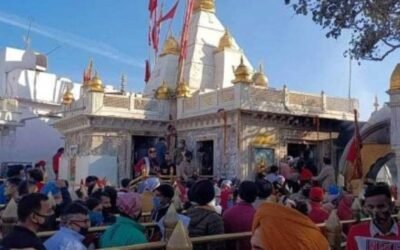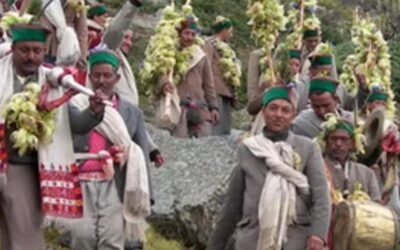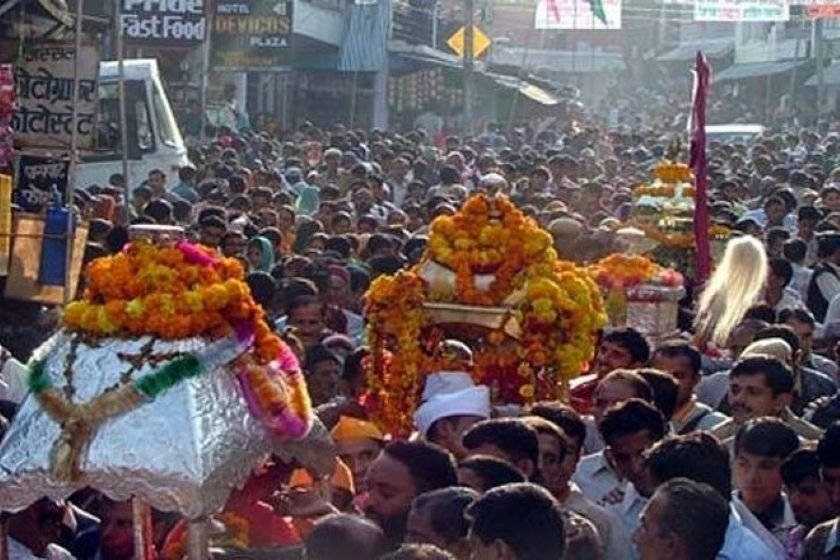
When decorated palanquins descend towards Renuka Lake and drums begin echoing through the surrounding hills, one of Sirmaur’s most important religious gatherings comes to life. Devotees line the road from Dadahu, flags rise above the procession, and the arrival of Lord Parshuram is celebrated as a son returning to meet his mother, Mata Renuka.
Renuka Fair, officially known as the International Shri Renuka Ji Fair, is held annually beside Renuka Lake in Sirmaur district. The fair usually takes place during October or November, shortly after Diwali, according to the Hindu lunar calendar.
The religious centre of the celebration is the symbolic reunion of Mata Renuka and her son Lord Parshuram. Around this central tradition, the fair brings together temple rituals, palanquin processions, cultural programmes, exhibitions, folk performances, markets and community gatherings.
| Quick Detail | Information |
|---|---|
| Festival | International Shri Renuka Ji Fair |
| Location | Renuka Ji, Sirmaur district |
| Main venue | Renuka Lake, temple area and fairground |
| Nearby town | Dadahu |
| Usual season | October or November |
| Traditional timing | Around ten days after Diwali |
| Duration | Usually five to six days, depending on the official programme |
| Principal deities | Mata Renuka and Lord Parshuram |
| Main ceremony | Arrival of Lord Parshuram’s palanquin and reunion with Mata Renuka |
| Festival type | Religious, cultural and community fair |
| Ideal visit duration | One or two days |
| Distance from Nahan | Approximately 38 kilometres |
| Nearest practical airport | Chandigarh Airport |
| Date advice | Confirm the official programme with the Sirmaur district administration |
Why Renuka Fair Is Celebrated
Renuka Fair commemorates the annual meeting of Mata Renuka and her son Lord Parshuram.
According to the regional religious tradition, Lord Parshuram visits his mother at Renuka Ji once every year. His ceremonial arrival is represented by decorated palanquins brought from temples associated with him in different parts of Sirmaur.
The procession reaches the lake amid drums, devotional chants and large gatherings of pilgrims. The meeting of the deities is treated as an emotional reunion between a mother and her son rather than simply as a public temple procession.
This idea gives Renuka Fair its distinctive identity. The event is not centred only on commerce or entertainment. Its religious meaning comes from family devotion, remembrance and the continuing relationship between local communities and their deities.
Mata Renuka and Lord Parshuram
Mata Renuka is revered as the mother of Lord Parshuram, traditionally regarded as an incarnation of Lord Vishnu.
The religious story associated with Renuka Ji is connected with Sage Jamadagni, Mata Renuka and their sons. Versions of the legend differ across Hindu texts and regional oral traditions.
In the most widely narrated local account, Mata Renuka became closely associated with the lake after the tragic events involving her family. The shape of Renuka Lake is traditionally believed to resemble the reclining form of the goddess.
Lord Parshuram is said to have promised to return and meet his mother every year. Renuka Fair represents the fulfilment of that promise.
These stories form an important part of the sacred tradition of Renuka Ji. They should be understood as religious belief and inherited mythology rather than as documented historical events.
Renuka Lake and Its Sacred Importance
Renuka Lake is the largest natural lake in Himachal Pradesh. It is surrounded by forested hills and lies close to temples dedicated to Mata Renuka and Lord Parshuram. Himachal Pradesh Tourism identifies the lake as an important pilgrimage destination approximately 38 kilometres from Nahan.
The lake is considered sacred, and pilgrims traditionally walk around it as part of their visit. The approximately three-kilometre circuit passes through wooded surroundings, temple areas and viewpoints overlooking the water.
During the fair, the lakeside becomes much busier than usual. Temporary stalls, religious camps, government exhibitions and public facilities are established around the main event area.
Visitors should avoid throwing flowers, plastic, food or religious material into the lake. Its sacred value is inseparable from its ecological importance.
When Is Renuka Fair Held?
Renuka Fair is generally organised during the first half of November or in late October, depending on the date of Diwali and the lunar calendar.
The Ministry of Tourism’s Utsav portal describes it as an annual fair held approximately ten days after Diwali.
The precise dates change every year. For example, the Sirmaur district administration scheduled the 2025 fair from 31 October to 5 November.
Visitors should confirm the current year’s dates rather than relying on an old calendar.
Before travelling, check:
- Opening procession date and time
- Arrival schedule of the palanquins
- Main bathing or ceremonial day
- Cultural-night programme
- Traffic restrictions
- Parking arrangements
- Closing ceremony
- Official weather and road advisories
Arrival of Lord Parshuram’s Palanquin
The arrival of Lord Parshuram is the most important public ceremony of Renuka Fair.
Decorated palanquins representing Lord Parshuram and associated deities travel towards Renuka Ji from temples and villages in the surrounding region. One of the principal processions traditionally approaches through Dadahu.
The palanquins are decorated with flowers, coloured cloth, ceremonial ornaments and sacred objects. They are accompanied by:
- Temple priests
- Hereditary attendants
- Traditional musicians
- Palanquin bearers
- Devotees
- Representatives of local communities
- Administrative officials
Drums and long wind instruments announce the arrival of the procession. Devotees gather along the road to bow, offer flowers and receive blessings.
Visitors should stand away from the centre of the route and never touch a palanquin or ceremonial object without permission.
The Procession from Dadahu to Renuka Ji
Dadahu serves as the principal gateway to Renuka Ji and becomes extremely busy on the opening day.
The ceremonial procession passes through the market and continues towards the lake and temple complex. Roadsides, shopfronts and balconies fill with people waiting for the palanquins.
Depending on the annual arrangements, senior state or district representatives formally receive or participate in the procession.
The movement can be slow because of the number of participants and the narrow approach roads. Visitors hoping to watch the procession should arrive several hours early and choose one location rather than trying to follow it through the entire route.
The Reunion of Mother and Son
The emotional centre of Renuka Fair is the ceremonial meeting of Lord Parshuram and Mata Renuka.
After reaching Renuka Ji, the palanquin of Lord Parshuram is brought into the sacred area near the lake and temples. Rituals symbolically mark the son’s return to his mother.
For devotees, this is the most meaningful moment of the fair. It represents:
- The bond between mother and child
- Respect for parents
- The fulfilment of a sacred promise
- Family reunion
- Devotion maintained across generations
Many local families regard participation in this ceremony as an inherited responsibility.
Visitors should observe quietly and avoid blocking the view of pilgrims who have travelled specifically for the ritual.
Sacred Bathing and Lake Rituals
Ritual bathing traditionally forms part of the Renuka Fair observances.
Devotees may take a holy dip at designated ghats, particularly on an important day of the fair. Idols or ceremonial representations associated with Mata Renuka and Lord Parshuram may also be brought near the water according to established custom.
Himachal Pradesh Tourism describes the ceremonial immersion or bathing of the deities as part of the traditional fair observances.
Visitors should use only authorised bathing areas and obey instructions from the administration.
The lake should not be entered casually. Crowds, slippery steps and cold water can create risks, especially for children, elderly pilgrims and people with health conditions.
Worship at Renuka Ji Temple
The temple dedicated to Mata Renuka is situated near the lake and receives large numbers of devotees during the fair.
Pilgrims commonly offer:
- Flowers
- Coconuts
- Red chunris
- Sweets
- Incense
- Sacred threads
- Prasad
Special worship, aarti and devotional recitations take place during the fair period.
Darshan may be brief on crowded days. Visitors should follow the queue, avoid carrying bulky bags and not attempt to remain near the sanctum after receiving darshan.
Photography rules may differ inside the temple. Follow displayed instructions and ask before taking photographs.
Lord Parshuram Temple
A temple dedicated to Lord Parshuram stands close to Renuka Lake.
The temple forms an essential part of the pilgrimage because the entire fair is centred on the annual meeting between Lord Parshuram and Mata Renuka.
Devotees commonly visit both temples and complete a walk around the lake.
The temple area can become heavily congested during the principal ceremonies. Early morning is generally more manageable for regular darshan.
Cultural Programmes
Evening cultural programmes are an important part of the modern fair.
Depending on the annual schedule, the programme may include:
- Himachali Nati
- Sirmauri folk dances
- Harul and regional folk songs
- School and college performances
- Local singers
- Cultural groups from other states
- Dramatic presentations
- Invited artists
- Traditional instrumental music
Himachal Pradesh Tourism notes that cultural programmes are organised during the evenings as part of the annual fair.
The programme changes each year, so visitors should check the official schedule before planning their evening.
Large cultural nights may have security checks, restricted entrances and limited seating.
Exhibitions and Fair Market
Renuka Fair also serves as a major regional gathering for trade, exhibitions and public outreach.
The fairground commonly includes:
- Government department exhibitions
- Agricultural displays
- Local product stalls
- Handicrafts
- Clothing and household goods
- Religious items
- Food stalls
- Children’s toys
- Amusement rides
- Commercial displays
Himachal Pradesh Tourism describes fairs such as Renuka Ji as gatherings where religion, trade, sport and celebration come together.
Visitors buying handicrafts should check whether products are genuinely handmade or locally produced. Large fair markets often contain both local goods and mass-manufactured items.
Food During Renuka Fair
Temporary food stalls appear around the fairground and Dadahu during the festival.
Available food may include:
- Siddu
- Rajma and rice
- Pakoras
- Jalebi
- Halwa
- Tea
- Local-style meals
- Standard North Indian fair food
Religious and community organisations may also operate bhandaras or drinking-water services.
Select busy, clean-looking stalls and avoid food that has been left uncovered for long periods.
Do not throw disposable plates, cups or food waste near the lake or inside the sanctuary area.
Best Day to Attend
The best day depends on what you want to experience.
Opening day: Best for seeing the arrival of Lord Parshuram’s palanquin and the main procession from Dadahu.
Main ceremonial bathing day: Best for observing important lakeside rituals, though this may also be one of the most crowded days.
Middle days: Better for visiting exhibitions, the fair market and temples with somewhat greater flexibility.
Closing day: Suitable for witnessing concluding ceremonies and the departure of participating deities.
A two-day visit allows travellers to experience both the religious procession and the wider cultural fair without rushing.
How to Reach Renuka Ji
Renuka Ji is connected by road with Nahan, Dadahu and Paonta Sahib.
From Nahan
Renuka Ji is approximately 38 kilometres from Nahan.
The road passes through forested and hilly terrain before reaching Dadahu and the lake area. The journey generally takes around one-and-a-half to two hours, depending on traffic.
During the fair, travel time may increase considerably.
From Paonta Sahib
Renuka Ji is approximately 50 kilometres from Paonta Sahib. Himachal Pradesh Tourism identifies Paonta Sahib as an important road base for the fair.
The route usually passes through Dadahu before reaching the lake.
From Chandigarh
Travellers from Chandigarh can proceed through Panchkula, Naraingarh, Kala Amb and Nahan before continuing towards Renuka Ji.
The journey may take four to five hours during normal conditions and longer during fair traffic.
From Solan
From Solan, travellers can proceed through Kumarhatti and Nahan before descending towards Renuka Ji.
Starting early is advisable because the road beyond Nahan contains narrow and winding sections.
By Train
There is no railway station at Renuka Ji.
Useful broad-gauge railway stations include:
- Chandigarh
- Ambala Cantonment
- Kalka
- Yamunanagar–Jagadhri
Travellers must continue by road from these stations.
By Air
Chandigarh Airport is the most practical major airport for most visitors.
Dehradun Airport can also be considered by travellers approaching through Paonta Sahib, although onward road travel is still required.
Where to Stay
Accommodation is available around Renuka Ji, Dadahu and Nahan, but rooms can fill quickly during the fair.
Practical options include:
- Himachal Tourism accommodation near Renuka Ji
- Local hotels and guest houses
- Dharamshalas
- Basic lodges in Dadahu
- Hotels in Nahan
- Homestays in the surrounding region
Renuka Ji is the most convenient place to stay for early-morning rituals and evening programmes.
Dadahu offers access to shops and transport, while Nahan has a wider range of hotels but requires additional driving.
Book early and confirm parking, meals, heating and check-in arrangements.
Parking and Traffic
Parking is one of the main challenges during Renuka Fair.
The road between Dadahu and Renuka Ji may be subject to diversions, one-way controls or temporary restrictions.
Visitors should:
- Use authorised parking areas
- Avoid roadside parking
- Follow police directions
- Be prepared to walk
- Note the parking location
- Allow extra time for shuttle services
- Avoid arriving immediately before the procession
- Keep emergency lanes clear
Private vehicles may not be allowed close to the main temple and fairground during peak ceremonies.
Weather and What to Carry
Renuka Fair is held during autumn, when daytime weather is generally pleasant and evenings can become cool.
Carry:
- A light or medium jacket
- Comfortable walking shoes
- Drinking water
- Personal medicines
- Power bank
- Some cash
- Sun protection
- A small umbrella if rain is forecast
Morning mist and cooler temperatures are possible near the lake.
Those attending late-night cultural programmes should carry an additional warm layer.
Visiting with Children and Elderly Travellers
Renuka Fair can be enjoyed by families, but the principal procession and ritual days can be extremely crowded.
Useful precautions include:
- Arrive early
- Avoid the busiest hours
- Keep children close
- Fix a meeting point
- Carry essential medicines
- Avoid standing at the edge of the lake
- Use only designated bathing areas
- Carry water and light food
- Avoid steep or slippery paths after dark
Elderly visitors should not attempt the full lake circuit unless they are comfortable walking for several kilometres.
Cultural Etiquette
Renuka Fair is a religious pilgrimage before it is a public entertainment event.
Visitors should:
- Do not touch a deity’s palanquin or ornaments.
- Keep the procession route clear.
- Avoid walking directly in front of the palanquins.
- Ask before photographing priests or private rituals.
- Do not use flash near sacred objects.
- Dress respectfully inside temples.
- Remove footwear where required.
- Do not throw offerings into the lake.
- Follow instructions from temple staff and police.
- Avoid loud or disruptive behaviour.
The procession should be treated as a sacred journey, not as a staged performance.
Protecting Renuka Lake
Renuka Lake is surrounded by an ecologically sensitive forest and wildlife landscape. The nearby Renuka Wildlife Sanctuary covers the lake’s surrounding forest area and supports freshwater and terrestrial biodiversity.
Large fairs place considerable pressure on the environment.
Visitors should:
- Carry reusable water bottles
- Avoid single-use plastic
- Use designated bins
- Never feed fish or wildlife without official permission
- Do not throw religious offerings into the lake
- Avoid loud music outside authorised programme areas
- Stay on marked paths
- Do not disturb animals
- Avoid using drones without permission
Respecting the lake is part of respecting Mata Renuka.
Nearby Places to Visit
Renuka Fair can be combined with selected destinations in Sirmaur.
Dadahu: The nearest market town and principal road gateway to Renuka Ji.
Renuka Wildlife Sanctuary: A protected forest area surrounding the sacred lake.
Nahan: The district headquarters, known for Rani Tal, temples and old market areas.
Paonta Sahib: A major Sikh pilgrimage town on the banks of the Yamuna.
Jamu Peak: A hill associated with Sage Jamadagni and local religious tradition.
Trilokpur: Home to the Maa Bala Sundari Temple near Kala Amb.
Avoid planning too many destinations on the opening day of the fair because road restrictions can disrupt travel schedules.
Frequently Asked Questions
When is Renuka Fair held?
It is generally held during October or November, around ten days after Diwali. Exact dates change annually.
Where is Renuka Fair organised?
The fair is held around Renuka Lake, the Renuka Ji Temple complex and the adjoining fairground in Sirmaur district.
Why is Renuka Fair celebrated?
It commemorates the annual reunion of Mata Renuka and her son Lord Parshuram.
How long does the fair continue?
The official programme usually runs for approximately five or six days, though the duration can vary.
What is the main attraction?
The arrival of Lord Parshuram’s decorated palanquin and the ceremonial meeting with Mata Renuka form the religious centre of the fair.
Is there an entry fee?
General entry to the fair and temple area is normally free. Parking, amusement rides or selected facilities may involve separate charges.
Can visitors take a holy dip in Renuka Lake?
Ritual bathing may be permitted at designated ghats during the fair. Visitors must follow official safety instructions.
Is boating available during the fair?
Boating availability may be restricted because of crowds, ceremonies or administrative orders. Confirm locally before planning.
Is Renuka Fair suitable for children?
Yes, but children require close supervision near the lake, procession routes and crowded market areas.
Where should visitors stay?
Renuka Ji and Dadahu are the most convenient bases. Nahan provides more accommodation options but is farther from the fairground.
Final Words
Renuka Fair is one of Sirmaur’s most meaningful religious and cultural gatherings. Its importance does not come only from the scale of the market or the evening performances. It comes from the sight of Lord Parshuram’s palanquin descending towards the lake and the belief that a son has returned, once again, to meet his mother.
Around this reunion, villages, temples, musicians, pilgrims and families come together in a tradition sustained across generations.
Visitors who arrive with patience, follow local customs and help protect the lake can experience Renuka Fair as more than a seasonal event. It is a living expression of devotion, family memory and the sacred landscape of Sirmaur.