
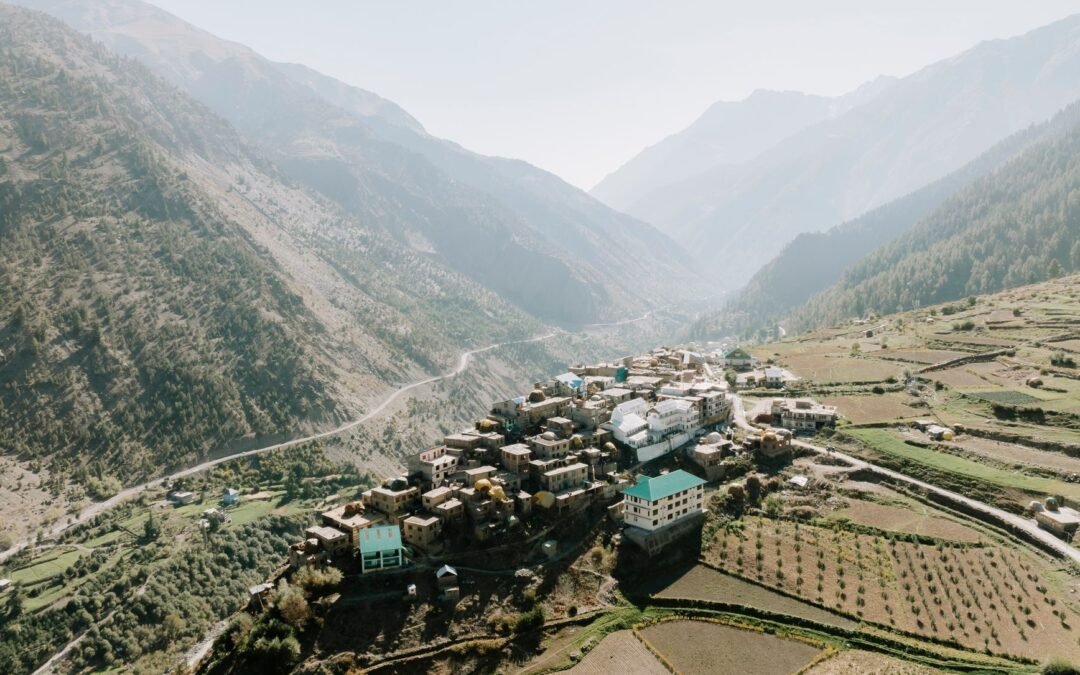
- Sangla Valley is best visited between April to June and September to November for pleasant weather and clear mountain views
- The valley requires an Inner Line Permit for Indian tourists beyond Karcham, obtainable online or at Shimla/Rekong Peo
- Chitkul, the last inhabited village near Indo-Tibet border, is a must-visit destination 25 km from Sangla
- Apple orchards and traditional Kinnauri wooden architecture are signature highlights of the Sangla Valley experience
- Limited ATM facilities and network connectivity make carrying sufficient cash and downloading offline maps essential
Introduction
Nestled in the remote reaches of Kinnaur district in Himachal Pradesh, Sangla Valley stands as one of India’s most spectacular yet lesser-explored Himalayan destinations. Often referred to as the Baspa Valley after the pristine Baspa River that flows through it, Sangla Valley is a realm where apple orchards cascade down mountainsides, traditional Kinnauri architecture tells stories of centuries past, and snow-capped peaks pierce the azure sky with breathtaking grandeur. This enchanting valley, situated at approximately 2,680 meters above sea level, offers travelers an authentic slice of mountain life far removed from the commercialized tourist circuits of mainstream Himachal.
The journey to Sangla Valley is as rewarding as the destination itself, winding through dramatic gorges where the Sutlej River roars below, past precariously perched villages that seem to defy gravity, and through landscapes that transform from dry, rugged terrain to lush green meadows adorned with wildflowers. Unlike the crowded hill stations of Shimla or Manali, Sangla retains an unspoiled charm that appeals to discerning travelers seeking solitude, natural beauty, and cultural authenticity. The valley stretches for about 20 kilometers, dotted with picturesque villages including Sangla town, Chitkul (the last inhabited village near the Indo-Tibetan border), Rakchham, and Batseri, each offering its own unique character and experiences.
What truly sets Sangla Valley apart is its remarkable blend of natural splendor and living cultural heritage. The Kinnauri people who inhabit these villages have preserved their distinct traditions, architectural styles, and Buddhist-Hindu syncretic practices despite the modern world’s encroachment. Whether you’re a trekking enthusiast looking to explore high-altitude trails, a photographer chasing the perfect golden-hour shot of wooden Kinnauri houses against snow-clad peaks, or simply a weary soul seeking respite from urban chaos, Sangla Valley promises an experience that will linger in your memory long after you’ve descended from its ethereal heights.
Quick Facts About Sangla Valley
| Attribute | Details |
|---|---|
| Altitude | 2,680 meters (8,793 feet) – Sangla town; 3,450 meters (11,319 feet) – Chitkul |
| Best Time to Visit | April to June and September to November (winter for snow lovers: December to March) |
| Distance from Nearest City | Shimla: 235 km | Rampur: 130 km | Reckong Peo: 60 km |
| Nearest Airport | Jubbarhatti Airport, Shimla (245 km) | Chandigarh Airport (345 km) |
| Nearest Railway Station | Kalka (310 km) | Shimla (235 km – narrow gauge from Kalka) |
| Permits Required | Yes, Inner Line Permit for Indian citizens visiting Chitkul; ₹20-50 per person |
| Temperature Range | Summer: 10°C to 25°C | Winter: -10°C to 10°C |
| Approx Budget per Day | Budget: ₹1,500-2,500 | Mid-range: ₹3,000-5,000 | Luxury: ₹6,000+ |
Why Visit Sangla Valley
Sangla Valley distinguishes itself through a combination of geographical uniqueness and cultural richness that few Himalayan destinations can match. The valley’s positioning creates a microclimate that supports extensive apple and cherry orchards, giving it the sobriquet “Apple Bowl of Himachal.” Walking through these orchards in spring when blossoms blanket the landscape in white and pink, or during autumn harvest when branches bend under the weight of crimson apples, provides a sensory experience that’s quintessentially Kinnauri. The local apple varieties here, particularly the Royal Delicious, are considered among India’s finest and form the economic backbone of the region.
The architectural heritage of Sangla Valley represents another compelling reason to visit. The traditional Kinnauri houses, with their distinctive slate roofs, intricate wooden carvings, and earthquake-resistant “kath-khuni” construction technique using alternating layers of stone and wood without nails or cement, are living museums of indigenous architectural wisdom. The Kamru Fort in Sangla, dating back over 600 years and formerly the seat of the local rulers, stands as a magnificent example of this architectural style, featuring a tower that blends Buddhist and Hindu design elements with exquisite woodwork depicting mythological scenes and geometric patterns.
The valley also serves as a gateway to some of the most pristine trekking routes in the Himalayas. Unlike the crowded trails of Himachal’s more popular regions, treks originating from Sangla—such as the Sangla Kanda trek or the route to Borasu Pass—offer solitude and untouched natural beauty. The Baspa River, classified as a trout breeding zone, attracts angling enthusiasts from across the country who come to try their luck at catching the elusive brown and rainbow trout in its crystal-clear waters. Moreover, the valley’s location near the Indo-Tibetan border gives it a unique geopolitical significance and a cultural atmosphere influenced by Tibetan Buddhism, evident in the monasteries, prayer flags, and chortens that dot the landscape.
How to Reach Sangla Valley
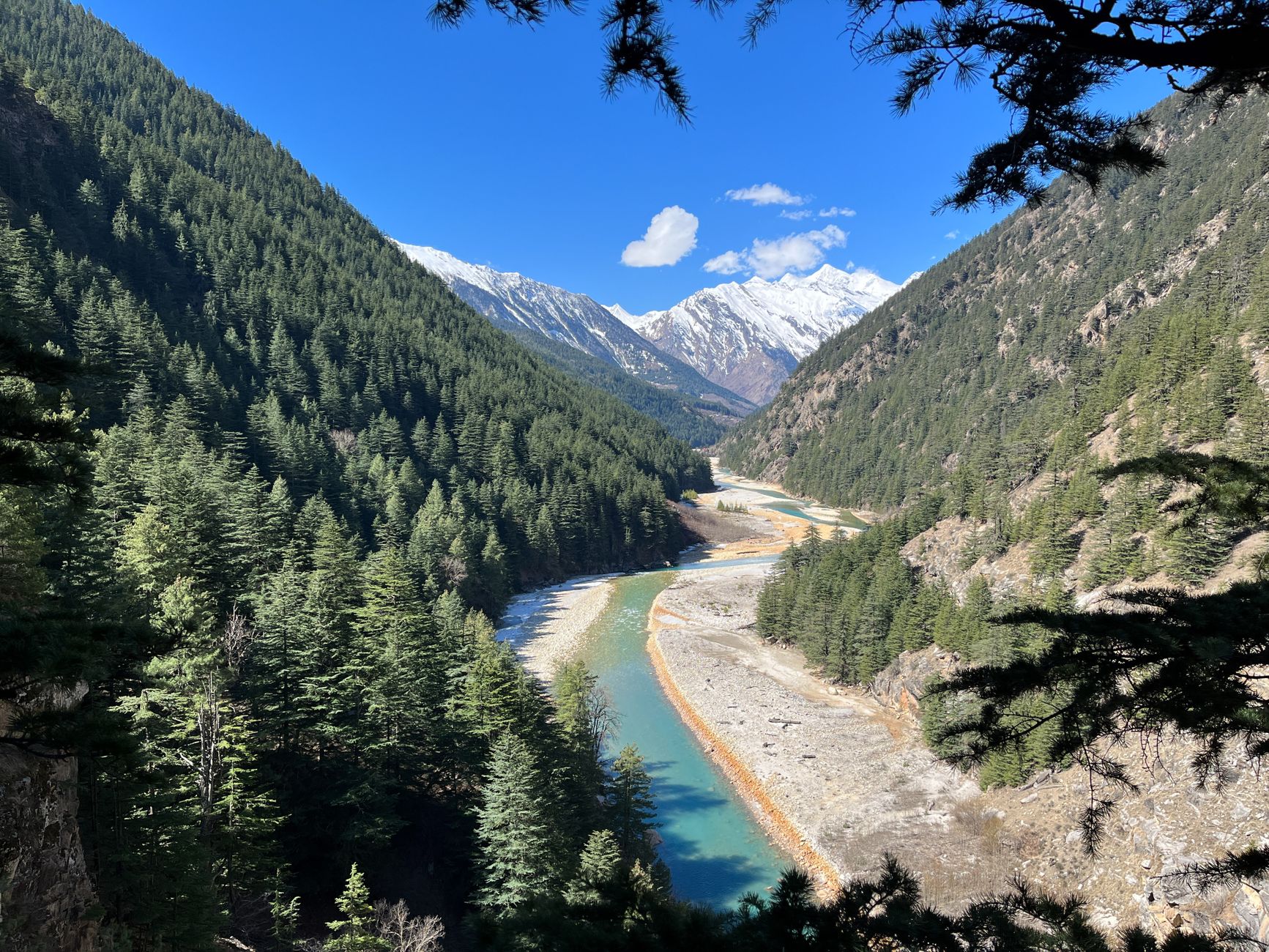
By Road: The most practical way to reach Sangla Valley is by road, and the journey itself is an adventure through some of Himachal’s most dramatic landscapes. From Delhi, the distance is approximately 580 kilometers, taking 14-16 hours of driving. The route typically follows NH5 through Chandigarh, Shimla, Rampur, and Karcham before branching off on NH5 (old NH22) toward Sangla. The road from Karcham to Sangla is particularly scenic, winding through gorges carved by the Baspa River. Private taxis from Shimla to Sangla cost between ₹4,500-6,500 and take about 8-9 hours. From Reckong Peo, the district headquarters of Kinnaur located 60 kilometers away, taxis charge ₹1,800-2,500 for the 2-3 hour journey.
By Bus: Himachal Road Transport Corporation (HRTC) operates regular bus services to Sangla from major cities, though schedules can be irregular during winter months when snowfall affects road conditions. From Shimla, there’s typically one direct bus departing early morning (around 6:00 AM) with fares of ₹350-500 for regular buses and ₹600-800 for semi-deluxe services. The journey takes 10-12 hours depending on road conditions and stops. From Rampur, buses are more frequent with fares around ₹200-300. Alternatively, you can take a bus to Reckong Peo (better connectivity) and then catch a local bus or shared taxi to Sangla for ₹100-150 per person. Private bus operators in Delhi also offer overnight Volvo services to Reckong Peo (₹1,200-1,800), from where you can arrange onward transportation.
By Air and Train: The nearest airport is Jubbarhatti in Shimla, 245 kilometers away, though it has limited connectivity with mostly seasonal flights from Delhi. Chandigarh International Airport, 345 kilometers away, offers better connectivity with regular flights from major Indian cities. From either airport, you’ll need to arrange road transportation to Sangla. The nearest railway station is Kalka, well-connected to major cities, from where you can take the scenic narrow-gauge toy train to Shimla (₹350-1,000 depending on class) and then continue by road. Most travelers prefer to either drive their own vehicles or hire taxis from Shimla, as this provides flexibility to stop at viewpoints and explore villages along the route. The road journey, while long, is integral to the Sangla experience, offering views of the Sutlej River, glimpses of the old Hindustan-Tibet Road, and passages through small mountain towns that provide insights into life in these remote regions.
Best Time to Visit Sangla Valley
Spring (April to June): This is considered the prime season for visiting Sangla Valley. April brings the bloom of apple and cherry blossoms, transforming the valley into a painter’s palette of whites and pinks against the green meadows and snow-capped peaks. Temperatures range from 10°C to 25°C, making it perfect for outdoor activities. The roads are generally clear and accessible, though early April might still see some snow patches at higher elevations. This period attracts moderate tourist crowds, especially in May and June when Indian tourists seek respite from the plains’ scorching heat. All hotels, guesthouses, and restaurants operate at full capacity. The river flow is strong due to snowmelt, making it ideal for riverside camping and photography. However, prices for accommodation can be 20-30% higher during peak season (May-June).
Monsoon (July to September): The monsoon season sees relatively less rainfall compared to other parts of Himachal due to Sangla’s position in the rain-shadow zone, but it’s still not the most recommended time for visiting. July and August receive occasional rainfall which, while not heavy, can trigger landslides on the already precarious mountain roads, sometimes causing road blockages. The landscape turns lush green, and the valley looks its most verdant during late monsoon. September marks the end of monsoons and the beginning of the harvest season, when apple orchards are laden with fruit ready for picking. Tourist crowds thin out considerably during monsoon, making it attractive for those seeking solitude and willing to deal with unpredictable weather. Many hotels offer significant discounts (30-50% off peak rates) during this period.
Autumn (October to November): Many seasoned travelers consider autumn the best time to visit Sangla Valley. The weather is crisp and clear with daytime temperatures between 8°C to 18°C, perfect for trekking and sightseeing. The apple harvest is in full swing, and you can witness the entire valley bustling with activity as orchardists pick and pack apples for market. The clear post-monsoon skies offer spectacular mountain views with excellent visibility, making it ideal for photography. October sees moderate tourist activity, while November is quieter as temperatures begin dropping significantly at night. The deciduous forests around the valley turn golden and amber, adding another dimension to the already stunning scenery. Most establishments remain open through November, though some budget guesthouses might close toward month-end.
Winter (December to March): Winter transforms Sangla Valley into a snow-covered wonderland, appealing to those seeking a different kind of mountain experience. Heavy snowfall occurs from late December through February, with temperatures plummeting to -10°C or lower at night. The road to Sangla can become challenging or occasionally impassable during peak winter, particularly the stretch from Karcham to Sangla. Many hotels and guesthouses close for the season, with only a handful remaining open to cater to winter adventurers. Chitkul becomes completely inaccessible as the road closes due to snow accumulation. However, for those who make it to Sangla during winter, the experience is magical—deserted snow-laden streets, frozen waterfalls, and the opportunity to experience authentic Kinnauri winter culture. Budget stays during winter can be found for as low as ₹500-800 per night. This season is recommended only for experienced winter travelers prepared for extreme cold and limited facilities.
Top Things to Do in Sangla Valley
Visit Chitkul – India’s Last Village
Located 25 kilometers from Sangla at an altitude of 3,450 meters, Chitkul holds the distinction of being the last inhabited village on the Indo-Tibetan border accessible to tourists. The village is extraordinarily picturesque with traditional Kinnauri houses scattered across slopes, a milky-white Baspa River flowing alongside, and a backdrop of towering Himalayan peaks. The Mathi Temple in Chitkul’s lower section is an architectural gem with intricate wood carvings. A walk through the village’s narrow lanes, interaction with locals who still maintain traditional livelihoods of farming and animal husbandry, and visiting the famous signboard marking “Last Indian Dhaba” (where chai costs ₹20 and Maggi ₹40) makes for a memorable day trip. Remember to carry valid ID proof as you’ll need to show it at the checkpost, and note that beyond Chitkul lies restricted territory requiring special permits.
Explore Kamru Fort and Village
The ancient Kamru Fort, located in Kamru village about 2 kilometers from Sangla town, is a magnificent wooden structure that served as the seat of the Bushahr rulers until the 19th century. The fort’s six-story tower showcases exemplary Kinnauri architecture with slate roofing, intricately carved wooden balconies, and earthquake-resistant construction techniques passed down through generations. Inside, you’ll find a temple dedicated to Kamaksha Devi, adorned with beautiful woodwork depicting Hindu deities and geometric patterns. The climb to the fort through the village involves steep stone steps lined with traditional houses, offering photographic opportunities at every turn. Entry to the fort costs ₹50 for Indians and ₹100 for foreign nationals. The elderly caretaker, if available, can share fascinating stories about the fort’s history, though it helps to have a local guide or someone who speaks Kinnauri.
Trek to Sangla Kanda
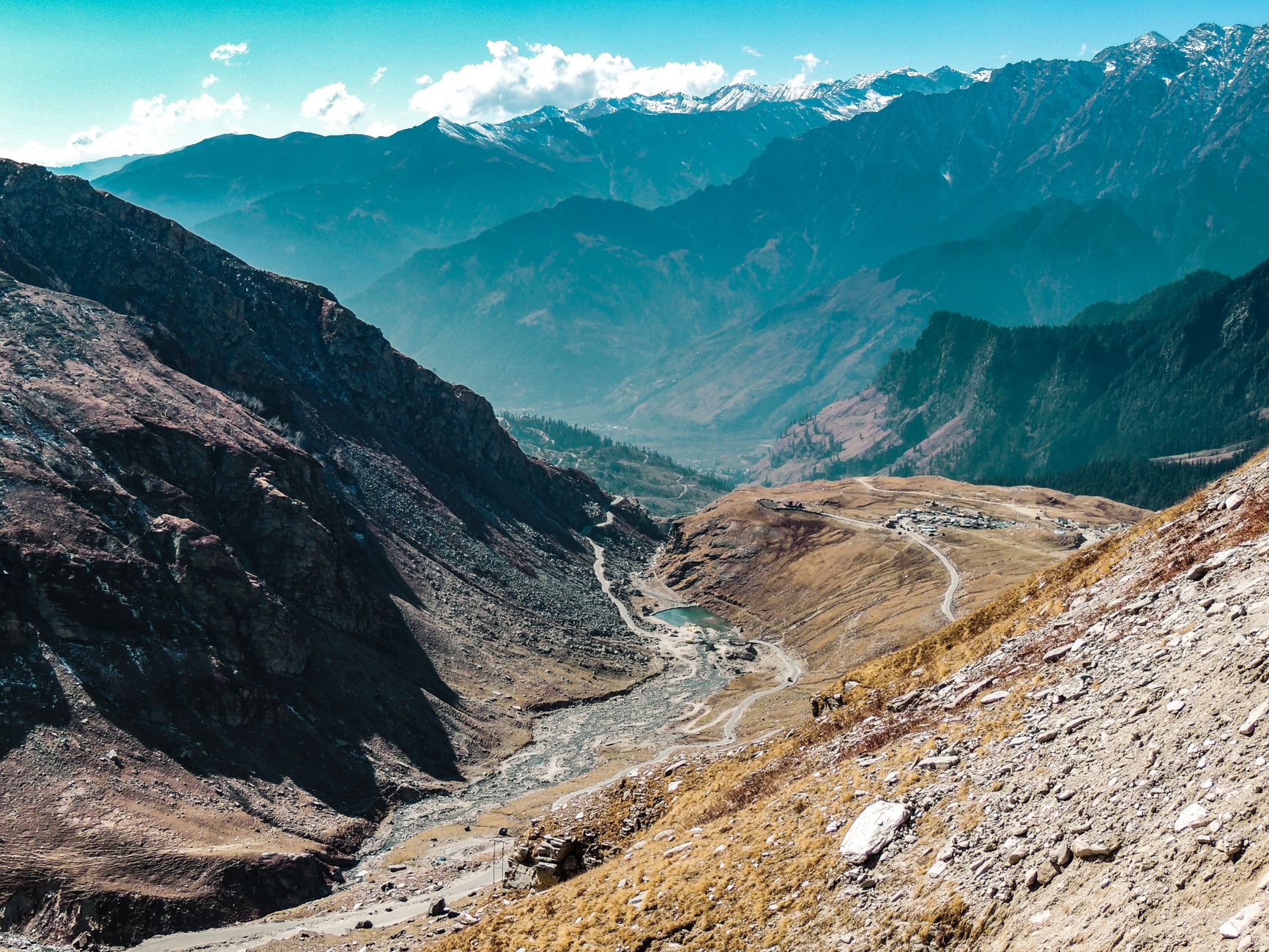
For trekking enthusiasts, the Sangla Kanda trek offers a moderate-to-challenging ascent to a peak at approximately 4,500 meters that provides 360-degree panoramic views of the entire valley and surrounding Himalayan ranges including Kinner Kailash. The trek typically takes 6-8 hours to reach the summit and can be completed in a day if you start early morning (around 5 AM), though many prefer to camp overnight and catch the sunrise from the top. The trail passes through dense deodar forests, alpine meadows dotted with wildflowers (during summer), and rocky terrain near the summit. Local guides can be arranged through hotels in Sangla for ₹1,500-2,500 per day, and they’re highly recommended as the trail isn’t always clearly marked. The views from the top, especially of the Baspa Valley snaking below and the mighty peaks of Raldang and Jorkanden in the distance, make every step of the challenging climb worthwhile.
Experience Batseri Village
Batseri, located about 3 kilometers from Sangla, offers a quieter alternative with fewer tourists and an authentic village atmosphere. The village is renowned for its Buddhist temple with ancient murals and its proximity to the Baspa River, where riverside camping is popular among travelers. Batseri serves as a starting point for several short treks and is home to some excellent homestays where you can experience traditional Kinnauri hospitality. The village’s location on the opposite bank of the Baspa River from the main road gives it a secluded feel. During apple season, you can visit local orchards and even participate in picking fruit if you’ve developed rapport with the orchardists. The evening views from Batseri, with the setting sun painting the mountains in shades of gold and orange while the river murmurs below, create moments of profound tranquility.
River Rafting and Angling in Baspa River
The Baspa River, a tributary of the Sutlej, offers exciting white-water rafting opportunities from June through September when water levels are optimal. Several adventure tour operators in Sangla organize rafting expeditions with stretches ranging from easy grade II rapids suitable for beginners to more challenging grade III sections for experienced rafters. A typical 5-kilometer rafting stretch costs between ₹800-1,500 per person including safety equipment and trained guides. The Baspa is also designated as a trout breeding zone, making it a prized destination for angling enthusiasts. Rainbow and brown trout inhabit these cold, clear waters, and fishing permits can be obtained from the Fisheries Department office in Sangla for approximately ₹500-1,000 per day depending on the zone. Several stretches are catch-and-release only to protect fish populations. Local fishing guides are available for hire at ₹1,000-1,500 per day and can significantly improve your chances of a successful catch.
Visit Rakchham Village and Monastery
Rakchham, situated 14 kilometers from Sangla at 3,100 meters altitude, is a serene village that offers stunning views of the Kinnaur Kailash range. The village is less commercialized than Sangla and maintains a more traditional atmosphere with people still engaged primarily in agriculture and animal husbandry. The small Buddhist monastery (gompa) in Rakchham features colorful prayer wheels and thankas (Buddhist paintings), and you can often witness monks performing their daily rituals if you visit in the early morning or evening. The village serves as a base for treks to higher altitude areas and offers some pleasant short walks through apple orchards and along the Baspa River. Rakchham is particularly beautiful during autumn when the landscape transforms into brilliant shades of gold and red. Several homestays in the village offer accommodation at ₹600-1,200 per night, providing a more intimate experience of valley life than hotel stays in Sangla town.
Where to Stay in Sangla Valley
Budget Options (₹500-1,500 per night): Sangla Valley offers numerous budget-friendly guesthouses and homestays that provide clean, basic accommodation with warm Kinnauri hospitality. The Rupin River View Guest House in Sangla town offers simple rooms with attached bathrooms for ₹700-1,000, with a common area featuring mountain views and home-cooked meals available on request. Hotel Mount Kailash, one of the older establishments, has basic rooms starting at ₹800 with hot water and valley views from some rooms. In Batseri village, several homestays like Batseri Camps and Riverside Homestay charge ₹600-1,200 and offer a more authentic local experience with meals prepared by the host family using traditional recipes. Chitkul has limited budget options during the tourist season, with Wanderer’s Nest and Hindustan Ka Aakhri Dhaba providing basic rooms for ₹800-1,500. These budget accommodations typically don’t have heating, so carrying a good sleeping bag during shoulder seasons is advisable.
Mid-Range Options (₹2,000-4,500 per night): The mid-range category offers better amenities including room heating, attached bathrooms with reliable hot water, and often in-house restaurants serving both Indian and international cuisine. Hotel Apple Pie in Sangla is popular among travelers for its comfortable rooms (₹2,500-3,500), helpful staff, and decent restaurant serving Chinese, Indian, and Continental dishes. Banjara Camps in Sangla offers Swiss cottage tents with attached bathrooms, valley views, and a bonfire area for ₹3,000-4,000, providing a glamping experience that’s particularly enjoyable during summer. The Kinner Villa in Rakchham (₹2,800-3,800) features well-appointed rooms with modern bathrooms and a dining area overlooking the Baspa River. Hotel Rupin River View, despite its budget name, has renovated premium rooms for ₹3,000-4,000 with excellent views and reliable service. Most mid-range properties include breakfast in their tariffs and can arrange packed lunches for day trips.
Splurge Options (₹5,000+ per night): For those seeking luxury in this remote valley, a few properties provide upscale accommodation with superior comfort and services. The Banjara Orchard Retreat in Sangla, set within an apple orchard, offers beautifully designed cottages with modern amenities, large windows framing mountain views, floor heating, and attached bathrooms with bathtubs for ₹6,000-8,500 per night. Meals here feature organic produce from their orchards and vegetable gardens. Kinner Camp, operating from April to October, provides luxury tents with proper beds, attached bathrooms, 24-hour hot water, and personalized service for ₹7,000-10,000 per night including all meals. The property organizes guided treks, village walks, and cultural programs. Hotel Mount Kailash has recently added premium cottages (₹5,500-7,000) with underfloor heating, bathtubs, and private balconies offering spectacular valley views. These luxury properties typically require advance booking, especially during peak season (May-June and October), and most accept online payment through their websites or booking platforms.
Local Food & Cuisine
Kinnauri cuisine reflects the region’s climate, available ingredients, and cultural influences from both Himachal and Tibet. The harsh winters and limited growing season have resulted in food preservation techniques and dishes that are hearty, warming, and nutritious. Chana Madra is perhaps the most celebrated dish—chickpeas cooked in a yogurt-based gravy flavored with cardamom, cloves, and cinnamon, typically served with rice or local siddu (steamed bread). The use of yogurt instead of the onion-tomato base common in plains cuisine gives it a distinctive tangy flavor. Tudkiya Bhath, a traditional pulao made with lentils, rice, potatoes, and local spices, served with tomato chutney, is comfort food that’s both filling and flavorsome. Aktori, a festive cake made during special occasions, uses buckwheat leaves (known for their nutritional value) ground into a paste, mixed with wheat flour, and formed into palm-sized patties that are baked on a griddle or directly on the fire.
The apple-growing region naturally incorporates this fruit into local cuisine. Apple Mittha, a sweetened apple preserve with cardamom and dry fruits, is served as dessert or with breakfast bread. The local Thukpa, influenced by Tibetan cuisine, is a noodle soup with vegetables and sometimes meat, perfect for cold evenings—though vegetarian versions are readily available. Kinnauri red rice, grown locally, has a nuttier flavor and chewier texture than white rice and is considered healthier. The local chhang (barley beer) and angoori (grape wine) are traditional alcoholic beverages, though their commercial sale is limited and you’re most likely to encounter them if invited to a local home.
For dining out in Sangla Valley, options range from basic dhabas to more sophisticated hotel restaurants. The Blue Elephant Cafe in Sangla has become popular among younger travelers for its continental offerings like pastas and pizzas (₹250-400), sandwiches (₹150-250), and decent coffee (₹80-150), though their Indian dishes are equally good. Hotel Apple Pie Restaurant serves a mix of Indian, Chinese, and Continental cuisine with main dishes ranging from ₹180-350, and their thukpa (₹150-200) receives consistent praise. For authentic local Kinnauri food, homestays are your best bet as restaurants in the valley primarily cater to tourist palates with standard North Indian fare. In Chitkul, the Last Dhaba (officially Hindustan Ka Aakhri Dhaba) offers simple but tasty food—their rajma-rice and dal-rice combinations cost ₹100-150, and their chai and Maggi have achieved near-legendary status among travelers despite their basic preparation. Batseri Cafe in Batseri village offers riverside seating with views and serves decent momos (₹100-150 for a plate), Tibetan bread (₹60-80), and various Indian dishes (₹150-300) in a peaceful setting away from Sangla’s relative bustle.

Practical Travel Tips for Sangla Valley
Permits and Documentation: Indian citizens visiting Chitkul need to obtain an Inner Line Permit, which is free but requires showing valid photo identification (Aadhaar card, voter ID, or driving license) at the checkpost before Chitkul. The process is quick, taking just a few minutes as authorities note down details from your ID. Foreign nationals require a Protected Area Permit (PAP) to visit Kinnaur district including Sangla Valley, which must be obtained in advance from the District Magistrate’s office in Reckong Peo or Shimla, or through registered travel agents. The PAP costs approximately ₹50-100 and requires passport details and photocopies. Keep multiple photocopies of your ID as you’ll need to show identification at various checkpoints along the journey. If you’re planning any high-altitude treks beyond standard tourist routes, additional permits from the Forest Department might be required.
Mobile Network and Connectivity: Mobile network coverage in Sangla Valley is limited and intermittent. BSNL has the most reliable coverage in Sangla town and Chitkul, though signals can be weak. Airtel and Jio have spotty coverage in Sangla town but virtually no connectivity in Chitkul, Rakchham, or Batseri. It’s advisable to get a BSNL SIM card if you need reliable connectivity, which can be purchased in Reckong Peo. Internet services are available through WiFi at some hotels and guesthouses in Sangla, but speeds are slow and connections unreliable—consider this valley a digital detox destination. There are BSNL telephone booths in Sangla town for making calls if mobile networks fail. The District Commissioner’s office in Sangla has landline facilities for emergencies.
Money and ATMs: The nearest ATM to Sangla is in Karcham, about 16 kilometers away, and it frequently runs out of cash or goes offline due to connectivity issues. The next reliable ATMs are in Reckong Peo, 60 kilometers away. It’s essential to carry sufficient cash for your entire stay in Sangla Valley as card payment facilities are virtually non-existent except at a few upscale hotels. Budget for accommodation, food, local transportation, permits, and activities, and carry 20-30% extra for contingencies. The State Bank of India branch in Sangla town can provide limited banking services during working hours but cannot dispense large amounts of cash without prior arrangement. Denominations of ₹100, ₹200, and ₹500 are most useful for daily transactions.
Medical Facilities: Medical facilities in Sangla Valley are basic. There’s a Primary Health Centre (PHC) in Sangla town with a doctor and basic first-aid facilities, but for any serious medical issues, you’d need to travel to Reckong Peo (60 km) where the district hospital has better facilities, or further to Rampur or Shimla for advanced medical care. Carry a comprehensive first-aid kit including medications for altitude sickness (Diamox), common painkillers, anti-diarrheal medication, bandages, and any prescription medicines you require. Altitude sickness can affect some visitors, especially in Chitkul; symptoms include headache, nausea, and dizziness. If experiencing severe symptoms, descend to a lower altitude immediately. The thin air and strong UV radiation at these altitudes require acclimatization—avoid strenuous activity on your first day and stay hydrated. Travel insurance covering emergency evacuation is strongly recommended.
What to Pack: Packing appropriately is crucial for a comfortable Sangla Valley experience. Layer your clothing as temperatures can vary significantly between morning/evening and midday. Essentials include thermal innerwear, fleece jackets, waterproof/windproof outer layer, comfortable trekking shoes with good grip, woolen socks, gloves, and a warm cap even during summer as mornings and evenings are cold. Sunglasses and sunscreen (SPF 50+) are non-negotiable given the intense UV radiation at this altitude. A good quality flashlight or headlamp is essential as power cuts are common and some villages have limited street lighting. Carry a reusable water bottle (water purification tablets optional), dry snacks for day trips, a power bank since charging opportunities may be limited, and toiletries including toilet paper as public facilities can be basic. If visiting during monsoon, waterproof bags for electronics and rain gear are necessary. A good camera with spare batteries and memory cards is recommended as charging opportunities and purchasing electronics aren’t reliable.
Safety and Responsible Tourism: Sangla Valley is generally safe for travelers including solo women travelers, with locals being hospitable and respectful. However, exercise standard precautions—don’t trek alone on remote trails, inform your hotel about your itinerary, avoid traveling after dark as roads are dangerous, and respect local customs and dress modestly, especially when visiting temples and monasteries. The valley’s ecology is fragile and already showing signs of tourism pressure. Practice responsible tourism by not littering (carry back all non-biodegradable waste to Shimla or beyond), using refillable water bottles instead of buying plastic bottles, respecting local culture and traditions, not disturbing wildlife, staying on marked trails during treks to prevent erosion, and using homestays and local guides to ensure tourism benefits reach local communities. Don’t pluck flowers or plants, especially in protected areas. During river camping, maintain distance from the water and never leave trash behind. The valley’s beauty depends on every visitor’s commitment to preserving it for future generations.
Final Thoughts
Sangla Valley represents everything that draws travelers to the Himalayas—pristine natural beauty, authentic cultural experiences, adventure opportunities, and that ineffable sense of peace that only remote mountains can provide. Unlike India’s more commercialized hill stations where development has sometimes compromised character, Sangla maintains a delicate balance between welcoming tourism and preserving its essential identity. The valley challenges you with its remoteness and basic facilities while rewarding you with experiences and vistas that few other destinations can match. Whether you’re watching the sunrise paint Kinner Kailash in shades of gold from a Chitkul guesthouse, sharing chai with a Kinnauri family in their traditional wooden home, walking through orchards heavy with apples, or simply sitting beside the rushing Baspa River watching clouds drift past snow-draped peaks, Sangla offers moments of profound connection with both nature and an enduring way of life.
As you plan your journey to this enchanting valley, remember that the best experiences often come from embracing its remoteness rather than fighting against it. The intermittent electricity, limited connectivity, and basic facilities aren’t inconveniences—they’re invitations to disconnect from the digital world and reconnect with elemental experiences that modern life often denies us. Come to Sangla Valley with realistic expectations, an open heart, respect for local culture and environment, and a willingness to adapt to mountain rhythms. Whether you’re an adventure seeker, photography enthusiast, culture explorer, or simply someone seeking respite from urban chaos, Sangla Valley awaits with experiences that will enrich your understanding of the Himalayas and perhaps of yourself. Start planning your journey to one of Himachal’s most beautiful secrets—the memories you create in these mountains will accompany you long after you’ve descended back to the plains.
- Visit Bering Nag Temple early morning around 7 AM to witness the unique wooden architecture without crowds and catch locals performing daily rituals
- Stock up on locally grown Kinnauri apples and dried apricots directly from orchards in September-October at half the price of retail shops
- Book homestays in Sangla village over hotels for authentic Kinnauri meals like chilta, aktori, and sidu prepared with traditional methods
- Carry photocopies of your Inner Line Permit as checkpoints exist at multiple locations between Karcham and Chitkul
- Fill petrol at Recong Peo or Karcham as Sangla has unreliable fuel availability, especially during peak tourist season and winter months
Frequently Asked Questions about Sangla Valley
The best time to visit Sangla Valley is from April to June and September to November when the weather is pleasant and roads are accessible. Winter months from December to March are ideal for snow lovers, though temperatures drop significantly and some areas may become inaccessible due to heavy snowfall.
Sangla town is situated at an altitude of approximately 2,680 meters (8,793 feet) above sea level. Chitkul, the last inhabited village in the valley near the Indo-Tibetan border, is located at a higher altitude of 3,450 meters (11,319 feet).
Sangla Valley is approximately 235 kilometers from Shimla, the capital of Himachal Pradesh. The journey takes you through dramatic landscapes including gorges, the Sutlej River valley, and mountain passes, making the drive as rewarding as the destination itself.
The main villages worth visiting in Sangla Valley include Sangla town (the main settlement), Chitkul (the last inhabited village near the Indo-Tibetan border), Rakchham, and Batseri. Each village offers its own unique character, traditional Kinnauri architecture, and authentic cultural experiences spread across the valley’s 20-kilometer stretch.
Unlike crowded hill stations like Shimla or Manali, Sangla Valley retains an unspoiled charm with its pristine Baspa River, cascading apple orchards, and traditional Kinnauri villages. The valley offers authentic mountain life experiences, well-preserved cultural heritage with Buddhist-Hindu syncretic practices, and spectacular natural beauty away from commercialized tourist circuits.
The nearest airports to Sangla Valley are Jubbarhatti Airport in Shimla, located approximately 245 kilometers away, and Chandigarh Airport. From either airport, visitors need to travel by road through the mountainous terrain to reach Sangla Valley.