
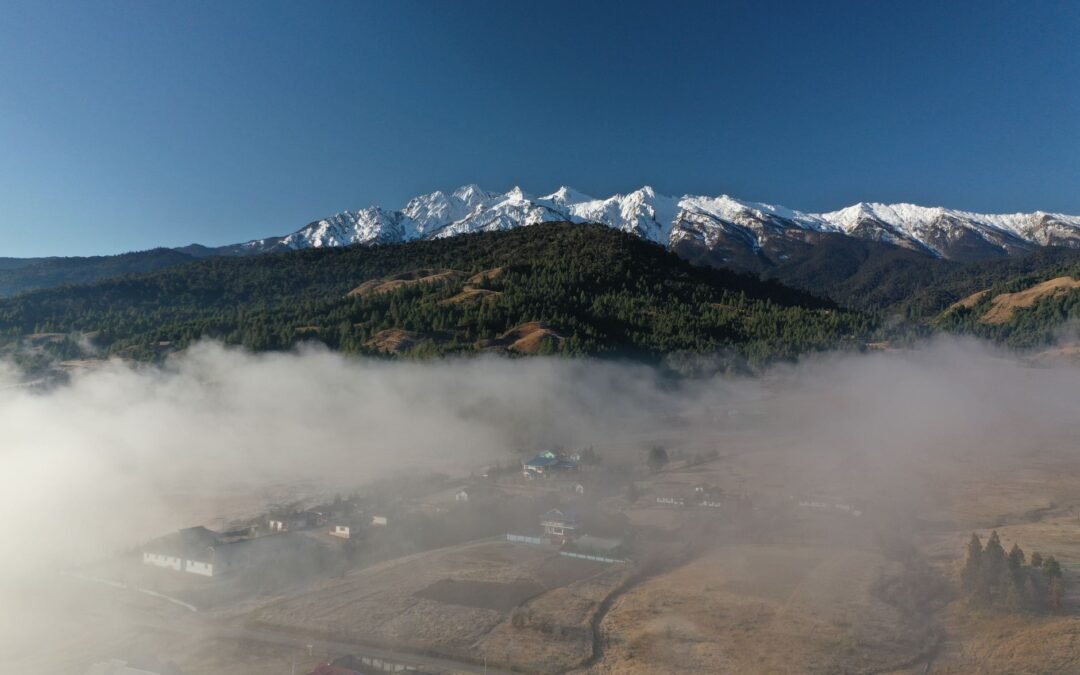
- Ziro Valley lies at 1500m altitude and requires an Inner Line Permit for all non-Arunachal Pradesh residents to visit.
- September to October during Ziro Music Festival offers the best weather and cultural experience in the valley.
- The Apatani tribal villages of Hong, Hari, and Bulla offer authentic homestays and insights into UNESCO-recognized agricultural practices.
- Tarin Fish Farm, Talley Valley Wildlife Sanctuary, and bamboo groves are must-visit natural attractions around Ziro.
- Local rice beer (apong) and bamboo shoot dishes are essential culinary experiences unique to the Apatani culture.
Introduction
Nestled in the lush green hills of Lower Subansiri district in Arunachal Pradesh, Ziro Valley stands as one of Northeast India’s best-kept secrets. This UNESCO World Heritage Site nominee is a world unto itself—a pristine valley cradled at 1,500 meters above sea level, where emerald rice fields stretch like carpets beneath dramatic mountain ranges, and the indigenous Apatani tribe continues to live in harmony with nature as they have for centuries. Unlike the commercialized hill stations that dot the Indian landscape, Ziro Valley offers something increasingly rare: authenticity paired with breathtaking natural beauty.
What makes Ziro truly captivating is its unique blend of cultural richness and ecological diversity. The valley is home to the Apatani people, known worldwide for their sustainable agricultural practices and distinctive facial tattoos (among older women). The landscape here shifts dramatically with seasons—from the vibrant greens of monsoon-fed paddy fields to the golden hues of harvest time, punctuated by traditional bamboo houses and pine-clad hills. The air is crisp and clean, the pace of life unhurried, and the warm hospitality of locals makes every visitor feel like a welcomed guest rather than a tourist.
Whether you’re a culture enthusiast eager to document indigenous traditions, an adventure seeker looking for unexplored trekking trails, a nature photographer chasing the perfect landscape shot, or simply a weary urban soul seeking respite from the chaos of city life, Ziro Valley delivers an experience that lingers long after you’ve returned home. The annual Ziro Music Festival has put this valley on the map for music lovers, but the valley’s charms extend far beyond this four-day September event.
Quick Facts About Ziro Valley
| Attribute | Details |
|---|---|
| Altitude | 1,500 meters (4,921 feet) above sea level |
| Best Time to Visit | March to October (September for Ziro Music Festival) |
| Distance from Nearest City | Itanagar (115 km), Guwahati (350 km), North Lakhimpur (100 km) |
| Nearest Airport | Lilabari Airport, North Lakhimpur (100 km) |
| Permits Required | Yes – Inner Line Permit (ILP) mandatory for Indian citizens; Protected Area Permit (PAP) for foreign nationals |
| Temperature Range | Summer: 15°C-30°C | Winter: 5°C-20°C |
| Approx Budget per Day | ₹1,500-2,500 (budget) | ₹2,500-4,500 (mid-range) | ₹4,500+ (comfortable) |
Why Visit Ziro Valley
Ziro Valley isn’t just another pretty hill station—it’s a living, breathing cultural landscape that has earned its place on UNESCO’s tentative World Heritage list for good reason. The valley’s claim to uniqueness begins with the Apatani tribe’s ingenious wet rice cultivation system combined with fish farming, locally known as ‘zabo’. This integrated farming practice, developed over centuries, demonstrates remarkable ecological wisdom where fish waste fertilizes rice paddies, creating a sustainable, chemical-free agricultural ecosystem that continues to thrive today.
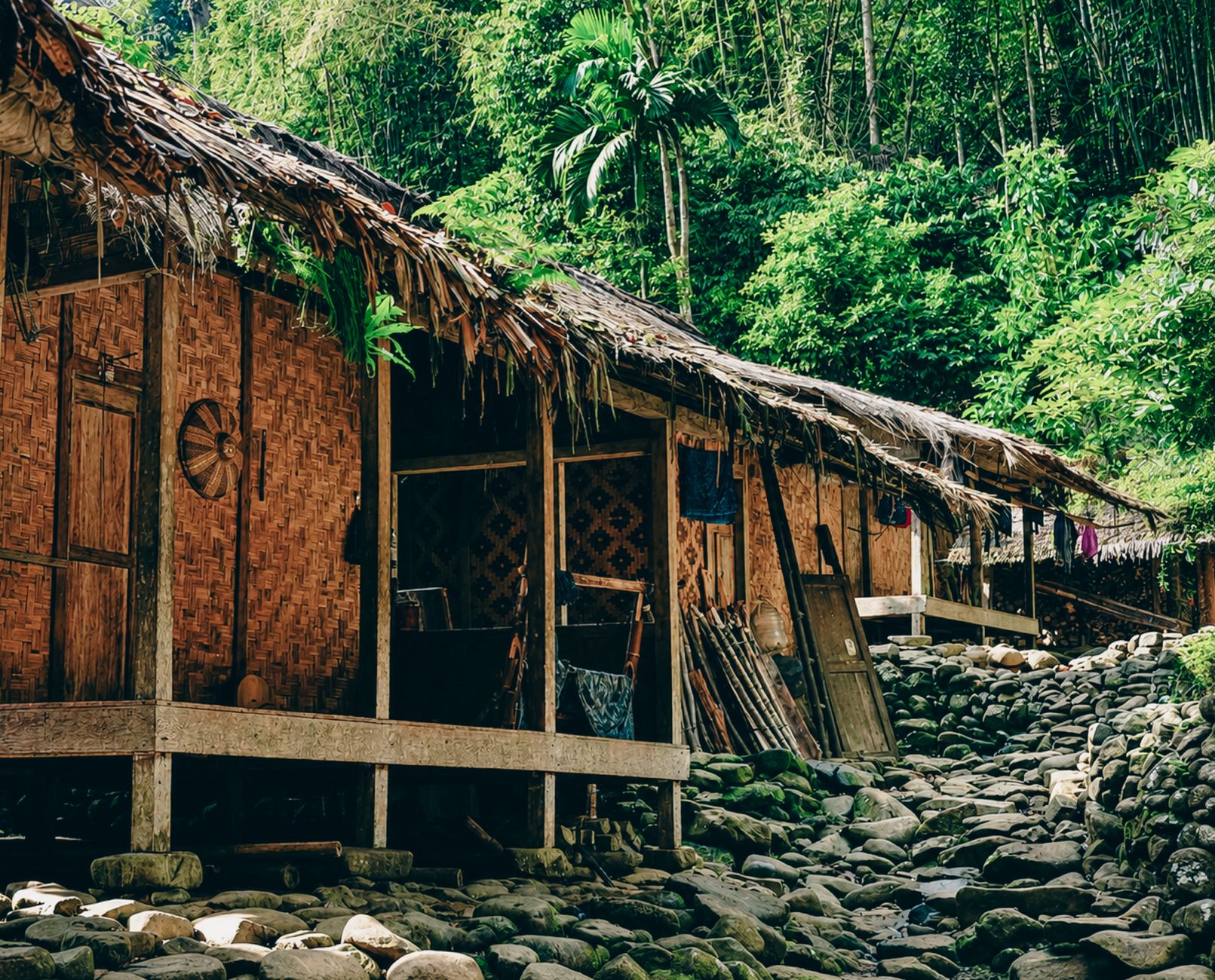
The cultural authenticity here is palpable and unforced. Elderly Apatani women still bear the distinctive facial tattoos and nose plugs (though this practice was discontinued in the 1970s) that once defined their identity. Traditional bamboo houses with sloping roofs dot the landscape, their architecture perfectly adapted to the valley’s climate and available resources. Villages like Hong, Hari, Bulla, Hija, Dutta, and Mudang-Tage maintain their traditional layouts, with neat pathways between bamboo homes and community spaces that have served social functions for generations.
Beyond culture, Ziro Valley offers unparalleled natural beauty that changes character with the seasons. The valley floor is carpeted with geometric patterns of rice fields, creating a patchwork quilt of greens and golds depending on the season. Pine-covered hills form a dramatic backdrop, while clear streams meander through the landscape. The biodiversity here is remarkable—over 270 species of birds have been recorded, making it a paradise for birdwatchers. From the rare Sibia coerulea to various species of laughingthrushes, the valley’s avian population alone justifies the journey.
What truly sets Ziro apart from other destinations is its relative isolation from mass tourism. There are no malls, no multiplexes, no chain restaurants—just authentic experiences, genuine interactions with local communities, and the rare opportunity to witness a way of life that has remained largely unchanged despite modernization pressures. The annual Ziro Music Festival, India’s finest outdoor music festival, has introduced the valley to younger travelers without overwhelming its essential character, striking a rare balance between tourism development and cultural preservation.
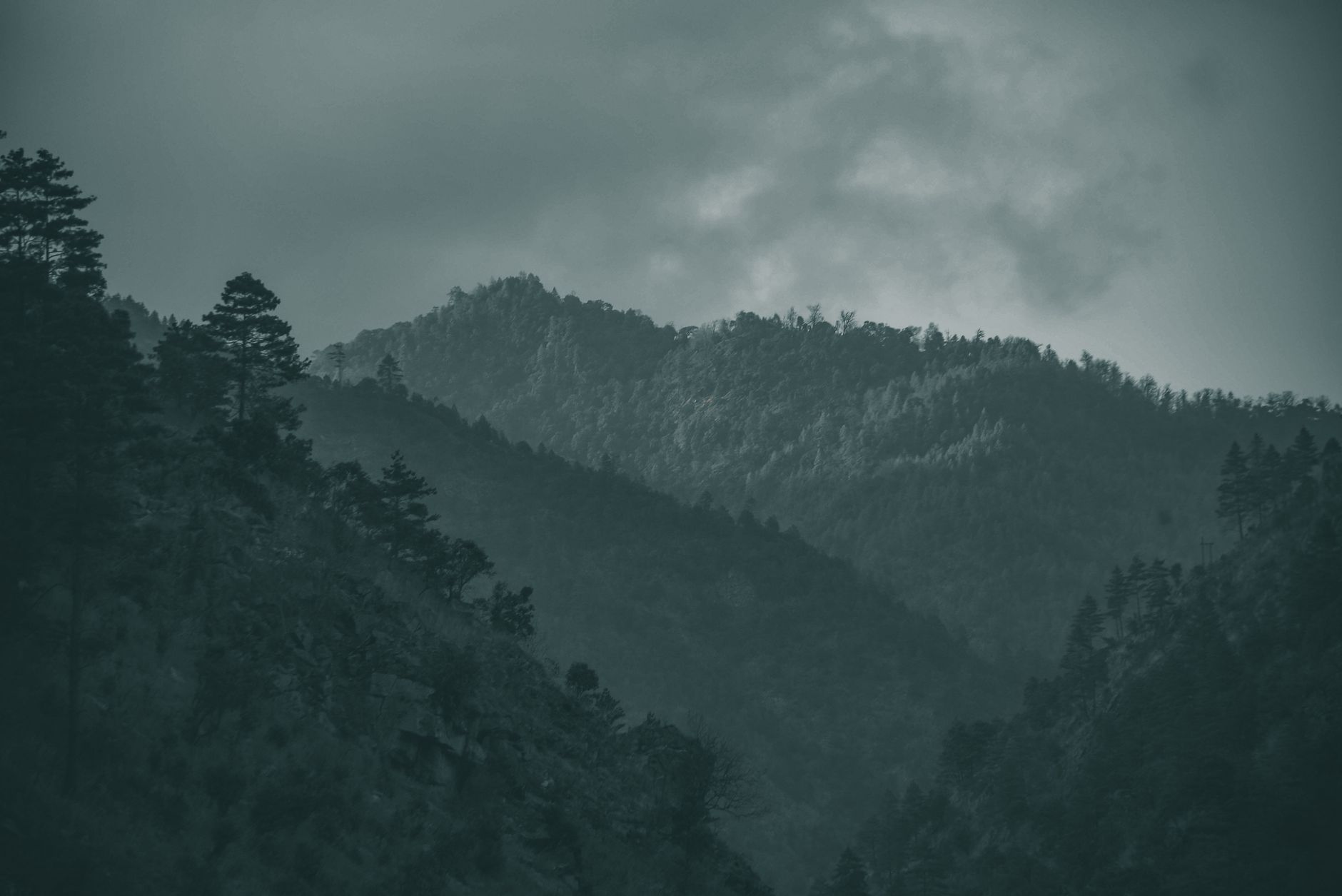
How to Reach Ziro Valley
By Air: The nearest airport to Ziro is Lilabari Airport at North Lakhimpur, located approximately 100 kilometers away. Alliance Air operates flights from Kolkata and Guwahati to Lilabari. From Guwahati’s Lokpriya Gopinath Bordoloi International Airport, you can catch connecting flights (flight time approximately 45 minutes, cost around ₹3,000-5,000). From Lilabari Airport, you’ll need to hire a taxi to Ziro, which costs approximately ₹2,500-3,500 and takes about 3-4 hours through winding mountain roads. Alternatively, Tezpur Airport (Salonibari Airport) is about 150 kilometers away with better connectivity, though the road journey is longer at 5-6 hours.
By Train: The nearest railway station is Naharlagun Railway Station near Itanagar, approximately 115 kilometers from Ziro. However, the most convenient railhead is North Lakhimpur Railway Station in Assam, 100 kilometers away, which is well-connected to Guwahati and other major cities. From Guwahati, several trains run to North Lakhimpur including the Intercity Express (journey time 8-9 hours, cost ₹200-800 depending on class). From North Lakhimpur station, shared sumo taxis cost ₹300-500 per person or you can hire a private taxi for ₹2,500-3,000.
By Road: Road journeys to Ziro are long but spectacularly scenic. From Guwahati (350 km), the journey takes 10-12 hours via NH15 and NH13. Private taxis cost ₹8,000-12,000, while shared sumo services operate regularly from Guwahati’s Paltan Bazaar area, costing ₹600-900 per person. The route passes through Tezpur, Bhalukpong (where you cross into Arunachal Pradesh), and then climbs into the hills. From Itanagar (115 km), the journey takes 4-5 hours and costs ₹3,000-4,000 by private taxi. Assam State Transport Corporation (ASTC) and Arunachal Pradesh State Transport Services (APSTS) operate bus services from Guwahati to Ziro, costing ₹500-700 for a seat in a Volvo or standard bus, though departures aren’t daily—check schedules in advance.
Self-Drive: Adventurous travelers can drive their own vehicles. The roads are generally good from Guwahati to Bhalukpong, but become narrower and windier as you ascend into Arunachal Pradesh. Ensure your vehicle is in excellent condition, carry spare tires, and plan to drive only during daylight hours. Petrol pumps are available in major towns but can be sparse, so keep your tank filled. The scenic route offers numerous photo opportunities and the flexibility to stop at viewpoints.
Best Time to Visit Ziro Valley
March to May (Spring/Summer): This is one of the best periods to visit Ziro. The weather is pleasant with temperatures ranging from 15°C to 25°C. The valley bursts into color with blooming flowers—rhododendrons paint the hillsides pink and red, while the rice fields begin their transformation from brown fallow land to vibrant green. The Apatani community celebrates Dree Festival in July, but March-May offers comfortable trekking conditions, clear skies perfect for photography, and fewer tourist crowds. Accommodation is readily available without advance booking (except during local festivals). However, expect occasional pre-monsoon showers from late April onwards.
June to August (Monsoon): Monsoon season brings heavy rainfall to Ziro Valley, transforming it into a lush, emerald paradise. While the scenery is breathtaking—with rice paddies at their greenest and waterfalls at full flow—practical challenges include road blockages due to landslides, leeches on trekking trails, and limited outdoor activities. The Dree Festival (celebrated in July) is the harvest festival of the Apatani people, featuring traditional rituals, prayers for good harvests, and cultural performances. If you’re willing to brave the rain, you’ll witness the valley in its most verdant avatar with very few tourists around. Pack waterproof gear, be flexible with your itinerary, and confirm road conditions before traveling.
September to November (Autumn/Post-Monsoon): This is arguably the absolute best time to visit Ziro Valley. September brings the internationally acclaimed Ziro Music Festival (usually late September), which draws music lovers from across India and abroad to enjoy indie, folk, and rock performances against the stunning backdrop of paddy fields. Weather is perfect—clear blue skies, comfortable temperatures (12°C-22°C), and the harvest season beginning with fields turning golden. October and November offer spectacular views with excellent visibility of surrounding peaks, ideal trekking weather, and the harvest in full swing. Book accommodation well in advance if visiting during the music festival; prices can double during this period. This season combines the best weather, cultural experiences, and photographic opportunities.
December to February (Winter): Winter brings cold weather to Ziro with temperatures dropping to 5°C-8°C at night, though days remain pleasant at 15°C-20°C. The valley takes on a golden-brown hue as harvested rice fields lie fallow. While this isn’t the most picturesque season visually, it offers a different perspective on local life as the Apatanis engage in indoor activities, handicraft production, and community gatherings. Tourist crowds are minimal, making it ideal for those seeking solitude and authentic cultural interactions. Some homestays may have limited heating, so pack warm clothes. Clear winter skies offer stunning mountain views and excellent conditions for birdwatching as migratory species arrive.
Top Things to Do in Ziro Valley
Explore Traditional Apatani Villages
Walking through villages like Hong, Hari, and Bulla offers an intimate glimpse into Apatani life that feels like stepping back in time. The traditional bamboo houses, raised on stilts with intricate weaving techniques passed down through generations, line neat pathways in planned layouts that demonstrate the tribe’s sophisticated social organization. Elderly women with facial tattoos and nose plugs (Yapin Hulo) are gracious about photographs if you ask respectfully, and they often share stories of their customs. Observe the unique wet rice-cum-fish farming system in action, visit community halls where important decisions are made collectively, and if you’re fortunate, witness traditional crafts like bamboo weaving, cane work, and the production of traditional textiles on backstrap looms.
Trek to Talley Valley Wildlife Sanctuary
Located about 25 kilometers from Ziro town, Talley Valley Wildlife Sanctuary is a biodiversity hotspot covering 337 square kilometers of pristine sub-tropical and temperate forests. The trek to Talley Valley takes you through dense silver fir, pine, and rhododendron forests that are home to clouded leopards, Himalayan black bears, red pandas (if you’re extraordinarily lucky), and over 200 bird species. The sanctuary is relatively untouched by tourism, offering true wilderness experience with gurgling streams, hidden waterfalls, and the possibility of encountering rare orchid species. Hire a local guide (₹800-1,200 per day) who can identify wildlife signs, navigate the trails, and ensure safety—this isn’t a place for solo, inexperienced trekkers.
Visit the Kile Pakho Ridge
For the most spectacular panoramic views of Ziro Valley, trek up to Kile Pakho, a ridge that offers 360-degree vistas of the entire valley floor, surrounding villages, and the dramatic mountain ranges beyond. The trek starts from Hong village and takes approximately 2-3 hours of moderate climbing through pine forests and grasslands. The summit rewards you with breathtaking views—the geometric patterns of rice fields below, traditional villages dotting the landscape, and on clear days, snow-capped peaks in the distance. Sunrise and sunset are magical times here; bring a packed breakfast or snacks, warm clothes (it gets windy), and your camera. Local guides charge ₹500-800 to lead you to the best viewpoints and share stories about the landscape.
Attend the Ziro Music Festival
If you’re visiting in late September, the Ziro Music Festival is an unmissable experience that has been called India’s best outdoor music festival and for good reason. Set against the backdrop of verdant rice fields with mountains rising beyond, this four-day festival features an eclectic lineup of independent music—from folk and electronica to rock and punk—performed by artists from India and abroad. Unlike commercial music festivals, Ziro maintains an intimate, community-focused atmosphere with about 8,000 attendees, strict environmental protocols (no plastic, composting toilets, waste segregation), and genuine respect for local culture. Festival passes cost around ₹3,000-4,000, and the experience of camping under the stars while listening to incredible music in this magical setting is transformative. Book accommodation months in advance; many attendees stay in homestays or pitch tents in designated camping areas.
Experience Traditional Apatani Cuisine
Food is culture made edible, and experiencing Apatani cuisine offers insights into their agricultural practices, forest resources, and culinary traditions. Participate in a traditional meal at a homestay where you’ll be served dishes like Apong (rice beer fermented with a special herb, mildly alcoholic and surprisingly refreshing), Oying (smoked fish, usually captured from their own rice-fish farms), bamboo shoot preparations, Puyi rice (red rice with superior nutritional value), and various preparations of pork with local herbs and bamboo shoots. Many homestays offer cooking demonstrations where you can learn to prepare traditional dishes using age-old techniques. The communal style of eating, sitting around a hearth with your host family, creates memorable cultural exchanges that transcend language barriers.
Birdwatching Expeditions
Ziro Valley is a paradise for ornithologists and bird enthusiasts, with over 270 recorded species including several endemics and rarities. Early morning birdwatching sessions (starting around 5:30-6:00 AM) around the valley’s edges, near Talley Valley, and in the pine forests yield sightings of species like the Beautiful Sibia, Rusty-bellied Shortwing, various laughingthrushes, sunbirds, and if you’re extraordinarily fortunate, the rare Bugun Liocichla discovered only in 2006. Winter months bring migratory species adding to the diversity. Hire an experienced local birding guide (₹1,000-1,500 per day) who knows the calls, habitats, and best spots for different species. Bring binoculars, a field guide, and patience—successful birding requires stillness and silence that itself becomes meditative.
Where to Stay in Ziro Valley
Budget Options (₹500-1,200 per night): Homestays are the best budget accommodation in Ziro, offering authentic cultural experiences while keeping costs low. Padi Homestay in Hong village (₹600-800 per night) provides basic but clean rooms in a traditional bamboo house with shared bathrooms and home-cooked meals included. Menya’s Homestay (₹700-1,000) is run by a warm Apatani family who serve traditional food and organize village walks. Siiro Homestay near Old Ziro (₹500-800) offers simple accommodations with spectacular valley views. Most budget homestays include breakfast and dinner in their rates, with shared bathrooms and basic amenities. During the Ziro Music Festival, even camping in designated areas costs ₹500-800 per tent per night.
Mid-Range Options (₹1,500-3,500 per night): Blue Pine Holiday Lodge at Hapoli (₹2,000-2,800) offers comfortable rooms with attached bathrooms, hot water, and decent food in their restaurant. Ziro Valley Resort (₹2,500-3,500) provides modern amenities including Wi-Fi, valley-view rooms, and a multi-cuisine restaurant while maintaining traditional architectural elements. Siiro Resort (₹2,200-3,200) near Hong village features cottages with modern facilities, a garden restaurant, and guided tour arrangements. Hotel Pito’s-Ago in Hapoli town (₹1,800-2,500) is a reliable option with clean rooms, attached bathrooms with geysers, and a restaurant serving local and North Indian cuisine. These properties offer good comfort-to-cost ratios with facilities like hot water, room heaters in winter, and decent dining options.
Splurge/Premium Options (₹4,000-8,000+ per night): Maro Maro (₹5,000-7,000) is arguably Ziro’s finest accommodation—a boutique property with beautifully designed rooms incorporating traditional elements with modern luxury, organic food sourced from their gardens, curated cultural experiences, and impeccable service. Ziro Pine Grove (₹4,500-6,000) offers premium cottages with valley views, well-appointed interiors, excellent food, and personalized tour arrangements. Heritage Homestays like Yajing’s House (₹4,000-5,500) provide luxury homestay experiences in meticulously maintained traditional homes with private bathrooms, premium bedding, organic meals, and deep cultural immersion. These premium options deliver comfort, excellent food, cultural experiences, and often support sustainable tourism practices and community development.
Local Food & Cuisine
Apatani cuisine reflects the tribe’s close relationship with their land, emphasizing ingredients from their rice-fish farming system, forests, and kitchen gardens. Apong (Rice Beer) is the traditional beverage—a mildly alcoholic, slightly sour rice beer fermented with a special herb locally called ‘tapyo’. It’s offered to guests as a sign of hospitality and is integral to all celebrations and ceremonies. Every family brews their own with slight variations in taste, and trying Apong is essential to understanding Apatani culture. Oyin (Smoked Fish) is prepared from fish raised in the rice paddies, slowly smoked over bamboo, giving it a distinctive flavor that’s central to many dishes. It’s often cooked with bamboo shoots and local herbs, creating a umami-rich delicacy.
Bamboo Shoot Preparations appear in numerous forms—fresh, fermented, pickled—and are cooked with pork, fish, or simply with chili and salt. The fermented version has a strong, acquired taste but is packed with probiotics and considered highly nutritious. Puyi Pika is a salad made with red rice, cucumber, fermented fish, and chili—simple but flavorful, representing the Apatani approach of enhancing natural ingredients minimally. Pork with Bamboo Shoot is perhaps the most popular meat preparation, with locally raised pork cooked with fresh or fermented bamboo shoots, creating a rich, savory dish best enjoyed with rice. The Apatanis’ traditional red rice (Puyi) is nutritionally superior to white rice and has a distinctive nutty flavor and slightly chewy texture.
For experiencing authentic Apatani food, homestays are your best bet—almost every homestay includes traditional meals where you’ll experience home-cooked food with the family. Apatani Kitchen in Hapoli town (meals ₹150-300) serves traditional cuisine in a restaurant setting with dishes like bamboo shoot preparations, smoked fish, and local vegetables. Ziro Market (Old Ziro) has small eateries where local women serve simple but authentic meals for ₹80-150—this is the real deal, though ambiance is basic. Tarin Fish Farm & Restaurant (meals ₹200-400) specializes in fresh fish preparations, showcasing the valley’s renowned rice-fish farming system with fish cooked in various traditional styles.
Donyi Hango Cafe near Hong village (₹100-250) is a youth-run initiative serving local cuisine alongside momos, thukpa, and simple continental dishes—perfect for those easing into local flavors. Maro Maro Restaurant (₹300-600) offers the most refined presentation of local cuisine, with traditional dishes prepared with contemporary sensibility, organic ingredients, and beautiful plating—ideal for those wanting authentic flavors with upscale presentation. Don’t miss trying the local vegetables—many varieties you won’t find elsewhere—and the organic mushrooms foraged from nearby forests, often prepared simply with garlic and local spices.

Practical Travel Tips for Ziro Valley
Permits: The Inner Line Permit (ILP) is mandatory for all Indian citizens visiting Arunachal Pradesh, including Ziro Valley. You can apply online through the official Arunachal Pradesh government website (www.arunachalilp.com) which costs ₹100 for 15 days, extendable once for another 15 days. The online process is straightforward requiring identity proof (Aadhar/PAN/Voter ID), photograph, and basic details. You can also obtain ILP on arrival at entry points like Bhalukpong or from Arunachal Bhawan in major cities (Delhi, Kolkata, Guwahati) though this takes time. Foreign nationals require a Protected Area Permit (PAP), which is more complex—needing to be arranged through registered tour operators and requiring minimum group size of two persons. Start the PAP process at least 4-6 weeks before travel; costs vary by agency (₹5,000-10,000 per person typically).
Mobile Network & Connectivity: Mobile network coverage in Ziro is limited and intermittent. BSNL and Airtel have the best coverage, though signals can be weak or non-existent in villages and surrounding forest areas. Reliance Jio and Vodafone-Idea have minimal to no coverage. The town areas of Hapoli and Old Ziro have better connectivity, but don’t expect reliable internet services. Some hotels and cafes offer Wi-Fi, though speeds are slow. Download offline maps, entertainment, and important information before arrival. Embrace the digital detox—it’s part of Ziro’s charm.
ATM & Money Matters: ATM facilities are extremely limited in Ziro. There are a couple of ATMs in Hapoli, but they frequently run out of cash, especially during peak tourist season and the music festival. Withdraw sufficient cash in Itanagar, North Lakhimpur, or Guwahati before arriving. Carry enough cash (₹15,000-20,000 recommended for a week-long trip) for accommodation, food, guide fees, permits, and emergencies. Most homestays, small restaurants, and local services don’t accept cards or digital payments. Some upscale hotels accept cards, but don’t rely on this. Keep small denominations (₹10, ₹20, ₹50 notes) for small purchases in villages.
Medical Facilities: Medical facilities in Ziro are basic. Hapoli has a government hospital with limited facilities and a few private clinics for minor ailments. For serious medical emergencies, you’d need to travel to Naharlagun or Guwahati. Carry a comprehensive first-aid kit including medicines for common ailments (fever, diarrhea, cold, altitude sickness), bandages, antiseptic cream, and any prescription medications you need. Insect repellent is essential, especially during monsoon. The altitude (1,500m) isn’t extreme, but some visitors experience mild breathlessness initially—acclimatize gradually. Ensure you have adequate travel insurance covering medical emergencies and evacuation.
What to Pack: Pack layers—even in summer, evenings can be cool. Winter requires warm jackets, thermals, woolen clothes, and a good sleeping bag if camping. Comfortable walking shoes are essential for village walks and treks; waterproof boots are necessary during monsoon. Carry rain gear, sunscreen, sunglasses, and a hat. A good flashlight or headlamp is crucial as power cuts are common and villages have limited street lighting. Bring reusable water bottles, wet wipes, hand sanitizer, and biodegradable toiletries. Camera equipment should include extra batteries and memory cards as charging facilities may be unreliable. A power bank is invaluable. If you’re visiting during the music festival, bring a tent, sleeping bag, camping mat, and warm clothes as nights can be cold.
Responsible Tourism: Ziro’s pristine beauty and cultural richness exist because of conscious preservation efforts by the Apatani community. As visitors, we must tread lightly. Always ask permission before photographing people, especially elderly women with traditional tattoos—never photograph without consent. Respect local customs and dress modestly when visiting villages. Don’t litter—carry back all non-biodegradable waste. The music festival maintains strict environmental protocols; follow them and extend this consciousness throughout your stay. Support local economy by buying handicrafts directly from artisans, eating at local establishments, and staying in homestays. Don’t encourage children to beg or expect money for photographs. Be sensitive about cultural practices and religious sites. The Apatanis have maintained their ecosystem for centuries; honor this by minimizing your environmental impact, using water judiciously, and respecting their land.
Safety: Ziro Valley is exceptionally safe with very low crime rates. The Apatani community is welcoming and helpful. However, observe basic precautions—don’t walk alone in forests without guides, inform your accommodation before venturing on treks, and avoid isolated areas after dark. During monsoon, landslides can occur; check road conditions before traveling. Leeches are common in forests during wet months—wear leech-proof socks or tuck pants into socks, and carry salt to remove them. Solo women travelers generally report feeling safe, though practicing standard precautions is advisable. Respect local customs regarding alcohol consumption—Apong is served as cultural tradition, but public drunkenness is frowned upon.
Final Thoughts
Ziro Valley isn’t a destination you simply visit—it’s a place that quietly reshapes your understanding of what travel can be. In an era of curated Instagram moments and bucket-list tourism, Ziro offers something profoundly different: the opportunity to slow down, to witness a culture that has resisted homogenization, and to experience landscapes that haven’t been manicured for tourist consumption. The memories you’ll carry back aren’t just of scenic vistas (though they’re spectacular) but of conversations with Apatani families over bowls of Apong, of misty mornings when the valley seems suspended between earth and sky, of traditional songs heard during village festivals, and of a way of life that reminds us that sustainability isn’t a modern invention but an ancient wisdom.
Whether you spend your days trekking through pristine forests, documenting the intricate patterns of traditional bamboo architecture, losing yourself in music under the stars, or simply sitting by a rice field watching the light change, Ziro Valley rewards the curious, the patient, and the respectful traveler. It demands nothing except your presence—fully awake, fully engaged, and open to experiences that don’t announce themselves but instead unfold quietly, like the daily rhythms of village life. So pack your bags, obtain your permits, and prepare yourself for a journey to one of India’s most authentic and beautiful destinations. Ziro Valley awaits, not with flashing neon signs and tourist trappings, but with genuine hospitality, pristine beauty, and a quiet invitation to experience travel as transformation rather than mere transaction. Visit soon, travel responsibly, and let Ziro work its subtle magic on you.
- Book your Inner Line Permit online at arunachalilp.com at least 7 days before travel to avoid delays at Itanagar checkpoints.
- Stay in Hong village homestays to witness elderly Apatani women with traditional facial tattoos and nose plugs before this practice disappears.
- Visit Kile Pakho hilltop early morning for panoramic sunrise views over the entire Ziro plateau and surrounding pine forests.
- Hire local Apatani guides through Circuit House or homestays at ₹500-800/day for authentic village walks and cultural insights.
- Carry sufficient cash as ATMs are unreliable in Ziro; the nearest reliable ATM is at Ziro town market near the police station.
Frequently Asked Questions about Ziro Valley
The best time to visit Ziro Valley is from March to October when the weather is pleasant and conducive for sightseeing and outdoor activities. September is particularly popular as it hosts the famous Ziro Music Festival, though the valley remains beautiful throughout this period with temperatures ranging from 15°C to 30°C in summer.
Yes, permits are mandatory to visit Ziro Valley. Indian citizens require an Inner Line Permit (ILP), while foreign nationals need a Protected Area Permit (PAP) to enter this region of Arunachal Pradesh.
Ziro Valley is located at an altitude of 1,500 meters (4,921 feet) above sea level in the Lower Subansiri district. The nearest airport is Lilabari Airport in North Lakhimpur (100 km away), and it’s also accessible by road from Itanagar (115 km) and Guwahati (350 km).
Ziro Valley is famous for being a UNESCO World Heritage Site nominee, home to the indigenous Apatani tribe known for their sustainable agricultural practices and distinctive facial tattoos. The valley is also renowned for hosting the annual Ziro Music Festival in September and for its pristine emerald rice fields surrounded by pine-clad hills.
The daily budget for Ziro Valley varies based on your travel style: ₹1,500-2,500 for budget travelers, ₹2,500-4,500 for mid-range comfort, and ₹4,500 or more for comfortable accommodation and experiences. This covers accommodation, food, and local transportation.
Ziro Valley experiences pleasant weather with summer temperatures ranging from 15°C to 30°C (March to October) and winter temperatures between 5°C to 20°C. The climate remains relatively cool year-round due to its elevation at 1,500 meters above sea level.