
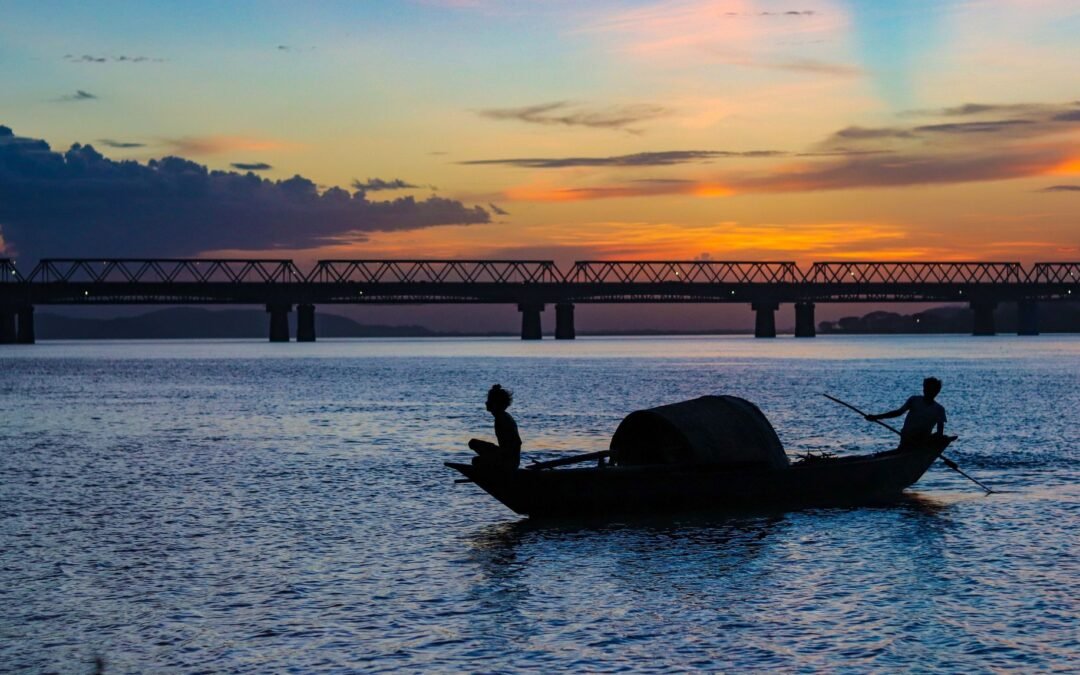
- Majuli Island is the world’s largest river island located in the Brahmaputra River, accessible only by ferry from Jorhat
- The island is famous for its Vaishnavite satras (monasteries) and centuries-old Neo-Vaishnavite culture and traditions
- November to March is the best time to visit when the weather is pleasant and the island is not flooded
- Majuli is shrinking due to erosion, losing nearly two-thirds of its area over the past century
- The island offers unique experiences including mask-making, pottery villages, and traditional Mishing tribal culture
Introduction
Nestled in the mighty Brahmaputra River in the heart of Assam, Majuli Island stands as the world’s largest river island and one of India’s most enchanting cultural treasures. This dynamic landmass, which shifts and reshapes with the river’s moods, is far more than a geographical curiosity—it’s a living museum of Assamese neo-Vaishnavite culture, ancient traditions, and remarkable biodiversity. Spanning approximately 352 square kilometres (though its size fluctuates with erosion and seasonal floods), Majuli Island offers travellers an experience that transcends ordinary tourism, inviting them into a world where time moves differently and spirituality permeates everyday life.
What makes Majuli truly extraordinary is its collection of satras (Vaishnavite monasteries), vibrant tribal communities, and unique handicrafts that have survived centuries of change. The island is home to the Mishing, Deori, and Sonowal Kachari tribes, whose traditions blend seamlessly with the monastic culture established by the revered saint Srimanta Sankardeva in the 15th century. Here, you won’t find commercialised tourist traps or overwhelming crowds; instead, you’ll discover serene paddy fields stretching to the horizon, monks practicing ancient dance forms, and artisans creating masks and pottery using techniques passed down through generations.
For travellers seeking authentic cultural immersion, ecological diversity, and a peaceful retreat from India’s bustling cities, Majuli represents an unparalleled destination. Whether you’re watching the sunrise paint golden hues across the Brahmaputra, participating in a traditional sattriya dance performance, or cycling through villages where life remains beautifully unhurried, Majuli promises an experience that will stay with you long after you’ve left its shores.
Quick Facts About Majuli Island
| Aspect | Details |
|---|---|
| Altitude | 84.5 metres above sea level |
| Best Time to Visit | October to March (post-monsoon to winter) |
| Distance from Nearest City | Jorhat – 20 km (plus ferry crossing) |
| Nearest Airport | Jorhat Airport (Rowriah Airport) – 25 km from ferry point |
| Permits Required | No special permits required for Indian nationals; foreign nationals need to check current regulations |
| Temperature Range | Summer: 25°C-35°C | Winter: 10°C-24°C | Monsoon: 24°C-32°C |
| Approx Budget per Day | Budget: ₹800-1,200 | Mid-range: ₹1,500-3,000 | Comfortable: ₹3,500-6,000 |
Why Visit Majuli Island
Majuli Island isn’t just a destination—it’s a phenomenon. As the world’s largest river island, it holds a UNESCO World Heritage Site candidacy and represents a living laboratory of Assamese culture, ecology, and resilience. The island’s most compelling feature is its network of satras, with approximately 22 active monasteries remaining from the original 65 established centuries ago. These aren’t merely religious institutions; they’re guardians of rare art forms including sattriya dance (recognized as one of India’s eight classical dance forms), traditional mask-making, and devotional music that has been performed without interruption for over 500 years.
The island’s uniqueness extends beyond its cultural heritage. Majuli is a constantly evolving landmass, shrinking due to erosion yet stubbornly persistent, creating a poignant narrative about environmental change and human adaptation. The wetlands surrounding the island attract over 100 species of migratory birds, including the critically endangered Greater Adjutant Stork, making it a paradise for birdwatchers and nature photographers. The seasonal transformations are dramatic—during monsoons, parts of the island submerge, while winter reveals lush green expanses of paddy fields interspersed with water bodies teeming with fish.
What truly distinguishes Majuli is its authenticity. Unlike many heritage destinations that have become museum-like or over-commercialised, Majuli remains a living, breathing community. You’ll witness monks genuinely practicing their spiritual disciplines, not performing for tourists. You’ll encounter tribal communities maintaining their traditional lifestyles, from fishing techniques to indigenous festivals like Ali-Aye-Ligang. The island’s pottery tradition, particularly the work done by the Mishing women, produces distinctive terracotta items without using a potter’s wheel—a technique possibly dating back thousands of years. This combination of spiritual depth, environmental fragility, artistic preservation, and cultural authenticity creates a destination that offers not just sightseeing, but genuine transformation.
How to Reach Majuli Island
By Air: The nearest airport is Jorhat Airport (Rowriah Airport), located approximately 25 km from the Nimati Ghat ferry point. Regular flights connect Jorhat with Kolkata (₹3,500-8,000), Guwahati (₹2,500-5,500), and Dibrugarh. From Guwahati’s Lokpriya Gopinath Bordoloi International Airport, which has better connectivity to major Indian cities and international destinations, Jorhat is 310 km away. From Jorhat Airport, hire a taxi (₹500-700) or auto-rickshaw (₹300-400) to reach Nimati Ghat.
By Train: Jorhat Town Railway Station and Mariani Junction (21 km from Jorhat) are the nearest railheads. Jorhat Town is well-connected to Guwahati, Delhi, Kolkata, and other major cities. From Guwahati, trains like the Brahmaputra Mail or Kamrup Express take approximately 6-7 hours (₹200-800 depending on class). From the railway station, take a taxi (₹400-600) or bus (₹30-50) to Nimati Ghat.
By Road: Jorhat is connected via National Highway 37 (now renumbered as NH 715). Government buses run regularly from Guwahati to Jorhat (310 km, 7-8 hours, ₹300-500 for regular buses, ₹600-1,000 for Volvo services). Private taxis from Guwahati cost ₹4,500-6,500. From Jorhat city centre to Nimati Ghat is approximately 13 km (₹200-300 by auto-rickshaw).
Ferry Crossing: This is the essential final leg of your journey. Government ferries operate from Nimati Ghat (Jorhat side) to Kamalabari Ghat (Majuli side) from approximately 7:30 AM to 4:00 PM, though timings can vary seasonally. The ferry journey takes 1.5-2 hours and costs ₹15-25 per person, with vehicle charges ranging from ₹150 for two-wheelers to ₹500 for four-wheelers. Private mechanised boats are also available (₹50-100 per person) and operate more flexibly. During monsoon season (June-August), services may be disrupted or suspended due to strong currents and flooding.
Alternative Route: A bridge connecting Majuli to the mainland has been under construction, with the Dhola-Sadiya Bridge (178 km from Majuli) providing an alternative route via Dibrugarh district, though this involves a longer journey. Check local updates on the new bridge’s status as it may offer direct road access in the near future.
Best Time to Visit Majuli Island
November to February (Winter): This is unquestionably the best time to visit Majuli. The weather is pleasant with temperatures ranging from 10°C to 24°C, making exploration comfortable. The Brahmaputra is calm, ensuring reliable ferry services. This period coincides with several important festivals including Raas Mahotsav (typically in November), a spectacular three-day theatrical and dance celebration at various satras, particularly stunning at Dakhinpat and Uttar Kamalabari Satras. Migratory birds arrive in large numbers, creating excellent birdwatching opportunities. Accommodation books up quickly during peak season (December-January), so advance reservations are essential.
October (Post-Monsoon): The monsoon recedes, leaving the island lush and rejuvenated. Temperatures range from 18°C to 28°C. The landscape is exceptionally green, and the wetlands are full, attracting early migratory birds. This is a transition period with fewer tourists, offering a more intimate experience. However, some paths may still be muddy, and occasional rain showers occur. Ferry services stabilize after monsoon disruptions.
March to May (Summer): Temperatures climb to 25°C-35°C, making midday exploration challenging. However, this period offers clear skies for photography and coincides with the Assamese New Year (Bohag Bihu in mid-April), celebrated with traditional dances, songs, and feasts. The tribal festival Ali-Aye-Ligang also falls in February-March. Tourist crowds are thinner, and accommodation prices are more negotiable. Carry sun protection and stay hydrated. This is harvest season, offering beautiful golden vistas of paddy fields.
June to September (Monsoon): Generally not recommended for tourism. The Brahmaputra swells dramatically, causing significant parts of the island to flood. Ferry services become irregular and potentially dangerous. Road access within the island is severely limited. However, for adventure seekers and those interested in witnessing Majuli’s environmental challenges firsthand, this period offers a unique perspective. Temperatures range from 24°C to 32°C with high humidity. Very few tourists visit, and many homestays and guesthouses close temporarily. If you must visit, constantly check weather updates and ferry schedules, maintain flexibility in your itinerary, and expect considerable disruption.
Top Things to Do in Majuli Island
Explore the Ancient Satras
Visiting Majuli’s satras is essential to understanding the island’s soul. The Kamalabari Satra, founded in 1595, is renowned for its sattriya dance performances, traditional mask-making workshops, and vibrant prayer assemblies. Auniati Satra houses an extensive collection of ancient Assamese artefacts, manuscripts, and jewellery dating back centuries. Dakhinpat Satra, established in 1584, is famous for its Raas Leela performances featuring elaborate masks and costumes. Each satra maintains its own specialization—some focus on pottery, others on boat-making or manuscript preservation. Visitors should dress modestly, remove shoes before entering prayer halls, and maintain silence during religious ceremonies. Photography permissions vary by satra; always ask before clicking.
Witness Traditional Mask-Making
The art of mask-making (mukha silpa) at Chamaguri Satra and Natun Kamalabari Satra represents one of Majuli’s most distinctive crafts. These aren’t ordinary masks but elaborate creations made from bamboo, cloth, clay, and natural dyes, depicting characters from Hindu mythology and used in Bhaona performances (traditional Assamese theatre). Watch artisans spend days crafting a single mask, combining sculpture with painting in a technique that has remained essentially unchanged for centuries. Many satras welcome visitors to their workshops, and you can purchase these masks (₹500-5,000 depending on size and complexity) as authentic souvenirs that support local artisans.
Cycle Through Villages and Paddy Fields
Majuli’s flat terrain and rural roads make it perfect for cycling exploration. Rent a bicycle (₹100-200 per day) from Kamalabari or Garamur and pedal through picturesque villages, expansive paddy fields, and bamboo groves. The 20-km route from Kamalabari to Garamur via various satras offers cultural immersion, passing through tribal villages where you can observe traditional fishing techniques using large conical bamboo traps. The morning hours (6-9 AM) provide the best light for photography and opportunities to watch rural life awakening—fishermen heading to wetlands, women carrying water pots, and monks beginning their daily prayers.
Birdwatching at Majuli’s Wetlands
Majuli’s position on the migratory route makes it an ornithologist’s paradise. The wetlands around Molai Kathoni Chapori area and near Dakhinpat Satra attract over 100 bird species, including Greater Adjutant Stork, Pelican, Siberian Crane, Whistling Teal, and various raptors. The best viewing period is November to March, particularly during early mornings (5:30-8:30 AM) and late afternoons (3:30-6 PM). Hire a local guide (₹500-800 per day) who knows bird locations and behaviours. Carry binoculars, a good camera with telephoto lens, field guides, and patience. The wetlands also support diverse aquatic life, and you might spot river dolphins in the surrounding Brahmaputra channels.

Experience Traditional Pottery-Making
The Mishing tribal women of Salmora and Natun Salmora villages practice pottery without using a potter’s wheel, instead employing hand-moulding techniques possibly dating back to prehistoric times. They create distinctive terracotta items including traditional stoves (chulah), water pots (kaloh), and storage containers, using clay from local riverbanks mixed with rice husk. Visit these villages (arrange through your accommodation) to watch the entire process—clay preparation, shaping, sun-drying, and traditional firing using rice straw. The best time is November to April when clay digging is possible. You can purchase these functional art pieces (₹150-1,500) directly from the artisans.
Attend a Sattriya Dance Performance
Sattriya, one of India’s eight classical dance forms, originated in Majuli’s satras as a devotional practice. Performances feature elaborate costumes, distinctive hand gestures (mudras), graceful footwork, and mythological narratives. The best venues are Uttar Kamalabari Satra and Natun Kamalabari Satra, which conduct regular performances (₹100-300 entry for visitors) especially during festivals. The Raas Festival (November) showcases the most elaborate performances with multiple dancers, traditional orchestras, and dramatic presentations lasting several hours. Some satras offer short workshops where interested visitors can learn basic positions and movements. Watching monks practice early morning (6-7 AM) provides an authentic, non-commercialized experience.
Explore Tribal Villages and Culture
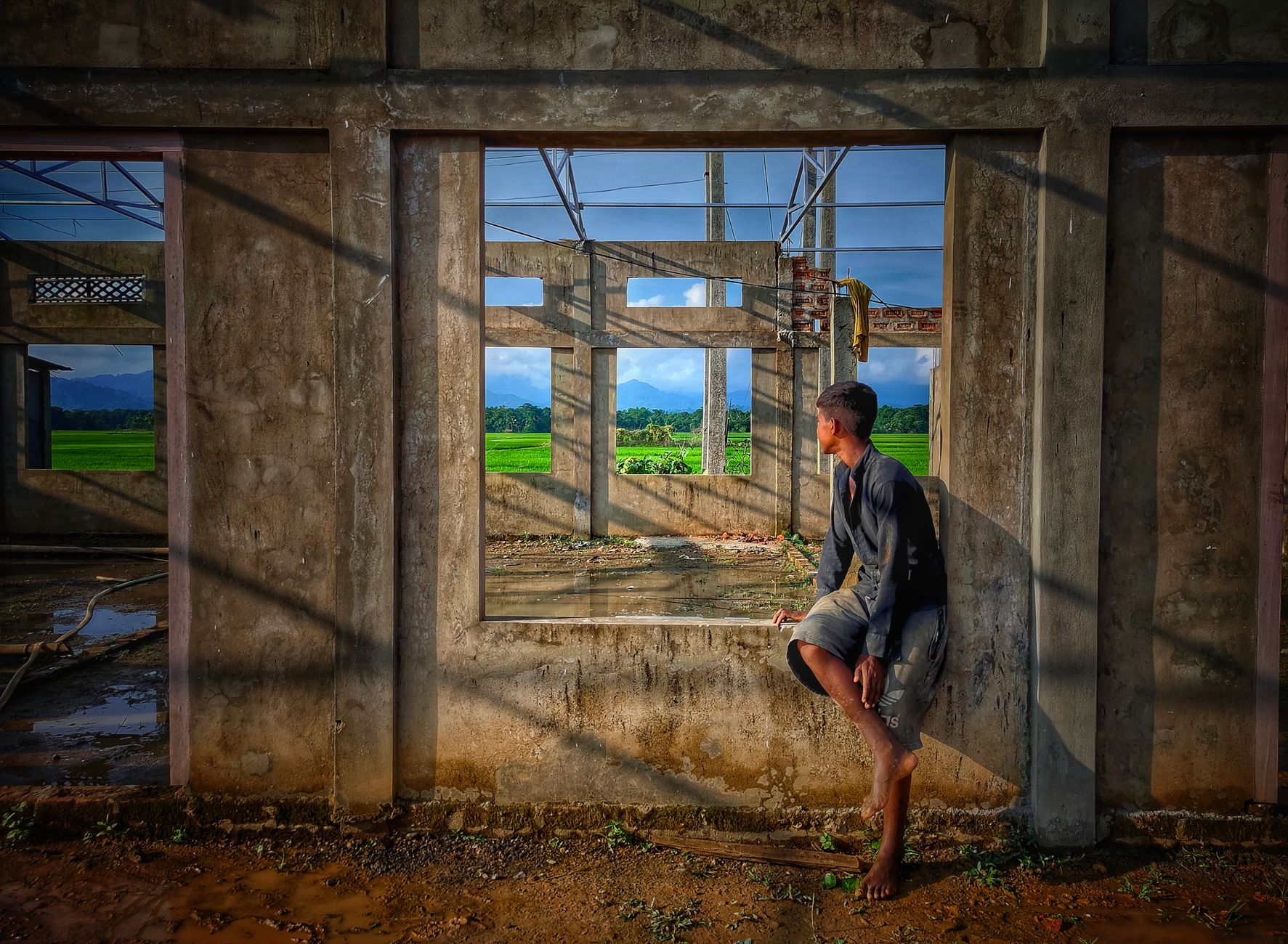
Majuli’s Mishing, Deori, and Sonowal Kachari tribal communities maintain distinct cultural identities. Visit villages like Jengraimukh, Salmora, and Dahutxapo to experience traditional bamboo stilt houses (chang ghar), witness indigenous fishing methods, and participate in community activities if timing permits. The Ali-Aye-Ligang festival (February-March) celebrates the beginning of the sowing season with traditional dances, music, and local rice beer (apong). Always visit tribal areas with respect, preferably with a local guide or arranged through your homestay. Many families welcome visitors and share meals (offer ₹100-200 as contribution), providing insights into sustainable lifestyles adapted to the island’s flooding cycles.
Sunset and Sunrise at the Brahmaputra
The riverine landscape offers spectacular sunrise and sunset viewing opportunities. Head to the ghats—Kamalabari Ghat, Garamur Ghat, or less-frequented spots along the southern shore—during golden hours. The sight of the vast Brahmaputra, fishing boats silhouetted against colourful skies, and distant hills creates memorable photographs and peaceful meditation moments. Sunrise (approximately 5:30-6:30 AM in winter) sees fishermen departing in traditional boats, while sunset (4:30-5:30 PM in winter) brings them returning with catches. The river’s magnitude becomes truly apparent at these times, and you’ll understand why it’s both lifeline and threat to island communities.
Where to Stay in Majuli Island
Budget Accommodation (₹400-1,200 per night): Majuli specializes in homestays offering authentic experiences at affordable prices. Mishing Huts near Kamalabari provides traditional bamboo cottages (₹600-900) with basic amenities and home-cooked meals. Me-Dam-Me-Phi Eco Camp offers dormitory-style accommodation (₹400-600) and simple rooms, popular with backpackers and solo travellers. Sonowal Homestay in Garamur village (₹700-1,000) gives you direct access to tribal culture with friendly hosts who arrange village tours and cultural demonstrations. Most budget options include breakfast; dinner costs additional ₹150-250. Expect simple rooms with attached or shared bathrooms, mosquito nets, and ceiling fans. Hot water may be available in buckets during winter.
Mid-Range Accommodation (₹1,200-3,000 per night): Deka’s Bungalow in Kamalabari (₹1,500-2,200) offers comfortable cottages with attached bathrooms, Wi-Fi, and multi-cuisine meals. Me:Po Okum near Auniati Satra (₹1,800-2,800) provides well-appointed rooms with modern amenities while maintaining traditional architecture, plus bicycle rentals and guided tours. La Maison de Ananda (₹2,000-3,000) features spacious rooms, pleasant gardens, and excellent food prepared by the hospitable owner. These properties typically include breakfast and can arrange full-board options (₹500-800 additional for lunch and dinner). They also help coordinate local guides, bicycle rentals, and satra visits.
Splurge/Boutique Options (₹3,000-6,000+ per night): Mepo Okum Heritage Resort (₹3,500-5,500) offers premium bamboo cottages with air conditioning, hot water, television, and beautifully landscaped gardens, along with organized cultural programs and birdwatching tours. Puroni Dhansiri Eco Camp (₹4,000-6,000) provides luxury tents near the wetlands with attached bathrooms, organic meals, and comprehensive nature tour packages. Majuli Island Resort (₹3,800-5,200) features the island’s most upscale accommodation with river views, air-conditioned rooms, restaurant, and guided cultural experiences. These properties offer full-board meal plans, laundry services, airport transfers (additional cost), and can customize multi-day exploration packages.
Booking Considerations: Advance booking is essential during November to February, especially around Raas Festival. Many properties are family-run with limited rooms (5-10 typically), so secure accommodation 2-3 weeks ahead during peak season. During summer and post-monsoon (March-May, September-October), same-day bookings are often possible. Most homestays and smaller properties don’t have online presence; booking via phone or email works best. Some aggregator sites list properties, but direct contact often yields better prices and flexibility.

Local Food & Cuisine
Majuli’s cuisine reflects its cultural diversity—Assamese, tribal, and satra-influenced vegetarian preparations. Rice is the staple, accompanied by distinctive dishes rarely found elsewhere in India.
Masor Tenga (Sour Fish Curry): This iconic Assamese dish uses local river fish prepared in a tangy gravy made from tomatoes, elephant apple (ou tenga), or lemon. The subtle sourness complements the fresh fish perfectly, and it’s served with steamed rice. The preparation varies by community—Mishing versions tend to be spicier while satra kitchens make simpler, lighter versions.
Khar: A unique alkaline dish prepared using filter water from sun-dried banana peel ashes, combined with raw papaya, pulses, or fish. This acquired taste is considered medicinal and digestive by locals. It’s distinctively Assamese and represents authentic traditional cuisine rarely found in restaurants outside the region.
Apong (Rice Beer): This traditional tribal alcoholic beverage made from fermented rice holds cultural significance and is offered during festivals and to guests. The taste is mildly alcoholic, slightly sweet and sour, and is consumed fresh. It’s a communal drink representing tribal hospitality.
Pitha: These traditional rice cakes come in numerous varieties—til pitha (sesame-filled), ghila pitha (fried), tekeli pitha (steamed), and others. Prepared especially during festivals and winter months, they’re made from sticky rice flour with various fillings including coconut, jaggery, and sesame. Each household has secret recipes passed down generations.
Where to Eat: Mepo Okum Restaurant near Kamalabari (₹150-350 per meal) serves excellent Assamese thalis with multiple vegetable preparations, fish curry, and unlimited rice. Tribal Kitchen at Me-Dam-Me-Phi (₹100-250) offers authentic tribal cuisine including bamboo shoot preparations and organic vegetables. Satra Community Kitchens at Uttar Kamalabari and Auniati occasionally welcome visitors for simple vegetarian meals (donation-based, typically ₹50-100) providing the most authentic experience. Pragjyoti Dhaba near Garamur (₹80-200) is a local favorite serving home-style Assamese food. Most homestays provide the best culinary experiences with home-cooked meals (₹150-300 per meal) prepared by families using traditional methods and local ingredients. Always inform about dietary restrictions in advance; vegetarian options are abundant, but strict vegan meals require prior notice.
Practical Travel Tips for Majuli Island
Permits and Documentation: Indian nationals require no special permits to visit Majuli. Foreign nationals should verify current regulations as Assam occasionally implements Protected Area Permits (PAP) or Restricted Area Permits (RAP) for certain regions, though Majuli is typically exempt. Carry multiple copies of your identity proof (Aadhar card, passport, or driving license) as some satras and government offices may ask for identification. Student IDs might secure discounts at certain accommodations and during festival events.
Mobile Network and Internet: Mobile connectivity is available but inconsistent. BSNL provides the most reliable coverage across the island, followed by Airtel and Jio. Vodafone-Idea has limited presence. Network strength varies significantly—Kamalabari and Garamur have better connectivity, while interior villages experience frequent signal drops. 4G is available in some areas but often defaults to 2G/3G. Most mid-range and upscale accommodations offer Wi-Fi, though speeds are suitable only for basic browsing and messaging, not streaming or large downloads. Treat your Majuli visit as a digital detox opportunity and download maps, accommodation details, and contact numbers beforehand.
ATM and Money Matters: ATM facilities are extremely limited. A State Bank of India ATM operates in Garamur, and another at Kamalabari, but both frequently run out of cash, especially during weekends and festivals. Carry sufficient cash (₹10,000-15,000 for a 3-4 day trip) from Jorhat before taking the ferry. No accommodation or restaurant accepts cards, and digital payment options like UPI and Paytm work only intermittently due to network issues. Keep small denominations (₹10, ₹20, ₹50, ₹100 notes) as many vendors, ferrymen, and small shops cannot change ₹500 or ₹2,000 notes.
Medical Facilities: Medical facilities are basic. A Primary Health Centre (PHC) operates at Kamalabari with basic first-aid and medicines for common ailments. For serious medical issues, you’ll need to return to Jorhat, which has district-level hospitals including Jorhat Medical College & Hospital (approximately 30 km including ferry). Carry a personal medical kit including: anti-malarial medication (consult your doctor before travel), anti-diarrheal tablets, pain relievers, antiseptic cream, insect repellent, antihistamines, and any prescription medications. Mosquito-borne diseases including malaria and dengue occur, so insect protection is crucial. Water-borne diseases are also common; always drink purified or bottled water.
What to Pack: Comfortable cotton clothing (modest for satra visits—avoid shorts, sleeveless tops, and tight clothing), light sweater or jacket for winter evenings (December-January), sturdy walking shoes plus sandals, sun hat and sunglasses, high SPF sunscreen, strong insect repellent, mosquito net (if your accommodation doesn’t provide), torch/flashlight (power cuts are common), power bank for mobile devices, reusable water bottle with purification tablets, personal toiletries (limited availability on island), basic medications, and binoculars for birdwatching. Rain gear is essential if visiting during monsoons. A good camera with extra batteries and memory cards is recommended as charging opportunities may be limited.
Local Etiquette and Safety: Majuli is extremely safe with virtually no tourist-targeted crime. However, observe cultural sensitivity: remove shoes before entering satras and homes, seek permission before photographing people (especially monks and tribal communities), dress modestly when visiting religious sites, avoid physical contact with monks (especially for women), and never point your feet toward religious objects or people while seated. Alcohol consumption is prohibited in and around satras. While tribal communities brew rice beer, public intoxication is frowned upon. Women travellers will find Majuli safe, though solo women should inform their accommodation about travel plans. The river poses the main safety risk—never venture into the Brahmaputra without local guidance, and always wear life jackets during ferry crossings.
Responsible Tourism: Majuli faces critical environmental challenges—erosion claims approximately 2-3 square kilometres annually. Practice zero-waste tourism: carry reusable bags, refuse single-use plastics, and dispose of waste properly (limited disposal facilities exist; consider carrying waste back to Jorhat). Support local artisans by purchasing directly from them rather than middlemen. When visiting satras, make small donations (₹50-100) to support their preservation work. Hire local guides (₹500-800 per day) to ensure economic benefits reach communities. Respect the slow pace of island life—don’t expect urban efficiencies or rush locals. During birdwatching, maintain respectful distances and never disturb nesting areas. If staying in homestays, conserve water and electricity as resources are limited. Participate in any community clean-up drives if opportunities arise.
Language Considerations: Assamese is the primary language, with tribal languages including Mishing spoken in villages. Hindi is understood by many, especially younger people and those in tourism. English is spoken by guides and some accommodation hosts but isn’t universal. Learning basic Assamese phrases enhances interaction: “Nomoskar” (hello/goodbye), “Dhanyabad” (thank you), “Ketiya hoi?” (how much?), “Bhokot lagi ache” (I’m hungry). Translation apps work when network is available.
Final Thoughts
Majuli Island represents something increasingly rare in our hyper-connected, rapidly changing world—a place where ancient traditions aren’t performed for tourists but lived daily, where environmental fragility creates urgency without destroying beauty, and where the journey itself becomes as meaningful as the destination. This remarkable river island won’t dazzle you with monuments or overwhelm you with activities. Instead, it offers subtler rewards: the quiet dignity of monks preserving 500-year-old dance forms, the skill of artisans creating masks with techniques unchanged across centuries, the resilience of communities adapting to land that literally disappears beneath their feet, and landscapes that shift between golden paddy fields and flooded wetlands with seasonal rhythms.
The island challenges you to slow down, to notice details, to engage authentically with cultures vastly different from mainstream India, and to reflect on what truly matters. Whether you’re watching dawn break over the Brahmaputra, learning traditional pottery from Mishing women, or simply cycling through villages where life follows patterns established generations ago, Majuli offers transformation rather than mere tourism. It’s a place that needs visitors who bring respect, curiosity, and genuine interest rather than checked-off bucket lists. For travellers willing to meet Majuli on its own terms—accepting basic infrastructure, unpredictable connectivity, and the occasional inconvenience—the rewards are profound. This is India’s cultural and environmental heritage at its most authentic, vulnerable, and ultimately, most beautiful. Visit soon, for Majuli’s erosion continues, and each passing year diminishes this extraordinary landscape. Your journey here isn’t just travel; it’s preservation through participation, bearing witness to a way of life that deserves recognition, respect, and support.
- Visit Kamalabari Satra early morning around 5 AM to witness the mesmerizing prayer ceremonies and traditional Sattriya dance performances
- Book your ferry tickets in advance during peak season as the Neematighat-Kamalabari ferry has limited capacity and long queues
- Rent a bicycle from Garamur village to explore the island at your own pace as public transport is limited and distances are manageable
- Visit Natun Samaguri Satra to see the traditional mask-making process and purchase authentic handcrafted masks directly from artisans
- Stay in a traditional Mishing tribal homestay to experience authentic Assamese hospitality and taste homemade apong (rice beer)
Frequently Asked Questions about Majuli Island
Majuli Island is the world’s largest river island, located in the mighty Brahmaputra River in Assam, India, spanning approximately 352 square kilometres. It is famous for being a living museum of Assamese neo-Vaishnavite culture, housing ancient satras (Vaishnavite monasteries), vibrant tribal communities including Mishing, Deori, and Sonowal Kachari tribes, and unique handicrafts that have survived for centuries since the 15th century when saint Srimanta Sankardeva established monastic culture there.
The best time to visit Majuli Island is from October to March, during the post-monsoon to winter period. During these months, the weather is pleasant with temperatures ranging from 10°C to 24°C in winter, making it ideal for exploring the island’s cultural attractions and natural beauty.
Majuli Island is located 20 km from Jorhat city, and you need to take a ferry crossing to reach the island. The nearest airport is Jorhat Airport (Rowriah Airport), which is approximately 25 km from the ferry point.
Indian nationals do not require any special permits to visit Majuli Island. However, foreign nationals need to check current regulations regarding permits before planning their visit.
The daily budget for visiting Majuli Island varies depending on your travel style: budget travelers can manage with ₹800-1,200 per day, mid-range travelers should plan for ₹1,500-3,000, and those seeking comfortable accommodation and experiences should budget ₹3,500-6,000 per day.
The main attractions on Majuli Island include visiting ancient satras (Vaishnavite monasteries), experiencing traditional sattriya dance performances, exploring tribal villages of Mishing, Deori, and Sonowal Kachari communities, and witnessing artisans creating traditional masks and pottery. Visitors can also enjoy cycling through serene paddy fields, watching sunrises over the Brahmaputra River, and immersing themselves in the island’s unique neo-Vaishnavite culture and biodiversity.