The Hampta Pass Trek is one of the most rewarding high-altitude crossings in Himachal Pradesh, connecting the lush Kullu Valley with the stark, arid landscapes of Lahaul and Spiti. The contrast between the two sides of the pass is dramatic and immediate, making this trek genuinely unlike most others in the region. Trekkers who complete it often describe the experience as walking between two entirely different worlds within the span of a few days.
Starting from the Manali area, the trail climbs through dense forests, open meadows, and river valleys before ascending steeply to the pass itself at around 4,270 metres. The descent into Lahaul brings a sudden shift in terrain, vegetation, and atmosphere. Many trekkers combine this route with a visit to Chandratal Lake, adding another memorable highlight to an already strong itinerary.
The trek is graded moderate, which makes it accessible to reasonably fit beginners who have done some preparation, while still offering enough challenge and altitude to satisfy experienced trekkers. Proper acclimatisation, good footwear, and awareness of weather changes are essential before setting out.
Why Hampta Pass Trek is Famous
Hampta Pass is famous primarily for the extraordinary landscape contrast it offers. On one side lies the green, forested Kullu Valley with its rivers and alpine meadows. On the other side is the high-altitude desert of Lahaul, with bare brown mountains, sparse vegetation, and a completely different sky. Few treks in India deliver such a visible, striking transition over such a short distance.
The trek is also well known for its accessibility from Manali, which is a major travel hub with good road connections. This makes Hampta Pass a practical choice for trekkers who have limited time but want a genuine high-altitude pass experience. The optional extension to Chandratal Lake further adds to its reputation as one of Himachal’s most complete short treks.
About Hampta Pass Trek
Hampta Pass sits at approximately 4,270 metres above sea level and forms a natural divide between Kullu district and Lahaul and Spiti district. The trek typically takes four to five days to complete, covering varied terrain that includes river crossings, grassy campsites, rocky ascents, and snow-covered sections near the pass, depending on the season.
The trail passes through several well-known camping spots including Chika, Balu Ka Ghera, and Shea Goru, each offering different scenery and conditions. River crossings, particularly in June and early July when snowmelt is high, require care and ideally the assistance of a local guide. The descent from the pass into Lahaul leads to Chatru, from where most trekkers either return to Manali by road or continue towards Chandratal.
The trek does not currently require a formal permit for most sections, but this can change and should be verified locally before departure. Hiring a registered local guide is strongly recommended, particularly for first-time trekkers or those visiting early or late in the season.
Location of Hampta Pass Trek
Hampta Pass lies on the boundary between Kullu district and Lahaul and Spiti district in Himachal Pradesh. The trek begins near Manali, one of Himachal’s most accessible hill towns, and crosses into the Lahaul side before descending to Chatru in the Chandra River valley.
The starting point is typically the village of Jobra or the meadow of Chika, both located a short drive from Manali. The pass itself sits in the higher reaches of the Hampta Valley, which runs roughly parallel to the Beas River valley before climbing sharply towards the watershed ridge.
Quick Trek Details
| Detail | Information |
|---|---|
| Trek Name | Hampta Pass Trek, Manali – Route, Difficulty and Best Time |
| District / Region | Kullu/Lahaul & Spiti |
| Content Group | Pass Treks |
| Article Type | High-Altitude Pass |
| Starting Point | Manali |
| Difficulty Level | Moderate |
| Best Time to Visit | June to October |
Trek Route
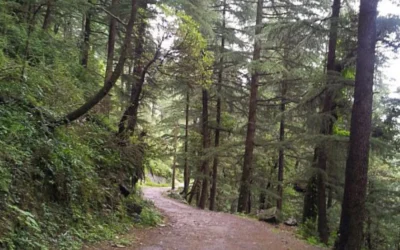
The standard Hampta Pass Trek route begins at Jobra, a small settlement reachable by road from Manali. From Jobra, the trail descends briefly before following the Rani Nala stream through forest and open ground to the first campsite at Chika. This initial section is relatively gentle and serves as a good introduction to the terrain.
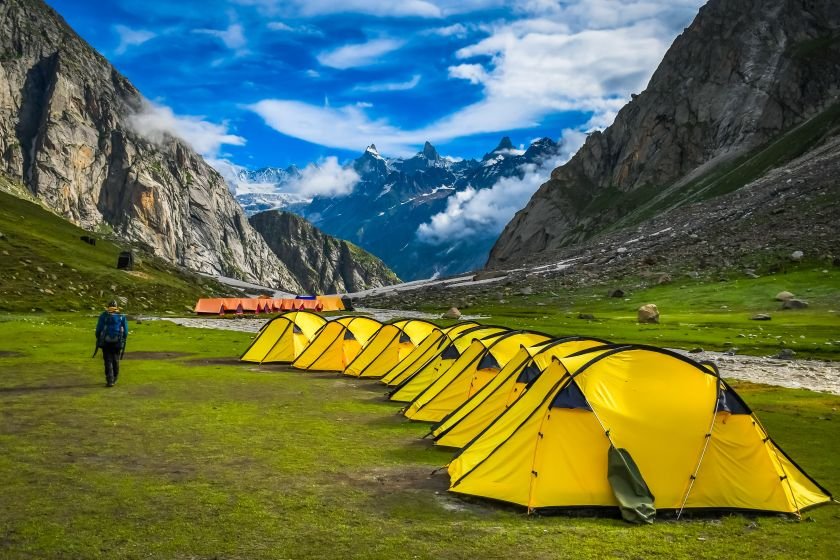
From Chika, the trail continues up the valley to Balu Ka Ghera, a wide open camping area surrounded by mountains. This section involves some river crossings and a gradual gain in altitude. The campsite at Balu Ka Ghera is one of the most scenic on the route and is typically used as the base for the pass crossing the following day.
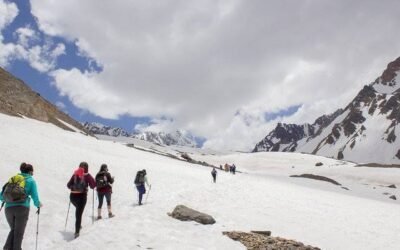
The ascent to Hampta Pass from Balu Ka Ghera is the most demanding section of the trek. The trail climbs steeply over rocky and often snow-covered ground. The pass itself offers panoramic views of both valleys. The descent into Lahaul leads to Shea Goru campsite, which sits in a dramatically different landscape compared to the Kullu side.
From Shea Goru, the trail continues down to Chatru on the Manali-Kaza highway. Trekkers who wish to visit Chandratal Lake can arrange transport from Chatru to the lake, which is roughly 30 kilometres away by road. The return to Manali from Chatru is by road and takes a few hours depending on conditions.
Suggested 5-Day Itinerary
Day 1 – Manali to Chika: Drive from Manali to Jobra and begin the trek. The trail follows the Rani Nala through forest and meadow. Camp at Chika. This is a relatively short and easy day, good for settling in and beginning acclimatisation.
Day 2 – Chika to Balu Ka Ghera: The trail continues up the valley with some river crossings. The landscape opens up as you gain altitude. Camp at Balu Ka Ghera, a wide meadow with good mountain views. Altitude gain is moderate on this day.
Day 3 – Balu Ka Ghera to Shea Goru via Hampta Pass: This is the longest and most demanding day. An early start is essential. The ascent to the pass is steep and may involve snow. After crossing the pass, the descent into Lahaul is sharp and the landscape changes dramatically. Camp at Shea Goru.
Day 4 – Shea Goru to Chatru, optional Chandratal: Descend to Chatru on the Manali-Kaza road. From here, trekkers can arrange transport to Chandratal Lake for an optional visit and overnight camp, or return directly to Manali by road.
Day 5 – Return to Manali: If you visited Chandratal, return to Chatru and drive back to Manali. This day can also serve as a buffer for weather delays or rest. Confirm road conditions locally before travel, particularly early and late in the season.
How to Reach Hampta Pass Trek Starting Point
By Road
Manali is well connected by road to Shimla, Chandigarh, and Delhi. Regular Himachal Road Transport Corporation buses and private volvo buses operate on these routes. From Manali town, the trailhead at Jobra is accessible by taxi or shared vehicle. The drive takes approximately 30 to 45 minutes depending on road conditions. Confirm vehicle availability locally, as it can vary by season.
By Air
The nearest airport is Bhuntar Airport, also known as Kullu-Manali Airport, located approximately 50 kilometres from Manali. Flights operate from Delhi and a few other cities, though services are limited and subject to weather cancellations. From Bhuntar, taxis and buses are available to Manali. Always have a backup plan if flying into Bhuntar, as flight cancellations are common.
By Train
There is no direct rail connection to Manali. The nearest major railheads are Jogindernagar, Ambala, and Chandigarh, with Chandigarh being the most commonly used. From Chandigarh, buses and taxis run to Manali. The journey by road from Chandigarh to Manali typically takes around eight to ten hours depending on traffic and road conditions.
Best Time to Visit Hampta Pass Trek
The trek is open from June to October. Each part of this window offers a different experience, and the best time depends on what you are looking for and your tolerance for specific conditions.
June and early July bring lush green meadows and wildflowers, but snowmelt can make river crossings more challenging and the pass itself may still have significant snow. Trekkers visiting in this period should be prepared for cold nights and potentially difficult crossings. A local guide is particularly important at this time.
Late July and August are generally considered the most stable months for the trek. The trail is clear, the meadows are at their greenest, and the pass is accessible. However, monsoon rains can affect the lower sections of the trail and cause slippery conditions. Keep a close watch on weather forecasts.
September and October offer clear skies, excellent visibility, and cooler temperatures. The landscape on the Lahaul side takes on golden and brown tones. Nights become cold, especially at higher campsites, and snowfall can arrive early at the pass in October. Always carry warm layers regardless of the month.
Difficulty Level of Hampta Pass Trek
Hampta Pass Trek is graded moderate. This means it is suitable for trekkers who are reasonably fit and have some experience walking on uneven terrain, but it does not require prior high-altitude trekking experience. That said, the altitude gain, river crossings, and the steep ascent to the pass on day three should not be underestimated.
Trekkers should prepare with regular cardio exercise, including walking, jogging, or cycling, for at least four to six weeks before the trek. Acclimatisation in Manali for a day or two before starting is advisable. Anyone with a history of heart or respiratory conditions should consult a doctor before attempting this trek.
Altitude sickness is a real risk above 3,500 metres. Know the symptoms, which include persistent headache, nausea, dizziness, and loss of appetite. If symptoms appear, descend immediately and do not push through. Carrying basic altitude sickness medication is sensible, but consult a doctor for appropriate advice before the trek.
Food, Water and Stay Options
Most trekkers on Hampta Pass use a combination of camping and basic dhabas or tea stalls at the lower sections of the trail. Organised trek operators typically provide tents, sleeping bags, and meals as part of their packages. If you are trekking independently, carry your own camping gear and sufficient food supplies from Manali.
Tea stalls and small eateries may be available at Chika and occasionally at other campsites, but their presence and operating hours vary by season. Do not rely on them as your primary food source. Carry enough dry food, energy bars, and snacks for the full duration of the trek.
Water is available from streams along the route, but always treat or filter it before drinking. Carry a reliable water purification method such as iodine tablets or a filter bottle. Dehydration is a common issue at altitude, so drink regularly even if you do not feel thirsty. Avoid drinking directly from any water source without treatment.
Mobile Network and Facilities
Mobile network coverage on the Hampta Pass Trek is limited and unreliable beyond the lower sections of the trail. BSNL tends to have slightly better coverage in remote Himachal areas compared to private operators, but do not count on connectivity once you are above Chika. Inform someone of your itinerary before you leave and agree on check-in points where possible.
There are no ATMs, medical facilities, or rescue services on the trail itself. Carry sufficient cash from Manali, as digital payments are not available in the mountains. A basic first aid kit is essential. For emergencies, your trek operator or guide should have emergency contact protocols in place. Confirm these arrangements before departing.
Things to Carry for Hampta Pass Trek
- Sturdy trekking boots with good ankle support and grip
- Warm layers including a thermal base layer, fleece, and a windproof or waterproof outer jacket
- Trekking poles, particularly useful for river crossings and the steep descent from the pass
- Sleeping bag rated for sub-zero temperatures
- Tent and camping equipment if trekking independently
- Daypack with rain cover
- Water bottles or hydration bladder and water purification tablets or filter
- High-SPF sunscreen and UV-protection sunglasses
- Lip balm and moisturiser for dry mountain air
- Woollen hat, gloves, and warm socks
- Gaiters for snow sections near the pass
- Basic first aid kit including blister plasters, bandages, antiseptic, and pain relief
- Personal medications and altitude sickness tablets as advised by your doctor
- Dry food, energy bars, and snacks for the full trek duration
- Headlamp with spare batteries
- Fully charged power bank
- Photocopy of ID documents
- Emergency cash in Indian rupees
- Whistle and small mirror for emergency signalling
Safety Tips for Hampta Pass Trek
Start the pass crossing day as early as possible, ideally before sunrise. Weather on high passes can deteriorate rapidly in the afternoon, and an early start gives you the best chance of crossing in stable conditions. Do not attempt the pass if there is a storm warning or if visibility is poor.
River crossings, particularly in June and July, can be dangerous due to high water levels from snowmelt. Always cross with the assistance of your guide, use trekking poles for balance, unfasten your backpack hip belt before crossing so you can shed the pack quickly if you fall, and never cross alone.
Acclimatise properly before the trek. Spend at least one full day in Manali before starting. On the trek, follow the principle of climbing high and sleeping low where possible. Do not rush the itinerary. If anyone in your group shows signs of altitude sickness, descend immediately regardless of how close you are to the pass.
Always trek with a registered local guide if you are unfamiliar with the route. Trail conditions, river levels, and snow coverage change from year to year and even week to week. A local guide has current knowledge that no online resource can reliably provide.
Carry a physical map or download offline maps before you lose connectivity. Do not rely solely on mobile GPS, as battery drain at altitude is faster than expected and signal is unreliable.
Nearby Places to Visit
Chandratal Lake
Chandratal, meaning Moon Lake, is a high-altitude lake in Lahaul and Spiti at around 4,300 metres. It is accessible from Chatru, the endpoint of the Hampta Pass Trek, making it a natural extension for trekkers. The lake is known for its vivid blue-green colour and the surrounding barren landscape. Camping near Chandratal is a popular option, but check current regulations before planning an overnight stay, as rules around camping near the lake have been subject to change.
Rohtang Pass
Rohtang Pass lies on the Manali-Leh highway and offers views of glaciers, snowfields, and the Lahaul Valley. It is accessible by road from Manali and is a popular day trip. Entry requires a permit, which should be arranged in advance through official channels. The pass is typically open from May to November, subject to weather.
Solang Valley
Solang Valley is located a short drive from Manali and is known for its open meadows and mountain views. It is a good place to spend a rest day before or after the trek. Adventure activities are available here, though their availability and pricing vary by season and operator.
Old Manali and Vashisht
Old Manali is a quieter part of town with cafes, guesthouses, and a more relaxed atmosphere compared to the main market area. Vashisht village, a short walk or drive from Manali, has natural hot springs and an old temple. Both are good options for acclimatisation days before the trek begins.
Naggar Castle and Roerich Art Gallery
Naggar is a historic village on the left bank of the Beas River, about 20 kilometres from Manali. The Naggar Castle, now a heritage hotel, offers views of the valley. The Nicholas Roerich Art Gallery nearby houses works by the Russian artist who lived in the Kullu Valley. This makes for a worthwhile cultural stop before or after the trek.
Google Maps Location
Search for Hampta Pass on Google Maps to get a general sense of the location. For the trailhead, search for Jobra Village near Manali or Hampta Village, Kullu, Himachal Pradesh. Note that GPS coordinates and map accuracy in remote mountain areas can vary. Always confirm the exact starting point with your guide or trek operator before setting out.
Responsible Travel Tips
Carry all your waste out of the mountains. There are no waste disposal facilities on the trail, and littering damages the environment and the experience for other trekkers. Use reusable containers and avoid single-use plastic wherever possible.
Use established campsites rather than creating new ones. Camping in the same spots repeatedly causes less overall damage than spreading impact across new areas. Follow your guide’s advice on where to camp.
Do not pick wildflowers, disturb wildlife, or remove any natural material from the trail. The alpine ecosystem is fragile and recovers slowly from disturbance.
Use biodegradable soap and toiletries and wash well away from water sources. Human waste should be buried at least 30 metres from any water source, trail, or campsite. Many organised trek operators provide toilet tents, which is the preferred option.
Respect local communities and their customs. Ask before photographing people. Support local guides, porters, and suppliers where possible, as this keeps economic benefits within the communities that live alongside these trails.
FAQs About Hampta Pass Trek
Is Hampta Pass Trek suitable for beginners?
Yes, with preparation. The trek is graded moderate and is accessible to beginners who are physically fit and have spent time building their stamina before the trek. The key requirements are good cardiovascular fitness, proper footwear, and a willingness to acclimatise carefully. Beginners should strongly consider going with an organised group or hiring a local guide rather than trekking independently.
Do I need a permit for Hampta Pass Trek?
As of the time of writing, a formal permit is not widely required for the standard Hampta Pass Trek route, but this can change. Regulations in Himachal Pradesh are updated periodically. Always verify the current permit requirements with local authorities, your trek operator, or the district forest office in Manali before your departure.
How cold does it get on the trek?
Temperatures vary significantly depending on the month and altitude. At higher campsites and near the pass, night temperatures can drop well below zero even in summer months. Daytime temperatures are more comfortable but can change rapidly with cloud cover or wind. Always carry warm layers regardless of the season, and never underestimate how cold it can get at altitude.
Can I do Hampta Pass Trek without a guide?
Technically the trail can be followed without a guide, but it is not recommended, especially for first-time trekkers or those visiting early or late in the season. River crossings, snow on the pass, and rapidly changing weather conditions make local knowledge genuinely valuable. A registered local guide also provides a safety net in case of emergencies. Hiring a guide also supports the local economy directly.
What is the best way to combine Hampta Pass with Chandratal Lake?
The most common approach is to complete the Hampta Pass Trek and descend to Chatru on day four, then arrange transport from Chatru to Chandratal Lake for an overnight camp or day visit. The road from Chatru to Chandratal is rough and requires a suitable vehicle. Confirm transport availability and road conditions locally before planning this extension. Some organised trek operators include Chandratal as part of their Hampta Pass package.
What should I do if I experience altitude sickness on the trek?
If you or anyone in your group develops symptoms of altitude sickness, including persistent headache, nausea, vomiting, dizziness, or confusion, descend immediately to a lower altitude. Do not wait to see if symptoms improve at the same elevation. Inform your guide straight away. Do not take medication to mask symptoms and continue ascending. Descent is the most effective treatment. Carry appropriate medication as advised by your doctor before the trek, but treat it as a supplement to descent, not a substitute.
Are there any age restrictions for Hampta Pass Trek?
There are no official age restrictions, but the trek involves significant altitude gain, river crossings, and demanding terrain. Children and older adults should consult a doctor before attempting the trek. Younger children are generally not recommended for the pass crossing section. Individual fitness and health are more relevant factors than age alone. Discuss your specific situation with a doctor and your trek operator before making a decision.
Last Word
Hampta Pass Trek earns its reputation honestly. The combination of green valleys, high