
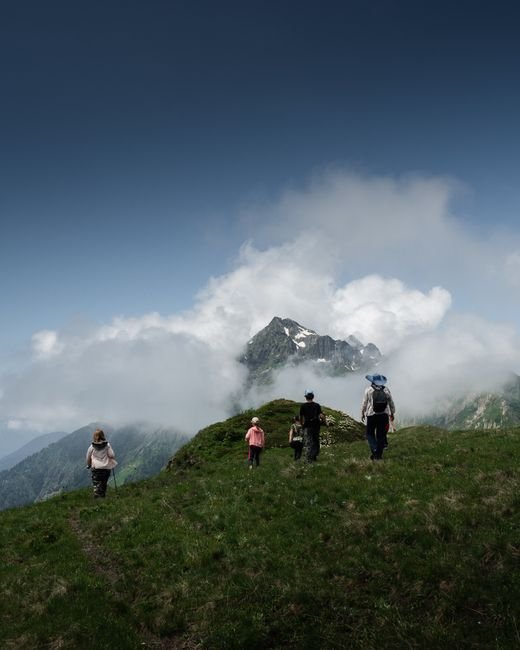
There is a particular kind of silence that greets you at the edge of a cliff, just before you leap. It is not the silence of emptiness — it is the silence of your entire body paying attention. India, with its extraordinary range of landscapes from the frozen Himalayan passes to the roaring rivers of the northeast and the deep blue waters of the Andaman Sea, offers that breathtaking silence in more forms than most countries on earth. If you have been sitting behind a desk dreaming about something that makes your blood rush and your heart forget to overthink, this country is ready to deliver.
Adventure sports in India are no longer a niche interest reserved for foreign tourists or extreme athletes. Over the past decade, millions of young Indians and seasoned travelers from across the world have discovered that from Rishikesh to Coorg, from Manali to Meghalaya, the subcontinent is essentially one enormous playground for thrill-seekers.
Rishikesh: Where the River Decides Your Fate
Let us start with the most famous of them all. Rishikesh sits in the foothills of Uttarakhand where the Ganges tumbles down from the mountains with an attitude. White water rafting here is not just a sport — it is practically a rite of passage. The stretch from Shivpuri to Rishikesh, roughly 16 kilometers, throws you through rapids like Roller Coaster, Golf Course, and the wonderfully named Double Trouble. The water is cold even in summer, the roar is deafening, and the feeling when you make it through a grade IV rapid is something you will describe badly to friends for the next five years.
Beyond rafting, Rishikesh offers bungee jumping from a platform 83 meters above the ground, giant swings, cliff jumping, and some genuinely excellent camping along the riverbanks. The cost of a rafting package typically ranges from Rs 600 to Rs 1,500 depending on the length and operator. Bungee jumping will set you back around Rs 3,500. The best time to visit is September through June, avoiding the monsoon months when the river becomes unpredictably dangerous.
Manali and Solang Valley: Snow, Speed, and Thin Air
If mountains are your calling, Manali in Himachal Pradesh is where you belong. The Solang Valley, just 14 kilometers from Manali town, transforms into a playground every winter. Skiing here is accessible to beginners and challenging enough for experienced riders. The slopes are not the steepest in the world, but when you are surrounded by the Pir Panjal range and the air smells of pine and cold stone, the experience transcends technical difficulty.
Summer brings paragliding, zorbing, and mountain biking. The Rohtang Pass, at over 3,900 meters, opens up routes for serious trekkers and off-road vehicle enthusiasts. Closer to Spiti and Lahaul, motorcycle touring on the Manali-Leh highway is considered one of the greatest road adventures on the planet. You ride through landscapes that look borrowed from another planet entirely — vast, barren, impossibly beautiful. Expect to budget around Rs 25,000 to Rs 40,000 for a week-long motorcycle trip including bike rental, fuel, and accommodation. May through September is the ideal window.
Meghalaya: The Last Frontier of Caving and Canyoning
Fewer travelers think of Meghalaya when they imagine adventure, and that is precisely what makes it so special. The state sits in the northeastern corner of India and holds some of the world’s longest cave systems. Krem Liat Prah, stretching over 31 kilometers, is Asia’s longest sandstone cave. Caving here is a serious undertaking — damp, dark, physically demanding, and completely mesmerizing. Local operators in Cherrapunji and Mawsynram organize guided expeditions for both beginners and experienced cavers.
Beyond caves, Meghalaya offers canyoning in the gorges around the living root bridges of Nongriat village. You climb down, wade through emerald streams, scramble over mossy boulders, and emerge at waterfalls that have never seen a tourist crowd. The terrain is raw and the infrastructure is refreshingly minimal. A basic caving day trip costs around Rs 1,500 to Rs 2,500 per person. The best time to visit is October through April when the monsoon takes a breath.
Andaman Islands: The Blue That Goes Down Forever
Scuba diving in the Andamans is the kind of experience that reorganizes your sense of scale. Beneath the surface around Havelock Island, Neil Island, and North Bay, coral reefs of stunning complexity host sea turtles, reef sharks, moray eels, and more species of fish than you can identify in a lifetime. The water visibility on good days extends beyond 20 meters and the temperature stays comfortable year-round.
For certified divers, sites like Barracuda City and Johnny’s Gorge offer drift dives along walls of coral that drop into the deep blue. For beginners, a discover scuba session can be arranged for around Rs 3,500 to Rs 5,000 including equipment. A full open water certification course costs approximately Rs 18,000 to Rs 25,000 depending on the operator. November through April is the best window for diving, when the seas are calm and the visibility is at its finest.
Coorg and the Western Ghats: Jungle Thrills on Home Ground
For those in South India who cannot always make it to the Himalayas, the Western Ghats offer a surprisingly rich menu of adventure. Coorg in Karnataka is gaining a well-deserved reputation for white water rafting on the Barapole river, mountain biking through coffee plantation roads, and rappelling down forest waterfalls. The landscape here is lush and intimate compared to the Himalayas — you are surrounded by jungle sounds, the smell of wet earth, and the occasional burst of mist rolling through the valley.
Kodachadri peak, accessible through trek routes in the Shivamogga district, offers one of the most rewarding overnight treks in the south. The trail winds through dense shola forests and opens to a hilltop view that stretches to the Arabian Sea on clear days. Trek costs here are remarkably affordable, often between Rs 800 and Rs 2,000 per person with a guide. October through February is when the Western Ghats are at their most inviting.
Practical Advice Before You Go
India’s adventure sports industry has grown rapidly but remains uneven in terms of safety standards. Always choose operators who are certified, carry proper insurance documentation, and provide quality equipment. Do not let the excitement of the moment push you into skipping a proper safety briefing. Carry good travel insurance that specifically covers adventure activities — this is non-negotiable.
Book accommodations and activity slots in advance during peak seasons, particularly in Rishikesh and Manali during October and December. Physical fitness requirements vary dramatically between activities, so honest self-assessment saves both embarrassment and genuine risk.
The cost of adventure travel in India remains genuinely accessible compared to international alternatives. A week of varied adventure activities across a single destination can often be managed between Rs 15,000 and Rs 40,000 including food and budget accommodation.
India rewards the traveler who steps away from the familiar itinerary. The mountains will test you, the rivers will humble you, and the ocean will make you feel appropriately small. Every one of those feelings, the fear before the jump, the roar of the rapid, the silence of depth — that is where real travel begins.