
- Hampi requires at least 2-3 days to explore its 500+ monuments spread across 36 square kilometers
- November to February offers the best weather with temperatures between 15-30°C for exploring ruins
- Hire a bicycle or scooter to navigate between monument clusters as sites are widely dispersed
- Entry to most monuments is free except Vitthala Temple and Zenana Enclosure which charge nominal fees
- Stay in Hampi Bazaar for proximity to ruins or Virupapur Gaddi for relaxed backpacker vibe across the river
Introduction
Nestled in the rocky, boulder-strewn landscape of northern Karnataka lies one of India’s most spectacular archaeological treasures—the Hampi ruins. This UNESCO World Heritage Site, once the glittering capital of the mighty Vijayanagara Empire, sprawls across 4,100 hectares of dramatic terrain, where ancient temples, royal complexes, and market streets whisper tales of a golden age that flourished between the 14th and 16th centuries. Walking through Hampi is like stepping through a portal into history, where every weathered stone pillar, every intricately carved gopuram, and every crumbling pavilion tells stories of unprecedented wealth, architectural genius, and a civilization that rivaled the greatest empires of its time.
What makes Hampi truly mesmerizing isn’t just the scale of its ruins—though with over 1,600 surviving monuments, that alone is breathtaking—but the surreal landscape in which they’re set. Massive granite boulders, balanced impossibly atop one another as if arranged by giants, create a otherworldly backdrop that photographers and travelers dream about. The Tungabhadra River curves gracefully through the site, palm groves sway against ancient temple towers, and at sunrise or sunset, the entire landscape transforms into a golden wonderland that seems almost mythical in its beauty.
Whether you’re a history enthusiast eager to explore the remnants of one of the world’s largest medieval cities, an architecture lover fascinated by Dravidian temple design, a spiritual seeker drawn to sacred sites, or simply an adventurous traveler looking for an experience unlike any other, Hampi delivers on every front. This is destination that rewards the curious, enchants the romantic, and humbles even the most seasoned traveler with its timeless majesty.
Quick Facts About Hampi Ruins
| Feature | Details |
|---|---|
| Altitude | 467 meters (1,532 feet) above sea level |
| Best Time to Visit | October to February (winter months) |
| Distance from Nearest City | Hospet: 13 km | Bangalore: 340 km | Hyderabad: 350 km |
| Nearest Airport | Vidyanagar Airport (Bellary): 60 km | Hubli Airport: 144 km | Bangalore: 340 km |
| Permits Required | None for general entry; Camera fees at some monuments (₹25-100) |
| Temperature Range | Summer: 25-40°C | Winter: 15-30°C | Monsoon: 22-32°C |
| Approx Budget per Day | ₹800-1,500 (budget) | ₹1,500-3,500 (mid-range) | ₹3,500+ (luxury) |
Why Visit Hampi Ruins
Hampi stands apart from other historical sites in India for several compelling reasons. First, the sheer scale and preservation of the Vijayanagara Empire’s capital is unparalleled—this was once a thriving metropolis of over 500,000 people, one of the world’s largest cities in the early 16th century, rivaling Beijing and attracting merchants from Persia, Portugal, and China. The archaeological complex you see today represents what Persian chronicler Abdur Razzaq described as a city where “the eye has not seen, nor the ear heard of any place like it.”
The architectural diversity here is staggering. You’ll encounter the Virupaksha Temple, continuously active for over 1,300 years with a towering 50-meter gopuram; the Vittala Temple complex with its famous stone chariot and musical pillars that produce melodic notes when tapped; the Queen’s Bath, a stunning example of Indo-Islamic architecture with vaulted corridors and elaborate water systems; and the Lotus Mahal, whose delicate arches and geometric perfection showcase the aesthetic sophistication of the empire. Each structure demonstrates a unique blend of Dravidian, Hoysala, and Islamic architectural influences that make Hampi a living textbook of medieval Indian design.
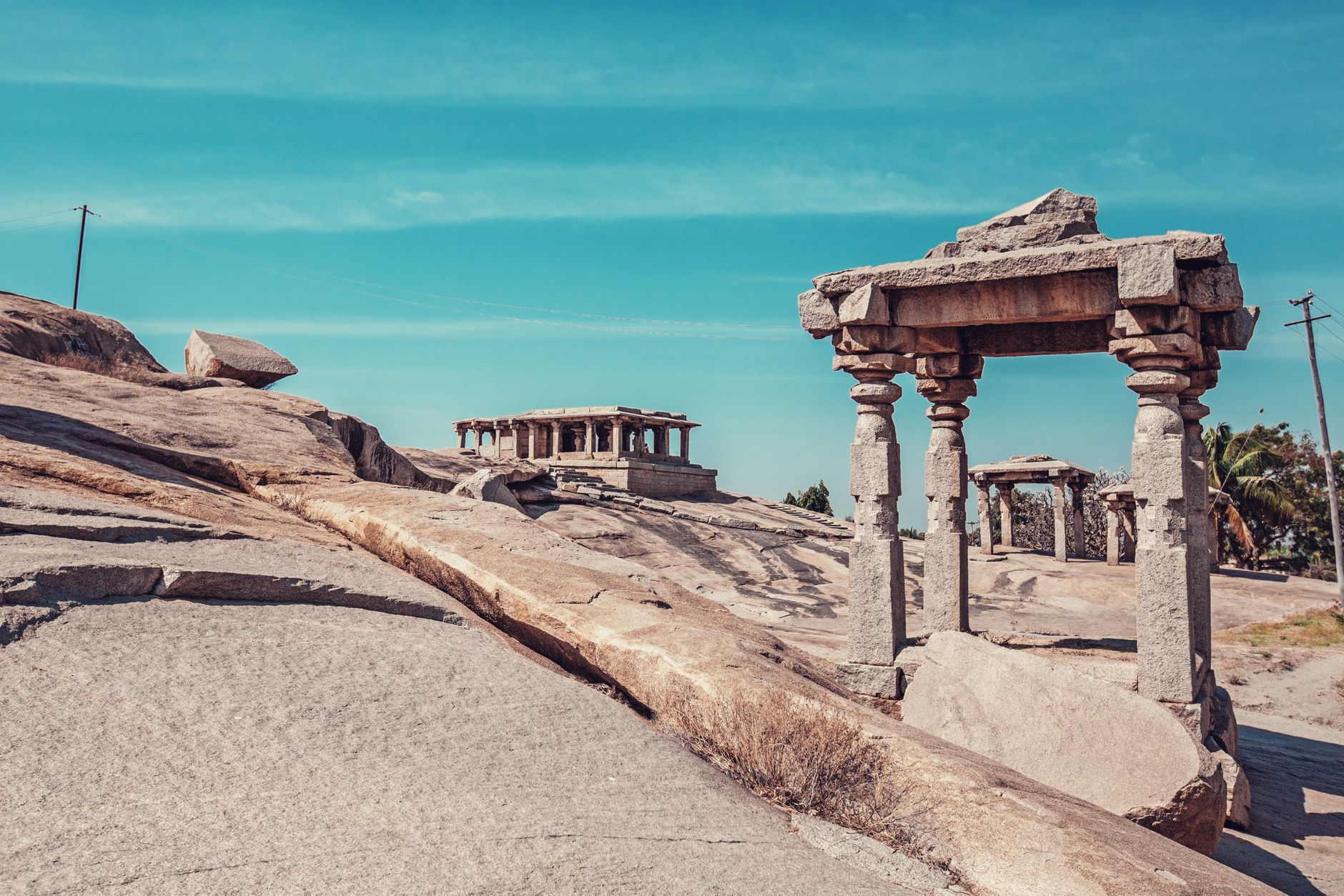
Beyond architecture, the landscape itself is geologically extraordinary. The boulder formations are among the oldest rock surfaces on Earth, dating back over 3 billion years. Rock climbers from around the world come specifically for Hampi’s unique bouldering opportunities, while the Tungabhadra River creates pockets of lush greenery amid the arid terrain—including banana plantations, paddy fields, and coconut groves that provide stunning visual contrasts. The sunset views from Hemakuta Hill or Matanga Hill, where the entire boulder-studded plain turns amber and gold as ruins cast long shadows across the landscape, create photographic moments you simply cannot find elsewhere in India.
How to Reach Hampi Ruins
By Air: The nearest functional commercial airport is Hubli Airport (144 km away), with limited connectivity primarily to Bangalore. Most travelers prefer flying to Bangalore’s Kempegowda International Airport (340 km from Hampi), which has excellent domestic and international connections. The newly inaugurated Vidyanagar Airport (Jindal Vijayanagar Airport) near Bellary, just 60 km from Hampi, is beginning to offer limited services and may expand connectivity in coming years. From Bangalore airport, you can hire a taxi (₹5,000-7,000 one-way) or take a bus to reach Hampi. From Hubli, taxis cost around ₹3,000-4,000.
By Train: Hospet Junction (13 km from Hampi) is the nearest major railway station, well-connected to Bangalore, Goa, Hyderabad, and other cities. From Hospet, frequent local buses (₹15-20, every 30 minutes) and auto-rickshaws (₹200-300) ply to Hampi. Key trains include the Hampi Express from Bangalore (overnight journey, approximately 10 hours, ₹200-600 depending on class), and connections from Goa’s Vasco da Gama station (approximately 7-8 hours). The scenic journey passes through diverse Karnataka landscapes, making the train ride itself enjoyable.
By Road: Hampi is well-connected by road and makes for an excellent road trip destination. From Bangalore, it’s a 340 km drive (approximately 6-7 hours via NH48 and NH50), with KSRTC (Karnataka State Road Transport Corporation) buses running regularly—Rajahamsa AC Volvo buses cost ₹800-1,200 one-way, while regular express buses cost ₹400-600. From Goa (Panaji), it’s 310 km (6 hours) via NH748. Private taxis from Bangalore cost ₹4,500-6,500 one-way. The roads are generally well-maintained, though sections can be narrow with heavy truck traffic. Many travelers combine Hampi with Badami, Aihole, and Pattadakal, creating a heritage circuit through northern Karnataka.
Local Transport: Once in Hampi, the ruins are spread across both banks of the Tungabhadra River. You can rent bicycles (₹50-100 per day), scooters (₹300-500 per day), or hire auto-rickshaws (₹500-800 for half-day tours). Coracle boat rides cross the river between Hampi and Anegundi/Hippie Island (₹30-50 per person). Walking is possible for the main bazaar area but impractical for covering the entire site, which spans over 25 square kilometers.
Best Time to Visit Hampi Ruins
October to February (Peak Season): This is undoubtedly the best period to explore Hampi. Temperatures range from a comfortable 15°C to 30°C, making it perfect for extensive outdoor exploration. November to January are particularly pleasant, with clear blue skies ideal for photography. The famous Hampi Utsav (typically held in November) brings the ruins alive with cultural performances, puppetry, and craft exhibitions. However, this is also the busiest season—accommodations fill quickly and prices peak. Early morning visits to monuments are magical during winter, with mist occasionally rolling over the boulder fields. December and January sometimes see cooler evenings requiring light jackets.
March to May (Summer): Summer in Hampi is intensely hot, with temperatures soaring to 40°C or higher. The rocks absorb and radiate heat, making midday exploration quite challenging. However, this season has advantages—significantly fewer tourists, lower accommodation rates (30-40% discounts), and you’ll have many monuments virtually to yourself. If visiting during summer, plan temple visits for early morning (6-10 AM) and late afternoon (4-7 PM), spending the harsh midday hours resting or swimming at Sanapur Lake. Carry plenty of water, sunscreen (SPF 50+), and a hat. The landscape appears more dramatic and austere under the harsh summer sun.
June to September (Monsoon): The monsoon transforms Hampi into a surprisingly green landscape, with the Tungabhadra flowing fuller and waterfalls appearing in rocky crevices. However, rainfall can make exploration difficult—slippery rocks, leeches in grassy areas, and some monuments becoming inaccessible. The coracle boats sometimes stop operating during heavy rains. That said, if you don’t mind occasional showers, post-rain Hampi has a freshly washed beauty, dramatic cloud formations provide interesting photography opportunities, and you’ll encounter very few tourists. Accommodation rates drop to their lowest. August and September see the heaviest rainfall. Carry waterproof bags, umbrellas, and quick-drying clothes.
Top Things to Do in Hampi Ruins
Explore the Sacred Center and Virupaksha Temple
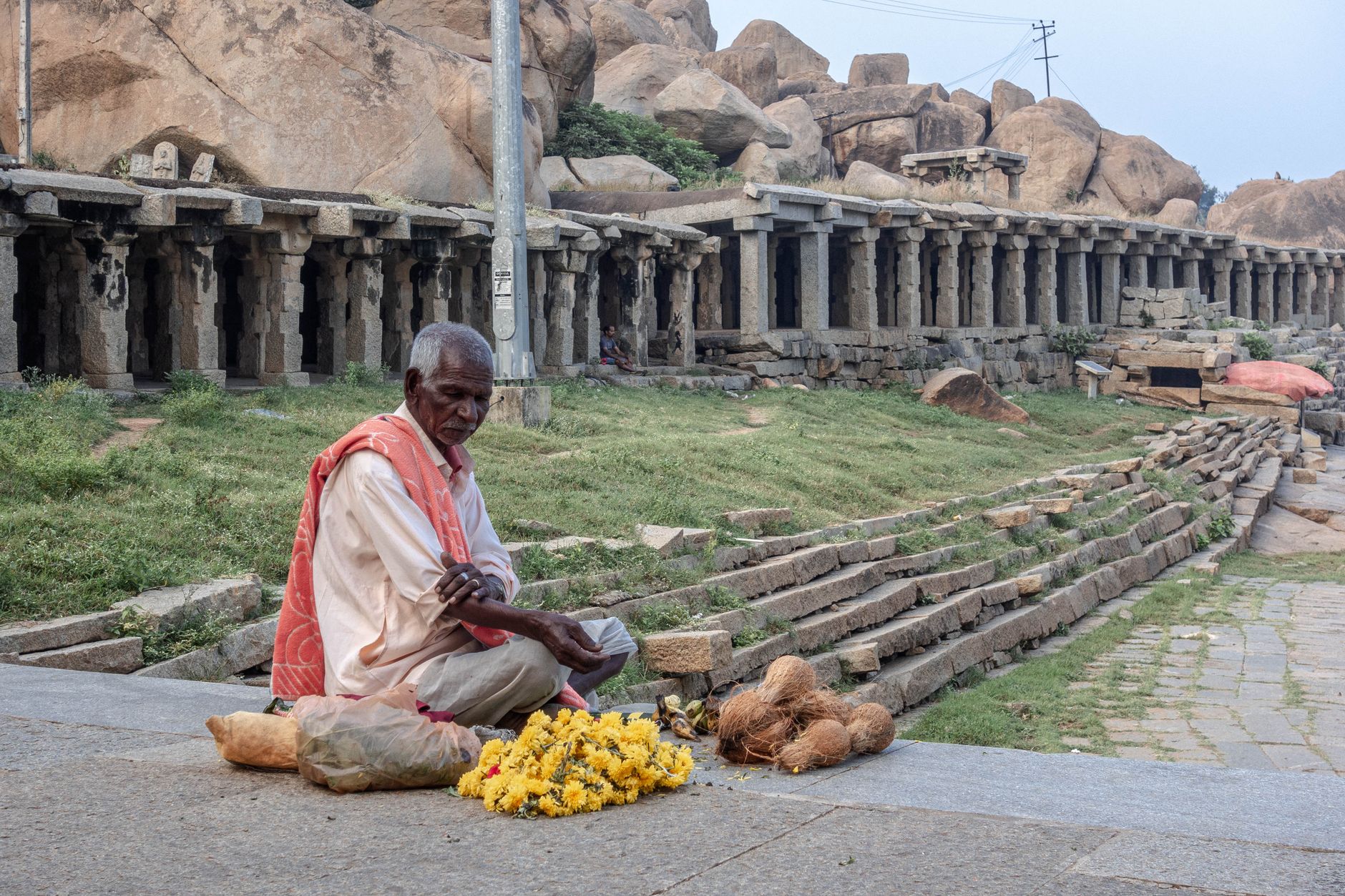
Begin your Hampi journey at the continuously functioning Virupaksha Temple, dedicated to Lord Shiva and active since the 7th century, making it one of India’s oldest functioning temples. The 50-meter-tall main gopuram dominates the skyline and is visible from kilometers away. Inside, witness the fascinating inverted shadow of the gopuram projected through a pinhole into a darkened chamber—a natural camera obscura effect that has amazed visitors for centuries. The temple elephant, Lakshmi, blesses devotees (₹10-20 offering). Walk through the ancient Hampi Bazaar stretching 1 kilometer from the temple, once a thriving market street where diamonds, spices, and silks were traded, now lined with souvenir shops and small eateries.
Marvel at the Vittala Temple Complex and Stone Chariot
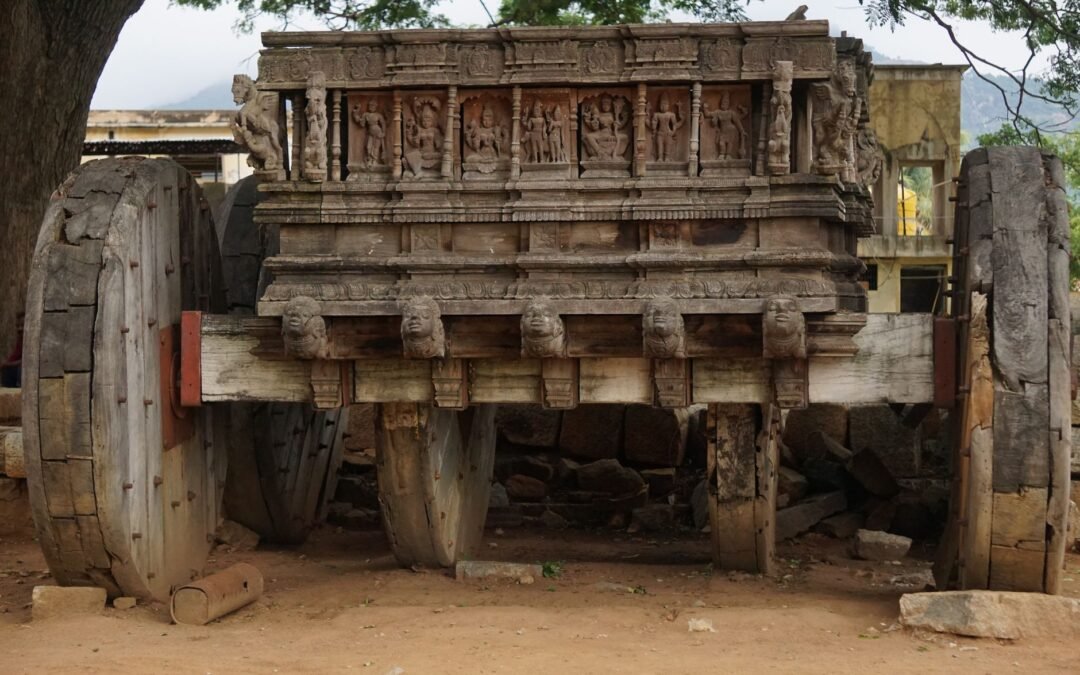
The Vittala Temple represents the pinnacle of Vijayanagara architectural achievement. The iconic Stone Chariot (a shrine shaped like a temple chariot) has become Hampi’s symbol—though its wheels no longer rotate (they were fixed to prevent damage), the craftsmanship is extraordinary, with every spoke, chain, and detail carved from solid granite. The temple’s 56 musical pillars (SaReGaMa pillars) were designed to produce different musical notes when struck, though this is now prohibited to prevent erosion. The main mandapa’s pillars showcase dancers, musicians, and mythological scenes in stunning detail. Entry fee is ₹40 for Indian nationals, ₹600 for foreigners. Allocate at least 90 minutes to fully appreciate this complex, preferably during morning hours when lighting is optimal.
Witness Sunset from Matanga Hill
The climb up Matanga Hill, approximately 450 steps hewn into the rock face, rewards you with arguably the finest sunset view in India. From the Veerabhadra Temple ruins at the summit, the entire Hampi landscape unfolds—boulder fields, temple gopurams, the river’s curve, and palm groves all bathed in golden-orange light. The 360-degree panorama helps you comprehend the true scale of the ancient city. Arrive 45 minutes before sunset to secure a good spot and watch the changing colors. The climb takes 20-25 minutes and is moderately strenuous. Carry water, wear proper shoes, and be mindful of monkeys who can be aggressive if they see food. Alternative sunset spots include Hemakuta Hill (easier climb) and Anjaneya Hill across the river in Anegundi.
Discover the Royal Enclosure and Stepped Tanks
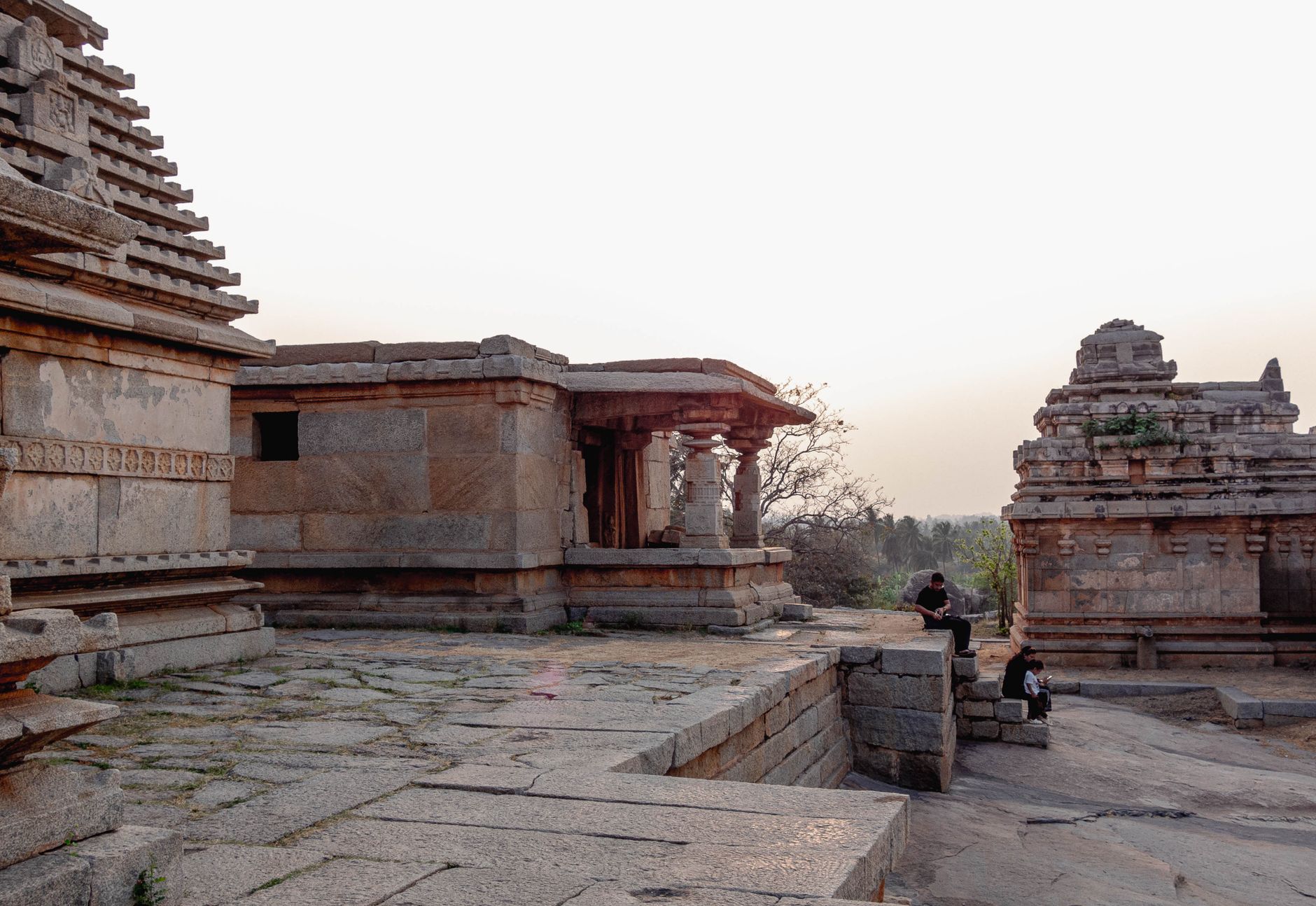
The Royal Enclosure housed the administrative heart of the Vijayanagara Empire within massive fortification walls. The impressive Mahanavami Dibba (Great Platform), a 12-meter-high ceremonial platform with intricate bas-reliefs depicting royal processions, dancers, and hunting scenes, was where kings observed the nine-day Dasara festivities. Nearby, the Stepped Tank (Pushkarini) showcases sophisticated hydraulic engineering—a geometrically perfect square tank with symmetric steps on all sides that remained filled year-round through an ingenious water channeling system. The Queen’s Bath, despite its name used by royalty of both genders, features Indo-Islamic architecture with arched corridors, balconies, and a water heating system. Entry to the Royal Enclosure requires a ticket (₹40 for Indians, ₹600 for foreigners) covering multiple monuments.
Experience Boulder Climbing and Landscape Photography
Hampi has emerged as one of the world’s premier bouldering destinations, attracting rock climbers globally to tackle its unique granite formations. Even non-climbers can attempt beginner-friendly boulder problems or simply scramble over smaller rocks for unique perspectives and photographs. Several spots near Hampi Island offer various difficulty levels. Local climbing shops provide rental equipment (₹500-800 per day for crash pads, shoes) and guides (₹1,500-2,500 per day). For photographers, the boulder landscapes create endless compositional possibilities—especially the famous “flying boulders” that appear to defy gravity. Early morning and late afternoon light, when shadows are long and dramatic, produce the most striking images. The area around Tungabhadra River, Anegundi, and the Achyutaraya Temple complex offers particularly photogenic boulder formations.
Explore Anegundi Village and Hippie Island
Cross the Tungabhadra River by coracle (traditional circular basket boat) or walk across during the dry season to reach Anegundi, believed to be older than Hampi itself and identified with the mythological Kishkinda from the Ramayana. This living village provides authentic rural Karnataka experiences—narrow lanes, ancient temples like Hanuman Halli, banana plantations, and interactions with local artisans. Nearby Hippie Island (Virupapur Gadde) has evolved into a travelers’ haven with budget guesthouses, cafes serving international cuisine, yoga sessions, and a distinctly laid-back vibe. Sanapur Lake, 5 km from Anegundi, offers safe swimming amidst stunning boulder scenery and is perfect for hot afternoons. Rent bicycles in Hampi Bazaar (₹50-100 per day) to explore these areas at leisure, pedaling through paddy fields and rural landscapes that beautifully contrast with the arid boulder zones.
Where to Stay in Hampi Ruins
Budget Options (₹300-1,200 per night): Hampi Bazaar and Hippie Island (Virupapur Gadde) offer the most budget accommodations. Gopi Guesthouse in Hampi Bazaar (₹400-800) provides basic but clean rooms with temple views. Shanthi Guesthouse across the river (₹500-900) features a rooftop restaurant with excellent sunset views and is popular with backpackers. Padma Guesthouse in Virupapur Gadde (₹350-700) offers simple rooms and a chilled-out atmosphere. Archana Guesthouse (₹600-1,000) near Virupaksha Temple provides decent rooms within walking distance of major sites. Most budget places include fans but may not have air conditioning; hot water availability can be inconsistent.
Mid-Range Options (₹1,200-3,500 per night): For more comfort with character, try Mowgli Guesthouse (₹1,500-2,500), a beautifully designed property with themed rooms, a swimming pool, and excellent restaurant. Gopi Island (₹1,800-3,000) offers cottages across the river with modern amenities and peaceful surroundings. Heritage Resort Hampi (₹2,000-3,500) features traditionally designed cottages, a pool, and is located between Hampi and Hospet. Uramma Heritage Homes in Anegundi (₹1,500-2,800) provides homestay experiences in renovated traditional houses with home-cooked meals and cultural insights. These properties typically include air conditioning, hot water, Wi-Fi, and breakfast.
Splurge Options (₹3,500+ per night): Evolve Back Kamalapura Palace (₹15,000-35,000) is Hampi’s most luxurious option—a stunning heritage resort designed like a 14th-century palace with opulent rooms, an infinity pool overlooking boulder landscapes, spa facilities, and gourmet dining. Clarks Inn Hampi (₹4,000-6,500) in Hospet offers modern hotel comforts with swimming pool, multi-cuisine restaurant, and professional service. Kishkinda Heritage Resort (₹5,000-8,000) features well-appointed cottages, cultural performances, and guided heritage walks. Hyatt Place Hampi (₹6,000-10,000), also in Hospet, provides international chain standards with contemporary rooms and amenities. Booking advance during peak season (October-February) is essential as accommodations fill quickly.
Local Food & Cuisine
Hampi’s cuisine reflects northern Karnataka’s flavors, with influences from neighboring Andhra Pradesh and Maharashtra. Given Hampi’s sacred status and proximity to an active temple, most restaurants in Hampi Bazaar serve strictly vegetarian food, though non-vegetarian options exist in Hospet and Hippie Island.
Jolada Rotti with Ennegai: This quintessential Karnataka combination features thick flatbread made from jowar (sorghum) served with ennegai (stuffed brinjal curry cooked with groundnut, coconut, and local spices). The rustic, wholesome meal perfectly represents rural Karnataka cuisine. The rotti’s slightly coarse texture pairs beautifully with the rich, tangy curry.
Ragi Mudde with Soppina Saaru: A nutritional powerhouse, this dish consists of finger millet (ragi) balls served with a spicy spinach or greens-based soup. Traditionally eaten by hand, the mudde is broken and mixed with the saaru. It’s filling, healthy, and deeply rooted in local agricultural traditions. The earthy taste of ragi complements the garlicky, tangy soup perfectly.
Bisi Bele Bath: This one-pot Karnataka specialty combines rice, lentils, vegetables, tamarind, and a special spice blend. Served hot with a dollop of ghee, potato chips, and boondi, it’s comfort food that’s simultaneously complex and satisfying. Each restaurant has its own recipe, making it interesting to try variations across different eateries.
Obbattu (Holige): This sweet flatbread stuffed with jaggery, coconut, and cardamom is Karnataka’s beloved dessert. Served warm with generous ghee, it’s the perfect end to any meal and available at most traditional restaurants, especially during festivals.
Recommended Eateries: Mango Tree Restaurant on Hippie Island (₹150-350 per meal) offers stunning riverside seating among boulder formations, serving excellent vegetarian food, fresh juices, and international options like hummus and pasta. Laughing Buddha Restaurant (₹200-400) nearby features Israeli, Italian, and Indian dishes in a relaxed garden setting. Gopi Restaurant in Hampi Bazaar (₹100-250) serves authentic South Indian thalis, dosas, and local specialties at reasonable prices with temple views. Taste of Brahmins (₹120-300) near Virupaksha Temple offers traditional Karnataka meals on banana leaves. In Hospet, Naivedyam Restaurant (₹200-500) at Hotel Malligi serves excellent North Karnataka cuisine in air-conditioned comfort. Most restaurants in Hampi don’t serve alcohol due to the area’s religious significance, though some establishments across the river may offer beer (₹150-250).
Practical Travel Tips for Hampi Ruins
Permits and Entry Fees: No general entry permit is required to enter Hampi. However, several protected monuments require tickets: the Vittala Temple complex, Elephant Stables, Queen’s Bath, and Royal Enclosure require a combined ticket costing ₹40 for Indian citizens and ₹600 for foreign nationals. This ticket is valid for one day and covers multiple sites within the archaeological zone. Video cameras attract additional charges (₹25-100 depending on the monument). Virupaksha Temple has its own entry system with nominal charges (₹2-10) and camera fees (₹50). Carry sufficient small denomination notes as change can be scarce.
Mobile Network and Connectivity: Airtel and Jio provide the most reliable coverage in Hampi, with 4G connectivity available in most areas. BSNL also works reasonably well. Vodafone-Idea coverage can be patchy. Data speeds are adequate for social media, navigation, and communication. Wi-Fi is available at most mid-range and upscale accommodations, and several cafes on Hippie Island offer free Wi-Fi with food orders. Internet cafes in Hampi Bazaar charge ₹40-60 per hour.
ATMs and Money: ATM availability in Hampi village itself is extremely limited and often runs out of cash during peak tourist season. The nearest reliable ATMs are in Hospet (13 km away), where State Bank of India, Canara Bank, and other major banks have branches. Carry sufficient cash from your origin city or withdraw in Hospet before heading to Hampi. Most guesthouses and restaurants accept only cash; very few accept cards. Some upscale properties accept UPI payments, but don’t rely on it. Plan for approximately ₹1,500-2,500 cash per day for meals, transport, entry fees, and miscellaneous expenses.
Medical Facilities: Hampi has limited medical facilities—a primary health center and a few pharmacies handle basic needs. The nearest hospital with comprehensive facilities is in Hospet—KIMS Hospital Hospet and SDM Hospital provide emergency care, doctors, and pharmacies. Carry a personal first-aid kit including bandages, antiseptic cream, oral rehydration salts, pain relievers, antihistamines for insect bites, and any prescription medications you require. Common issues include minor cuts from climbing rocks, dehydration, heat exhaustion, and upset stomachs from changed water or food. Drink only bottled or filtered water (avoid ice in local joints), and carry electrolyte supplements during hot weather.
What to Pack: Comfortable walking shoes with good grip are essential—the terrain is rocky and uneven. Carry a daypack with at least 2 liters of water capacity, sunscreen (SPF 50+), sunglasses, a wide-brimmed hat or cap, and a reusable water bottle. Modest clothing is recommended out of respect for the religious sites—cover shoulders and knees when entering temples. Lightweight, breathable cotton clothes work best. A flashlight or headlamp helps for exploring dim temple interiors and is essential if you’re climbing Matanga Hill for sunrise. A power bank keeps devices charged during full-day explorations. In winter (December-January), carry a light jacket for cool evenings. Photography enthusiasts should bring wide-angle lenses for landscape and architecture, along with lens cleaning equipment as dust is prevalent.
Safety Considerations: Hampi is generally very safe for all travelers, including solo female travelers. However, exercise standard precautions: avoid isolated areas after dark, especially solo; inform your accommodation about daily plans; watch for aggressive monkeys near temples (don’t carry visible food or plastic bags); and be cautious on boulder climbs—falls are the most common accidents. The coracle boats are safe but not suitable for those uncomfortable with water. During monsoons, avoid climbing slippery rocks or entering swollen rivers. Respect temple customs—remove footwear before entering, and ask permission before photographing priests or worshippers. Be wary of touts offering unofficial guides; hire licensed guides from the tourist information center (₹500-1,000 for half-day) if desired.
Responsible Tourism: Hampi faces environmental pressures from tourism. Please don’t litter—carry a bag for your waste and dispose of it properly. Plastic bags are officially banned; use cloth bags. The ruins are fragile—don’t climb on monuments, carve names, or remove stones as souvenirs (this is illegal and damages irreplaceable heritage). Some areas prohibit photography inside sanctums; respect these rules. When buying souvenirs, avoid items made from endangered materials. Support local artisans by purchasing authentic handicrafts from village cooperatives rather than mass-produced items. Use water judiciously as it’s scarce, especially in summer. Consider staying in homestays or locally owned guesthouses to ensure tourism revenue benefits local communities. Dress modestly and behave respectfully around actively worshipped temples. If hiring guides or porters, pay fairly and tip appropriately. The more conscientiously we travel, the longer Hampi’s magic will endure for future generations.
Final Thoughts
The Hampi ruins are not merely historical remnants to be observed from behind barriers—they’re a living landscape where you walk the same stone pathways that emperors once trod, stand beneath the same temple towers that sheltered poets and philosophers, and witness sunsets that have inspired awe for millennia. This is a destination that engages all your senses: the rough texture of ancient granite under your palms, the sound of temple bells echoing across boulder fields, the sight of the Tungabhadra glittering in morning light, the taste of traditional Karnataka cuisine, and the lingering scent of jasmine and incense from continuously worshipped shrines. Hampi rewards those who give it time—not a rushed day trip but at least two to three days to truly absorb its atmosphere, explore both the grand monuments and hidden corners, and understand how this landscape shaped one of India’s greatest empires.
Whether you’re drawn by history, architecture, photography, spirituality, adventure, or simply the promise of an experience utterly unlike any other, Hampi delivers abundantly. It reminds us of India’s extraordinary civilizational depth, the impermanence of even the mightiest kingdoms, and the enduring power of human creativity and faith. As you plan your journey to this remarkable UNESCO site, remember that Hampi is best experienced not as a checklist of monuments but as an immersion into a landscape where past and present, sacred and mundane, human achievement and natural grandeur converge in ways that will stay with you long after you leave. Pack your curiosity, charge your camera, wear comfortable shoes, and prepare for one of India’s most unforgettable travel experiences. The boulders of Hampi are calling—will you answer?
- Start your exploration at sunrise from Matanga Hill for magical golden light over the ruins and avoid afternoon heat
- Cross the river via coracle boats to reach Anegundi village and explore lesser-known ruins with fewer crowds
- Visit Vittala Temple complex between 2-4 PM when tour groups leave for better photography and peaceful exploration
- Carry sufficient water and snacks as restaurants are scarce near monument zones and summer temperatures exceed 40°C
- Book accommodation 2-3 months advance for Hampi Utsav in November when heritage festival attracts massive crowds
Frequently Asked Questions about Hampi ruins
The best time to visit Hampi ruins is from October to February during the winter months when temperatures range between 15-30°C, making it comfortable for extensive exploration of the archaeological site. This period offers pleasant weather for walking through the sprawling 4,100-hectare heritage site and enjoying the dramatic landscape without the intense summer heat.
Hampi is located 340 km from Bangalore, which takes approximately 6-7 hours by road. The nearest airport is Vidyanagar Airport in Bellary at 60 km, followed by Hubli Airport at 144 km, though many travelers prefer flying into Bangalore for better connectivity and then driving to Hampi.
Hampi features over 1,600 surviving monuments spread across 4,100 hectares of dramatic terrain, making it one of the world’s largest medieval archaeological sites. This UNESCO World Heritage Site was once the capital of the mighty Vijayanagara Empire that flourished between the 14th and 16th centuries.
No permits are required for general entry to Hampi ruins. However, visitors should be prepared to pay camera fees ranging from ₹25-100 at some specific monuments within the complex.
The daily budget for Hampi varies based on travel style: ₹800-1,500 for budget travelers, ₹1,500-3,500 for mid-range visitors, and ₹3,500+ for luxury experiences. This includes accommodation, food, local transportation, and entry fees to various monuments.
Hampi’s landscape is characterized by massive granite boulders balanced impossibly atop one another creating an otherworldly backdrop, combined with ancient temple ruins, the Tungabhadra River curving through the site, and palm groves against temple towers. This surreal, boulder-strewn terrain at 467 meters altitude transforms into a golden wonderland at sunrise and sunset, making it a photographer’s dream destination.