
- Nubra Valley requires an Inner Line Permit which can be obtained online or in Leh
- Khardung La Pass at 17,582 feet is the gateway to reach Nubra Valley from Leh
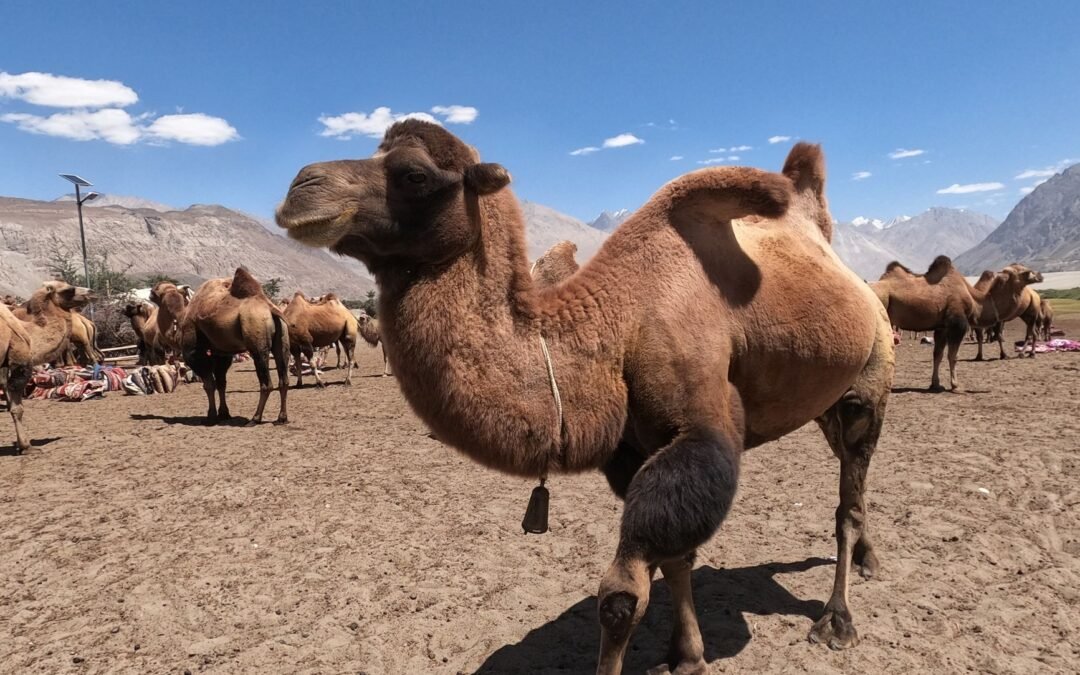
- Double-humped Bactrian camels are unique to Hunder sand dunes in Nubra Valley
- Best time to visit is June to September when roads are open and weather is pleasant
- Diskit Monastery with its 106-foot Maitreya Buddha statue is the valley’s main attraction
Introduction
Imagine a place where the earth splits into a valley so vast and otherworldly that it feels like stepping onto another planet. Welcome to Nubra Valley, a high-altitude cold desert nestled in the northernmost reaches of Ladakh, India, where the Shyok and Nubra rivers converge to create a landscape of surreal beauty. This enchanting valley, sitting at an average altitude of 10,000 feet above sea level, is a destination that defies all conventional notions of what the Indian subcontinent looks like. Here, sand dunes rise against snow-capped peaks, double-humped Bactrian camels plod through stark desert terrain, and ancient monasteries cling to mountainsides overlooking rivers that flow turquoise and silver under the brilliant Ladakhi sun.
Once a vital stop on the ancient Silk Route connecting India to Central Asia, Nubra Valley retains an aura of mystique and adventure that captivates every traveller who makes the dramatic journey over the world’s highest motorable pass, Khardung La. The valley’s unique position at the crossroads of culture, geography, and history creates an experience unlike anywhere else in India. From the verdant oasis villages of Hunder and Diskit to the remote hot springs of Panamik, Nubra Valley offers a journey through landscapes that shift from barren moonscapes to pockets of surprising fertility, all while being cradled by some of the world’s mightiest mountain ranges.
For the intrepid Indian traveller seeking to explore the extremes of their own country, and for international tourists drawn to the mystical allure of the Himalayas, Nubra Valley represents the ultimate adventure. This is a destination that demands effort to reach but rewards visitors with experiences and vistas that will remain etched in memory forever. Whether you’re drawn by the call of high-altitude adventure, the peaceful embrace of Buddhist culture, or simply the desire to witness nature at its most dramatic, Nubra Valley awaits with open arms and endless horizons.
Quick Facts About Nubra Valley
| Altitude | 10,000 feet (3,048 meters) average; ranges from 9,800 to 12,000 feet |
| Best Time to Visit | May to September (peak: June to early September) |
| Distance from Nearest City | 150 km from Leh via Khardung La; 170 km via Agham-Shyok route |
| Nearest Airport | Kushok Bakula Rimpochee Airport, Leh (150 km) |
| Permits Required | Inner Line Permit (ILP) mandatory for Indian citizens; Protected Area Permit for foreigners |
| Temperature Range | Summer: 20°C to 30°C (day), 4°C to 10°C (night); Winter: -30°C to -10°C |
| Approx Budget per Day (INR) | Budget: ₹1,500-2,500 | Mid-range: ₹3,000-5,000 | Luxury: ₹6,000-15,000+ |
Why Visit Nubra Valley
Nubra Valley’s uniqueness lies in its extraordinary geographical and cultural position as a high-altitude cold desert—a phenomenon rare in the Indian subcontinent. Unlike the sandy deserts of Rajasthan, Nubra combines arid landscapes with snow-capped Karakoram peaks towering above, creating a visual paradox that seems almost impossible. The white sand dunes of Hunder, stretching across the valley floor at 10,000 feet, are among the highest cold desert systems in the world, where you can ride double-humped Bactrian camels descended from the ancient Silk Route trading caravans. These shaggy, gentle giants are found nowhere else in India except here and in neighboring regions, making this experience genuinely exclusive.
The valley’s strategic location on the historic Silk Route has blessed it with a rich cultural heritage that blends Tibetan Buddhism with Central Asian influences. Ancient monasteries like Diskit Gompa, founded in the 14th century, and Samstanling Gompa house priceless murals, scriptures, and statues while offering panoramic views that stretch across the entire valley. The 106-foot tall Maitreya Buddha statue at Diskit, inaugurated in 2010, serves as both a spiritual beacon and an architectural marvel visible from miles away, its golden face overlooking the valley with serene benevolence.
What truly sets Nubra apart is the dramatic journey required to reach it. The road over Khardung La Pass at 17,582 feet (once marketed as the world’s highest motorable road) is an adventure unto itself, with hairpin bends, sheer drops, and views that make your heart race—both from altitude and awe. The alternative Agham-Shyok route, though longer, offers equally spectacular vistas with fewer crowds. This challenging accessibility means Nubra remains relatively less commercialized than other tourist destinations, preserving its authentic character and offering genuine interactions with local Ladakhi communities whose warm hospitality and simple lifestyle provide insights into sustainable mountain living.
The valley also presents unique ecosystems where you’ll find apricot orchards thriving in green oases surrounded by barren mountains, hot springs bubbling up from the earth at Panamik with temperatures around 40°C offering therapeutic soaks, and the confluence of rivers creating fertile strips of land that sustain villages practicing centuries-old agricultural traditions. For photographers, every turn presents frame-worthy compositions: the stark contrast of barren brown mountains against brilliant blue skies, prayer flags fluttering in constant high-altitude winds, and the play of light across sand dunes that shift from gold to amber to deep bronze as the sun traverses the sky.

How to Reach Nubra Valley
By Air to Leh: The journey to Nubra Valley begins with reaching Leh, as the valley has no airport of its own. Kushok Bakula Rimpochee Airport in Leh is well-connected to major Indian cities. Direct flights operate from Delhi (₹4,000-12,000 one way), Mumbai (₹6,000-15,000), Srinagar (₹3,000-7,000), and seasonal flights from Bangalore and other cities during peak summer months. The flight from Delhi takes approximately 1 hour 20 minutes. Note that flights are entirely weather-dependent and delays or cancellations are common, especially during early summer when passes are just opening.
By Road from Leh to Nubra Valley: From Leh, there are two main routes to Nubra Valley. The traditional route via Khardung La is 150 km and takes 5-6 hours, covering one of the world’s highest motorable passes at 17,582 feet. This road is typically open from May to October. The alternative Agham-Shyok route via Wari La pass (approximately 170 km, 6-7 hours) is a newer road that’s less crowded and offers equally stunning scenery, though navigation can be challenging without proper guidance.
Taxi Services: Shared taxis from Leh to Nubra Valley cost approximately ₹800-1,200 per person (one way) with 8-10 passengers, departing early morning (6-7 AM) from Leh main taxi stand. Private taxis cost ₹4,500-6,500 for the entire vehicle (one way), allowing you to stop at scenic viewpoints. Round trip packages including 2-3 day valley exploration typically cost ₹12,000-18,000. Most hotels and travel agencies in Leh can arrange these services.
Self-Drive/Bike Rental: Adventure enthusiasts often rent motorcycles in Leh (Royal Enfield ₹1,200-1,800 per day; other bikes ₹800-1,200 per day) or hire self-drive cars (₹2,500-4,000 per day plus fuel). However, acclimatization, experience with high-altitude driving, and mechanical knowledge are essential. Fuel is available in Nubra Valley at Diskit and Hunder, though at premium prices (₹5-10 more per liter than Leh).
By Road from Manali or Srinagar to Leh: Some travelers choose the overland route to Leh before continuing to Nubra. The Manali-Leh highway (475 km, 2 days, open June-October) can be covered by bus (₹1,500-2,500) or private taxi (₹12,000-16,000). The Srinagar-Leh highway (434 km, 2 days) is usually open May-November, with similar costs. Both journeys offer spectacular scenery and aid acclimatization.
Best Time to Visit Nubra Valley
May to June (Late Spring/Early Summer): This period marks the opening of the passes and roads to Nubra Valley. May can still see some road closures due to late snow, but by mid-May, the valley becomes accessible. Temperatures during the day range from 15°C to 25°C, with nights still quite cold at 0°C to 5°C. The landscape is emerging from winter dormancy, with apricot blossoms beginning to appear by late May and early June. Crowds are moderate, and accommodation prices are reasonable. This is ideal for those who prefer fewer tourists and don’t mind variable weather. Some higher altitude areas may still be inaccessible.
July to August (Peak Summer/Monsoon): These are the warmest months with daytime temperatures reaching 25°C to 30°C and nights comfortable at 10°C to 15°C. While the rest of India experiences monsoon, Ladakh lies in a rain shadow area, receiving minimal rainfall—Nubra typically gets only about 10-15 days of light rain all summer. This is peak tourist season, meaning maximum crowds, fully booked accommodations, and highest prices. All roads are reliably open, all facilities operational, and the landscape is at its greenest with blooming wildflowers in valleys. Book accommodations 3-4 weeks in advance during this period.
September to Mid-October (Autumn): Arguably the best time for photographers and those seeking pleasant weather with fewer crowds. Temperatures begin dropping (15°C to 20°C days, 0°C to 8°C nights), tourist numbers decrease after mid-September, and prices drop by 20-30%. The landscape transforms with golden hues as vegetation prepares for winter, and the clarity of the air makes mountain views exceptionally sharp. By late October, early snowfall can occur, and roads may close for the season. This period offers the best balance of weather, accessibility, and value.
November to April (Winter): Nubra Valley becomes largely inaccessible during winter as both Khardung La and Wari La passes close due to heavy snowfall. Temperatures plummet to -30°C, making conditions extremely harsh. A very limited number of guesthouses in Diskit and Hunder might remain open for local travelers, but facilities are minimal. This period is only for extreme adventurers with specialized equipment and local connections. Most tourism-related businesses completely shut down.
Top Things to Do in Nubra Valley
Ride Bactrian Camels on Hunder Sand Dunes
The iconic experience of Nubra Valley involves riding the rare double-humped Bactrian camels across the surreal white sand dunes of Hunder. These gentle giants, descended from ancient Silk Route caravans, are now found only in this region of India and parts of Central Asia. A 20-30 minute camel ride costs ₹300-400 per person, with best photo opportunities during early morning (6-8 AM) or late afternoon (4-6 PM) when the light creates dramatic shadows across the dunes. The juxtaposition of camels, sand dunes, and snow-capped Karakoram peaks in the background creates photographs that seem almost impossibly exotic.
Explore Diskit Monastery and Maitreya Buddha
Perched on a hilltop overlooking the valley, 14th-century Diskit Gompa is the oldest and largest monastery in Nubra Valley, belonging to the Gelugpa (Yellow Hat) sect of Tibetan Buddhism. The monastery houses an impressive collection of ancient murals, thangkas, and a striking statue of Tsong Khapa wearing a black hat. The main attraction, however, is the 106-foot tall statue of Maitreya Buddha inaugurated by the Dalai Lama in 2010, with its golden face blessing the valley and Pakistan-occupied territories beyond. Entry to the monastery costs ₹30, and it’s open from 7 AM to 7 PM, with prayer ceremonies around 6-7 AM worth witnessing for their spiritual atmosphere and haunting chants.
Visit Panamik Hot Springs and Ensa Gompa
Located approximately 45 km from Diskit near the end of the motorable road, Panamik village is famous for its natural sulfur hot springs with water temperature around 40°C, believed to have medicinal properties for skin ailments and joint pain. The springs are segregated into basic bathing facilities (modest entry fee of ₹20-30), and locals recommend morning visits for therapeutic effect. Nearby Ensa Gompa, though smaller than Diskit, offers stunning valley views and holds religious significance. This area, being close to the restricted Siachen Glacier region, marks the northernmost accessible point for tourists and offers a glimpse into remote Himalayan village life.
Trek to Hunder Village and Beyond
While motorable roads connect major points, Nubra Valley offers excellent trekking opportunities for those wanting deeper immersion. Easy walks from Hunder village through apricot orchards and barley fields take you to traditional Ladakhi homes where families still practice age-old farming methods. More ambitious treks include the challenging Hunder to Thang route (requires special permissions) or day hikes to vantage points offering panoramic valley views. Local guides can be hired for ₹1,500-2,500 per day, and they provide invaluable insights into local flora, fauna, and culture while ensuring you don’t inadvertently wander into restricted military areas.
Experience Samstanling Monastery at Sumur
Established in 1841, Samstanling Monastery in Sumur village is another significant Gelugpa monastery housing around 50 monks. Less visited than Diskit, it offers a more intimate spiritual experience with beautiful prayer halls decorated with colorful murals and mandalas. The monastery’s library contains rare Buddhist manuscripts, and the monks are often welcoming to genuine seekers wanting to understand Tibetan Buddhism. Entry is typically free, though donations are appreciated. The surrounding Sumur village is greener than other parts of Nubra, with extensive apricot and apple orchards, making it a pleasant place for leisurely walks and photography.
Stargaze Under Pristine Himalayan Skies
Nubra Valley’s high altitude, minimal light pollution, and dry atmosphere create near-perfect conditions for stargazing. On clear nights, the Milky Way stretches across the sky with such clarity that you can see individual stars within the galactic band. Most guesthouses and camps allow guests to sit outside after dinner, and the experience of witnessing countless stars, occasional shooting meteors, and the profound silence of the Himalayas creates deeply meditative moments. Photography enthusiasts with DSLR cameras and tripods can capture stunning astrophotography, while others can simply lie back and contemplate the universe. September and October offer particularly clear skies, though summer months are good too.

Where to Stay in Nubra Valley
Budget Accommodation (₹500-1,500 per night): Basic guesthouses and homestays are abundant in Hunder and Diskit villages. Popular options include Karma Inn in Hunder (₹800-1,200), offering clean rooms with attached bathrooms and home-cooked meals; Organic Retreat in Hunder (₹600-1,000), a family-run guesthouse known for hospitality and traditional Ladakhi meals; and Yarab Tso Guest House in Diskit (₹700-1,200), conveniently located near the monastery with valley views. These establishments typically offer basic amenities with shared or attached bathrooms, sometimes no hot water during mid-season, but compensate with authentic local experiences and warm hospitality. Many serve delicious home-cooked Ladakhi food included in room rates or for nominal charges.
Mid-Range Options (₹2,000-5,000 per night): Comfortable hotels and well-appointed camps characterize this category. Hotel Yarab Tso in Hunder (₹3,500-5,000) offers spacious rooms with modern amenities, attached bathrooms with hot water, and valley-facing balconies. Desert Himalaya Resort in Hunder (₹3,000-4,500) features cottage-style accommodation with restaurant facilities and camel safari arrangements. Silk Route Camps (₹2,500-4,000) and Stone Hedge Hotel (₹2,800-4,500) in Hunder provide fixed luxury tents or cottages with comfortable beds, attached bathrooms, dining areas, and beautiful landscaped settings. These properties usually include breakfast and sometimes dinner in their rates, have generators for power backup, and can arrange local sightseeing.
Luxury/Splurge Category (₹6,000-15,000+ per night): For those seeking premium experiences, Nubra Ecolodge in Sumur (₹8,000-12,000) offers sustainably designed cottages with elegant interiors, organic farm-to-table dining, and impeccable service. Hunder Sarai Resort (₹7,000-10,000) provides luxury tents with attached bathrooms, valley views, and fine dining. The Ultimate Travelling Camp (seasonal luxury camp, ₹15,000-25,000) operates during peak summer with opulent tents, gourmet cuisine, guided excursions, and exceptional service rivaling five-star hotels. These properties emphasize privacy, comfort, and curated experiences while maintaining environmental sensitivity and supporting local communities through employment and sustainable practices.
Local Food & Cuisine
Must-Try Dishes: Thukpa, a hearty noodle soup with vegetables or meat, is perfect for the cold climate and costs ₹120-180 at most eateries—try the bowl at Tholing Restaurant in Hunder for an authentic version. Momos (steamed or fried dumplings with vegetable, chicken, or mutton fillings) are ubiquitous, priced at ₹80-150 for a plate of 6-8 pieces. Skyu, a traditional Ladakhi pasta dish made with root vegetables and wheat dough pieces in a thick soup, offers a unique culinary experience (₹150-200) rarely found outside Ladakh. Butter tea (gur gur chai), a salty pink tea made with butter and salt, is an acquired taste but essential for high-altitude energy; it’s usually served free at homestays or costs ₹20-30 in restaurants. Chhutagi, similar to small momos but shaped like bow-ties in a curry sauce, provides comfort food perfect after a day of exploration (₹140-180).
Recommended Eateries: Tsemokla Restaurant in Diskit near the monastery serves excellent traditional Ladakhi food with main courses ranging from ₹120-250, and their outdoor seating offers splendid valley views. The restaurant also serves North Indian staples like dal makhani and paneer dishes for those not adventurous with local cuisine. Olive Green Restaurant in Hunder (₹150-300 per dish) is popular among tourists for its mixed menu offering Tibetan, Indian, and continental options, with particularly good wood-fired pizzas (₹250-400) surprisingly. Rinchen Cafeteria near Hunder sand dunes is a basic but reliable spot for quick meals, tea, and snacks (₹50-150), perfect for a break during camel rides.
Desert Himalaya Resort Restaurant in Hunder welcomes non-guests and serves buffet lunches and dinners (₹400-600 per person) with extensive Ladakhi and Indian options in a comfortable setting. For those staying in homestays, home-cooked meals included in room rates or available for ₹150-250 per meal offer the most authentic culinary experience, with families preparing traditional recipes passed through generations using locally sourced ingredients like apricots, barley, and vegetables from their own gardens.

Practical Travel Tips for Nubra Valley
Permits and Documentation: Indian citizens require an Inner Line Permit (ILP) to visit Nubra Valley, which costs ₹400 for 7 days and can be obtained online through the official Ladakh tourism website or in person at the DC Office in Leh. The process requires uploading ID proof (Aadhar card, passport) and takes 1-2 days for online processing, or can be obtained same-day in Leh with photocopies of documents. Foreign nationals require a Protected Area Permit (PAP) costing approximately ₹400, obtainable only through registered travel agencies in Leh, requiring passport photocopies and visa details. Both permits are checked at multiple checkpoints between Leh and Nubra Valley, so carry multiple photocopies along with originals.
Acclimatization and Altitude Sickness: Since Nubra Valley sits at 10,000+ feet, proper acclimatization is crucial. Spend at least 2-3 days in Leh (11,500 feet) before traveling to Nubra, allowing your body to adjust to reduced oxygen levels. Symptoms of Acute Mountain Sickness (AMS) include headaches, nausea, dizziness, and breathlessness—descend immediately if symptoms worsen. Stay well-hydrated (3-4 liters of water daily), avoid alcohol for the first few days, eat light meals, and consider medication like Diamox (acetazolamide) after consulting a doctor. Most hotels in Leh and Nubra have oxygen cylinders for emergencies.
Mobile Network and Connectivity: BSNL and Jio provide the most reliable mobile coverage in Nubra Valley, particularly in Diskit and Hunder, though signals can be patchy. Airtel and Vodafone-Idea work intermittently. Internet connectivity is limited to 2G/3G speeds even when available, and many areas have no coverage at all. Most hotels and guesthouses offer WiFi, but it’s typically slow and unreliable. Download offline maps, music, and entertainment before leaving Leh. Satellite phones are available for rent in Leh (₹500-800 per day) for those requiring guaranteed communication.
ATMs and Money: Nubra Valley has very limited ATM facilities, with one or two ATMs in Diskit that frequently run out of cash or malfunction. Withdraw sufficient cash in Leh to cover all expenses (accommodation, food, permits, shopping) plus 30-40% extra for emergencies. Most establishments in Nubra operate on cash-only basis, though some larger hotels accept UPI payments when internet is available. Carry denominations of ₹100, ₹50, and ₹20 for small purchases and tips. Credit cards are essentially useless except at top-end resorts.
Medical Facilities: Medical facilities in Nubra Valley are basic, with small primary health centers in Diskit and Hunder handling minor ailments only. For serious medical emergencies, evacuation to Leh (5-6 hours) is necessary. Carry a comprehensive medical kit including altitude sickness medication, painkillers, anti-diarrheal medicines, bandages, antiseptic cream, personal prescription medications, and sunscreen (SPF 50+). The strong UV radiation at high altitude causes severe sunburn quickly. Travel insurance covering high-altitude trekking and emergency evacuation is strongly recommended (₹500-2,000 for a week depending on coverage).
What to Pack: Even in summer, temperatures drop significantly at night, requiring layered clothing: thermal wear, fleece jackets, windproof outer layer, comfortable trekking pants, and one warm jacket. Sun protection is critical—bring high-SPF sunscreen, lip balm, sunglasses (UV protection), and wide-brimmed hats. Comfortable walking shoes with good grip are essential for monastery visits and sand dunes. Other necessities include water bottles (hydration is vital), headlamp or flashlight (power cuts are common), personal toiletries, wet wipes, hand sanitizer, and reusable bags. A good power bank (20,000mAh+) keeps devices charged when electricity is unreliable.
Safety and Responsible Tourism: Nubra Valley borders sensitive military areas near the Line of Actual Control (LAC) with Pakistan and China. Follow all military signage, never photograph military installations, bunkers, or personnel, and stay on designated tourist routes. The environmental fragility of high-altitude deserts demands responsible behavior: carry all waste back, use designated toilets, minimize plastic use, and respect water scarcity by using it judiciously. When visiting monasteries, dress modestly (covered shoulders and knees), remove shoes before entering prayer halls, walk clockwise around stupas and prayer wheels, ask permission before photographing, and never touch religious artifacts. Support local economy by purchasing from local artisans, eating at family-run restaurants, and staying at locally-owned accommodations rather than just outside-owned luxury establishments.
Best Photography Tips: The high altitude and thin atmosphere create incredibly harsh midday light with deep shadows—photograph during golden hours (6-8 AM and 5-7 PM) for best results. The extreme contrast between bright sand dunes and dark mountains challenges cameras; use graduated ND filters or HDR techniques. Protect camera equipment from dust, temperature extremes, and condensation. Spare batteries drain faster in cold temperatures, so carry extras close to your body for warmth. Always ask permission before photographing local people, particularly monks and women; offering to share photos via email often opens doors for better portraits.
Final Thoughts
Nubra Valley represents the kind of transformative travel experience that stays with you long after you’ve returned to everyday life. It’s a place that challenges your perceptions of what India contains within its borders, offering landscapes that seem borrowed from other planets and cultures that have thrived in one of Earth’s most demanding environments for centuries. The journey to reach this remote valley—whether over the precipitous heights of Khardung La or the rugged beauty of the Wari La route—is as much a part of the experience as the destination itself, testing your resolve while rewarding you with vistas that make every switchback worthwhile.
As you plan your visit to Nubra Valley, remember that this is not a destination for those seeking luxury and convenience at every turn, but rather for travelers who understand that the greatest rewards often require stepping outside comfort zones. Whether you find yourself riding camels across improbable sand dunes, sharing butter tea with monks at ancient monasteries, or simply sitting in profound silence under star-studded skies, Nubra Valley offers moments of connection—to nature, to history, to spirituality, and to yourself—that are increasingly rare in our modern world. Pack your warmest layers, prepare your spirit for adventure, and set forth to discover this extraordinary high-altitude desert where the ancient Silk Route whispers its secrets to those patient enough to listen. The valley awaits, timeless and magnificent, ready to share its magic with those bold enough to seek it.
- Start your journey to Nubra Valley early morning by 6 AM to avoid afternoon traffic jams at Khardung La Pass and reach before sunset
- Carry sufficient cash as ATMs are unreliable in Nubra Valley and most homestays don’t accept cards
- Book camel rides at Hunder directly with local operators in early morning or late afternoon to avoid crowds and harsh midday sun
- Stay overnight in Turtuk village near Pakistan border for authentic Balti culture experience away from tourist crowds
- Acclimatize in Leh for minimum 2 days before heading to Nubra Valley to prevent acute mountain sickness at high altitude
Frequently Asked Questions about Nubra Valley
The best time to visit Nubra Valley is from May to September, with the peak season being June to early September when the weather is most favorable and all routes are accessible. During these months, daytime temperatures range from 20°C to 30°C, making it ideal for sightseeing and outdoor activities.
Nubra Valley sits at an average altitude of 10,000 feet (3,048 meters) above sea level, ranging from 9,800 to 12,000 feet in different areas. Due to the high altitude, visitors should spend at least 2-3 days acclimatizing in Leh before traveling to Nubra Valley to minimize the risk of altitude sickness.
Yes, permits are mandatory to visit Nubra Valley. Indian citizens require an Inner Line Permit (ILP), while foreign nationals need a Protected Area Permit to enter this region of Ladakh.
Nubra Valley is located 150 km from Leh via the famous Khardung La Pass (the world’s highest motorable pass) or 170 km via the alternative Agham-Shyok route. The nearest airport is Kushok Bakula Rimpochee Airport in Leh, which is 150 km away from the valley.
Nubra Valley’s main attractions include the double-humped Bactrian camels at Hunder sand dunes, Diskit Monastery with its giant Buddha statue, the hot springs at Panamik, and the unique landscape where sand dunes meet snow-capped mountains. The valley’s position on the ancient Silk Route adds historical significance to its natural beauty.
Nubra Valley is a high-altitude cold desert where the Shyok and Nubra rivers converge, creating a surreal landscape of sand dunes against snow-capped peaks. Summer daytime temperatures range from 20°C to 30°C, dropping to 4°C to 10°C at night, with the terrain shifting from barren moonscapes to verdant oasis villages.