
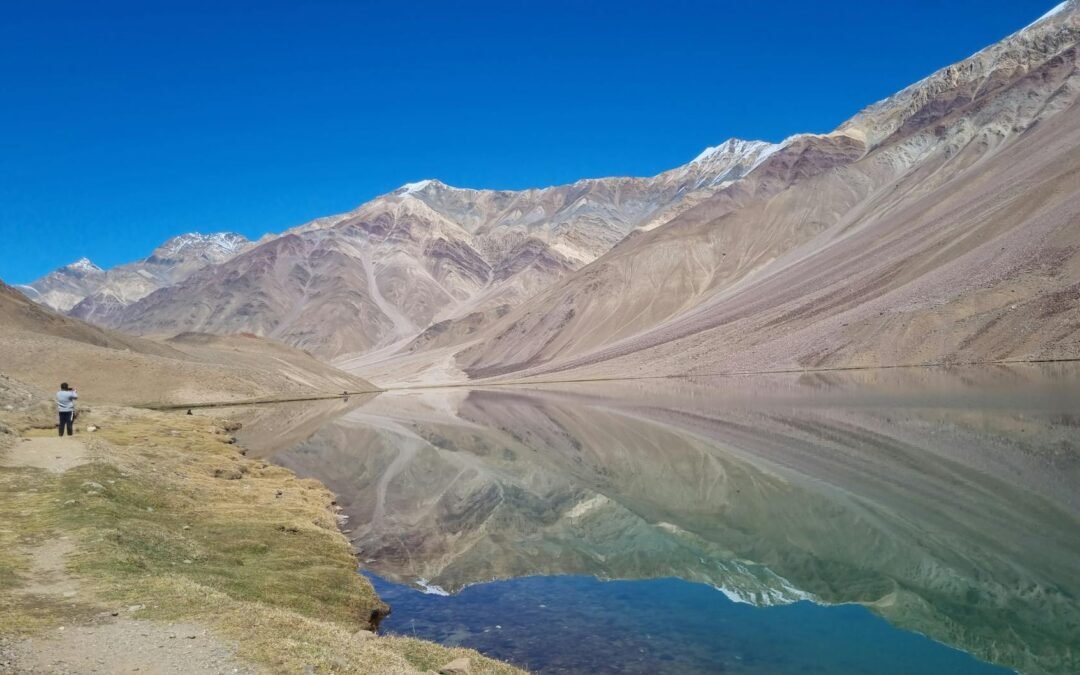
- Chandratal Lake sits at 4,300m altitude and remains accessible only from mid-June to mid-October
- The final 14km from Batal to Chandratal is a rough off-road stretch requiring SUVs or local taxis
- Camping near the lake is the only accommodation option with basic tented camps available
- Inner Line Permits are mandatory for tourists visiting Chandratal Lake in Spiti Valley
- The lake’s crystal-clear waters change color from blue to emerald throughout the day
- Introduction
- Quick Facts About Chandratal Lake Spiti
- Why Visit Chandratal Lake Spiti
- How to Reach Chandratal Lake Spiti
- Best Time to Visit Chandratal Lake Spiti
- Top Things to Do in Chandratal Lake Spiti
- Where to Stay in Chandratal Lake Spiti
- Where to Eat and Local Food
- Practical Tips for Visiting Chandratal Lake Spiti
- Final Thoughts
- Frequently Asked Questions
Introduction
Nestled at a breathtaking altitude of 4,300 meters in the Spiti Valley, Chandratal Lake Spiti stands as one of the most mesmerizing high-altitude lakes in the Indian Himalayas. Known as the “Lake of the Moon,” this crescent-shaped glacial lake reflects the surrounding snow-capped peaks in its crystal-clear waters, creating a mirror-like spectacle that has captivated travelers, trekkers, and photographers from across the globe. The lake’s remote location, accessible only during the summer months, adds to its mystique and allure, making every journey to this pristine destination an adventure worth undertaking.
What sets Chandratal Lake apart from other Himalayan destinations is its untouched, raw beauty. Located approximately 6 kilometers from the Kunzum Pass on the Manali-Kaza route, the lake sits in splendid isolation, surrounded by barren mountains that transform into a palette of ochre, brown, and gold during sunrise and sunset. The journey to Chandratal is as spectacular as the destination itself, taking you through some of the most dramatic landscapes in Himachal Pradesh, where civilization gives way to wilderness, and the air becomes so thin and pure that every breath feels like a blessing.
For adventure enthusiasts, nature lovers, and those seeking solitude away from the chaos of urban life, Chandratal Lake Spiti offers an experience that transcends ordinary tourism. Whether you’re a solo backpacker, a couple seeking romantic isolation, or a group of friends chasing the perfect photograph, this celestial lake promises memories that will last a lifetime. The absence of commercialization, combined with the challenging journey required to reach here, ensures that only the most dedicated travelers make it to this paradise, preserving its pristine character and making every visit feel exclusive and special.
Quick Facts About Chandratal Lake Spiti
| Feature | Details |
|---|---|
| Altitude | 4,300 meters (14,100 feet) above sea level |
| Best Time to Visit | Mid-June to late September |
| Distance from Nearest City | Manali: 120 km, Kaza: 97 km |
| Nearest Airport | Bhuntar Airport (Kullu), 230 km |
| Permits Required | No special permits for Indian citizens; Foreign nationals need Inner Line Permit |
| Temperature Range | Summer: 5°C to 15°C, Night: -5°C to 5°C |
| Budget per Day | ₹800 – ₹2,500 (including accommodation and meals) |
Why Visit Chandratal Lake Spiti
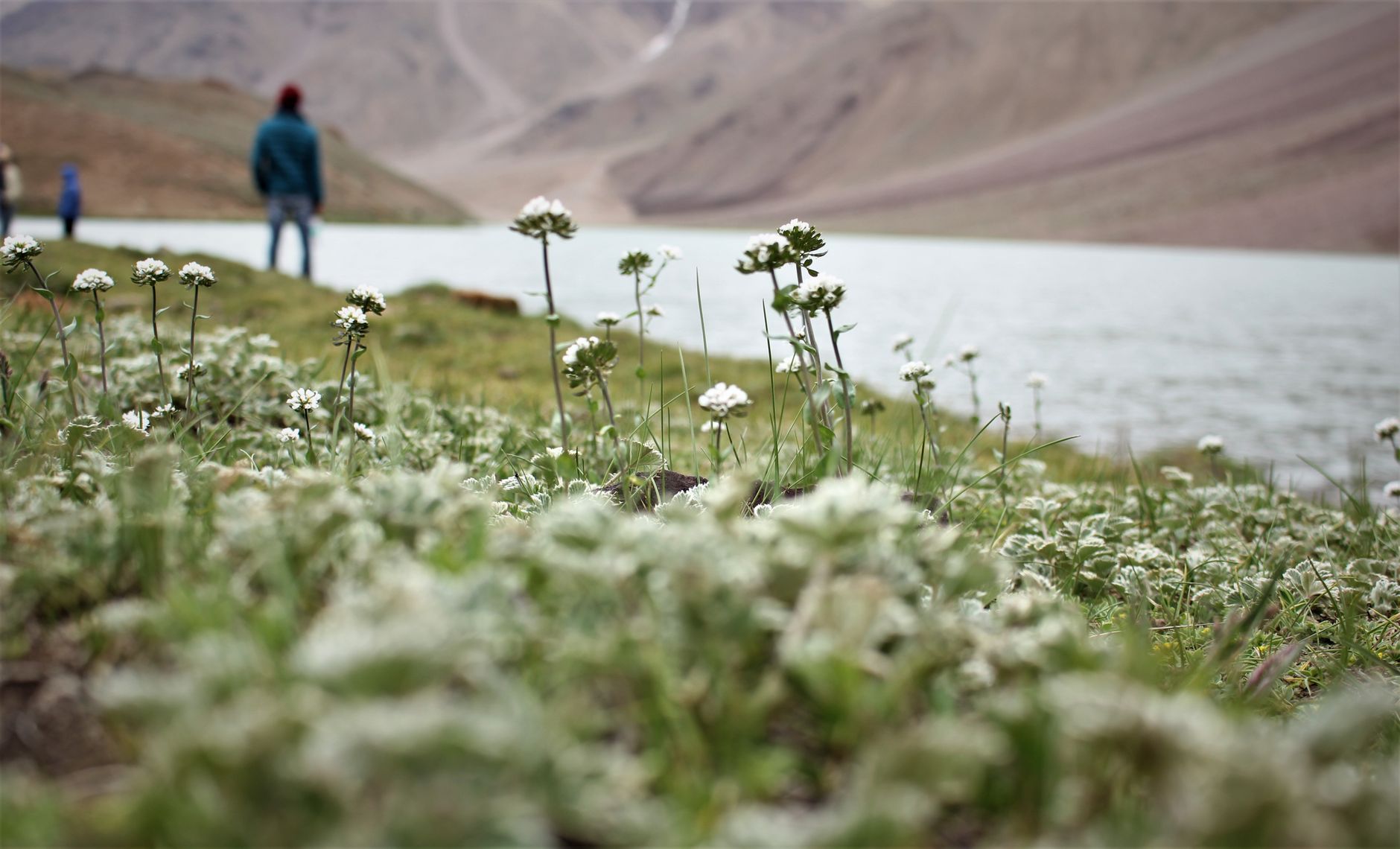
Chandratal Lake Spiti is not just another tourist destination; it’s a pilgrimage for those who worship at the altar of nature’s raw beauty. The lake’s unique crescent shape, spanning approximately 2.5 kilometers in circumference, creates an otherworldly ambiance that photographers dream about. During the brief summer months when the lake is accessible, the surrounding meadows burst into life with alpine flowers, attracting rare Himalayan birds and occasionally even the elusive snow leopard in the higher reaches. The water’s color changes throughout the day—from deep blue in the morning to turquoise at noon and reflecting the golden hues of surrounding mountains during sunset—offering endless opportunities for spectacular photography.
What truly distinguishes Chandratal from other high-altitude lakes is its spiritual significance combined with complete lack of commercialization. Unlike many famous destinations in Himachal that have been developed with concrete structures and facilities, Chandratal remains pristine and untouched. There are no permanent structures around the lake itself, only seasonal campsites that operate during the four-month window when access is possible. This commitment to preservation means you experience the lake exactly as ancient traders on the Spiti-Ladakh route would have centuries ago. The local Gaddi and Lahauli shepherds still bring their flocks to graze in these meadows during summer, maintaining traditions that date back generations.
The astronomical experiences at Chandratal are unparalleled anywhere in India. Due to the high altitude, minimal light pollution, and crystal-clear skies, the lake offers some of the most spectacular stargazing opportunities in the country. The Milky Way stretches across the entire sky like a luminous river, and during new moon nights, you can see thousands of stars invisible from lower altitudes. Many photographers specifically time their visits to coincide with the Perseid meteor shower in August, when shooting stars streak across the sky with remarkable frequency. The reflection of this celestial display in the lake’s still waters creates a double spectacle that seems almost surreal.
The surrounding landscape offers geological wonders that fascinate scientists and nature enthusiasts alike. The region showcases evidence of ancient glacial activity, with moraines and glacial deposits telling the story of how this valley was carved over millions of years. The barren mountains surrounding Chandratal display distinct layers of sedimentary rocks in shades of rust, brown, grey, and even purple, creating natural artwork on a massive scale. Wildlife enthusiasts might spot Himalayan marmots, pikas, and if extremely lucky, blue sheep (bharal) on the higher slopes. The area is also home to various species of migratory birds during summer, including the Brahminy duck and bar-headed geese.
How to Reach Chandratal Lake Spiti

By Road from Manali: The most popular route to Chandratal Lake starts from Manali and covers approximately 120 kilometers. The journey takes you over the legendary Rohtang Pass (3,978 meters) and then through Batal. From Manali, drive to Rohtang Pass (51 km), continue to Gramphu (15 km from Rohtang), then to Chatru (17 km), and finally to Batal (21 km). From Batal, a 14-kilometer kutcha (unpaved) road leads to Chandratal. The final 4 kilometers from the parking area to the lake must be covered on foot or by local taxi, as private vehicles are not allowed beyond the designated parking zone. The entire journey from Manali takes approximately 7-8 hours in good weather conditions. Note that the road from Batal to Chandratal is particularly rough and requires a sturdy vehicle, preferably an SUV or 4×4.
By Road from Kaza: Travelers already in Spiti Valley can reach Chandratal from Kaza, which is approximately 97 kilometers away. The route goes from Kaza to Losar (52 km), then over Kunzum Pass (4,551 meters, 19 km from Losar), and finally to Chandratal (26 km from Kunzum Pass via Batal). This route offers spectacular views of the Spiti Valley and takes about 5-6 hours. The Kunzum Pass route is only open from mid-June to October, weather permitting, and can be closed without notice due to snowfall.
By HRTC Bus: Himachal Road Transport Corporation (HRTC) operates limited bus services on this route during the tourist season. From Manali, you can take the daily HRTC bus to Kaza (₹450-₹600), which stops at Batal. However, you’ll need to arrange local transport from Batal to Chandratal, as the bus doesn’t go directly to the lake. Some private operators run services from Manali to Batal during peak season (July-September) at prices ranging from ₹600-₹800 per person. From Batal, shared taxis to the Chandratal parking area cost approximately ₹200-₹300 per person, depending on availability and group size.
Nearest Airport: The closest airport is Bhuntar Airport in Kullu, located approximately 230 kilometers from Chandratal. From Bhuntar, you need to take a taxi or bus to Manali (50 km, ₹800-₹1,200 by taxi) and then proceed to Chandratal via the Rohtang Pass route. During peak season, some charter helicopter services also operate from Shimla and Kullu to Kaza, from where you can arrange ground transport to Chandratal.
Nearest Railway Station: The nearest broad-gauge railway station is Joginder Nagar, approximately 325 kilometers from Chandratal, though most travelers prefer to use Chandigarh Railway Station (370 km) or Kalka Railway Station (355 km) as these are major junctions with better connectivity. From Chandigarh or Kalka, you can hire a taxi to Manali (₹5,000-₹7,000) or take HRTC buses (₹400-₹600) and then continue to Chandratal.
Taxi and Car Rental Costs: For those preferring private transport, taxi services from Manali to Chandratal and back cost approximately ₹8,000-₹12,000 depending on vehicle type and season. A complete round trip from Chandigarh or Shimla, including multiple stops and 4-5 days, costs between ₹18,000-₹25,000. Self-drive motorcycle rentals are popular, with Royal Enfield bikes available in Manali for ₹1,200-₹1,800 per day. Several tour operators offer package trips from Manali to Chandratal for ₹3,500-₹5,000 per person, including transportation and one night’s camping.
Best Time to Visit Chandratal Lake Spiti
January to March: During these winter months, Chandratal Lake remains completely inaccessible to tourists. The Rohtang Pass and Kunzum Pass are both closed due to heavy snowfall, and the lake itself is frozen solid under several feet of snow and ice. Temperatures can plummet to -30°C, making any attempt to reach the lake not just difficult but genuinely dangerous. The entire region becomes a frozen wilderness with no facilities, no connectivity, and no rescue options. Even the local shepherds and traders avoid this area completely during these months. This period is strictly off-limits for tourism.
April to June: April and most of May see Chandratal still under snow, though the surrounding lower valleys begin to thaw. The Rohtang Pass typically opens in late May, but the road to Chandratal doesn’t clear until mid-June. Once accessible, usually from the second or third week of June, this is considered one of the best times to visit. The weather is relatively stable with daytime temperatures ranging from 10°C to 15°C, though nights remain cold at around 0°C to -5°C. The snow begins melting, feeding the lake with glacial water, and the surrounding meadows slowly start showing signs of green. Crowds are minimal in June as most tourists haven’t started their Spiti trips yet. However, be prepared for unpredictable weather, as sudden snowfall can occur even in June. This period offers clearer skies and excellent visibility, making it ideal for photography and stargazing.
July to September: This is the peak tourist season for Chandratal Lake Spiti. July and August bring the warmest weather, with daytime temperatures reaching 15°C to 20°C, though nights still drop to 0°C to 5°C. The alpine meadows around the lake are in full bloom with wildflowers creating carpets of purple, yellow, and white. All campsites are operational, and getting accommodation is easier, though advance booking is still recommended for weekends and the entire month of August. This period also brings occasional monsoon showers, though Spiti Valley lies in a rain shadow area and receives minimal rainfall. However, the roads can be affected by landslides, particularly on the Manali side. September is arguably the best month to visit—the monsoon is retreating, the weather stabilizes, tourist crowds thin out, and the clear post-monsoon skies offer spectacular mountain views and stargazing opportunities. The autumn colors begin to paint the landscape in golden hues.
October to December: By early October, night temperatures drop significantly, often reaching -10°C, though days can still be pleasant at 10°C to 15°C. Most campsites begin closing down by mid-October. The Kunzum Pass usually remains open until mid or late October, but the route can close without warning due to early snowfall. By late October or early November, both major access routes (via Rohtang and Kunzum) are officially closed for the season. November and December see the lake completely frozen and inaccessible, with the entire region buried under snow. During this period, even Kaza becomes difficult to access, and most of Spiti Valley shuts down for winter. Only experienced winter mountaineers with proper equipment and permits attempt any travel in this region during these months, and even then, reaching Chandratal is virtually impossible.
Top Things to Do in Chandratal Lake Spiti
Circumambulation Around the Lake
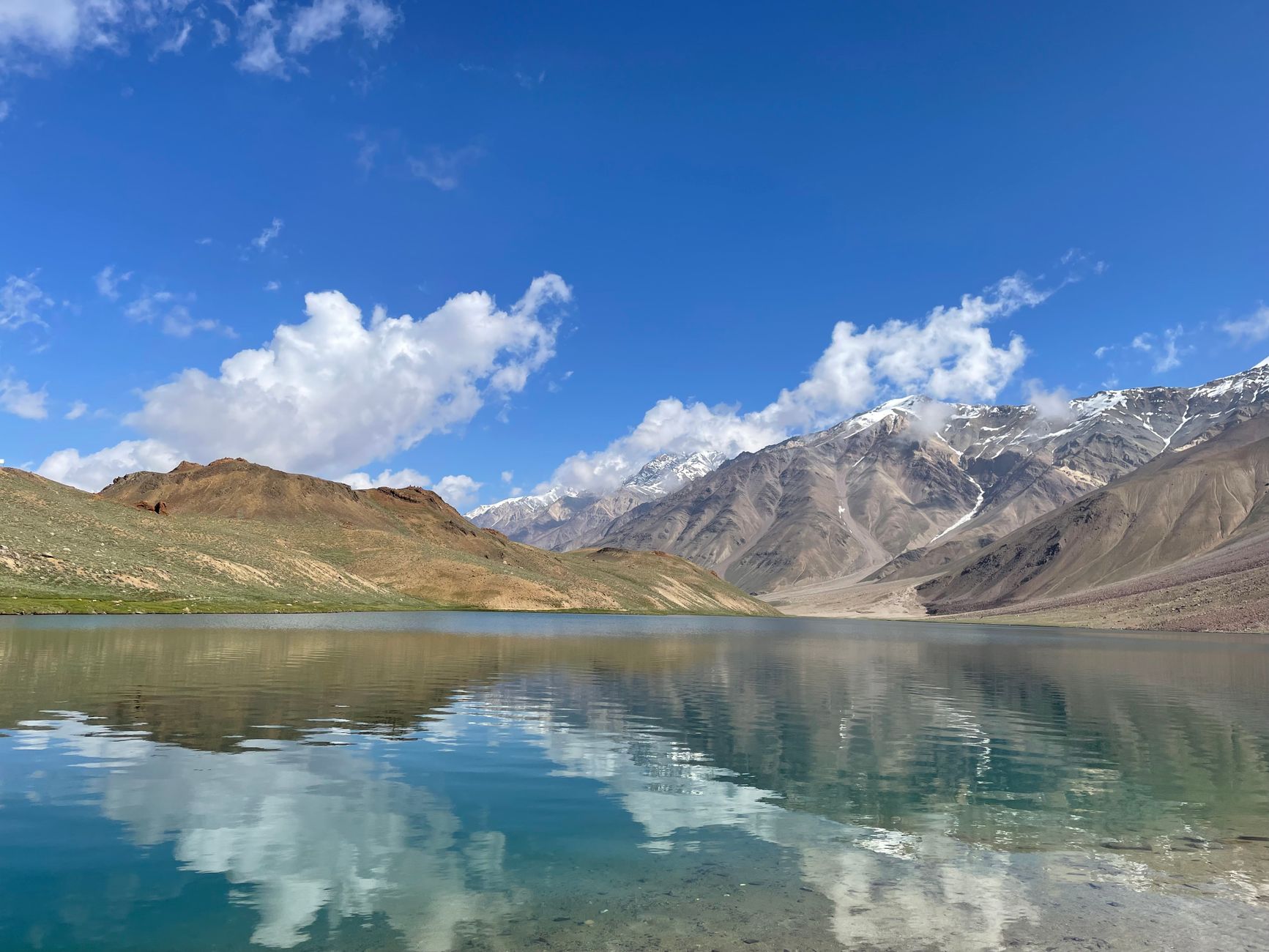
The complete circuit around Chandratal Lake covers approximately 2.5 kilometers and takes about 1.5 to 2 hours at the high altitude. This isn’t just a walk but a spiritual experience as you observe the lake from different angles, each offering unique perspectives. The trail is relatively easy but requires acclimatization due to the altitude. As you walk, you’ll notice how the lake’s color changes depending on the angle of sunlight and your vantage point. The path takes you through patches of alpine meadows dotted with wildflowers during summer, and you might spot Himalayan marmots sunbathing on rocks. Remember to walk slowly, both to manage the altitude and to fully absorb the spectacular scenery.
Photography at Sunrise and Sunset
Chandratal Lake is a photographer’s paradise, and the golden hours of dawn and dusk transform it into something truly magical. Wake up before sunrise (around 5:30-6:00 AM in summer) to witness the first rays of sun touching the snow-capped peaks reflected in the lake’s mirror-like surface. The early morning light creates a gradient of colors from deep blue to orange and gold. Sunset is equally spectacular, usually between 7:00-7:30 PM, when the surrounding mountains cast long shadows and the entire landscape glows in warm tones. The crescent shape of the lake becomes most apparent during these hours, and the still waters create perfect reflections. Bring a tripod, wide-angle lenses, and plenty of memory cards, as you’ll want to capture every magical moment.
Stargazing and Astrophotography
At 4,300 meters altitude with virtually zero light pollution, Chandratal offers some of the most spectacular night sky viewing in India. On clear nights, you can see the Milky Way stretching across the entire sky like a cosmic river, with thousands of stars visible to the naked eye. The reflection of the stars in the calm lake waters creates a surreal double image that seems straight out of a science fiction movie. Plan your visit during the new moon phase for optimal star visibility, or during the Perseid meteor shower in mid-August to witness shooting stars. Experienced astrophotographers can capture stunning long-exposure shots of star trails circling around Polaris, with the lake and mountains in the foreground. The clarity of the night sky here allows you to easily spot constellations, satellites, and even the International Space Station during its visible passes.
Camping by the Lakeside
Spending a night camping near Chandratal Lake is an experience that connects you intimately with the Himalayan wilderness. Multiple campsites operate during the season, offering everything from basic tents to Swiss tents with better facilities. Evenings at the campsite involve gathering around bonfires, sharing stories with fellow travelers, and enjoying simple hot meals that taste extraordinary in the cold mountain air. The experience of sleeping at 4,300 meters under a canopy of millions of stars, with only the silence of the mountains and occasional calls of night birds, is profoundly peaceful and often transformative. Wake up to frost on your tent and the breathtaking sight of dawn breaking over the Himalayas. This is wilderness camping at its finest, far removed from the noise and pollution of cities.
Trekking to Nearby Viewpoints
Several short treks around Chandratal Lake offer elevated viewpoints that provide spectacular panoramic vistas. The trek to the ridge above the campsite (approximately 1-2 hours) rewards you with a bird’s-eye view of the entire crescent-shaped lake and the surrounding mountains. From this vantage point, the moon-like shape that gives the lake its name becomes clearly visible. Another popular trek leads to the nearby Samudra Tapu plateau, offering views of multiple glaciers and peaks. These treks require good fitness and proper acclimatization, so attempt them only after spending adequate time at the altitude. Always inform someone at the campsite before setting out, carry water and snacks, and be prepared to turn back if weather conditions deteriorate.
Wildlife Spotting and Bird Watching
The Chandratal region, despite its harsh environment, supports fascinating wildlife adapted to high-altitude conditions. The most commonly spotted animals are Himalayan marmots, which emerge from their burrows during summer months and can be seen near rocky areas around the lake. These plump, furry creatures are quite photogenic and relatively unafraid of humans. Pikas, small rabbit-like mammals, inhabit the rocky slopes and their distinctive calls echo through the valleys. Lucky visitors might spot blue sheep (bharal) on distant mountain slopes, and very rarely, predators like red fox or even snow leopards at higher elevations. Bird enthusiasts can observe several high-altitude species including the Himalayan snowcock, snow pigeon, and during migration season, bar-headed geese and Brahminy ducks that stop at the lake. Early mornings and late afternoons are the best times for wildlife observation, and binoculars greatly enhance the experience.
Where to Stay in Chandratal Lake Spiti
Budget Options (Under ₹1,000/night): Basic camping facilities dominate the budget accommodation landscape around Chandratal. Chandratal Camps by local operators offer simple tents with sleeping bags and mattresses for ₹500-₹800 per person per night, including basic meals. These camps have shared toilet facilities and limited running water, but the experience is authentic and brings you close to nature. Zostel Homes Chandratal operates budget-friendly dormitory-style tents at approximately ₹700-₹900 per person, attracting primarily backpackers and young travelers. The communal atmosphere makes it easy to meet fellow travelers and share experiences. Local Shepherd Camps occasionally offer extremely basic shelter for ₹300-₹500, though these are unreliable and only suitable for adventurous travelers who don’t mind minimal facilities. Most budget options include simple dal-chawal meals; don’t expect variety or luxury, but the food is hot, filling, and surprisingly tasty given the remote location.
Mid-Range Options (₹1,000-₹3,000/night): Moonscape Camps Chandratal provides better-quality tents with proper beds, mattresses, and pillows for ₹1,500-₹2,000 per person, including three meals and evening tea/coffee. They maintain better hygiene standards and offer Western-style toilet facilities. Himalayan Eco Camps charges around ₹1,800-₹2,500 per person for Swiss-style tents with wooden flooring and better insulation against the cold. Their dining tent serves more varied meals including Tibetan and Continental dishes alongside Indian food. Chandratal Retreat offers semi-permanent structures with solar lighting and slightly more comfortable bedding at ₹2,000-₹2,800 per person on full board. These mid-range options provide a better balance between comfort and the camping experience, with hot water available (though sometimes limited), charging points powered by solar panels, and more attentive service.
Splurge Options (₹3,000+/night): Premium camping options at Chandratal are limited but do exist for those seeking maximum comfort in this remote location. Spiti Ecosphere Luxury Camps offers the most upscale experience with large Swiss cottages featuring proper beds with duvets, carpeted floors, attached Western toilets (with water supply permitting), and even hot water bags for extra warmth. At ₹4,500-₹6,000 per person on full board, this includes elaborate buffet meals with multiple cuisine options, evening bonfires with snacks, and better staff-to-guest ratios. High Altitude Camps Deluxe provides similar facilities at ₹3,500-₹5,000 per person, with the added benefit of organizing guided treks and photography sessions. These premium camps also offer better tea/coffee throughout the day, packed breakfasts for early morning photography sessions, and sometimes even limited Wi-Fi connectivity powered by satellite. While expensive, they make the high-altitude camping experience considerably more comfortable, especially for older travelers or those unaccustomed to roughing it.
Where to Eat and Local Food
Food options at Chandratal Lake are understandably limited given its remote location, but what’s available is hearty, warming, and perfectly suited to the high-altitude environment. Most meals are served at the campsite where you’re staying, and it’s advisable to take full board (breakfast, lunch, and dinner) as there are no restaurants or independent eateries near the lake itself. The nearest village, Batal, has a few basic dhabas where you can grab a meal if you’re just passing through.
Local and Regional Dishes to Try: Thukpa, the Tibetan noodle soup, is ubiquitous at Chandratal and for good reason—this steaming hot bowl of noodles with vegetables and sometimes egg or chicken provides exactly the warmth and energy needed at high altitude. Prices range from ₹100-₹150 per bowl. Momos (steamed dumplings) are another staple, filled with vegetables, paneer, or chicken, served with spicy red chutney. Expect to pay ₹80-₹120 for a plate of 8-10 pieces. Tibetan butter tea (Gur Gur Cha) is an acquired taste but essential for high-altitude acclimatization—this salted tea churned with butter provides quick energy and warmth, typically costing ₹30-₹50 per cup. Siddu, a steamed bread from the Lahaul region stuffed with poppy seeds or walnut paste, occasionally appears on menus and offers a taste of authentic local cuisine (₹60-₹80 per piece). Most camps also serve simple north Indian dishes like dal-chawal, rajma-chawal, and aloo paratha (₹150-₹250 per meal), which might seem basic but taste extraordinary when you’re cold and hungry at 4,300 meters.
Chandra Dhaba, Batal: Located approximately 14 kilometers before Chandratal, this legendary dhaba has been serving travelers for decades. Run by a local family, it offers basic but delicious meals including thukpa (₹100), maggi (₹50-₹70), and simple thalis (₹150-₹200). The tea here (₹20-₹30) is famous among regular Spiti travelers. The dhaba also provides extremely basic accommodation if you’re stuck due to bad weather. Don’t expect cleanliness or ambiance, but the warm hospitality and hot food make it a lifeline for travelers on this route.
Kunzum Top Dhaba, Kunzum Pass: If you’re approaching from the Kaza side, this small dhaba at Kunzum Pass (20 km from Chandratal) serves hot meals and beverages. Their maggi and chai (₹50-₹80 combined) have revived countless cold and altitude-affected travelers. They also offer simple meals like rajma-rice (₹120-₹150). Open only during the day and only when the pass is accessible, this dhaba operates from June to October.
Campsite Dining Tents: Most organized camps at Chandratal have dedicated dining tents where meals are served buffet-style or as set menus. Breakfast typically includes parathas, bread with jam/butter, eggs (if available), and tea/coffee (₹200-₹300 per person). Lunch and dinner are more elaborate with dal, rice, one or two vegetables, roti, and sometimes chicken curry (₹250-₹400 per meal). Premium camps offer more variety including Continental and Chinese dishes, soups, and desserts. Evening snacks usually include pakoras or biscuits with tea (₹100-₹150). The quality varies by campsite, but most use fresh ingredients trucked up from Manali or Kaza weekly.
Practical Tips for Visiting Chandratal Lake Spiti
Permits Required: Indian citizens do not require any special permits to visit Chandratal Lake. However, foreign nationals need an Inner Line Permit (ILP) to enter Spiti Valley, which costs ₹200-₹400 depending on the duration and can be obtained from the District Magistrate’s office in Kaza, Recong Peo, or Shimla. You can also get it from the Sub-Divisional Magistrate (SDM) office in Keylong. The permit is usually issued for specific areas and time periods, so ensure Chandratal is mentioned in your permit. Carry multiple photocopies of your permit, passport, and visa as these are checked at various checkpoints. Some tour operators in Manali also facilitate ILP applications for foreign tourists for a service fee of ₹500-₹1,000. The permit process can take 1-2 days, so plan accordingly and don’t leave it for the last minute.
Mobile Network Connectivity: Mobile network connectivity at Chandratal Lake is virtually non-existent. BSNL offers the best coverage in the Spiti region overall, and you might get occasional signal near the campsite area, though it’s extremely unreliable. At Batal, approximately 14 kilometers away, BSNL sometimes works for calls and SMS, but data services are almost impossible. If you’re approaching from Kaza, the last reliable connectivity point is usually Losar. Some premium campsites offer satellite phone facilities for emergencies at high costs (₹50-₹100 per minute). This lack of connectivity is actually part of the charm of Chandratal—it forces you to disconnect from the digital world and truly immerse yourself in nature. Inform family and friends before you leave about the communication blackout, and establish clear plans for your return. For emergencies, campsite operators can sometimes relay messages through their satellite connections. Consider this a digital detox opportunity and embrace the chance to be truly offline for a few days.
ATM Availability and Cash Requirements: There are absolutely no ATMs at or near Chandratal Lake. The nearest functional ATMs are in Manali (if approaching from that route) or Kaza (if coming from Spiti Valley). In Kaza, State Bank of India and Punjab National Bank have ATMs, though they frequently run out of cash or face technical issues, especially during tourist season. It is absolutely critical to carry sufficient cash for your entire trip. Most campsites, dhabas, and service providers at Chandratal accept only cash—no digital payments, no credit cards, no UPI. Plan to budget ₹1,500-₹3,000 per day per person depending on your accommodation choice and eating habits. Carry smaller denominations (₹50, ₹100, ₹500 notes) as getting change for ₹2,000 notes can be difficult. Keep some emergency cash separate from your main wallet. It’s better to carry more cash than you think you’ll need, as unexpected expenses like vehicle repairs, extra nights due to bad weather, or medical emergencies can arise in remote areas like this.
Medical Facilities and Health Precautions: Medical facilities at Chandratal are non-existent, and the nearest basic health center is in Batal, which has minimal equipment and staff. The nearest proper hospital is in Keylong (approximately 80 km) or Kaza (97 km), both requiring several hours of difficult driving. This makes preparation and prevention absolutely essential. Acute Mountain Sickness (AMS) is the primary health risk at 4,300 meters altitude. Symptoms include headache, nausea, dizziness, and breathlessness. To prevent AMS, spend at least 1-2 nights acclimatizing at intermediate altitudes (like Manali at 2,050 meters or Kaza at 3,650 meters) before ascending to Chandratal. Stay well-hydrated (drink 3-4 liters of water daily), avoid alcohol and heavy meals, and ascend gradually. Carry essential medications including Diamox (acetazolamide) for AMS prevention (consult a doctor before use), pain relievers for altitude headaches, anti-nausea medication, and any personal prescription medicines. Bring a comprehensive first-aid kit including bandages, antiseptic cream, pain relief sprays, antacids, and medicines for common cold and diarrhea. Insect repellent is important as horse flies can be bothersome during daytime in summer. Sunscreen with high SPF (50+) and lip balm with SPF are essential as UV radiation is intense at this altitude. If you have pre-existing heart conditions, severe respiratory problems, or high blood pressure, consult your doctor before attempting this trip. Most importantly, listen to your body—if you develop severe AMS symptoms, the only cure is immediate descent to lower altitude.
What to Pack: Packing appropriately can make the difference between a comfortable experience and a miserable one at Chandratul. Clothing: Layering is key. Pack thermal innerwear (at least two sets), fleece jackets, a good quality down jacket (rated for sub-zero temperatures), windproof and waterproof outer shell, trekking pants (not jeans), warm socks (3-4 pairs including wool socks), gloves (waterproof preferred), warm cap or balaclava, and a sun hat. Even in summer, night temperatures can drop below zero. Footwear: Sturdy waterproof trekking shoes with good ankle support are essential, plus comfortable sandals or slippers for camp use. Sleeping gear: Most camps provide sleeping bags, but if you’re carrying your own, ensure it’s rated for -10°C or lower. A sleeping bag liner adds warmth and hygiene. Protection: Sunglasses with UV protection (Category 4 for snow glare), sunscreen SPF 50+, lip balm with SPF, moisturizer (the air is extremely dry), and personal hygiene items. Electronics: Power banks (fully charged), camera with extra batteries (cold drains batteries quickly), headlamp or torch with extra batteries, and waterproof bags for electronics. Other essentials: Water bottles (at least 2 liters capacity), water purification tablets, high-energy snacks like dry fruits and chocolates, personal medication and first-aid kit, toilet paper and wet wipes (camp facilities are basic), plastic bags for waste (carry back everything you bring), trekking pole for walks around the lake, and some entertainment like books or cards (no internet available). Documents including ID proof, vehicle papers if self-driving, and permits for foreign nationals should be carried in waterproof pouches. A small backpack for day trips around the lake is also useful.
Safety Tips and Precautions: Safety at Chandratal requires awareness and preparation. Altitude safety: Never rush the ascent. If driving from Manali, break your journey at Keylong or Sissu. Watch for AMS symptoms in yourself and companions. If someone shows severe symptoms (confusion, inability to walk straight, severe breathlessness even at rest), descend immediately—this is a life-threatening emergency. Weather awareness: Mountain weather is unpredictable. Carry warm and waterproof clothing even if the forecast seems clear. Sudden storms can bring snow even in summer. If caught in bad weather, stay at your campsite rather than attempting travel. Road safety: The roads to Chandratal are dangerous with narrow sections, steep drops, and no barriers. If self-driving, ensure your vehicle is in excellent condition and you have experience in mountain driving. Carry chains for unexpected snow. Drive during daylight hours only. Water safety: While the lake looks inviting, the water is glacial and extremely cold. Swimming is not recommended and can lead to hypothermia within minutes. The lake edges can be marshy and slippery. Wildlife caution: While dangerous wildlife encounters are rare, maintain safe distance from all animals. Don’t feed marmots or birds. Store food securely in tents as the smell can attract animals at night. Environmental responsibility: This pristine ecosystem is fragile. Carry back all trash including toilet paper. Use designated toilet facilities at camps. Don’t use soaps or detergents in or near the lake. Don’t pick flowers or disturb vegetation. Stay on designated paths to prevent erosion. Travel insurance: Given the remote location, altitude risks, and adventure nature of this trip, comprehensive travel insurance covering high-altitude trekking, emergency evacuation, and medical expenses is highly recommended. Communication plan: Before entering the no-network zone, inform someone reliable about your itinerary and expected return. Stick to your plan or inform campsite operators of any changes who can relay messages if needed.
Final Thoughts
Chandratal Lake Spiti represents the kind of destination that stays with you long after you’ve returned to everyday life. It’s not just the breathtaking beauty of the crescent-shaped lake reflecting snow-capped peaks, or the star-studded nights where the Milky Way seems close enough to touch—it’s the entire journey that transforms travelers. The challenging roads, the thin mountain air, the complete disconnection from digital life, and the humbling vastness of the Himalayan landscape combine to create an experience that recalibrates your perspective on what matters in life. Every visitor to Chandratal comes back with stories of the kindness of fellow travelers met around campfires, the profound silence of the mountains, and the realization that some of life’s most beautiful moments happen when we step far outside our comfort zones.
Whether you’re a seasoned adventurer who has conquered multiple Himalayan passes or a first-time mountain traveler testing your limits, Chandratal welcomes all who make the effort to reach its shores. The memories you create here—watching the sunrise paint the lake golden, spotting a marmot peeking from behind rocks, or simply sitting in silence absorbing the majestic landscape—become treasures you’ll carry forever. As you plan your visit to this remarkable destination, remember to check weather conditions, prepare adequately for the altitude and remote location, and most importantly, travel responsibly to help preserve this pristine paradise for future generations. For more detailed guides on exploring Himachal Pradesh’s hidden gems, comprehensive trek information, and updated travel advisories for the Spiti region, visit aguidetohimachal.com—your trusted companion for discovering the magic of the Himalayas. Start planning your Chandratal adventure today, because some journeys are too extraordinary to postpone.
- Arrive at Chandratal before 4 PM to secure a camping spot during peak season as camps operate on first-come-first-served basis
- Carry sufficient cash as there are no ATMs after Manali and camps don’t accept digital payments
- Book return taxi from Batal in advance as vehicles are scarce after 3 PM for the return journey
- Bring high-altitude medication from Manali as acute mountain sickness is common above 4,000m
- Start the 2km lakeside trek early morning around 6 AM to witness the stunning sunrise reflection on the turquoise waters
Frequently Asked Questions about Chandratal Lake Spiti
Chandratal Lake is located at a breathtaking altitude of 4,300 meters (14,100 feet) above sea level in the Spiti Valley of Himachal Pradesh. This high-altitude glacial lake, known as the “Lake of the Moon,” sits in splendid isolation surrounded by barren mountains and snow-capped peaks.
The best time to visit Chandratal Lake is from mid-June to late September, as the lake is accessible only during the summer months. During this period, the weather is relatively favorable with daytime temperatures ranging from 5°C to 15°C, though nights can drop to -5°C to 5°C.
Chandratal Lake is approximately 120 kilometers from Manali and 97 kilometers from Kaza. The lake is located about 6 kilometers from the Kunzum Pass on the Manali-Kaza route, making it accessible to travelers journeying through the Spiti Valley.
Indian citizens do not require any special permits to visit Chandratal Lake Spiti. However, foreign nationals need to obtain an Inner Line Permit before visiting this high-altitude destination in the Spiti Valley.
The nearest airport to Chandratal Lake is Bhuntar Airport in Kullu, which is located approximately 230 kilometers away. From the airport, travelers need to continue their journey by road through some of the most dramatic landscapes in Himachal Pradesh.
The budget per day for visiting Chandratal Lake ranges from ₹800 to ₹2,500, including accommodation and meals. The relatively modest budget requirement makes this pristine high-altitude destination accessible to various types of travelers, from solo backpackers to groups seeking adventure.