
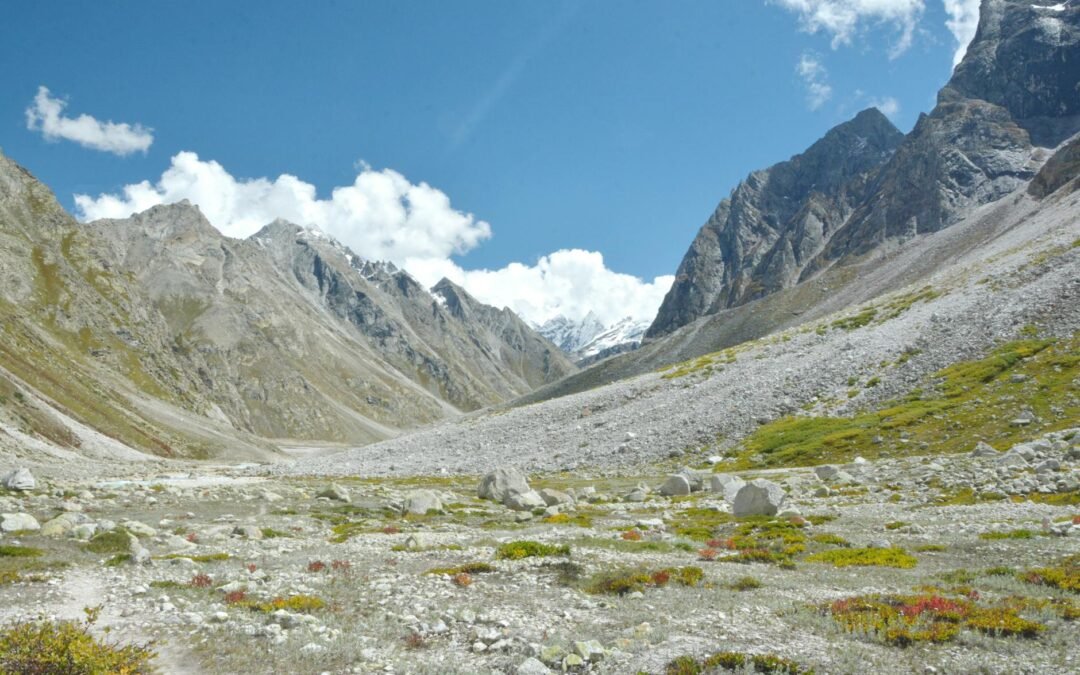
- Valley of Flowers is open only from June to October; visit in July-August for peak blooms
- A moderate 17 km trek from Govindghat via Ghangaria is required to reach the valley
- Permits from Forest Department are mandatory and should be obtained in advance
- No camping allowed inside the valley; stay at Ghangaria base camp 3 km away
- Combine your visit with Hemkund Sahib trek for a complete spiritual and natural experience
- Introduction
- Quick Facts About Valley of Flowers
- Why Visit Valley of Flowers
- How to Reach Valley of Flowers
- Best Time to Visit Valley of Flowers
- Top Things to Do in Valley of Flowers
- Where to Stay in Valley of Flowers
- Local Food & Cuisine
- Practical Travel Tips for Valley of Flowers
- Final Thoughts
- Frequently Asked Questions
Introduction
Nestled in the Chamoli district of Uttarakhand, the Valley of Flowers stands as one of India’s most spectacular natural wonders, a UNESCO World Heritage Site that transforms into a vibrant carpet of alpine flowers every summer. This high-altitude Himalayan valley, sitting at an elevation of 3,658 meters above sea level, offers an experience so surreal that it feels like stepping into a living painting. The valley stretches across approximately 87.50 square kilometers of pristine wilderness, where over 500 species of wildflowers bloom in riotous profusion against the backdrop of snow-capped peaks and cascading waterfalls.
Discovered by British mountaineer Frank S. Smythe in 1931, the Valley of Flowers has captivated travelers, botanists, and nature enthusiasts for nearly a century. What began as an accidental discovery during a mountaineering expedition has evolved into one of India’s most sought-after trekking destinations. The valley’s ethereal beauty inspired Smythe to pen his famous book “The Valley of Flowers,” which introduced this Himalayan paradise to the world and sparked a legacy of conservation efforts that continue to this day.
For Indian travelers seeking an escape from the mundane and international tourists yearning to witness the Himalayas in their full glory, the Valley of Flowers offers an unparalleled adventure. This isn’t merely a trek; it’s a pilgrimage through nature’s own botanical garden, where every step reveals new colors, fragrances, and vistas that challenge the very limits of natural beauty. Whether you’re a seasoned trekker or a nature enthusiast taking your first high-altitude journey, this valley promises an experience that will remain etched in your memory forever.
Quick Facts About Valley of Flowers
| Feature | Details |
|---|---|
| Altitude | 3,658 meters (12,000 feet) above sea level |
| Best Time to Visit | June to September (Peak bloom: July to August) |
| Distance from Nearest City | Joshimath: 25 km | Rishikesh: 273 km | Dehradun: 298 km |
| Nearest Airport | Jolly Grant Airport, Dehradun (317 km) |
| Nearest Railway Station | Rishikesh (273 km) | Haridwar (290 km) |
| Permits Required | Yes – Forest Entry Permit (₹150 Indians, ₹600 foreigners per day) |
| Temperature Range | 7°C to 17°C (Summer) | Below 0°C (Winter – Valley closed) |
| Approx Budget per Day | ₹1,500 – ₹3,000 (budget) | ₹3,500 – ₹6,000 (mid-range) |
Why Visit Valley of Flowers
The Valley of Flowers isn’t just another pretty destination—it’s a UNESCO World Heritage Site recognized globally for its outstanding natural beauty and rich biodiversity. What truly sets this valley apart is its extraordinary floral diversity, featuring endemic Himalayan species that exist nowhere else on Earth. Botanists have documented over 500 species of flowering plants here, including rare specimens like the Brahma Kamal (Saussurea obvallata), Blue Poppy (Meconopsis aculeata), Cobra Lily (Arisaema speciosum), and the Valley’s own endemic primulas and saxifrages.
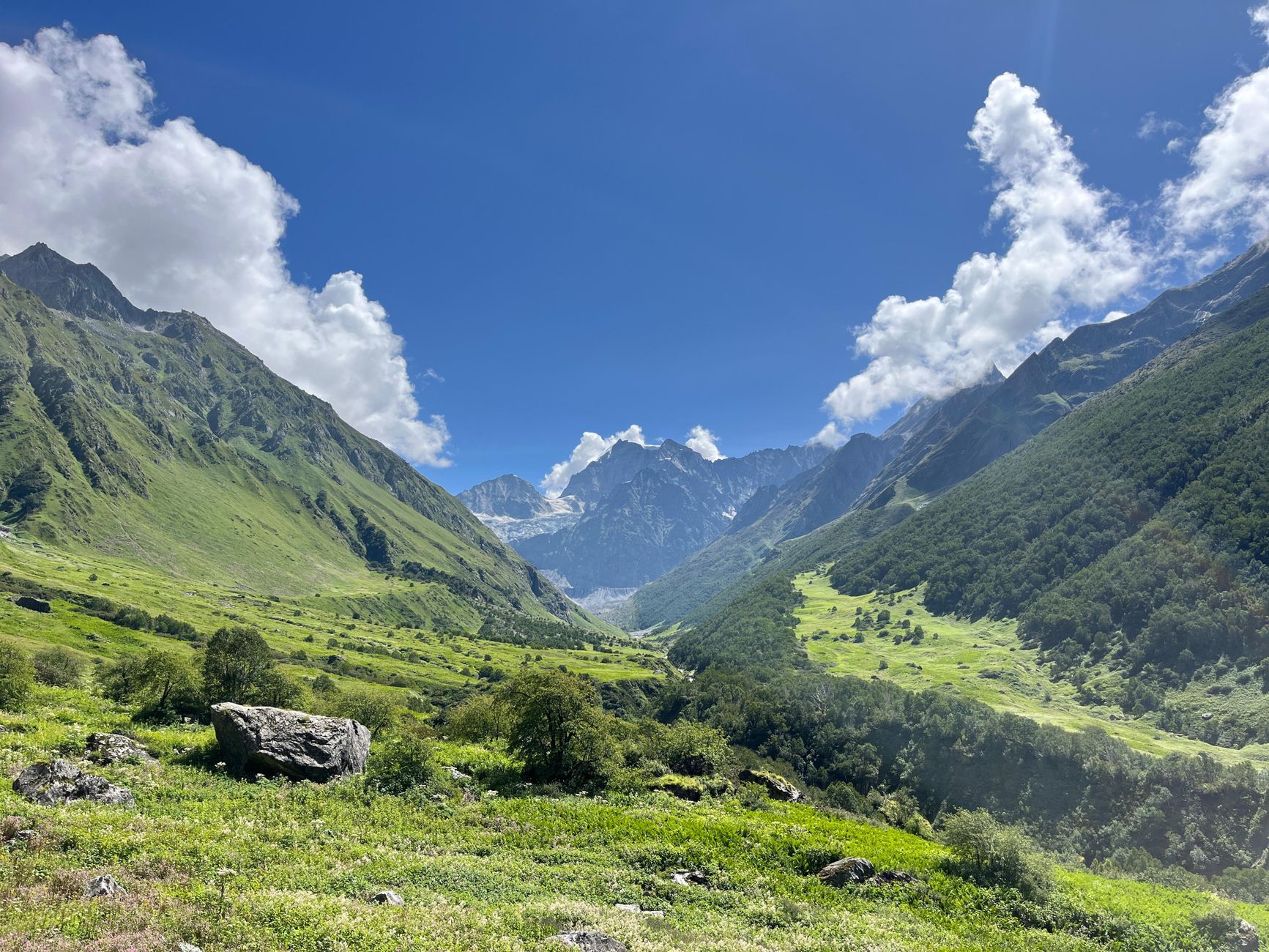
The valley’s uniqueness extends beyond mere numbers. The specific microclimate created by its geographical position, altitude, and surrounding peaks creates perfect conditions for an explosion of color that occurs nowhere else in the Himalayas with such intensity. During peak bloom season in July and August, the meadows transform into a kaleidoscope where purple Himalayan Bellflowers compete for attention with yellow Potentillas, pink Primulas paint entire slopes, and delicate Himalayan Edelweiss dots the landscape like fallen stars. The sight of these flowers stretching to the horizon, with the Zanskar range providing a dramatic snowy backdrop, creates a visual spectacle that photographs simply cannot capture adequately.
Beyond flora, the valley serves as a crucial habitat for endangered fauna including the Asiatic black bear, snow leopard, brown bear, blue sheep, and the highly endangered Himalayan musk deer. Birdwatchers can spot the Himalayan Monal (Uttarakhand’s state bird), Himalayan Snowcock, and numerous species of eagles and vultures. This ecological richness, combined with the valley’s spiritual significance in local Garhwali culture and its association with numerous Hindu legends, creates a destination that feeds both the eyes and the soul.
How to Reach Valley of Flowers
By Air: The nearest airport is Jolly Grant Airport in Dehradun, located approximately 317 km from Govindghat (the base camp for the Valley of Flowers trek). Regular flights connect Delhi, Mumbai, and Bangalore to Dehradun, with prices ranging from ₹3,500 to ₹8,000 depending on the season and booking time. From the airport, you can hire a private taxi to Govindghat for approximately ₹7,000-₹9,000, or take a shared taxi to Rishikesh (₹300-₹500 per person) and then proceed by bus or shared taxi to Govindghat.
By Train: Rishikesh Railway Station (273 km from Govindghat) and Haridwar Railway Station (290 km) are the nearest major railheads, well-connected to Delhi, Mumbai, Kolkata, and other major Indian cities. The Nanda Devi Express, Dehradun Express, and Shatabdi Express are popular options. From Rishikesh, state-run Uttarakhand Transport Corporation (UTC) buses depart daily for Govindghat (₹400-₹600), or you can hire shared taxis (₹600-₹800 per person) or private taxis (₹5,500-₹7,000 for the entire vehicle).
By Road: The road journey to Govindghat is an adventure in itself, passing through Devprayag, Rudraprayag, Karnaprayag, and Joshimath. From Delhi (500 km), the drive takes approximately 12-14 hours via NH334 and NH58. Overnight Volvo buses operate from Delhi’s Kashmere Gate ISBT to Joshimath, costing ₹800-₹1,200. From Rishikesh to Govindghat, the 273 km journey takes about 10-11 hours by road, with regular bus services departing early morning (₹400-₹600). The route offers spectacular views of the Ganga and encounters with multiple sacred confluences (prayags).
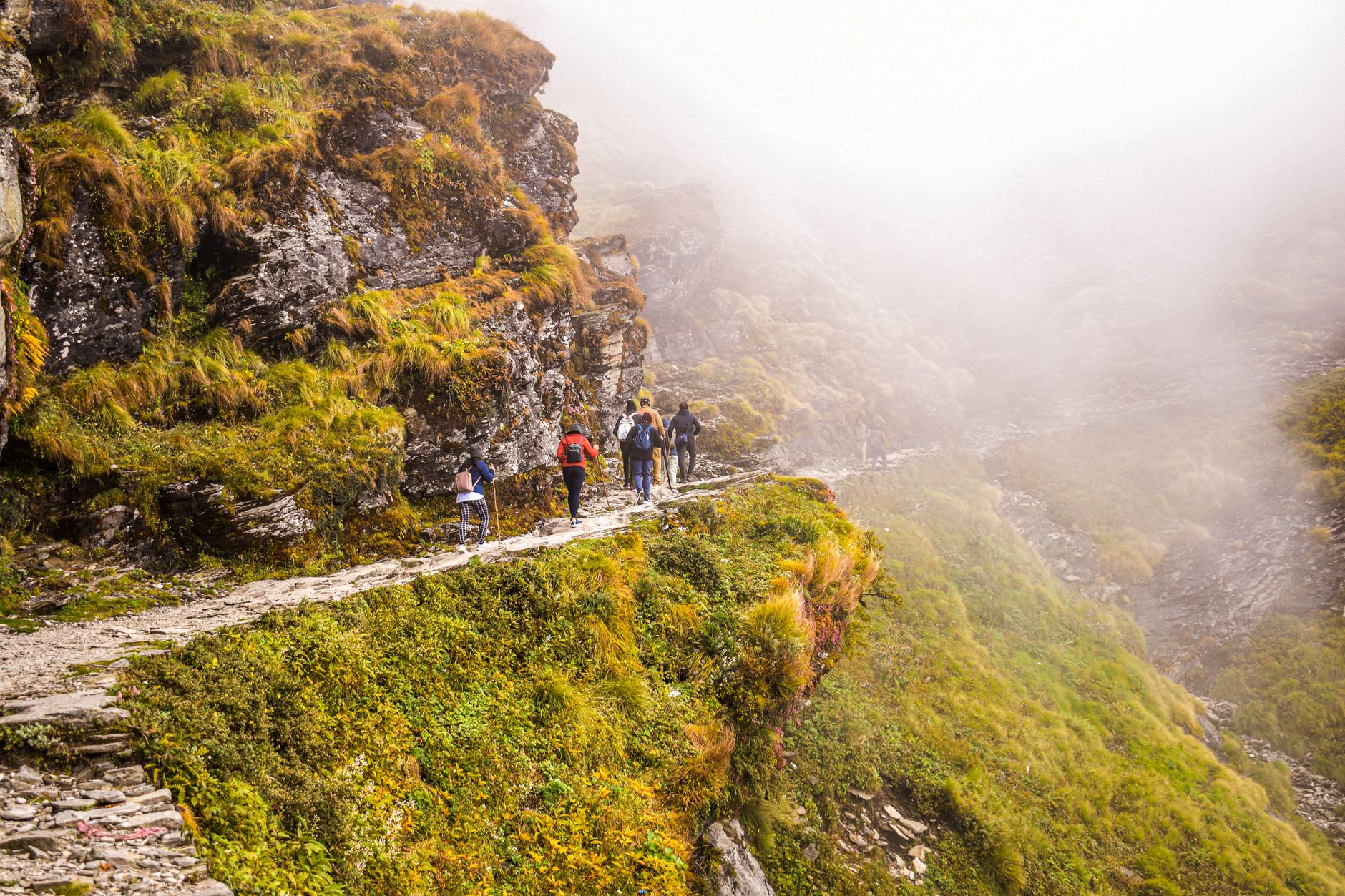
The Final Leg – Trek to Valley: From Govindghat (1,828 meters), the journey involves a 14 km trek to Ghangaria village (3,050 meters), which serves as the base camp. You can either trek this distance (5-6 hours), hire a pony (₹800-₹1,000), or take the helicopter service from Govindghat to Ghangaria during peak season (₹3,500-₹5,000 per person, subject to weather). From Ghangaria, it’s another 5 km trek (3-4 hours) to reach the Valley of Flowers entrance. The entire trail is well-marked and maintained by the Forest Department.
Best Time to Visit Valley of Flowers
June (Early Season): The valley officially opens in the first week of June, usually around June 1st, though this varies based on snowmelt. Early June sees the landscape still recovering from winter, with snow patches lingering at higher elevations. The flower bloom is just beginning, with early bloomers like primulas and marsh marigolds making their appearance. This period sees fewer crowds, making it ideal for those seeking solitude. However, weather can be unpredictable with occasional rain and cloudy days. Temperature ranges from 5°C to 12°C. Trek conditions are moderate, with some muddy patches from melting snow.
July (Peak Bloom Season): Mid-July to end-July represents the absolute peak of the flowering season, when the valley earns its name in full glory. This is when the maximum variety of flowers blooms simultaneously—blue poppies, brahma kamals, potentillas, geraniums, daisies, and countless others create a mesmerizing carpet of colors. However, this coincides with the monsoon season, bringing frequent rain showers (carry rain gear). Despite the rain, this is the most popular time, resulting in crowded trails and fully booked accommodations—book at least 2-3 months in advance. Temperatures range from 7°C to 15°C. The clouds often lift in the afternoon, offering clear views.
August (Extended Bloom): Early to mid-August continues the spectacular display, with some flowers past their peak but others just reaching full bloom. The variety might be slightly less than July, but the valley remains stunningly beautiful. Monsoon rains continue but begin tapering off toward late August. Crowd levels remain high but start decreasing after mid-month. This period offers a good balance between flower diversity and weather conditions. Temperature ranges from 8°C to 17°C. By late August, the first signs of autumn begin appearing at higher elevations.
September (Late Season): September marks the valley’s transition toward autumn. The early weeks still showcase decent flower blooms, particularly hardy species, but by mid-September, most flowers have completed their life cycle. However, this period offers crystal-clear skies, outstanding mountain views, and significantly fewer crowds. The weather is generally stable and pleasant, with minimal rainfall. Temperatures range from 5°C to 15°C but can drop sharply at night. The valley usually closes around September 30th or early October, depending on snowfall. This is an excellent time for photographers seeking clear mountain vistas and trekkers who prioritize solitude over peak blooms.
October to May (Off-Season – Valley Closed): The valley remains officially closed and inaccessible due to heavy snowfall, avalanche danger, and extreme cold. All facilities at Ghangaria shut down, and attempting to visit during this period is both illegal and extremely dangerous. The region experiences heavy snowfall, with temperatures plummeting well below freezing, often reaching -15°C to -20°C.
Top Things to Do in Valley of Flowers
Trek Through the Valley’s Three Distinct Zones
The Valley of Flowers is divided into three distinct ecological zones, each offering unique flora and topography. The lower zone (3,200-3,500 meters) features lush meadows with dense wildflower coverage, the middle zone (3,500-3,800 meters) showcases mixed vegetation with rocky outcrops and streams, while the upper zone (3,800-4,000 meters) presents alpine species adapted to harsh conditions with stunning glacier views. A complete exploration takes 5-6 hours and covers approximately 10-12 km of undulating terrain, allowing you to witness the dramatic changes in vegetation and landscape.
Photography Expedition at Sunrise
The valley transforms into a photographer’s paradise during the golden hour, when soft morning light illuminates the flowers and the surrounding peaks of Rataban (6,126 meters), Gauri Parbat (6,590 meters), and Nilgiri Parbat (6,474 meters) glow in shades of pink and orange. Start early from Ghangaria (around 5:30 AM) to reach the valley entrance by sunrise. The interplay of morning mist, dew-covered flowers, and dramatic lighting creates once-in-a-lifetime shots that justify carrying professional camera equipment up the challenging trail.
Botanical Documentation and Flora Study
For nature enthusiasts and amateur botanists, the valley offers an unparalleled opportunity to study and document Himalayan flora. Carry a good field guide to Himalayan flowers (available in Ghangaria), a notebook, and macro photography equipment. The Forest Department has installed information boards identifying major species throughout the valley. Many visitors spend entire days sketching, photographing, and learning about rare species like the Brahma Kamal, which blooms only at night and is considered sacred in Hindu mythology, or the endangered Blue Poppy, Uttarakhand’s state flower.
Visit Hemkund Sahib
Located just 6 km from Ghangaria at an altitude of 4,632 meters, Hemkund Sahib is one of Sikhism’s most sacred pilgrimage sites, featuring a stunning gurudwara situated beside a glacial lake surrounded by seven snow-clad peaks. The trek from Ghangaria is steep and challenging but incredibly rewarding, taking 4-5 hours uphill. The pristine lake reflects the surrounding mountains like a mirror, and the gurudwara serves hot langar (free community meal) to all visitors. Most trekkers combine Valley of Flowers and Hemkund Sahib in a 3-4 day itinerary, dedicating separate days to each destination.
Wildlife Spotting and Bird Watching
While trekking through the valley, remain alert for Himalayan wildlife sightings. Early mornings and late afternoons offer the best chances to spot blue sheep grazing on distant slopes, Himalayan black bears foraging (maintain safe distance), and if extremely fortunate, the elusive snow leopard. Bird enthusiasts should carry binoculars to spot the spectacular Himalayan Monal pheasant, with males displaying iridescent plumage in shades of green, blue, and copper. The valley also hosts Himalayan Snowcock, Yellow-billed Chough, Alpine Chough, and various species of eagles and vultures circling the high peaks.
Explore the Pushpawati River Valley
The Pushpawati River flows through the heart of the Valley of Flowers, fed by glacial meltwater from the surrounding peaks. Following the river upstream leads to spectacular waterfalls, crystal-clear pools, and less-visited meadows where flower density can be even greater than the main valley. The sound of rushing water provides a constant soundtrack to your trek, and numerous wooden bridges cross the river at strategic points, offering excellent photographic opportunities. The riverbanks are particularly rich in moisture-loving species like primulas, marsh marigolds, and saxifrages.
Where to Stay in Valley of Flowers
Budget Accommodations (₹300-₹800 per person per night): Ghangaria village offers numerous basic guesthouses and dormitory-style accommodations run by local families. Blue Poppy Guest House provides clean dormitory beds at ₹400-₹500 with shared bathrooms and basic meals. Himalayan Eco Lodge offers similar facilities at ₹350-₹450 per bed. Forest Rest House dormitories, when available, cost ₹300-₹400 but must be booked through the Forest Department in advance. These budget options provide basic necessities—a bed, blanket, and simple meals—but don’t expect luxury. Hot water is typically available only in buckets for a small fee (₹20-₹50). Most budget lodges operate on first-come-first-served basis during peak season, though advance booking via phone is recommended.
Mid-Range Accommodations (₹1,000-₹2,500 per person per night): GMVN Tourist Rest House (Garhwal Mandal Vikas Nigam) offers the most comfortable stay in Ghangaria, with decent rooms featuring attached bathrooms, hot water supply, and a restaurant serving various cuisines (₹1,500-₹2,200 per double room). Book through the GMVN website or offices in Rishikesh/Dehradun well in advance. Valley of Flowers Guest House provides clean rooms with basic amenities at ₹1,200-₹1,800 per room, including breakfast and dinner. Snow Crest Guest House is another reliable option at ₹1,000-₹1,500 per room. These mid-range properties offer better bedding, cleaner facilities, and more reliable meal services compared to budget options.
Camping Options (₹800-₹1,500 per person): Several trekking operators organize camping experiences near Ghangaria with inclusive packages covering tents, sleeping bags, meals, and guide services. Indiahikes, Trek the Himalayas, and Youth Hostels Association of India (YHAI) offer organized camping treks with comprehensive packages ranging from ₹8,000-₹15,000 for 4-6 day complete expeditions from Haridwar/Rishikesh. These packages eliminate the hassle of individual bookings and provide experienced guides, porter services, and group trekking benefits.
Luxury/Comfort Options Near Joshimath (25 km from Govindghat): Since Ghangaria offers only basic facilities, many travelers prefer staying in comfort at Joshimath before and after the trek. The Tattva Resort Joshimath offers premium rooms at ₹4,000-₹7,000 per night with modern amenities, hot water, heating, and multi-cuisine restaurants. Hotel Snow Crest in Joshimath provides comfortable stays at ₹2,500-₹4,000 per night. Hotel Kamet is another good option at ₹2,000-₹3,500 per night. These properties allow you to rest comfortably before and after the challenging trek.
Local Food & Cuisine
The cuisine available during the Valley of Flowers trek reflects the simple, nutritious food traditions of the Garhwal Himalayas, designed to provide energy for high-altitude activities. Due to the remote location and limited supplies, food options are relatively basic but wholesome and satisfying.
Must-Try Local Dishes: Kafuli is a traditional Garhwali curry made from spinach and fenugreek leaves, cooked with local spices and served with rice or roti—this iron-rich dish provides excellent nutrition for trekkers (₹80-₹120). Mandua ki Roti (finger millet flatbread) is a staple high-altitude food, rich in calcium and amino acids, typically served with ghee and local preparations (₹60-₹100). Jhangora ki Kheer, a sweet dish made from barnyard millet, jaggery, and milk, offers a delicious energy boost (₹70-₹100). Gahat ki Dal (horse gram lentil) is another local specialty, known for its warming properties and high protein content, perfect for cold mountain evenings (₹80-₹120).
Where to Eat in Ghangaria: GMVN Restaurant at the Tourist Rest House serves the most varied menu in Ghangaria, offering North Indian dishes, simple Chinese options, and local Garhwali cuisine. A full meal costs ₹200-₹400 per person. Breakfast options include parathas (₹60-₹100), porridge (₹50-₹80), and eggs (₹50-₹80). Laxmi Restaurant, a small family-run eatery, serves authentic homestyle food with limited but delicious options—their rajma-chawal (kidney bean curry with rice) is legendary among regular trekkers (₹100-₹150). Hemkund Restaurant near the gurudwara path offers simple meals including dal-chawal, maggi noodles (₹60-₹80), and chai (₹20-₹30). Blue Poppy Café serves hot beverages, snacks, and basic meals with prices ranging from ₹50-₹250 depending on the dish.
Most guesthouses in Ghangaria offer inclusive meal packages (₹500-₹800 per day for breakfast, lunch, and dinner), which is often more economical than eating à la carte. The standard meal consists of dal, rice, roti, seasonal vegetable curry, and pickle. Carry energy bars, dry fruits, and chocolates from cities as supplementary snacks, as these are significantly more expensive in Ghangaria (often 2-3 times regular prices). Hot water for drinking is available everywhere (₹10-₹20 per liter), and it’s advisable to drink plenty of fluids to prevent altitude sickness.
Practical Travel Tips for Valley of Flowers
Permits and Documentation: All visitors must obtain a Forest Entry Permit at the Valley of Flowers entrance gate near Ghangaria. The permit costs ₹150 per day for Indian nationals and ₹600 per day for foreign nationals. Children below 7 years enter free. Carry multiple photocopies of your ID proof (Aadhar card, passport, or voter ID) as these are required for permit issuance. The permit is valid for single-day entry; if you plan to visit the valley on multiple days, you’ll need to purchase permits for each day. Additionally, trekkers must register at the Ghangaria check post. No permit allows overnight camping inside the valley—all visitors must return to Ghangaria before sunset. Photography is permitted without additional charges, but commercial photography and drone usage require special permission from the Forest Department and District Administration.
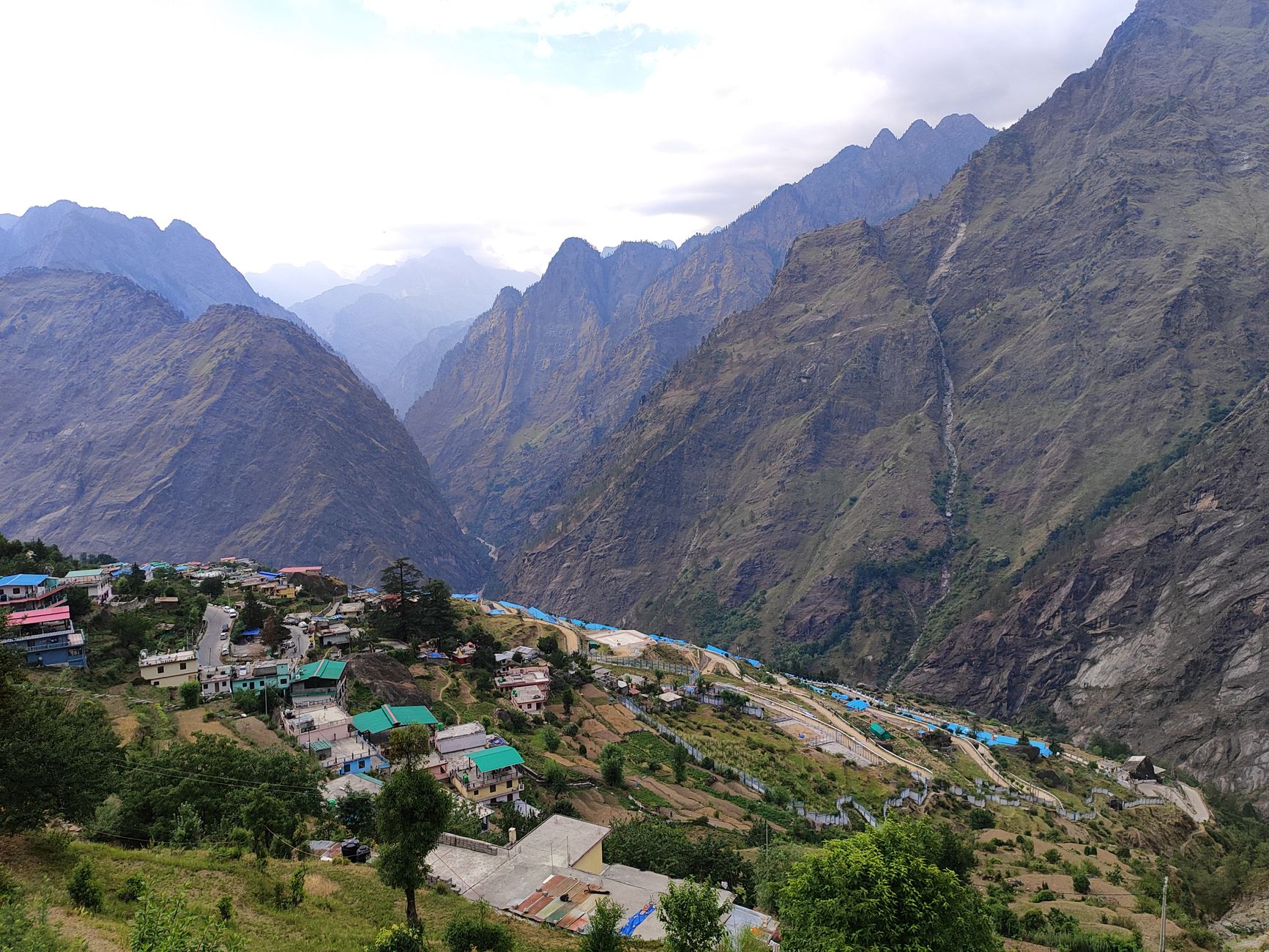
Mobile Network and Connectivity: Mobile network coverage is extremely limited throughout the trek. BSNL provides sporadic 2G connectivity in Ghangaria and at the Valley entrance, but don’t rely on it. Jio, Airtel, and Vodafone have virtually no coverage beyond Govindghat. The last reliable point for all networks is Joshimath. There are no ATM facilities in Ghangaria or anywhere along the trek route—the nearest ATMs are in Joshimath (25 km from Govindghat). Carry sufficient cash for your entire trek duration, accounting for accommodation, meals, porter/pony charges, permits, and emergencies. Budget at least ₹3,000-₹5,000 in cash per person for a 3-4 day trip.
Medical Facilities and Health Precautions: Ghangaria has a small government medical post offering basic first aid and treatment for altitude sickness, minor injuries, and common ailments. However, serious medical emergencies require evacuation to Joshimath (6-7 hours away) or Rishikesh. Carry a comprehensive first-aid kit including altitude sickness medication (Diamox—consult your doctor before the trek), pain relievers, anti-diarrheal medication, bandages, antiseptic cream, and any personal prescription medicines. Acclimatization is crucial—spend at least one night at Ghangaria (3,050 meters) before ascending to the valley (3,658 meters). Stay hydrated, drinking 3-4 liters of water daily. Watch for altitude sickness symptoms including headache, nausea, dizziness, and shortness of breath; descend immediately if symptoms worsen.
What to Pack: Clothing: Layered clothing is essential—thermal innerwear, fleece jacket, waterproof windproof jacket, trekking pants (2-3), quick-dry t-shirts (3-4), woolen cap, sun hat, gloves, and multiple pairs of moisture-wicking socks. Footwear: Good quality waterproof trekking shoes with ankle support are non-negotiable—break them in before the trek. Carry camp shoes/sandals for Ghangaria. Gear: 40-50 liter backpack with rain cover, trekking pole (highly recommended for descents), water bottles (2 liters capacity), headlamp with extra batteries, sunglasses (UV protection), sunscreen (SPF 50+), lip balm, personal toiletries, quick-dry towel, and toilet paper. Optional: Camera with extra batteries, power bank (no charging facilities in Ghangaria except at GMVN for a fee), binoculars, notebook for flora documentation, and lightweight portable charger.
Safety Tips: Never trek alone—always go in groups or hire local guides (₹1,000-₹1,500 per day). Weather in the mountains changes rapidly; start early (by 7 AM from Ghangaria) to avoid afternoon rains and ensure you’re back before dark. The valley has no shelter from storms. Respect the strict 2 PM return policy enforced by Forest Department—violators face penalties. The trail can be slippery when wet; trekking poles and proper shoes prevent falls. During monsoon, leeches are common at lower altitudes—carry salt or leech-repellent socks. Inform your guesthouse about your plans each day. Keep emergency contact numbers: Ghangaria Police Post, GMVN Office Joshimath, and District Emergency Services.
Responsible Tourism and Conservation: The Valley of Flowers is a fragile ecosystem under strict protection. Picking flowers, plants, or any vegetation is strictly prohibited and punishable by law with heavy fines (₹5,000-₹25,000) and potential imprisonment. Stay on marked trails—walking through meadows damages rare plants and causes erosion. Carry all waste back to Ghangaria in plastic bags; no littering anywhere on the trail or in the valley. Use biodegradable soap if bathing in streams. Don’t disturb wildlife—maintain safe distances and never feed animals. Avoid loud music or noise that disturbs the natural environment. Support local businesses by hiring local guides and porters, purchasing from local shops, and staying in local guesthouses. Respect the sanctity of the region—many locations are sacred to local communities. Photography should never damage plants or disturb wildlife. Leave no trace of your visit except footprints and take back nothing except photographs and memories.
Final Thoughts
The Valley of Flowers represents far more than a trekking destination; it’s a transformative journey into one of nature’s most spectacular creations. This UNESCO World Heritage Site offers a rare glimpse into an ecosystem so delicate and beautiful that it seems almost otherworldly. Whether you’re drawn by the challenge of the trek, the allure of witnessing hundreds of rare Himalayan flowers in full bloom, the spiritual significance of the surrounding peaks, or simply the need to disconnect from urban chaos and reconnect with pristine wilderness, this valley delivers on every promise. The experience of standing amid endless meadows of wildflowers, with snow-capped peaks towering above and the sweet fragrance of mountain blooms filling the air, creates memories that transcend the physical journey and touch something deeper within the soul.
For Indian travelers, this represents an opportunity to explore one of our nation’s most precious natural treasures, while international visitors will find here a Himalayan experience unlike any other in the world. The trek challenges you physically, the altitude tests your endurance, and the basic facilities push you beyond comfort zones—but these very challenges amplify the reward. When you finally stand in that valley, surrounded by nature’s artistry on a scale impossible to imagine until witnessed firsthand, every difficult step of the journey transforms into gratitude. So pack your bags, strengthen your legs, prepare your spirit, and set out to discover why the Valley of Flowers continues to enchant everyone who makes this pilgrimage. Book well in advance, especially for July-August visits, respect the fragile ecosystem, and prepare for an adventure that will redefine your understanding of natural beauty. The flowers are waiting, and the mountains are calling.
- Start your trek from Govindghat early morning by 6 AM to avoid afternoon rain and reach Ghangaria comfortably by noon
- Carry a waterproof poncho and trekking poles as the trail gets extremely slippery during monsoon rains
- Book accommodation in Ghangaria at least 2 months in advance as options are limited to GMVN guesthouses and basic lodges
- Hire a local guide from Ghangaria who can identify rare Himalayan flowers and show you the best photography spots
- Carry glucose, dry fruits and packed lunch as no food is available inside the valley and plastic is strictly prohibited
Frequently Asked Questions about Valley of Flowers
The best time to visit Valley of Flowers is from June to September when the valley is accessible and flowers are in bloom. Peak bloom occurs during July to August when over 500 species of wildflowers carpet the valley in vibrant colors against the backdrop of snow-capped Himalayan peaks.
Valley of Flowers is located in the Chamoli district of Uttarakhand, India, at an elevation of 3,658 meters (12,000 feet) above sea level. The valley stretches across approximately 87.50 square kilometers of pristine wilderness and is a UNESCO World Heritage Site.
Yes, permits are required to enter Valley of Flowers. The Forest Entry Permit costs ₹150 per day for Indian nationals and ₹600 per day for foreign nationals.
The nearest airport is Jolly Grant Airport in Dehradun, located 317 km from Valley of Flowers. The nearest railway stations are Rishikesh (273 km) and Haridwar (290 km), from where you can hire taxis or take buses to reach the trekking base.
During the summer trekking season (June to September), the temperature ranges from 7°C to 17°C. In winter, temperatures drop below 0°C and the valley remains closed to visitors due to heavy snowfall.
For budget travelers, expect to spend approximately ₹1,500 to ₹3,000 per day, which includes accommodation, food, and permits. Mid-range travelers should budget around ₹3,500 to ₹6,000 per day for more comfortable options.