
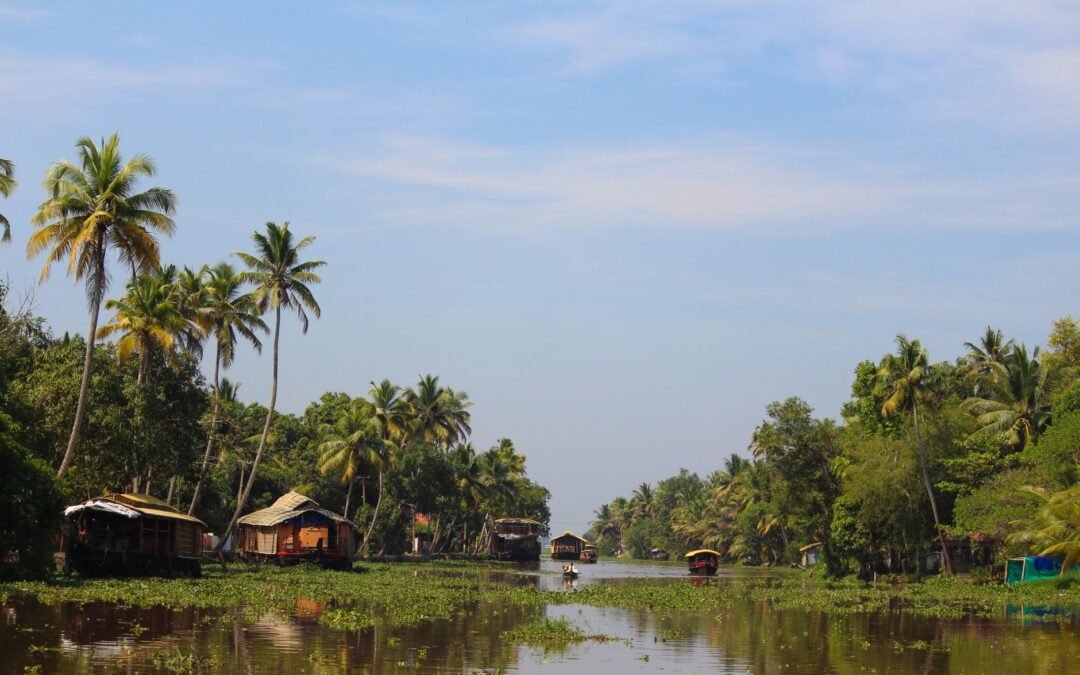
- Houseboat cruises are best booked during weekdays to avoid weekend crowds and get better rates
- August to March offers the most pleasant weather for exploring Alleppey backwaters
- Village canoe tours provide authentic experiences beyond traditional houseboat rides
- Local toddy shops and karimeen fish are must-try culinary experiences
- Early morning boat rides offer the best photography opportunities and wildlife sightings
- Introduction
- Quick Facts About Alleppey Backwaters
- Why Visit Alleppey Backwaters
- How to Reach Alleppey Backwaters
- Best Time to Visit Alleppey Backwaters
- Top Things to Do in Alleppey Backwaters
- Where to Stay in Alleppey Backwaters
- Local Food & Cuisine
- Practical Travel Tips for Alleppey Backwaters
- Final Thoughts
- Frequently Asked Questions
Introduction
The Alleppey backwaters represent one of India’s most enchanting natural wonders, a labyrinthine network of tranquil canals, shimmering lakes, and emerald lagoons that have earned Alleppey—officially known as Alappuzha—the well-deserved title of “Venice of the East.” Nestled in the heart of Kerala’s coastal region, these meandering waterways stretch across hundreds of kilometers, creating a unique ecosystem where life moves at the gentle rhythm of flowing water. Here, traditional wooden houseboats glide past swaying coconut palms, fishermen cast their nets in time-honored patterns, and vibrant village life unfolds along the banks in a tableau that seems untouched by modernity.
What makes the Alleppey backwaters truly captivating is the immersive experience they offer—this isn’t merely a destination to visit but a world to inhabit, even if just for a day or two. As you drift through narrow canals barely wider than your houseboat, you’ll witness intimate scenes of daily life: children waving from schoolboat ferries, women washing clothes at the water’s edge, toddy tappers scaling coconut trees with remarkable agility, and farmers tending to their rice paddies that seem to float upon the water itself. The backwaters aren’t just a geographical feature; they’re a living, breathing community where water is the primary highway and tradition remains deeply woven into every aspect of existence.
Whether you’re seeking a romantic escape aboard a luxury houseboat, an authentic cultural immersion in a village homestay, or simply a peaceful retreat from urban chaos, the Alleppey backwaters deliver an experience that lingers in memory long after you’ve returned to dry land. This comprehensive guide will help you navigate every aspect of your backwater adventure, from practical logistics to hidden gems that most tourists miss.
Quick Facts About Alleppey Backwaters
| Feature | Details |
|---|---|
| Altitude | Sea level (0-5 meters) |
| Best Time to Visit | November to February (peak season); June to August (monsoon, for nature lovers) |
| Distance from Nearest City | 64 km from Kochi, 155 km from Trivandrum |
| Nearest Airport | Cochin International Airport (85 km) |
| Permits Required | None for Indian nationals; passport for international tourists (standard) |
| Temperature Range | Summer: 28°C-36°C; Winter: 22°C-32°C; Monsoon: 24°C-30°C |
| Approx Budget per Day | ₹2,000-₹3,000 (budget); ₹5,000-₹8,000 (mid-range); ₹12,000+ (luxury) |
Why Visit Alleppey Backwaters
The Alleppey backwaters stand apart from other waterway destinations globally due to their unique ecosystem and the extraordinary symbiosis between humans and water. Unlike river cruises or lake tours elsewhere, the backwaters form an intricate network of over 900 kilometers of interconnected canals, rivers, and lakes that create a distinct geographic region known as Kuttanad—one of the few places on Earth where farming is conducted below sea level. This remarkable feat of agricultural engineering, combined with traditional water management systems dating back centuries, has created a landscape that’s both naturally beautiful and culturally significant.
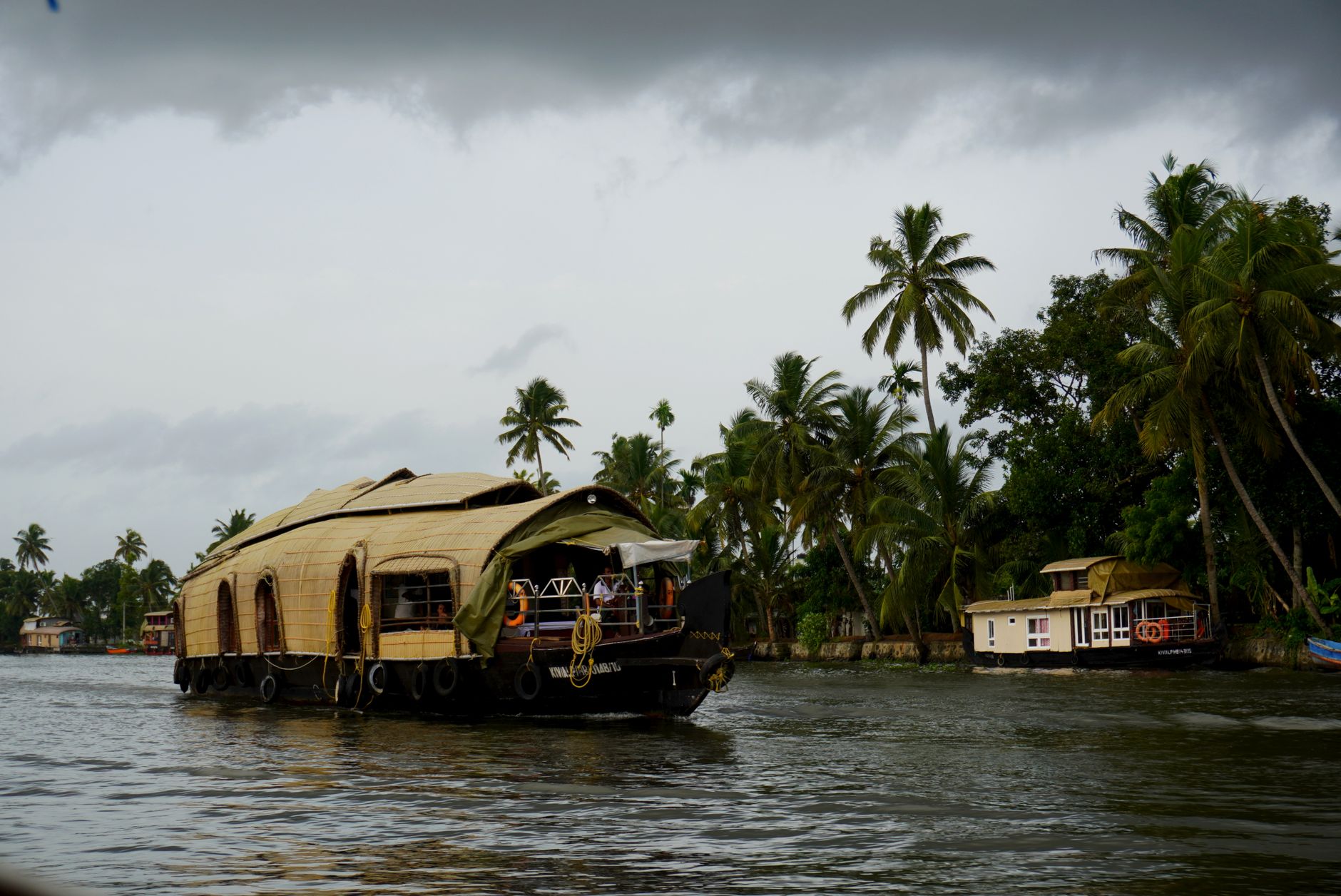
What truly distinguishes Alleppey is the authentic houseboat experience aboard traditional kettuvallams—massive rice barges that have been converted into floating accommodations without using a single nail in their construction. These architectural marvels, held together with coir ropes and coated with a black resin made from boiled cashew kernels, represent a dying art form now experiencing revival through tourism. Spending a night aboard one of these vessels, complete with bedroom, bathroom, and a kitchen where your personal chef prepares fresh Kerala cuisine, offers an unparalleled blend of comfort and tradition.
The backwaters also serve as a window into Kerala’s incredible biodiversity. The region is home to over 150 species of birds, including kingfishers, cormorants, darters, and the occasional migratory Siberian crane. The waters teem with nearly 40 species of fish, while the banks host a variety of plant species including the famous Kerala coconut palms, areca nut trees, and seasonal paddy fields. The annual Nehru Trophy Boat Race, held on Punnamada Lake in August, showcases the region’s cultural heritage through thrilling snake boat races where 100-foot-long chundan vallams are rowed by over 100 oarsmen in perfect synchronization—a spectacle that draws thousands of spectators and represents the pinnacle of Kerala’s boat racing tradition.
How to Reach Alleppey Backwaters
By Air: Cochin International Airport, located 85 kilometers from Alleppey, is the nearest airport with excellent domestic connectivity from Delhi (₹4,500-₹8,000), Mumbai (₹3,500-₹6,500), Bangalore (₹2,500-₹4,500), and other major Indian cities, as well as international flights. From the airport, you can hire a prepaid taxi for approximately ₹2,200-₹2,800, which takes about 2-2.5 hours depending on traffic. Alternatively, shared airport shuttles operated by various agencies charge around ₹400-₹600 per person. Trivandrum International Airport is another option at 155 kilometers away, better suited if you’re planning a south-to-north Kerala itinerary.
By Train: Alappuzha Railway Station is well-connected to major Indian cities. The station lies on the busy Trivandrum-Ernakulam coastal route. Popular trains include the Trivandrum Rajdhani Express from Delhi (approximately ₹3,500-₹6,500 for AC classes), various Duronto and Superfast expresses from Mumbai, Bangalore, and Chennai. From Ernakulam Junction (64 km away), local passenger trains run frequently every 30-60 minutes, costing just ₹30-₹50 for unreserved second class or ₹90-₹150 for AC chair car, with a journey time of 1-1.5 hours. The train journey along the coast offers stunning views of backwaters, coconut groves, and village life.
By Road: Alleppey is excellently connected by road via National Highway 66 and State Highway 40. KSRTC (Kerala State Road Transport Corporation) operates frequent bus services from Kochi (64 km, ₹60-₹150 depending on bus type, 1.5-2 hours), Trivandrum (155 km, ₹150-₹300, 3.5-4 hours), and Kottayam (32 km, ₹35-₹80, 1 hour). Private luxury buses also operate on these routes with fares ranging from ₹200-₹500. Self-drive is an excellent option for those comfortable with Indian roads; car rentals from Kochi start at ₹1,800-₹2,500 per day excluding fuel. Taxi services charge approximately ₹12-₹15 per kilometer, so a Kochi-Alleppey journey would cost around ₹900-₹1,200.
By Water: For a truly unique arrival experience, you can take the State Water Transport ferry from Kottayam to Alleppey, operating daily with multiple departures. This 2.5-hour journey through the backwaters costs just ₹20-₹30 and offers your first immersive backwater experience. The Alappuzha-Changanassery boat service and other local ferry routes also provide atmospheric ways to approach the town while mingling with local commuters.
Best Time to Visit Alleppey Backwaters
November to February (Winter – Peak Season): This is undoubtedly the most popular time to visit the Alleppey backwaters, with temperatures ranging from 22°C to 32°C and humidity at its lowest. The weather is perfect for houseboat cruises, with clear blue skies reflecting beautifully on the water surfaces. However, this popularity comes with significantly higher prices—houseboat rates during Christmas and New Year can reach ₹15,000-₹25,000 for standard vessels, double the off-season rates. Book at least 2-3 months in advance during this period. The migratory birds arrive during these months, making it excellent for birdwatching. All attractions and water activities operate at full capacity.
March to May (Summer – Shoulder Season): Temperature soars to 28°C-36°C with increasing humidity, making daytime quite uncomfortable, though mornings and evenings remain pleasant on the water with the breeze. This is actually an underrated time to visit if you can handle the heat—houseboat prices drop by 30-40% (₹6,000-₹10,000 for standard boats), tourist crowds thin considerably, and you’ll have a more authentic, less commercialized experience. The backwaters remain fully navigable, and the lush greenery is at its peak before the monsoon. Carry sun protection, light cotton clothes, and stay well-hydrated. Many properties offer attractive summer discounts.
June to August (Monsoon – Adventurous Season): The southwest monsoon transforms the backwaters into a verdant paradise, with rainfall averaging 300-400mm per month. While many tourists avoid this period, nature enthusiasts find it magical—the landscape turns impossibly green, the air smells of wet earth and coconut flowers, and the entire ecosystem comes alive with renewed vigor. Houseboat rates hit rock bottom (₹4,000-₹7,000), and you might have entire stretches of backwaters to yourself. However, be prepared for intermittent heavy rains, choppy waters, and some houseboats taking maintenance breaks. The famous Nehru Trophy Boat Race occurs in August, drawing massive crowds despite the weather. Always carry waterproof bags for electronics and wear quick-dry clothing.
September to October (Post-Monsoon – Ideal Season): This transitional period offers perhaps the best balance—the landscape retains its monsoon freshness, the rains have subsided to occasional showers, temperatures moderate to 24°C-30°C, and tourist crowds haven’t yet arrived. Houseboat prices remain 20-30% lower than peak winter rates. The post-monsoon period also coincides with Onam celebrations (August-September), Kerala’s harvest festival, when you can witness traditional events, snake boat races in various locations, and elaborate Onasadya feasts. Water levels are optimal, all services operate normally, and photography opportunities are exceptional with dramatic cloudy skies.
Top Things to Do in Alleppey Backwaters
Overnight Houseboat Cruise
The quintessential backwater experience involves boarding a traditional kettuvallam houseboat, typically around 2 PM, and embarking on a 22-hour journey that takes you deep into the narrow canals of Kuttanad. Unlike shorter day cruises, overnight stays allow you to experience the backwaters during the magical golden hour, witness sunset from your deck while sipping tender coconut water, enjoy a traditional Kerala dinner prepared fresh by your onboard chef, and wake up to the ethereal morning mist rising from the waters. Your houseboat glides past paddy fields, small islands, churches, temples, and countless intimate village scenes. Most operators provide routes covering 30-40 kilometers, stopping to anchor by 6 PM in designated areas where you’ll spend the night gently rocking on the water.
Village Canoe Rides Through Narrow Canals
While houseboats offer comfort, the smaller canoes and vallams provide access to the narrowest canals where larger vessels cannot venture. Book a 2-3 hour village tour (₹500-₹800 per person) aboard a traditional canoe paddled by a local guide who can navigate the tiny waterways barely 6-8 feet wide. These intimate tours take you past family homes built right at the water’s edge, local toddy shops where fermented coconut palm wine is sold, coir-making units where coconut husk is processed into rope, and children using canoes as their school bus. The morning hours (6-8 AM) are particularly rewarding, as you’ll observe daily routines—fishing, bathing, washing—and interact with locals who wave and smile at passing tourists, sometimes offering fresh coconut water or bananas.
Kuttanad Paddy Field Exploration
The Kuttanad region’s claim to fame is its below-sea-level farming, where paddy fields exist 1-2 meters below sea level, protected by an intricate system of dikes and manual pumping. Visit during planting season (June-July) or harvest time (September-October and January-February for the second crop) to witness farmers working in knee-deep water, planting or harvesting rice using traditional methods passed down through generations. Many tour operators offer “farming experience” packages (₹1,200-₹2,000) where you can actually wade into the fields, try your hand at planting, and learn about the unique challenges of farming below sea level. The vast expanse of golden paddy against green palms creates photographer’s paradise.
Kayaking and Canoeing Adventures
For active travelers, kayaking through the backwaters provides an eco-friendly, intimate way to explore while getting a workout. Several operators in Alleppey offer guided kayaking tours ranging from 2-hour paddles (₹800-₹1,200) to full-day expeditions (₹2,500-₹3,500) that include visits to local homes, lunch at a village house, and stops at coir-making units. The silent glide of a kayak allows you to approach birds and wildlife closely without disturbing them. Popular routes include the Nedumudi-Champakulam circuit and the Kainakary-Karumadi stretch. Dawn kayaking tours (starting 5:30 AM) are spectacular for bird watching, as the backwaters come alive with avian activity in the soft morning light.
Nehru Trophy Finishing Point and Snake Boat Display
Located on the Punnamada Lake, the Nehru Trophy Boat Race finishing point has been developed into a tourist attraction where you can see the magnificent chundan vallams (snake boats) up close even outside race season. The Indoor Stadium here (entry ₹20) displays a 100-foot snake boat with detailed explanations about its construction and the history of boat racing in Kerala. If you visit during the race season (mainly August for the Nehru Trophy, but various races occur from June to September), witnessing 20-30 snake boats being rowed by 100+ oarsmen each, moving in perfect rhythm while thousands cheer, is an adrenaline-pumping experience unlike any other. Race day tickets range from ₹200-₹1,500 depending on viewing location.
Pathiramanal Island Bird Sanctuary
This small island in Vembanad Lake, accessible only by boat, is a haven for migratory birds and rare species. The name literally means “sands of midnight,” referring to its enchanting beauty during moonlit nights. A visit here (entry ₹10 for Indians, boat rides extra ₹1,500-₹2,500 for group) takes 2-3 hours including the round trip from Alleppey. Walking trails crisscross the island’s 10-acre area, where you can spot over 90 bird species including herons, terns, darters, and occasionally the Siberian crane during migration season. The best time for visits is early morning (6-9 AM) when bird activity peaks. Carry binoculars, wear earth-toned clothing, and maintain silence to maximize sightings. The island also offers beautiful views of Vembanad Lake extending to the horizon.
Where to Stay in Alleppey Backwaters
Budget Accommodations (₹800-₹2,500 per night)
Tharavadu Heritage Home offers authentic homestay experience in a 200-year-old traditional Kerala house with rooms starting at ₹1,200. Located near Pallathuruthy, guests enjoy home-cooked meals, canoe rides, and genuine hospitality from the family. Cherukara Nest provides basic but clean waterfront cottages from ₹1,500 with options for budget houseboat stays starting at ₹4,000 for couples. Palmy Lake Resort in Punnamada offers cottages at ₹1,800-₹2,500 with lake views, multicuisine restaurant, and houseboat booking assistance. For the truly budget-conscious, St. George Lodging near the KSRTC bus stand has no-frills rooms from ₹800 with fan and ₹1,200 with AC, perfect for backpackers needing just a night’s rest between adventures.
Mid-Range Properties (₹3,000-₹8,000 per night)
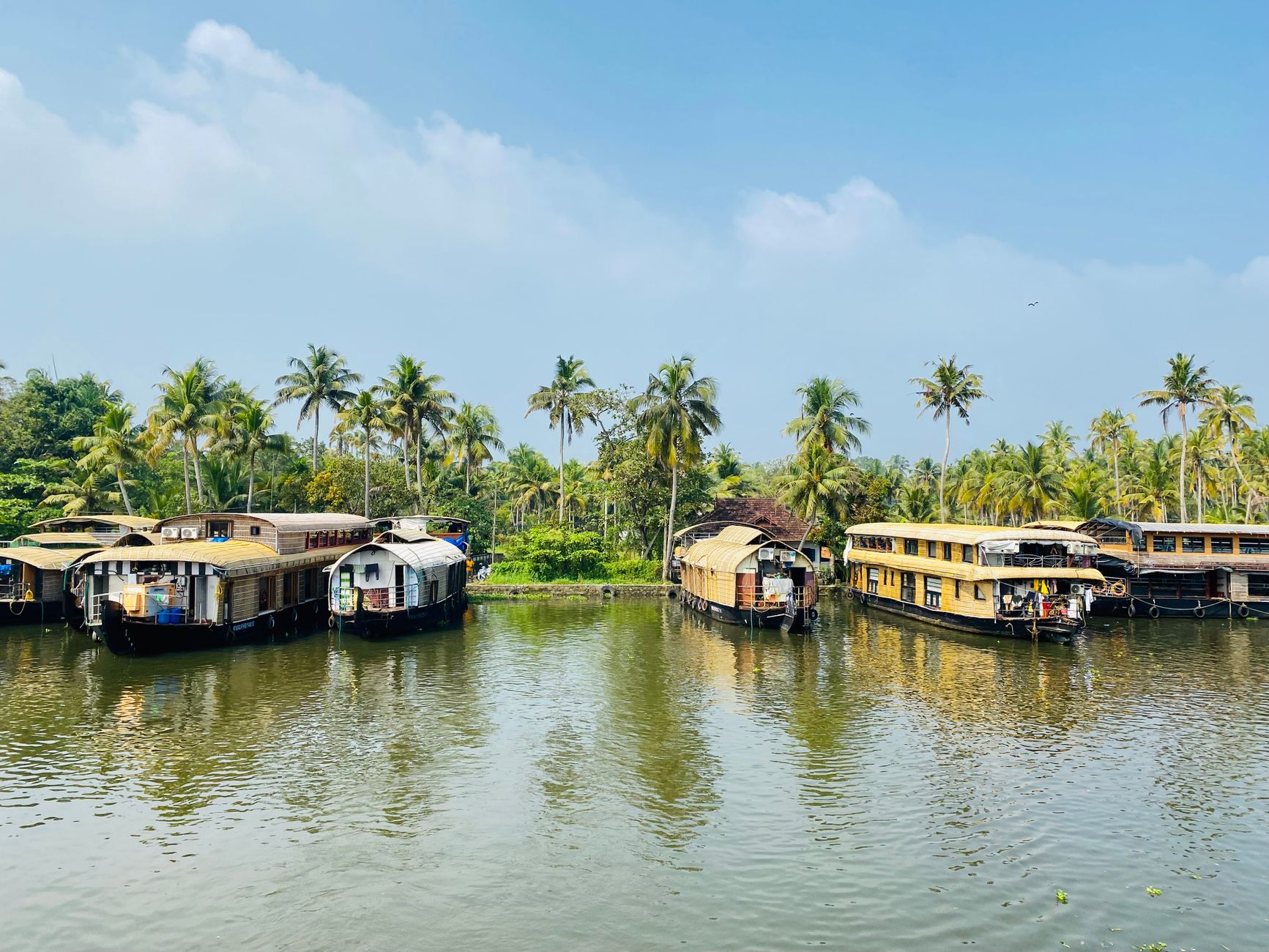
Lake Palace Resort (₹4,500-₹6,500) offers well-appointed rooms and cottages with backwater views, swimming pool, Ayurvedic spa, and multi-cuisine restaurant. Their location allows easy access to both town and backwater starting points. Punnamada Resort (₹5,000-₹7,000) sits directly on Punnamada Lake with elegant rooms featuring traditional Kerala architecture, modern amenities, and sunset views from private balconies. Emerald Isle Heritage Villa (₹4,000-₹6,000) is a beautifully restored heritage property offering four spacious rooms with period furniture, expansive gardens, and exceptional Kerala meals. For standard houseboat overnight stays, mid-range vessels with 1-3 bedrooms run ₹8,000-₹12,000 for two, including all meals, air-conditioning, and crew.
Luxury Experiences (₹10,000+ per night)
Purity at Lake Vembanad (₹15,000-₹25,000) represents boutique luxury with just five exquisitely designed pool villas, each offering complete privacy, infinity pools overlooking Vembanad Lake, butler service, and gourmet dining. Xandari Pearl (₹12,000-₹18,000) combines contemporary design with traditional elements across their premium lake-facing suites, featuring an excellent restaurant, spa, and sunset cruise arrangements. Lemon Tree Vembanad Lake Resort (₹10,000-₹14,000) provides upscale comfort with modern rooms, extensive facilities including gym and pool, and professional service standards. Luxury houseboats with premium amenities, larger bedrooms, Jacuzzis, and superior cuisine range from ₹18,000 to ₹35,000 for overnight cruises, with some offering multi-bedroom options ideal for families or groups seeking exclusive experiences.
Local Food & Cuisine
Kerala’s backwater cuisine revolves around fresh seafood, coconut in various forms, and distinctive spicing that balances heat with aromatic complexity. Karimeen Pollichathu (pearl spot fish marinated in masala, wrapped in banana leaf and grilled) is the absolute must-try dish—the fish is endemic to these backwaters and represents the pinnacle of Kerala’s seafood preparation. The banana leaf imparts subtle flavor while keeping the fish incredibly moist. Kuttanadan Duck Roast showcases locally raised ducks cooked in a thick, spicy coconut-based gravy with curry leaves, shallots, and black pepper—rich, flavorful, and traditionally served with kappa (tapioca) or Kerala red rice.
Chemeen Curry (prawn curry) here differs from coastal versions, prepared with coconut milk, curry leaves, and the distinctive tang of kudampuli (Malabar tamarind), creating a balanced curry that’s neither too spicy nor too rich. Don’t miss Puttu and Kadala for breakfast—steamed cylinders of rice flour and coconut layered together, served with black chickpea curry—a humble yet utterly satisfying meal. Appam with Stew is another breakfast favorite: lacy rice pancakes with crispy edges and soft centers, paired with coconut milk-based vegetable or meat stew mildly spiced with cardamom and cinnamon.
For authentic dining experiences, Thaff Restaurant (mains ₹150-₹300) near the boat jetty serves excellent Kerala meals with multiple curry options and unlimited rice. Mushroom Restaurant (₹200-₹400) is famous among locals and tourists alike for fresh seafood preparations and reasonable prices, though the ambiance is basic. Harbour Restaurant (₹250-₹500) at Komala Hotel offers upscale dining with excellent Karimeen preparations and multi-cuisine options including North Indian dishes for those needing variety. Cassia at Purity resort (₹800-₹1,500) provides fine dining experiences with innovative Kerala cuisine using organic ingredients from their farm.
Street food shouldn’t be missed either. Try freshly fried banana chips and tapioca chips sold at small shops near the beach and jetties (₹60-₹100 per packet), perfect for snacking during boat rides. Pazham Pori (banana fritters) from tea stalls (₹10-₹15 each) makes for excellent evening snacks with chai. Many houseboat packages include meals prepared onboard—the karimeen, prawns, and fish curries cooked fresh while cruising often become highlights of the entire trip, with chefs happy to adjust spice levels for different palates.

Practical Travel Tips for Alleppey Backwaters
Permits and Documentation: Indian tourists require no special permits to visit Alleppey or cruise the backwaters. International tourists should carry passports as usual, though no special permissions are needed. If you’re planning photography with professional equipment (large cameras, drones), some operators and resorts may require prior notification. Drone flying requires permission from local authorities and is generally restricted near houseboats and populated areas. Keep copies of identification readily accessible, as some houseboat operators request ID proof during check-in, primarily for safety records.
Mobile Network and Connectivity: All major Indian networks (Jio, Airtel, BSNAP, Vi) provide excellent 4G coverage in Alleppey town and along main backwater routes. However, signal strength can become spotty in remote interior canals and during overnight houseboat anchoring in isolated spots. Download offline maps, entertainment, and necessary information before departing on cruises. Most mid-range and luxury houseboats now offer Wi-Fi, though speeds may be modest. Accommodations in town generally provide reliable internet. For international tourists, purchasing a local SIM card (approximately ₹300-₹500 for tourist packs with 1-2GB daily data for 28 days) is highly recommended.
ATMs and Money Matters: Alleppey town has numerous ATMs from all major banks (SBI, Canara Bank, Federal Bank, HDFC, ICICI) near the boat jetty and bus stand areas. However, once on houseboat cruises or in interior villages, ATM access becomes impossible. Withdraw sufficient cash before embarking, as many houseboat operators, small eateries, and village vendors don’t accept cards. Budget approximately ₹3,000-₹5,000 cash per person for a 2-day trip to cover tips, small purchases, and unexpected expenses. Most established hotels and larger restaurants accept cards and digital payments (Paytm, Google Pay, PhonePe), but cash remains king for small transactions.
Medical Facilities: Alappuzha Government Medical College Hospital provides 24/7 emergency services and is the primary facility for serious medical issues. Several private hospitals including Caritas Hospital and KIMS Hospital offer quality healthcare. Most hotels and houseboats carry basic first-aid kits. However, if you have specific medical conditions, carry adequate prescribed medications as pharmacy options during backwater cruises are limited. Common issues include motion sickness (carry tablets if susceptible), minor cuts and scratches, and occasional stomach upset from rich food. Insect repellent is essential—mosquitoes emerge during dawn and dusk, particularly during monsoon season.
What to Pack: Light, breathable cotton clothing works best given Kerala’s humidity. Include at least one full-sleeve shirt and long pants for evening mosquito protection. Comfortable walking sandals with good grip are essential for boarding/alighting from boats. Sunscreen (SPF 30+), sunglasses, and wide-brimmed hats protect against intense tropical sun reflecting off water. A light rain jacket or umbrella proves useful even in dry season for sudden showers. Binoculars enhance bird-watching experiences. Waterproof pouches for electronics and important documents are crucial. For houseboat stays, bring modest swimwear if you plan to swim during anchoring. Photography enthusiasts should bring polarizing filters to reduce water glare.
Safety Considerations: Alleppey and the backwaters are generally very safe for all travelers, including solo women. However, exercise normal precautions—avoid displaying expensive jewelry or large amounts of cash, keep valuables secured in hotel safes, and book houseboats only through reputable operators (check reviews on multiple platforms). When on houseboats, supervise children constantly as railings may not be adequate for very small kids. Lifejackets should be available and worn if requested. Swimming in the backwaters isn’t recommended due to water quality concerns and occasional strong currents. Respect local customs—dress modestly when visiting villages, churches, and temples; remove footwear before entering homes when invited; ask permission before photographing people, especially women and children.
Responsible Tourism: The backwaters’ delicate ecosystem faces pressure from increasing tourism. Be a responsible visitor by avoiding throwing any waste into the water—many houseboats now have strict waste management protocols, but remain vigilant. Plastic bottles are particularly problematic; carry refillable water bottles. Support local communities by purchasing handicrafts directly from artisans, eating at family-run restaurants, and choosing homestays over large chains when possible. Avoid loud music that disturbs wildlife and local residents. When canoeing or kayaking, maintain distance from nesting birds. Choose eco-friendly houseboats (many now use solar panels for electricity rather than diesel generators). Consider visiting during shoulder seasons to reduce overtourism pressure during peak months. Respect private property—while the backwaters provide photogenic scenes of village life, people’s homes and daily activities aren’t theme parks, so be courteous and unobtrusive.
Final Thoughts
The Alleppey backwaters offer something increasingly rare in our fast-paced world—the gift of slowness. As your houseboat glides almost silently through narrow canals, as you watch the sun set over Vembanad Lake painting the sky in impossible shades of orange and pink, as you taste freshly cooked karimeen prepared by your onboard chef using spices grown in nearby gardens, you’ll find yourself unconsciously relaxing into a rhythm dictated not by schedules and notifications but by water, wind, and the unhurried pace of life that’s sustained these communities for centuries. This isn’t an escape from reality; it’s an immersion into a different reality, one where people still live in harmony with their environment, where the boundaries between land and water blur into something fluid and magical.
Whether you’re a stressed-out professional seeking rejuvenation, a couple looking for romantic seclusion, a family wanting to show children a different way of life, or a solo traveler seeking authentic experiences, the backwaters accommodate all with equal grace. So book that houseboat, pack light, silence your phone, and prepare to enter a world that operates on its own timeless logic. The backwaters have survived centuries of change; they’ve witnessed empires rise and fall, monsoons come and go, generations live and pass. They’ll still be here long after your visit—but something tells us that after experiencing their magic, a part of you will always remain floating on these tranquil waters, and you’ll find yourself planning your return before you’ve even left. Start planning your Alleppey backwater adventure today; Kerala’s liquid paradise awaits.
- Book houseboats directly at Alleppey boat jetty for 30-40% cheaper rates than online platforms
- Take the village canoe tour through Kuttanad’s narrow canals at sunrise to see locals fishing and farming
- Visit during Nehru Trophy Snake Boat Race in August for Kerala’s most spectacular water sport event
- Stay overnight on a houseboat anchored at Vembanad Lake to experience stunning sunset and traditional Kerala dinner
- Hire a bicycle near Marari Beach and explore the backwater villages to witness coir-making and toddy tapping
Frequently Asked Questions about Alleppey backwaters
The best time to visit Alleppey backwaters is from November to February during the peak season when the weather is pleasant with temperatures ranging from 22°C to 32°C. Alternatively, monsoon season from June to August offers a unique experience for nature lovers who enjoy lush greenery and rain-soaked landscapes.
Alleppey backwaters are located 64 km from Kochi city and approximately 85 km from Cochin International Airport. The journey typically takes about 1.5 to 2 hours by road, making it easily accessible for travelers flying into Kerala.
The budget for Alleppey backwaters varies by travel style: ₹2,000-₹3,000 per day for budget travelers, ₹5,000-₹8,000 for mid-range experiences, and ₹12,000 or more for luxury houseboat stays. This includes accommodation, meals, and basic sightseeing activities.
Alleppey, officially known as Alappuzha, is called the “Venice of the East” due to its extensive network of tranquil canals, shimmering lakes, and emerald lagoons. These meandering waterways stretch across hundreds of kilometers, creating a unique ecosystem where water serves as the primary highway for local communities.
Indian nationals do not require any special permits to visit Alleppey backwaters. International tourists only need their standard passport for travel documentation, making it hassle-free to explore this beautiful destination.
During an Alleppey backwater tour, you can witness authentic village life including children on schoolboat ferries, women washing clothes at water’s edge, toddy tappers climbing coconut trees, and farmers tending floating rice paddies. The experience offers cultural immersion aboard traditional wooden houseboats gliding through narrow canals lined with coconut palms.