
- Spiti Valley is accessible from June to October via Manali or Shimla routes with permits required for certain areas
- Acclimatization is essential due to high altitude ranging from 3,800m to 4,500m above sea level
- Limited ATM and mobile connectivity available only in Kaza so carry sufficient cash
- Key villages include Kaza, Kibber, Tabo, and Dhankar with ancient monasteries and homestays
- Route via Manali-Kunzum Pass offers adventure while Shimla route via Kinnaur provides easier access
Introduction
Nestled in the rain shadow of the mighty Himalayas, Spiti Valley is a high-altitude desert mountain valley that seems to exist in a realm between earth and sky. Often called “Little Tibet” or the “Middle Land” (Spiti literally means “the middle land” between Tibet and India), this spectacular region in Himachal Pradesh remains one of the last frontiers of Indian travel—a place where Buddhist monasteries cling to cliffsides, ancient mummies rest in remote villages, and the landscape stretches in surreal shades of ochre, rust, and gold beneath impossibly blue skies.
For those weary of crowded hill stations and commercialized tourist circuits, Spiti Valley offers something profoundly different: an authentic encounter with Himalayan Buddhist culture, landscapes of stark and haunting beauty, and the kind of adventure that requires genuine commitment to reach. This is not a destination for the faint-hearted or those seeking luxury resorts and smooth highways. Instead, Spiti rewards the intrepid traveler with experiences that etch themselves permanently into memory—prayer flags fluttering at 4,500 meters, conversations with monks in centuries-old monasteries, and star-filled nights so brilliant they redefine your understanding of the cosmos.
Whether you’re a motorcycle enthusiast tackling one of the world’s most challenging roads, a culture vulture seeking Buddhist heritage, a photographer chasing otherworldly landscapes, or simply a traveler hungry for authentic experiences beyond the tourist trail, Spiti Valley delivers on every promise. This comprehensive guide will equip you with everything you need to plan an unforgettable journey to this extraordinary corner of Himachal Pradesh.
Quick Facts About Spiti Valley
| Aspect | Details |
|---|---|
| Altitude | 3,800m to 4,500m (average valley altitude around 3,810m/12,500 feet) |
| Best Time to Visit | June to October (accessible); May-June & September-October (ideal) |
| Distance from Nearest Major City | Manali: 200 km | Shimla: 412 km | Chandigarh: 628 km |
| Nearest Airport | Bhuntar Airport, Kullu (244 km from Kaza) |
| Permits Required | Inner Line Permit (ILP) for certain areas beyond Kaza; free for Indian citizens |
| Temperature Range | Summer: 5°C to 20°C | Winter: -30°C to -5°C |
| Approx Budget per Day | Budget: ₹1,000-1,500 | Mid-range: ₹2,500-4,000 | Comfortable: ₹5,000+ |
Why Visit Spiti Valley
Spiti Valley stands apart from other Himalayan destinations through its unique combination of extreme geography, preserved Tibetan Buddhist culture, and genuine remoteness. Unlike the heavily visited valleys of Ladakh or the commercialized hill stations of mainstream Himachal, Spiti retains an untouched quality—villages here have remained virtually unchanged for centuries, practicing the same agricultural methods, religious traditions, and architectural styles that have defined them for over a millennium.
The geological drama of Spiti is unmatched. This is one of the youngest mountain ranges on Earth, and the evidence is everywhere: fossils of marine creatures embedded in rocks at 4,000 meters (proving these mountains once lay beneath the Tethys Sea), sheer cliff faces revealing millions of years of sedimentary layers, and landscapes so barren and moon-like that they’ve served as testing grounds for Mars rover prototypes. The Spiti River carves through this ancient terrain, creating dramatic gorges and valleys that shift from narrow canyons to broad plains dotted with emerald-green barley fields—startling splashes of color against the desert browns.
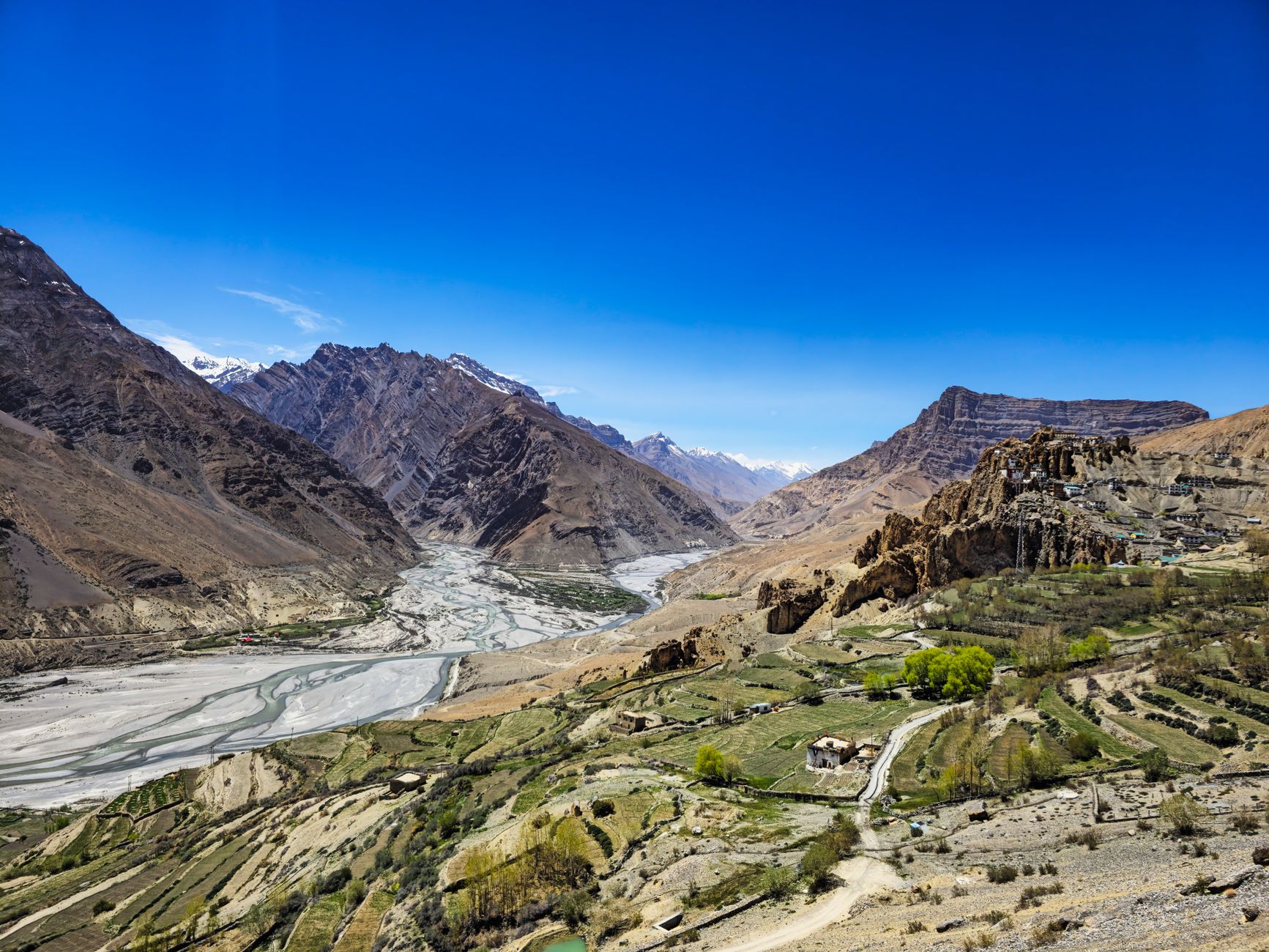
Culturally, Spiti preserves elements of Tibetan Buddhism that have been lost or diluted elsewhere. Monasteries like Key (over 1,000 years old), Tabo (founded in 996 CE and called the “Ajanta of the Himalayas”), and Dhankar (perched impossibly on a cliff spur) contain ancient murals, manuscripts, and thankas of immense historical and artistic value. The local people, ethnically Tibetan and speaking the Bhoti dialect, maintain traditions of polyandry in some families, practice sky burials, and observe festivals like Losar and the sacred Lama dances with deep reverence. In villages like Langza, Hikkim, and Komic—among the world’s highest inhabited villages—you’ll experience a way of life virtually untouched by modernity, where hospitality is genuine and interactions are refreshingly unhurried.
For adventure seekers, Spiti offers challenges that test both skill and endurance: the treacherous road journey itself, high-altitude trekking routes like the Pin Parvati Pass and Spiti-Kinnaur circuit, mountain biking across some of India’s most extreme terrain, and winter expeditions on the frozen Spiti River (Chadar Trek alternative). The rewards—isolation, pristine wilderness, and accomplishment—are proportional to the effort required.
How to Reach Spiti Valley
By Air: The nearest functional airport is Bhuntar Airport near Kullu, approximately 244 km from Kaza (Spiti’s administrative headquarters). Regular flights connect Bhuntar to Delhi (₹4,000-8,000 one way) and Chandigarh (₹3,000-6,000). From Bhuntar, you’ll need to arrange road transport to Spiti via Manali. Alternatively, you can fly to Chandigarh or Delhi and begin your road journey from there.
By Road (via Manali): This is the most popular route, open typically from late May/early June to October. From Manali to Kaza is approximately 200 km, taking 8-10 hours under good conditions. The route crosses the formidable Rohtang Pass (3,978m) and Kunzum Pass (4,551m). HRTC (Himachal Road Transport Corporation) operates daily buses from Manali to Kaza during the open season (₹400-600, departing early morning around 5-6 AM). Private taxis cost ₹6,000-10,000 for the entire journey. Shared taxis are available for ₹1,000-1,500 per person. The road is challenging, unpaved in sections, with sharp hairpin bends, potential landslides, and narrow cliff-edge passages.
By Road (via Shimla-Kinnaur): This alternative route remains open longer in the year (typically May to November/December, weather permitting). From Shimla to Kaza is approximately 412 km, typically covered in 2 days with a night halt in Kalpa, Nako, or Tabo. This route passes through the beautiful Kinnaur Valley, crosses the Malling Nala and takes you through Recong Peo, Nako, and Sumdo before entering Spiti. HRTC buses operate on this route (₹600-800 from Shimla to Kaza), or you can hire taxis (₹10,000-14,000 for the complete journey). This route is generally considered safer and more scenic, though longer.
By Motorcycle: For many enthusiasts, riding to Spiti is the journey of a lifetime. You can rent motorcycles in Manali (Royal Enfield: ₹1,500-2,500 per day) or bring your own. The Manali-Kaza-Shimla circuit is legendary among riders, offering everything from smooth tarmac to boulder-strewn tracks. Allow 6-8 days minimum for the complete circuit. Ensure your bike is well-serviced, carry essential spares (clutch cable, accelerator cable, puncture kit), and ride with experienced companions if possible.
By Train + Road: The nearest major railway stations are Chandigarh (628 km from Kaza) and Shimla (on the narrow-gauge heritage railway, 412 km from Kaza). From Chandigarh, you can take buses to Manali (₹500-800, 10-12 hours) and then proceed to Spiti. From Shimla, direct or connecting buses reach Kaza via the Kinnaur route.
Best Time to Visit Spiti Valley
May-June (Late Spring/Early Summer): This is when Spiti becomes accessible after the long winter isolation. The Manali route typically opens by late May or early June (depending on snow clearance at Rohtang and Kunzum passes). Temperatures range from 0°C to 15°C, with snow still visible on mountain peaks and higher passes. This period offers clear skies, blooming wildflowers in the lower altitudes, and fewer crowds. However, road conditions may still be unpredictable with occasional snow patches and slush. The Kinnaur route is generally already open by this time.
July-August (Monsoon Season): While the monsoon drenches most of India, Spiti’s rain shadow location means it receives minimal rainfall. Temperatures climb to a comfortable 5°C to 20°C during the day. This is peak tourist season—roads are generally in the best condition (though landslides on the Manali route are still possible due to snow melt), all guesthouses and homestays are operational, and cultural activities are in full swing. However, expect crowds at popular spots like Key Monastery and Chandratal Lake. The valley is at its greenest during this period, with barley and pea fields creating stunning emerald patches against the brown mountains.
September-October (Autumn): Considered by many as the absolute best time to visit Spiti. Post-monsoon skies are crystalline clear, offering exceptional photography opportunities. Temperatures begin dropping (0°C to 15°C), but days remain pleasant. Tourist crowds thin out after mid-September. This is harvest season in Spiti, when villages celebrate with local festivals and you can witness traditional farming activities. The landscape takes on gorgeous gold and amber hues. By late October, the passes begin preparations for winter closure (Rohtang usually closes by mid-October, Kunzum by late October).
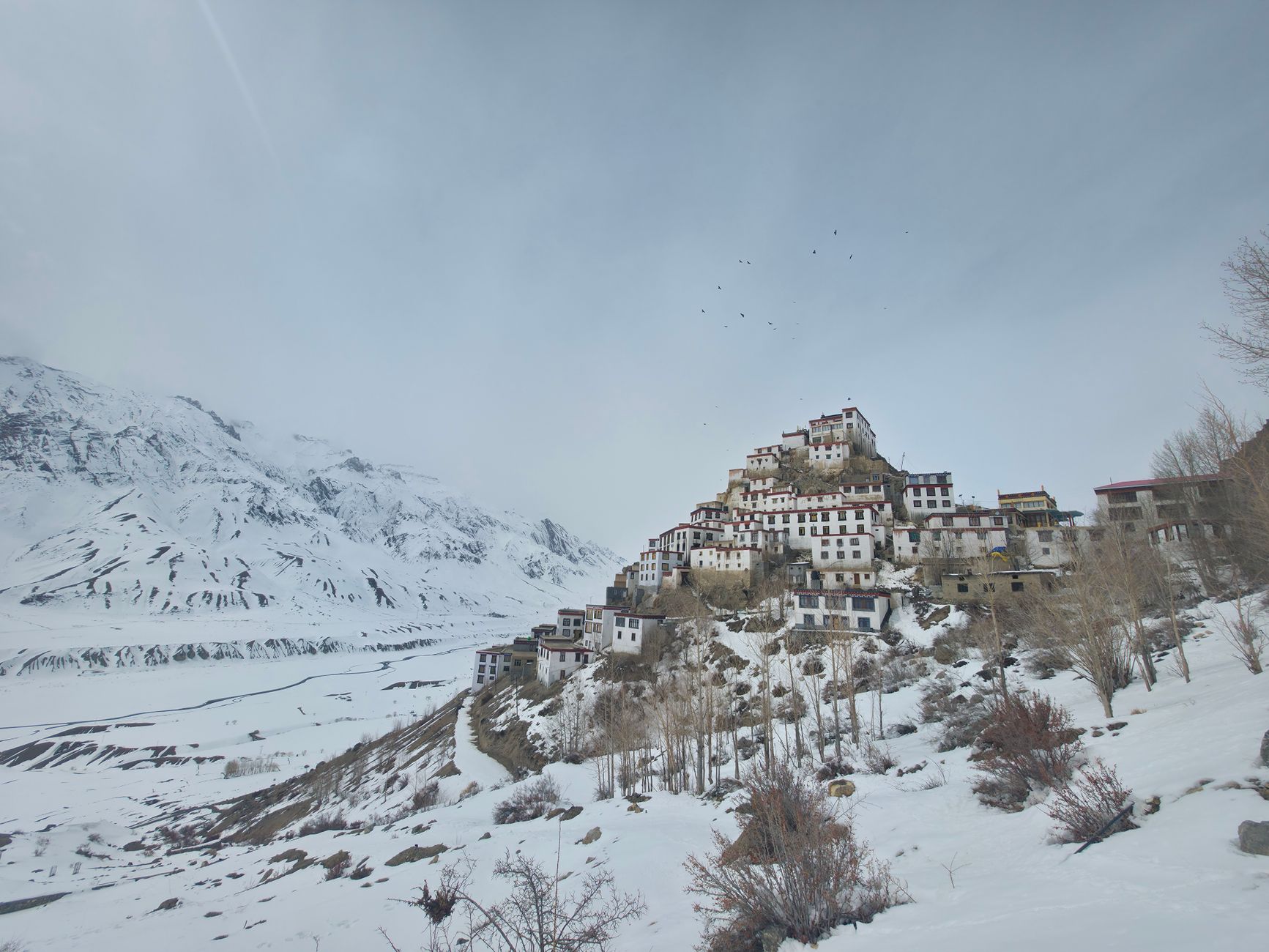
November-April (Winter): Spiti transforms into a frozen, inaccessible wonderland. Both passes close, cutting off road access from Manali. The Kinnaur route may remain open until November/December but becomes extremely risky. Temperatures plummet to -20°C to -30°C. Only the most adventurous travelers attempt winter Spiti, usually arriving via a multi-day trek on the frozen Spiti River from Kinnaur side. Most guesthouses close, villages retreat indoors, and supplies run low. However, for those who make it, the rewards are extraordinary: Spiti under pristine snow, minus any tourists, with opportunities to experience traditional winter life and festivals like Losar (Tibetan New Year, usually in February).
Top Things to Do in Spiti Valley
Explore Ancient Monasteries
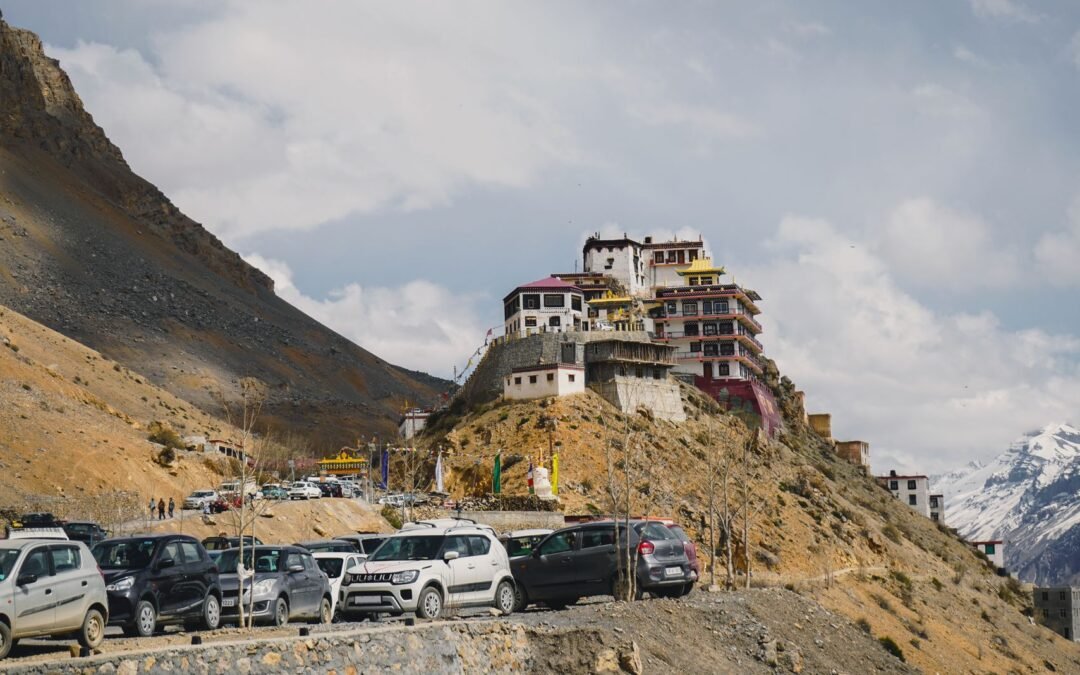
Spiti’s monasteries are not mere tourist attractions but living centers of Buddhist learning and practice. Key Monastery, perched at 4,166m above the Spiti River, houses over 300 monks and contains priceless thankas, manuscripts, and weapons dating back centuries. Tabo Monastery, founded in 996 CE, is recognized as a UNESCO World Heritage Site with exquisite murals that rival any in the Buddhist world. Dhankar Monastery clings to a cliff face 3,894m above sea level with breathtaking views across the confluence of the Spiti and Pin rivers. Visit during morning or evening prayers to witness chanting, butter lamp lighting, and ceremonial rituals.
Visit the World’s Highest Post Office in Hikkim
At 4,440 meters, Hikkim holds the Guinness World Record for the world’s highest post office. This tiny village, accessible via a rough road from Kaza, offers the unique experience of sending postcards to loved ones from this extreme altitude—they arrive stamped with the special Hikkim postmark. The post office operates intermittently and maintains limited hours, adding to the adventure of getting your mail processed at one of the remotest postal facilities on Earth.
Witness the Langza Buddha and Fossil Hunting
Langza village sits at 4,400m overlooking a stunning valley, dominated by a massive golden statue of Buddha facing the snow-capped Chau Chau Kang Nilda peak. The village is known as the “Fossil Village” because the surrounding mountains are rich with marine fossils—ammonites, gastropods, and other ancient sea creatures that lived here when these mountains were underwater. Locals, including children, can guide you to fossil sites, and while collecting is officially prohibited, photographing these 400-million-year-old remnants is an unforgettable experience.
Experience Chandratal Lake
Chandratal, meaning “Moon Lake,” sits at 4,300m in the Spiti-Lahaul region and ranks among the most beautiful high-altitude lakes in the Himalayas. The lake’s crescent shape and constantly changing colors (from deep blue to turquoise to emerald depending on the light) create an almost mystical atmosphere. The final 14 km from Batal to Chandratal is a rough, vehicle-damaging track (SUVs only), but the lake is also accessible via a moderate 3-4 km trek from the parking area. Camping overnight beside Chandratal (₹500-800 for tents at established camps) allows you to witness spectacular sunrises, sunsets, and star-gazing opportunities unmatched anywhere else.
Trek to Remote Villages
Spiti offers numerous trekking opportunities ranging from day hikes to multi-day expeditions. The trek from Dhankar Village to Dhankar Lake (3-4 hours return) takes you to a stunning alpine lake at 4,270m. The village-to-village trek connecting Langza, Hikkim, and Komic (the world’s highest village accessible by road at 4,587m) can be completed in 6-8 hours and showcases traditional Spitian life. For experienced trekkers, the Pin Parvati Pass trek (10-12 days) and the Parang La trek to Ladakh are serious high-altitude adventures requiring proper acclimatization, equipment, and preferably a guide.
Photograph Spiti’s Surreal Landscapes
Spiti is a photographer’s paradise, offering subjects that range from vast barren landscapes and snow-capped peaks to intimate portraits of weathered monks and colorful prayer flags. The drive between Kaza and Tabo presents countless opportunities: the dramatically eroded “Martian” landscape near Sumdo, the emerald-green Spiti River cutting through brown mountains, isolated homestays against mountain backdrops, and villages like Gue (home to a 500-year-old mummy) that seem frozen in time. Golden hour and blue hour photography in Spiti is particularly spectacular, with the stark landscapes taking on warm hues and the night skies revealing the Milky Way in extraordinary detail.

Where to Stay in Spiti Valley
Budget Accommodations (₹500-1,200 per night): Spiti offers numerous budget options, primarily in the form of homestays where you’ll stay with local families, share simple meals, and gain authentic insights into Spitian life. In Kaza, try Deyzor Homestay (₹600-800), which also has an excellent café, or Sakya Abode (₹700-1,000). In Tabo, several monastery guesthouses offer basic but clean rooms for ₹400-600 per night. Langza and Komic villages have multiple homestays (₹500-800) where you’ll sleep in traditional mud-brick homes, use shared bathrooms, and enjoy home-cooked meals. Most budget accommodations include basic breakfast, and some offer full meal plans for an additional ₹400-600 per day.
Mid-range Accommodations (₹1,500-3,500 per night): These offer more comfort while maintaining local character. The Spiti Heritage in Kaza (₹2,000-2,500) provides comfortable rooms with modern bathrooms and a good restaurant. Zostel Homes Spiti in Kaza (₹1,500-2,000 for private rooms) combines hostel culture with private accommodation options and organized activities. Moustache Hostel & Camps in Kaza (₹1,800-2,500) offers both hostel beds and private rooms with decent amenities. In Nako, the Nako Retreat (₹2,500-3,000) provides comfortable stays with views of the Nako Lake. At Chandratal, established camps like Chandratal Mobile Camp (₹2,500-3,000 including meals) offer Swiss tents with basic beds and shared facilities.
Upscale/Splurge Accommodations (₹4,000+ per night): While Spiti isn’t known for luxury, several properties offer comfort at altitude. The Spiti Valley Resort in Kaza (₹4,500-6,000) provides the best amenities in the region with well-appointed rooms, attached bathrooms with hot water, a restaurant serving multi-cuisine food, and assistance with tours and permits. Kaza Retreat (₹4,000-5,500) offers cottage-style accommodation with heating, modern bathrooms, and valley views. Stone Garden Hotel in Kaza (₹5,000-7,000) is among the most comfortable, with quality bedding, reliable hot water, and good food. Note that even “luxury” in Spiti means basic by urban standards—think comfortable beds, reliable heating, and functioning hot water rather than spas and swimming pools.
Local Food & Cuisine
Spiti’s cuisine reflects its Tibetan heritage and high-altitude requirements—hearty, warming, and heavy on barley, wheat, peas, and yak products. Thukpa is the ubiquitous noodle soup available everywhere, with vegetables or mutton in a flavorful broth that’s perfect for cold evenings at altitude. Momos (steamed or fried dumplings) filled with vegetables, mutton, or occasionally yak meat are a staple—try them with the spicy chili chutney. Chhang, the traditional barley beer, is mildly alcoholic, cloudy, and slightly sour; locals drink it warm, and it’s offered during festivals and special occasions. Butter tea (Gur Gur Cha) made with yak butter, salt, and tea leaves is an acquired taste but provides essential calories and helps prevent altitude sickness—don’t refuse when offered in a monastery or home.
Other dishes to try include Tingmo (Tibetan steamed bread, like fluffy white buns, eaten with vegetable curries or meat stew), Tsampa (roasted barley flour mixed with butter tea into a dough-like consistency—the traditional breakfast of herders and monks), Khambir (local whole wheat bread baked in traditional ovens), and Chhurpi (hard dried yak cheese that locals chew like candy).
For dining, Sol Café in Kaza (₹150-350 per dish) is legendary among travelers, serving excellent wood-fired pizzas, Israeli food, continental dishes, and local specialties in a warm, hostel-like atmosphere. Spiti Organic Kitchen in Kaza (₹200-400 per dish) focuses on organic, locally sourced ingredients with Tibetan and Indian options. Rangrik Café in Kaza (₹120-250 per dish) offers good momos, thukpa, and fried rice in generous portions. Taste of Spiti in Tabo (₹100-200 per dish) serves authentic local dishes prepared by Spitian cooks. Most homestays include meals (₹400-600 for breakfast, lunch, and dinner combined), which are simple, nutritious, and often more authentic than restaurant food—expect dal-rice-vegetable combinations, fresh chapatis, and occasionally mutton curry or yak meat preparations.
Practical Travel Tips for Spiti Valley
Permits and Documentation: Indian citizens don’t require permits for most of Spiti, but you’ll need an Inner Line Permit (ILP) to visit areas like Dhankar Lake, certain trekking routes, and regions closer to the Indo-Tibetan border. These are free for Indians and can be obtained from the SDM office in Kaza or online through the Himachal Pradesh government website. Carry multiple photocopies of your ID proof (Aadhar, driver’s license, or passport) as checkpoints are frequent. Foreign nationals require special permits, which are more complex and may require advance application through registered tour operators.
Altitude Acclimatization: Spiti’s altitude is serious—most villages sit above 3,800m, and you’ll cross passes above 4,500m. Altitude sickness is a real risk. Ascend gradually (don’t fly to Bhuntar and drive directly to Kaza in one day), stay hydrated (3-4 liters of water daily), avoid alcohol for the first 48 hours, and consider Diamox (acetazolamide) after consulting a doctor. Spend at least two nights in Kaza before attempting higher villages or passes. Symptoms like headaches, nausea, breathlessness, and insomnia are common in the first day or two but should improve with rest. Severe symptoms (confusion, inability to walk straight, blue lips) require immediate descent and medical attention.
Mobile Network and Internet: BSNL is the most reliable network in Spiti, with coverage in Kaza and larger villages, though signal strength varies. Jio has started working in Kaza but is unreliable elsewhere. Airtel and Vodafone have virtually no coverage. Most guesthouses in Kaza offer WiFi (often slow and intermittent). Embrace the digital detox—Spiti is one of the few places where being unreachable is part of the charm. Inform family before entering the valley that communication will be limited.
Money and ATMs: There are functioning ATMs in Kaza (SBI, Punjab National Bank), but they frequently run out of cash, especially during peak season, or may be offline due to connectivity issues. Withdraw maximum cash in Manali, Shimla, or Recong Peo before entering Spiti. Carry at least ₹15,000-20,000 in cash as backup. Very few establishments accept cards or UPI—Spiti runs almost entirely on cash. Keep smaller denominations (₹100, ₹50, ₹20 notes) for small villages and purchases.
Medical Facilities: Kaza has a Civil Hospital with basic facilities and a doctor, but serious medical emergencies require evacuation to Manali or Shimla. Carry a comprehensive first-aid kit including altitude sickness medication (Diamox), pain relievers, anti-diarrheal medicine, bandages, antiseptic, and any prescription medications you need. High-quality sunscreen (SPF 50+), lip balm with SPF, and moisturizer are essential—UV radiation at this altitude is intense. Consider travel insurance that covers high-altitude trekking and emergency evacuation.
What to Pack: Layers are essential as temperatures fluctuate dramatically between day and night. Pack thermal innerwear, fleece jackets, a down jacket or heavy woolens, windproof outer layer, comfortable trekking shoes, sandals for homestays, woolen socks, gloves, woolen cap/beanie, sunglasses (UV protection mandatory), sunhat, headlamp/torch (power cuts are common), power bank, water bottle, water purification tablets, toiletries (often unavailable in small villages), toilet paper, hand sanitizer, reusable bags, and a good quality sleeping bag if camping or staying in very basic homestays.
Responsible Tourism: Spiti’s fragile ecosystem and traditional culture face threats from increasing tourism. Practice strict “leave no trace” principles—carry all non-biodegradable waste back to Kaza or Manali for proper disposal. Avoid single-use plastics (bring your own bottle and water purification method). Respect monastery rules (remove shoes, ask before photographing, don’t disturb prayers, dress modestly). In homestays, conserve water (it’s scarce) and electricity (often solar-powered). Don’t offer money to children who pose for photographs—it encourages begging. Support local businesses by buying handicrafts, eating at local restaurants, and hiring local guides. Ask permission before photographing people, especially monks and villagers in traditional dress.
Safety Tips: The roads to and within Spiti are among India’s most dangerous. If driving yourself, go slowly, honk before blind turns, give way to uphill vehicles, and never drive after dark. Landslides and rockfalls are common, especially during and after rain or snow. Keep emergency numbers handy: Kaza Police Station (01906-222030), Kaza Hospital (01906-222020), District Administration Lahaul-Spiti (01906-222255). Travel in groups when possible, especially for trekking or visiting remote areas. Inform your guesthouse of your plans before heading out. Weather can change rapidly—always carry warm and waterproof layers even on sunny days.
Final Thoughts
Spiti Valley is not a destination that yields its treasures easily. It demands commitment—enduring long, bone-rattling journeys on precarious roads, adapting to basic accommodations without consistent hot water or heating, and accepting that plans often change due to weather, road conditions, or altitude’s effects on your body. Yet these very challenges transform a trip to Spiti into a genuine adventure, one that strips away modern comforts and conveniences to reveal something more fundamental: the raw beauty of nature, the resilience of traditional cultures, and your own capabilities when pushed beyond familiar boundaries.
What you’ll take away from Spiti goes far beyond photographs and social media posts. You’ll carry memories of conversations with monks who’ve never left their valley, of shared meals with families whose ancestors have farmed the same barley fields for generations, of night skies so brilliantly star-studded that you understand why ancient people worshipped the cosmos. You’ll remember the silence—profound, deep silence broken only by wind and prayer flags—and the way it cleared your mind like nothing else could. Whether you’re planning your first Himalayan adventure or you’re a seasoned mountain traveler seeking something beyond the ordinary, Spiti Valley awaits with its stark beauty, ancient wisdom, and transformative power. Start planning your journey to the Middle Land—it will change you in ways you cannot yet imagine, and call you back long after you’ve returned to the plains.
- Obtain inner line permits online before arrival at Deputy Commissioner office in Kaza or Reckong Peo to save time
- Book homestays in villages like Langza and Komic advance during peak season for authentic Spitian hospitality
- Carry diamox tablets and consult doctor before trip to prevent acute mountain sickness above 4000m altitude
- Fill fuel tank at Kaza or Tabo as petrol pumps are scarce with next pump being 200+ km away
- Visit ancient Tabo Monastery early morning to witness monks during prayer sessions and avoid tourist crowds
Frequently Asked Questions about Spiti Valley
The best time to visit Spiti Valley is from June to October when the roads are accessible. For ideal weather conditions, plan your trip during May-June or September-October when you’ll experience pleasant temperatures and clear skies.
Spiti Valley sits at an average altitude of around 3,810 meters (12,500 feet), with the valley ranging between 3,800m to 4,500m. This high-altitude desert mountain valley requires proper acclimatization due to its elevation.
Spiti Valley is approximately 200 km from Manali and 412 km from Shimla. The nearest airport is Bhuntar Airport in Kullu, which is 244 km from Kaza, the main town in Spiti Valley.
Indian citizens require an Inner Line Permit (ILP) for certain areas beyond Kaza, which is available free of cost. The main valley areas are accessible without permits, but restricted border areas near Tibet require this documentation.
Summer temperatures in Spiti Valley range from 5°C to 20°C, making it pleasant for travel. Winter is extremely harsh with temperatures plummeting from -30°C to -5°C, making the region inaccessible and uninhabitable for most travelers.
Budget travelers can explore Spiti Valley for ₹1,000-1,500 per day, mid-range travelers should budget ₹2,500-4,000 daily, while those seeking comfortable accommodation and experiences should plan for ₹5,000 or more per day. Costs include accommodation, food, transport, and permits.