
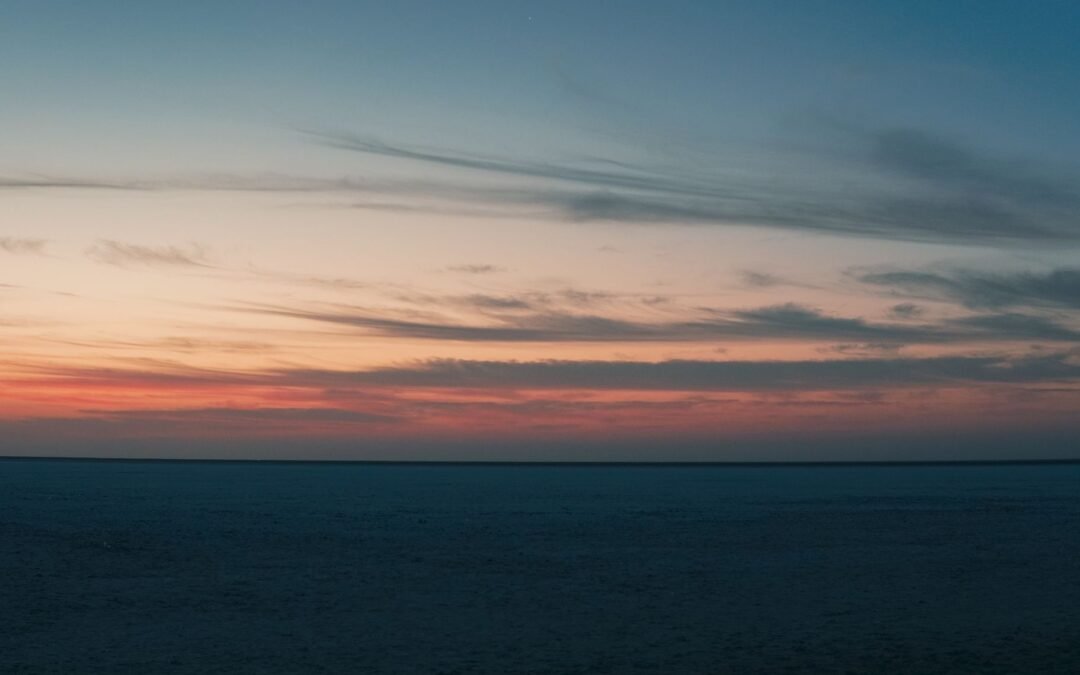
- Best time to visit Rann of Kutch is November to February during the Rann Utsav festival when the white desert is most accessible
- Bhuj is the nearest major city, 80 km away, serving as the main base for exploring the Great Rann and Little Rann
- Full moon nights offer the most spectacular views of the white salt desert under moonlight
- Advance booking for Rann Utsav tent accommodations is essential as they fill up months ahead
- Carry warm clothing as desert temperatures drop significantly at night during winter months
Introduction
Imagine standing on an endless expanse of pure white salt, stretching as far as your eyes can see, merging seamlessly with the azure sky at the horizon. This is the Rann of Kutch, one of India’s most surreal and otherworldly landscapes that transforms from a seasonal wetland into a mesmerizing white desert. Located in the westernmost corner of Gujarat, bordering Pakistan, this vast salt marsh covers approximately 7,505 square kilometers and offers an experience unlike any other destination in India.
The Rann of Kutch isn’t just about the stunning white desert; it’s a complete cultural immersion into the rich heritage of Gujarat’s Kutch region. From the vibrant Rann Utsav festival that brings the white desert alive with cultural performances, handicraft bazaars, and traditional music, to the ancient crafts villages where artisans continue centuries-old traditions of embroidery, weaving, and block printing, every moment here tells a story. The region is also home to diverse wildlife including the endangered Indian Wild Ass, flamingos, and numerous migratory bird species that flock here during winter months.
Whether you’re a photographer chasing the perfect full moon shot over the white desert, a culture enthusiast seeking authentic handicrafts, or simply a traveler looking for an experience that defies ordinary tourism, the Rann of Kutch delivers spectacularly. This comprehensive guide will help you plan your journey to this magical corner of India, covering everything from practical travel logistics to hidden gems that most tourists miss.
Quick Facts About Rann of Kutch
| Altitude | Sea level to 30 meters above sea level |
| Best Time to Visit | November to February (during Rann Utsav) |
| Distance from Nearest City | Bhuj: 80 km, Ahmedabad: 410 km |
| Nearest Airport | Bhuj Airport (80 km), Ahmedabad Airport (410 km) |
| Permits Required | Yes, for border areas near Dhordo and certain villages |
| Temperature Range | Winter: 5°C to 25°C, Summer: 25°C to 45°C |
| Approx Budget per Day | ₹2,500 – ₹8,000 (depending on accommodation and activities) |
Why Visit Rann of Kutch
The Rann of Kutch stands apart from conventional tourist destinations for several compelling reasons that make it a bucket-list experience for travelers. First and foremost is the phenomenon of the white desert itself. During monsoons, the Rann fills with seawater, and as winter arrives and the water evaporates, it leaves behind a crystalline crust of salt that spans hundreds of square kilometers. Walking on this surface under the full moon creates an almost surreal, dreamlike experience where the boundaries between earth and sky dissolve, making it one of the most photographed natural phenomena in India.
Beyond the landscape, the Rann region is a living museum of traditional Indian crafts. The villages surrounding the Rann—including Bhujodi, Ajrakhpur, Nirona, and Ludia—are home to master artisans who practice crafts that have been passed down through generations. Here you can watch Rogan art being painted with castor oil on fabric, witness the intricate process of Ajrakh block printing using natural dyes, observe bandhani tie-dye being created with thousands of tiny knots, and see how communities of weavers create stunning shawls and fabrics on traditional looms. These aren’t tourist demonstrations; these are working communities where you can interact directly with artisans and purchase authentic pieces.
The biodiversity of the region is equally remarkable. The Little Rann of Kutch Wild Ass Sanctuary is the only habitat in the world where you can spot the Indian Wild Ass (Khur) in its natural environment. The area also hosts over 75,000 flamingos during peak season, along with pelicans, cranes, and numerous other migratory birds. The landscape shifts dramatically as you travel through the region—from the stark white of the salt desert to the golden grasslands of the Wild Ass Sanctuary, from coastal wetlands teeming with birdlife to the ancient fossil park at Mandvi that showcases marine fossils from when this region was underwater millions of years ago.
How to Reach Rann of Kutch
By Air: The nearest airport is Bhuj Airport (Maharao Airport), located approximately 80 km from the main Rann tourism area of Dhordo. Daily flights connect Bhuj to Mumbai (₹3,500-₹8,000) and Ahmedabad (₹2,500-₹5,000). From Bhuj airport, you can hire a taxi for ₹1,800-₹2,500 to reach Dhordo or other Rann destinations. Alternatively, Ahmedabad’s Sardar Vallabhbhai Patel International Airport is a major hub with excellent connectivity from all Indian metros and some international destinations. From Ahmedabad, the drive to the Rann is approximately 410 km.
By Train: Bhuj Railway Station is well-connected to major cities across India. Trains from Ahmedabad to Bhuj run regularly, including the Kutch Express (₹300-₹1,200 depending on class, 8-9 hours journey). From Bhuj, local buses and shared taxis are available to Dhordo and other Rann areas. The GSRTC runs special bus services during Rann Utsav season at ₹50-₹100 per person for shared journeys. Private taxis cost around ₹2,000-₹2,500 for the full trip from Bhuj to Dhordo.
By Road: The road network to Kutch has significantly improved in recent years. From Ahmedabad, you can drive or take a bus to Bhuj (410 km, approximately 7-8 hours). Gujarat State Road Transport Corporation (GSRTC) operates regular Volvo and semi-sleeper buses from Ahmedabad to Bhuj (₹400-₹800). From Bhuj, the White Desert is another 80 km via well-maintained roads. Self-driving is an excellent option, allowing you to explore craft villages along the way. Car rentals in Ahmedabad start at ₹2,500 per day for a sedan, or ₹3,500-₹4,500 for an SUV, excluding fuel. The entire journey from Ahmedabad requires approximately 8-9 hours with breaks.
Package Tours: Many tour operators offer comprehensive Rann of Kutch packages from Ahmedabad, ranging from ₹6,000-₹15,000 per person for 2-3 day trips, including transportation, accommodation, and guided tours. These can be cost-effective for small groups and eliminate logistical hassles.
Best Time to Visit Rann of Kutch
November to February (Peak Season): This is unquestionably the best time to visit the Rann of Kutch. The famous Rann Utsav, a cultural festival organized by Gujarat Tourism, typically runs from November to February (exact dates vary annually, usually coinciding with the full moon periods). During these months, temperatures range from a pleasant 5°C to 25°C, perfect for outdoor exploration. The salt crust is firm and walkable, the full moon nights create magical landscapes, and the tent city at Dhordo is operational with cultural programs, folk dances, and handicraft markets. Expect crowds during weekends and major festivals, so book accommodation well in advance. This is when you’ll experience the Rann at its most vibrant, though also most expensive.
March to June (Summer/Off-Season): Summer temperatures soar to 45°C, making daytime exploration extremely challenging. The Rann Utsav ends in late February, and most tent accommodations close. The landscape becomes harsh and inhospitable, though the heat creates interesting mirages on the salt flats. This period is not recommended for general tourism, though wildlife enthusiasts might still visit the Wild Ass Sanctuary during early mornings and late evenings. Budget travelers can find significant discounts at hotels in Bhuj and surrounding areas.
July to October (Monsoon/Closed Season): During monsoon, the Rann fills with water from tidal influx and rainfall, becoming completely inaccessible. The region essentially closes for tourism as the salt marsh becomes a shallow wetland. However, this is when the Little Rann begins to support enormous populations of waterbirds, and the surrounding grasslands turn green. By late October, water begins receding, but the surface remains muddy and unsuitable for walking. The craft villages remain accessible year-round, but reaching the white desert itself is not possible during these months.
Top Things to Do in Rann of Kutch
Experience the White Desert by Moonlight
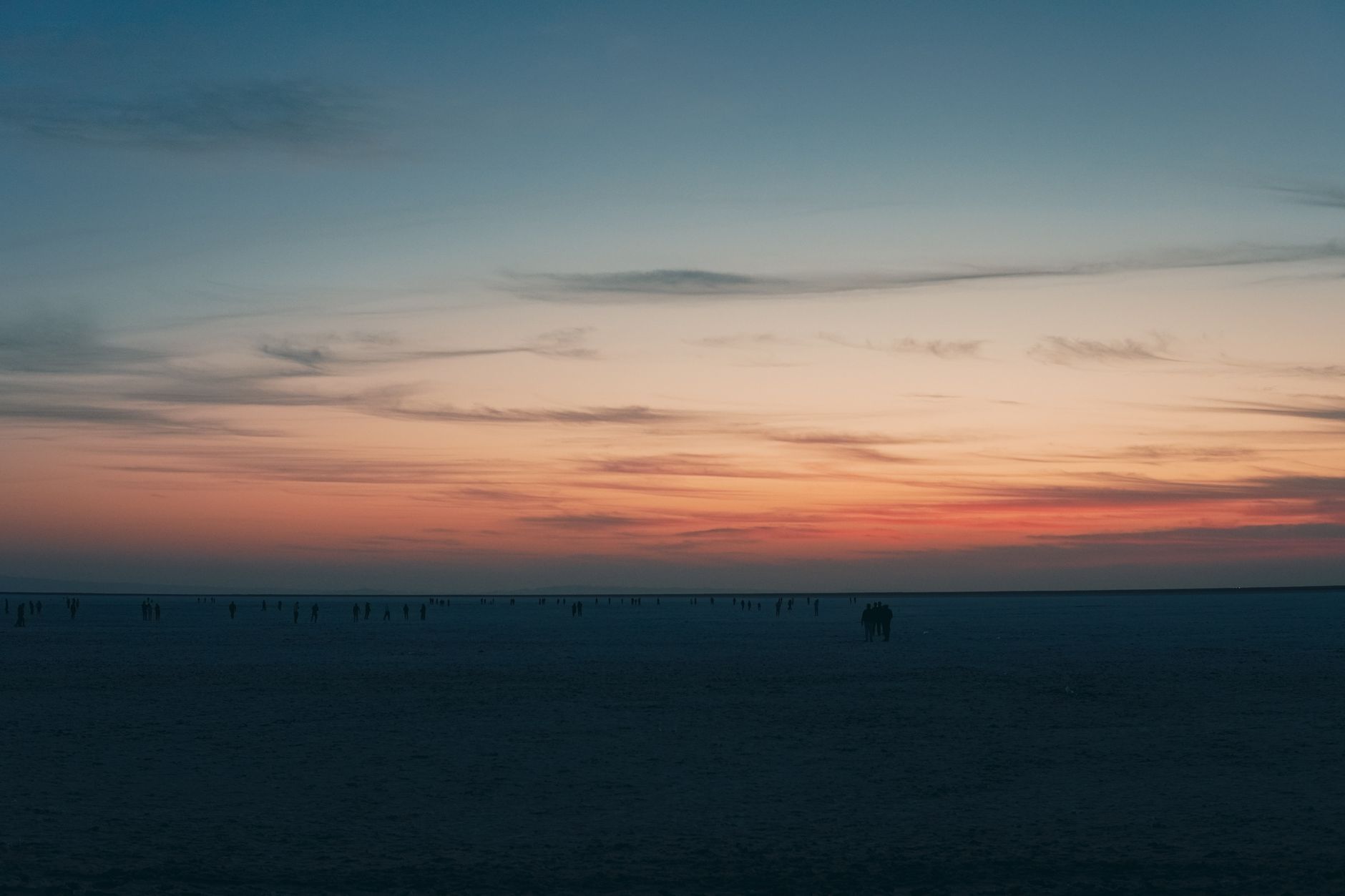
The quintessential Rann experience is walking on the white salt desert under a full moon. The reflection of moonlight on the salt crystals creates an ethereal glow, and the vast emptiness stretching to the horizon offers a meditative experience unlike any other. During Rann Utsav, special full moon viewing areas are set up at Dhordo, though adventurous travelers can explore beyond marked areas with local guides. Carry warm clothing as temperatures drop significantly after sunset, and bring a good camera with manual settings to capture this otherworldly landscape.
Attend Rann Utsav Cultural Performances
The Rann Utsav isn’t just about the landscape; it’s a celebration of Kutchi culture. Every evening at the tent city, traditional folk artists perform music and dance, including the famous Kutchi folk dance performances, puppet shows, and live music featuring local instruments like the morchang and bhorrindo. The handicraft bazaar showcases work from over 300 artisans, allowing you to purchase authentic embroidery, jewelry, leather goods, and textiles directly from makers. Entry to the festival ground costs ₹50-₹100 per person, with cultural programs included.
Village Circuit: Meet Master Artisans
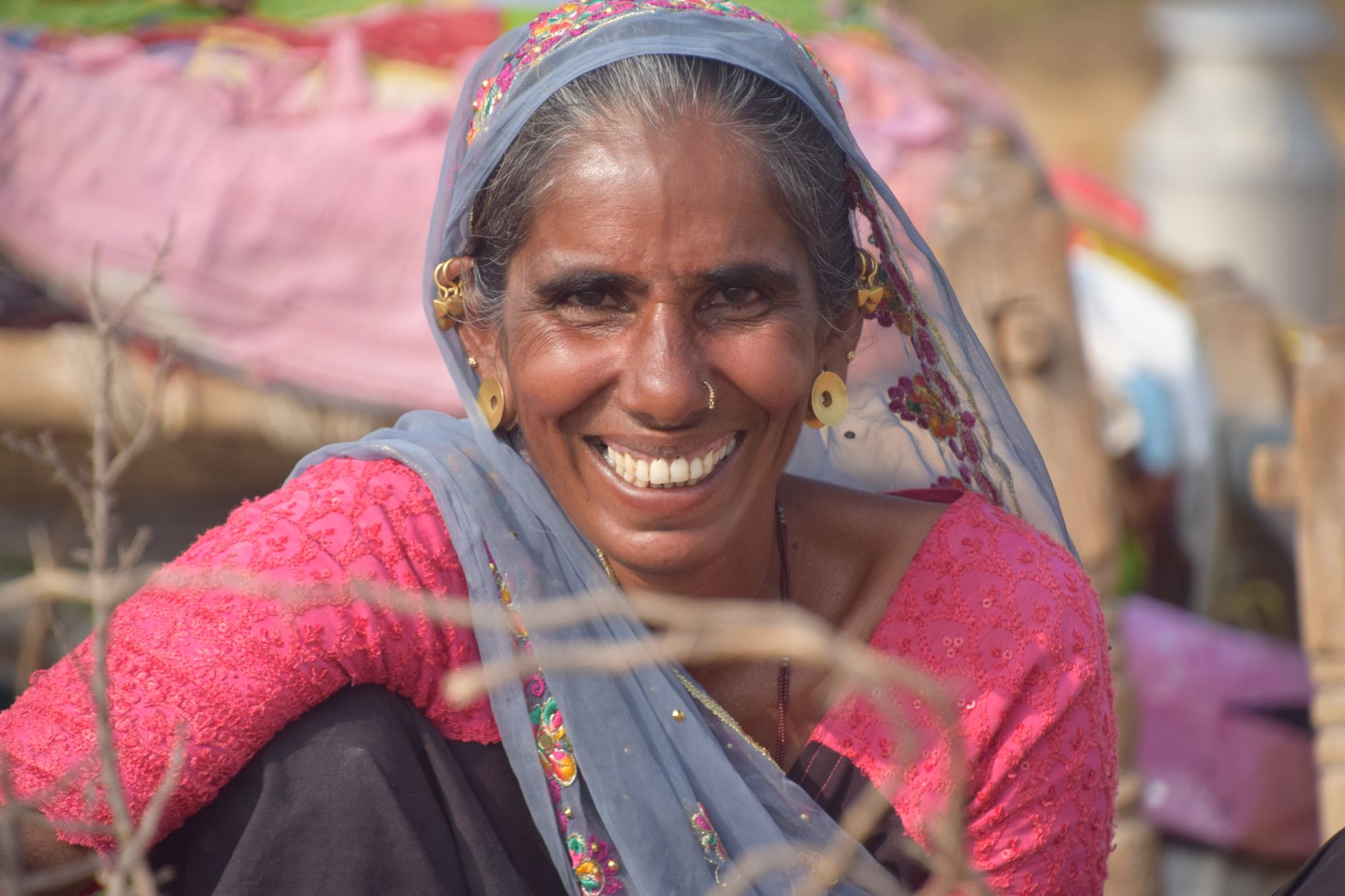
The craft villages around Bhuj offer profound cultural experiences. Visit Ajrakhpur to watch block printers create intricate geometric patterns using natural dyes, a UNESCO-recognized craft. In Nirona village, the Khatri family demonstrates Rogan painting, an art practiced by only three families worldwide. Bhujodi village is famous for weaving, where you can see traditional shawls being created on pit looms. Ludia specializes in bell making using ancient techniques. Each village welcomes visitors warmly, and you can purchase pieces directly, ensuring artisans receive fair compensation. Budget ₹1,000-₹10,000 depending on the craft piece you choose.
Wildlife Safari in Wild Ass Sanctuary
The Little Rann of Kutch Wild Ass Sanctuary, covering 4,953 square kilometers, is home to the endangered Indian Wild Ass, found nowhere else on Earth. Half-day jeep safaris (₹2,500-₹3,500 per vehicle for up to 6 people) take you through diverse landscapes where you can spot wild asses galloping across grasslands, along with nilgai, desert foxes, jungle cats, and numerous bird species including flamingos, pelicans, and sandgrouse. Early morning safaris (6:30 AM) offer the best wildlife viewing opportunities and spectacular sunrise photography.

Explore Kalo Dungar (Black Hill)
At 462 meters, Kalo Dungar is the highest point in Kutch, offering panoramic views of the Great Rann stretching endlessly below. The hilltop hosts a 400-year-old Dattatreya temple and magnetic hills where vehicles appear to defy gravity by rolling uphill when in neutral gear. The sunset view from Kalo Dungar is spectacular, with the white desert turning golden, then pink, before transitioning to deep blue. The site is located 97 km from Bhuj, and many travelers combine it with their Dhordo visit. Entry is free, though donations at the temple are appreciated.
Visit Mandvi Beach and Vijay Vilas Palace
Mandvi, a coastal town 60 km from Bhuj, offers a contrasting coastal experience. The private beach near Vijay Vilas Palace is pristine and relatively uncrowded, perfect for relaxation after the stark desert landscape. Vijay Vilas Palace, a beautiful example of Rajput architecture built in 1920, features in several Bollywood films and offers guided tours (₹20 entry for Indians, ₹100 for foreigners). The palace’s ornate interiors, jali work, and sea-facing location make it a photographer’s delight. Mandvi is also famous for shipbuilding, where you can watch traditional wooden ships being constructed using age-old techniques.
Camel and ATV Rides on the Salt Desert
For adventure enthusiasts, ATV (all-terrain vehicle) rides across the white desert provide an adrenaline rush (₹500-₹800 for 10-15 minutes). Traditional camel rides offer a slower, more contemplative way to experience the landscape (₹300-₹500 for 20-30 minutes). Both activities are available at designated zones during Rann Utsav. Paragliding is also occasionally offered when wind conditions permit (₹2,000-₹3,000 per session). These activities are best enjoyed in late afternoon when temperatures moderate and the light becomes ideal for photography.
Where to Stay in Rann of Kutch
Budget Options (₹1,000-₹2,500 per night): During Rann Utsav, the tent city at Dhordo offers basic tents starting at ₹1,500 per person per night with shared facilities, though these fill quickly. In Bhuj town, Hotel Prince (₹1,200-₹1,800) and Hotel Oasis (₹1,000-₹1,500) offer clean, basic accommodation with attached bathrooms. Homestays in craft villages like Bhujodi provide authentic experiences at ₹800-₹1,500 per night, including home-cooked meals. Shaam-e-Sarhad Village Resort near Hodka offers mud huts (bhungas) starting at ₹2,000 per night, giving an authentic Kutchi living experience while supporting local communities.
Mid-Range Options (₹2,500-₹6,000 per night): The official Rann Utsav Tent City at Dhordo offers premium tents with attached bathrooms, electricity, and basic amenities at ₹3,500-₹5,000 per night including breakfast and cultural programs. Hotel Ilark in Bhuj (₹3,000-₹4,500) provides modern comforts with good restaurants. Gateway Hotel in Mandvi (₹4,000-₹6,000) offers beachside location with swimming pool. Rann Riders Safari Resort near the Little Rann (₹3,500-₹5,500) combines comfortable accommodation with wildlife safari experiences. These properties typically include breakfast and offer travel assistance.
Splurge Options (₹6,000+ per night): For luxury experiences, The Rann Resort at Dhordo offers premium Swiss cottages with air conditioning, modern bathrooms, and gourmet dining at ₹8,000-₹15,000 per night. Royal Safari Camp provides ultra-luxury tents with designer interiors, private sit-outs, and fine dining experiences at ₹12,000-₹20,000 per night. In Bhuj, the Regenta Resort (₹6,000-₹9,000) offers the best facilities in town with spa services and multi-cuisine restaurants. For ultimate exclusivity, some operators arrange private luxury camps on special request, starting at ₹25,000 per night with personalized services, though these require advance booking of several months.
Local Food & Cuisine
Kutchi cuisine is distinct from mainstream Gujarati food, featuring unique flavors adapted to the arid climate and pastoral lifestyle. The food tends to have longer shelf life due to historical water scarcity, resulting in dried preparations and pickles. The cuisine balances sweet and spicy flavors masterfully.
Must-Try Dishes: Kutchi Dabeli is the region’s most famous street food—a spicy, sweet, and tangy potato mixture served in a bun with pomegranate, peanuts, and sev (₹20-₹40 per piece). The authentic versions in Bhuj’s local stalls surpass commercialized versions found elsewhere. Bajra rotla with garlic chutney and churma is the traditional staple, made from pearl millet flour and representing the pastoral heritage of the region. The thick rotla paired with intensely garlicky chutney offers robust flavors that might surprise those accustomed to milder Gujarati food. Khichu, made from rice flour and seasoned with cumin and oil, is a comforting dish typically eaten during winter months. Don’t miss Kutchi mutton curry, prepared with intense spices and traditionally cooked in earthen pots, reflecting the pastoral community’s meat-eating traditions unlike the predominantly vegetarian cuisine of Gujarat.
Where to Eat: In Bhuj, Hotel Nilam (₹150-₹300 per meal) serves excellent traditional Kutchi thalis featuring local preparations alongside standard Gujarati fare. Green Rock Restaurant (₹200-₹400) offers both vegetarian and non-vegetarian options including good Kutchi mutton preparations. For authentic street food, the dabeli stalls near Vaniyavad (₹20-₹50) are legendary among locals. Sankalp Restaurant (₹250-₹500) provides South Indian options alongside Gujarati meals for those seeking variety. At Rann Utsav, the tent city has designated dining areas serving buffet meals (₹300-₹600) with Kutchi specialties, though quality can be inconsistent during peak crowds. In craft villages, homestay meals (typically ₹200-₹400 per person) offer the most authentic culinary experiences, often featuring recipes passed down through generations and cooked in traditional methods.
Practical Travel Tips for Rann of Kutch
Permits and Documentation: Indian citizens require permits to visit certain areas near the Pakistan border, including Dhordo (the main Rann Utsav venue). During Rann Utsav, permits are arranged automatically at checkpoints—carry a valid photo ID (Aadhar, driver’s license, or passport). The process is quick and free. For border villages like Dhordo, Khavda, and areas near Kalo Dungar, you’ll pass through BSF checkpoints where ID verification is mandatory. Foreign nationals require special permits obtained through tour operators or the District Magistrate’s office in Bhuj, which can take 3-5 days to process. If staying at registered accommodations, they often facilitate permit arrangements.
Connectivity and Communication: Mobile network coverage is reasonable in Bhuj and main highways, with Jio and Airtel offering the most reliable service. However, in remote areas of the Rann and craft villages, connectivity becomes patchy or non-existent. Download offline maps before traveling. The tent city at Dhordo has WiFi in common areas, though speeds are slow. It’s advisable to inform family about limited connectivity periods. Many hotels in Bhuj offer WiFi services.
Money and Banking: Bhuj has multiple ATMs from all major banks, but cash availability can be an issue during peak Rann Utsav season—withdraw sufficient cash in advance. The tent city and remote areas have no ATMs. While some larger establishments accept cards and UPI, most craft village artisans, street food vendors, and smaller shops operate on cash only. Carry denominations of ₹100, ₹50, and ₹20 for smaller purchases. Budget ₹3,000-₹5,000 in cash per person for a 2-3 day trip beyond accommodation costs.
Medical Facilities: Bhuj has several hospitals including Raj Hospital and Shree Keshav Hospital with emergency facilities. However, the Rann areas and remote villages have minimal medical infrastructure. Carry a personal first-aid kit with bandages, antiseptic cream, pain relievers, anti-diarrheal medication, and any prescription medicines you need. The tent city has a basic medical post during Rann Utsav. Travel insurance is recommended, especially for international visitors. Dehydration is a real concern—carry oral rehydration salts.
What to Pack: The temperature differential between day and night is extreme. Pack layers including light cotton clothes for daytime and warm jackets, shawls, or sweaters for evenings (temperatures can drop to 5°C in December-January). Comfortable walking shoes are essential as you’ll walk on salt crust and uneven terrain. Sunscreen (SPF 50+), sunglasses, and wide-brimmed hats are non-negotiable—the sun’s reflection off white salt is intense. Carry a reusable water bottle, lip balm, moisturizer (the air is very dry), and a flashlight for nighttime walks. A good camera with extra batteries is essential—charging points may be limited. Carry a dust mask if you’re sensitive to particulate matter.
Safety Considerations: The Rann is generally very safe with minimal crime. However, don’t wander into unmarked areas near the Pakistan border—stick to designated zones and follow BSF guidelines. During night walks on the salt desert, stay within sight of lights from the tent city or go with guides—it’s easy to lose direction in the vast emptiness. The salt crust can occasionally have thin spots; follow marked paths. Don’t touch or disturb wildlife during safaris. Vehicle breakdowns on remote roads can be problematic—ensure your vehicle is well-maintained and carry emergency contact numbers.
Responsible Tourism: The Rann’s fragile ecosystem requires conscious preservation. Don’t litter—carry back all plastic waste. Avoid single-use plastics; carry reusable bottles and bags. Don’t disturb salt formations or wildlife. When visiting craft villages, respect artisans’ time—they’re working professionals, not theme park attractions. Pay fair prices for crafts; while bargaining is acceptable, remember these pieces represent days of skilled labor. Support homestays and local businesses over large commercial operations. Don’t take photographs of people without permission, especially in villages. Respect cultural sensitivities—Kutch is conservative; dress modestly in villages. During the full moon walks, minimize artificial light to preserve the natural experience for others.
Final Thoughts
The Rann of Kutch represents one of India’s most distinctive travel experiences, offering a rare combination of natural wonder, cultural depth, and authentic human connections. Unlike many tourist destinations that have become commercialized beyond recognition, the Rann maintains its soul—the white desert still evokes genuine awe, the craft villages still practice living traditions, and the warmth of Kutchi hospitality remains undiminished. Whether you’re watching the full moon rise over an endless white expanse, sitting in a craftsman’s workshop as generations-old techniques unfold before your eyes, or spotting wild asses galloping across golden grasslands, every moment here creates memories that transcend typical tourism.
The journey to Rann of Kutch requires effort—it’s not a casual weekend getaway from most Indian cities. But this remoteness is precisely what has preserved its magic. As you plan your trip, remember that the Rann rewards those who approach it with respect, curiosity, and openness. Engage with local communities, support traditional crafts, and take time to simply sit in silence under the vast sky. The white desert teaches a profound lesson about beauty in emptiness, about thriving in harsh conditions, and about the resilience of culture. Whether this is your first visit or a return pilgrimage, the Rann of Kutch will leave an indelible mark on your traveler’s soul. Pack your bags, bring your sense of wonder, and prepare for one of India’s most transformative journeys. The white desert awaits.
- Visit Kalo Dungar (Black Hill) at sunset for panoramic views of the white desert and to spot flamingos at the magnetic hill
- Book Gujarat Tourism’s tent city packages directly rather than through third parties to get better rates and confirmed bookings
- Explore Dholavira archaeological site early morning to avoid heat and crowds while discovering this ancient Indus Valley civilization
- Skip the crowded White Rann and head to Chhari Dhand wetlands for birdwatching and a more serene desert experience
- Carry glucose tablets and extra water as medical facilities are limited near the desert and dehydration is common
Frequently Asked Questions about Rann of Kutch
The best time to visit Rann of Kutch is from November to February, coinciding with the famous Rann Utsav festival. During these winter months, temperatures range from 5°C to 25°C, making it comfortable to explore the white desert, and the salt crust is at its most spectacular after monsoon waters have evaporated.
Rann of Kutch is located 80 km from Bhuj, the nearest major city, and approximately 410 km from Ahmedabad, Gujarat’s largest city. The nearest airport is Bhuj Airport at 80 km, though Ahmedabad Airport at 410 km offers more flight connectivity.
Yes, permits are required for visiting border areas near Dhordo and certain villages in the Rann of Kutch region, as it borders Pakistan. These permits can typically be arranged through your tour operator or local authorities in Bhuj.
The approximate daily budget for visiting Rann of Kutch ranges from ₹2,500 to ₹8,000 per person, depending on your choice of accommodation and activities. This budget covers stay, food, local transport, and participation in cultural experiences during your visit.
Rann of Kutch is home to diverse wildlife including the endangered Indian Wild Ass, flamingos, and numerous migratory bird species that arrive during winter months. The region’s unique ecosystem attracts nature lovers and wildlife photographers from around the world.
Rann Utsav is a vibrant cultural festival held at Rann of Kutch that brings the white desert alive with cultural performances, handicraft bazaars, and traditional music. The festival offers complete cultural immersion into Gujarat’s Kutch region, including visits to craft villages where artisans practice centuries-old traditions of embroidery, weaving, and block printing.