
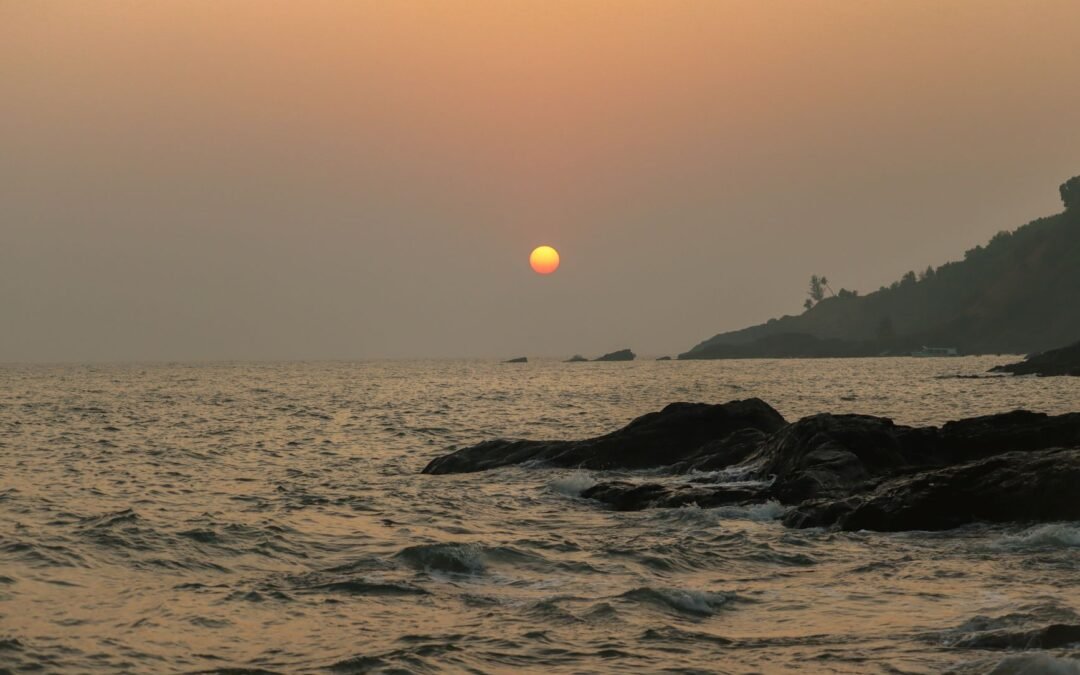
- Gokarna has five main beaches – Om Beach, Kudle Beach, Half Moon Beach, Paradise Beach, and Gokarna Main Beach, each accessible by trekking or boat
- Best visited between October and March when weather is pleasant and ideal for beach activities and temple visits
- Budget-friendly destination with beach shacks, hostels, and guesthouses starting from ₹500-800 per night
- Combine spiritual exploration at Mahabaleshwar Temple with beach hopping for a unique cultural experience
- Nearest airport is Goa (140 km) and railway station is Gokarna Road (10 km) with good bus connectivity from Bangalore and Goa
Introduction
Nestled along the pristine coastline of Karnataka, Gokarna beach stands as one of India’s best-kept secrets—a spiritual sanctuary where ancient temples meet turquoise waters and golden sands. While its more famous neighbour Goa draws massive crowds year-round, Gokarna beach offers something increasingly rare in modern India: a perfect blend of pilgrimage and paradise, where you can witness morning aartis at sacred temples and end your day watching spectacular sunsets over the Arabian Sea. This coastal hamlet has managed to retain its authentic charm despite growing popularity among travellers seeking an alternative to commercialised beach destinations.
What sets Gokarna apart is its dual identity. By day, it functions as an important Hindu pilgrimage centre, with devotees flocking to the ancient Mahabaleshwar Temple. By evening, it transforms into a laid-back beach town where travellers from across the world gather around bonfires, practice yoga on cliff tops, and trek between secluded coves. The town’s crescent-shaped beaches—Om Beach, Kudle Beach, Half Moon Beach, and Paradise Beach—each possess distinct personalities, offering everything from water sports and beach shacks to absolute solitude and meditation spots.
Unlike typical tourist traps, Gokarna has largely resisted over-development, maintaining strict regulations that preserve its spiritual and ecological integrity. You won’t find high-rise hotels or blaring nightclubs here. Instead, expect simple beach huts, organic cafes, and a community that values sustainability and respect for local traditions. Whether you’re a solo backpacker, a couple seeking romance, a spiritual seeker, or a family wanting a peaceful getaway, Gokarna beach welcomes you with open arms and endless possibilities.
Quick Facts About Gokarna beach
| Aspect | Details |
|---|---|
| Altitude | Sea level (0m) |
| Best Time to Visit | October to March |
| Distance from Nearest City | Karwar – 59 km, Mangalore – 235 km, Bangalore – 485 km |
| Nearest Airport | Dabolim Airport, Goa (140 km); Hubballi Airport (160 km) |
| Permits Required | None |
| Temperature Range | Summer: 25-35°C, Winter: 18-32°C, Monsoon: 22-30°C |
| Approx Budget per Day in INR | Budget: ₹800-1200, Mid-range: ₹1500-3000, Luxury: ₹4000+ |
Why Visit Gokarna beach
Gokarna beach distinguishes itself through a rare combination of natural beauty, spiritual significance, and counterculture appeal that has remained largely unspoiled despite decades of traveller traffic. The town’s five main beaches are connected by a spectacular clifftop trek that ranks among India’s most scenic coastal walks, offering panoramic views of the Arabian Sea crashing against volcanic rock formations dating back millions of years. Unlike Goa’s party scene or Kerala’s resort-dominated coastlines, Gokarna’s beaches maintain an organic, community-driven atmosphere where you’re more likely to encounter yoga practitioners at sunrise than loud beach parties.
The spiritual dimension of Gokarna adds profound depth to the beach experience. The town is considered one of the seven important pilgrimage sites in Hinduism, where legend says Lord Shiva emerged from a cow’s ear (Go-karna literally means “cow’s ear”). The 1,500-year-old Mahabaleshwar Temple houses an Atmalinga—one of the holiest Shiva shrines in South India—creating a unique juxtaposition where you can participate in ancient Vedic rituals in the morning and enjoy fresh seafood by the waves in the evening. This spiritual energy permeates the entire town, attracting not just religious pilgrims but also meditation practitioners, yogis, and those seeking a deeper connection with themselves.
What truly makes Gokarna exceptional is its commitment to sustainable tourism. Local authorities have banned plastic, restricted construction near beaches, and maintained strict noise regulations. The beach shacks are temporary structures dismantled during monsoon season, ensuring minimal environmental impact. This conscious approach has preserved Gokarna’s natural beauty—the water remains crystal clear, beaches stay relatively clean, and marine life thrives. The community-based tourism model means your money directly supports local families rather than corporate chains, making travel here more meaningful and ethical.

How to Reach Gokarna beach
By Train: Gokarna has two railway stations—Gokarna Road station (10 km from the main town) and Kumta station (22 km away). Gokarna Road is better connected with trains from Bangalore, Mangalore, and Goa. From Bangalore, the Matsyagandha Express takes approximately 10-11 hours and costs ₹300-800 depending on class. From Mangalore, trains take 4-5 hours (₹150-400). From Gokarna Road station, auto-rickshaws to the main town cost ₹200-300, or you can take local buses for ₹20-30 per person. The Kumta station connects to more long-distance trains but is further from Gokarna town; shared taxis charge ₹300-400, while private taxis cost ₹600-800.
By Bus: Karnataka State Road Transport Corporation (KSRTC) operates regular buses from Bangalore, Mangalore, and other major cities. From Bangalore, overnight Volvo buses depart from Majestic Bus Stand, take 10-12 hours, and cost ₹800-1,200. From Mangalore, buses take 5-6 hours and cost ₹300-500. Private operators like VRL Travels, Sugama, and Paulo Travels offer more comfortable options with prices ranging ₹900-1,500 from Bangalore. From Goa (Panjim/Margao), local buses take 3-4 hours and cost ₹150-250, while private buses charge ₹400-600.
By Flight: The nearest major airport is Dabolim Airport in Goa (140 km away), approximately 3-4 hours by road. Pre-paid taxis from the airport cost ₹3,000-4,000. Alternatively, Hubballi Airport (160 km) has fewer flights but serves Gokarna; taxis cost ₹3,500-4,500. Many travellers fly to Goa, explore it for a few days, then take a bus to Gokarna. Shared cabs from Goa cost ₹500-800 per person if you find other travellers to split the ride.
By Car/Bike: From Bangalore, the 485 km journey via NH75 and NH66 takes 8-10 hours. The route passes through Hassan, Sakleshpur, and the scenic Western Ghats. From Goa, the 140 km journey along NH66 coastal highway takes 3-4 hours and offers spectacular sea views. Bike rentals in Goa cost ₹400-800 per day, and many riders make the Goa-Gokarna coastal ride a memorable part of their journey. Petrol stations are available at regular intervals, though carrying extra fuel is advisable for the Gokarna beach-hopping trails.
Best Time to Visit Gokarna beach
Winter (November to February): This is peak season and absolutely the best time to visit Gokarna beach. Temperatures range between 18-28°C, with cool mornings and pleasant evenings perfect for beach activities. The sea is calm, ideal for swimming and water sports. All beach shacks are operational, offering accommodation and food. However, expect higher prices (30-50% premium) and crowded beaches, especially during Christmas and New Year when advance bookings are essential. This period sees maximum domestic and international tourists, creating a vibrant atmosphere with beach parties, live music, and cultural events.
Pre-Monsoon (March to May): Summer months bring temperatures of 25-35°C with high humidity. While mornings and evenings remain enjoyable, midday sun can be intense. This season offers advantages for budget travellers—accommodation prices drop by 30-40%, beaches are less crowded, and you can negotiate better deals. The sea remains swimmable though slightly rougher than winter. By late May, many shacks begin shutting down in preparation for monsoon. This is excellent timing if you prefer solitude and don’t mind the heat. Early morning and sunset hours are spectacular, with dramatic skies and golden light perfect for photography.
Monsoon (June to September): Gokarna receives heavy rainfall during these months, with the Arabian Sea becoming turbulent and swimming prohibited due to strong currents and high waves. Most beach shacks are dismantled, and many guesthouses close for renovation. However, for a completely different experience, monsoon visits reveal Gokarna’s raw natural beauty—lush green landscapes, dramatic wave crashes, and virtually deserted beaches. The town takes on a contemplative atmosphere perfect for spiritual seekers. Temple visits become more meaningful with fewer crowds. Budget accommodations in town remain open at rock-bottom prices (₹300-600 per night). Just be prepared for limited food options and potential travel disruptions.
Post-Monsoon (October): This shoulder season offers the best of both worlds—pleasant weather with temperatures around 22-30°C, rejuvenated greenery from monsoon rains, cleaner beaches as new season setup begins, and off-season pricing. Beach shacks start reopening by mid-October. The sea gradually becomes calmer and safer for swimming. This is ideal for photographers, with clear skies after rains providing excellent visibility and dramatic cloud formations. Crowds are minimal, allowing authentic interactions with locals and peaceful beach experiences.
Top Things to Do in Gokarna beach
Beach Hopping via the Clifftop Trek
The most iconic Gokarna experience involves trekking between beaches along dramatic cliff paths offering breathtaking sea views. Starting from Gokarna Main Beach, the route covers Kudle Beach (20 minutes), Om Beach (40 minutes from Kudle), Half Moon Beach (30 minutes from Om), and finally Paradise Beach (20 minutes from Half Moon). The entire trek takes 3-4 hours one way, traversing rocky terrain, wooden bridges, and steep ascents. Wear proper shoes, carry water and snacks, and start early morning to avoid midday heat. Each beach has distinct character—Kudle is social with numerous cafes, Om is shaped like the sacred Om symbol and offers water sports, while Half Moon and Paradise are secluded coves perfect for solitude and meditation.
Surfing and Water Sports at Om Beach
Om Beach has emerged as Karnataka’s premier surfing destination, with consistent waves during November to March perfect for beginners. Several surf schools including Gokarna Surf School and Mantra Surf Club offer 2-3 hour lessons for ₹1,500-2,500 including equipment. Multi-day packages cost ₹5,000-8,000 for 5 sessions. Beyond surfing, you can try kayaking (₹500-800 per hour), banana boat rides (₹300-500), jet skiing (₹800-1,200), and parasailing (₹1,500-2,000). Paddle boarding at sunrise is particularly magical, costing ₹600-800 per hour with boards available for rent at various beach shacks.
Temple Trail and Spiritual Exploration
Begin at the Mahabaleshwar Temple housing the sacred Atmalinga, though non-Hindus cannot enter the sanctum sanctorum. Nearby, visit the Maha Ganapati Temple with its unique idol and Bhadrakali Temple. Experience the evening aarti at any temple for an immersive spiritual atmosphere. Take the sacred bath at Koti Teertha, a temple tank where devotees believe bathing washes away sins. The Mahabaleshwar Temple street offers authentic Brahmin meals (₹50-80) at local restaurants. Respect dress codes—no shorts or sleeveless clothes, and photography restrictions apply in temple premises.

Sunset Watching at Paradise Beach
While all Gokarna beaches offer stunning sunsets, Paradise Beach provides the most dramatic setting with its secluded cove framed by towering cliffs. Accessible only by trek or boat (₹100-150 per person from Om Beach), the effort rewards you with pristine sands, turquoise waters, and phenomenal sunset views. The beach has minimal development—just 2-3 basic shacks serving simple food and drinks. Arrive by 4 PM, find your spot on the rocks or sand, and watch the sun melt into the Arabian Sea painting the sky in oranges, pinks, and purples. The relative isolation ensures an intimate, almost meditative experience unlike crowded sunset spots elsewhere.
Yoga and Wellness Retreats
Gokarna has become a significant yoga destination with numerous schools offering drop-in classes, weekend workshops, and month-long teacher training courses. Sampoorna Yoga offers traditional Hatha and Ashtanga classes (₹500-800 per session) with accommodation packages available. Sanskar Yogashala provides intensive courses including 200-hour and 300-hour certifications. Many beach guesthouses offer morning yoga sessions (₹300-500) open to all guests. Ayurvedic massage centers like Ayur Sparsh provide authentic treatments—full body massages cost ₹1,200-2,000, while specialized therapies range ₹2,500-5,000. The combination of sea air, spiritual energy, and skilled practitioners makes wellness activities particularly effective here.
Dolphin Spotting and Boat Tours
Bottle-nosed dolphins frequently visit Gokarna’s waters, especially between November and March. Early morning boat trips (6-8 AM) from Om Beach offer the best dolphin spotting opportunities. Tours cost ₹800-1,200 per person for 1.5-2 hours and include visits to Half Moon and Paradise beaches, with snorkeling equipment provided. Sunset boat tours are also popular (₹600-1,000 per person), offering different perspectives of Gokarna’s coastline. Private boat charters for groups cost ₹3,000-5,000 depending on duration and destinations. Most boatmen are experienced fishermen with intimate knowledge of dolphin behavior patterns, significantly increasing spotting chances.
Where to Stay in Gokarna beach
Budget Accommodation (₹300-1,000 per night): Beach huts and basic guesthouses dominate this category. At Kudle Beach, Namaste Cafe offers simple bamboo huts directly on the sand for ₹500-800 without electricity but with spectacular ocean views. Om Beach has numerous options including Nirvana Cafe cottages (₹600-1,000), Zostel Gokarna’s dorm beds (₹400-600) and private rooms (₹1,200-1,800). In Gokarna town, Gokarna International Guest House provides clean rooms with attached bathrooms for ₹500-800, conveniently located near temples. Shanti Guesthouse offers budget rooms (₹400-700) with rooftop restaurant. These accommodations are basic but clean, with shared bathrooms in some cases, and often include breakfast.
Mid-Range Accommodation (₹1,200-3,500 per night): Upgrade to better amenities while maintaining the beach vibe. Kudle Ocean Front Resort offers comfortable cottages with modern bathrooms, hot water, and sea views for ₹2,000-3,000. SwaSwara, an eco-resort near Om Beach, provides wellness-focused stays with yoga included (₹8,000-12,000 but all-inclusive with meals and treatments). Gokarna Beach Resort has air-conditioned rooms, swimming pool, and restaurant for ₹2,500-3,500. Namaste Yoga Farm near Kudle Beach offers unique farm stays with organic meals and yoga sessions for ₹1,800-2,500. These properties balance comfort with authenticity, providing amenities like WiFi, hot water, and decent food without sacrificing the beach experience.
Splurge Accommodation (₹4,000+ per night): For luxury seekers, options remain limited but special. Om Beach Resort offers premium cottages with air-conditioning, private balconies, and quality furnishings for ₹4,500-7,000. The resort includes a multi-cuisine restaurant, ayurvedic spa, and swimming pool. Nirvana Retreat near Kagal village provides upscale cottages with modern amenities amid coconut groves for ₹5,000-8,000. For ultimate luxury, consider private villas available through Airbnb (₹6,000-12,000) offering entire properties with kitchens, multiple bedrooms, and sometimes private beach access. These accommodations provide creature comforts while maintaining environmental sensitivity through solar power, rainwater harvesting, and waste management systems.
Local Food & Cuisine
Gokarna’s culinary scene reflects its dual identity—sacred vegetarian offerings in town and fresh seafood at beach shacks. Being a temple town, the main area serves strictly vegetarian food with many traditional Brahmin restaurants offering authentic Karnataka thali meals. Prema Restaurant is legendary among locals and travelers alike, serving unlimited South Indian thalis (₹80-120) with over a dozen items including sambhar, rasam, multiple vegetable preparations, pickles, and desserts on banana leaves. Their breakfast dosas and idlis (₹40-80) are equally famous. Pai Restaurant offers similar thali experiences (₹100-150) with consistent quality and generous portions.
Beach shacks transform the dining experience with multi-cuisine menus emphasizing seafood. Namaste Cafe at Kudle Beach is iconic, serving fresh catch-of-the-day preparations—grilled fish (₹200-400), prawn curry (₹300-450), and seafood platters (₹500-700). Their wood-fired pizzas (₹250-400) and Israeli-Mediterranean dishes reflect Gokarna’s international traveler influence. Sunset Cafe at Om Beach specializes in Continental and Israeli cuisine—hummus platters (₹150-200), shakshuka (₹180-250), and pasta dishes (₹200-350)—alongside Indian favorites. Their fresh fruit juices and smoothies (₹80-150) are perfect for hot afternoons.
Don’t miss trying Mangalorean fish curry—tangy, spicy coconut-based gravy with fresh kingfish or pomfret served with steamed rice (₹200-300 at most beach shacks). Kane rava fry (ladyfish coated in semolina and fried, ₹150-250) is a coastal Karnataka specialty. For vegetarians, Konkani style vegetable curry with coconut gravy is aromatic and satisfying (₹120-180). Neer dosa—paper-thin rice crepes served with coconut chutney—makes an excellent light breakfast (₹40-70). Most beach shacks also serve banana pancakes (₹80-120), a backpacker favorite perfect with honey and fresh fruit.
Mantra Cafe at Om Beach offers organic, health-conscious options including vegan dishes, fresh salads (₹150-250), and excellent coffee (₹80-150). Chez Christophe at Kudle Beach is famous for European baked goods—croissants, brownies, and cakes (₹100-200)—alongside quality espresso drinks. Prices at beach shacks are 20-30% higher than town restaurants but the ambience and ocean views justify the premium. Most shacks operate on a “order-and-relax” policy where you can occupy seating all day with food and drink orders. Carry cash as card acceptance is limited at smaller establishments.

Practical Travel Tips for Gokarna beach
Permits and Regulations: No special permits are required to visit Gokarna beach. However, foreign nationals must register at local police stations if staying more than 14 days in certain guesthouses—your accommodation will typically handle this. Photography inside temple sanctums is prohibited, and strict dress codes apply for temple entry. Swimming during monsoon (June-September) is dangerous and often prohibited with red flags displayed. Alcohol consumption is technically banned in public spaces as Gokarna is a pilgrimage town, though beach shacks discreetly serve beer and wine. Loud music and beach parties after 10 PM are discouraged by local authorities.
Mobile Network and Connectivity: Airtel and Jio provide the most reliable coverage in Gokarna town and main beaches. BSNL works adequately but with slower data speeds. Vodafone-Idea has patchy coverage at remote beaches like Paradise and Half Moon. 4G connectivity is available in town and Kudle/Om beaches, though speeds can be inconsistent during peak season. Most guesthouses and cafes offer WiFi (often password-protected for customers), but speeds are generally slow—don’t expect to stream videos or attend video calls reliably. The digital detox is part of Gokarna’s charm for many visitors.
ATMs and Money Matters: Gokarna town has 4-5 ATMs including State Bank of India, Canara Bank, and Karnataka Bank near the main bus stand and temple street. These frequently run out of cash during weekends and peak season, so withdraw sufficient amounts on weekdays. The nearest reliable ATMs are in Kumta (22 km) and Ankola (28 km). Carry adequate cash as most beach shacks, small guesthouses, and local shops don’t accept cards. Some mid-range properties accept cards but may charge 2-3% convenience fees. UPI payment acceptance is growing but remains inconsistent, especially at beaches.
Medical Facilities: Basic medical facilities exist in Gokarna town with 2-3 small clinics and a Primary Health Centre handling minor ailments. For serious medical issues, Karwar District Hospital (59 km) is the nearest well-equipped facility. Private hospitals in Kumta (22 km) handle moderate emergencies. Carry a personal first-aid kit with bandages, antiseptic, pain relievers, anti-diarrheal medication, and any prescription medicines. Several pharmacies near the bus stand stock common medicines. Travel insurance covering medical evacuation is highly recommended. Heat exhaustion, cuts from rocks, and stomach issues from unfamiliar food are the most common traveler ailments.
What to Pack: Light cotton clothing suitable for beach and hot weather, but include conservative wear for temple visits (long pants/skirts, shoulder-covering tops). Good trekking or sport sandals are essential for the beach-hopping trek—flip-flops aren’t adequate for rocky terrain. Reef-safe sunscreen (₹300-600) as regular sunscreen damages marine ecosystems. Reusable water bottle and cloth bag since plastic is banned. Headlamp or flashlight for walking at night as street lighting is minimal. Insect repellent for evening mosquitoes. Hat, sunglasses, and light scarf for sun protection. Waterproof bag for electronics during boat trips. Beach towel as many budget accommodations don’t provide them.
Safety Tips: Gokarna is generally very safe with low crime rates. However, take standard precautions—don’t leave valuables unattended on beaches, use guesthouse lockers (bring your own lock), and avoid isolated areas after dark. Swimming is safest at Kudle and Om beaches where lifeguards are present during peak season. Always heed warning flags—red means no swimming under any circumstances. Strong undercurrents can be deadly. Women travelers generally feel comfortable, though solo female travelers should exercise caution at isolated beaches and avoid night treks between beaches. Scams are rare but confirm prices before ordering at restaurants and agreeing to taxi/boat rides.
Responsible Tourism: Respect Gokarna’s spiritual significance—behave modestly in town, especially near temples. Support plastic-ban initiatives by carrying reusable bottles and bags. Many beaches organize weekly clean-up drives you can join. Dispose of cigarette butts properly; never leave them on beaches. Support locally-owned businesses rather than chains. Don’t touch or feed stray dogs despite their friendly appearance—rabies risk exists. Coral and rock formations are delicate—don’t collect shells or disturb marine life. When trekking between beaches, stay on marked paths to prevent erosion. Learn a few Kannada phrases—locals appreciate the effort and it enriches your experience.
Final Thoughts
Gokarna beach represents what thoughtful, sustainable tourism can achieve—a destination that welcomes travelers while maintaining its soul, serves pilgrims and backpackers with equal grace, and protects its natural treasures for future generations. It’s rare to find a place where you can witness ancient rituals at dawn, trek through stunning coastal landscapes by morning, learn to surf in the afternoon, and contemplate life’s bigger questions under star-filled skies at night. Gokarna offers all this without the commercial assault that has diminished many of India’s beach destinations.
Whether you stay for three days or three weeks, Gokarna has a way of slowing you down, helping you disconnect from digital overwhelm and reconnect with simpler pleasures—conversation with fellow travelers around a bonfire, the rhythm of waves, the taste of fresh fish grilled to perfection, the achievement of completing the clifftop trek, or the profound peace of a sunset watched in silence. This is not just another beach destination to tick off your bucket list; it’s an experience that stays with you, calling you back long after you’ve returned to your regular life. Pack your bags, respect the local culture, bring an open heart, and let Gokarna work its subtle magic on you. The beaches, the waves, and the timeless spiritual energy await your discovery.
- Start your beach trek early morning around 6 AM from Kudle Beach to avoid afternoon heat and catch stunning sunrise views over Paradise Beach
- Book beach shacks at Kudle and Om Beach directly upon arrival rather than online to negotiate better rates, especially during off-season
- Carry sufficient cash as ATMs are limited and many beach shacks and restaurants don’t accept cards or digital payments
- Respect temple dress codes at Mahabaleshwar Temple – wear modest clothing and visit before 8 AM to avoid crowds during religious ceremonies
- Hire a local boatman from Gokarna Main Beach for ₹150-200 per person to access Paradise and Half Moon beaches if you want to skip the rocky trek
Frequently Asked Questions about Gokarna beach
The best time to visit Gokarna beach is from October to March when the weather is pleasant with temperatures ranging from 18-32°C. During these months, you can enjoy comfortable beach activities, water sports, and explore the temples without the intense heat or heavy monsoon rains.
Gokarna beach is approximately 485 km from Bangalore, making it a reasonable weekend getaway destination. The nearest airports are Dabolim Airport in Goa (140 km away) and Hubballi Airport (160 km away), with Goa airport being the more convenient option for most travelers.
Gokarna beach caters to all budget types with daily expenses ranging from ₹800-1200 for budget travelers staying in basic accommodations, ₹1500-3000 for mid-range comfort, and ₹4000+ for luxury experiences. The town offers affordable beach shacks, organic cafes, and simple guesthouses that help keep costs manageable.
No permits are required to visit Gokarna beach, making it an easily accessible destination for both domestic and international travelers. You can freely explore all the beaches including Om Beach, Kudle Beach, Half Moon Beach, and Paradise Beach without any special permissions.
Unlike commercialized Goa, Gokarna beach offers an authentic, laid-back experience with its dual identity as both a Hindu pilgrimage center and a peaceful beach destination. The town has strict regulations preventing over-development, meaning you won’t find high-rise hotels or blaring nightclubs, but instead simple beach huts, spiritual experiences at ancient temples like Mahabaleshwar Temple, and pristine beaches that have retained their natural charm.
Gokarna features five distinctive beaches—Om Beach, Kudle Beach, Half Moon Beach, Paradise Beach, and the main Gokarna beach—each with its own character. These crescent-shaped beaches offer activities ranging from water sports and beach shack dining to yoga sessions on cliff tops, meditation in secluded coves, beach trekking, and watching spectacular sunsets over the Arabian Sea.