
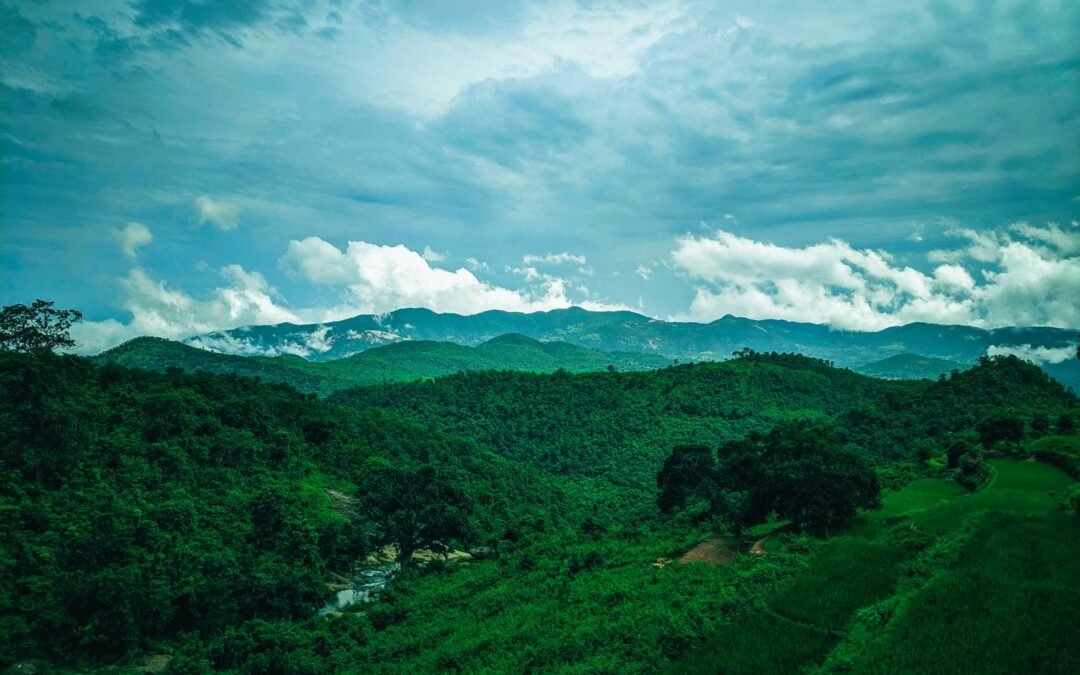
- Araku Valley sits at 1,300 meters altitude, offering pleasant weather year-round and is best visited between October and March
- The scenic train journey from Visakhapatnam to Araku through 58 tunnels and numerous bridges is a UNESCO World Heritage Site contender
- Tribal Museum and coffee plantations offer unique cultural experiences with authentic Araku coffee tasting opportunities
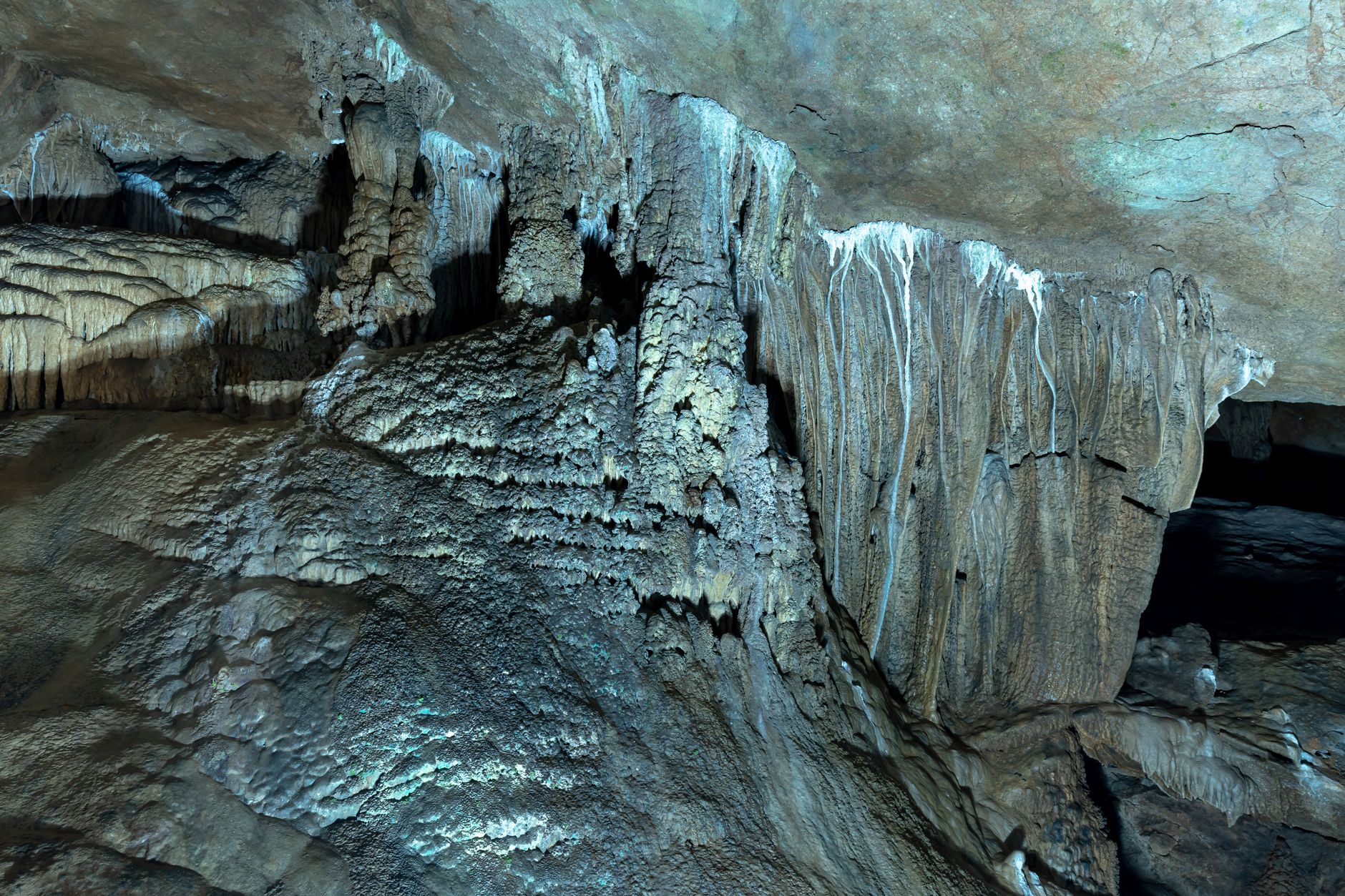
- Borra Caves, located 29 km from Araku Valley, features million-year-old stalactite and stalagmite formations worth exploring
- Araku Valley is accessible by train, road, and helicopter, with the train journey being the most popular and scenic option
Introduction
Nestled in the verdant Eastern Ghats of Andhra Pradesh, Araku Valley emerges as one of South India’s most captivating hill station destinations, yet surprisingly remains off the beaten tourist trail for many travellers. This enchanting valley, situated approximately 115 kilometres from Visakhapatnam, offers a refreshing escape from the sweltering coastal plains into a world of coffee plantations, tribal culture, misty mountains, and cascading waterfalls. Unlike the commercialized hill stations of North India, Araku Valley retains an authentic charm, where indigenous tribal communities continue their traditional lifestyles amidst landscapes that seem painted by nature’s most generous hand.
What truly distinguishes Araku Valley from countless other hill destinations across India is its remarkable journey—literally. The train journey from Visakhapatnam to Araku is considered one of the most scenic railway routes in India, winding through 58 tunnels and traversing numerous bridges that span deep gorges and valleys. The valley sits at a comfortable altitude, offering pleasant weather year-round while remaining easily accessible. Whether you’re a nature enthusiast seeking pristine landscapes, an adventure seeker looking for trekking opportunities, a culture vulture interested in tribal heritage, or simply someone craving tranquility away from urban chaos, Araku Valley promises an experience that lingers long after you’ve returned home.
This comprehensive guide will walk you through everything you need to know about visiting this hidden gem of Andhra Pradesh—from reaching the valley and timing your visit perfectly to discovering its top attractions, sampling its unique tribal cuisine, and finding accommodation that suits your budget. Let’s embark on this journey to one of India’s most underrated destinations.
Quick Facts About Araku Valley
| Altitude | 1,300 meters (approximately 4,200 feet) above sea level |
| Best Time to Visit | October to March (winter and post-monsoon); September to January for coffee plantation tours |
| Distance from Nearest City | 115 km from Visakhapatnam |
| Nearest Airport | Visakhapatnam Airport (115 km) |
| Nearest Railway Station | Araku Railway Station (in the valley itself); Visakhapatnam Junction (115 km) |
| Permits Required | No special permits required for Indian nationals; foreign nationals require no additional permits beyond standard visa |
| Temperature Range | Summer: 22°C-32°C; Winter: 10°C-25°C; Monsoon: 18°C-28°C |
| Approx Budget per Day in INR | Budget: ₹1,200-1,800; Mid-range: ₹2,500-4,500; Luxury: ₹6,000+ |
Why Visit Araku Valley
Araku Valley’s uniqueness stems from a rare combination of factors that converge to create an experience unlike any other hill station in India. First and foremost, this is one of the few places where you can witness authentic tribal culture without venturing into remote, inaccessible areas. The valley is home to 19 different tribal communities, including the Bagata, Kondadora, Valmiki, and Kotia tribes, who have inhabited these hills for centuries. The Araku Tribal Museum offers fascinating insights into their traditions, while weekly tribal markets provide opportunities to purchase genuine handcrafted items directly from artisans—bamboo artifacts, traditional jewelry, and organic forest produce.
The valley’s coffee plantations represent another distinctive feature. Araku coffee has gained international recognition, winning awards at the Specialty Coffee Association of Europe. Unlike the coffee estates of Karnataka and Kerala, Araku’s plantations practice organic cultivation methods taught by the Coffee Board of India, and the entire enterprise is managed by the Girijan Cooperative Corporation, ensuring profits directly benefit tribal farmers. You can tour these plantations, learn about the cultivation process from cherry to cup, and purchase some of India’s finest Arabica beans at source prices—₹400-800 per kilogram depending on the grade.
Geologically, Araku Valley presents a dramatic landscape carved by millions of years of erosion. The Borra Caves, located just 29 kilometres from Araku, contain million-year-old stalactite and stalagmite formations discovered accidentally in 1807. The caves descend approximately 80 meters and span an area of nearly 2 square kilometres, making them among the largest natural cave systems in India. The interplay of natural rock formations creating shapes resembling Shiva Lingam, a crocodile, and human brains has earned various chambers names steeped in local mythology.
Additionally, the valley’s biodiversity is remarkable. The surrounding forests form part of the Eastern Ghats biodiversity hotspot, home to several endemic species of flora and fauna. Birdwatchers can spot over 200 species here, including several endemic to the Eastern Ghats. The relatively unexplored trekking trails through dense forests lead to hidden waterfalls, viewpoints offering panoramic valley vistas, and tribal hamlets where time seems to have stood still. This combination of natural beauty, cultural richness, agricultural heritage, and geological wonders makes Araku Valley genuinely distinctive.

How to Reach Araku Valley
By Train: The most recommended and scenic option is taking the Visakhapatnam-Araku-Kirandul passenger train from Visakhapatnam Junction. The train departs at 6:50 AM and reaches Araku around 11:45 AM, covering 115 kilometres through some of the most breathtaking railway scenery in India. The journey passes through 58 tunnels, the longest being approximately 1.4 kilometres, and crosses over 84 bridges spanning deep gorges. The fare is extremely affordable—approximately ₹30-50 for unreserved second class and ₹150-200 for reserved seating. The train stops at several intermediate stations including Simhachalam, Shimliguda, and Tyda. Book tickets in advance during peak season as this popular route sells out quickly. The return train from Araku to Visakhapatnam departs around 3:15 PM.
By Road: The road journey from Visakhapatnam to Araku Valley covers approximately 115 kilometres via NH-16 and takes about 3-3.5 hours depending on traffic and road conditions. The route passes through scenic ghat sections with hairpin bends offering spectacular views. Andhra Pradesh State Road Transport Corporation (APSRTC) operates regular bus services from Visakhapatnam’s Dwaraka Bus Station to Araku, with departures every 30-60 minutes from 5:00 AM to 5:00 PM. The fare ranges from ₹80-150 depending on whether you choose an ordinary, express, or deluxe service. Private buses and tour operators also run services costing ₹150-300 per person.
By Taxi: Private taxis offer the most comfortable and flexible option. A one-way taxi from Visakhapatnam to Araku costs approximately ₹2,500-3,500 for a sedan and ₹3,500-4,500 for an SUV. Round-trip packages with a day of sightseeing in Araku cost ₹4,500-6,000. You can also hire taxis for 2-3 day packages including accommodation, meals, and comprehensive sightseeing for ₹8,000-15,000 depending on the vehicle type and inclusions. Ola and Uber outstation services are available from Visakhapatnam at competitive rates, typically 15-20% cheaper than traditional taxi operators.
By Air: The nearest airport is Visakhapatnam International Airport, well-connected to major Indian cities including Hyderabad, Delhi, Mumbai, Bangalore, and Chennai with multiple daily flights. From the airport, Araku Valley is 120 kilometres away. You can hire prepaid taxis from the airport at approximately ₹3,000-4,000 to Araku. Alternatively, take an auto-rickshaw or taxi to Visakhapatnam city center (₹200-400) and then catch a bus or train to Araku.
Best Time to Visit Araku Valley
October to March (Winter and Post-Monsoon): This represents the absolute best period to visit Araku Valley. The weather remains pleasant with daytime temperatures ranging from 20°C-28°C and cooler nights dropping to 10°C-15°C. The landscape is lush green following monsoon rains, waterfalls flow at their most impressive volumes, and the coffee plantations are vibrant with either blossoming flowers (October-November) or ripening cherries ready for harvest (December-January). Clear skies offer excellent visibility for photography and sightseeing. This is peak tourist season, so expect higher accommodation rates and advance booking requirements, especially during weekends and holidays. The tribal markets are most active during these months.
April to June (Summer): Summer in Araku Valley is considerably milder than the coastal plains below. Temperatures range from 22°C-32°C, making it a comfortable escape for those fleeing the scorching heat of Visakhapatnam or interior Andhra Pradesh. While not as green as post-monsoon months, the weather remains suitable for all activities. This is shoulder season with moderate tourist traffic and reasonable accommodation prices. Waterfalls reduce to trickles but the coffee plantations remain open for visits. Early morning and late evening are particularly pleasant for walks and nature trails.
July to September (Monsoon): The monsoon transforms Araku Valley into an emerald paradise, with rainfall averaging 1,200-1,500mm annually. While the landscape is at its most photogenic, travel requires caution. The ghat roads can be treacherous with landslides occasionally blocking routes. The train journey becomes even more spectacular with mist-shrouded valleys and gushing waterfalls visible from the windows. However, some outdoor activities and remote attractions may be inaccessible. Accommodation rates drop significantly (30-50% off peak rates) and crowds are minimal, making it ideal for those seeking solitude and willing to embrace unpredictable weather. Always check weather forecasts and road conditions before traveling during monsoon months.
Top Things to Do in Araku Valley
Explore the Borra Caves
Located 29 kilometres from Araku at an altitude of 705 meters, the Borra Caves are a geological marvel dating back over a million years. These natural limestone formations feature stunning stalactite and stalagmite structures illuminated by colorful lights that enhance their mythological shapes. The caves maintain a constant cool temperature of around 18°C year-round, providing refreshing relief. The main chamber reaches heights of 40 meters, and the entire cave system extends much deeper than the tourist-accessible sections. Entry fee is ₹50 for adults and ₹20 for children, with an additional ₹25 for camera permits. The caves are open from 10:00 AM to 5:00 PM daily, and the visit takes approximately 45 minutes to an hour.
Visit Coffee Plantations and Take Plantation Tours
Araku’s organic coffee plantations span thousands of acres, cultivating premium Arabica varieties at elevations between 900-1,100 meters. The Ananthagiri Coffee Plantations, about 20 kilometres from Araku town, offer guided tours (₹100-200 per person) where you learn about organic cultivation, processing methods, and even participate in coffee tasting sessions. The Araku Coffee House in the main town, operated by the Girijan Cooperative Corporation, provides a cafe experience where you can sample various roasts (₹40-150 per cup) and purchase freshly roasted beans. The best time for plantation visits is December-January during harvest season when you might see tribal workers hand-picking ripe cherries.
Experience Tribal Culture at Araku Tribal Museum
The Araku Tribal Museum, established by the Andhra Pradesh Tourism Development Corporation, offers comprehensive insights into the lives, traditions, and heritage of the valley’s 19 tribal communities. The museum displays traditional costumes, agricultural implements, hunting tools, musical instruments, and dwelling replicas. Particularly fascinating are the sections on tribal marriage customs, religious practices, and traditional medicine. Entry fee is ₹20 for adults and ₹10 for children. Open from 10:00 AM to 5:00 PM (closed on Mondays). Adjacent to the museum, you’ll often find tribal artisans demonstrating crafts like bamboo weaving and traditional jewelry making, with items available for purchase at reasonable prices (₹50-1,000).
Trek to Katiki Waterfalls
The trek to Katiki Waterfalls, located about 25 kilometres from Araku town near Borra Caves, offers an exhilarating adventure through dense forest. The waterfall cascades from a height of approximately 50 feet into a pristine pool below. The trek is moderately challenging, taking about 30-45 minutes each way through rocky terrain and forest paths. Best visited during or immediately after monsoon (July-November) when water flow is abundant. The surrounding area offers excellent opportunities for bird watching and spotting endemic plant species. There’s no entry fee, but hiring a local guide (₹300-500) is recommended both for navigation and to learn about the local ecosystem.
Ride the Vistadome Coach
The Araku tourist train features special Vistadome coaches—glass-roofed carriages offering panoramic 270-degree views of the spectacular Eastern Ghats scenery. These air-conditioned coaches provide superior comfort while allowing unobstructed views of tunnels, bridges, valleys, and waterfalls during the journey. The Vistadome coach fare is approximately ₹400-500 per person for the Visakhapatnam-Araku route. The coaches feature large windows extending up to the ceiling, comfortable seating, onboard refreshments (₹50-150), and informative announcements about landmarks. Advance booking is essential as these coaches have limited seating and remain booked weeks ahead during peak season.
Visit Padmapuram Gardens
Spread across 24 acres at an altitude of approximately 1,200 meters, Padmapuram Gardens showcase diverse flora including rare plant species, medicinal plants, and beautifully landscaped sections. The highlight is a tree-top cottage built on a massive old tree, accessible via a hanging bridge—perfect for memorable photographs. The gardens feature children’s play areas, musical fountains (operational 5:00-7:00 PM), and a small toy train that circles the property (₹20 per ride). Entry fee is ₹50 for adults and ₹30 for children. Open from 9:00 AM to 6:00 PM daily. The gardens also house a small food court offering snacks and beverages (₹30-100).
Shop at Tribal Markets
The weekly tribal markets (haats) in and around Araku Valley offer authentic cultural experiences and shopping opportunities. The main market occurs every Tuesday near Araku town, where tribal communities from surrounding villages gather to sell forest produce, handcrafted items, organic vegetables, honey, bamboo artifacts, traditional jewelry, and handicrafts. Prices are refreshingly honest (₹50-500 for most items), and purchases directly support tribal livelihoods. The Ananthagiri tribal market, 20 kilometres from Araku, operates on Thursdays and is less touristy, offering an even more authentic experience. Early morning (7:00-10:00 AM) is the best time to visit when the markets are most active.
Where to Stay in Araku Valley
Budget Accommodation (₹800-1,800 per night): The APTDC Haritha Valley Resort offers clean, basic rooms with essential amenities at approximately ₹1,200-1,500 per night for double occupancy. Sri Sai Krishna Residency provides budget rooms (₹800-1,200) with attached bathrooms and room service. Hotel Araku Valley View offers simple accommodation (₹1,000-1,500) with decent views. Many local guesthouses and homestays run by tribal families provide authentic experiences at ₹600-1,000 per night, though amenities may be basic. Dorms and shared accommodations are available at backpacker-friendly establishments near the railway station for ₹300-500 per bed.
Mid-Range Accommodation (₹2,000-4,500 per night): The Punnami Hill Resort by APTDC is the most popular mid-range option, offering comfortable cottages (₹2,500-3,500) set amidst coffee plantations with restaurant facilities and valley views. Hotel Green Valley provides modern amenities including Wi-Fi, 24-hour hot water, and in-house dining (₹2,200-3,200 per night). Madhura Resorts offers standalone cottages (₹2,800-4,000) with private sit-out areas overlooking plantations. Hotel Rajdhani provides well-appointed rooms (₹2,000-2,800) in central location with easy access to main attractions. Most mid-range properties include breakfast in their rates and offer travel assistance for local sightseeing.
Luxury/Splurge Accommodation (₹5,000-12,000+ per night): The Ushodaya Resorts represents the premium end, offering luxury cottages (₹6,000-9,000) with modern amenities, private balconies, multi-cuisine restaurant, and organized plantation tours. Araku Valley Resort features upscale rooms and cottages (₹5,500-8,000) with stunning valley vistas, swimming pool access, spa services, and conference facilities. Tyda Nature Camp, operated by APTDC and located 40 kilometres from Araku, provides jungle resort experience with cottages (₹4,500-7,000) set in forest surroundings, nature walks, and adventure activities. During peak season (November-January), prices increase by 30-50%, and advance booking is essential for all categories.
Local Food & Cuisine
Araku Valley’s cuisine reflects both tribal traditions and broader Telugu culinary influences, creating a unique gastronomic experience. The tribal communities use indigenous ingredients—bamboo shoots, hill variety rice, forest mushrooms, leafy greens unavailable in plains, and minimal spicing that highlights natural flavors. Meanwhile, standard Andhra preparations cater to visitors preferring familiar tastes.
Bamboo Chicken (Pandu Kodi): This signature tribal delicacy involves marinating chicken pieces with local spices, stuffing them into bamboo hollows sealed with leaves, and roasting over open fire. The bamboo imparts a subtle woody aroma while keeping the meat incredibly tender. The slow-cooking process takes 45-60 minutes, infusing complex smoky flavors. Available at roadside stalls near tribal areas (₹200-300 per portion) and some restaurants. Best experienced fresh from tribal vendors at weekly markets.
Pork Curry (Pandhi Kura): Another tribal specialty, this preparation uses locally-raised pork cooked with bamboo shoot curry, hill chilies, and indigenous herbs. The curry has a distinctive tangy flavor from the bamboo shoots and packs considerable heat. Served with finger millet roti or hill rice. Available at tribal eateries and some local restaurants (₹150-250 per plate).
Bamboo Biryani: An innovative fusion, this preparation cooks aromatic rice with vegetables or meat inside bamboo stems, similar to bamboo chicken technique. The result is fluffy, aromatic rice with subtle bamboo notes and perfectly cooked proteins. Available at select restaurants (₹180-280 per serving).
Hill Honey and Organic Coffee: Araku’s organic coffee deserves special mention—rich, aromatic, and free of chemical residues. Served freshly brewed at most eateries (₹30-100 per cup). The wild forest honey harvested by tribal communities has medicinal properties and distinctive flavor, available at markets (₹300-600 per kilogram) and some restaurants where it’s drizzled on traditional desserts.
Recommended Restaurants and Eateries: The Araku Coffee House, located in town center, serves excellent coffee, snacks, and light meals in comfortable ambiance (₹150-300 per person). Haritha Valley Resort Restaurant offers multi-cuisine options including tribal specialties and standard South Indian, North Indian, and Chinese preparations (₹200-400 per person). Royal Restaurant provides authentic Andhra meals and tribal dishes (₹150-250 per person). For street food and authentic tribal preparations, explore the food stalls near the railway station and weekly tribal markets where complete meals cost ₹60-120. Madhura Resorts Restaurant offers upscale dining with valley views (₹300-500 per person). Most accommodations provide in-house dining, with meal plans available at ₹800-1,200 per day including breakfast, lunch, and dinner.

Practical Travel Tips for Araku Valley
Permits and Regulations: No special permits are required for Indian nationals visiting Araku Valley and its surrounding attractions. Foreign nationals need no additional permissions beyond standard Indian tourist visas. However, photographing tribal people requires respectful permission, and it’s courteous to offer small compensation (₹20-50) for portraits. Some remote tribal villages have restricted access—always check with local authorities or your accommodation before venturing into areas beyond main tourist circuits.
Mobile Network Coverage: BSNL provides the most reliable coverage throughout Araku Valley and surrounding areas. Airtel and Jio have decent coverage in town and major tourist spots but may be patchy in remote locations. Vodafone-Idea coverage is limited. Internet speeds are generally slow (2G-3G) even where networks are available. Plan accordingly for communication needs and download offline maps before traveling to remote areas.
ATM Availability: Araku town has 2-3 ATMs (Andhra Bank, SBI) but they frequently run out of cash during weekends and peak tourist seasons. The nearest reliable banking facilities are in Visakhapatnam. Always carry sufficient cash (₹5,000-10,000) for your stay as card payment facilities are limited to larger hotels and APTDC properties. Most small eateries, shops, and taxi drivers operate on cash-only basis.
Medical Facilities: Araku has a primary health center and a few private clinics handling basic medical emergencies. For serious medical issues, you’ll need to travel to Visakhapatnam where major hospitals with comprehensive facilities are available. Carry a basic first-aid kit including medicines for common ailments—stomach issues, headaches, fever, cuts and bruises. If you have specific medical conditions, bring adequate medication supplies as pharmacies in Araku stock limited varieties.
What to Pack: Even in summer, carry light woolens or jackets as evenings can be cool, especially if you’re taking the early morning train. During winter (December-February), definitely pack warm clothing as temperatures can drop to 10°C. Comfortable walking shoes are essential for treks and plantation visits. Rain gear (umbrella, raincoat) is mandatory during monsoon and useful even in other seasons as weather can be unpredictable. Sunscreen, insect repellent, reusable water bottle, power bank, and torch are highly recommended. For photographers, the train journey and landscapes offer spectacular opportunities—bring adequate memory cards and batteries.
Safety Tips: Araku Valley is generally very safe for tourists, including solo travelers and women. However, basic precautions apply—avoid venturing into remote forests without guides, don’t trek alone, and inform your accommodation about your daily plans. The ghat roads have numerous hairpin bends requiring careful driving; if you’re driving yourself, maintain moderate speeds and use horn liberally on blind curves. During monsoon, check road and weather conditions before starting your journey. Wildlife encounters are rare but possible in forested areas—maintain safe distance and never feed wild animals.
Responsible Tourism: Araku’s beauty and tribal culture are fragile assets requiring conscious efforts to preserve. Do not litter—carry back all non-biodegradable waste to Visakhapatnam for proper disposal. Respect tribal customs and privacy; always seek permission before photographing people or entering villages. Purchase handicrafts directly from tribal artisans rather than middlemen to ensure fair compensation. Avoid purchasing items made from endangered flora/fauna. Stick to designated trails during treks to minimize ecosystem impact. Support local economy by choosing homestays, local eateries, and tribal-run enterprises. The valley’s pristine environment depends on tourists’ responsible behavior—leave only footprints, take only photographs.
Final Thoughts
Araku Valley stands as a testament to the fact that India still harbors relatively undiscovered destinations offering experiences as rich and rewarding as any famous tourist circuit. This enchanting valley seamlessly weaves together natural splendor, cultural authenticity, adventure opportunities, and genuine hospitality into a tapestry that appeals to diverse traveler sensibilities. Whether you’re sipping award-winning coffee amidst plantations where it grew, exploring million-year-old cave formations, experiencing the thrill of one of India’s most scenic train journeys, immersing yourself in living tribal culture, or simply breathing fresh mountain air while gazing at mist-draped valleys—Araku delivers experiences that resonate on multiple levels.
What makes Araku particularly special is its accessibility combined with authenticity. Unlike remote destinations requiring elaborate planning and arduous journeys, Araku lies just hours from a major city with excellent connectivity options. Yet it has largely escaped the commercialization that often accompanies accessibility, retaining genuine character and charm. The tribal communities welcome visitors warmly while maintaining their traditional lifestyles, the coffee plantations prioritize organic practices over mass production, and the landscapes remain relatively untouched by unchecked development. Now is perhaps the ideal time to visit Araku Valley—before it transforms from hidden gem to mainstream tourist destination. Pack your bags, book that train ticket, and prepare for an experience that will expand your understanding of India’s incredible diversity. The valley’s misty mornings, aromatic coffee, cascading waterfalls, and warm tribal smiles await your arrival. Safe travels!
- Book train tickets for the Visakhapatnam-Araku route at least 2-3 weeks in advance and opt for left-side window seats for the best valley views
- Visit the Araku Tribal Museum early morning around 9 AM to avoid crowds and get the best guided tour experience with tribal artisans
- Buy authentic Araku coffee directly from the government-run coffee outlet near the railway station at better prices than tourist shops
- Hire a local tribal guide for trekking to Chaparai Waterfalls during monsoon season for safe navigation and cultural insights
- Stay overnight in Araku rather than taking a day trip to experience the serene sunrise views from Galikonda viewpoint without tourist crowds
Frequently Asked Questions about Araku Valley
Araku Valley is located approximately 115 kilometers from Visakhapatnam in Andhra Pradesh. The journey can be undertaken by road or by the famous scenic train route that passes through 58 tunnels and numerous bridges, making it one of India’s most picturesque railway journeys.
The best time to visit Araku Valley is from October to March during the winter and post-monsoon months when the weather is most pleasant. For those specifically interested in coffee plantation tours, September to January is the ideal period to witness the coffee cultivation and processing activities.
Araku Valley is situated at an altitude of approximately 1,300 meters (4,200 feet) above sea level in the Eastern Ghats of Andhra Pradesh. This comfortable elevation provides pleasant weather year-round while remaining easily accessible to visitors.
No special permits are required to visit Araku Valley for Indian nationals. Foreign nationals also do not need any additional permits beyond their standard Indian visa, making it an easily accessible destination for all travelers.
Araku Valley experiences comfortable temperatures year-round with summer temperatures ranging from 22°C to 32°C, winter from 10°C to 25°C, and monsoon from 18°C to 28°C. The pleasant climate makes it an ideal escape from the sweltering coastal plains of Andhra Pradesh.
Araku Valley can be reached via Visakhapatnam, which has the nearest airport located 115 km away. You can travel by the scenic train journey from Visakhapatnam Junction to Araku Railway Station, which is considered one of India’s most beautiful railway routes, or take a road trip covering the same distance.