
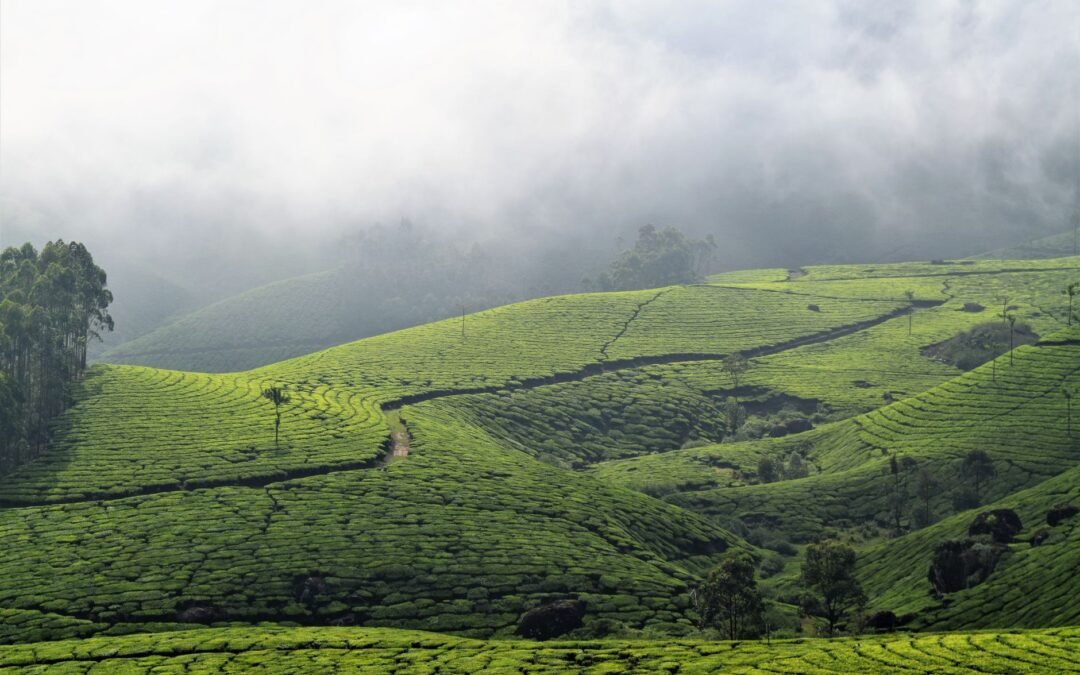
- Visit Tata Tea Museum to understand the complete history and processing of Munnar’s tea cultivation from colonial times to present day
- Book guided tea estate tours at Kolukkumalai or Lockhart Tea Factory between 8-10 AM to witness fresh tea leaf plucking and processing
- October to March offers the best weather for exploring tea gardens with clear skies and comfortable temperatures between 10-25°C
- Stay at tea estate bungalows like Windermere Estate or Tea County for authentic plantation experiences and sunrise views over tea hills
- Purchase fresh orthodox tea directly from estate factories at 30-40% lower prices than retail stores in town
- Introduction
- Quick Facts About Munnar tea gardens
- Why Visit Munnar tea gardens
- How to Reach Munnar tea gardens
- Best Time to Visit Munnar tea gardens
- Top Things to Do in Munnar tea gardens
- Where to Stay in Munnar tea gardens
- Local Food & Cuisine
- Practical Travel Tips for Munnar tea gardens
- Final Thoughts
- Frequently Asked Questions
Introduction
Nestled in the Western Ghats of Kerala, the Munnar tea gardens stand as one of India’s most breathtaking landscapes, where emerald-green carpets of tea plants cascade down misty mountains as far as the eye can see. This former summer resort of the British Raj has transformed into a pilgrimage site for tea lovers, nature enthusiasts, and anyone seeking respite from the chaos of urban India. The very air here carries the fresh, slightly astringent aroma of tea leaves, mingling with the cool mountain breeze that sweeps across valleys dotted with colonial-era bungalows and modern processing facilities.
What sets Munnar apart from other hill stations isn’t just its elevation or pleasant climate—it’s the sheer scale and beauty of its tea cultivation. Over 50,000 hectares of pristine tea estates blanket the hills, creating a mesmerizing patchwork of green that changes hue with the shifting light throughout the day. Walking through these plantations, watching skilled pluckers deftly selecting the finest two leaves and a bud, and understanding the journey from bush to cup transforms a simple vacation into an immersive cultural and agricultural experience. The region produces some of India’s finest orthodox teas, and several estates welcome visitors to witness this fascinating process firsthand.
Beyond the tea gardens themselves, Munnar offers a complete ecosystem of experiences—from wildlife sanctuaries where the endangered Nilgiri Tahr roams freely to pristine waterfalls, spice plantations, and trekking trails that reveal panoramic vistas. Whether you’re a photography enthusiast chasing the perfect golden-hour shot over undulating tea slopes, a honeymooner seeking romantic seclusion, or a family wanting to introduce children to the wonders of sustainable agriculture, Munnar’s tea gardens provide an unforgettable backdrop for memories that linger long after you’ve returned home.
Quick Facts About Munnar tea gardens
| Aspect | Details |
|---|---|
| Altitude | 1,600 meters (5,200 feet) above sea level |
| Best Time to Visit | September to May (peak: October-November and March-April) |
| Distance from Nearest City | 130 km from Kochi/Cochin, 110 km from Madurai |
| Nearest Airport | Cochin International Airport (130 km away) |
| Permits Required | No general permits; some estates require advance booking for tours (₹100-500) |
| Temperature Range | Winter: 5°C-20°C, Summer: 15°C-25°C, Monsoon: 15°C-20°C |
| Approx Budget per Day | Budget: ₹1,500-2,500, Mid-range: ₹3,000-6,000, Luxury: ₹8,000+ |
Why Visit Munnar tea gardens
The Munnar tea gardens represent more than just agricultural beauty—they’re living museums of colonial history, botanical diversity, and sustainable farming practices that have evolved over 150 years. The Tata Tea estates, Kanan Devan Hills Plantations, and Harrison Malayalam Limited collectively manage most of the region’s tea cultivation, maintaining heritage practices while incorporating modern organic and biodynamic methods. What makes these gardens truly exceptional is their integration with the natural ecosystem: they’re not monocultures but carefully managed landscapes where native shola forests border tea sections, creating wildlife corridors and maintaining biodiversity.
The visual spectacle alone justifies the journey. Unlike the manicured, flat tea gardens of Assam or the modest terraces of Darjeeling’s lower elevations, Munnar’s plantations dramatically contour across steep hillsides, creating what locals call “God’s own canvas.” The geometry of perfectly trimmed tea bushes forming concentric patterns around hilltops, interspersed with silver oak shade trees and occasional bursts of wildflowers, creates photographic opportunities that professional photographers and Instagram enthusiasts alike find irresistible. During the blooming season of the Neelakurinji flower (occurring once every twelve years, next expected in 2030), these hills transform into a purple wonderland, drawing visitors from across the globe.
But perhaps the most compelling reason to visit is the educational and sensory experience. Tea tourism here has matured beyond simple garden walks. You can participate in plucking sessions alongside Tamil workers who’ve perfected the art over generations, follow the entire processing chain from withering to rolling to oxidation, attend cupping sessions where experts teach you to discern subtle flavor notes, and purchase estate-fresh teas at factory prices. The tea museum in Munnar town chronicles the region’s transformation from wilderness to the world’s tea supplier, displaying vintage equipment, photographs, and machinery that tell stories of innovation and labor. This depth of engagement transforms passive sightseers into informed tea enthusiasts who return home with not just souvenirs but genuine appreciation for every cup they brew.

How to Reach Munnar tea gardens
By Air: Cochin International Airport (130 km away) serves as the primary gateway. From the airport, you have several options: pre-booked taxis cost ₹3,500-4,500 for a direct journey taking approximately 4 hours via NH85 through Aluva, Kothamangalam, and Adimali. This scenic route gradually ascends through rubber plantations and spice gardens before entering tea country. Several online platforms like Ola Outstation and private operators offer fixed-rate services. Alternatively, Madurai Airport (140 km) in Tamil Nadu provides another access point, with taxi fares around ₹3,800-4,800 for a 4.5-hour journey, though this route involves steeper, more winding roads.
By Train: While Munnar itself lacks railway connectivity, three stations serve as jump-off points. Ernakulam Junction (Kochi) at 130 km is the most popular, with frequent trains from major Indian cities including the Trivandrum-Delhi Rajdhani, Chennai Express, and Kerala Express. From Ernakulam, KSRTC buses depart every 30-40 minutes (₹120-180 for ordinary buses, ₹250-300 for Volvo services), taking 4.5-5 hours. Aluva Railway Station (110 km away) offers a slightly shorter journey. For those coming from Tamil Nadu, Madurai Junction (140 km) connects to Munnar via bus services operated by TNSTC (₹150-200) running four times daily.
By Road: Munnar enjoys excellent road connectivity. From Kochi, NH85 is well-maintained, though the final 40 km involves hairpin bends requiring careful driving. Private vehicles and motorcycles are popular among adventure enthusiasts—fuel stations are available at regular intervals until Adimali (25 km before Munnar). From Bangalore (470 km), the journey takes 9-10 hours via NH275 through Coimbatore and Udumalpet; several overnight sleeper buses operated by VRL, SRS, and KSRTC ply this route (₹800-1,500). From Alleppey (170 km), the 5-hour drive traverses backwater regions before ascending into the hills. Shared jeeps from Ernakulam cost ₹200-300 per person and offer a budget-friendly option, departing when full (usually 10-12 passengers).
Local Transportation: Once in Munnar, auto-rickshaws charge ₹30-50 for town trips, while hiring for full-day sightseeing costs ₹800-1,200 covering major tea estates. Motorcycle rentals (₹500-800 daily) and bicycle rentals (₹200-300 daily) provide flexibility for exploring gardens independently. Several tour operators offer packaged tours including tea factory visits at ₹1,200-2,000 per person.
Best Time to Visit Munnar tea gardens
October to November (Post-Monsoon Peak): This represents the absolute prime time for visiting Munnar’s tea gardens. The monsoon rains have rejuvenated the landscape, turning every shade of green impossibly vibrant, while the weather has cleared to provide crisp visibility. Temperatures range between 15°C-22°C during the day, perfect for plantation walks without excessive sweating. The tea bushes are lush after monsoon growth, and you’ll witness intensive plucking activity. Waterfalls flow at their most impressive volumes. However, this is peak tourist season, so accommodations fill quickly and prices escalate by 30-50%. Book at least 3-4 weeks in advance.
December to February (Winter): Winter brings Munnar’s coolest temperatures, occasionally dropping to 5°C in the early mornings, creating a misty, almost mystical atmosphere across the tea estates. The tea plants grow more slowly in cooler weather, resulting in higher quality leaves with concentrated flavors—this is when estates produce their premium grades. Visibility remains excellent for photography, and you might need light woolens, especially after sunset. Tourist crowds moderate after New Year, making mid-January through February ideal for those seeking relative solitude. This is also the best time for wildlife viewing in nearby sanctuaries, as animals descend to lower elevations seeking warmth.
March to May (Summer Season): Despite being technically summer, Munnar remains pleasantly cool (15°C-25°C) compared to the sweltering plains. The tea gardens buzz with activity as this marks a major plucking season. March and April offer the best balance of comfortable weather and moderate tourist presence. May sees a gradual increase in temperature and humidity as pre-monsoon clouds gather, but afternoon showers are brief and refreshing. This period is excellent for tea enthusiasts wanting to see high-volume processing operations and for families traveling during school holidays. Hotel rates remain reasonable until mid-May.
June to September (Monsoon): The Southwest Monsoon transforms Munnar into a rain-drenched paradise. Heavy downpours are common, sometimes causing temporary road disruptions on steep sections. However, for those willing to brave the wet weather, rewards are substantial: dramatic cloud formations rolling over tea estates, virtually no tourist crowds, hotel discounts of 40-60%, and the lush green intensity of fresh growth. The tea plants, responding to abundant water, produce rapid new flushes. Carry waterproof gear, and be prepared for indoor days. The monsoon usually reduces in intensity by mid-September, offering an excellent shoulder season opportunity.
Top Things to Do in Munnar tea gardens
Visit the Tata Tea Museum and Factory
Located in the Nallathanni Estate, this museum chronicles Munnar’s tea heritage from 1880 onwards, displaying vintage tea rollers, crude typewriters used by British supervisors, original furniture from planter bungalows, and fascinating black-and-white photographs documenting the transformation of wilderness into cultivated estates. The adjacent factory tour (₹125 per person, conducted hourly from 9 AM to 3 PM) takes you through withering troughs, CTC and orthodox processing lines, and the grading section where tea is sorted by leaf size. The highlight is the tasting session where guides explain the subtle differences between black, green, and white teas produced from the same plant, teaching you to identify notes of woodiness, floral hints, and astringency levels.
Experience Tea Plucking at Kolukkumalai Tea Estate
Situated at 2,400 meters elevation near the Tamil Nadu border, Kolukkumalai holds the distinction of being the world’s highest organic tea plantation. The journey itself—a thrilling 4×4 jeep ride (₹1,500-2,000 per vehicle) up impossibly steep dirt tracks—constitutes half the adventure. At the top, the century-old factory still uses traditional hand-rolled methods, and visitors can join pluckers in the fields, learning the “two leaves and a bud” technique that determines tea quality. The sunrise view from here, overlooking the Western Ghats with tea gardens spread like a green ocean below, ranks among India’s most spectacular vistas. Advance booking through local tour operators is essential, and expect a 5 AM departure for sunrise visits.
Walk Through Lockhart Tea Estate’s Nature Trails
This estate near Munnar town offers self-guided and guided trails (₹200 per person for guided walks) that weave through tea sections and adjacent shola forest patches. The two-hour walk educates visitors about sustainable practices: how shade trees protect tea plants from excessive sun, how natural pest management reduces chemical use, and how water conservation systems work. You’ll spot diverse birdlife including Nilgiri flycatchers, laughing thrushes, and if lucky, the Nilgiri wood pigeon. The estate’s plantation bungalow runs a small café where you can sample estate-fresh teas paired with freshly made banana fritters, offering an authentic planter’s afternoon tea experience.
Attend a Professional Tea Tasting Session
Several estates and specialized tea boutiques in Munnar offer cupping sessions (₹500-1,200 per person depending on the number of teas sampled) conducted by certified tea tasters. These educational experiences teach you to evaluate color, aroma, body, and finish using professional terminology. You’ll compare orthodox teas versus CTC grades, understand how altitude affects flavor profiles, and learn why Munnar’s high-grown teas command premium prices. The Tea County in Munnar town and Harrison Malayalam Limited’s visitor center offer excellent sessions, usually lasting 60-90 minutes, and participants receive certificates and small tea samples to take home.
Photograph the Mattupetty Dam Tea Viewpoint
This viewpoint, located 13 km from Munnar town near the Mattupetty Dam, offers perhaps the most iconic tea garden panorama. The perfectly manicured estates sweep down to the reservoir’s blue waters, with the Anamudi peak (South India’s highest at 2,695 meters) forming a dramatic backdrop. Early morning (6:30-8:00 AM) provides the best light, when mist rises from the valleys and the first rays illuminate the tea rows in golden relief. The adjacent Indo-Swiss dairy farm (₹20 entry) adds a unique element—grazing cows against tea garden backdrops. Several photography workshops and tours specifically visit this location, and local guides can direct you to lesser-known vantage points away from the main tourist crowds.
Visit the Tea Gardens During Harvest Season
To witness Munnar’s tea estates in full operational mode, time your visit during peak plucking periods (March-April and September-October). The estates come alive with hundreds of workers, predominantly Tamil women in colorful saris, moving through the rows with remarkable speed and precision. Each plucker carries wicker baskets strapped to their backs, filling them with 30-40 kilograms of leaves daily—the finest pluckers manage up to 50 kilograms. Most estates welcome respectful observers (maintain distance, don’t interrupt work, and ask permission before photographing people). The weighing stations where leaves are measured and recorded, the transportation to factories on mini-trucks loaded precariously high, and the collective energy of harvest season provide authentic glimpses into the human dimension of tea production.

Where to Stay in Munnar tea gardens
Budget Options (₹800-2,000 per night): Zina Cottages near Old Munnar offers clean rooms starting at ₹900, with basic amenities and a restaurant serving Kerala meals. Dew Drops Munnar (₹1,200-1,600) provides excellent value with mountain views and helpful staff who arrange tea estate visits. Tea Valley Resort (₹1,500-2,000) sits amidst tea plantations outside town, offering genuine plantation ambiance at budget prices. Zostel Munnar (₹600-800 for dorm beds, ₹2,000-2,500 for private rooms) caters to backpackers with a social atmosphere, organized treks, and a café serving international cuisine. Most budget properties include breakfast, though AC comes at a premium.
Mid-Range Properties (₹3,000-7,000 per night): Windermere Estate (₹4,500-6,000) is a working tea estate offering colonial-style cottages, guided plantation walks, and tea-tasting sessions as part of the package. Tea County Munnar (₹3,500-5,000) in town provides convenient access while maintaining plantation charm, with well-appointed rooms and an excellent multi-cuisine restaurant. Kaivalyam Retreat (₹5,000-7,000) blends wellness with tea tourism, offering yoga sessions overlooking tea estates, Ayurvedic spa treatments, and organic meals featuring estate-grown ingredients. Blanket Hotel & Spa (₹4,000-6,000) near Bison Valley offers cozy rooms with fireplaces—perfect for winter visits—and a restaurant specializing in Kerala Syrian Christian cuisine.
Luxury & Splurge (₹8,000-25,000+ per night): The Tall Trees Resort (₹9,000-14,000) offers luxury cottages spread across a private estate, with private balconies overlooking tea gardens, a spa, and personalized tea estate tours. Fragrant Nature Munnar (₹12,000-18,000) provides all-inclusive packages with plantation tours, cultural performances, and gourmet dining featuring local ingredients. Niraamaya Retreats Cardamom Club (₹18,000-25,000) represents the pinnacle of tea estate luxury—a heritage property set in 100 acres of cardamom and tea, with private pool villas, butler service, and exclusive access to plantation areas closed to regular visitors. The Windflower Resort & Spa (₹10,000-15,000) offers contemporary luxury with traditional Kerala architecture, an infinity pool overlooking valleys, and an award-winning restaurant.
Homestays & Plantation Bungalows: For authentic experiences, consider homestays like Rosewood Plantation Homestay (₹2,500-3,500) run by a planter family offering home-cooked meals and insider tea knowledge, or Sienna Village (₹3,000-4,500) where hosts organize customized tea estate visits. Several estates rent out heritage bungalows—contact Kanan Devan Hills Plantations or Harrison Malayalam Limited directly for options, typically ranging from ₹8,000-15,000 with catering services available.
Local Food & Cuisine
Munnar’s culinary landscape reflects its multicultural heritage—Kerala Syrian Christian dishes, Tamil vegetarian specialties from estate workers’ communities, and Anglo-Indian fare from colonial times. Appam with Stew represents a breakfast staple: lacy rice pancakes with crispy edges and soft centers, served with a creamy vegetable or meat stew fragrant with coconut milk, ginger, and curry leaves. Puttu and Kadala Curry is another morning favorite—steamed cylinders of ground rice layered with coconut, paired with spicy black chickpea curry that provides protein-rich energy for plantation work. Malabar Parotta with Beef Fry appears on most dinner menus: flaky, layered flatbread served with tender beef slow-cooked with shallots, curry leaves, and roasted spices—a dish brought by Tamil Muslim communities. Ela Ada, a traditional sweet, features rice flour dough filled with jaggery-sweetened coconut and cardamom, wrapped in banana leaves and steamed—perfect with afternoon tea.
Saravana Bhavan near the town center serves authentic South Indian vegetarian meals with thalis (₹120-180) offering unlimited refills, crispy dosas (₹60-100), and excellent filter coffee (₹30). Rapsy Restaurant on Bazaar Road is a local institution serving both vegetarian and non-vegetarian Kerala dishes; their beef curry (₹150), chicken masala (₹140), and Kerala parotta combo (₹160) draw both tourists and locals. SN Restaurant remains open late, offering budget-friendly meals (₹80-150), particularly good biryani and fried rice options. Guru’s Restaurant at Chithirapuram specializes in Kerala Syrian Christian cuisine—try their duck roast (₹280), fish moilee (₹240), or vegetable ishtu (₹120), all served with appam or rice.
For international palates, Cloud Street offers wood-fired pizzas (₹280-450), continental dishes, and an extensive tea menu sourcing directly from local estates. Copper Castle provides multi-cuisine options including Chinese, Continental, and North Indian, with most mains ranging ₹200-400. Don’t miss the small tea shops dotting the town where locals gather for chai (₹10-15) and banana fritters (₹20)—Munnar town’s Municipal Market area has several excellent examples offering authentic atmosphere.
Many upscale resorts offer elaborate traditional Sadhya (Kerala feast on banana leaves) with advance notice (₹500-800 per person), featuring 25-30 dishes including sambar, avial, thoran, olan, and multiple payasams for dessert. Tea estate tours often conclude with tea-pairing sessions where delicate cucumber sandwiches, local banana chips, and coconut cookies accompany different tea varieties—a lovely colonial tradition that continues.

Practical Travel Tips for Munnar tea gardens
Permits and Entry Fees: The tea gardens themselves are private property, and while roads pass through estates allowing viewing, entering plantation areas typically requires permission. Major estates like Kanan Devan offer organized tours (₹250-500 per person) including guided walks and factory visits—book online or through hotels. Kolukkumalai requires advance booking through authorized tour operators (₹1,500-2,000 per vehicle). Eravikulam National Park, adjacent to tea estates and essential for Nilgiri Tahr viewing, charges ₹125 for Indians and ₹560 for foreigners, with advance online booking recommended during peak seasons. No special permits are needed for Munnar town or general sightseeing, but photography permits for commercial shoots in estates require formal application to plantation companies.
Mobile Network and Connectivity: BSNL and Jio provide the most reliable coverage in Munnar and surrounding tea estates, while Airtel and Vi have moderate connectivity in town but weaken in remote plantation areas. Major hotels offer WiFi, though speeds can be inconsistent. Consider purchasing a local SIM card if visiting from abroad—BSNL’s prepaid services work best in hilly regions. Internet cafes near the town center charge ₹30-50 per hour. Carry downloaded maps as GPS can be unreliable on mountain roads.
ATMs and Banking: Federal Bank, State Bank of India, and South Indian Bank have ATMs in Munnar town center that generally remain stocked, though cash can run low on weekends and holidays. Most hotels and larger restaurants accept cards, but tea estate tours, small eateries, and auto-rickshaws operate on cash. Carry sufficient currency from larger cities, as the nearest banking alternatives are 40-50 km away. Several hotels offer money exchange for foreign currencies at reasonable rates.
Medical Facilities: Government Hospital Munnar provides basic emergency services, and several private clinics operate in town, including Dr. John’s Medical Center and Mount Zion Hospital. For serious medical situations, the nearest major facility is Tata Tea General Hospital in Kanan Devan Hills, which serves estate workers but accepts emergency cases. Well-stocked pharmacies line Bazaar Road. Carry personal medications, as specific brands may be unavailable. Altitude sickness is rare at Munnar’s elevation but stay hydrated. The cool climate can aggravate respiratory conditions—carry appropriate medications if susceptible.
What to Pack: Light woolens or jackets are essential year-round for mornings and evenings when temperatures drop significantly. Comfortable walking shoes with good grip are necessary for plantation trails—the terrain can be slippery after rain. Waterproof jackets and umbrellas prove essential during monsoon (June-September) and useful other months for sudden showers. Sun protection including hats, sunglasses, and sunscreen is vital at this altitude where UV exposure intensifies. Binoculars enhance wildlife viewing and allow detailed observation of distant plantation operations. Reusable water bottles reduce plastic waste—several hotels offer free refills. Bring a light daypack for carrying essentials during estate walks.
Safety Considerations: Munnar is generally very safe with low crime rates, but exercise normal precautions—don’t flash expensive jewelry or cameras unnecessarily. Mountain roads require careful driving—hairpin bends are frequent, and drivers accustomed to plains may find the terrain challenging. Hire experienced local drivers if uncomfortable. Leeches appear during monsoon months in forested areas and plantations—salt or tobacco repels them, and most hotels provide leech socks. Avoid venturing into tea estates at night without permission—elephants occasionally cross from nearby forests, and private property concerns exist. Respect plantation workers—ask permission before photographing people, and don’t interrupt their work. Swimming in estate reservoirs is generally prohibited due to safety concerns.
Responsible Tourism Practices: Support local communities by purchasing tea directly from estates rather than middlemen—prices are often better, and money reaches producers. Several cooperatives run by women’s self-help groups sell organic teas and spices—look for these outlets near town. Minimize plastic use as Munnar’s waste management struggles with tourist volume; carry reusable bags and bottles. Stay on marked trails in tea estates to avoid damaging plants. The pesticide-free organic sections require particular care—don’t introduce contaminants. Respect working hours; estates typically discourage visitors during early morning plucking operations when workers focus on productivity. Consider volunteering opportunities—some homestays connect visitors with local schools and community projects. Tipping guides and plantation workers who enhance your experience is appreciated (₹100-200 for guides, ₹50-100 for individual assistance).
Final Thoughts
The Munnar tea gardens represent more than a scenic destination—they embody a living tradition where human enterprise and natural beauty have achieved remarkable harmony over more than a century. Walking through these endless green expanses, breathing air perfumed with tea and eucalyptus, watching skilled hands pluck leaves that will eventually steep in cups across the world, you connect with a profound narrative about sustainability, perseverance, and the simple pleasures that transcend our increasingly digital lives. Whether you’re sipping estate-fresh tea while watching mist weave through valleys, learning the subtle art of tea tasting from fourth-generation planters, or simply absorbing the visual poetry of geometric patterns flowing across mountain slopes, Munnar offers transformative experiences that linger in memory far longer than typical tourist attractions.
As you plan your journey to these magnificent tea gardens, remember that the best experiences often arise from slowing down—taking that extra hour to walk deeper into an estate, conversing with workers about their craft, returning to a favorite viewpoint at different times of day to capture changing light. Munnar rewards the curious traveler who seeks beyond Instagram moments to genuine understanding. So pack those woolens, charge your cameras, and prepare for a journey into the heart of India’s tea country where every cup tells a story and every hillside reveals another shade of green. The Munnar tea gardens await, ready to steep you in their timeless beauty and profound tranquility.
- Visit Kolukkumalai Tea Estate before 6 AM for sunrise jeep safari – world’s highest organic tea plantation at 7,900 feet with panoramic views of Tamil Nadu plains
- Stop at roadside tea stalls between Mattupetty and Top Station where local workers sell fresh cardamom tea at ₹10 per cup with authentic flavor
- Book factory visits on weekdays only as most tea processing units remain closed on Sundays and don’t operate during afternoon hours post 2 PM
- Carry a light jacket even in summer months as tea garden regions sit 5,000+ feet above sea level with temperatures dropping 8-10 degrees lower than town
- Download offline maps of tea estate routes as mobile networks are weak in remote plantation areas like Vagavurrai and Letchmi Estate regions
Frequently Asked Questions about Munnar tea gardens
The best time to visit Munnar tea gardens is from September to May, with peak seasons being October-November and March-April. During these months, the weather is pleasant with clear skies, making it ideal for exploring the tea plantations and enjoying panoramic views of the emerald-green landscapes.
Munnar tea gardens are located approximately 130 km from Cochin International Airport, which is the nearest airport. The journey typically takes around 4-5 hours by road through scenic mountain routes.
No general permits are required to visit Munnar tea gardens. However, some individual tea estates require advance booking for guided tours, which typically cost between ₹100-500 per person.
Munnar tea gardens are situated at an altitude of 1,600 meters (5,200 feet) above sea level in the Western Ghats of Kerala. This elevation contributes to the cool climate and ideal conditions for tea cultivation.
Munnar experiences pleasant weather year-round with winter temperatures ranging from 5°C-20°C, summer temperatures between 15°C-25°C, and monsoon season temperatures around 15°C-20°C. The cool mountain climate makes it a perfect escape from India’s heat.
The daily budget for visiting Munnar varies by travel style: budget travelers can expect to spend ₹1,500-2,500, mid-range travelers ₹3,000-6,000, and luxury travelers ₹8,000 or more per day. This covers accommodation, meals, transport, and tea estate tours.