
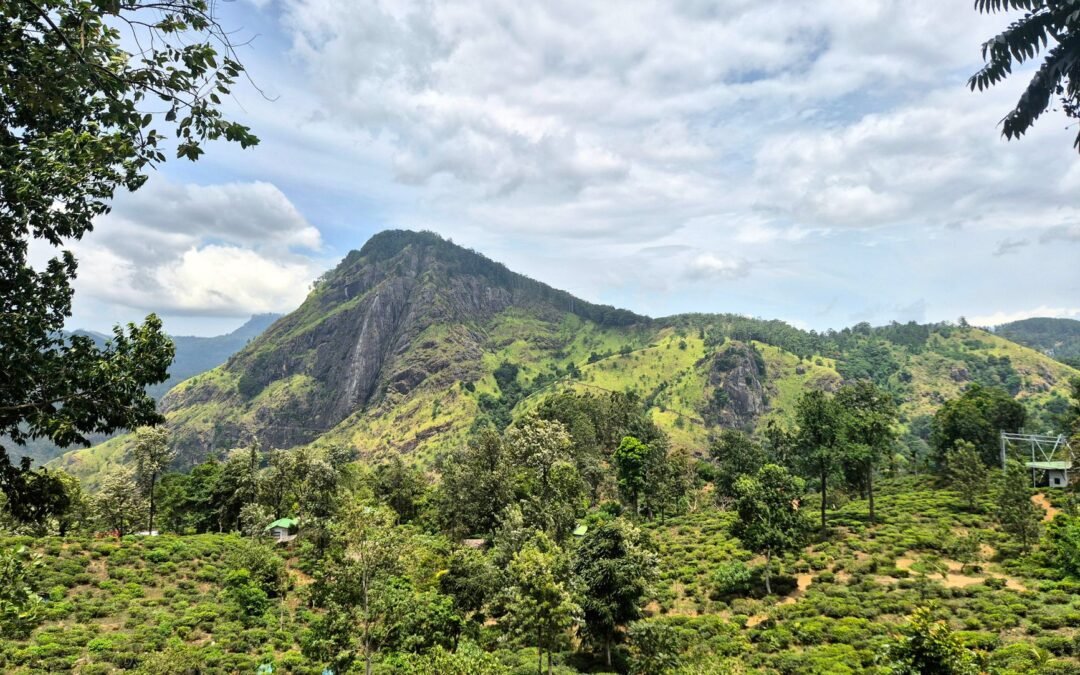
- Ella is best reached by the scenic train journey from Kandy or Nuwara Eliya, considered one of the world’s most beautiful train rides through tea plantations.
- The ideal time to visit Ella is January to March for dry weather, though the green season (April-September) offers lush landscapes with occasional rain.
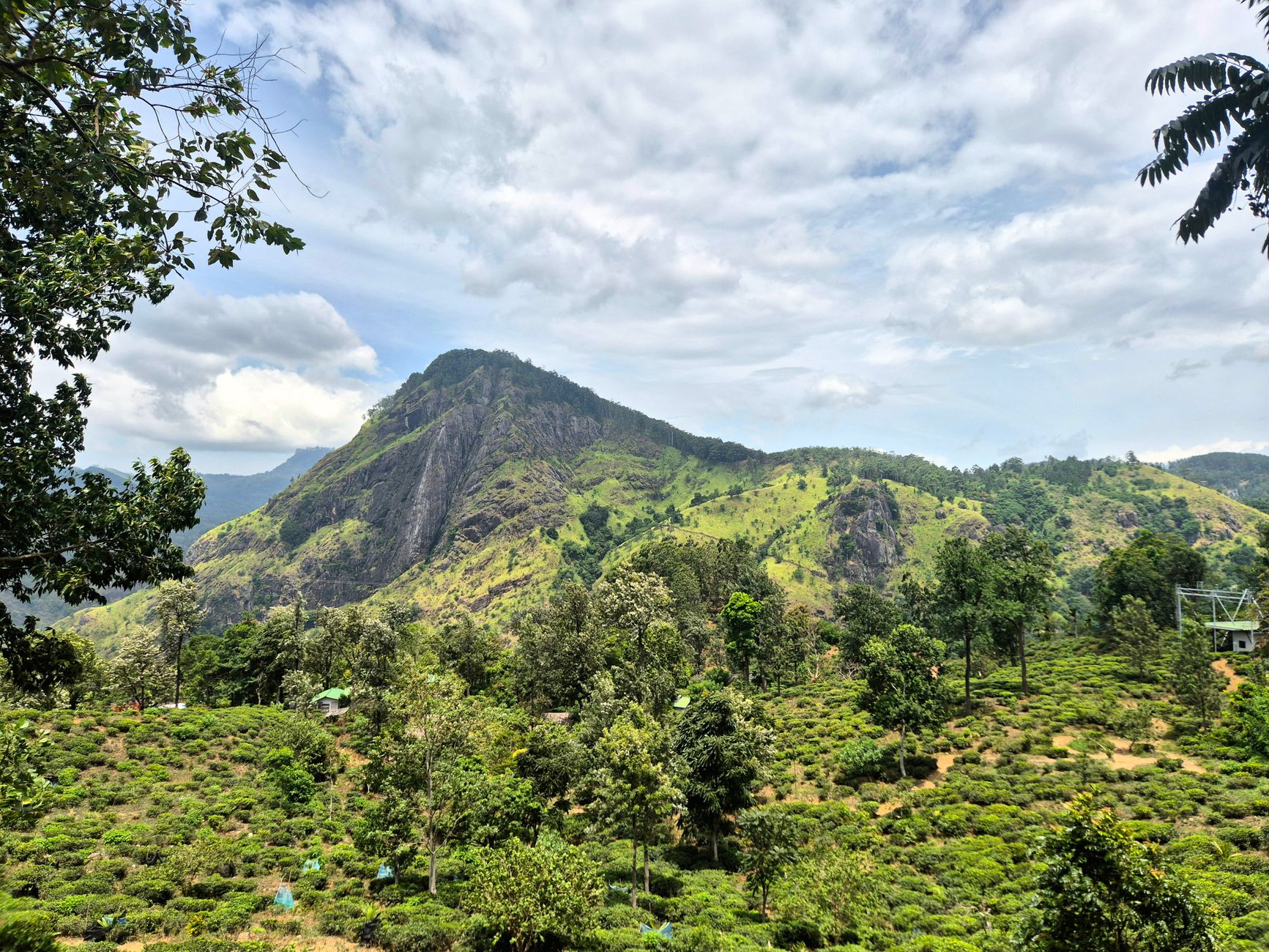
- Little Adam’s Peak and Ella Rock are must-do hikes offering panoramic views, taking 1-2 hours each and suitable for most fitness levels.
- Nine Arch Bridge is best photographed early morning (6-7 AM) or late afternoon to avoid crowds and catch trains passing through.
- Budget accommodation and food in Ella are excellent value, with guesthouses from $10-30/night and meals under $5 at local spots.
Introduction
Nestled in the misty highlands of Sri Lanka’s central province, Ella is a small mountain town that has captured the hearts of travelers from across the globe. This enchanting hill station, perched at an elevation of 1,041 meters above sea level, offers a perfect blend of natural beauty, colonial-era charm, and adventure activities that make it one of the island nation’s most sought-after destinations. With its emerald-green tea plantations cascading down mountainsides, dramatic cliff faces, and the iconic Nine Arch Bridge framing postcard-perfect photographs, Ella has transformed from a quiet railway town into a vibrant hub for backpackers, honeymooners, and nature enthusiasts alike.
What sets Ella apart from other hill stations in South Asia is its remarkable accessibility combined with an intimate, village-like atmosphere. Unlike the crowded tourist hubs of Nuwara Eliya or Kandy, this compact town retains its laid-back charm despite growing popularity. The main street can be walked end-to-end in fifteen minutes, yet the surrounding landscape offers weeks’ worth of exploration—from sunrise hikes to hidden waterfalls, from organic tea factory tours to thrilling train journeys through cloud-covered valleys. The cool mountain climate provides welcome respite from Sri Lanka’s tropical heat, while the local community’s warm hospitality ensures visitors feel genuinely welcomed rather than merely tolerated.
For Indian travelers familiar with destinations like Ooty or Munnar, Ella offers fascinating parallels with distinct Sri Lankan character. International visitors will find English widely spoken, excellent tourism infrastructure, and a dining scene that ranges from authentic Sri Lankan curry houses to cosmopolitan cafes serving everything from Israeli shakshuka to Korean bibimbap. Whether you’re seeking adventure, tranquility, Instagram-worthy landscapes, or cultural immersion, Ella delivers on all fronts while maintaining the authentic character that makes it genuinely special.
Quick Facts About Ella
| Aspect | Details |
|---|---|
| Altitude | 1,041 meters (3,415 feet) above sea level |
| Best Time to Visit | January to March and July to September |
| Distance from Nearest City | 200 km from Colombo, 44 km from Badulla |
| Nearest Airport | Bandaranaike International Airport, Colombo (230 km) |
| Permits Required | None for entry; some attractions require entry fees |
| Temperature Range | 15°C to 25°C year-round |
| Approx Budget per Day | Budget: LKR 3,000-5,000 (USD 10-17) | Mid-range: LKR 8,000-15,000 (USD 27-50) | Luxury: LKR 20,000+ (USD 65+) |
Why Visit Ella
Ella’s unique appeal lies in its extraordinary concentration of natural wonders within a remarkably compact area. Within a radius of just 5 kilometers, you can witness some of Sri Lanka’s most iconic landscapes: the gravity-defying Nine Arch Bridge where trains glide through jungle-covered arches, the dramatic 1,200-meter drop of Ella Gap offering panoramic views across the southern lowlands, and Little Adam’s Peak—a beginner-friendly hike through tea estates that rewards climbers with 360-degree mountain vistas. This density of attractions means travelers can experience multiple adventures in a single day without exhausting travel times.
The town serves as a living museum of Sri Lankan railway heritage. The train journey from Kandy to Ella, consistently ranked among the world’s most scenic rail routes, traverses 290 kilometers through nine provinces, crossing 46 tunnels and 82 bridges. Passengers hang from open doorways (a local tradition, though officially discouraged) watching tea pickers with baskets on steep hillsides, waterfalls tumbling beside the tracks, and cloud formations rolling through valleys like slow-motion ocean waves. The British colonial-era railway infrastructure remains operational, creating a romantic, time-capsule quality that photographers and railway enthusiasts particularly cherish.
Beyond scenery, Ella offers genuine cultural immersion opportunities. The town’s small size means repeat interactions with the same shopkeepers, guesthouse owners, and tuk-tuk drivers, fostering authentic connections rather than transactional tourism. Visitors can participate in tea-plucking demonstrations at working plantations, learn traditional Sri Lankan cooking from local families, or join Buddhist meditation sessions at nearby temples. The agricultural calendar still governs local life—you’ll see farmers tending paddy fields using methods unchanged for centuries, while village markets overflow with exotic fruits like rambutan, woodapple, and mangosteen. This combination of accessibility and authenticity makes Ella uniquely approachable for first-time visitors to Sri Lanka while offering depth for those seeking meaningful cultural exchanges.

How to Reach Ella
By Train: The most recommended and scenic option is the train from Kandy to Ella, a 6-7 hour journey covering 124 kilometers through tea country. Second-class reserved seats cost approximately LKR 300-400 (USD 1-1.30), while third-class tickets cost around LKR 150-200 (USD 0.50-0.65). First-class observation cars are available but must be booked weeks in advance, especially during peak season. Trains depart Kandy multiple times daily, with the morning departures (8:47 AM and 11:10 AM) offering the best lighting for photography. From Colombo Fort, direct trains to Ella take 9-10 hours, covering approximately 280 kilometers. The Podi Menike and Udarata Menike express trains are recommended options.
By Bus: Direct buses run from Colombo to Ella (approximately LKR 700-900 or USD 2.30-3 for government buses; LKR 1,500-2,000 or USD 5-6.50 for private air-conditioned coaches), taking 8-10 hours depending on traffic and road conditions. From Kandy, buses take 4-5 hours and cost LKR 400-600 (USD 1.30-2). While cheaper than trains, buses offer less scenic viewing and can be uncomfortable on winding mountain roads. Local buses from nearby towns like Nuwara Eliya (2.5 hours, LKR 250-350 or USD 0.80-1.15) and Haputale (1 hour, LKR 100-150 or USD 0.30-0.50) provide convenient connections for those exploring the hill country.
By Private Vehicle: Hiring a private car with driver from Colombo costs LKR 12,000-18,000 (USD 40-60) depending on vehicle type and bargaining skills. The 200-kilometer journey takes 5-6 hours via the A1 and A5 highways. From Kandy (90 kilometers), expect to pay LKR 6,000-9,000 (USD 20-30) for approximately 3 hours of driving. Private transport offers flexibility for stopping at attractions like Ramboda Falls or Mackwoods Tea Factory en route. Shared taxis and tuk-tuks can be arranged from nearby towns at negotiated rates.
By Air: While Ella has no airport, helicopter transfers can be arranged from Colombo for approximately USD 800-1,200, reducing travel time to 45 minutes. The nearest airstrip is Dickwella (90 kilometers south), mainly serving private charters. For most travelers, the train journey is considered an essential part of the Ella experience rather than an obstacle to overcome.
Best Time to Visit Ella
January to March: This period represents Ella’s peak season with dry, clear weather ideal for hiking and photography. Daytime temperatures range from 20-24°C, with cool nights dropping to 15°C. Visibility is excellent for enjoying Ella Gap views and photographing distant landscapes. However, accommodation prices increase by 30-50%, and popular sites like Nine Arch Bridge can feel crowded, especially during midday. Book trains and guesthouses at least 2-3 weeks in advance. Despite crowds, this remains the most reliable weather window for outdoor activities.
April to June: Inter-monsoon period bringing occasional afternoon showers, but still generally pleasant. April can be particularly hot before rains arrive. May and June see fewer tourists, resulting in better accommodation deals (20-30% discounts) and quieter trails. Morning hikes are usually rain-free, with clouds building by late afternoon. The landscape is lush and green, waterfalls flow strongly, and tea estates are particularly vibrant. This represents excellent value for travelers willing to accept occasional wet afternoons.
July to September: The southwest monsoon affects Ella less severely than coastal regions, making this another favorable visiting period. Mornings typically offer clear conditions, with mist and light rain possible in afternoons. This is also peak season for European summer holidaymakers, so book accommodations in advance. Temperatures remain comfortable (18-23°C), and the dramatic cloud formations rolling through valleys create atmospheric photography opportunities. Tea harvesting is active during these months, offering authentic plucking demonstrations.
October to December: The northeast monsoon brings Ella’s wettest period, with heavy rains particularly in October and November. December sees conditions improve toward year-end. Budget travelers appreciate this off-season for rock-bottom accommodation rates (up to 50% off peak prices) and virtually empty attractions. However, hiking can be dangerous on slippery trails, leeches are abundant in forests, and train journeys offer limited visibility through rain-streaked windows. Some smaller guesthouses and restaurants close temporarily. This period suits travelers prioritizing budget over weather, or those content with indoor activities and short walks between rain showers.
Top Things to Do in Ella
Hike to Ella Rock
This challenging 8-kilometer round-trip hike takes 3-4 hours and climbs to 1,348 meters elevation, offering the region’s most spectacular panoramic views. The trail begins from Ella town, initially following railway tracks before branching into pine forests and tea plantations. Early morning starts (by 6 AM) are essential for clear visibility before clouds obscure the vista. The final ascent involves steep, rocky sections requiring reasonable fitness. At the summit, you’ll see Ella Gap, Ravana Falls, and on exceptionally clear days, the southern coast 60 kilometers away. Hiring a local guide costs LKR 1,500-2,500 (USD 5-8) and helps navigate confusing trail junctions, though many travelers successfully self-navigate using offline maps like Maps.me.
Nine Arch Bridge Photography and Train Spotting
This engineering marvel, built entirely from stone, brick, and cement without steel during British colonial rule, stands 24.5 meters high and 91 meters long. Located 2 kilometers from Ella town center (a pleasant 30-minute walk through tea estates), the bridge is best photographed when trains cross—typically around 9:30 AM, 11:45 AM, and 3:30 PM, though schedules vary. Arriving an hour early secures prime viewing positions on surrounding hillsides. The walk from town passes through working tea plantations where photography is welcome, and small cafes near the bridge serve fresh king coconut water (LKR 100-150 or USD 0.30-0.50) and snacks while you wait for trains.
Little Adam’s Peak Trek
Named for its resemblance to Sri Lanka’s sacred Adam’s Peak but requiring a fraction of the effort, this 4-kilometer round-trip hike is accessible for all fitness levels. The well-maintained path winds through Uva Halpewatte tea plantation, with interpretive signs explaining tea cultivation. The 1,141-meter summit, reached in 45-60 minutes of gentle climbing, offers 360-degree views including Ella Rock, Ravana Falls, and endless tea-covered hills. Sunrise (around 6 AM) and late afternoon (4-5 PM) provide the best lighting and temperatures. There’s no entrance fee, and the trailhead begins right from Ella town’s main street, making it perfect for a spontaneous adventure.
Ravana Falls and Cave Exploration
Located 6 kilometers from Ella along the Wellawaya Road, this 25-meter waterfall is named after the legendary demon king from the Ramayana epic. The main falls are visible roadside, accessible within minutes from where buses or tuk-tuks drop passengers (LKR 200-300 or USD 0.65-1 from town). During rainy season, the cascade becomes thunderous and spectacular; in dry months it reduces to a modest flow. The associated Ravana Cave, a 500-meter climb up steep stairs, allegedly served as King Ravana’s hideout where he held Princess Sita captive. The cave requires moderate fitness to access, with entry costing LKR 500 (USD 1.60). Monkey populations around the falls can be aggressive—secure all bags and avoid displaying food.
Tea Factory Tours at Halpewatte or Uva Halpewatte
Understanding Ceylon tea production transforms abstract knowledge into sensory experience. The Halpewatte Tea Factory, operating since 1940, offers guided tours (LKR 250-400 or USD 0.80-1.30) explaining the complete process from fresh leaf to packaged product. Visitors observe withering, rolling, oxidation, and drying stages while inhaling the intoxicating aroma of processing tea. The tour culminates in tastings of different grades—from premium silver tips to robust BOP (Broken Orange Pekoe). Factory shops sell tea at lower prices than Colombo airport (LKR 500-2,000 or USD 1.60-6.50 per 100 grams depending on grade). Tours run throughout working hours (8 AM-5 PM), but mornings offer the most active production viewing. Photography is permitted in most areas.
Cooking Classes and Cultural Experiences
Several guesthouses and dedicated culinary schools offer half-day cooking classes (LKR 3,000-5,000 or USD 10-16 per person) teaching authentic Sri Lankan cuisine preparation. Classes typically include market visits to purchase fresh ingredients, instruction in preparing 4-6 dishes (rice and curry variations, hoppers, kottu roti, sambols), and shared meals enjoying the fruits of your labor. Learning to temper spices, prepare coconut milk from fresh coconuts, and balance the complex flavors of Lankan cuisine provides valuable skills and cultural insights. Some programs include traditional palm-leaf weaving demonstrations or visits to local villages, creating meaningful interactions beyond typical tourist experiences.
Where to Stay in Ella
Budget (LKR 1,500-3,500 or USD 5-12 per night): Ella has numerous backpacker-friendly options offering basic comfort at bargain prices. Zion View Homestay provides clean rooms with stunning valley views from LKR 2,000 (USD 6.50), including breakfast and genuine family hospitality. Dream Cafe & Guesthouse combines budget accommodation (LKR 2,500-3,000 or USD 8-10) with an excellent rooftop cafe serving Western and Sri Lankan fare. Freedom Hostel offers dormitory beds from LKR 1,500 (USD 5) and private rooms from LKR 2,800 (USD 9), with a social atmosphere perfect for meeting fellow travelers. Most budget properties include breakfast, hot water, and WiFi, though air conditioning is rare at this price point—unnecessary given Ella’s naturally cool climate.
Mid-Range (LKR 5,000-12,000 or USD 16-40 per night): This category offers significantly enhanced comfort and amenities. Ella Flower Garden Resort features spacious bungalows with private balconies overlooking tea plantations from LKR 6,500 (USD 21). Mountain Heavens provides modern rooms with exceptional valley views, infinity pool access, and multi-cuisine restaurant from LKR 8,500 (USD 28). 98 Acres Resort & Spa, technically upper mid-range at LKR 11,000-12,000 (USD 36-40), offers luxury-standard chalets scattered across a working tea estate with nature trails, spa services, and farm-to-table dining. These properties typically include breakfast, airport transfers (negotiable), and tour booking assistance.
Splurge (LKR 15,000-35,000+ or USD 50-115+ per night): Ella’s luxury options provide world-class comfort in spectacular settings. Nine Skies Ella showcases contemporary Sri Lankan architecture with floor-to-ceiling windows framing Ella Gap, infinity pools, and gourmet restaurants from LKR 18,000 (USD 60). Oakray Ella Gap combines colonial elegance with modern amenities, private balconies, and attentive service from LKR 16,500 (USD 54). Ambiente Wellness Resort caters to wellness-focused travelers with yoga pavilions, Ayurvedic spa treatments, and organic cuisine from LKR 22,000 (USD 72). For ultimate luxury, Rockside Cabanas offers secluded chalets perched on cliff edges with private plunge pools and personalized butler service from LKR 32,000 (USD 105). Advance booking is essential during peak season, as Ella’s best properties fill quickly.
Local Food & Cuisine
Rice and Curry: The quintessential Sri Lankan meal consists of red or white rice surrounded by numerous small dishes—dhal curry, tempered vegetables, pol sambol (coconut relish), papadum, and your choice of meat, fish, or jackfruit curry. The combination creates a complex flavor profile balancing spicy, sour, sweet, and savory notes. Unlike Indian curries, Lankan versions incorporate coconut milk, curry leaves, pandan, and goraka (tamarind alternative) for distinctive taste. Portion sizes are generous, and meals typically cost LKR 450-800 (USD 1.50-2.60) at local restaurants. Matey Hut serves excellent authentic rice and curry from LKR 500 (USD 1.60), while Café Chill offers slightly upscale versions at LKR 750 (USD 2.50) in a more tourist-friendly setting.
Kottu Roti: This street food favorite involves chopped roti bread stir-fried with vegetables, eggs, and optional meat, seasoned with curry spices and soy sauce. The rhythmic clanging of metal spatulas chopping ingredients on hot griddles creates Ella’s evening soundtrack. Portions are substantial and filling, costing LKR 400-700 (USD 1.30-2.30) depending on protein choice. AK Ristoro prepares exceptional vegetable and cheese kottu (LKR 450 or USD 1.50), while late-night vendors near the train station offer authentic versions until midnight. The dish is inherently spicy—request “mild” if you’re sensitive to heat.
Hoppers (Appa): These bowl-shaped fermented rice flour pancakes come plain or with an egg cracked into the center during cooking. The edges crisp to lacy perfection while centers remain soft. String hoppers (steamed rice noodle nests) serve as breakfast staples, typically accompanied by sambol and curry. Breakfast sets with 2-3 hoppers, sambol, and dhal cost LKR 250-400 (USD 0.80-1.30). Ella Spice Garden serves excellent hopper breakfasts from LKR 300 (USD 1) from 7-10 AM. Milk hoppers, cooked with coconut milk and jaggery for sweet versions, make excellent desserts at LKR 100-150 (USD 0.30-0.50) each.
Fresh Tropical Fruits and King Coconut: Ella’s climate produces exceptional fruits—bananas (dozens of local varieties), passion fruit, woodapples, mangosteen, and rambutans depending on season. Fresh fruit salads with curd (buffalo yogurt) and kitul treacle (palm honey) cost LKR 350-500 (USD 1.15-1.60). King coconut water, served straight from bright orange coconuts, provides natural electrolyte replenishment after hikes for LKR 100-200 (USD 0.30-0.65). Vendors along the main street prepare takeaway fruit salad cups, perfect for trail snacks.
Recommended Dining Venues: Café Chill offers the town’s most extensive menu spanning Sri Lankan, Indian, Chinese, and Western cuisine with mains from LKR 750-1,400 (USD 2.50-4.60) and exceptional Ella Rock views from the terrace. Ravana Pool Café combines good food (rice and curry LKR 600 or USD 2, pasta LKR 900 or USD 3) with pool access included in meal prices—perfect for post-hike refreshment. Jade Green Restaurant specializes in vegetarian and vegan options with creative fusion dishes from LKR 650-1,200 (USD 2.15-4). For budget travelers, Curry Boat serves generous portions of authentic food at local prices (LKR 400-600 or USD 1.30-2). Cafe One Love makes fresh bagels, smoothie bowls, and excellent coffee (LKR 300-700 or USD 1-2.30), providing Western breakfast options when you need a break from rice and curry.

Practical Travel Tips for Ella
Permits and Entry Fees: No special permits are required to visit Ella itself. Individual attractions charge modest entry fees: Ravana Cave costs LKR 500 (USD 1.60), while hiking trails like Ella Rock and Little Adam’s Peak are free. Tea factory tours range from LKR 250-400 (USD 0.80-1.30). Some viewpoints on private property may request small donations (LKR 100-200 or USD 0.30-0.65). Always carry small denominations for these transactions as change availability can be limited.
Mobile Network Coverage: Dialog and Mobitel provide excellent 4G coverage throughout Ella and surrounding hiking areas. Tourist SIM cards are available at Colombo airport and the small Dialog shop on Ella’s main street. Expect to pay LKR 1,000-1,500 (USD 3.30-5) for a SIM with 10-15GB data and calling credit sufficient for most trips. Airtel and Hutch offer slightly cheaper alternatives with comparable coverage. Most guesthouses and cafes provide free WiFi, though speeds vary significantly.
ATM and Money: Two ATMs serve Ella—a Commercial Bank ATM near the train station and a Bank of Ceylon ATM on the main street. Both accept international cards (Visa, Mastercard) with withdrawal fees around LKR 500-600 (USD 1.60-2) per transaction. Daily limits are typically LKR 50,000 (USD 165). ATMs sometimes run empty during peak season weekends, so withdraw cash when available. Many guesthouses, restaurants, and tuk-tuk drivers accept only cash—budget at least LKR 5,000 (USD 16) daily cash for meals and local transport. Some mid-range and luxury hotels accept cards, though 3-4% surcharges are common.
Medical Facilities: The Ella Base Hospital provides basic medical care for minor issues with English-speaking staff. For serious medical emergencies, Badulla General Hospital (45 kilometers, approximately 1.5 hours) offers more comprehensive facilities. Several small pharmacies along the main street stock common medications for headaches, stomach issues, and basic first aid supplies. Bring prescription medications from home, as specific brands may be unavailable. Private medical clinics operate during limited hours—ask your guesthouse for current schedules and contact numbers.
What to Pack: Layer clothing for temperature variations—mornings and evenings can be surprisingly cool (15-18°C) while midday sun feels warm. Bring sturdy hiking shoes with good tread for wet, rocky trails, light rain jacket regardless of season, sunscreen (UV radiation is strong at altitude), insect repellent containing DEET for leeches and mosquitoes, and a headlamp for early morning hikes or evening walks on poorly lit paths. A reusable water bottle reduces plastic waste—most guesthouses provide filtered water for refills. Modest clothing is appreciated when visiting temples (covered shoulders and knees required).
Safety Considerations: Ella is remarkably safe with minimal crime affecting tourists. However, exercise normal precautions: don’t display expensive jewelry or electronics conspicuously, secure valuables in guesthouse lockers, and be cautious with alcohol consumption as medical facilities are limited. Hiking safety deserves particular attention—trails become dangerously slippery during and after rain, mobile reception can be spotty in remote areas, and proper footwear prevents many injuries. Avoid railway track walking despite it being common practice (multiple tourist fatalities have occurred). Solo female travelers report feeling very safe, though usual precautions about accepting rides from strangers apply.
Responsible Tourism: Ella’s rapid tourism growth strains local resources and cultural fabric. Minimize environmental impact by refusing single-use plastics, carrying reusable bags and water bottles, and disposing of trash properly (public bins are limited—carry trash back to guesthouses if needed). Respect tea estate workers by asking permission before photographing and not entering working areas without guides. Support local economy by eating at family-run restaurants, buying directly from small producers, and hiring local guides rather than booking everything through online platforms. When hiking, stay on established trails to prevent erosion. During train journeys, avoid hanging excessively from doorways as this both endangers you and disturbs local passengers for whom the train is daily transport, not tourist spectacle. Learning a few Sinhala phrases like “ayubowan” (hello), “istuti” (thank you), and “kauda?” (how much?) shows respect and typically elicits warm responses from locals.
Final Thoughts
Ella represents the quintessential Sri Lankan hill country experience, distilling the island’s natural beauty, cultural richness, and warm hospitality into a compact, accessible package. Whether you’re chasing sunrise from Ella Rock’s summit, savoring authentic rice and curry at a local family restaurant, or simply watching clouds roll through the Gap from a cafe terrace with Ceylon tea in hand, this small mountain town delivers moments that linger in memory long after departure. The combination of world-class scenery, genuine cultural encounters, and excellent value makes Ella equally appealing to budget backpackers allocating USD 15 daily and luxury travelers seeking boutique comfort—both find their perfect niche within this welcoming community.
For Indian travelers particularly, Ella offers fascinating comparative experiences to beloved Himalayan and Western Ghats destinations while introducing distinctly Lankan elements—the Buddhist cultural context, unique cuisine, and colonial railway romance create familiar-yet-exotic appeal. International visitors consistently rank Ella among their favorite Asian destinations for its rare combination of accessibility and authenticity. As you plan your Sri Lankan journey, consider allocating 3-4 days minimum to Ella—enough time to complete major hikes, experience the train journey properly, explore local culture beyond surface tourism, and simply absorb the mountain tranquility that makes this destination genuinely restorative rather than merely picturesque. Book your train tickets early, pack your hiking boots, bring an open mind, and prepare for Ella to exceed whatever expectations you’ve formed from countless Instagram posts. Some places photograph well; Ella lives even better.
- Book second-class observation tickets (not reserved) on the Kandy-Ella train to stand by open doors for photos; arrive 45 minutes early to secure window seats.
- Visit Ravana Falls early morning before 8 AM when tour buses arrive; the pool at the base is swimmable during dry season with fewer crowds.
- Hire local guides from Ella town center for Ella Rock trek (around 1,500 LKR) as trail markings through tea estates can be confusing.
- Eat at Café Chill or Matey Hut for authentic Sri Lankan rice and curry at local prices (300-500 LKR) instead of touristy Main Street restaurants.
- Stay in guesthouses on the quieter Passara Road side of Ella for valley views, peaceful mornings, and 30-40% lower prices than Main Street properties.
Frequently Asked Questions about Ella
The best time to visit Ella is during the dry seasons from January to March and July to September. During these months, you’ll experience pleasant weather ideal for hiking, sightseeing, and exploring the town’s numerous outdoor attractions with minimal rainfall.
Ella is located 200 km from Colombo and approximately 230 km from Bandaranaike International Airport. The most scenic way to reach Ella is by taking the famous train journey from Colombo or Kandy, which offers breathtaking views of tea plantations and misty mountains.
Ella is situated at an elevation of 1,041 meters (3,415 feet) above sea level, offering a cool mountain climate. The temperature ranges between 15°C to 25°C year-round, providing welcome respite from Sri Lanka’s tropical heat in the lowlands.
No special permits are required to enter Ella town itself. However, some specific tourist attractions within and around Ella may require entry fees, which are typically minimal and payable at the attraction entrance.
Budget travelers can expect to spend approximately LKR 3,000-5,000 (USD 10-17) per day in Ella, while mid-range travelers should budget around LKR 8,000-15,000 daily. This compact hill town offers accommodation and dining options suitable for various budget levels.
Ella stands out for its remarkable accessibility combined with an intimate, village-like atmosphere that retains laid-back charm despite growing popularity. Unlike crowded tourist hubs like Nuwara Eliya or Kandy, Ella’s main street can be walked in fifteen minutes, yet the surrounding landscape offers extensive exploration opportunities including tea plantations, waterfalls, and the iconic Nine Arch Bridge.