
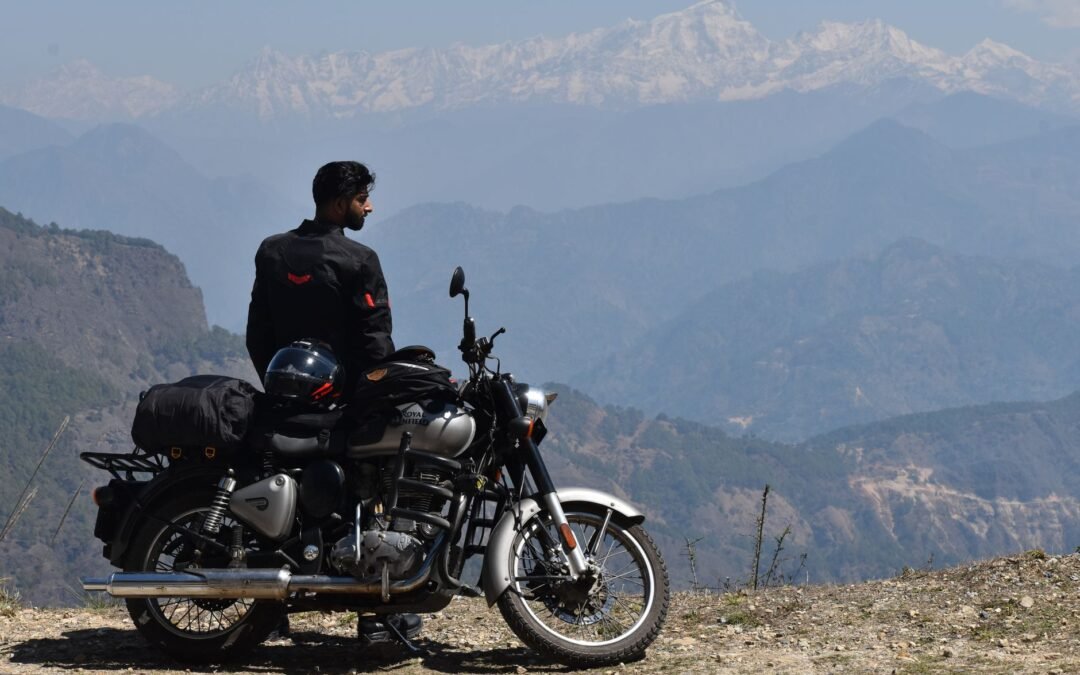
- Munsiyari sits at 2,298m altitude offering stunning Panchachuli peak views
- Best visited April-June and September-November for clear mountain vistas
- Nearest airport is Pantnagar (275km), accessible by road from Kathgodam
- Base for Khaliya Top, Milam Glacier and Nanda Devi treks
- Inner Line Permit required for certain border area treks beyond Munsiyari
Introduction
Tucked away in the remote northeastern corner of Uttarakhand, Munsiyari is a Himalayan hamlet that remains delightfully untouched by mass tourism. Perched at an altitude of 2,298 meters (7,540 feet), this scenic hill station serves as the gateway to the magnificent Johar Valley and offers unobstructed views of the Panchachuli peaks—a spectacular cluster of five snow-clad mountains that dominate the skyline. The name ‘Munsiyari’ itself translates to ‘place with snow’ in the local Kumaoni dialect, a fitting description for this winter wonderland that transforms dramatically with the changing seasons.
Unlike the crowded hill stations of Nainital or Mussoorie, Munsiyari retains an authentic mountain charm that appeals to serious trekkers, nature photographers, and travellers seeking genuine solitude. The town sits at the confluence of three Himalayan ranges—the Himalayas, the Dhauladhar, and the Panchachuli—creating a geographical marvel that serves as a base camp for numerous high-altitude treks. The crisp mountain air, the warmth of Kumaoni hospitality, and the pristine landscapes untouched by commercialization make Munsiyari a destination where time seems to slow down.
What sets Munsiyari apart is its dual identity: it’s both a destination in itself and a launching pad for adventure. While the town offers comfortable homestays with soul-soothing mountain views, it also provides access to some of Uttarakhand’s most challenging treks including the Milam Glacier, Namik Glacier, and Khaliya Top. The region is home to the Shauka tribe, semi-nomadic people whose traditional lifestyle and trade routes with Tibet add cultural depth to your mountain experience.
Quick Facts About Munsiyari
| Attribute | Details |
|---|---|
| Altitude | 2,298 meters (7,540 feet) |
| Best Time to Visit | April to June and September to November |
| Distance from Nearest City | Pithoragarh: 132 km | Almora: 216 km | Kathgodam: 275 km |
| Nearest Airport | Pantnagar Airport (313 km) |
| Permits Required | No permit for Munsiyari town; permits required for restricted area treks (₹150-300 per person) |
| Temperature Range | Summer: 10°C to 25°C | Winter: -5°C to 10°C |
| Approx Budget per Day | ₹1,000 – ₹2,500 (including accommodation, food, and local transport) |
Why Visit Munsiyari
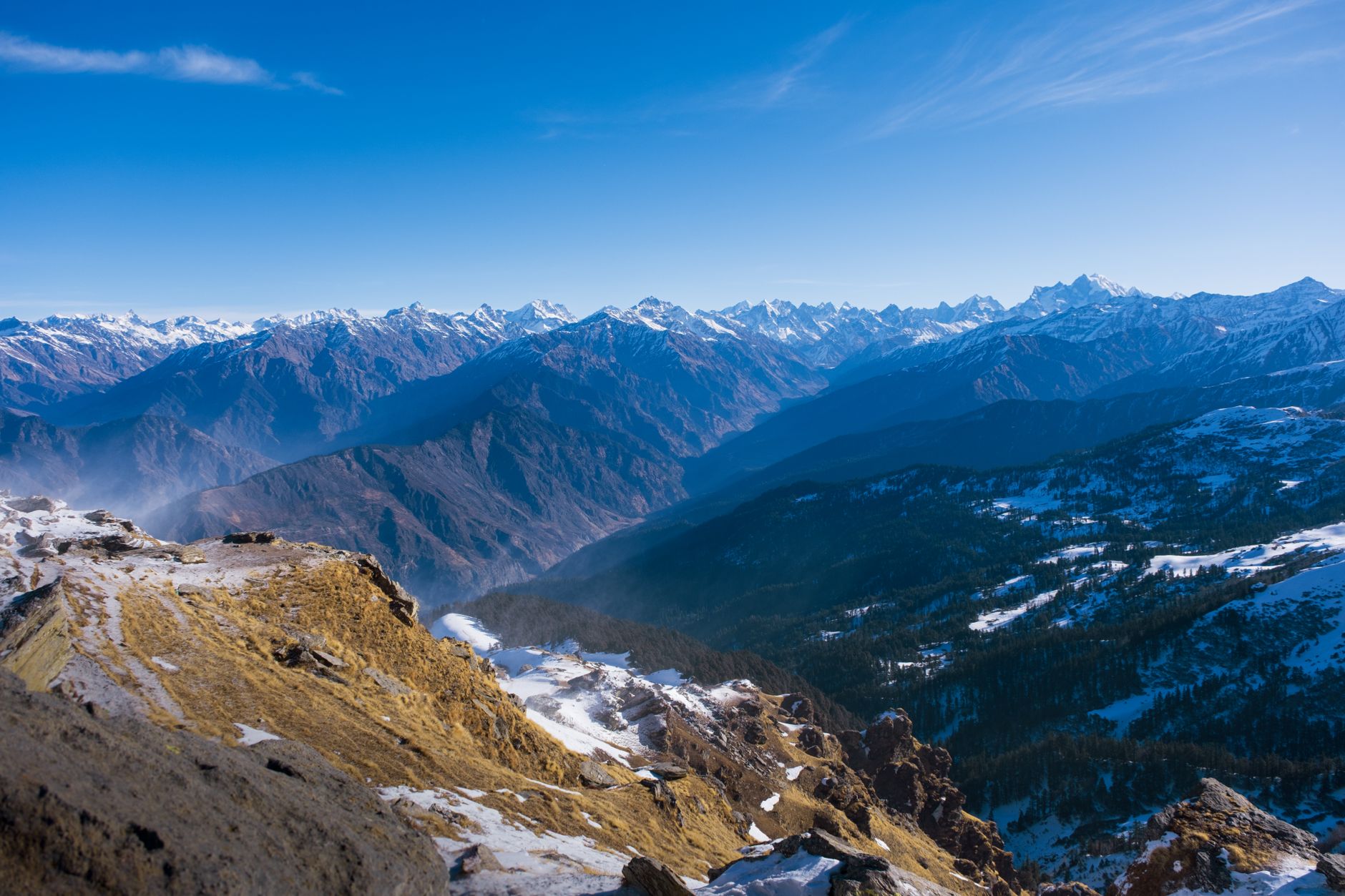
Munsiyari’s primary allure lies in its jaw-dropping vistas of the Panchachuli peaks, a five-peaked mountain massif that rises to heights exceeding 6,300 meters. Unlike many Himalayan viewpoints where you need to trek for hours to catch mountain glimpses, these magnificent peaks are visible right from your guesthouse window—weather permitting, of course. The sight of sunrise painting these snow-covered giants in shades of pink, orange, and gold is a spectacle that justifies the long journey alone.
The region’s biodiversity is another compelling reason to visit. Munsiyari falls within the Askot Musk Deer Sanctuary, a 600-square-kilometer protected area that shelters endangered species like the Himalayan musk deer, snow leopard, Himalayan black bear, and bharal (blue sheep). The sanctuary’s rich flora includes over 500 species of medicinal herbs and countless varieties of rhododendrons that bloom spectacularly in spring, transforming the hillsides into carpets of red, pink, and white.
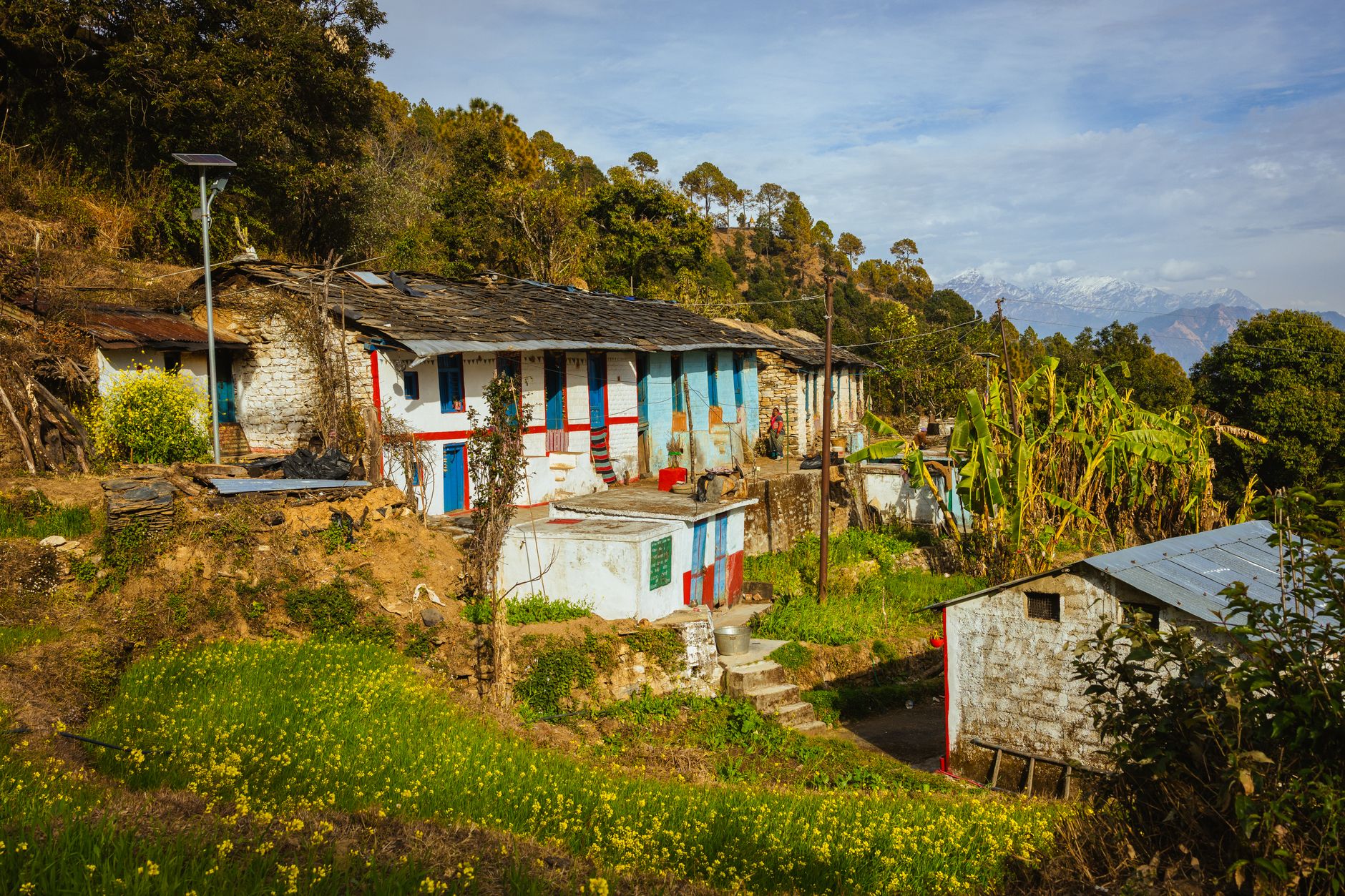
Cultural authenticity distinguishes Munsiyari from more commercialized destinations. The local Shauka community maintains centuries-old traditions, including their historical trade connections with Tibet via high mountain passes. Visitors can witness traditional Kumaoni architecture in stone-and-wood houses, participate in local festivals like Harela and Ghee Sankranti, and experience genuine mountain hospitality in family-run homestays where conversations around the hearth are as warming as the locally brewed black tea.
For trekkers and adventure enthusiasts, Munsiyari is the ultimate base camp. The town provides access to some of Uttarakhand’s most spectacular yet less-crowded treks. The Milam Glacier trek takes you through alpine meadows and remote villages along an ancient Indo-Tibetan trade route. The Khaliya Top trek, suitable for beginners, rewards with 360-degree views of the Himalayas. Ralam Glacier, Namik Glacier, and the challenging Nanda Devi East Base Camp trek all start from this region, making Munsiyari a haven for those who prefer mountain silence over mountain crowds.
How to Reach Munsiyari
By Air: Pantnagar Airport, located 313 kilometers from Munsiyari, is the nearest airport with limited connectivity to Delhi. From Pantnagar, you’ll need to hire a taxi (₹5,000-7,000) or take multiple bus connections. Alternatively, many travelers prefer flying into Delhi’s Indira Gandhi International Airport (approximately 600 km away) and then continuing by road, which, despite the longer distance, offers better connectivity and more transport options.
By Train: Kathgodam Railway Station (275 km) and Tanakpur Railway Station (245 km) are the nearest railheads connected to major Indian cities including Delhi, Lucknow, and Kolkata. From Kathgodam, shared taxis cost around ₹800-1,000 per person and take approximately 10-11 hours. Private taxis charge ₹6,000-8,000 for the entire vehicle. The journey, while long, is scenically rewarding as you wind through pine forests, terraced fields, and alongside mountain streams.
By Road: Munsiyari is accessible by road from multiple points, though the routes are long and winding. From Delhi (approximately 650 km), the journey takes 15-18 hours via NH9. The typical route is Delhi → Haldwani (290 km) → Almora (216 km) → Pithoragarh (132 km) → Munsiyari. Uttarakhand Transport Corporation (UTC) operates regular buses from Haldwani and Almora to Pithoragarh (fare: ₹300-500), and from Pithoragarh to Munsiyari (fare: ₹150-200). These buses, while economical, are often crowded and take longer due to multiple stops.
Private Vehicles and Self-Drive: The road to Munsiyari is well-maintained up to Pithoragarh, after which it becomes narrower with steeper gradients and sharper turns. The 132-kilometer stretch from Pithoragarh to Munsiyari takes 4-5 hours and requires confident mountain driving skills. The route passes through Thal, Birthi Falls (worth a stop), and offers spectacular views throughout. Ensure your vehicle is in excellent condition, carry spare fuel as petrol pumps are scarce beyond Pithoragarh, and avoid driving after dark.
Best Time to Visit Munsiyari
Summer (April to June): This is peak season when Munsiyari experiences pleasant weather with daytime temperatures ranging from 15°C to 25°C. The skies are generally clear, offering excellent visibility of the Panchachuli peaks, especially in the early mornings. All trekking routes are accessible, and wildflowers, particularly rhododendrons, bloom across the hillsides. Accommodation should be booked in advance as this period coincides with the main tourist season. This is ideal for trekking, birdwatching, and photography.
Monsoon (July to September): Heavy rainfall between July and August makes this the least favorable time to visit. The region receives substantial precipitation that can trigger landslides, blocking roads for days. Many trekking routes become treacherous and are officially closed. However, if you’re willing to take the risk and embrace uncertainty, the post-monsoon period in September offers lush greenery, gushing waterfalls, and significantly fewer tourists. Prices drop considerably, and you’ll experience Munsiyari in peaceful solitude.
Autumn (October to November): This is arguably the best time to visit Munsiyari. The monsoon clouds have cleared, revealing crystal-clear skies and sharp mountain views. Temperatures range from 10°C to 20°C during the day, dropping to near-freezing at night. The air is crisp and pollution-free, making it perfect for photography and trekking. October witnesses the colorful Nanda Devi Mela, and the autumn foliage adds golden hues to the landscape. Accommodation is available without advance booking, and the weather remains stable.
Winter (December to March): Winter transforms Munsiyari into a snow-covered wonderland, with temperatures frequently dropping below freezing. Heavy snowfall often occurs between December and February, sometimes cutting off road access for days. While this makes travel challenging, it’s paradise for snow lovers and adventure photographers. Many guesthouses remain open but offer heated rooms at premium prices (₹2,000-3,000 per night). Most high-altitude treks are closed, but lower-altitude walks around the town are magical. Come prepared with heavy woolens, and check road conditions before traveling.
Top Things to Do in Munsiyari
Witness Sunrise at the Panchachuli Peaks
The Panchachuli massif comprises five snow-clad peaks ranging from 6,312 meters to 6,904 meters, and watching sunrise illuminate these giants is Munsiyari’s most mesmerizing experience. Wake up early (around 5:30 AM in summer, 6:30 AM in winter), find a spot on the town’s upper ridge, and watch as the first rays transform the snow from grey to pink to brilliant gold. Most guesthouses have rooftop terraces or large windows specifically designed for this daily spectacle. Serious photographers should scout locations the previous evening and carry tripods for long-exposure shots.
Trek to Khaliya Top
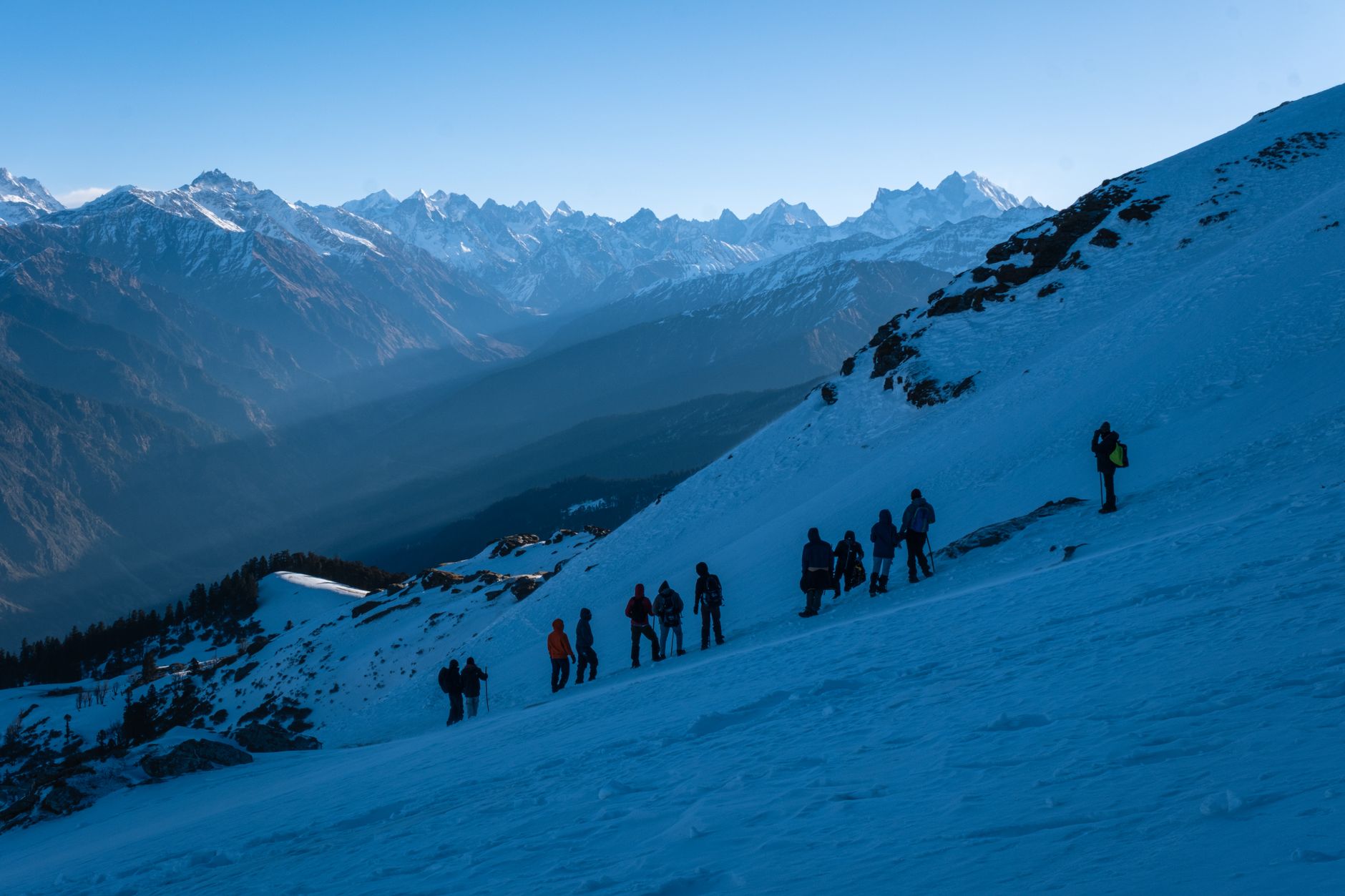
Khaliya Top, located at 3,500 meters, is a relatively easy 6-kilometer trek from Munsiyari that offers 360-degree Himalayan views. The trail passes through dense forests of oak, rhododendron, and pine before opening into alpine meadows carpeted with wildflowers during spring and summer. The entire trek takes 4-5 hours one way, and you can either camp at the top (carry your own equipment) or make it a day trek. The summit provides views of not just the Panchachuli peaks but also Nanda Devi, Nanda Kot, and the Tibetan ranges on clear days.
Explore the Tribal Heritage Museum
The small but fascinating Tribal Heritage Museum, located in the main market area, preserves the cultural history of the Shauka tribe and other communities of the Johar Valley. The museum displays traditional costumes, agricultural implements, trade artifacts from the Indo-Tibetan commerce era, and explains the unique semi-nomadic lifestyle of the Shaukas who migrate seasonally between lower and higher altitudes. Entry is free, though donations are appreciated. Spend an hour here before beginning your Munsiyari exploration to understand the region’s cultural context better.
Visit Birthi Falls
Located 35 kilometers from Munsiyari on the route from Pithoragarh, Birthi Falls is a stunning 126-meter waterfall that cascades down rocky cliffs into a natural pool. The falls are easily accessible from the road, requiring just a short 15-minute walk down well-maintained steps. The surrounding area has been developed with viewpoints and picnic spots, making it perfect for a relaxed lunch stop. The best time to visit is post-monsoon (September-October) when the waterfall is in full flow but the paths aren’t dangerously slippery. Entry is free, and small tea shops sell snacks and beverages (₹20-50).
Experience Maheshwari Kund
Maheshwari Kund, located about 3 kilometers from Munsiyari, is a sacred natural spring surrounded by dense deodar forests. According to local legend, the Pandavas from the Mahabharata visited this spot during their exile. The area is perfect for peaceful nature walks and picnics, with crystal-clear water emerging from the rocks. The 45-minute walk to reach the spring follows a gentle trail through fragrant pine forests where you might spot Himalayan birds like the Khalij pheasant and various species of woodpeckers. Carry water bottles and some snacks, as there are no facilities at the site.
Undertake the Milam Glacier Trek
For serious trekkers with a week to spare, the Milam Glacier trek is one of the Himalayas’ most rewarding expeditions. This 11-day trek covers approximately 100 kilometers, taking you through remote villages like Lilam, Bogudiyar, and Milam Village—one of the highest inhabited villages in the Indian Himalayas. The trek follows the ancient Indo-Tibetan trade route along the Gori Ganga river, culminating at the Milam Glacier at 3,870 meters. You’ll need permits (₹150 for Indians, ₹300 for foreigners) from the District Magistrate’s office in Munsiyari, and it’s advisable to hire local guides (₹1,000-1,500 per day) who know the terrain and can arrange accommodation in village homestays.
Where to Stay in Munsiyari
Budget Stays (₹500-1,200 per night): Munsiyari offers numerous budget-friendly homestays and guesthouses run by local families. Vijay Guesthouse, located near the main market, offers clean rooms with attached bathrooms and Panchachuli views for ₹600-800 per night. Panchachuli Homestay, run by a hospitable Kumaoni family, provides basic but comfortable rooms (₹500-700) with delicious home-cooked meals available for ₹150-200 per meal. KMVN Tourist Rest House, operated by the Kumaon Mandal Vikas Nigam, offers dormitory beds (₹400) and double rooms (₹1,000-1,200) with stunning mountain views, though the service can be bureaucratic and slow.
Mid-Range Options (₹1,500-3,000 per night): Milam Inn is one of Munsiyari’s better-established hotels, offering comfortable rooms with heaters, hot water, and attached balconies facing the Panchachuli peaks. Rooms range from ₹1,800-2,500, and the in-house restaurant serves decent Indian and Chinese cuisine. Ojaswi Resort, located slightly outside the main town, provides modern amenities including Wi-Fi (though connectivity is limited), valley-facing rooms, and organized trekking services. Expect to pay ₹2,000-2,800 for double rooms with breakfast. Wayfarer Mountain Resort offers cozy wooden cottages (₹2,200-3,000) with excellent mountain views, friendly staff, and a warm common area with a fireplace—perfect for evening conversations with fellow travelers.
Splurge/Premium (₹3,500-6,000 per night): While Munsiyari doesn’t have luxury properties in the conventional sense, a few upscale options provide enhanced comfort. Nanda Devi Retreat offers beautifully designed rooms with traditional Kumaoni architecture, modern bathrooms, 24-hour hot water, room heaters, and personalized service at ₹3,500-4,500 per night. Panchachuli Himalayan Village, a boutique property with just six rooms, provides a premium experience with organic meals sourced from their own gardens, guided nature walks, cultural performances, and impeccable hospitality at ₹5,000-6,000 per night including all meals. During peak winter when snowfall is heavy, some properties charge premium rates for heated rooms and may require advance payment.
Local Food & Cuisine
Munsiyari’s culinary scene reflects authentic Kumaoni mountain cuisine, characterized by minimal spices, locally grown ingredients, and hearty preparations suited to cold mountain weather. Bhatt ki Churkani, a flavorful curry made from black soybeans cooked with local spices, garlic, and coriander, is a regional specialty rich in protein—perfect after a long trek. Aloo ke Gutke, a simple yet addictive dish of boiled potatoes tempered with mustard seeds, red chilies, and local spices, is available at almost every eatery and makes for an excellent breakfast alongside hot parathas.
Baadi and Sani Hui Mungodi are traditional dishes rarely found outside Kumaon. Baadi is made from ground black gram mixed with spices, shaped into dumplings, sun-dried, and then deep-fried or cooked in curry. Mungodi involves sun-dried lentil dumplings cooked with potatoes in a spicy gravy. Both dishes showcase the region’s traditional food preservation techniques developed to cope with harsh winters when fresh vegetables are unavailable. Singal, a thick chapati made from water chestnut flour and typically served with ghee, is another local favorite, especially during fasting periods.
Where to Eat: Bhramma Restaurant, located in the main market, is Munsiyari’s most popular eatery, serving thalis (₹150-200) that include rice, dal, seasonal vegetables, and either Bhatt ki Churkani or Aloo ke Gutke. They also serve North Indian standards and decent momos (₹80-120 per plate). Pandey Restaurant, a simple dhaba-style establishment, offers authentic home-style Kumaoni food with most dishes priced between ₹100-180. Their rajma-chawal and mixed parathas are particularly good.
Café Valley View, run by a young local entrepreneur, brings a modern twist to Munsiyari’s food scene with filter coffee (₹40-60), masala chai (₹20-30), sandwiches, pancakes, and Maggi prepared with local vegetables. It’s become a favorite gathering spot for young travelers and trekkers, with prices ranging from ₹50-200 per item. Most homestays also offer meals prepared by the host families—these home-cooked Kumaoni meals (₹150-250 per meal) are often more authentic and delicious than restaurant food, featuring seasonal vegetables, lentils, and freshly made rotis served with a warmth that makes you feel like family.
Practical Travel Tips for Munsiyari
Permits and Documentation: Indian citizens don’t need any permits to visit Munsiyari town itself, but trekking to restricted areas near the Indo-Tibetan border requires permits from the District Magistrate’s office in Munsiyari. For treks like Milam Glacier and Ralam Glacier, you’ll need to submit photocopies of your ID proof and two passport-size photographs. The permit costs ₹150 for Indian nationals and ₹300 for foreign tourists. Processing typically takes 1-2 hours if you apply in person, so arrive early in the day. It’s advisable to carry multiple photocopies of your identification documents.
Mobile Network and Connectivity: Mobile network coverage in Munsiyari is limited and unreliable. BSNL provides the most consistent coverage, with intermittent signals from Airtel and Jio in some areas. Private networks like Vodafone-Idea have virtually no presence. Internet connectivity is extremely poor, with most hotels offering slow Wi-Fi that works sporadically. If you need to stay connected for work, purchase a BSNL SIM card in Pithoragarh or earlier, and inform contacts that you’ll be largely unreachable. Consider this digital detox as part of the Munsiyari experience.
ATMs and Money: Munsiyari has only one ATM—a State Bank of India branch located in the main market—which frequently runs out of cash, especially during peak tourist season. Withdraw sufficient cash (at least ₹10,000-15,000 for a week’s stay) in Pithoragarh before arriving. Most guesthouses, restaurants, and shops accept only cash; digital payment options are virtually non-existent. Keep smaller denominations as shopkeepers often lack change for large notes.
Medical Facilities: Munsiyari has a small government Primary Health Center with basic facilities and limited medicines. For serious medical emergencies, the nearest well-equipped hospital is in Pithoragarh (132 km away). Carry a comprehensive first-aid kit including medicines for altitude sickness (Diamox), common cold, stomach issues, antiseptic cream, bandages, and any personal prescription medications. The high altitude can cause headaches, nausea, and breathlessness in some visitors—acclimatize gradually, stay hydrated, and avoid alcohol for the first day or two.
What to Pack: Regardless of season, pack layers including thermal innerwear, fleece jackets, and a waterproof windcheater. Even summer evenings get cold (10°C or below), and weather can change rapidly in the mountains. Essential items include: sturdy trekking shoes with good grip, sunscreen (SPF 50+), sunglasses with UV protection, moisturizer and lip balm for dry mountain air, a flashlight or headlamp (power cuts are common), reusable water bottle, high-energy snacks, and a good book or offline entertainment as internet won’t work. Winter visitors need heavy woolens, gloves, warm socks, and snow boots.
Safety Considerations: Mountain roads can be treacherous during monsoons and after heavy snowfall. Always check weather forecasts and road conditions before traveling. Inform your accommodation about trek plans and expected return times. Never trek alone in remote areas; hire local guides who know the terrain. Altitude sickness is real—ascend gradually, stay hydrated, and descend immediately if you experience severe symptoms like persistent headache, vomiting, or breathlessness. Women travelers report feeling safe in Munsiyari, but standard precautions apply: dress modestly respecting local culture, avoid walking alone late at night, and inform your guesthouse about your whereabouts.
Responsible Tourism: Munsiyari’s pristine environment is its greatest asset, and visitors have a responsibility to preserve it. Carry all non-biodegradable waste back with you; plastic disposal facilities are minimal. Don’t litter on treks—carry a small bag for wrappers and waste. Respect local customs and traditions; ask permission before photographing people or religious sites. Support local economy by staying in homestays, eating at local restaurants, and purchasing handicrafts directly from artisans. Avoid using single-use plastics; carry a reusable water bottle and cloth bag. Be mindful of water usage as it’s a precious resource. If camping, follow Leave No Trace principles strictly.
Final Thoughts
Munsiyari represents everything that’s right about sustainable, slow travel in the Indian Himalayas. In an era where popular hill stations have lost their soul to commercialization and crowds, this remote hamlet maintains an authenticity that’s increasingly rare. The journey to reach Munsiyari is admittedly long and sometimes challenging, but therein lies its beauty—the difficult access has protected it from mass tourism and preserved its pristine character. When you finally arrive and step out to witness the Panchachuli peaks glowing in the evening light, every hour spent on winding mountain roads feels entirely worthwhile.
Whether you’re a serious trekker planning multi-day expeditions to remote glaciers, a nature photographer chasing that perfect shot of sunrise over snow-clad peaks, or simply a weary city dweller seeking silence and solitude, Munsiyari welcomes you with open arms and clear skies. The warmth of Kumaoni hospitality, the simple pleasures of home-cooked mountain meals, the companionship of fellow travelers sharing stories around a fireplace, and the humbling presence of some of the world’s highest mountains—these are the experiences that define a Munsiyari sojourn. Pack your bags, book that train ticket to Kathgodam, embrace the long journey, and discover this hidden gem before the rest of the world catches on. The mountains are calling, and Munsiyari awaits with the promise of memories that will last a lifetime.
- Book KMVN guesthouse in advance during peak season as accommodation options are limited in Munsiyari
- Carry sufficient cash as ATMs are unreliable and most homestays don’t accept cards
- Visit Darkot village early morning for unobstructed sunrise views over Panchachuli peaks
- Hire local guides from Munsiyari for Milam Glacier trek who know safe river crossing points
- Stop at Birthi Falls on the drive up for photos and to acclimatize gradually to altitude
Frequently Asked Questions about Munsiyari
The best time to visit Munsiyari is from April to June and September to November when the weather is pleasant and ideal for sightseeing and trekking. During summer (April-June), temperatures range from 10°C to 25°C, while the post-monsoon period (September-November) offers clear skies and excellent views of the Panchachuli peaks.
Munsiyari is perched at an altitude of 2,298 meters (7,540 feet) in the northeastern corner of Uttarakhand. The name ‘Munsiyari’ translates to ‘place with snow’ in the local Kumaoni dialect, perfectly describing this winter wonderland that transforms dramatically with changing seasons.
Munsiyari is 132 km from Pithoragarh, 216 km from Almora, and 275 km from Kathgodam railway station. The nearest airport is Pantnagar Airport, located 313 km away from Munsiyari.
No permits are required to visit Munsiyari town itself. However, if you plan to undertake treks to restricted areas like Milam Glacier or Namik Glacier, you will need permits costing ₹150-300 per person.
The approximate budget per day for visiting Munsiyari ranges from ₹1,000 to ₹2,500. This budget includes accommodation, food, and local transport, making it an affordable destination for budget travelers and backpackers.
Munsiyari serves as a base camp for several high-altitude treks including Milam Glacier, Namik Glacier, and Khaliya Top. The town offers unobstructed views of the spectacular Panchachuli peaks—a cluster of five snow-clad mountains exceeding 6,300 meters in height that dominate the skyline.