
- Binsar offers 300+ bird species and panoramic views of Himalayan peaks including Nanda Devi and Trishul from Zero Point
- Best visited October to March for wildlife sightings; summer (April-June) ideal for escaping plains heat
- Entry permit costs ₹150 for Indians and ₹600 for foreigners; vehicle charges apply separately
- Nearest connectivity is Kathgodam railway station (120 km) and Pantnagar Airport (152 km)
- Forest rest houses and eco-lodges inside sanctuary offer immersive stay experiences with advance booking required
- Introduction
- Quick Facts About Binsar Wildlife Sanctuary
- Why Visit Binsar Wildlife Sanctuary
- How to Reach Binsar Wildlife Sanctuary
- Best Time to Visit Binsar Wildlife Sanctuary
- Top Things to Do in Binsar Wildlife Sanctuary
- Where to Stay in Binsar Wildlife Sanctuary
- Local Food & Cuisine
- Practical Travel Tips for Binsar Wildlife Sanctuary
- Final Thoughts
- Frequently Asked Questions
Introduction
Perched at an elevation of 2,420 meters in the Kumaon hills of Uttarakhand, Binsar Wildlife Sanctuary represents one of India’s most enchanting yet lesser-known ecological treasures. Spread across 45.59 square kilometers of pristine oak and rhododendron forests, this sanctuary offers something increasingly rare in our crowded subcontinent: genuine wilderness combined with soul-stirring Himalayan panoramas. Unlike the commercialized hill stations that dot Uttarakhand’s landscape, Binsar remains refreshingly untouched, a sanctuary in the truest sense where nature’s rhythms dictate the pace of life.
What sets Binsar apart from countless other wildlife reserves is its dual offering—while you’re likely to spot barking deer, leopards, and over 200 species of birds, you’re simultaneously treated to arguably the most spectacular 300-kilometer-wide view of the Himalayan peaks. From the Zero Point viewpoint, you can witness the sun painting Nanda Devi, Trishul, Kedarnath, Chaukhamba, and Panchachuli peaks in shades of crimson and gold. This is not just a wildlife sanctuary; it’s a complete Himalayan experience that combines biodiversity, adventure, serenity, and breathtaking vistas into one unforgettable destination.
For travelers seeking an escape from the chaos of urban India or international visitors wanting to experience the Himalayas beyond the typical tourist circuits, Binsar offers an intimate encounter with nature. The sanctuary’s forests whisper ancient stories, its trails lead to hidden temples and forgotten villages, and its stillness provides the perfect antidote to our hyperconnected lives. Whether you’re a serious birder, a trekking enthusiast, a photography aficionado, or simply someone craving mountain solitude, Binsar welcomes you with open arms and endless possibilities.
Quick Facts About Binsar Wildlife Sanctuary
| Attribute | Details |
|---|---|
| Altitude | 2,420 meters (7,940 feet) |
| Best Time to Visit | March to June, September to November |
| Distance from Nearest City | Almora – 33 km, Nainital – 95 km |
| Nearest Airport | Pantnagar Airport – 152 km |
| Permits Required | Entry permit at sanctuary gate (₹150 Indians, ₹600 foreigners) |
| Temperature Range | Summer: 10°C-25°C, Winter: -5°C to 15°C |
| Approx Budget per Day | ₹1,500-₹5,000 (budget to mid-range) |
Why Visit Binsar Wildlife Sanctuary
Binsar’s uniqueness stems from its extraordinary biodiversity concentrated within a relatively compact area. The sanctuary protects some of the last remaining old-growth oak forests in the Kumaon region, featuring magnificent stands of banj (Quercus leucotrichophora), kharsu (Quercus semecarpifolia), and buransh (Rhododendron arboreum). These ancient trees, some several centuries old, create a multi-layered forest ecosystem that supports an incredible variety of life. During spring, when the rhododendrons bloom in brilliant reds and pinks, the entire forest transforms into a floral wonderland that rivals any garden on earth.
The wildlife here is remarkably diverse for such a compact sanctuary. Leopards prowl these forests in healthy numbers—Binsar has one of the highest leopard densities in Uttarakhand, though these elusive cats are rarely seen. More visible are the barking deer, goral (a Himalayan goat-antelope), wild boar, porcupine, and the endangered Himalayan black bear. But it’s the avian diversity that truly distinguishes Binsar. With over 200 bird species recorded, including rare Himalayan specialties like the Koklass pheasant, forktail, Himalayan griffon vulture, and numerous species of laughingthrushes and flycatchers, this sanctuary is a pilgrimage site for serious birders. The oak forests resonate with bird calls from dawn to dusk, creating a natural symphony that no concert hall can match.
Perhaps Binsar’s most spectacular feature is the panoramic Himalayan vista from Zero Point (also called Jhandi Dhar), which offers an unobstructed 300-kilometer stretch of snow-capped peaks. Unlike viewpoints at crowded hill stations where you strain to glimpse mountains through haze and buildings, here you stand surrounded by pristine forest with the entire Himalayan chain arrayed before you like a divine amphitheater. On clear days, you can identify over 40 major peaks including the Nanda Devi massif (India’s second-highest peak at 7,816 meters), the five peaks of Panchachuli, and the sacred trio of Trishul. Watching sunrise or sunset from this vantage point—when the peaks glow with alpenglow—remains one of India’s most magical natural spectacles.

How to Reach Binsar Wildlife Sanctuary
By Air: Pantnagar Airport, located 152 km from Binsar, is the nearest airport with limited connectivity to Delhi. Daily flights from Delhi to Pantnagar take approximately 50 minutes and cost between ₹3,000-₹6,000. From Pantnagar, you’ll need to hire a taxi to Binsar, which costs ₹3,500-₹4,500 and takes about 5 hours through winding mountain roads via Bhimtal, Bhowali, and Almora. Alternatively, many visitors fly into Dehradun’s Jolly Grant Airport (280 km away), which has better connectivity, though the journey to Binsar takes 8-9 hours by road.
By Train: Kathgodam railway station, 119 km from Binsar, serves as the primary railhead. Well-connected to Delhi, the overnight Ranikhet Express or Shatabdi Express are popular choices. From Delhi, trains take 6-7 hours and cost ₹400-₹1,800 depending on class. From Kathgodam, shared taxis to Almora cost ₹200-₹250 per person and take 3 hours, covering 90 km. From Almora, you can hire another taxi to Binsar (33 km, approximately ₹800-₹1,200) or catch a local bus for ₹40-₹50, though bus frequency is limited to 2-3 daily services.
By Road: Binsar is well-connected by road to major Kumaon towns. From Delhi (approximately 400 km), you can drive via Haldwani-Bhimtal-Almora route, which takes 10-11 hours. The roads are generally good until Haldwani, then become winding mountain roads requiring careful driving. From Nainital (95 km), the journey takes 3-4 hours via the Almora route. State-run UPSRTC buses operate from Delhi to Almora (₹500-₹700 for ordinary buses, ₹900-₹1,200 for Volvo), from where you need local transport to Binsar. Private taxi services from Delhi to Binsar cost ₹8,000-₹12,000 depending on vehicle type.
Local Transport: Within the sanctuary, motorable roads are limited to the main route connecting entry gate to Zero Point. Most exploration happens on foot along designated trails. Some resorts provide jeep transfers to viewpoints. Hiring a local taxi from Almora for a day trip to Binsar costs approximately ₹2,000-₹2,500, including waiting charges.
Best Time to Visit Binsar Wildlife Sanctuary
Spring (March to May): This is arguably the best season to visit Binsar. March and April bring the spectacular rhododendron bloom, painting the forest in vibrant reds and pinks. Temperatures range from 10°C to 25°C—pleasant for trekking and wildlife watching. Bird activity peaks during this period with resident species in breeding plumage and migratory birds still present. Visibility of Himalayan peaks is generally excellent, especially in the early mornings before afternoon clouds roll in. The sanctuary sees moderate tourist numbers, so accommodation needs advance booking. This is prime time for photographers seeking floral landscapes and bird photography.
Summer (June to August): The monsoon arrives in late June and continues through August, bringing heavy rainfall and leeches to the forest trails. While the forest turns intensely green and lush, trekking becomes challenging on slippery paths. Himalayan views are often obscured by clouds and mist. Wildlife sightings decrease as animals seek shelter. However, this season offers dramatic cloud formations, waterfalls come alive, and accommodation prices drop by 30-40%. Only dedicated nature lovers who enjoy misty forests and don’t mind getting wet should visit during monsoon. Road conditions can be unpredictable, with occasional landslides causing delays.
Autumn (September to November): Post-monsoon months are exceptional for visiting Binsar. September sees clearing skies and rejuvenated greenery. October and November offer the year’s clearest Himalayan views, with crisp air allowing photography of distant peaks in stunning detail. Temperatures range from 5°C to 20°C—cool but comfortable for trekking. Wildlife becomes more active as animals prepare for winter, and bird diversity remains high with winter migrants beginning to arrive. This is peak tourist season, so book accommodations well in advance. The oak trees begin changing colors, adding golden and bronze tones to the forest palette.
Winter (December to February): Winter brings snowfall to Binsar, usually 2-4 times between December and February, transforming the sanctuary into a winter wonderland. Temperatures drop to -5°C to 15°C, with nights being particularly cold. Snow-covered forests offer ethereal beauty and the best opportunities to spot wildlife tracks in fresh snow. Leopards descend to lower altitudes where they’re occasionally spotted. However, some accommodations close, and those open charge premium winter tariffs while offering limited facilities. Roads can be treacherous after snowfall. This season suits adventure seekers and those comfortable with basic amenities and cold conditions.
Top Things to Do in Binsar Wildlife Sanctuary
Trek to Zero Point for Himalayan Panoramas
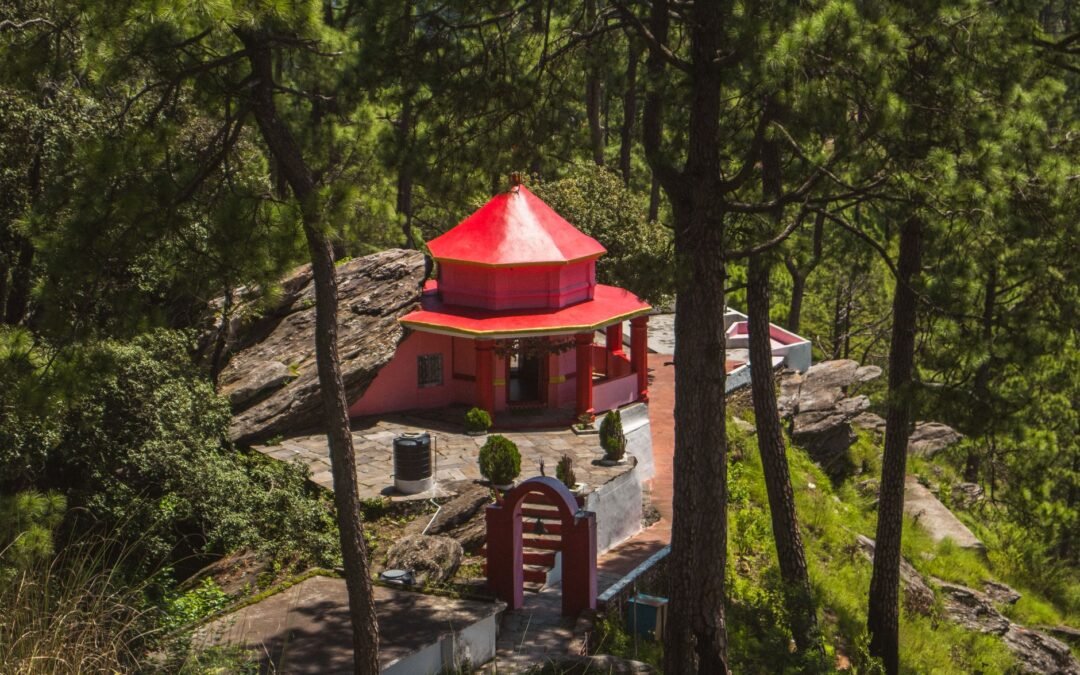
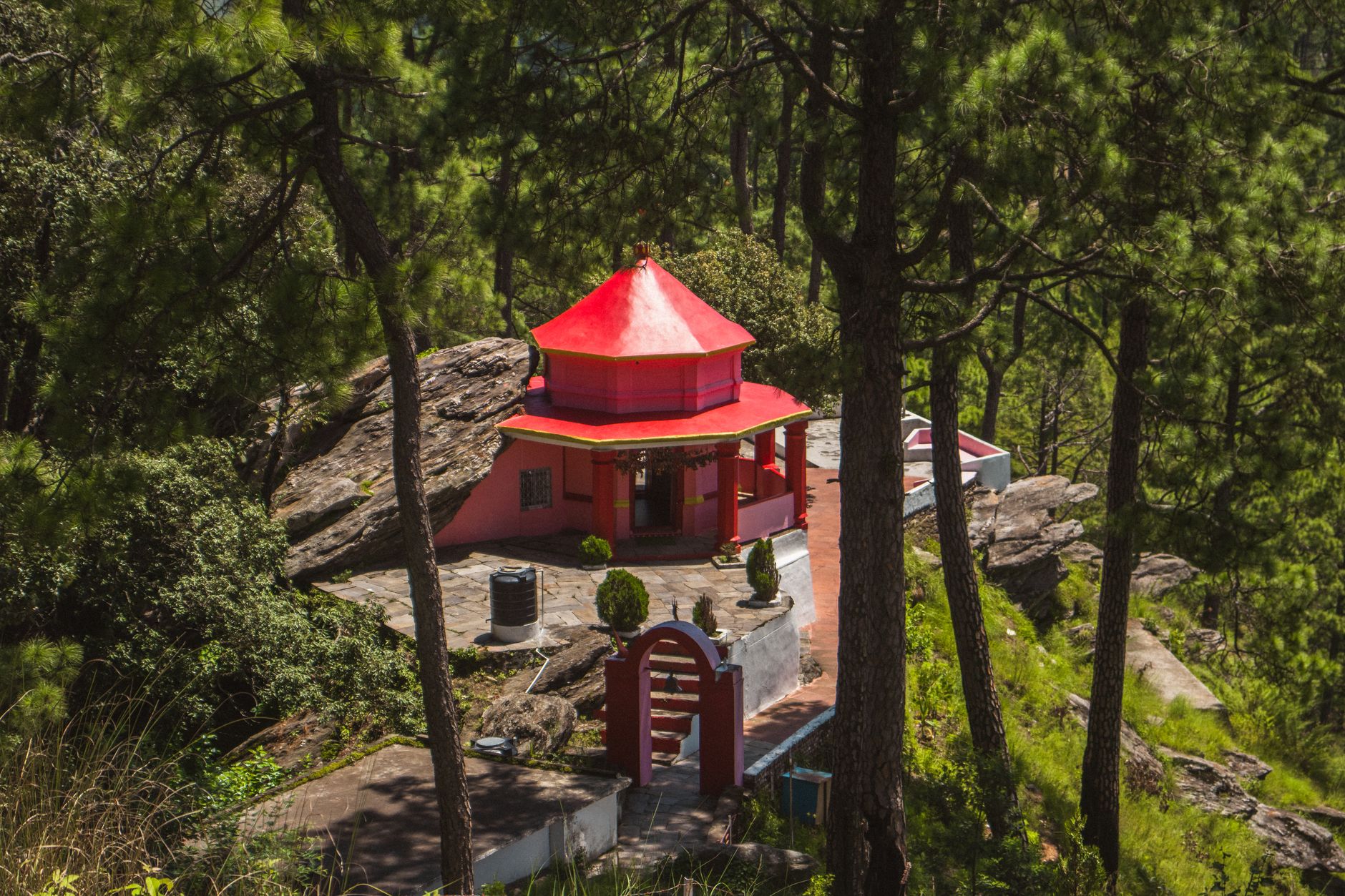
The 2-kilometer trek from the main sanctuary gate to Zero Point (Jhandi Dhar) is absolutely essential. This relatively easy walk through dense oak forest takes 45-60 minutes, climbing gently through shaded trails where sunlight filters through ancient canopy. The destination rewards you with arguably India’s finest Himalayan panorama—a 300-kilometer stretch encompassing over 40 peaks including Nanda Devi, Trishul, Kedarnath, Chaukhamba, and Panchachuli. Visit at sunrise (around 5:30-6:00 AM in summer) when the peaks glow with alpenglow, or sunset for equally dramatic lighting. Information boards help identify individual peaks, and there’s a small temple dedicated to Shiva adding spiritual dimension to the experience.
Wildlife Photography and Birding
Binsar is a paradise for wildlife photographers and birders, with over 200 bird species documented. Early morning walks (6:00-9:00 AM) along sanctuary trails offer the best opportunities to spot and photograph Koklass pheasants, kalij pheasants, various thrushes, flycatchers, and woodpeckers. The Mary Budden Estate area and trails around sanctuary headquarters are particularly productive. During winter, Himalayan griffon vultures soar overhead, and mixed hunting flocks of small birds move through the oak canopy. While leopards are present in good numbers, they’re rarely seen; you might spot their pugmarks on forest trails. Barking deer and goral are frequently encountered, especially during early morning hours when they feed in forest clearings.
Visit Ancient Temples Around Binsar
The region surrounding Binsar is dotted with ancient Kumaoni temples reflecting centuries of hill culture. The most significant is the 10th-century Bineshwar Mahadev Temple complex, located about 8 km from the sanctuary, featuring exquisitely carved stone temples dedicated to Shiva with architectural styles showing both local and plains influences. The temple’s peaceful setting amidst pine forests and intricate stonework makes it architecturally fascinating. Kasar Devi Temple (approximately 25 km away near Almora) is another must-visit, perched on a ridge with magnificent valley views and known for its unique geomagnetic field that attracted hippies in the 1960s-70s, including Bob Dylan and George Harrison.
Nature Walks Through Oak and Rhododendron Forests
The sanctuary maintains several marked trails of varying difficulty perfect for immersive forest experiences. The 4-kilometer trail to Khali Estate takes you through magnificent old-growth oak forests where trees several centuries old create cathedral-like ambiance. The rhododendron trail (best March-April) showcases spectacular displays of blooming buransh trees in brilliant reds and pinks. These walks aren’t just about reaching destinations—they’re about experiencing the forest’s textures, sounds, and biodiversity. Listen for bird calls, examine tree bark for insect life, photograph macro subjects like moss and fungi, and simply breathe the oxygen-rich mountain air while walking through one of Uttarakhand’s best-preserved forest ecosystems.
Village Tourism and Cultural Experiences
Several traditional Kumaoni villages surround the sanctuary, offering authentic cultural experiences. Villages like Dhaulchina and Ayarpani maintain traditional lifestyles with terraced agriculture and distinctive Kumaoni architecture featuring intricately carved wooden facades. Arranging village homestays or day visits allows interaction with locals, learning about their agricultural practices, traditional cuisine, and folklore. Women often practice intricate aipan art (ritual floor paintings), and you might witness traditional farming techniques unchanged for generations. Supporting village tourism provides crucial alternative livelihoods that reduce pressure on sanctuary resources while preserving cultural heritage.
Stargazing and Night Sky Photography
Binsar’s remote location, minimal light pollution, and high altitude create exceptional conditions for stargazing and astrophotography. On clear nights, the Milky Way stretches across the sky in brilliant detail, constellations shine with remarkable clarity, and shooting stars frequently streak across the heavens. Winter months (November-February) offer the clearest skies. Several resorts organize stargazing sessions with telescope viewing. Even without equipment, simply lying on a blanket under Binsar’s night sky, surrounded by dark forest silhouettes with Himalayan peaks barely visible in moonlight, creates an unforgettable experience connecting you to cosmic scales rarely visible from our light-polluted cities.
Where to Stay in Binsar Wildlife Sanctuary
Budget Options (₹1,000-₹2,500 per night): The Forest Rest House operated by the Forest Department offers basic but clean accommodation right within the sanctuary with unbeatable locations, though facilities are minimal and booking requires advance permission through the DFO Almora (₹800-₹1,500). Binsar Eco Camp provides comfortable tents with attached bathrooms at ₹1,800-₹2,200 including meals, perfect for those wanting an outdoor experience without compromising basic comfort. Kasar Rainbow Resort near the sanctuary gate offers decent rooms at ₹1,500-₹2,000 with home-cooked meals and helpful local hosts who can arrange guides and birding trips.
Mid-Range Options (₹2,500-₹6,000 per night): Binsar Eco Lodge, located within walking distance of Zero Point, offers cottage accommodation at ₹3,500-₹4,500 with mountain views, organic meals, and nature walks guided by knowledgeable staff. The Kumaon (managed by responsible tourism pioneer Shakti Himalaya) provides luxury cottages starting at ₹5,000 with panoramic Himalayan views, excellent cuisine, and strong environmental ethos. Club Mahindra Binsar Valley offers resort amenities at ₹4,000-₹5,500 including activities, children’s facilities, and comfortable rooms, though it’s slightly more commercialized than eco-lodges. Grand Oak Manor provides heritage-style accommodation in renovated colonial buildings at ₹3,000-₹4,500 with atmospheric old-world charm.
Splurge Options (₹6,000+ per night): Mary Budden Estate, the sanctuary’s former colonial-era retreat, offers exclusive heritage accommodation in a magnificently restored bungalow at ₹8,000-₹12,000, with just a few rooms ensuring privacy, exceptional service, extensive grounds for nature walks, and gourmet meals featuring local ingredients. Khali Estate provides luxurious cottages with dramatic valley views starting at ₹10,000, combining modern comfort with environmental sensitivity, offering guided treks, birding excursions, and personalized experiences. These properties justify premium pricing through unique locations, exceptional hospitality, and genuine commitment to conservation and local community development.
Local Food & Cuisine
Kumaoni cuisine reflects the region’s agricultural traditions, climate, and cultural heritage, emphasizing local grains, lentils, and seasonal vegetables. Bhatt ki Churkani is an absolute must-try—a delicious curry made from black soybeans (bhatt) tempered with local spices, typically served with rice or mandua roti (finger millet bread). The dish is both nutritious and flavorful, embodying Kumaoni cooking’s earthy authenticity. Aloo ke Gutke, a simple but addictive preparation of potatoes tempered with local spices including jimbu (Himalayan herb), represents Kumaoni comfort food at its finest. Sisunak Saag (stinging nettle curry) and Gahat ki Dal (horse gram lentil) showcase the region’s use of wild greens and traditional pulses, offering unique flavors you won’t find in mainstream Indian cuisine.
For desserts and snacks, try Singodi—a traditional sweet made from khoya (milk solids) wrapped in malu leaf, offering subtle sweetness perfect after hearty meals. Arsa, a deep-fried rice flour sweet, and Bal Mithai, a brown chocolate-like sweet with white sugar balls, are Kumaon specialties available at local shops. Traditional Kumaoni Raita differs from regular raita, incorporating local cucumber varieties and unique spicing that complements rice dishes perfectly.
Most accommodations in Binsar serve authentic Kumaoni meals as part of their packages. The Kumaon offers refined interpretations of traditional dishes (meals included in room rates of ₹5,000+) with ingredients sourced from organic farms. Binsar Eco Lodge serves excellent home-style Kumaoni thalis at ₹300-₹500 featuring multiple dishes showcasing seasonal produce. Kasar Rainbow Resort provides authentic home-cooked Kumaoni meals at budget-friendly ₹150-₹250 per meal. For those staying in Almora, Dolma Restaurant offers both Kumaoni specialties and multi-cuisine options at ₹200-₹400 per person, while Glory Restaurant serves reliable North Indian and Chinese food at similar prices. Small village dhabas like Binsar Dhaba near the sanctuary gate serve simple but tasty local fare at ₹100-₹150 for filling meals, offering the most authentic experience and interaction with locals.

Practical Travel Tips for Binsar Wildlife Sanctuary
Permits and Entry Fees: Entry permits are mandatory and obtained at the sanctuary gate. Indian nationals pay ₹150 per person, while foreign nationals are charged ₹600. Still camera fees are ₹100, and video cameras cost ₹500. Vehicle entry (if applicable) costs an additional ₹200-₹300. These fees contribute to sanctuary maintenance and conservation efforts. The sanctuary is officially open from sunrise to sunset, though overnight stays at Forest Rest Houses are permitted with prior booking through the Divisional Forest Officer, Almora. No special permits are required for trekking on designated trails, but venturing off-trail is prohibited without permission.
Mobile Network and Connectivity: Mobile network coverage in Binsar is limited and unreliable. BSNL provides the most consistent coverage, though even this is patchy in many areas. Airtel and Jio work intermittently near the main road and sanctuary headquarters but fail deeper in the forest. Most accommodations don’t offer Wi-Fi, and this digital disconnect is actually one of Binsar’s attractions—a genuine opportunity to unplug. If connectivity is essential, inform your accommodation beforehand as some properties offer limited Wi-Fi in common areas. Download offline maps, music, and reading material before arriving.
ATM and Banking Facilities: No ATMs exist within Binsar sanctuary. The nearest ATMs are in Almora town (33 km away), with SBI, PNB, and HDFC branches providing reliable services. Carry sufficient cash for your entire stay, as most local establishments, village eateries, and even some mid-range accommodations don’t accept cards. Budget ₹2,000-₹3,000 cash per person for a 2-3 day trip covering meals, permits, tips, and incidental expenses. Higher-end properties accept cards, but confirm beforehand.
Medical Facilities: Medical facilities within Binsar are non-existent. The nearest health center is in Almora, 33 km away, with basic facilities. For serious emergencies, you’d need to reach Haldwani (approximately 100 km) or Nainital (95 km), both having better-equipped hospitals. Carry a comprehensive first-aid kit including bandages, antiseptic, pain relievers, anti-diarrheal medication, altitude sickness medicine (though altitude issues are uncommon at 2,420 meters), and any personal prescription medications. Given the remote location, travel insurance covering medical evacuation is strongly recommended, especially for international visitors.
What to Pack: Clothing should be layered and season-appropriate. Even in summer, evenings get cool, so pack fleece jackets and light woolens. Winter visits require heavy woolens, thermal wear, and down jackets as temperatures drop below freezing. Comfortable trekking shoes with good grip are essential for forest trails. Sun protection (sunscreen, sunglasses, hat) is crucial at this altitude. Bring binoculars for wildlife and bird watching—8×42 or 10×42 magnification works well. A good camera with telephoto lens enhances the experience. Pack insect repellent, especially for monsoon season visits. Carry reusable water bottles; most accommodations provide filtered water, reducing plastic waste. A flashlight or headlamp is essential as forest paths have no lighting.
Safety Considerations: Binsar is generally very safe, but basic precautions are necessary. Never trek alone on forest trails; leopards, though rarely aggressive toward humans, are present. Don’t wander off designated paths, both for your safety and to minimize ecological impact. Inform your accommodation before heading out for treks. During winter, icy paths can be treacherous—trek poles help maintain balance. Leeches are common during monsoon—salt or tobacco deters them. Don’t approach or feed wildlife; maintain respectful distance. Store food securely at campsites to avoid attracting animals. Drive carefully on mountain roads, especially after dark when visibility is poor and animals may be crossing.
Responsible Tourism Practices: Binsar’s pristine environment requires conscious effort to preserve. Carry all trash back; don’t litter trails or forests. Use designated toilet facilities; if trekking, follow Leave No Trace principles. Minimize plastic use—carry reusable bottles and bags. Stick to marked trails to prevent soil erosion and habitat disturbance. Don’t pick flowers, collect plants, or disturb wildlife. Keep noise levels low; loud music and shouting disrupts wildlife. Support local economy by purchasing handicrafts from village cooperatives and eating at local establishments. Respect local culture and customs when visiting villages and temples. Choose eco-sensitive accommodations that employ locals, use solar power, practice waste management, and contribute to conservation. Photography is wonderful, but never harass wildlife for better shots—their wellbeing supersedes your Instagram post.
Final Thoughts
Binsar Wildlife Sanctuary represents what makes Himalayan travel truly transformative—not just scenic beauty, but a complete immersion in nature’s rhythms where forest whispers replace digital notifications, where bird songs provide the soundtrack, and where Himalayan peaks remind us of scales beyond our daily concerns. This isn’t a destination for those seeking amusement park experiences or Instagram backdrops, but for travelers willing to slow down, observe closely, and appreciate subtle forest magic. The sanctuary’s oak groves, housing biodiversity accumulated over millennia, the leopards prowling ancient paths, the Himalayan panoramas that have inspired sages and poets—these aren’t attractions to be checked off a list but experiences to be absorbed deeply.
Whether you spend your days birding through rhododendron forests, trekking to viewpoints where the Himalayas unfold in impossible grandeur, exploring centuries-old temples in surrounding villages, or simply sitting quietly on a cottage veranda watching clouds drift across valley slopes, Binsar offers that increasingly rare gift—genuine wilderness within reach. As you plan your visit, remember that the sanctuary’s fragility is also its strength; its preservation depends on conscious travelers who take only photographs, leave only footprints, and carry back only memories. Pack your bags, charge your camera batteries, dust off those binoculars, and prepare for an encounter with the Kumaon Himalayas at their most authentic. The ancient oaks of Binsar are waiting to share their stories with those patient enough to listen.
- Start your trek to Zero Point before 6 AM during winter to catch the sunrise illuminating the snow-capped Himalayan range without crowds
- Carry binoculars for bird watching; the Jhandi Dhar trail near the Forest Rest House is best for spotting Forktails and Khalij Pheasants
- Book KMVN Tourist Rest House or Forest Rest House months in advance as accommodation inside sanctuary is extremely limited
- Hire a local naturalist guide from Binsar village for ₹500-800 to spot elusive wildlife like Leopards and Barking Deer on morning walks
- Avoid plastic completely; sanctuary has strict rules with heavy fines, and carry all waste back to designated disposal points
Frequently Asked Questions about Binsar Wildlife Sanctuary
The best time to visit Binsar Wildlife Sanctuary is from March to June and September to November when the weather is pleasant and wildlife sightings are optimal. Summer temperatures range from 10°C-25°C, making it ideal for trekking and birdwatching, while avoiding the harsh winter months when temperatures can drop to -5°C.
Binsar Wildlife Sanctuary is located 33 km from Almora and 95 km from Nainital in Uttarakhand. The nearest airport is Pantnagar Airport, which is approximately 152 km away from the sanctuary.
The entry permit at the sanctuary gate costs ₹150 for Indian nationals and ₹600 for foreign visitors. Permits are required and can be obtained at the entrance of the sanctuary.
Binsar Wildlife Sanctuary is home to diverse wildlife including barking deer, leopards, and over 200 species of birds. The sanctuary protects pristine oak and rhododendron forests spread across 45.59 square kilometers, offering excellent opportunities for wildlife enthusiasts and birdwatchers.
Binsar offers a dual experience of wildlife sanctuary and spectacular Himalayan views, with a 300-kilometer-wide panorama visible from Zero Point viewpoint. Unlike commercialized hill stations, it remains refreshingly untouched, where visitors can witness sunrise over peaks like Nanda Devi, Trishul, Kedarnath, Chaukhamba, and Panchachuli while exploring pristine wilderness.
The approximate daily budget for visiting Binsar ranges from ₹1,500 to ₹5,000, covering budget to mid-range accommodation and expenses. The sanctuary is located at an elevation of 2,420 meters in the Kumaon hills, offering an affordable yet enriching Himalayan experience.