
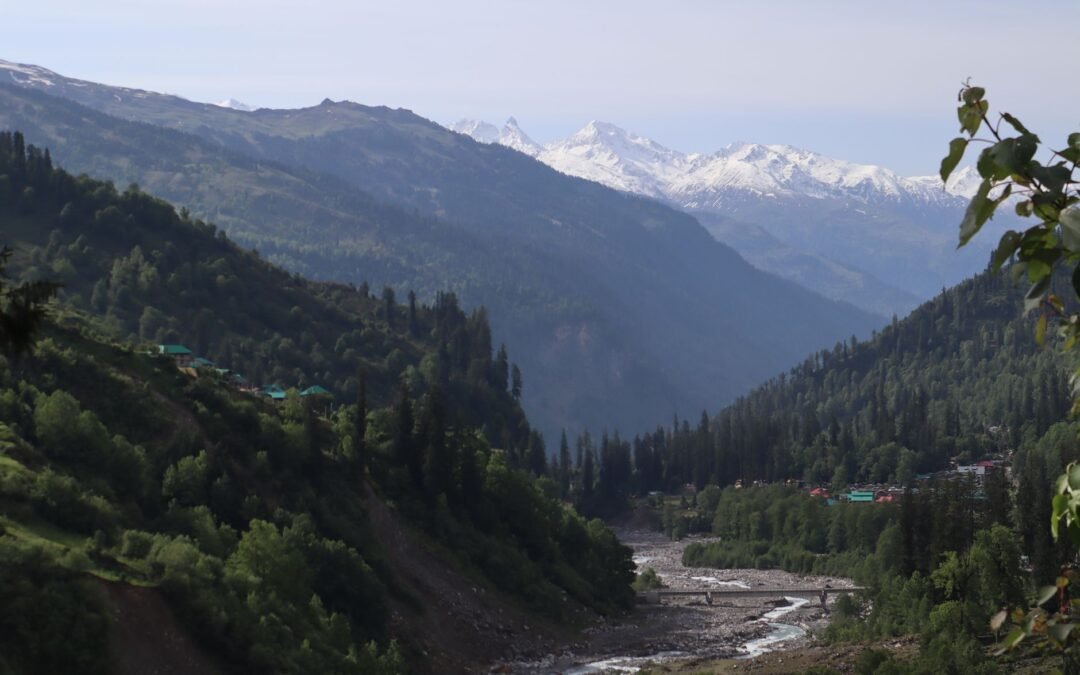
- Tirthan Valley is located in Kullu district, 50 km from Aut tunnel on the Chandigarh-Manali highway
- The valley is gateway to Great Himalayan National Park, a UNESCO World Heritage Site
- Best time to visit is March to June and September to November for pleasant weather
- Tirthan River offers excellent trout fishing opportunities with proper permits
- Stay in riverside homestays and eco-lodges for authentic Himachali experience
Introduction
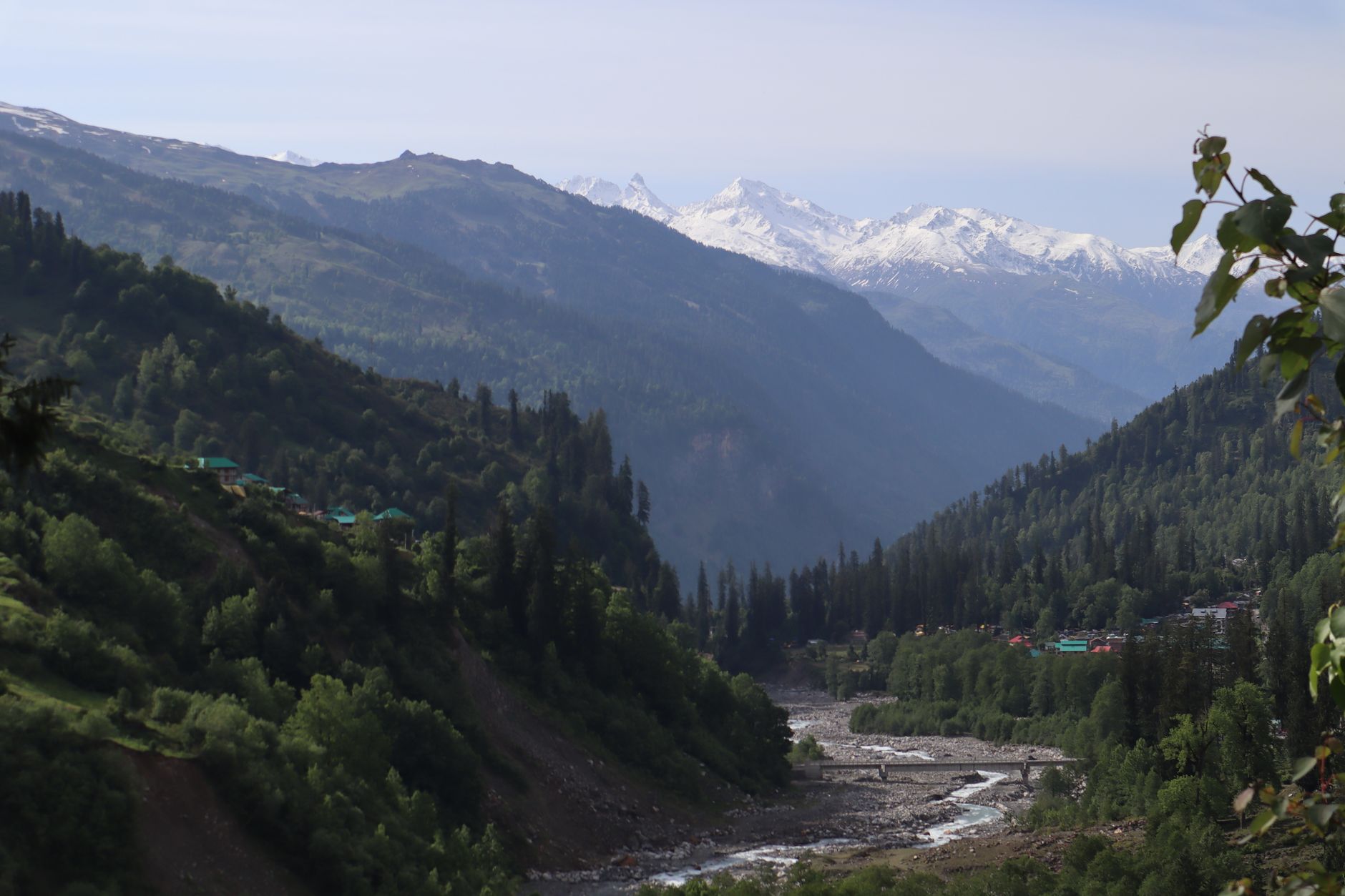
Nestled in the lap of the Great Himalayan National Park, Tirthan Valley remains one of Himachal Pradesh’s best-kept secrets—a pristine paradise where the turquoise waters of the Tirthan River cut through dense deodar forests and towering mountain peaks. Unlike the commercialized hill stations that dot the Himalayan landscape, this enchanting valley in the Kullu district offers an authentic slice of mountain life, where traditional Himachali villages cling to hillsides, trout leap in crystal-clear streams, and the air carries the scent of pine and wildflowers. For travelers seeking respite from crowded tourist circuits, Tirthan Valley presents an irresistible blend of adventure, tranquility, and untouched natural beauty.
What sets this valley apart is its remarkable commitment to sustainable tourism and conservation. As a buffer zone to the UNESCO World Heritage-listed Great Himalayan National Park, Tirthan Valley has attracted conscious travelers, nature enthusiasts, and adventure seekers who appreciate its ecological significance. The valley stretches along the Tirthan River for approximately 30 kilometers, encompassing charming hamlets like Gushaini, Nagini, Bathad, and Jibhi, each offering unique experiences while maintaining the valley’s rustic charm and environmental integrity.
Whether you’re an angler dreaming of catching the elusive Himalayan trout, a trekker eager to explore virgin trails through alpine meadows, or simply someone yearning to disconnect from urban chaos and reconnect with nature, Tirthan Valley delivers experiences that linger long after you’ve returned home. The valley’s increasing popularity among discerning travelers hasn’t diminished its authenticity—it remains refreshingly uncommercialized, with homestays outnumbering hotels and locals still greeting visitors with genuine warmth rather than calculated hospitality.
Quick Facts About Tirthan Valley
| Aspect | Details |
|---|---|
| Altitude | 1,600 meters to 5,000 meters (5,249 to 16,404 feet) |
| Best Time to Visit | March to June, September to November |
| Distance from Nearest City | 50 km from Aut, 75 km from Kullu, 125 km from Manali |
| Nearest Airport | Bhuntar Airport (Kullu-Manali Airport), 50 km away |
| Permits Required | GHNP entry permit required for park treks (₹200-400) |
| Temperature Range | Summer: 15-30°C, Winter: -5 to 15°C |
| Approx Budget per Day | ₹1,500-₹3,500 (including stay, food, and activities) |
Why Visit Tirthan Valley
Tirthan Valley’s uniqueness stems from its rare combination of accessibility and wilderness. While many Himalayan destinations require you to choose between comfort and adventure, Tirthan offers both. The valley serves as the gateway to the Great Himalayan National Park, a 1,171 square kilometer biodiversity hotspot that’s home to over 375 faunal species including the elusive snow leopard, Himalayan brown bear, and the endangered Western Tragopan pheasant. This proximity to protected wilderness means you can enjoy world-class trekking and wildlife spotting while returning each evening to comfortable riverside accommodations.
The Tirthan River itself is the valley’s crown jewel and one of the few remaining pristine Himalayan rivers where trout fishing is not just permitted but actively promoted as sustainable tourism. The crystal-clear waters, fed by glacial streams and mountain springs, support a healthy population of brown and rainbow trout. Fishing here isn’t merely a sport—it’s a meditative experience conducted under strict catch-and-release guidelines that have helped maintain the river’s ecological balance. The riverbanks offer idyllic camping spots, natural swimming pools, and vantage points for simply watching the mesmerizing flow of turquoise water over smooth river stones.
Perhaps most compelling is the valley’s authentic cultural fabric. Villages like Gushaini, Nagini, and Bathad continue traditional lifestyles largely unchanged by tourism. Stone-and-timber houses with slate roofs cluster on hillsides, apple orchards cascade down slopes, and locals still practice polyculture farming and animal husbandry. The valley’s homestay culture allows travelers to experience genuine Himachali hospitality—sharing meals prepared with vegetables from kitchen gardens, learning about local customs, and understanding the delicate balance between conservation and community livelihoods that makes Tirthan Valley a model for sustainable tourism.
Unlike destinations where tourism has eroded local culture, Tirthan Valley’s communities have embraced tourism while maintaining their identity. The valley has banned plastic, limited commercial development, and educated both visitors and residents about responsible tourism practices. This conscious approach has created an environment where travelers feel they’re discovering something special rather than consuming another packaged tourist product—and that sense of discovery is Tirthan Valley’s most precious commodity.
How to Reach Tirthan Valley
By Air: The nearest airport is Bhuntar Airport, also known as Kullu-Manali Airport, located approximately 50 kilometers from Gushaini, the main settlement in Tirthan Valley. Flights operate regularly from Delhi and Chandigarh, though schedules can be seasonal and weather-dependent. From Bhuntar, you can hire a private taxi (₹1,500-₹2,000) or take a local bus to Aut (₹50-₹80) and then another bus or shared taxi to Gushaini or other valley villages. The airport route is fastest but also most expensive; advance booking of taxis is recommended, especially during peak season.
By Train: The nearest major railway station is Joginder Nagar Railway Station (120 km away), though most travelers prefer Chandigarh Railway Station (210 km) or Ambala Cantonment (250 km) as these are better connected to major Indian cities. From Chandigarh, you can board a Himachal Road Transport Corporation (HRTC) bus to Aut (₹300-₹400, 6-7 hours) or hire a taxi (₹4,500-₹6,000). The train-plus-bus combination is popular among budget travelers and offers scenic views of the transition from plains to mountains.
By Road: Tirthan Valley is well-connected by road, making self-drive an excellent option for those comfortable with mountain driving. From Delhi (510 km), the route via Chandigarh-Bilaspur-Aut takes approximately 12-14 hours. From Chandigarh (210 km), allow 6-7 hours via Bilaspur, Mandi, and Aut. From Manali (75 km via Aut), it’s a 2.5-3 hour journey. The roads are generally well-maintained, though narrow and winding after Aut. HRTC buses operate regular services from Shimla (₹400-₹500), Chandigarh (₹350-₹450), and Delhi (₹800-₹1,000) to Aut, from where local buses or shared taxis (₹30-₹50) complete the journey to Tirthan Valley villages.
Local Transport: Within the valley, local buses and shared taxis connect villages like Gushaini, Nagini, Bathad, and Jibhi. Fares are minimal (₹20-₹50 between villages), though services can be infrequent. Most homestays and hotels offer pick-up services from Aut for ₹500-₹800. Renting a two-wheeler in Aut or Banjar (₹800-₹1,200 per day) provides flexibility for exploring the valley’s scattered attractions at your own pace.
Best Time to Visit Tirthan Valley
Spring (March to May): Spring transforms Tirthan Valley into a riot of colors as wildflowers blanket meadows and fruit trees burst into blossom. Temperatures range from 15°C to 25°C, making it ideal for trekking, fishing, and outdoor activities. This is arguably the best season for visiting the Great Himalayan National Park, as trails are accessible and wildlife sightings are more frequent. The rivers run with snowmelt, though they’re not as fierce as summer. Accommodation availability is good, and you’ll avoid peak-season crowds. Cherry, plum, and apple blossoms create picture-perfect landscapes, particularly in late March and early April.
Summer (June to August): Summer is peak tourist season when the valley sees maximum footfall, especially from nearby states escaping the plains’ heat. Temperatures hover between 20°C and 30°C, occasionally higher in July and August. June is excellent before the monsoon arrives in late July. The monsoon months (late July through August) bring heavy rainfall, potential landslides, and restricted access to high-altitude treks. However, the valley looks its greenest, waterfalls are at their most spectacular, and accommodation rates drop significantly. If you don’t mind rain and want solitude, late August can be rewarding, though always check weather forecasts and road conditions.
Autumn (September to November): Autumn rivals spring as the best time to visit Tirthan Valley. Post-monsoon clarity brings stunning mountain views, with snow-capped peaks visible against azure skies. September through October offers perfect trekking weather with temperatures between 10°C and 25°C. November grows colder (5°C to 15°C) but remains pleasant for those who dress appropriately. This is prime fishing season as trout are more active in cooler waters. The apple harvest season adds cultural interest, and you can witness traditional agricultural practices. Autumn colors paint the forests in shades of gold and amber, particularly spectacular in October.
Winter (December to February): Winter transforms Tirthan Valley into a snowy wonderland, though it’s not for everyone. Temperatures drop below freezing, ranging from -5°C to 10°C. Heavy snowfall can occur from late December through February, occasionally cutting off higher villages and closing many accommodations. However, for those seeking winter solitude, cozy homestays with traditional Himachali heating, and the experience of a Himalayan winter, this season has unique appeal. Lower valley areas like Gushaini remain accessible, winter treks to nearby villages are possible, and you’ll have the valley almost to yourself. Rates are at their lowest, though many restaurants and tour operators shut down.
Top Things to Do in Tirthan Valley
Trout Fishing in the Tirthan River
Tirthan Valley is renowned among anglers as one of India’s premier trout fishing destinations, with the river supporting healthy populations of both brown and rainbow trout. Several operators offer guided fishing experiences (₹1,500-₹3,000 per day including equipment) following strict catch-and-release protocols that have preserved the river’s ecosystem. The best fishing spots lie between Gushaini and Rolla, where the river alternates between deep pools and swift runs. Even novice anglers can experience the thrill of hooking these magnificent fish under expert guidance, while learning about river ecology and conservation efforts that make sustainable fishing possible.
Trekking in the Great Himalayan National Park
The Great Himalayan National Park offers trekking routes ranging from easy day hikes to challenging multi-day expeditions through pristine alpine wilderness. Popular treks include the Rolla-Shilt Hut trek (12 km one way, moderate difficulty), the Gushaini-Rolla trek (5 km, easy), and the challenging Tirath-Barheli trek (45 km, 5-6 days). Entry permits (₹200 for Indians, ₹400 for foreigners per day) are required and can be obtained from the GHNP office in Gushaini or Sai Ropa. Hiring certified guides (₹1,000-₹1,500 per day) is mandatory for camping treks and highly recommended for all routes, as they enhance wildlife spotting opportunities and ensure you stay on designated trails that minimize environmental impact.
Village Walks and Cultural Immersion
Exploring traditional Himachali villages like Bathad, Chehni, and Shoja offers insights into mountain cultures that have remained largely unchanged for centuries. The walk to Chehni Kothi, a stunning 1,500-year-old tower temple constructed entirely of stone and wood without any binding material, is particularly worthwhile. These village walks (2-5 km typically) pass through terraced farms, apple orchards, and forests, with opportunities to interact with locals, visit traditional homes, and understand the valley’s unique architectural heritage. Many homestays organize guided village tours (₹500-₹800) that include visits to local artisans, temples, and sometimes participation in daily activities like making traditional Himachali dishes or harvesting seasonal crops.

Waterfall Exploration and River Activities
The valley and its tributaries hide numerous waterfalls, with Chhoie Waterfall being the most accessible and impressive—a powerful cascade tumbling 150 feet into a natural pool perfect for swimming in warmer months. The hike from Gushaini takes about 30-45 minutes through beautiful forest. Other activities include river rafting in the Tirthan and nearby Beas rivers (₹800-₹1,500 depending on stretch), though these are seasonal and water-level dependent. Natural river pools near most villages offer refreshing swimming opportunities, and the riverside meadows provide perfect picnic spots where you can spend hours simply relaxing by the turquoise waters.
Wildlife Spotting and Bird Watching
The Great Himalayan National Park’s incredible biodiversity makes Tirthan Valley a paradise for wildlife enthusiasts and ornithologists. While spotting elusive species like snow leopards and Himalayan brown bears requires luck and extended treks, you have good chances of encountering Himalayan monals, Western tragopans, khalij pheasants, and various Himalayan species of thrushes and warblers even on shorter trails. Early morning walks along the river often reveal Himalayan gorals, barking deer, and yellow-throated martens. Several experienced naturalist guides (₹1,500-₹2,500 per day) operate in the valley, significantly enhancing your chances of meaningful wildlife encounters while educating you about the park’s conservation efforts and ecological significance.
Camping and Stargazing
The valley’s minimal light pollution makes it exceptional for stargazing, with the Milky Way clearly visible on clear nights. Several operators and homestays organize riverside camping experiences (₹1,000-₹2,000 per person including meals and basic camping equipment) at beautiful locations along the Tirthan River. These camps typically include bonfire evenings, traditional Himachali meals, and opportunities for night sky photography. For a more comfortable experience, glamping options (₹3,000-₹5,000 per night) combine the outdoor camping experience with proper beds, attached washrooms, and enhanced amenities while still keeping you close to nature and away from village lights.
Where to Stay in Tirthan Valley
Budget Options (₹800-₹1,800 per night): Tirthan Valley excels in budget homestays that deliver authentic experiences without compromising on comfort. Raju Bharti’s Guesthouse in Gushaini (₹1,000-₹1,500) is legendary among budget travelers for its warm hospitality, home-cooked meals, and riverside location. Tirthan Retreat near Gushaini (₹1,200-₹1,600) offers clean rooms, valley views, and helpful hosts who arrange treks and activities. Himalayan Eco Lodges in Nagini (₹800-₹1,200) provides basic but clean accommodations with shared facilities and organic meals. Most budget options include breakfast and dinner, reducing overall costs while giving you authentic Himachali cuisine prepared by your hosts.
Mid-Range Options (₹2,000-₹4,500 per night): Nature’s Lap Resort in Gushaini (₹2,500-₹3,500) balances comfort with environmental consciousness, featuring well-appointed cottages with valley views, an in-house restaurant, and organized activities. Tirthan River Side Camps (₹2,000-₹3,000) offers semi-permanent luxury tents with proper beds and attached washrooms, combining camping ambiance with hotel comforts. Raju Cottage in Bathad (₹2,800-₹4,000) provides spacious rooms in traditional Himachali architecture, organic gardens, and personal attention from hosts who are fourth-generation valley residents. The Himalayan Trout House (₹3,500-₹4,500) caters specifically to fishing enthusiasts with direct river access, fishing gear, and guides, though non-anglers also appreciate its beautiful location and excellent food.
Splurge Options (₹5,000-₹12,000 per night): Sunshine Himalayan Cottage in Jibhi (₹5,000-₹7,000) offers luxury rooms with floor-to-ceiling windows, private balconies, modern amenities, and gourmet meals using local ingredients. The Hosteller Tirthan (₹1,500-₹6,000 depending on room type) combines backpacker culture with comfort, featuring both dorms and private rooms, a vibrant common area, and organized activities. Tirthan Valley Homestay and Cottages (₹6,000-₹9,000) provides premium cottages with modern interiors, valley views, and personalized service including customized trek arrangements and private fishing guides. For ultimate luxury, Banjara Retreat near Jibhi (₹8,000-₹12,000) delivers boutique hotel experiences with designer rooms, spa services, curated local experiences, and exceptional cuisine while maintaining strong environmental and community commitments.

Local Food & Cuisine
Tirthan Valley’s cuisine reflects its Himachali heritage with influences from neighboring regions, emphasizing locally sourced ingredients, seasonal vegetables, and traditional preparation methods that have nourished mountain communities for generations. The food is generally mild compared to other Indian cuisines, relying on mustard oil, local spices, and slow cooking techniques that develop deep, comforting flavors.
Must-Try Dishes: Siddu is perhaps the valley’s most iconic dish—steamed wheat bread stuffed with walnuts, poppy seeds, or vegetables, served with ghee or clarified butter. Every homestay has its own siddu recipe passed down through generations. Trout prepared various ways (grilled, fried, or in curry) is essential eating here, with the fish so fresh it was likely swimming in the river that morning. Patande are thick, savory pancakes made from wheat flour and served with ghee, perfect for breakfast. Chha Gosht is a tangy lamb curry made with chickpea flour and yogurt, slow-cooked until tender. Aktori is a festival cake made from buckwheat flour, though you’ll need to time your visit or specifically request it from your hosts.
Where to Eat: Most visitors eat at their accommodations, as homestay and hotel meals are typically included and showcase authentic home cooking. However, River Touch Café in Gushaini (₹200-₹400 per meal) offers riverside dining with multi-cuisine options beyond traditional Himachali fare, including continental breakfast and trout preparations. Café Sunshine near Jibhi (₹150-₹350) provides a cozy atmosphere with wood-fired pizzas alongside local dishes and excellent coffee. The Great Himalayan National Park Café in Gushaini (₹100-₹250) serves simple but delicious local food with proceeds supporting park conservation efforts. Mudhouse Experiential Hostels café (₹200-₹500) in Jibhi offers organic meals, freshly baked goods, and special dietary options for vegetarians, vegans, and health-conscious travelers. For budget meals, local dhabas in Banjar and along the main road serve thalis (₹80-₹150) that provide filling, authentic Himachali food at minimal cost.
Practical Travel Tips for Tirthan Valley
Permits and Documentation: Indian citizens need no special permits to visit Tirthan Valley itself, though trekking inside the Great Himalayan National Park requires entry permits (₹200 per day for Indians, ₹400 for foreigners) obtained from the park office in Gushaini or Sai Ropa. Camping permits are additional (₹500-₹1,000 depending on location and duration). Carry valid photo identification as checkpoints may require verification. If hiring guides or porters, ensure they have proper certifications from the park authorities. Applications for extended treks should be submitted at least 2-3 days in advance, and groups may have size restrictions to minimize environmental impact.
Mobile Network and Connectivity: BSNL and Jio provide the most reliable mobile coverage in lower valley areas like Gushaini and Nagini, though signals can be patchy in higher villages and non-existent inside the Great Himalayan National Park. Airtel and Vodafone coverage is spotty and unreliable. Most accommodations offer Wi-Fi, though speeds are typically slow and connection can be intermittent. Plan for digital detox and download necessary maps, permits, and information before arriving. The nearest reliable internet access for work or important communications is in Aut or Banjar.
ATM and Money: The nearest ATMs are in Aut (15 km from Gushaini), making it essential to carry sufficient cash before entering the valley. Most homestays, guides, and small shops accept only cash. A few upscale properties accept card payments or UPI, but don’t rely on this. Bring enough cash for your entire stay plus emergency reserves (₹10,000-₹15,000 for a week-long stay is prudent). There are no money exchange facilities, so international travelers should exchange currency in Delhi, Chandigarh, or at Bhuntar Airport before proceeding to the valley.
Medical Facilities: Medical facilities in Tirthan Valley are basic, with small clinics in Gushaini and Banjar handling minor ailments. The nearest hospital with proper emergency facilities is in Aut (approximately 15 km), and more advanced medical care is available in Kullu (75 km). Carry a personal first-aid kit with basic medications for altitude sickness, stomach issues, cuts, sprains, and any prescription medicines you regularly take. Most accommodations maintain basic medical supplies, but don’t depend on this. Travel insurance covering emergency evacuation is highly recommended for extended treks into the national park.
What to Pack: Pack layers regardless of season, as mountain weather changes rapidly. Essential items include sturdy trekking shoes with good grip, rain gear (especially May-September), warm jacket (even summer evenings get cool), sun protection (hat, sunglasses, sunscreen), reusable water bottle, torch or headlamp, power bank, and a good quality backpack. For treks, add appropriate gear or arrange rentals through your guide. Bring any special dietary items you require as village shops have limited selection. A good camera or smartphone is essential for capturing the stunning scenery, and binoculars enhance wildlife watching. Most importantly, bring a reusable bag and avoid single-use plastics—the valley has banned plastic and maintaining this requires visitor cooperation.
Safety and Responsible Tourism: Tirthan Valley is generally very safe, with low crime rates and welcoming locals. However, the mountains present natural hazards: never trek alone without informing someone of your route, avoid risky river crossings during high water, and respect altitude if going high into the park. The valley’s pristine condition results from conscious conservation efforts—respect these by following Leave No Trace principles. Don’t litter, stick to marked trails, don’t disturb wildlife, and follow catch-and-release fishing rules. Use biodegradable toiletries, minimize plastic use, and support local businesses over outside operators. Don’t pick plants or disturb bird nests. Respect local customs in traditional villages, dress modestly, and ask permission before photographing people. The valley’s future as a sustainable tourism destination depends entirely on visitor behavior today.
Final Thoughts
Tirthan Valley represents something increasingly rare in India’s Himalayan region—a destination that hasn’t sacrificed its soul to tourism, where development and conservation coexist in careful balance, and where the experience feels discovered rather than packaged. Whether you spend your days casting lines into crystalline waters, trekking through forests that have stood for centuries, or simply sitting by the river with a book and the sound of flowing water, this valley offers something more valuable than mere vacation: it offers restoration. In an age of overtourism and environmental degradation, Tirthan Valley stands as proof that thoughtful, community-based tourism can benefit both visitors and the places they visit.
The valley won’t overwhelm you with grand monuments or dramatic landscapes—its beauty is quieter, more intimate, revealing itself gradually to those who slow down enough to notice. It’s in the morning mist rising from the river, the taste of freshly caught trout grilled over open fire, the warmth of homestay hosts who treat you like family, and the profound silence of forests where civilization’s noise finally fades away. So pack your bags, charge your camera, but leave your hurry behind. Tirthan Valley deserves your time, your respect, and your wonder. Come discover this Himalayan gem before the world catches on—but when you do, tread lightly and leave it as pristine as you found it, ensuring that future generations can experience the same magic that awaits you now.
- Book trout fishing permits in advance from the Fisheries Department office in Gushaini village to avoid last-minute disappointment
- Visit Chhoie Waterfall early morning on weekdays to avoid crowds and capture best photographs in natural light
- Hire local guides from Gushaini Ecotourism Cooperative for GHNP treks – they know hidden trails and wildlife spotting locations
- Try authentic Himachali siddu and trout dishes at Raju Bharti’s dhaba in Nagini village for budget-friendly local flavors
- Carry cash as ATMs are limited beyond Aut; nearest reliable ATM is at Banjar town 15 km from main valley
Frequently Asked Questions about Tirthan Valley
The best time to visit Tirthan Valley is from March to June and September to November when the weather is pleasant and ideal for outdoor activities. During summer months (March-June), temperatures range from 15-30°C, while the post-monsoon period (September-November) offers clear skies and crisp mountain air perfect for trekking and sightseeing.
Tirthan Valley is located approximately 125 km from Manali and 75 km from Kullu in Himachal Pradesh. The nearest major junction is Aut, which is about 50 km away, and the closest airport is Bhuntar Airport (Kullu-Manali Airport) at a distance of 50 km from the valley.
Tirthan Valley’s altitude ranges from 1,600 meters (5,249 feet) to 5,000 meters (16,404 feet) above sea level. The main inhabited areas and popular villages like Gushaini, Jibhi, and Nagini are situated at lower altitudes, while trekking routes leading into the Great Himalayan National Park reach higher elevations.
Entry permits are required only if you plan to trek inside the Great Himalayan National Park (GHNP), which costs between ₹200-400 per person. Regular access to Tirthan Valley villages and common tourist areas does not require any special permits.
The approximate daily budget for visiting Tirthan Valley ranges from ₹1,500 to ₹3,500 per person, including accommodation, food, and activities. The valley offers mostly homestays rather than luxury hotels, making it an affordable destination for budget-conscious and sustainable travelers.
Tirthan Valley stands out as one of Himachal Pradesh’s best-kept secrets, offering pristine natural beauty without commercialization unlike crowded hill stations. As a buffer zone to the UNESCO World Heritage-listed Great Himalayan National Park, it provides authentic mountain experiences with turquoise rivers, dense deodar forests, traditional villages, and a strong commitment to sustainable tourism and conservation.