Almost nothing is written about this small shrine in the sal forest outside Paonta Sahib — except for the one detail everyone who does mention it repeats: the god inside is still, by local account, getting bigger.
Most temples in this series come with layers — a founding vision, a battle, a dynasty, a rebuilding. Patlian’s Shiva temple has none of that scaffolding on offer, at least not in any written record that’s survived into wide circulation. What it has instead is a single, persistent, almost stubborn local belief: that the Shiva lingam housed here has been slowly increasing in size for as long as anyone can remember. It’s the kind of claim that resists neat explanation — you can’t fact-check a swayambhu lingam’s growth rate — and that’s precisely what makes this modest paddy-field shrine worth a stop, even with so little else known about it.
🌄 Location & How to Reach It
The temple sits in Patlian, a village roughly 4.5 km from Paonta Sahib, Sirmaur district, set among paddy fields and sal forest.
Google Maps: Get Directions
- By road: Easily reached by a short drive or local transport from Paonta Sahib — this is a near-town excursion rather than a dedicated day trip.
- By rail/air: As with the rest of Paonta Sahib, the nearest railheads are at Dehradun and Ambala, and the nearest airport is Dehradun’s Jolly Grant.
Given how close it sits to Paonta Sahib itself, Patlian works best as a quiet half-hour add-on to a visit to the Gurudwara or the town’s other temples, rather than a standalone destination.
🌸 Best Time to Visit
Sirmaur’s lower-elevation, plains-adjacent climate applies here as it does across Paonta Sahib — October through March for the most comfortable weather, with summers running hot and the monsoon making rural approach roads less reliable. Specific festival dates or temple timings for Patlian don’t appear reliably documented anywhere; as with most Shiva shrines, Maha Shivratri and Mondays generally draw the steadier devotional footfall, though this is a reasonable general expectation rather than a confirmed local practice.
🕉️ The Growing Lingam
The one detail that survives consistently across the few sources that mention this temple at all is this: the Shiva lingam here is believed to be self-manifested (swayambhu) rather than installed by human hands, and devotees hold that it has been steadily increasing in size over time. It’s a belief that shows up in exactly this understated form wherever the temple is mentioned — no dramatic origin story attached, no named king or sage credited with founding it, just a quiet, ongoing claim about the deity’s continued growth.
A separate, older local tradition links this ground to a sage remembered here as Patanjali, described in some regional accounts as a disciple of Maharishi Vyasa. It’s worth being upfront that the Patanjali most widely known to history — associated with the Yoga Sutras — belongs to a different, much-debated tradition and timeframe, and nothing ties that figure concretely to this specific shrine. What’s more likely is that this is a local devotional naming, honoring a revered sage’s memory rather than recording a documented biographical visit — which doesn’t make the association less meaningful to those who hold it, just less something that can be verified as history.
🙏 What the Temple Is Known For
Devotees visiting Patlian come, as at most Shiva shrines, seeking the god’s blessings for general wellbeing, protection, and spiritual peace — nothing here points to a specialized practice or a particular kind of request unique to this site. What sets it apart in people’s minds, modest as the shrine itself is, is simply the growing-lingam belief: it gives an otherwise unremarkable rural temple a distinct identity, a reason for it to be pointed out on a list of “old temples around Paonta Sahib” rather than passed by without a second look.
🏛️ The Temple Itself
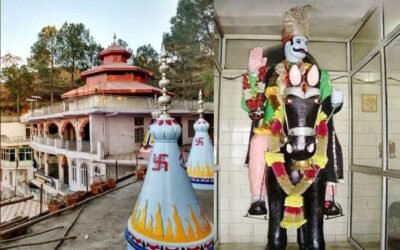
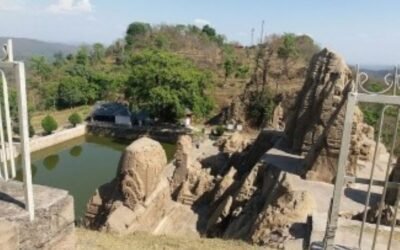
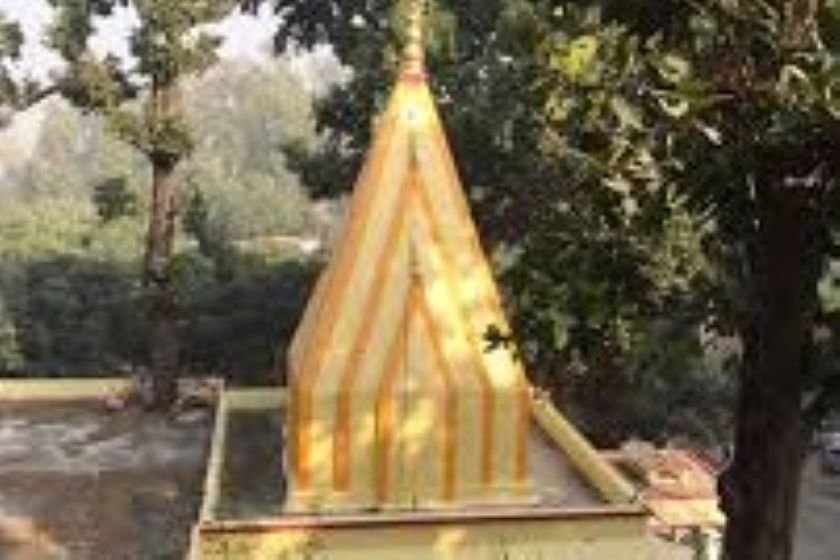
Descriptions of the physical shrine are sparse and consistent rather than detailed: a modest structure set among green paddy fields and sal trees, with the surrounding agricultural land giving the whole area a settled, rural character rather than the forested hilltop drama of some of Himachal’s more famous shrines. There’s no record of significant rebuilding, elaborate carving, or notable architecture here — this reads, from what’s available, as a working village temple rather than a pilgrimage-scale monument, and that plainness seems to be part of its character rather than an oversight.
📜 Regional Context — One of Many Small Shrines Around Paonta Sahib
Patlian belongs to a wider scattering of old, lesser-documented temples around Paonta Sahib — alongside sites like the Ram Temple near the Yamuna bridge, the Yamuna Temple by the Gurudwara, and Bhadarkali temple further out — most of which get a line or two in regional tourism listings rather than a dedicated history of their own. Sitting in the same district as the far better-documented Gurudwara Paonta Sahib and Katasan Devi Temple, Patlian is a reminder that not every sacred site in a region ends up with a well-preserved founding story; some simply persist quietly, known mostly to the people who live nearby.
🎉 Festivals and Devotion
- Maha Shivratri: Likely observed here as at most Shiva temples, though specific local celebration details for Patlian aren’t documented in available sources.
- Mondays: Traditionally an auspicious day for Shiva worship generally, and likely reflected in steadier visitor patterns here as elsewhere.
- Everyday local devotion: The temple appears to function primarily as a working village shrine for nearby residents rather than a major festival destination.
🏞️ While You’re in the Area
- Gurudwara Paonta Sahib – The town’s major pilgrimage site, an easy combination given the short distance.
- Yamuna Temple – Just below the Gurudwara, dedicated to the river goddess.
- Ram Temple (Dei Ka Mandir) – Near the Yamuna Bridge, known for its marble work.
- Katasan Devi Temple – A short drive away on the Nahan road, with its own distinct battle-commemoration history.
- Gurudwara Bhangani Sahib – Slightly further out, marking the site of Guru Gobind Singh’s first battle.
❓ Quick Questions Travellers Ask
Is there an entry fee at the Patlian Shiva Temple? No, entry is free, as is typical for small local Shiva shrines in the region.
Is this the same as one of the twelve famous Jyotirlingas of Shiva? No — despite sometimes being referred to locally as a “Jyotirlinga,” this is a separate, local shrine and isn’t among the twelve major Jyotirlinga sites recognized across India.
How long does a visit take? Given its small scale, most visitors spend well under an hour here, often as a brief stop alongside other Paonta Sahib sights.
Is it easy to find? It’s a small village temple rather than a major landmark, so it’s worth confirming directions locally or via map navigation rather than expecting clear signage from the main highway.
Is there anything to see beyond the temple itself? The surrounding paddy fields and sal forest offer a pleasant, quiet rural setting, though there are no other major attractions directly at the site.
A Last Word
There’s something almost refreshing about a shrine that doesn’t come wrapped in a grand narrative — no vision, no battle, no dynasty, just a quiet field temple and a belief, repeated without embellishment, that something inside it is still slowly changing. Whatever you make of a growing lingam, it’s a reminder that not every sacred place needs a dramatic story to matter to the people who tend it.
Fact-check note: This is a considerably less documented shrine than most others in this series — available information comes almost entirely from brief mentions in regional tourism directories (HPTDC, Himachal Tourism, NativePlanet) rather than detailed historical or academic sources. The location (Patlian village, roughly 4.5 km from Paonta Sahib) and the “growing lingam” belief are consistently repeated across multiple independent tourism listings. The association with a sage named Patanjali appears in some sources but not others, and cannot be reliably cross-verified or dated; it’s presented above as local tradition, not established history, and should not be conflated with the historical figure(s) associated with the Yoga Sutras. No construction date, GPS coordinates, temple timings, or specific festival practices for this particular shrine could be independently confirmed, so none are stated as fact above.