Above the Bharmour side of Chamba, Banni Mata is not only worshipped inside a mountain temple; she is remembered on the old shepherd route, where permission from the goddess matters before anyone dares the pass.
Some temples sit at the end of a road. Banni Mata feels more like a threshold. The temple near Banni / Tundah in the Bharmour region of Chamba is dedicated to Maa Kali / Mahakali Banni Mata, but its real story reaches higher than the shrine itself — towards the old mountain route used by Gaddi shepherds moving with sheep and goats towards the Lahaul side. Local memory says the goddess’s earlier presence is connected with the upper mountain, with sacred points near the pass, trishul-marked stones, and the belief that the route should not be crossed without her permission. That is what makes Banni Mata different from an ordinary Devi temple: she is not only worshipped for blessings, but approached as the guardian of passage.
🌄 Location & How to Reach It
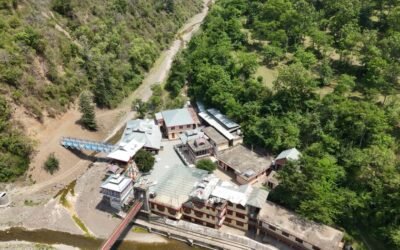
Banni Mata Temple is located in the Bharmour region of Chamba district, near the Banni / Tundah side, at the foot of the Pir Panjal range. The temple is usually reached from Chamba to Bharmour, and then onwards towards Tundah / Banni, depending on current road condition. It is commonly described as a high mountain-side shrine, with the temple area often placed around 8,500 feet / 2,600 metres above sea level.
Google Maps: Get Directions
Elevation: around 8,500 feet / 2,600 metres, based on commonly cited local and travel references.
- By road: The usual route is Chamba – Bharmour – Tundah / Banni side. The final approach may depend on road condition, season, landslides, and local track status, so it should be confirmed before starting.
- By rail: The nearest practical broad-gauge railhead is Pathankot, followed by a long road journey to Chamba, Bharmour, and then towards Banni Mata.
- By air: The nearest practical airport is Gaggal Airport near Kangra, followed by road travel through Chamba district.
This is not a simple roadside temple visit. Banni Mata should be planned with local advice, proper timing, and respect for mountain conditions, especially if you are thinking of going beyond the main temple towards the upper route.
🌸 Best Time to Visit
The most practical time to visit Banni Mata is usually from June to September / early October, depending on road, rain, and local conditions. The Bharmour side can become difficult during heavy monsoon spells, and the higher routes beyond the temple are seasonal.
For the upper route connected with Kali Chho Pass, the window is much shorter. Local movement towards such high passes generally depends on snow melt, shepherd migration timing, water crossings, and weather. The route should not be treated as a casual trek or a Google Maps trail.
The main devotional period is usually associated with Bhadrapad month, roughly August–September, when the temple receives more devotees from Bharmour, nearby villages, and the wider Chamba region. If you want the strongest local atmosphere, this is the period to ask about. If you want a quieter visit, choose a clear-weather day outside the main fair period, but still confirm the route locally.
🕉️ The Goddess Below the Pass
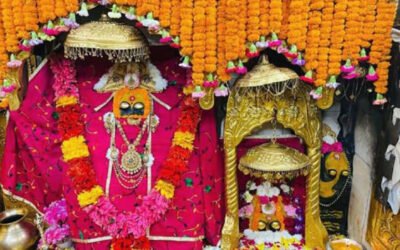
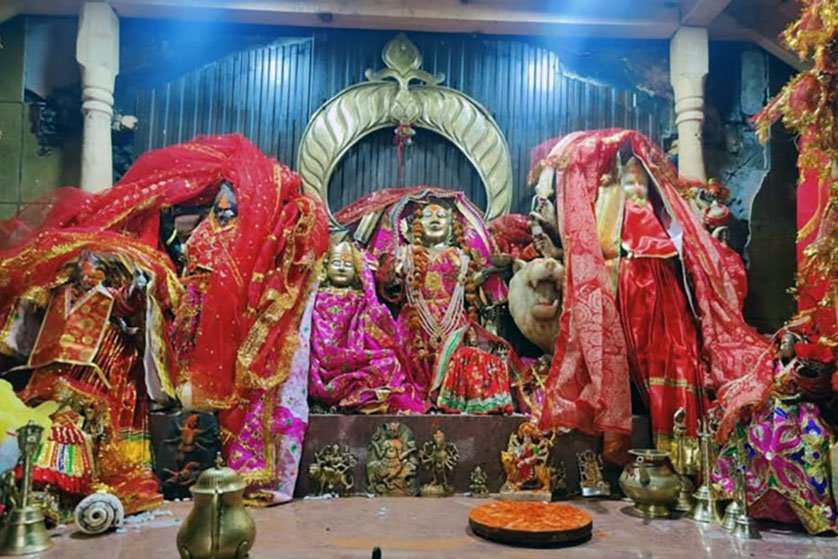
Banni Mata is widely worshipped as a form of Maa Kali / Mahakali. In local devotion, she is fierce, protective, and closely tied to the mountain landscape around Bharmour. This is not a soft valley goddess sitting far away from danger. Her shrine stands near a route where people, animals, weather, and high terrain have always tested one another.
That is why Banni Mata’s importance is different from many other Devi temples. She is not only approached for family welfare, wishes, and blessings. She is also remembered as a route guardian — the goddess before the climb, before the pass, before the uncertain weather, before the crossing.
For the Gaddi shepherds, this meaning is especially important. The Gaddis have moved for generations through the high Himalayas with sheep and goats, crossing difficult routes in search of pastures and seasonal movement. In that world, a pass is not only geography. It is risk, memory, skill, and faith. Banni Mata stands at the edge of that world.
🕉️ The Older Seat Higher on the Mountain
The story you mentioned — that the goddess’s original place is higher up near the pass — is important and should not be ignored. Local oral tradition connects Banni Mata not only with the present temple, but also with upper sacred points on the route towards Kali Chho Pass. People speak of places above the temple, of old stones, trishuls, and marks of the goddess’s presence on the high mountain side.
In some local accounts, names such as Lyundi and Charola are connected with the goddess’s movement or earlier presence. These upper places are not always clearly documented in formal tourism material, but they are important in the way local people understand the shrine. The present temple is the accessible seat of worship. The higher route carries the older, rougher memory of the goddess.
This gives Banni Mata a layered sacred geography. The shrine below is where many devotees come for darshan. The upper points are where the mountain tradition continues — more difficult, less written down, and more dependent on local knowledge. For a serious article, this distinction matters. Banni Mata is not only a temple building; she is part of a route.
🔱 The Trishul Stone and the Permission of the Gaddis
One of the strongest living traditions of Banni Mata is the belief that Gaddi shepherds take permission from the goddess before crossing the pass. This is not a small detail. It is the heart of the place.
The Gaddis are mountain people who know the high routes through use, not through tourism maps. When they move with their flocks, they read signs that outsiders may miss — snow patches, stream levels, grazing condition, cloud movement, loose stone, and the behaviour of animals. For them, taking the goddess’s permission is not just a ritual. It is a way of entering dangerous terrain with humility.
The trishul-marked stone on the upper route belongs to this same sacred world. A trishul on a pass route is not only a religious symbol. It marks presence. It tells the traveller that the mountain is not empty. Someone is worshipped here. Someone must be asked before crossing.
This is why Banni Mata should be understood as the high-pass goddess of permission. The temple below, the stone above, the trishul, the Gaddi flocks, and the pass all belong to one tradition.
🙏 What Banni Mata Is Known For
Banni Mata is known as a powerful form of Mahakali, worshipped for protection, fulfilment of wishes, safe passage, and blessings. The temple is especially important for people from the Bharmour region and for those connected with Gaddi pastoral routes.
For ordinary devotees, the temple is a Devi shrine where prayers are offered for family welfare, health, protection, and vows. For shepherds and mountain travellers, the goddess has another role. She is the one whose permission matters before moving into risky high country.
Some local references also mention associated deities within or near the temple tradition, including Digu Wazir, Kelang Wazir, and Chamunda Devi. This suggests that Banni Mata is part of a wider local devta and Devi network, not an isolated shrine.
The strongest identity of the temple, however, remains this: Maa Banni protects the route.
🏛️ The Temple at the Foot of the Pir Panjal
The temple stands in a mountain setting where the surrounding landscape matters as much as the built structure. This is not a shrine to judge only by architecture. Its real form includes the temple, the forest, the footpath, the upper route, the trishuls, and the pass beyond.
The area around Banni Mata carries the feeling of upper Chamba — steep slopes, old village routes, forest patches, grazing movement, stone, weather, and sudden changes in road condition. On a clear day, the temple can feel peaceful and powerful. In bad weather, the same place reminds visitors why the goddess is approached with caution and respect.
The temple’s built form is simple compared with major town temples, but simplicity does not make it less important. Many mountain shrines are like this. Their strength comes from location, tradition, and continuity rather than from grand construction.
Inside and around the shrine, a visitor may notice bells, flags, trishuls, offerings, and the quiet seriousness that often surrounds older Devi places. Banni Mata does not need to be decorated with exaggerated words. The mountain around her already explains her force.
📜 Banni Mata and the Gaddi World
To understand Banni Mata properly, one has to understand the Gaddi world of Bharmour and Chamba. The Gaddis are traditionally pastoral people, known for seasonal movement with flocks through high Himalayan pastures and passes. Their relationship with the mountain is practical, inherited, and sacred at the same time.
For outsiders, a pass may look like an adventure route. For the Gaddis, it is part of life. It connects grazing grounds, seasonal rhythm, danger, and survival. That is why a goddess like Banni Mata becomes essential. She does not sit outside daily life. She enters it directly.
Before the crossing, the shepherd asks. Before the flock moves, the goddess is remembered. Before the high route opens, permission is sought. This is a mountain ethic as much as a religious act. It says that human beings should not enter the upper world arrogantly.
That is the part many simple travel descriptions miss. Banni Mata is not only “a temple near Bharmour.” She is part of an old pastoral route system, where faith, weather, animals, and survival are tied together.
🎉 Festivals and Devotion
- Bhadrapad Fair: The main fair is generally associated with Bhadrapad month, roughly August–September, when devotees from Bharmour and surrounding areas visit the temple in larger numbers.
- Gaddi Route Blessing: Shepherds moving towards the high route traditionally seek Banni Mata’s blessing or permission before crossing towards the pass and beyond.
- Offerings to Mahakali: Devotees offer prayers to Banni Mata for protection, safe passage, family welfare, and fulfilment of vows.
- Trishul Tradition: The trishul-marked stone on the upper route is part of the wider sacred geography connected with the goddess and the pass.
- Seasonal Caution: The higher route should only be considered in the right season and with local guidance. Weather, snow, streams, and landslides can change conditions quickly.
🏞️ While You’re in the Area
- Bharmour: The nearest major sacred town, historically associated with ancient Brahmapura and the wider Gaddi cultural region.
- Chaurasi Temple Complex: A major temple cluster in Bharmour, with important shrines such as Manimahesh Temple, Lakshana Devi Temple, Ganesh Temple, Narsingh Temple, and Dharamraj Temple.
- Manimahesh Kailash / Manimahesh Lake: The great Shiva pilgrimage landscape of Bharmour, best planned separately with proper yatra timing and local advice.
- Tundah: A practical approach-side village for Banni Mata and an important point for local guidance before visiting.
- Lyundi and Charola: Important names in Banni Mata’s oral tradition, connected with the upper sacred route and the goddess’s older presence. Visit only with reliable local guidance.
- Kali Chho Pass: The high seasonal route associated with Gaddi movement towards the Lahaul side. This is serious mountain terrain, not a casual extension of the temple visit.
🙏 Getting in Touch
There is no widely verified official temple website or formal visitor centre for Banni Mata Temple. For current access, fair dates, route condition, priest availability, and the upper trail, ask locally in Bharmour, Tundah, or nearby villages.
For anything beyond the main temple — especially the route towards the pass, trishul stone, Lyundi, Charola, or shepherd path — do not depend on online maps alone. Take local guidance. Conditions can change because of rain, snow, broken paths, stream crossings, landslides, and seasonal grazing movement.
This is one of those places where local knowledge is not optional. It is part of the pilgrimage.
❓ Quick Questions Travellers Ask
Where is Banni Mata Temple located?
Banni Mata Temple is in the Bharmour region of Chamba district, near the Banni / Tundah side.
Which goddess is worshipped at Banni Mata?
The temple is dedicated to Maa Kali / Mahakali Banni Mata, a fierce protective form of the Devi.
What is the connection between Banni Mata and Gaddi shepherds?
Gaddi shepherds traditionally seek the goddess’s blessing or permission before crossing the high pass route towards the Lahaul side.
Is the original place of Banni Mata higher than the temple?
Local oral tradition connects the goddess with upper sacred points near the pass, including trishul-marked stones and places remembered on the shepherd route. These should be treated as sacred local memory rather than fully documented official history.
Is Banni Mata easy to reach?
It is more difficult than many road-accessible temples. The approach depends on season, road condition, local track status, and weather. The higher route beyond the temple should only be attempted with local guidance.
A Last Word
Banni Mata should not be written like a normal temple stop. Its meaning does not end at the shrine. It climbs higher — towards the old route, the trishul stone, the shepherd path, and the pass where the mountain begins to test people.
That is why the Gaddi permission story belongs at the centre of this place. Before crossing, they ask. Before moving the flock, they remember the goddess. Before stepping into dangerous country, they accept that the mountain has a guardian.
At Banni Mata, faith is not separate from survival. It is part of how the mountain is crossed.
Fact-check note: Banni Mata Temple’s location near Banni / Tundah in the Bharmour region of Chamba, its dedication to Maa Kali / Mahakali, and its commonly cited high mountain setting are supported by available local and travel references, though official documentation is limited. The temple’s connection with Gaddi shepherds, the practice of seeking the goddess’s blessing before crossing the high route, and the story of upper sacred points such as trishul-marked stones are treated here as important oral tradition rather than inscription-verified history. Distances, trail condition, and access beyond the main temple can vary by season, road damage, snow, and local route changes, so travellers should confirm current details in Bharmour or Tundah before visiting.