
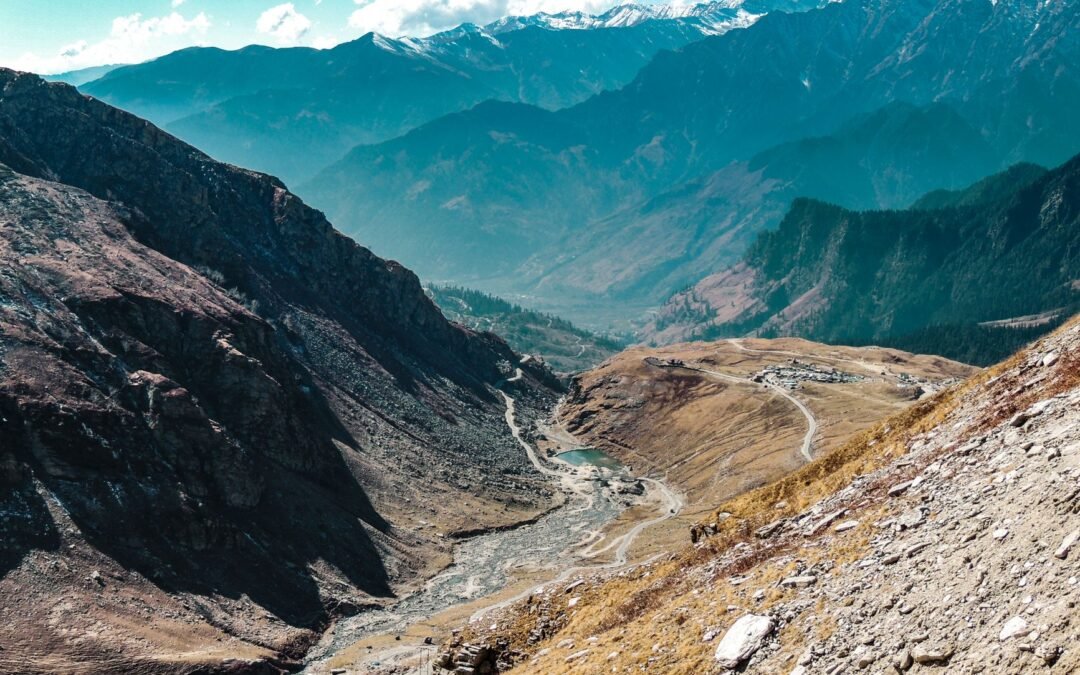
- Chitkul is the last inhabited village on the Indo-Tibet border at 3,450m altitude in Kinnaur district
- Inner Line Permit is mandatory for Indian citizens; foreign nationals need Protected Area Permit to visit Chitkul
- Best months to visit are May to October; village remains inaccessible during heavy snowfall from November to April
- Limited accommodation options with basic homestays and guesthouses; advance booking recommended during peak season
- No ATMs or fuel stations in Chitkul; carry sufficient cash and fuel up at Sangla or Reckong Peo
- Introduction
- Quick Facts About Chitkul Village
- Why Visit Chitkul Village
- How to Reach Chitkul Village
- Best Time to Visit Chitkul Village
- Top Things to Do in Chitkul Village
- Where to Stay in Chitkul Village
- Local Food & Cuisine
- Practical Travel Tips for Chitkul Village
- Final Thoughts
- Frequently Asked Questions
Introduction
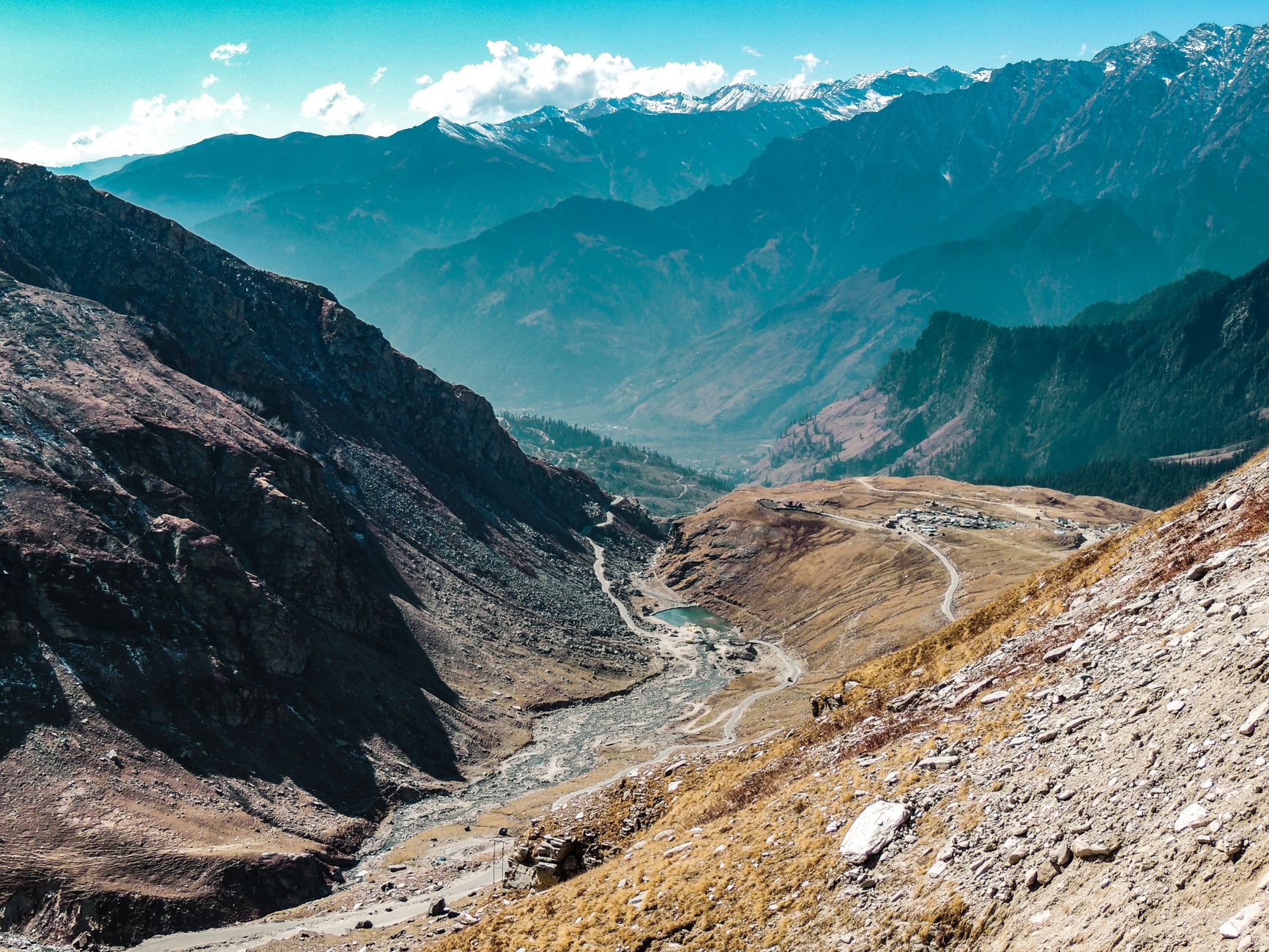
Perched at an altitude of 3,450 meters in the remote Kinnaur district of Himachal Pradesh, Chitkul Village stands as the last inhabited settlement near the Indo-Tibetan border. This picturesque hamlet, nestled along the banks of the crystalline Baspa River, offers travellers an enchanting glimpse into pristine Himalayan life, far removed from the commercialized tourist circuits. With its traditional wooden houses adorned with slate roofs, verdant meadows carpeted with wildflowers, and snow-capped peaks forming a dramatic backdrop, Chitkul presents a landscape so surreal that it feels like stepping into a living postcard.
What makes Chitkul truly extraordinary is not just its breathtaking natural beauty, but its authentic cultural fabric that remains largely untouched by modern tourism. The village belongs to the Kinnaur Baspa Valley and sits just 28 kilometers from the disputed Indo-China border, making it India’s last village where civilians can travel without special restricted area permits. The locals, predominantly of Kinnauri ethnicity, practice a unique blend of Hinduism and Buddhism, evident in the ancient Mathi Temple that presides over the village since the times of the Mahabharata, according to local legends.
For travellers seeking solitude, cultural immersion, and unadulterated mountain experiences, Chitkul offers an unparalleled opportunity to disconnect from the chaos of urban life and reconnect with nature in its most pristine form. Whether you’re a photography enthusiast chasing the perfect shot of wooden cottages against Himalayan giants, an adventure seeker planning treks through alpine meadows, or simply someone yearning for peace in the mountains, Chitkul promises an experience that will remain etched in your memory long after you’ve returned to the plains.
Quick Facts About Chitkul Village
| Parameter | Details |
|---|---|
| Altitude | 3,450 meters (11,319 feet) above sea level |
| Best Time to Visit | April to June and September to October |
| Distance from Nearest City | Shimla: 245 km | Sangla: 25 km | Reckong Peo: 53 km |
| Nearest Airport | Shimla Airport (Jubbarhatti): 225 km |
| Nearest Railway Station | Shimla Railway Station: 233 km |
| Permits Required | No special permits required for Indian nationals; Valid ID proof mandatory at check-posts |
| Temperature Range | Summer: 10°C to 25°C | Winter: -15°C to 10°C |
| Approx Budget per Day | ₹1,500 to ₹3,000 (accommodation, food, local travel) |
Why Visit Chitkul Village
Chitkul distinguishes itself from countless Himalayan destinations through several remarkable characteristics that create an incomparable travel experience. First and foremost, it holds the prestigious title of being the last inhabited village on the old Hindustan-Tibet trade route, positioned just before the international border. This geographical significance means you’re literally standing at the edge of India, where a signboard proudly declares “Last Dhaba of Hindustan,” adding a patriotic sentiment to your mountain adventure.
The village’s architectural heritage presents another compelling reason to visit. Unlike many hill stations where concrete structures have replaced traditional buildings, Chitkul’s 600-odd residents still inhabit centuries-old wooden houses built in the traditional Kinnauri style. These structures feature intricately carved wooden balconies, stone and timber walls, and slate-tiled roofs that have withstood harsh Himalayan winters for generations. The entire village resembles an open-air museum of mountain architecture, with each house telling stories through its weathered timber and hand-carved details.
The Mathi Temple, dating back over 500 years, serves as the spiritual heart of Chitkul and represents the unique religious syncretism of the region. Dedicated to the local deity Mathi, this pagoda-style temple showcases exceptional woodwork and houses intricate carvings. According to local folklore, the Pandavas from the Mahabharata visited this very location during their exile, adding mythological significance to your visit. The temple’s architecture combines Buddhist and Hindu elements, reflecting the cultural crossroads that Kinnaur represents.
What truly sets Chitkul apart is its seasonal transformation and semi-nomadic lifestyle. Due to extreme winter conditions when temperatures plummet to -20°C and heavy snowfall blocks all access roads, the entire village evacuates to lower altitudes between November and March. This annual migration preserves the village’s authentic character, preventing over-tourism and commercialization. When residents return in spring, they bring with them centuries-old traditions of sheep herding, apple cultivation, and barley farming that remain unchanged.
The Baspa River flowing through Chitkul offers crystal-clear waters fed by glacial melt, creating mesmerizing turquoise pools perfect for riverside meditation or photography. The surrounding landscape transitions dramatically with seasons—from snow-covered wonderland in early spring, to vibrant wildflower meadows in summer, to golden-hued forests in autumn. This constant natural metamorphosis ensures that no two visits to Chitkul are ever identical, with each season painting the valley in entirely different colors and moods.

How to Reach Chitkul Village
By Air
The nearest airport to Chitkul is Shimla Airport (Jubbarhatti), located 225 kilometers away. However, this airport has limited connectivity with only few flights operating from Delhi during tourist season. The flight from Delhi to Shimla takes approximately 50 minutes and costs between ₹3,500 to ₹8,000 depending on booking time and season. From Shimla airport, you’ll need to hire a private taxi to Chitkul, which costs around ₹8,000 to ₹12,000 for the entire journey and takes approximately 8-9 hours.
Alternatively, many travellers prefer flying to Chandigarh International Airport, located 365 kilometers from Chitkul. This airport offers better connectivity with multiple daily flights from major Indian cities including Delhi, Mumbai, and Bangalore. From Chandigarh, you can hire a taxi directly to Chitkul (₹10,000 to ₹15,000) or take a bus to Shimla and then proceed further. The journey from Chandigarh to Chitkul takes approximately 11-12 hours by road.
By Train
The nearest railway station is Shimla Railway Station, 233 kilometers from Chitkul. Shimla is connected to Kalka via the famous narrow-gauge UNESCO World Heritage Kalka-Shimla Railway, a scenic journey of 96 kilometers taking 5-6 hours. The toy train costs ₹400 to ₹1,200 depending on class. Kalka itself is well-connected to Delhi, Chandigarh, and other major cities via regular broad-gauge trains. From Shimla, you need to travel by road to Chitkul.
By Road
Road travel remains the most popular and practical option for reaching Chitkul. The route is: Shimla → Rampur → Karcham → Sangla → Chitkul (245 km, 8-9 hours). The road condition is good until Sangla, but the final 25-kilometer stretch from Sangla to Chitkul is narrow and winding, requiring careful driving. HRTC (Himachal Road Transport Corporation) operates regular buses from Shimla to Sangla (₹250-₹350), but there’s no direct bus service to Chitkul. From Sangla, shared taxis cost ₹100-₹150 per person or private taxis charge ₹800-₹1,200 for the 25-kilometer journey.
If driving your own vehicle, ensure it’s in excellent condition as the roads involve steep climbs and descents. Petrol pumps are available in Karcham and Sangla, but not in Chitkul itself, so fuel up before the final leg. The route from Delhi to Chitkul covers approximately 570 kilometers and takes 14-16 hours with breaks, making it advisable to split the journey with an overnight stop in Shimla or Rampur.
Private Taxi Services
Many travellers prefer hiring private taxis for flexibility and comfort. From Shimla, private taxis to Chitkul cost ₹6,000 to ₹9,000 for a one-way trip. You can also arrange for multi-day packages where the taxi stays with you, costing approximately ₹3,500-₹4,500 per day including driver allowance. Local travel agencies in Shimla, Rampur, and Sangla offer reliable taxi services with experienced drivers familiar with mountain roads.
Best Time to Visit Chitkul Village
Spring (April to June)
April-May marks the reopening of Chitkul after the long winter closure. The village comes alive as residents return from lower altitudes, bringing their livestock and reopening their homes. Temperatures range from 10°C to 20°C, making it pleasant for exploration. Snow still caps the higher peaks, while the valley floor begins sprouting fresh grass and early wildflowers. This period is excellent for photography with snow-capped mountains contrasting against emerging greenery. However, some guesthouses may still be opening up, so advance booking is advisable. June sees warmer weather (15°C to 25°C) with most facilities fully operational. The Baspa River flows vigorously with glacial melt, and wildflowers carpet the meadows. This is peak tourist season with good accessibility but increased crowds, especially on weekends.
Monsoon (July to August)
The monsoon season experiences moderate to heavy rainfall, with temperatures between 12°C to 20°C. While Kinnaur receives less rainfall than other Himalayan regions due to being in the rain shadow area, the wet conditions make roads slippery and occasionally trigger landslides. The landscape turns intensely green, and waterfalls appear along mountain slopes. Tourist numbers drop significantly, offering solitude and lower accommodation rates (discounts of 30-40%). However, accessibility can be unpredictable, with road blockages occasionally cutting off Chitkul for days. If you don’t mind the risk and prefer offbeat experiences, late August can be rewarding as rains taper off and the valley looks rejuvenated.
Autumn (September to October)
This is arguably the best time to visit Chitkul. September offers crystal-clear skies after monsoon, with temperatures ranging from 8°C to 18°C. The air is crisp, visibility is excellent for mountain views, and tourist crowds have thinned compared to summer. Apple orchards surrounding Sangla and lower Chitkul turn heavy with fruit, and you can buy fresh apples directly from farmers. October brings stunning autumn colors as willow, poplar, and birch trees turn golden-yellow and amber. Temperatures drop to 5°C to 15°C, with night temperatures sometimes touching freezing point. The stark landscape with golden foliage against snow-capped peaks creates extraordinary photographic opportunities. By late October, early snowfall may occur at higher altitudes, adding dramatic white accents to the scenery.
Winter (November to March)
Chitkul becomes completely inaccessible to tourists during winter. Heavy snowfall (up to 10-15 feet) buries the village, and temperatures plummet to -15°C to -20°C. The road from Sangla gets blocked by snow, usually by mid-November, and remains closed until late March or early April depending on snowfall. Local residents evacuate to Sangla, Reckong Peo, or even lower areas like Rampur. All guesthouses, shops, and facilities shut down completely. The village lies in frozen isolation for five months, inhabited only by occasional wildlife and the howling Himalayan winds. If you’re planning a winter trip to Kinnaur, Sangla remains accessible and offers a base for snow activities, but Chitkul itself is strictly off-limits.
Top Things to Do in Chitkul Village
Visit the Ancient Mathi Temple
The Mathi Temple, dedicated to the local deity, stands as the spiritual centerpiece of Chitkul and represents over 500 years of continuous worship. Built in traditional Kinnauri architectural style with pagoda-like tiers, the temple features exquisite wood carvings depicting mythological scenes and geometric patterns. According to local legends, the Pandavas visited this site during their Himalayan exile, lending the temple immense mythological significance. The temple complex offers panoramic views of the village and surrounding peaks, making it an ideal spot for both spiritual reflection and photography. Visit during morning or evening prayers to witness traditional Kinnauri rituals and hear the melodious temple bells echoing across the valley.
Trek to the Last Indian Village Point
A short but significant walk of approximately 2 kilometers beyond the main village takes you to a signboard marking the “Last Point of India” accessible to tourists without special permits. This symbolic location, with the Indo-Tibetan border just 28 kilometers further, offers a profound sense of standing at India’s edge. The trail passes through alpine meadows dotted with wildflowers in summer, alongside the rushing Baspa River, with views of barren mountain ranges that stretch into Tibet. A popular spot here is the “Last Dhaba of Hindustan,” where you can enjoy simple meals like maggi and chai while contemplating the geopolitical significance of this remote frontier. The experience of reaching India’s last village point creates powerful emotional connections for many travellers.
Riverside Camping and Picnicking Along Baspa River
The glacial-fed Baspa River flowing through Chitkul offers crystal-clear turquoise waters and scenic riverside spots perfect for camping, picnicking, or simply spending contemplative hours. The riverside areas feature smooth boulders ideal for sitting, while the melodious sound of flowing water creates natural meditation music. Several flat spots near the village allow for tent camping (with permission from locals), offering an unforgettable experience of sleeping under star-studded Himalayan skies. The river’s clarity allows you to see trout swimming in shallow pools, and in summer, the brave can dip their feet (though the glacial water remains numbingly cold even in peak summer). Sunrise and sunset by the Baspa River are particularly magical, with changing light painting the surrounding mountains in ethereal colors.
Photography and Village Walks
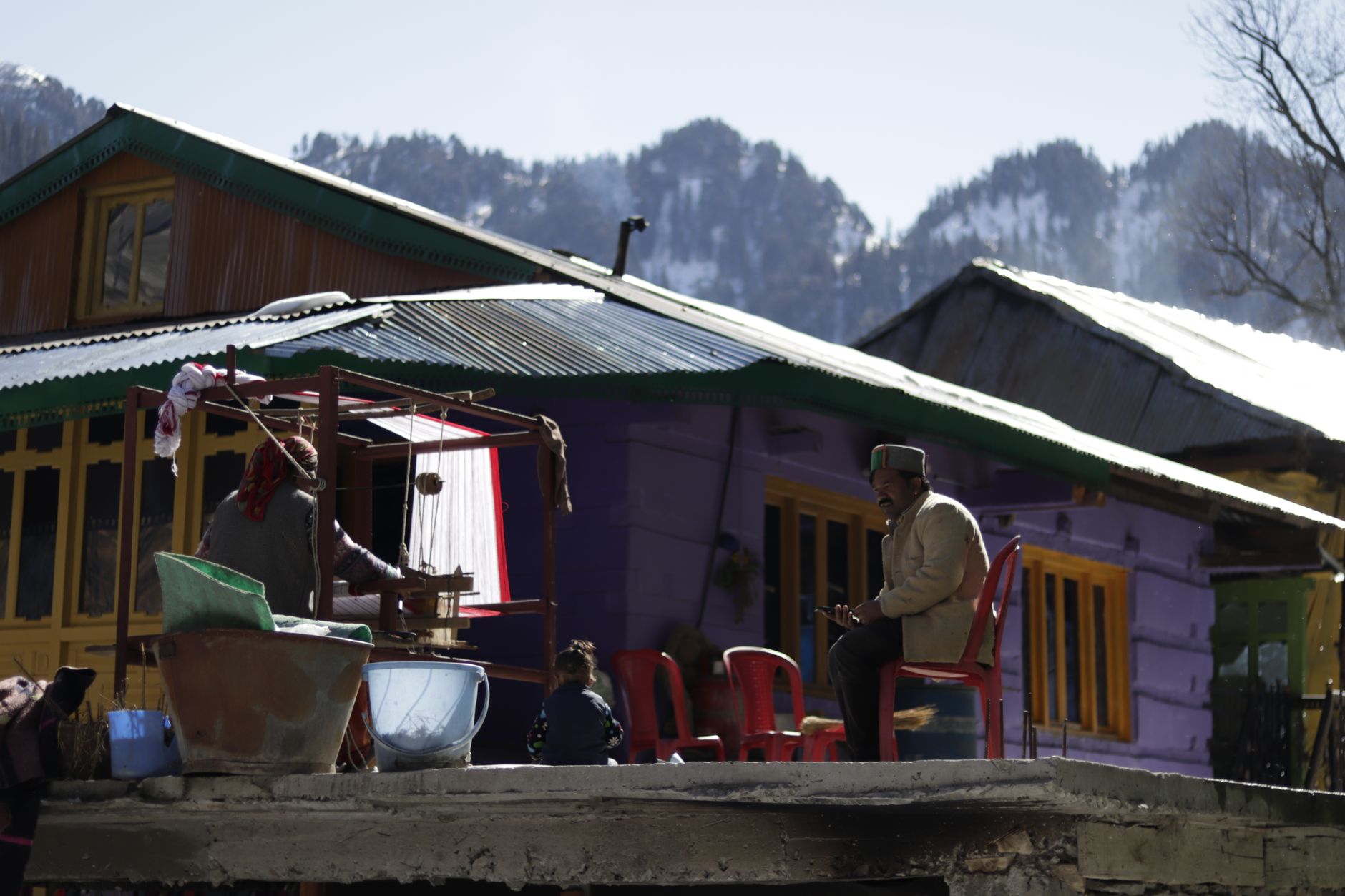
Chitkul is a photographer’s paradise with endless subjects—traditional wooden houses with intricately carved balconies, elderly Kinnauri women in traditional attire spinning wool, prayer flags fluttering against mountain backdrops, and narrow stone-paved lanes winding between ancient homes. A leisurely walk through the village offers intimate glimpses into mountain life: you might see locals repairing wooden houses using traditional techniques, children playing in courtyards, or farmers tending to terraced fields. The upper village, accessed via steep paths, provides elevated viewpoints perfect for panoramic shots of the settlement nestled in the valley with snow peaks towering above. Interacting with friendly locals (many speak basic Hindi and English) adds cultural depth to your photographic journey, with opportunities to capture portraits reflecting the resilient spirit of Himalayan communities.
Short Treks to Nearby Meadows and Peaks
Several moderate treks originate from Chitkul, offering adventures into pristine alpine landscapes. The trek to Rani Kanda, approximately 8 kilometers from the village, leads through rhododendron forests and meadows to a beautiful clearing with stunning valley views. Another popular option is the trek toward Nagasthi village area, passing through shepherd settlements and offering chances to witness traditional pastoral life. These treks don’t require technical climbing skills but demand reasonable fitness due to altitude and terrain. The meadows burst with colorful wildflowers during summer—edelweiss, Himalayan blue poppies, and wild irises—creating natural gardens at altitude. Always inform your guesthouse about trekking plans, carry sufficient water, and avoid venturing too close to restricted border areas.
Experience Local Village Life and Homestays
One of Chitkul’s most authentic experiences is immersing yourself in the daily rhythms of village life. Many families offer homestay experiences where you can participate in daily activities like feeding livestock, helping with farm work, or learning traditional Kinnauri cooking. Watch women weaving traditional pattu shawls on wooden looms, a craft passed down through generations. Taste fresh apples from family orchards (Kinnaur produces some of India’s finest apples), or learn about the cultivation of rajma (kidney beans) and barley in terraced fields. Evening conversations with locals around bukhari (traditional wood stoves) provide insights into life in this extreme environment—the challenges of winter isolation, the annual migration pattern, and the gradual changes modernization brings even to remote Himalayan communities.
Where to Stay in Chitkul Village
Budget Accommodation (₹500-₹1,200 per night)
Chitkul offers several basic but comfortable guesthouses catering to budget travellers. Wanderer’s Nest provides simple rooms with common bathrooms and stunning mountain views at ₹600-₹800 per night. Hindustan Ka Aakhri Dhaba and Guesthouse, located near the last point, offers basic rooms for ₹500-₹700 with shared facilities and a popular restaurant serving simple but delicious meals. HPPWD Rest House can be booked through government channels and offers dormitory beds at ₹300-₹500 per bed, though availability is limited and advance booking essential. Most budget accommodations provide basic amenities—clean beds, blankets, and shared toilets—without luxuries like geysers or Wi-Fi. However, the warmth of hospitality and authenticity of experience more than compensate for basic facilities.
Mid-Range Accommodation (₹1,500-₹3,500 per night)
The Chitkul Retreat offers comfortable rooms with attached bathrooms, hot water (though sometimes limited), and valley-facing balconies at ₹2,000-₹2,800 per night. Baspa View Homestay provides well-maintained rooms in a traditional Kinnauri house with home-cooked meals included, charging ₹1,800-₹2,500 per night. Mountain View Guesthouse features rooms with modern bathrooms and consistent hot water at ₹2,200-₹3,200, along with a common sitting area with bukhari for evening warmth. Many mid-range options include breakfast and dinner in their tariffs, offering home-style Kinnauri and Himachali cuisine. These properties typically have better insulation and heating systems, important for cold nights even in summer when temperatures can drop below 5°C.
Splurge/Premium Accommodation (₹3,500+ per night)
Premium options in Chitkul remain limited due to the village’s remote nature and seasonal closure, but a few properties offer enhanced comfort. The Rustic Kinnaur Villa provides spacious rooms with attached modern bathrooms, consistent hot water, and well-appointed interiors combining traditional architecture with contemporary comfort, priced at ₹4,000-₹5,500 per night with meals. Some homestays like Heritage Homes of Chitkul offer premium experiences in beautifully restored traditional houses with authentic Kinnauri decor, attentive service, and elaborate meals featuring local specialties at ₹4,500-₹6,000 per night. These premium properties often provide private sitting areas, better heating systems, and personalized services including guided village walks and cultural interactions. It’s worth noting that even premium accommodations here are rustic compared to luxury hotels in Shimla or Manali—the luxury here lies in authenticity, location, and experience rather than five-star amenities.
Important Booking Information
Accommodation in Chitkul fills quickly during peak season (May-June and September-October), especially on weekends and holidays, so advance booking of at least 2-3 weeks is essential. Many properties don’t have online booking systems; contact via phone is common. WhatsApp has become the preferred booking medium for many guesthouses. Always confirm your booking a day before arrival. During the season’s beginning (April) or end (late October), confirm that your chosen property is actually open, as opening and closing dates vary based on weather conditions.
Local Food & Cuisine
Must-Try Local Dishes
Siddu is the quintessential Kinnauri delicacy—steamed wheat bread stuffed with poppy seeds, walnuts, and jiggery or meat filling for non-vegetarians. Served piping hot with generous dollops of ghee (clarified butter), siddu is comfort food perfected over centuries of Himalayan winters. The fluffy texture and nutty filling make it incredibly satisfying at high altitudes. Aktori represents another traditional festive dish—a buckwheat pancake prepared during special occasions, with a unique slightly sour taste from fermentation. The buckwheat is locally grown and provides excellent nutrition in the harsh mountain environment.
Thukpa, though originally Tibetan, has been thoroughly adopted in Kinnauri cuisine. This hearty noodle soup loaded with seasonal vegetables and sometimes meat provides perfect warmth on cold mountain evenings. The local version incorporates Himalayan herbs and spices giving it a distinctive flavor profile. Chhang, though an alcoholic beverage rather than food, deserves mention as the traditional barley beer of the region. Mildly alcoholic and slightly sour, chhang is served at festivals and celebrations, representing centuries of local brewing traditions. However, availability for tourists is limited as it’s primarily made for personal and ceremonial consumption.
Chilta or Kinnauri bread is a buckwheat flatbread that serves as staple food, often eaten with ghee, honey, or local chutneys made from wild herbs. The dense, nutritious bread provides sustained energy—essential for life at high altitudes. Aloo Palda, a curry of potatoes in yogurt-based gravy with subtle spicing, represents everyday Kinnauri home cooking, showcasing how local cuisine prioritizes simplicity and nourishment over complexity.
Restaurants, Dhabas, and Cafes
Hindustan Ka Aakhri Dhaba has achieved iconic status as the last Indian restaurant before the border. This humble establishment serves simple but delicious food—maggi noodles (₹40-₹60), vegetable thukpa (₹100-₹120), parathas with curd (₹80-₹100), and hot chai (₹20). The real value lies in the symbolic significance and the warm hospitality of the owners who’ve been running this dhaba for years. The outdoor seating offers views of the river and mountains, making even simple maggi a memorable experience.
Chitkul Food Point near the main village serves traditional Himachali and Kinnauri dishes including siddu (₹150-₹200 for 2 pieces), rajma-chawal (₹120-₹150), and mixed vegetable curry with chapatis (₹100-₹130). The family-run establishment uses locally sourced ingredients including their own vegetables and apples. Service can be slow as everything is prepared fresh, but the authentic flavors reward patience.
Baspa Cafe, operated by a local youth cooperative, offers a contemporary twist on traditional fare alongside backpacker favorites. Their menu includes Israeli breakfast (₹150-₹200), pancakes with local honey (₹120), thukpa (₹120-₹150), and momos (₹100-₹130). They also serve good filter coffee (₹50-₹70)—a rarity in these parts—and homemade apple pie when apples are in season (₹100-₹150). The cafe has a small library with books on Himalayas and comfortable seating making it ideal for spending lazy afternoons.
Most guesthouses and homestays offer meal services, and this is often the best way to experience authentic Kinnauri cuisine. Home-cooked meals typically cost ₹300-₹500 for a complete thali with multiple dishes, and the food is invariably fresh, wholesome, and prepared with care. Many homestays will prepare special dishes like siddu or aktori if you request a day in advance. The shared dining experience with hosts and other guests around a bukhari creates warm social connections that enhance the mountain experience.
Practical Travel Tips for Chitkul Village
Permits and Documentation
Indian citizens do not require any special permits to visit Chitkul. However, carrying valid photo identification (Aadhar Card, Driving License, Passport, or Voter ID) is absolutely mandatory. There are multiple police check-posts between Sangla and Chitkul where your ID will be verified and details recorded. Foreign nationals require an Inner Line Permit to travel beyond Karcham, obtainable from the Sub-Divisional Magistrate (SDM) office in Reckong Peo or the District Magistrate office in Shimla. The permit processing typically takes one working day and costs approximately ₹50-₹100. It’s advisable for international tourists to obtain permits in advance through registered tour operators to avoid hassles.
Mobile Network and Connectivity
Mobile connectivity in Chitkul is highly limited and unreliable. BSNL offers the only network coverage, and even that is patchy and available only in certain spots within the village. Airtel, Vodafone, Jio, and other private operators have zero coverage. BSNL signals work intermittently and usually near the main village area, becoming non-existent near the last point. There is no Wi-Fi available in most guesthouses, though some may offer limited Wi-Fi using BSNL connections, which is too slow for video calls or streaming. Consider this connectivity blackout as an opportunity to digitally detox and immerse yourself fully in the mountain experience. Inform family and friends beforehand about limited communication. For emergencies, some guesthouses have landline phones.
ATM and Money Matters
There are no ATMs in Chitkul. The nearest ATM is in Sangla (25 kilometers away), but even these occasionally run out of cash or face technical issues. The closest reliable ATMs are in Reckong Peo (53 kilometers). Carry sufficient cash for your entire stay—calculate accommodation costs, meals, transportation, and add at least 30% buffer for contingencies. Most establishments in Chitkul only accept cash; UPI and card payments are virtually non-existent. A good practice is to withdraw adequate cash in Shimla or Rampur before entering the inner Kinnaur region. Guesthouses do not provide cash-back facilities, and there are no money exchange services for foreign currency.
Medical Facilities and Health Considerations
Chitkul has only a small primary health center with very basic facilities and limited medicine stocks. There are no hospitals, clinics, or pharmacies in the village. The nearest medical facilities of reasonable standard are in Sangla (Basic Health Center) or Reckong Peo (District Hospital), both requiring 1-2 hours to reach. Carry a comprehensive first-aid kit including altitude sickness medication (Diamox), pain relievers, antiseptic creams, band-aids, and any personal prescription medicines with generous surplus quantities.
Altitude sickness is a real concern at 3,450 meters. Symptoms include headache, nausea, dizziness, and breathlessness. Acclimatize properly by spending a night in Sangla (2,680 meters) before ascending to Chitkul. Stay well-hydrated, avoid alcohol for the first 24 hours, eat light meals, and don’t overexert yourself on arrival day. If symptoms worsen, descending to lower altitude is the only reliable cure. Elderly travelers and those with heart conditions should consult physicians before planning high-altitude visits.
What to Pack
Even during peak summer (May-June), temperatures drop significantly at night, so pack adequate warm clothing: thermal innerwear, fleece jackets, a good quality down jacket or windproof outer layer, warm socks, gloves, and a woolen cap. Layering is key—temperatures can swing 15-20 degrees between day and night. Comfortable trekking or walking shoes with good grip are essential as village paths can be rocky and uneven. Carry sunscreen (SPF 50+), lip balm, sunglasses, and a hat—UV radiation is intense at high altitude.
A reusable water bottle is important (most guesthouses provide filtered or boiled water). Pack a flashlight or headlamp as electricity supply can be erratic and street lighting is minimal. A power bank is essential given limited charging opportunities and no mobile connectivity. Toiletries including dry shampoo, wet wipes, hand sanitizer, and toilet paper should be carried as not all facilities provide these. A small backpack for day trips, zip-lock bags to protect electronics from moisture, and a good book or journal complete your packing list.
Safety Tips
Chitkul is generally very safe with low crime rates and hospitable locals. However, mountain-specific precautions are necessary. Always inform your guesthouse before venturing on walks or treks, and adhere to suggested return times. Never attempt to approach the international border beyond the designated last point—the area is heavily patrolled, and unauthorized movement can lead to detention and legal complications. Respect the strategic sensitivity of the location.
The Baspa River, though beautiful, can be dangerous with strong currents and freezing temperatures. Avoid entering the water beyond ankle-depth. During monsoon or after snowmelt, the river becomes particularly treacherous. Weather in mountains can change rapidly—always carry rain gear and warm layers even on seemingly clear days. Landslides can occur during and after rains, so monitor weather forecasts and local advice.
Responsible Tourism
Chitkul’s pristine environment and traditional culture are fragile assets requiring conscious preservation efforts from visitors. Carry back all non-biodegradable waste—plastics, batteries, packaging materials. There are no proper waste management systems in the village, and littering creates pollution that locals struggle to manage. Use refillable water bottles instead of purchasing plastic bottles.
Respect local customs and traditions. Ask permission before photographing people, especially women and religious ceremonies. Dress modestly—avoid shorts and sleeveless tops in the village. When visiting the Mathi Temple, remove shoes and follow local protocols. Don’t offer money to children as it encourages begging. If you wish to contribute, donate to community facilities like schools or temples.
Support local economy by staying in local guesthouses, eating at local establishments, and purchasing directly from farmers if buying apples or other produce. Avoid bargaining aggressively—the amounts involved are small for most tourists but significant for mountain communities. During water-scarce periods, use water judiciously. Minimize electricity usage—power supply is limited and generated through small hydel projects.
Final Thoughts
Chitkul Village offers something increasingly rare in our hyper-connected, commercialized world—a genuine, unplugged mountain experience where nature’s grandeur and cultural authenticity remain unspoiled. Standing at the edge of India, surrounded by towering Himalayan peaks, beside the crystal waters of the Baspa River, you experience a profound sense of place and perspective. The traditional wooden houses, the centuries-old temple, the warm smiles of Kinnauri people who’ve adapted to one of the harshest environments on earth, and the raw beauty of the landscape combine to create memories that linger long after you’ve descended to the plains. This isn’t a destination for those seeking luxury resorts or Instagram-famous spots—it’s for travelers who find luxury in simplicity, who value authenticity over comfort, and who seek connections with places rather than just photographs of them.
The seasonal rhythm of Chitkul—the annual migration, the complete winter isolation, the spring reawakening—reminds us of nature’s supreme authority and the resilience required to live in harmony with extreme elements. As tourism slowly discovers Chitkul, there’s an urgent responsibility on us travelers to ensure our visits enrich rather than exploit, preserve rather than pollute. Visit this remarkable village with respect, humility, and genuine curiosity. Allow its quietness to slow your pace, its beauty to fill your senses, and its remoteness to reconnect you with essential simplicities. Chitkul isn’t just the last village of India—it’s a journey to the edge of the familiar, an invitation to step beyond comfort zones, and ultimately, a pilgrimage to discover what remains when everything else falls away. Plan your visit, pack mindfully, travel responsibly, and let Chitkul reveal its magic at its own unhurried, mountain pace.
- Visit the Mathi Temple early morning for serene views and interact with locals who can share authentic stories about border life
- Carry your Aadhaar card and passport-size photos for Inner Line Permit which can be obtained at Jangi or Reckong Peo SDM office
- Stay in homestays run by Kinnauri families to experience authentic local culture and try homemade chilra (local bread) and chhang
- Walk to the famous last dhaba signboard but avoid crossing restricted areas near the border; checkpoints are strictly monitored
- Mobile network is extremely limited; only BSNL and occasional Jio works; download offline maps and inform family before reaching
Frequently Asked Questions about Chitkul Village
Chitkul Village is located in the remote Kinnaur district of Himachal Pradesh, India, perched at an altitude of 3,450 meters (11,319 feet) above sea level. It is the last inhabited settlement near the Indo-Tibetan border, situated along the banks of the Baspa River, just 28 kilometers from the disputed Indo-China border.
The best time to visit Chitkul Village is from April to June and September to October when the weather is pleasant and roads are accessible. During summer months (April-June), temperatures range from 10°C to 25°C, while winter temperatures can drop to -15°C to 10°C, making the village inaccessible during heavy snowfall periods.
No, Indian nationals do not need special permits to visit Chitkul Village as it is India’s last village where civilians can travel without restricted area permits. However, carrying valid ID proof is mandatory as it must be presented at check-posts due to the village’s proximity to the Indo-China border.
Chitkul Village is located 245 kilometers from Shimla, 25 kilometers from Sangla, and 53 kilometers from Reckong Peo. The nearest airport is Shimla Airport (Jubbarhatti) at 225 kilometers, and the nearest railway station is Shimla Railway Station at 233 kilometers from Chitkul.
The approximate budget for visiting Chitkul Village ranges from ₹1,500 to ₹3,000 per day, which covers accommodation, food, and local travel expenses. This makes it an affordable destination for budget travelers seeking an authentic Himalayan experience away from commercialized tourist circuits.
Chitkul Village showcases a unique blend of Hinduism and Buddhism practiced by the predominantly Kinnauri ethnic population. The village is home to the ancient Mathi Temple, which according to local legends dates back to the times of the Mahabharata, and features traditional wooden houses with slate roofs that reflect authentic Himalayan architectural heritage.