
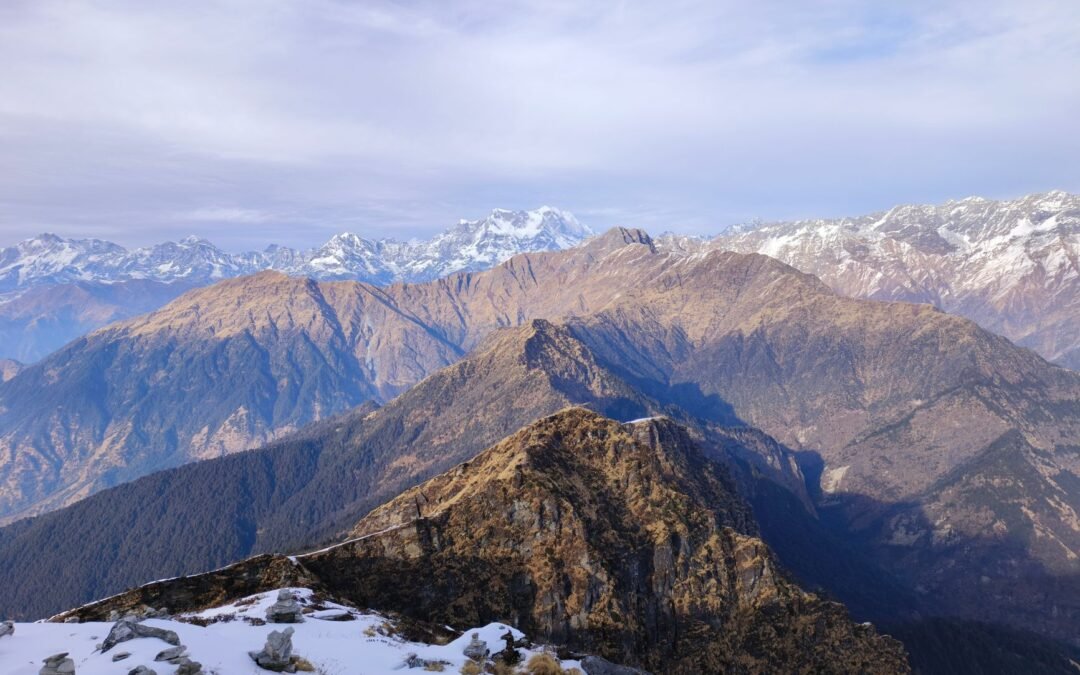
- Tungnath is the world’s highest Shiva temple at 3,680 meters, accessible via a 3.5 km trek from Chopta
- Best trekking months are April-June and September-November; winter offers snow but requires preparation
- The trek from Chopta to Tungnath takes 3-4 hours and is suitable for beginners with moderate fitness
- Extend your trek to Chandrashila summit (4,000m) for panoramic Himalayan views including Nanda Devi
- Limited accommodation in Chopta ranges from camping to basic guesthouses; book ahead during peak season
- Introduction
- Quick Facts About Chopta Tungnath
- Why Visit Chopta Tungnath
- How to Reach Chopta Tungnath
- Best Time to Visit Chopta Tungnath
- Top Things to Do in Chopta Tungnath
- Where to Stay in Chopta Tungnath
- Local Food & Cuisine
- Practical Travel Tips for Chopta Tungnath
- Final Thoughts
- Frequently Asked Questions
Introduction
Nestled in the Garhwal Himalayas of Uttarakhand, the Chopta Tungnath trek is a soul-stirring journey that combines spiritual significance with breathtaking natural beauty. Often referred to as the “Mini Switzerland of India,” Chopta serves as the base camp for the trek to Tungnath Temple, the highest Shiva temple in the world, perched at an elevation of 3,680 meters. This enchanting destination offers trekkers and pilgrims alike an experience that transcends ordinary travel—where emerald meadows meet snow-capped peaks, and ancient devotion mingles with alpine adventure.
What sets Chopta Tungnath apart from countless other Himalayan destinations is its perfect blend of accessibility and wilderness. Unlike more challenging high-altitude treks that require weeks of preparation and acclimatization, the Chopta Tungnath circuit can be completed in a day or spread leisurely over a weekend, making it ideal for both seasoned trekkers and enthusiastic beginners. The relatively short trek of 3.5 kilometers from Chopta to Tungnath Temple—and the additional 1.5 kilometers to Chandrashila Peak—packs an incredible punch of panoramic vistas, including spectacular views of Nanda Devi, Trishul, Chaukhamba, and dozens of other Himalayan giants.
Beyond its natural splendor, this region holds profound religious importance as part of the sacred Panch Kedar pilgrimage circuit. The thousand-year-old Tungnath Temple, believed to have been built by the Pandavas, draws devotees year-round, while adventure seekers are lured by the promise of pristine forests, camping under star-studded skies, and the exhilarating sunrise summit of Chandrashila. Whether you’re seeking spiritual solace, photographic opportunities, or simply an escape from urban chaos, Chopta Tungnath delivers an unforgettable Himalayan experience.
Quick Facts About Chopta Tungnath
| Altitude | Chopta: 2,680 meters | Tungnath: 3,680 meters | Chandrashila: 4,000 meters |
|---|---|
| Best Time to Visit | April to June, September to November (Winter treks: December to March for snow) |
| Distance from Nearest City | Rishikesh: 162 km | Haridwar: 182 km | Dehradun: 221 km |
| Nearest Airport | Jolly Grant Airport, Dehradun (226 km, approximately 8-9 hours by road) |
| Permits Required | No special permits required; Forest Department registration may be needed for camping |
| Temperature Range | Summer: 10°C to 20°C | Winter: -10°C to 5°C | Monsoon: 8°C to 15°C |
| Approx Budget per Day | ₹800 – ₹2,500 (budget to mid-range) | ₹3,000+ (comfortable stays with amenities) |
Why Visit Chopta Tungnath
Chopta Tungnath isn’t just another pretty mountain destination—it’s a carefully orchestrated symphony of natural, spiritual, and adventure elements that create an experience unlike any other in the Indian Himalayas. The primary distinction lies in its unique position as one of the few high-altitude pilgrimage sites that rewards visitors with both religious fulfillment and outdoor adventure without demanding extreme physical fitness or mountaineering expertise.
The trek from Chopta to Tungnath follows a remarkably well-maintained stone pathway that winds through dense forests of rhododendron, oak, and deodar. During spring (April-May), these forests explode into a riot of red and pink blooms, creating a natural canopy that photographers dream about. The pathway itself is an engineering marvel—ancient steps carved into the mountainside, wide enough for comfortable hiking yet steep enough to provide that satisfying challenge. Unlike many popular treks that have been commercialized beyond recognition, Chopta Tungnath retains its pristine character, with minimal development and maximum natural beauty.
The Tungnath Temple complex, built in the North Indian architectural style with stone masonry that has weathered over a millennium, stands as a testament to human devotion and engineering prowess. Its location as the third temple in the Panch Kedar circuit makes it particularly significant for Hindu pilgrims, who believe that visiting all five temples brings salvation. The temple’s highest-altitude status (certified by Guinness World Records as the highest Shiva temple) adds to its mystique and appeal.
Beyond the temple, the additional trek to Chandrashila Peak offers one of the most comprehensive 360-degree Himalayan panoramas accessible to regular trekkers. On clear days, you can identify over 20 major peaks including Nanda Devi (7,816m), Trishul (7,120m), Kedar Peak (6,831m), Bandarpunch (6,316m), and Chaukhamba (7,138m). This viewpoint has been used by sages and seers for meditation for centuries, and the spiritual energy of the place is palpable, especially during sunrise when the peaks turn golden-orange in the alpenglow.
The region’s biodiversity is another compelling reason to visit. Chopta falls within the Kedarnath Wildlife Sanctuary, home to Himalayan monal (the state bird), musk deer, Himalayan tahr, and if you’re exceptionally fortunate, leopards and black bears. Birdwatchers can spot species like the Himalayan griffon, koklass pheasant, and numerous warblers and thrushes. The meadows around Chopta burst with wildflowers during summer—brahma kamal, blue poppies, potentilla, and countless others create a botanical wonderland.
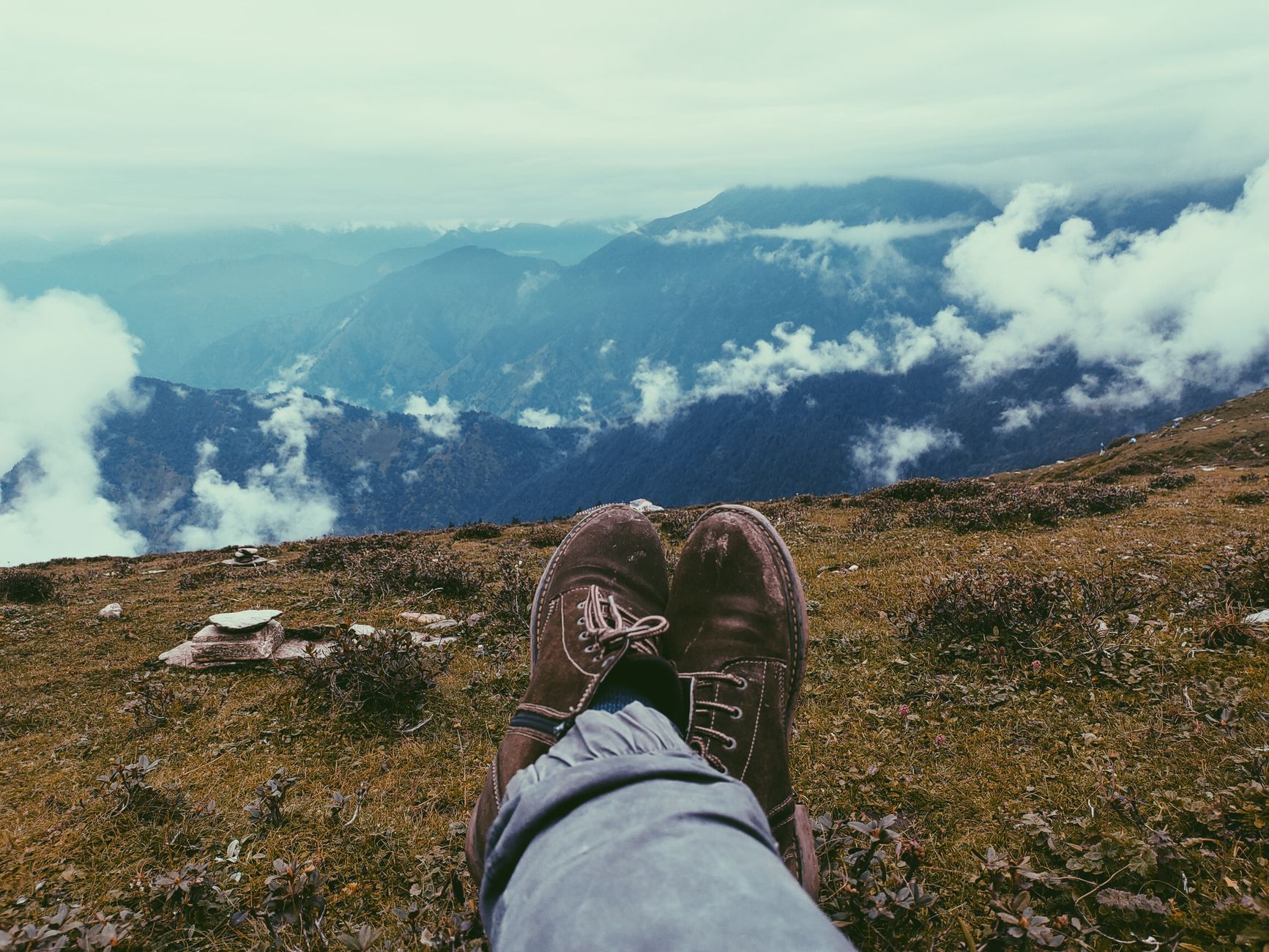
How to Reach Chopta Tungnath
By Air: The nearest airport is Jolly Grant Airport in Dehradun, located approximately 226 kilometers from Chopta. The airport has regular flights from Delhi, with Air India, IndiGo, and SpiceJet operating daily services. Flight tickets range from ₹3,000 to ₹8,000 depending on season and booking time. From the airport, you’ll need to arrange road transport to Chopta, which takes 8-9 hours via Rishikesh and Rudraprayag. Pre-booked taxis cost around ₹5,000-₹7,000 for the entire journey, or you can take a shared taxi to Rishikesh (₹300-₹500) and then proceed by bus or shared jeep.
By Train: The nearest major railway stations are Haridwar (182 km) and Rishikesh (162 km). Haridwar is well-connected to major Indian cities including Delhi, Mumbai, Kolkata, and Lucknow. Popular trains include Shatabdi Express from Delhi (₹500-₹800), which covers the distance in about 5 hours. From Haridwar, frequent buses and shared taxis run to Rishikesh (₹50-₹100, 1 hour). From Rishikesh, you have multiple options to reach Chopta.
By Road from Rishikesh: This is the most common and scenic route. Uttarakhand Transport Corporation (UTC) runs regular buses from Rishikesh to Ukhimath (143 km), passing through Devprayag and Rudraprayag. The bus journey costs ₹250-₹350 and takes approximately 7-8 hours. From Ukhimath, shared jeeps to Chopta (30 km) cost ₹100-₹150 per person and take about 1.5 hours. Alternatively, you can hire a private taxi from Rishikesh directly to Chopta for ₹4,500-₹6,000.
By Road from Dehradun: If coming from Dehradun (221 km), take the route via Rishikesh, Devprayag, Rudraprayag, and Ukhimath. UTC buses operate on this route as well, costing ₹300-₹450. The journey takes approximately 9-10 hours with regular stops. Private taxis from Dehradun to Chopta cost ₹6,000-₹8,000.
Self-Drive Option: Driving your own vehicle to Chopta is increasingly popular among adventure enthusiasts. The roads are generally well-maintained, though narrow and winding in sections after Rudraprayag. The route from Rishikesh follows NH7 until Rudraprayag, then takes the state highway toward Ukhimath and Chopta. Ensure your vehicle is well-serviced, carry spare fuel, and be prepared for steep climbs. Petrol pumps are available in Rishikesh, Srinagar (Garhwal), and Rudraprayag, but not between Rudraprayag and Chopta.
Important Route Details: The key junction towns are Devprayag (confluence of Alaknanda and Bhagirathi rivers, 70 km from Rishikesh), Rudraprayag (confluence of Alaknanda and Mandakini, 140 km from Rishikesh), and Ukhimath (32 km from Chopta). During winter months (December-February), the road beyond Ukhimath may experience snow, requiring chains or 4WD vehicles. Always check road conditions before departure, especially during monsoon season (July-August) when landslides can temporarily block routes.
Best Time to Visit Chopta Tungnath
Summer Season (April to June): This is considered the best time for first-time visitors and those seeking comfortable trekking conditions. April marks the end of winter, with lingering snow at higher altitudes creating stunning contrasts with blooming rhododendrons. Temperatures range from 10°C to 20°C during daytime, dropping to 5°C at night. May and June offer the clearest skies and maximum visibility of Himalayan peaks. The meadows are lush green, wildflowers are in full bloom, and all accommodations and tea stalls remain open. This is peak season, so expect moderate crowds, especially on weekends. Booking accommodation in advance is recommended. The trek is accessible to all fitness levels during these months.
Monsoon Season (July to August): The monsoon brings heavy rainfall to the region, making it the least favorable time for visiting Chopta Tungnath. While the landscapes become incredibly verdant and waterfalls cascade down mountain slopes, the risks significantly outweigh the benefits. Landslides are common on the access roads, trails become slippery and treacherous, and leeches emerge in forested sections. Cloud cover obscures mountain views for days at a time. Temperatures hover between 8°C and 15°C, with high humidity. Many guesthouses and camps close during this period. However, hardcore nature lovers who don’t mind the challenges can find solitude and dramatic cloudy landscapes. If visiting during monsoon, always keep updated on weather forecasts and road conditions, and be prepared for possible route closures.
Autumn Season (September to November): Considered by many experienced trekkers as the absolute best time to visit, autumn offers crystal-clear post-monsoon skies, stable weather, and spectacular visibility of snow-capped peaks. September still carries some monsoon moisture but becomes increasingly dry. October and November provide ideal trekking conditions with daytime temperatures between 8°C and 15°C, and nights dropping to 0°C to 5°C. The air is crisp and clean, perfect for photography. Autumn colors paint the forests in shades of gold, amber, and red. This is also festival season, and you might experience local celebrations like Dussehra and Diwali in nearby villages. Crowds are moderate, and accommodation is readily available. By late November, first snowfall may occur, creating magical winter landscapes while trails remain accessible.
Winter Season (December to March): Winter transforms Chopta Tungnath into a snow-covered wonderland, attracting adventure seekers looking for winter trekking experiences. December and January bring heavy snowfall, with accumulations of 2-4 feet common in Chopta and even more at Tungnath. Temperatures plummet to -10°C at night and rarely exceed 5°C during day. The trek becomes significantly more challenging, requiring proper winter gear including gaiters, microspikes, and possibly crampons. However, the rewards are extraordinary—pristine snow-covered trails, frozen waterfalls, and surreal mountain vistas. February and March see slightly warmer temperatures and are considered the best winter months. Most basic accommodations close, but some camps offer winter packages (₹1,500-₹2,500 per night including meals). The Tungnath Temple officially closes in November, with the deity moved to Makkumath for winter, but the trek to the temple and Chandrashila remains popular. Winter trekking requires prior experience or hiring local guides (₹800-₹1,500 per day). Only physically fit trekkers should attempt winter visits.
Top Things to Do in Chopta Tungnath
Trek to Tungnath Temple
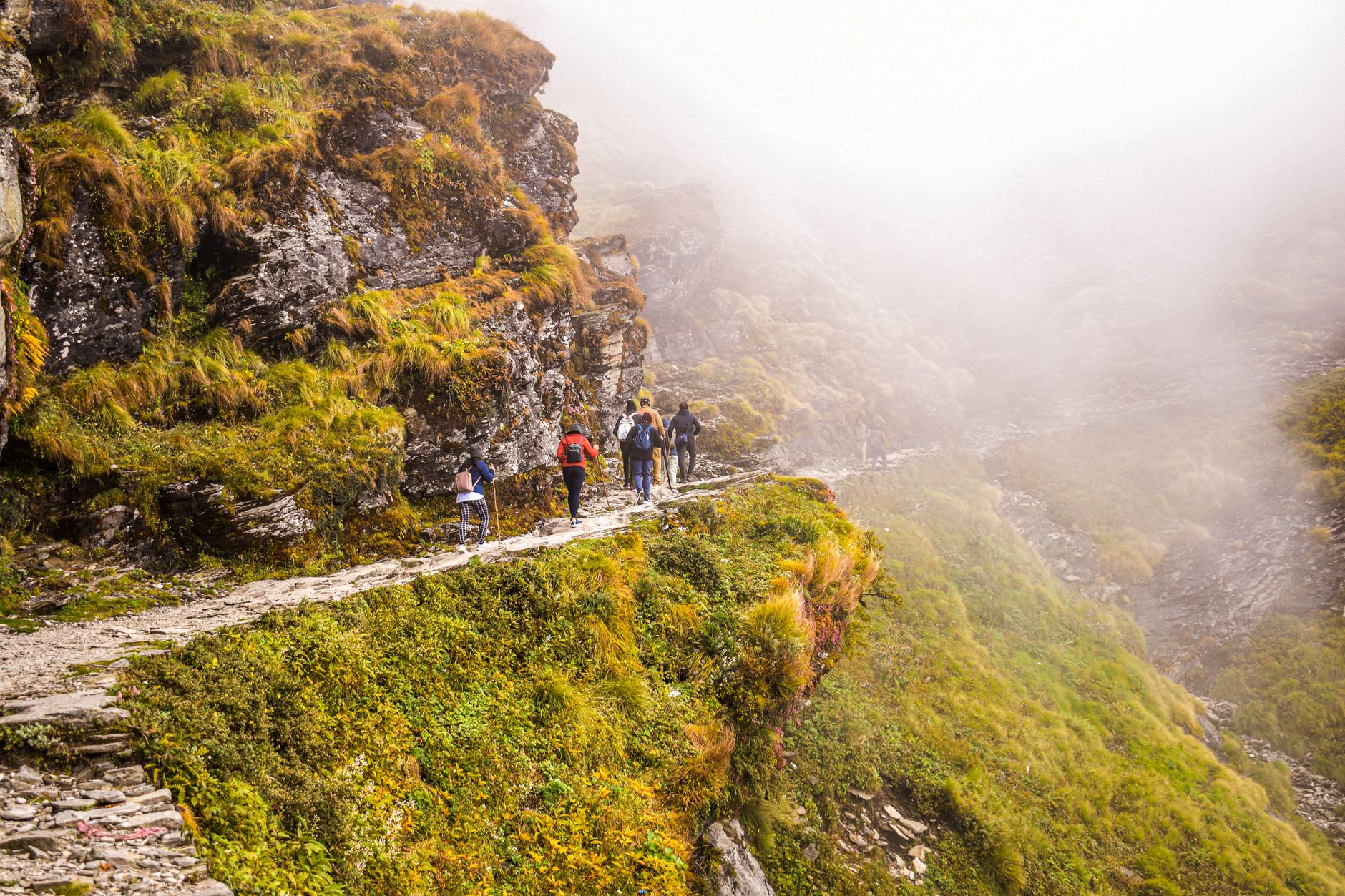
The 3.5-kilometer trek from Chopta to Tungnath Temple is the main attraction and an absolute must-do. The well-marked stone pathway gains approximately 1,000 meters in elevation through enchanting forests and open meadows. Most trekkers complete the ascent in 2.5-4 hours depending on fitness levels and stops for photography. The trail offers multiple viewpoints where you can rest on strategically placed benches while soaking in panoramic mountain views. The temple itself, though small, exudes spiritual power with its ancient stone architecture and the constant chanting of mantras by priests. The best strategy is to start early morning (by 6-7 AM) to avoid afternoon clouds and enjoy the peaceful atmosphere before day-trippers arrive.
Summit Chandrashila Peak
From Tungnath Temple, continue the additional 1.5-kilometer trek to Chandrashila Peak at 4,000 meters. This section is steeper and more exposed but rewards you with arguably the finest 360-degree Himalayan panorama in Uttarakhand. The summit features a small temple dedicated to Goddess Ganga and a commemorative plaque. Sunrise from Chandrashila is legendary—trekkers often start their climb at 3-4 AM from Chopta in darkness to witness the first golden rays illuminating the snow peaks. The play of light and shadow across the mountain ranges creates a spiritual experience that transcends religion. Allow 1.5-2 hours from Tungnath to Chandrashila summit, and carry warm layers as winds can be fierce at the top.
Camping in Chopta Meadows
Spending a night under the stars in Chopta’s expansive meadows is an unforgettable experience that shouldn’t be missed. Multiple camping operators offer packages (₹800-₹1,500 per person including tent, sleeping bag, and meals) with tents set up in designated areas. The night sky here is phenomenally clear, offering exceptional stargazing opportunities—you can easily spot the Milky Way, identify constellations, and if lucky, witness meteor showers during peak periods (August and December). Evening campfires with hot tea, local folk songs, and stories shared with fellow travelers create memories that last a lifetime. Some camps organize guided night walks and astronomy sessions with basic telescopes.
Deoria Tal Trek
Located about 20 kilometers from Chopta (via Ukhimath and Sari village), Deoria Tal is a stunning lake at 2,387 meters that offers mirror-like reflections of Chaukhamba peaks. The trek from Sari village to the lake is a gentle 2.5-kilometer, 1-hour walk through dense forests. The lake is considered sacred, and its emerald-green waters surrounded by alpine meadows create picture-perfect scenery. You can combine this with Chopta by staying one night at Deoria Tal (basic guesthouses and camps available at ₹500-₹1,200 per night). Many trekkers prefer doing Deoria Tal as an acclimatization trek before attempting Tungnath, or as an additional experience if spending multiple days in the region. Shared jeeps from Chopta to Sari village cost ₹100-₹150 per person.
Birdwatching and Wildlife Photography
The Kedarnath Wildlife Sanctuary, which encompasses Chopta, is a paradise for ornithologists and wildlife enthusiasts. Early morning walks (5-8 AM) and evening sessions (4-6 PM) offer the best chances to spot rare Himalayan birds. The colorful Himalayan monal, Uttarakhand’s state bird, is commonly seen in meadows above Tungnath, especially during spring. Other notable species include koklass pheasant, Himalayan griffon vultures soaring above peaks, treecreepers, nuthatches, and numerous warblers. Wildlife sightings require patience and silence—musk deer occasionally venture near the trail, and Himalayan tahr can be spotted on rocky outcrops. Hiring a local naturalist guide (₹1,000-₹1,500 per day) significantly increases your chances of meaningful wildlife encounters and provides valuable insights into the ecosystem.
Visit Nearby Ancient Villages
Exploring traditional Garhwali villages around Chopta offers cultural insights often missed by trekkers focused solely on mountain summits. Villages like Dugalbitta, Makku, and Baniyakund preserve centuries-old lifestyles, with stone houses, terraced agriculture, and warm hospitality. The village of Dugalbitta, just 4 kilometers from Chopta, offers authentic homestay experiences (₹600-₹1,000 per night including meals) where you can participate in daily activities like milking cows, preparing traditional dishes, and learning about local customs. These interactions provide perspective on how mountain communities have adapted to harsh Himalayan conditions while maintaining their cultural identity. Many villagers are excellent storytellers with fascinating accounts of local legends, historical events, and folklore surrounding the Panch Kedar temples.
Where to Stay in Chopta Tungnath
Budget Options (₹400-₹1,200 per night): Chopta offers numerous budget accommodations suitable for backpackers and budget-conscious travelers. Magpie Eco Camps provide basic but clean tents with mattresses and sleeping bags at ₹800-₹1,000 per person including dinner and breakfast. The campsite features common washrooms with running water (though hot water may be limited). Hotel Snow View offers simple double rooms at ₹600-₹900 per night with attached bathrooms (geysers available). The property has a restaurant serving decent North Indian and local cuisine. Chopta Meadows Camp has both dormitory options (₹400-₹500 per bed) and private tents (₹1,000-₹1,200), making it ideal for solo travelers or groups. Most budget stays don’t have 24-hour electricity, relying on generator power for limited hours in evening.
Mid-Range Options (₹1,500-₹3,500 per night): For more comfort without breaking the bank, consider Tungnath Residency, which offers well-maintained rooms with attached bathrooms, hot water, and room heaters at ₹1,800-₹2,500 per night. Their in-house restaurant serves excellent Garhwali cuisine alongside standard Indian dishes. The Hotel Mandakini provides rooms at ₹2,000-₹2,800 with beautiful meadow views, comfortable beds, and reliable hot water. They can also arrange packed lunches for trekkers (₹150-₹200). Chopta Camps and Resorts offers luxury camping with spacious tents, proper beds, attached bathrooms with western toilets, and even charging points at ₹2,500-₹3,500 per tent. Evening entertainment includes bonfire, music, and local cultural programs during peak season.
Comfortable/Splurge Options (₹4,000+ per night): The Himalayan Eco Lodge stands out as the premium accommodation option in the Chopta region, located slightly away from the main area for enhanced tranquility. Their wooden cottages (₹4,500-₹6,500 per night) feature mountain-view balconies, well-appointed interiors, 24-hour electricity (backup generator), and attached modern bathrooms with geysers. The property’s restaurant serves multi-cuisine food with emphasis on organic ingredients. Magpie Luxury Camps offers high-end camping experience at ₹5,000-₹7,000 per tent with premium bedding, carpeted flooring, attached bathrooms, and personalized service. For those willing to stay slightly farther (at Ukhimath, 30 km away), Hotel Shakti Palace offers hotel-standard rooms at ₹3,500-₹5,000 with all modern amenities, making it a good base for exploring both Chopta and other nearby destinations like Deoria Tal.
Booking Tips: During peak season (May-June and September-November), advance booking is essential as accommodation fills up quickly, especially on weekends. Many properties don’t have online booking systems; calling directly and confirming via WhatsApp works best. Always clarify what’s included in room rates—some include meals while others offer room-only rates. Chopta experiences frequent power cuts, so confirm backup electricity availability. In winter (December-March), verify that your chosen property remains operational, as many close during heavy snow periods. Homestays in nearby villages offer the most authentic and budget-friendly experiences if you’re comfortable with basic facilities and shared bathrooms.

Local Food & Cuisine
The Chopta region offers simple but delicious Garhwali cuisine alongside standard North Indian fare. The local food is characterized by minimal spices, emphasizing natural flavors and nutritional value—essential for the high-altitude, cold climate. Most dishes are prepared with locally sourced ingredients including various millets, rice, lentils, and seasonal vegetables grown in terraced fields.
Must-Try Local Dishes: Kafuli is a distinctive Garhwali curry made from spinach and fenugreek leaves, thickened with rice paste and mildly spiced. Rich in iron and perfectly suited to the cold climate, it’s typically served with rice or rotis and costs ₹100-₹150 per serving. Phaanu is a protein-rich dal preparation made from soaked lentils (usually a mix of different varieties) cooked overnight and tempered with local spices. It’s comfort food at its finest, especially when enjoyed with steamed rice on a cold evening. Expect to pay ₹80-₹120 for a hearty portion. Aloo ke Gutke is the Garhwali version of spiced potatoes, but unlike the typical Indian version, it’s cooked with minimal oil and flavored with local herbs and jakhya (Himalayan herb). Served hot with puris or parathas, it’s perfect trail food, available at ₹60-₹100. Mandua ki Roti (finger millet flatbread) is a nutritional powerhouse high in calcium and protein. These thick, dark rotis are an acquired taste but incredibly filling and warming. Paired with ghee and jaggery or local chutneys, they cost ₹40-₹60 per piece.
Where to Eat: Magpie Restaurant at Magpie Camps serves excellent Garhwali thalis (₹200-₹300) featuring multiple local dishes, rice, rotis, and dessert. Their menu also includes reliable North Indian options like dal makhani, paneer dishes, and various parathas (₹80-₹150). The restaurant has a cozy ambiance with valley views and serves hot beverages throughout the day. Chopta Dhaba, a modest roadside eatery run by locals, specializes in authentic home-style Garhwali food. Their kafuli and phaanu are particularly praised by repeat visitors. Expect to spend ₹150-₹250 for a satisfying meal. The service is slow but friendly, and the owners are happy to explain dishes and ingredients. Tungnath Valley Cafe, located near the trek starting point, is perfect for pre-trek breakfast and post-trek refueling. They serve excellent parathas (₹50-₹80), omelettes (₹40-₹60), Maggi noodles (₹50-₹70), and various hot beverages. Their chai (₹20) and hot lemon honey ginger (₹40) are legendary among trekkers. Hotel Mandakini Restaurant offers the most extensive menu in Chopta, including Chinese, Continental, and South Indian options alongside North Indian and Garhwali dishes. Prices range from ₹100-₹350 per dish. Their breakfast buffet (₹250) during peak season is comprehensive and filling, perfect before starting your trek.
Trail Food: Multiple small tea stalls operate along the Chopta-Tungnath trail, offering hot chai (₹20-₹30), Maggi noodles (₹60-₹80), biscuits, chocolates, and packaged snacks at slightly higher prices than base prices. These humble establishments provide welcome breaks during the trek. The stall near the 2-kilometer mark (approximately halfway) is particularly popular for its hot snacks and friendly owner who shares trekking tips. Carrying energy bars, nuts, and water from Chopta is recommended as trail options are limited and prices increase with altitude.
Practical Travel Tips for Chopta Tungnath
Permits and Documentation: Indian citizens do not require any special permits to visit Chopta or trek to Tungnath. However, if planning to camp, you may need to register with the Forest Department at checkpoints along the route or in Chopta. This is typically a formality and free of charge. Foreign nationals should carry their passport and visa documents, though no special trekking permits are required for this area. If planning extended treks beyond Tungnath toward restricted areas, check with local authorities. Photography permits are not required for personal use, but commercial filming requires permissions from the District Administration.
Mobile Network Coverage: Mobile connectivity in Chopta is limited and unreliable. BSNL offers the most consistent coverage, with intermittent signals available in Chopta village. Airtel and Jio have sporadic coverage in certain spots but cannot be relied upon. Vodafone and Idea have minimal to no coverage. On the trek to Tungnath and Chandrashila, expect no mobile network. The last reliable connectivity point is usually Ukhimath. It’s advisable to inform family and friends beforehand about communication blackout periods. Some hotels and camps offer satellite phone facilities for emergencies at ₹50-₹100 per minute.
ATM and Cash: There are no ATMs in Chopta. The nearest ATM facilities are in Ukhimath (30 km away), though they frequently run out of cash or face technical issues. The last fully reliable ATMs are in Rudraprayag (75 km from Chopta). Carry sufficient cash for your entire trip, including buffer for emergencies. Most accommodations, dhabas, and shops operate on cash-only basis. A few mid-range and premium properties may accept digital payments, but network issues make even this unreliable. Budget ₹2,000-₹3,000 per day per person covering accommodation, food, guide fees if required, and contingencies.
Medical Facilities: Chopta has no hospitals or even basic health centers. The nearest Primary Health Center (PHC) is in Ukhimath, 30 km away, offering basic first aid and emergency stabilization. For serious medical issues, you’d need to reach Rudraprayag (75 km, has a government hospital) or Srinagar in Garhwal (90 km, better medical facilities). This makes carrying a comprehensive first aid kit essential. Include altitude sickness medication (Diamox), pain relievers, antiseptic cream, bandages, personal medications, oral rehydration salts, and cold/fever tablets. Many hotels and camps have basic first aid supplies and oxygen cylinders for altitude-related emergencies. Travel insurance covering high-altitude trekking and emergency evacuation is strongly recommended, especially for international tourists.
What to Pack: Clothing should follow the layering principle regardless of season. Base layer of thermal innerwear, mid-layer of fleece or woolen sweater, and outer waterproof and windproof jacket. Even in summer, temperatures drop significantly at night and at higher altitudes. Comfortable trekking shoes with good ankle support and grip are essential—the trail has steep sections and can be slippery after rain or during winter. Carry extra pairs of woolen socks. Sun protection is critical at high altitudes: broad-brimmed hat or cap, sunglasses with UV protection (Category 3 or 4), and high SPF sunscreen. Winter visitors need additional heavy woolens, gloves, muffler, monkey cap, and possibly gaiters for snow. Trekking poles are helpful, especially for descent and for those with knee issues. Carry at least 2 liters of water capacity in reusable bottles. Headlamp or torch with extra batteries is essential as electricity is unreliable and for early morning summit attempts. Backpack with rain cover (30-40 liters sufficient for day treks), quick-dry towel, toiletries, toilet paper, hand sanitizer, and wet wipes. Carry all prescribed personal medications plus general medicines for altitude sickness, stomach issues, headaches, and cold.
Altitude Acclimatization: Though Chopta at 2,680 meters is relatively moderate, the rapid ascent to Tungnath (3,680 meters) and Chandrashila (4,000 meters) can cause altitude-related issues in susceptible individuals. Symptoms of acute mountain sickness (AMS) include headache, nausea, dizziness, and fatigue. Prevent this by staying well-hydrated (drink 3-4 liters of water daily), ascending gradually (don’t rush the trek), and avoiding alcohol and smoking. If experiencing AMS symptoms, rest immediately, take medication if available, and if symptoms persist or worsen, descend to lower altitude. Most fit individuals don’t face serious issues, but being aware and cautious is important.
Safety Considerations: The Chopta-Tungnath trek is generally safe, but mountain environments carry inherent risks. Always start your trek early (by 6-7 AM) to avoid afternoon weather deterioration. Mountain weather changes rapidly—carry rain protection even if the sky is clear. Stick to marked trails and don’t attempt shortcuts, especially in foggy conditions. During winter, avalanche risks exist on steep sections; hire experienced local guides who know current conditions. Solo trekking is possible but not recommended; trek with companions or join groups. Inform your hotel/camp staff about your trekking plans and expected return time. Wild animals like bears exist in the region though sightings are rare; make noise while trekking through dense forest sections and never approach wildlife. Don’t venture out alone at night in forested areas.
Responsible Tourism: Chopta’s pristine beauty depends on visitors practicing responsible tourism. Carry all non-biodegradable waste back with you—plastic bottles, wrappers, and trash should never be left on trails or in campsites. Use designated toilet facilities; if none available, follow proper wilderness toilet ethics (dig cat hole 6-8 inches deep, at least 200 feet from water sources, and bury waste). Avoid using soaps and shampoos in streams or natural water sources. Respect the sanctity of Tungnath Temple—dress modestly, remove shoes before entering, don’t carry leather items inside, and maintain silence. During camping, use existing campsites rather than creating new ones, and never damage vegetation for firewood or tent pegs. Support local economy by purchasing from local vendors, staying in locally-owned guesthouses, and hiring local guides and porters. Interact respectfully with locals and learn a few basic Garhwali phrases—they appreciate the effort. Don’t distribute plastic packaged items or money to children, as this encourages begging and creates waste problems.
Best Photography Times: The golden hours (30 minutes after sunrise and before sunset) offer the most dramatic light for mountain photography. For Chandrashila summit shots, the sunrise (approximately 5:30-6:30 AM depending on season) is unbeatable, requiring a pre-dawn start from Chopta around 3-4 AM. The afternoon light (3-5 PM) works beautifully for photographing the Chopta meadows with sidelit mountains in the background. Carry extra batteries as cold temperatures drain them quickly, and lens cloths for moisture condensation. A polarizing filter enhances blue skies and reduces glare from snow.
Final Thoughts
Chopta Tungnath represents the Himalayas at their most accessible yet still magnificently pristine. This is not a destination that demands weeks of vacation, extreme fitness, or specialized mountaineering skills—yet it delivers experiences that rival far more remote and challenging expeditions. The unique combination of spiritual heritage, ecological richness, and mountain grandeur concentrated in this compact region makes it an essential pilgrimage for anyone who loves mountains, whether your devotion is religious, recreational, or photographic. The thousand-year-old stones of Tungnath Temple whisper stories of devotion and endurance, while the panoramic sweep from Chandrashila Peak speaks of nature’s overwhelming power and beauty in a language that transcends words.
Whether you find yourself standing breathless at the summit watching the sun paint golden light across a hundred Himalayan peaks, sitting in silent meditation in the ancient temple courtyards, or simply lying in a meadow gazing at the impossibly star-filled night sky, Chopta Tungnath will leave an indelible impression on your soul. The journey here is as much inward as upward, offering that rare modern luxury—genuine disconnection from digital distractions and reconnection with elemental nature and your authentic self. So pack your backpack, lace up your trekking shoes, and point yourself toward these sacred mountains. The highest Shiva temple in the world awaits, along with meadows that truly deserve the “Mini Switzerland” comparison, and a peace that only the high Himalayas can provide. Your Chopta Tungnath adventure awaits—and it promises to be unforgettable.
- Start your trek by 6 AM to reach Tungnath temple during morning aarti and avoid afternoon clouds that obscure mountain views
- Carry sufficient cash as there are no ATMs beyond Ukhimath; last fuel station is at Rudraprayag
- Stay hydrated but drink slowly during the trek to avoid altitude-related nausea; refill water at Tungnath temple
- Book GMVN guesthouse or campsites at least 2 weeks ahead for weekends; avoid relying on walk-in availability
- Wear layered clothing even in summer as temperature drops significantly after 3 PM; wind-proof jacket essential at Chandrashila
Frequently Asked Questions about Chopta Tungnath
The best time to visit Chopta Tungnath is from April to June and September to November when the weather is pleasant and trails are clear. For those seeking a winter snow trekking experience, December to March offers stunning snow-covered landscapes, though temperatures can drop to -10°C.
The Chopta Tungnath trek is relatively easy and suitable for both beginners and seasoned trekkers. The trek from Chopta to Tungnath Temple is 3.5 kilometers, with an additional 1.5 kilometers to Chandrashila Peak, and can be completed in a day or spread over a weekend without requiring extensive acclimatization.
Tungnath Temple, the highest Shiva temple in the world, is located at an elevation of 3,680 meters. Chandrashila Peak stands at 4,000 meters, while the base camp at Chopta is situated at 2,680 meters.
Chopta is approximately 162 kilometers from Rishikesh and 221 kilometers from Dehradun. The nearest airport is Jolly Grant Airport in Dehradun, which is 226 kilometers away, roughly 8-9 hours by road from Chopta.
No special permits are required for the Chopta Tungnath trek. However, Forest Department registration may be needed if you plan to camp in the area.
The approximate daily budget ranges from ₹800 to ₹2,500 for budget to mid-range accommodations and services. For more comfortable stays with amenities, expect to spend ₹3,000 or more per day.