
- Best coffee plantation tours run from October to March with guided walks starting at 7 AM for optimal weather
- Tata Coffee Plantation Estate and Old Kent Estates offer the most authentic coffee trail experiences with tasting sessions
- Estate homestays provide immersive experiences including coffee picking, processing demonstrations, and traditional Kodava meals
- The coffee blossom season in March-April offers spectacular white blooms and fragrant trails throughout the estates
- Book plantation tours 2-3 days in advance and wear comfortable walking shoes for 2-3 hour trail walks
- Introduction
- Quick Facts About Coorg coffee trails
- Why Visit Coorg coffee trails
- How to Reach Coorg coffee trails
- Best Time to Visit Coorg coffee trails
- Top Things to Do in Coorg coffee trails
- Where to Stay in Coorg coffee trails
- Local Food & Cuisine
- Practical Travel Tips for Coorg coffee trails
- Final Thoughts
- Frequently Asked Questions
Introduction
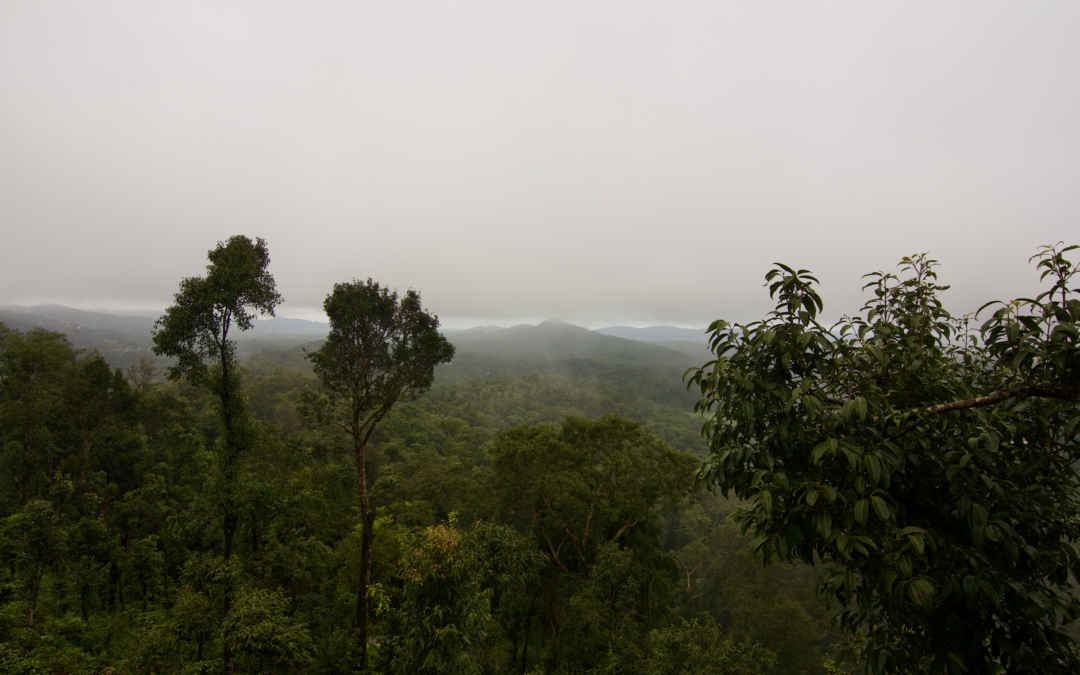
Nestled in the verdant Western Ghats of Karnataka, the Coorg coffee trails offer an intoxicating blend of aromatic plantations, mist-laden hills, and an immersive journey into India’s rich coffee-growing heritage. Often called the “Scotland of India,” Coorg—officially known as Kodagu—transforms into a fragrant paradise where the air itself carries hints of fresh coffee blossoms, cardamom, and pepper vines. Walking through these sprawling estates isn’t merely a tourist activity; it’s a sensory pilgrimage that connects you to generations of coffee cultivation, colonial-era processing methods, and the warm hospitality of plantation owners who still treat coffee farming as an art form.
The coffee trails wind through rolling hills covered in emerald-green coffee bushes, interspersed with silver oak and jackfruit trees that provide the perfect canopy for the shade-loving arabica and robusta beans. These trails aren’t just about caffeine appreciation—they’re about understanding the complete ecosystem that makes Coorg one of India’s premier coffee-producing regions, contributing nearly 30% of the country’s total coffee output. As you traverse these paths, you’ll witness every stage of coffee production, from the delicate white blossoms that appear during the monsoon to the deep red coffee cherries ready for harvesting between November and February.
Whether you’re a coffee connoisseur seeking to understand the nuances between wet-processed and dry-processed beans, a nature enthusiast drawn to the biodiversity of plantation ecosystems, or simply a traveler looking for an off-beat Karnataka experience, the Coorg coffee trails promise an unforgettable journey. The experience combines agricultural tourism with adventure, wellness, and cultural immersion, making it a perfect destination for weekend getaways and extended explorations alike.
Quick Facts About Coorg coffee trails
| Altitude | 900-1,600 meters above sea level |
| Best Time to Visit | October to March (peak season); June to September (monsoon charm) |
| Distance from Nearest City | Mysore: 120 km; Bangalore: 265 km; Mangalore: 135 km |
| Nearest Airport | Mangalore International Airport (135 km); Kannur Airport (95 km) |
| Permits Required | None for coffee plantation visits; advance booking recommended |
| Temperature Range | Summer: 20°C-35°C; Winter: 10°C-25°C; Monsoon: 15°C-28°C |
| Approx Budget per Day in INR | ₹2,500-₹8,000 (including accommodation, meals, activities) |
Why Visit Coorg coffee trails
The Coorg coffee trails stand apart from conventional plantation tourism because they offer genuine farm-to-cup experiences that few regions in India can match. Unlike commercial tea estates where visitors often remain spectators, Coorg’s coffee plantations invite you to become temporary participants in the cultivation process. You can hand-pick ripe cherries alongside estate workers during harvest season, learn the intricate art of pulping and fermenting, and even try your hand at traditional sun-drying methods on sprawling barbecues (raised drying platforms). Many estates still use century-old techniques passed down through generations, including organic farming practices and traditional shade-growing methods that prioritize quality over quantity.
What makes these trails particularly special is the symbiotic agricultural model practiced here. Coffee plantations in Coorg aren’t monocultures—they’re complex agroforestry systems where coffee grows alongside pepper vines climbing silver oak trees, cardamom shrubs carpeting the forest floor, and vanilla orchids wrapping around tree trunks. This multi-crop approach creates a unique landscape where every turn reveals a different aromatic treasure. The estates also harbor remarkable biodiversity, with Malabar giant squirrels leaping between branches, over 300 species of birds including the Malabar trogon and great hornbill, and if you’re fortunate, glimpses of elephants during their seasonal migrations through coffee country.
The cultural dimension adds another layer of authenticity. The Kodava people, who comprise the indigenous community of Coorg, have maintained their distinct traditions, cuisine, and warrior heritage despite centuries of external influences. Many plantation homestays are run by Kodava families who share not just their coffee knowledge but also their folklore, traditional Kodava cuisine prepared with estate-grown spices, and insights into their unique matrilineal customs. This cultural exchange, combined with the agricultural education and natural beauty, creates a holistic experience that transforms a simple plantation visit into a profound understanding of how landscape, livelihood, and culture interweave in India’s coffee heartland.

How to Reach Coorg coffee trails
By Air: The nearest airport is Kannur International Airport in Kerala (95 km from Madikeri, Coorg’s main town), followed by Mangalore International Airport (135 km). Bangalore’s Kempegowda International Airport (290 km) offers the most flight connections. From Kannur, taxis cost ₹2,500-₹3,000 and take approximately 2.5 hours. From Mangalore, expect to pay ₹3,000-₹3,500 for a 3.5-hour journey. Bangalore airport transfers cost ₹5,500-₹7,000 and take 6-7 hours, though most travelers break this journey with an overnight stop in Mysore.
By Train: Mysore Junction is the nearest major railway station at 120 km from Madikeri. It’s well-connected to Bangalore (3 hours), Chennai (10 hours), and other major cities. From Mysore, KSRTC buses depart every 30 minutes from the City Bus Stand to Madikeri (₹150-₹200 for regular buses, ₹300-₹400 for Volvo services), taking approximately 3 hours via the scenic Hunsur route. Taxis from Mysore to Madikeri cost ₹2,500-₹3,000. Alternatively, Thalassery Railway Station in Kerala (80 km) serves as another entry point, particularly convenient if traveling from northern Kerala or Mumbai, with taxi services to Coorg costing ₹2,000-₹2,500.
By Road: Coorg is exceptionally well-connected by road, making self-driving or bus travel popular options. From Bangalore, the 265 km journey via NH275 passes through Mysore and takes 5.5-6 hours. The route is scenic, particularly after Hunsur, where the plains give way to winding ghat roads. KSRTC operates multiple daily buses from Bangalore’s Kempegowda Bus Station (Platform 21) to Madikeri, with fares ranging from ₹400-₹500 for regular buses to ₹800-₹1,000 for luxury Volvo services. Private bus operators like VRL, SRS, and Sharma Travels offer overnight coaches (₹600-₹900). From Mysore, the 120 km route via Hunsur and Kushalnagar takes 3 hours through coffee estates and forests. From Mangalore, the 135 km coastal route via NH75 takes 3.5 hours, climbing from sea level to the Western Ghats with spectacular views. Car rentals from Bangalore cost ₹3,500-₹5,000 per day including driver.
Local Transportation: Once in Coorg, local transportation to specific coffee estates requires planning. Auto-rickshaws in Madikeri charge ₹20-₹30 per km for plantation visits. Many homestays and plantation resorts offer free pickup from Madikeri if you’re staying with them. For exploring multiple estates, hiring a car with driver costs ₹2,000-₹2,500 per day locally. Some popular estates like Tata Coffee Plantation and Cottage Crafts Coffee Estate are accessible by local buses running between Madikeri and villages like Pollibetta, Napoklu, and Siddapur (₹20-₹50 per ride).
Best Time to Visit Coorg coffee trails
October to February (Peak Season): This period represents the absolute best time for coffee trail experiences. October marks the beginning of the flowering season when plantations burst into fragrant white coffee blossoms, creating a magical landscape. November through February is harvest time, when estates buzz with activity as workers hand-pick ripe red cherries. This is when you can actively participate in harvesting, witness the processing facilities in full operation, and understand the complete coffee-making journey. The weather is perfect—crisp mornings around 12°C-15°C, pleasant daytime temperatures of 20°C-25°C, and clear skies ideal for trekking through estates. December and January are particularly popular during Christmas and New Year when plantation homestays host special cultural programs. Expect higher accommodation rates (30-50% premium) and advance bookings essential, especially for popular estates.
March to May (Summer): Summer in Coorg remains considerably cooler than the plains, with temperatures ranging from 20°C-35°C. While this isn’t harvest season, it’s an excellent time to see post-harvest processing—the drying, hulling, grading, and roasting that transforms cherries into the beans coffee lovers recognize. The estates are less crowded, making it easier to get personalized attention from plantation guides. This period is ideal for combining coffee trails with other Coorg attractions like Abbey Falls (though water flow is reduced), trekking to Tadiandamol peak (easier climbs with clear weather), and wildlife spotting in Nagarhole National Park. Accommodation rates drop by 20-30%, and many estates offer off-season discounts on their coffee tours (₹300-₹500 instead of peak season ₹600-₹800).
June to September (Monsoon): The monsoon transforms Coorg into an emerald wonderland, with relentless rains (average 250-350 cm annually) creating a mystical atmosphere. While heavy rainfall can restrict some outdoor activities, this is when coffee plants receive the crucial moisture for the next crop cycle. The landscape is at its most photogenic—waterfalls roar to life, mist clings to hillsides, and every shade of green imaginable carpets the terrain. For photographers and romance-seekers, monsoon offers unparalleled beauty. However, plantation walks can be muddy and slippery, some estate roads may become inaccessible during peak monsoon (July-August), and leeches are common in forested areas. Accommodation rates are at their lowest (40-60% discounts), and many plantation homestays offer monsoon packages combining coffee tours with indoor activities like coffee tasting workshops, cooking classes, and Kodava cultural programs. If you don’t mind the rain and prefer solitude over sunshine, monsoon has its own charm.
Top Things to Do in Coorg coffee trails
Guided Coffee Plantation Walks and Estate Tours
The quintessential Coorg coffee trail experience involves guided walks through working plantations where knowledgeable estate managers or owners explain the entire coffee cultivation cycle. Popular estates like Wilderness Coffee Estate, Old Kent Estates, and Purple Palms Resort offer comprehensive 2-3 hour tours (₹400-₹800 per person) covering coffee varietals (arabica versus robusta), shade-growing techniques, organic farming practices, and the crucial role of monsoons. You’ll learn to distinguish between properly ripe cherries (deep red, sweet when tasted) and underripe ones, understand how intercropping with pepper and cardamom benefits the ecosystem, and see traditional processing equipment alongside modern pulping machines. Many tours conclude with fresh estate coffee and homemade snacks.
Coffee Tasting and Cupping Sessions
Serious coffee enthusiasts shouldn’t miss professional cupping sessions offered at select estates like Tata Coffee Plantation Trails and Rainforest Retreat. These structured tastings (₹600-₹1,200 per person) teach you to evaluate coffee like professionals do—assessing aroma, flavor, acidity, body, and aftertaste across different roast levels and processing methods. You’ll compare wet-processed and dry-processed beans, single-origin estate coffees versus blends, and learn why Coorg arabica commands premium prices in international markets. Some estates also offer “brew barista” workshops where you master different brewing techniques—from traditional filter coffee in steel dabara sets to pour-over, French press, and espresso methods.
Participate in Coffee Harvesting (Seasonal)
Between November and February, many homestays and working estates allow guests to join harvest teams in the fields. This hands-on experience (usually included in homestay packages or ₹300-₹500 as standalone activity) gives profound appreciation for the labor intensity of specialty coffee production. You’ll learn the selective hand-picking technique—choosing only perfectly ripe cherries while leaving unripe ones for later passes—and understand why machine harvesting isn’t possible on Coorg’s steep hillsides. Working alongside experienced pickers who can harvest 25-30 kg daily while you struggle with 2-3 kg provides humbling perspective on the skill involved in this centuries-old practice.

Visit Traditional Coffee Processing Units
Understanding coffee doesn’t end at the cherry stage. Estates like Beans N Cream and Coorg Wilderness Resort demonstrate traditional processing methods in working units. Watch the wet processing (washed) method where cherries are pulped within 24 hours of picking, fermented in tanks for 24-36 hours to remove mucilage, then washed and sun-dried on raised barbecues. Contrast this with the dry (natural) processing method where whole cherries are spread on drying yards for 3-4 weeks, producing sweeter, fruitier flavors. You’ll also see hulling machines that remove the dried parchment layer, gravity separators that grade beans by density, and traditional roasting in large rotating drums over wood fires—techniques that haven’t changed in a century.
Nature Walks and Birdwatching in Plantation Ecosystems
Coffee plantations function as biodiversity hotspots, and early morning nature walks (5:30 AM-8:00 AM) reveal their ecological richness. Estates like Honey Valley Estate and Dubare Reserve Forest-adjacent plantations offer guided birdwatching treks (₹500-₹800 per person) where you might spot Malabar grey hornbills, emerald doves, Ceylon frogmouths, and if exceptionally lucky, the endangered Nilgiri wood pigeon. The multilayered canopy—tall silver oaks, mid-level coffee bushes, ground-level cardamom—creates habitats for diverse species. You’ll also encounter giant flying squirrels in tree hollows, Malabar civets (whose digestive processes historically contributed to coffee fermentation in Southeast Asia), and during elephant corridors seasons (March-May), signs of pachyderm visitors who treat coffee estates as movement pathways between forest reserves.
Buy Fresh Estate Coffee and Spices
No coffee trail is complete without purchasing directly from estates, often at prices 30-40% below retail. Most plantations have small stores selling freshly roasted beans (₹400-₹800 per kg depending on grade), with options for custom roasting levels. You can buy single-origin estate arabica, robusta, peaberry (a prized mutation), and specialty lots like honey-processed or monsoon malabar (beans exposed to monsoon winds for unique flavor). Estates also sell their intercropped produce—cardamom (₹1,200-₹2,000 per kg), black pepper (₹600-₹800 per kg), vanilla pods, organic honey, and homemade coffee liqueurs. Popular shopping destinations include Old Kent Estates shop, Cottagecrafts Coffee Estate store, and Beans N Cream retail outlet in Pollibetta.
Where to Stay in Coorg coffee trails
Budget Options (₹1,500-₹3,000 per night): For authentic plantation experiences without breaking the bank, consider homestays like Chingaara Estate Homestay near Kakkabe (₹1,800-₹2,500), where Kodava families host guests in comfortable rooms amid working coffee estates, with home-cooked meals included. Coffee County Homestay in Madikeri (₹2,000-₹2,800) offers basic but clean accommodation with guided plantation walks and traditional Kodava dinners. Beans N Brews Homestay near Pollibetta (₹2,200-₹3,000) provides dormitory and private room options specifically designed for coffee enthusiasts, with daily plantation tours included. These budget properties emphasize cultural exchange and agricultural learning over luxury amenities, making them ideal for students, backpackers, and genuine coffee learners.
Mid-Range Options (₹3,500-₹8,000 per night): This category offers comfortable stays in scenic locations with good amenities. Coorg Wilderness Resort (₹4,500-₹6,500) sprawls across 40 acres of coffee and spice plantations near Siddapur, offering cottage accommodation, swimming pool, and comprehensive plantation tours. Purple Palms Resort in Madikeri (₹5,000-₹7,000) combines boutique hospitality with coffee education programs, including cupping sessions and processing unit visits. Rainforest Retreat near Galibeedu (₹4,000-₹6,000) provides comfortable rooms amid 60 acres of organic coffee estates, with naturalist-led walks and birdwatching expeditions. Amanvana Spa Resort (₹6,500-₹8,500) along the Kaveri River adds wellness to the coffee experience with ayurvedic treatments, riverside cottages, and organic estate coffee served throughout their spa menus.
Splurge Options (₹10,000-₹30,000+ per night): For luxury seekers, Evolve Back Coorg (formerly Orange County, ₹15,000-₹35,000) sets the standard with colonial-era plantation bungalows, private pools, award-winning spa, and exclusive coffee experiences including private cupping sessions and processing demonstrations. The Serai Chikmagalur (₹12,000-₹25,000), though technically in neighboring Chikmagalur coffee country, offers ultra-luxury with coffee estate villas and comprehensive farm experiences. Old Kent Estates & Spa (₹10,000-₹18,000) provides heritage bungalow stays within a 300-acre working estate that’s been producing coffee since 1867, combining historical ambiance with modern comforts. Taj Madikeri Resort & Spa (₹8,000-₹15,000) offers hilltop luxury with plantation views, though it’s more resort-focused than agriculture-immersive. These properties provide butler service, gourmet restaurants, and personalized coffee trail experiences with estate experts.
Local Food & Cuisine
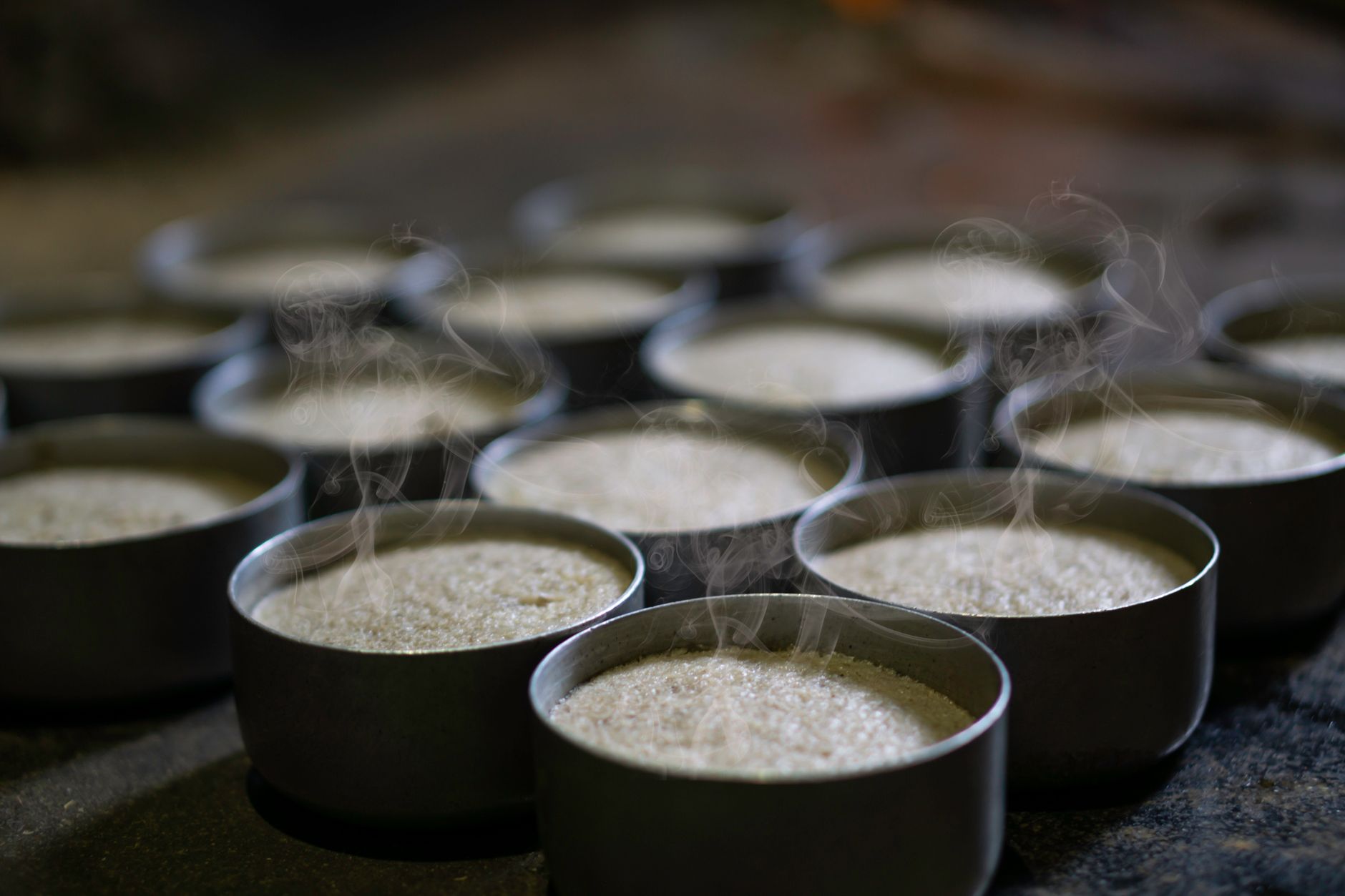
Coorg’s distinctive Kodava cuisine reflects its agricultural abundance and warrior community heritage, emphasizing pork, game meats, and forest produce rarely found elsewhere in Karnataka. Pandi Curry (pork curry) is the signature dish—slow-cooked pork in a dark, intensely flavored gravy made with roasted spices, dried kokum, and vinegar, traditionally served with kadumbuttu (steamed rice dumplings). The curry’s complex flavor profile comes from locally grown spices and the unique kachampuli (Garcinia gummi-gutta), a souring agent specific to Coorg. Noolputtu are delicate string hoppers (rice noodles) served with chicken, pork, or vegetarian curries, requiring significant skill to prepare the paper-thin strands. Bamboo shoot curry (kore gassi) represents the region’s forest connection, combining tender bamboo with coconut and plantation-grown pepper. Paputtu, a breakfast staple, consists of rice flour rotis served with spicy meat or vegetable curries, providing the hearty start plantation workers need.
For authentic Kodava cuisine experiences, Coorg Cuisine restaurant in Madikeri (meals ₹300-₹600 per person) serves traditional thalis featuring pandi curry, bamboo shoot preparations, and kadumbuttu in a simple setting focused on flavor authenticity. Raintree restaurant at The Falls at Tamara resort (₹800-₹1,500 per person) elevates Kodava dishes to fine-dining presentations while maintaining traditional recipes and using estate-grown ingredients. For budget-friendly options, Udupi Garden Restaurant in Madikeri (₹150-₹300 per person) offers both South Indian vegetarian classics and Kodava meat dishes, popular with locals and visitors alike. East End Hotel near the private bus stand (₹100-₹250 per person) has been serving authentic, no-frills Kodava meals since 1924, with exceptional akki roti (rice rotis) and local-style chicken curry.
Don’t miss the coffee culture specific to Coorg—most restaurants and all homestays serve traditional filter coffee made from their own estate beans, often roasted that same week. The coffee is typically stronger and more aromatic than versions found elsewhere, prepared in traditional brass filters and served in steel tumblers and dabara sets. Many plantation homestays offer cooking demonstrations where guests can learn to prepare Kodava dishes like kaipodi (a spicy pork pickle) and kanji (rice porridge with buttermilk), often using vegetables and spices harvested from the same property that morning. Breakfast at homestays typically features plantation-fresh fruits, homemade jams from estate-grown oranges, and endless servings of that incomparable estate coffee.
Practical Travel Tips for Coorg coffee trails
Permits and Regulations: Coffee plantations are private properties, and while no government permits are required for visits, you must obtain permission from estate management before entering. Reputable homestays and plantation resorts provide this automatically as part of their packages. For visiting larger commercial estates like Tata Coffee’s plantations, advance booking through their official channels (₹500-₹800 per person for guided tours) is mandatory. Photography is generally permitted in plantations, but always ask permission before photographing workers or processing facilities. If your coffee trail extends to nearby protected areas like Pushpagiri Wildlife Sanctuary or Brahmagiri Wildlife Sanctuary, forest department permits (₹200-₹400 for Indians, ₹1,000-₹2,000 for foreigners) are required, obtainable from the Forest Range Office in Madikeri.
Connectivity and Infrastructure: Mobile network coverage is generally good in main towns like Madikeri, Virajpet, and Kushalnagar, with Airtel, Jio, and BSNF offering the most reliable service. However, deep inside plantation estates, especially in valleys and forest-adjacent areas, signals can be weak or absent—inform family about potential communication gaps. ATMs are readily available in Madikeri (SBI, Canara Bank, HDFC, ICICI) and Virajpet, but carry sufficient cash (₹10,000-₹15,000) as many homestays, local transport providers, and small estate shops don’t accept cards. Internet connectivity in remote plantation homestays relies on mobile hotspots and can be slow—consider this a digital detox opportunity. The nearest major medical facilities are in Madikeri—Government District Hospital and private facilities like Kodagu Hospital (₹500-₹1,500 for consultations). Carry basic medications for common ailments, as pharmacies in plantation areas are limited.
What to Pack: Comfortable walking shoes with good grip are essential as plantation trails can be steep, muddy (especially post-rain), and uneven. Bring at least two pairs as one will inevitably get wet. Long cotton trousers and full-sleeve shirts protect against insects, sun, and undergrowth while walking through estates. Monsoon visitors need quality rain gear—waterproof jackets, ponchos, and waterproof bags for electronics and documents. Leeches are common during and after rains, so carry salt or tobacco powder in a small container (applied to leeches for quick removal). A good insect repellent (Odomos or similar), sunscreen (SPF 30+), and a basic first-aid kit are crucial. Binoculars enhance birdwatching experiences, while a reusable water bottle reduces plastic waste. A small flashlight or headlamp helps during early morning plantation walks. Don’t forget a sturdy umbrella regardless of season—useful for both rain and intense midday sun.
Safety and Responsible Tourism: Coorg is generally very safe for all travelers, including solo women, though standard precautions apply. Inform your homestay host about your trekking plans and expected return times when exploring estates independently. During elephant movement seasons (March-May), heed local warnings about avoiding certain forest paths, particularly early morning and dusk. Never venture into plantations alone after dark, and always use local guides for unfamiliar trails. When participating in coffee harvesting, follow safety instructions regarding ladder use on slopes and avoiding pesticide-treated areas. Respect the working nature of plantations—don’t pluck coffee cherries without permission, damage plants, or disturb wildlife. Most estates practice sustainable farming; support this by not littering, refusing single-use plastics, and choosing homestays that emphasize organic practices. Purchase coffee and spices directly from estates to ensure farmers receive fair prices rather than through middlemen. Respect Kodava cultural sensitivities—ask before photographing people, remove shoes when entering homes, and dress modestly when visiting ancestral family estates that often have religious significance to owners. Learn a few Kodava phrases like “deva” (hello) and “nandri” (thank you) to connect meaningfully with locals.
Money Matters: Budget travelers can manage Coorg coffee trails on ₹2,000-₹2,500 daily (including budget homestay ₹1,500-₹2,000, meals ₹400-₹500, local transport ₹100-₹200, coffee tour fees ₹300-₹500). Mid-range travelers should budget ₹4,500-₹6,000 daily (accommodation ₹3,500-₹5,000, meals at better restaurants ₹800-₹1,200, private transport ₹500-₹800, activities ₹500-₹1,000). Luxury travelers at high-end plantation resorts can expect ₹12,000-₹20,000+ daily. Tipping isn’t obligatory but appreciated—₹100-₹200 for plantation guides, ₹50-₹100 for homestay staff, 10% at restaurants. Many homestays offer package rates (₹3,500-₹6,000 per couple per night) including accommodation, all meals, plantation tours, and sometimes additional activities, providing better value than à la carte options.
Final Thoughts
The Coorg coffee trails offer something increasingly rare in modern tourism—authentic, educational experiences that connect travelers to the land, the people, and the intricate processes that bring daily pleasures like coffee to our cups. Unlike passive sightseeing, these trails invite active participation, whether you’re hand-picking cherries on misty hillsides, learning to distinguish flavor notes during cupping sessions, or simply sitting on a plantation veranda at sunrise, watching the day’s first light illuminate endless rows of coffee bushes. The knowledge you gain—about sustainable agriculture, biodiversity conservation, and the economic challenges facing small coffee growers—transforms coffee from a mere beverage into a story you carry forward, making every future cup more meaningful.
Beyond the coffee itself, Coorg rewards visitors with its layered experiences—the warmth of Kodava hospitality in homestays where you’re treated as family rather than guests, the therapeutic rhythm of plantation life so different from urban chaos, the stunning natural beauty that unfolds whether you visit during the vibrant greens of monsoon or the golden sunshine of winter. As you plan your journey through these aromatic trails, remember that coffee cultivation here represents generations of knowledge, sustainable relationships between humans and landscape, and communities preserving their heritage against homogenizing modern pressures. Your visit, your purchases from estates, your willingness to learn and appreciate—these become small but significant acts supporting this remarkable heritage. So pack your bags, prepare your senses for overload, and discover why Coorg’s coffee trails represent not just a destination, but a deeply enriching journey into the heart of India’s plantation country. Your perfect cup of coffee—and the adventure of understanding where it truly comes from—awaits in these magnificent hills.
- Visit during early morning hours (6-8 AM) when coffee pickers are actively working to witness the authentic harvesting process and interact with local workers
- Book a stay at working coffee estates like Polibetta or Suntikoppa regions rather than Madikeri town for direct plantation access from your room
- Carry a small bag to collect fresh coffee cherries during harvest season (November-February) that estates often let guests pick and take home for roasting
- Request a visit to the pulping and drying yards where you can see the wet and dry processing methods unique to Coorg’s arabica and robusta varieties
- Combine your coffee trail with a visit to the Dubare Elephant Camp nearby for a full-day experience, as most plantation tours end by noon
Frequently Asked Questions about Coorg coffee trails
The best time to visit Coorg coffee trails is from October to March, which is the peak season offering pleasant weather and the coffee harvesting period between November and February. The monsoon season from June to September also offers a unique charm with mist-laden hills and coffee blossoms, though with heavier rainfall.
Coorg coffee trails are located 265 km from Bangalore, 120 km from Mysore, and 135 km from Mangalore. The nearest airports are Mangalore International Airport (135 km) and Kannur Airport (95 km away).
No permits are required for visiting coffee plantation trails in Coorg. However, advance booking is recommended for plantation tours and homestay accommodations to ensure availability.
The approximate daily budget for visiting Coorg coffee trails ranges from ₹2,500 to ₹8,000 per person. This budget includes accommodation, meals, and activities like guided plantation tours.
The Coorg coffee plantations are situated at altitudes ranging from 900 to 1,600 meters above sea level in the Western Ghats of Karnataka. This elevation provides ideal conditions for growing both arabica and robusta coffee varieties.
On the Coorg coffee trails, you can witness the complete coffee production process from blossoms to harvesting, walk through emerald-green coffee estates with silver oak canopies, learn about wet and dry processing methods, and experience the warm hospitality of plantation owners. The trails offer a sensory journey through aromatic plantations with coffee, cardamom, and pepper vines, combining agricultural tourism with nature and cultural immersion.