
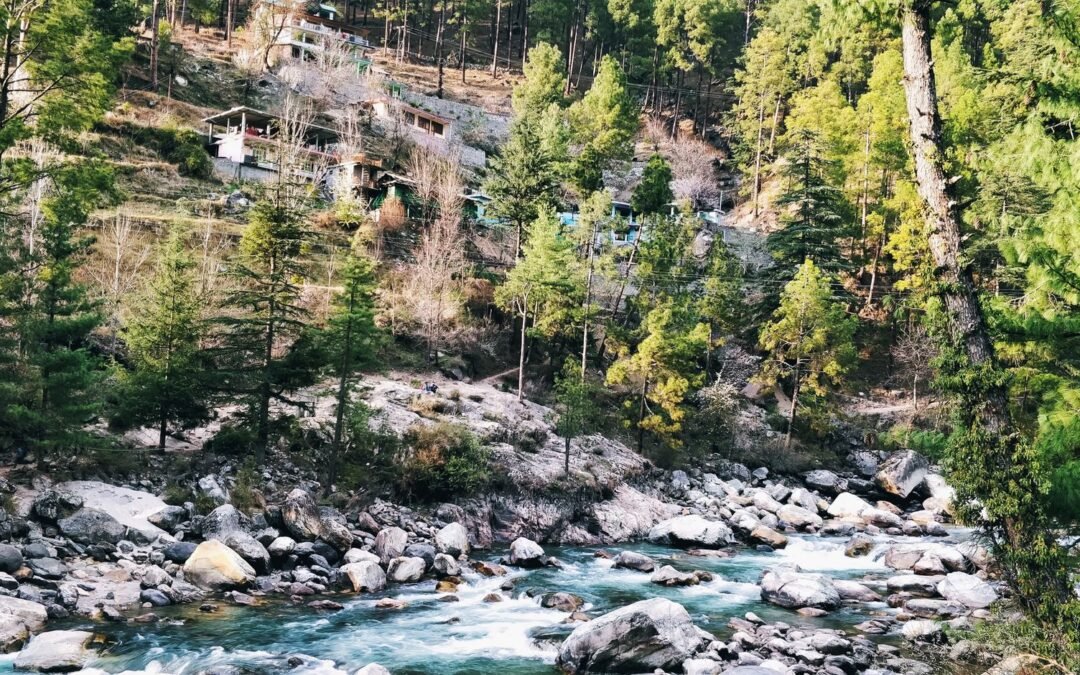
- Kasol is best visited from March to June and September to November for pleasant weather and clear mountain views
- The valley serves as a base for treks to Kheerganga, Tosh, Malana, and Chalal villages
- Israeli cuisine is widely available alongside Himachali food due to the large backpacker community
- Buses from Bhuntar (31 km away) connect Kasol to major cities; nearest airport is Kullu-Manali
- Budget accommodations range from ₹300-800 per night in guesthouses and riverside camps
- Introduction
- Quick Facts About Kasol Parvati Valley
- Why Visit Kasol Parvati Valley
- How to Reach Kasol Parvati Valley
- Best Time to Visit Kasol Parvati Valley
- Top Things to Do in Kasol Parvati Valley
- Where to Stay in Kasol Parvati Valley
- Local Food & Cuisine
- Practical Travel Tips for Kasol Parvati Valley
- Final Thoughts
- Frequently Asked Questions
Introduction
Nestled in the heart of the Parvati Valley in Himachal Pradesh, Kasol has emerged as one of India’s most beloved mountain destinations, attracting backpackers, nature enthusiasts, and soul-seekers from across the globe. This small hamlet, situated along the banks of the crystal-clear Parvati River, has transformed from a sleepy village into a vibrant traveler’s paradise while remarkably retaining its rustic Himalayan charm. The Kasol Parvati Valley experience is unlike any other in India—a unique blend of Israeli café culture, traditional Himachali hospitality, dense pine forests, and snow-capped peaks that create an atmosphere both intoxicating and serene.
What sets Kasol apart is its fascinating cultural tapestry. Often called “Mini Israel” due to its significant Israeli tourist population, the village has developed a cosmopolitan vibe that seamlessly merges with local Kullu culture. You’ll find signboards in Hebrew alongside Hindi, cafés serving authentic shakshuka next to local siddu, and conversations flowing in multiple languages against the constant backdrop of the rushing Parvati River. Yet beyond the village itself lies the real treasure—the pristine Parvati Valley, with its ancient villages, sacred hot springs, challenging treks, and an ineffable spiritual energy that has drawn wanderers and mystics for centuries.
Whether you’re seeking adventure on the legendary Kheerganga trek, looking to disconnect from urban chaos in a riverside café, exploring remote Himalayan villages frozen in time, or simply absorbing the extraordinary natural beauty, Kasol Parvati Valley offers experiences that linger in your memory long after you’ve descended back to the plains. This isn’t just a destination; it’s a state of mind, a reset button for your soul, and increasingly, a rite of passage for India’s growing community of mountain lovers.
Quick Facts About Kasol Parvati Valley
| Aspect | Details |
|---|---|
| Altitude | 1,580 meters (5,180 feet) |
| Best Time to Visit | March to June, September to November |
| Distance from Nearest City | Bhuntar: 31 km, Kullu: 39 km, Manali: 75 km |
| Nearest Airport | Bhuntar Airport (31 km) |
| Nearest Railway Station | Joginder Nagar (144 km), Chandigarh (310 km) |
| Permits Required | None for Kasol; forest permits for certain treks (₹50-100) |
| Temperature Range | Summer: 15°C-30°C, Winter: -5°C-15°C |
| Approx Budget per Day | ₹800-1,500 (budget), ₹1,500-3,000 (mid-range), ₹3,000+ (comfort) |
Why Visit Kasol Parvati Valley
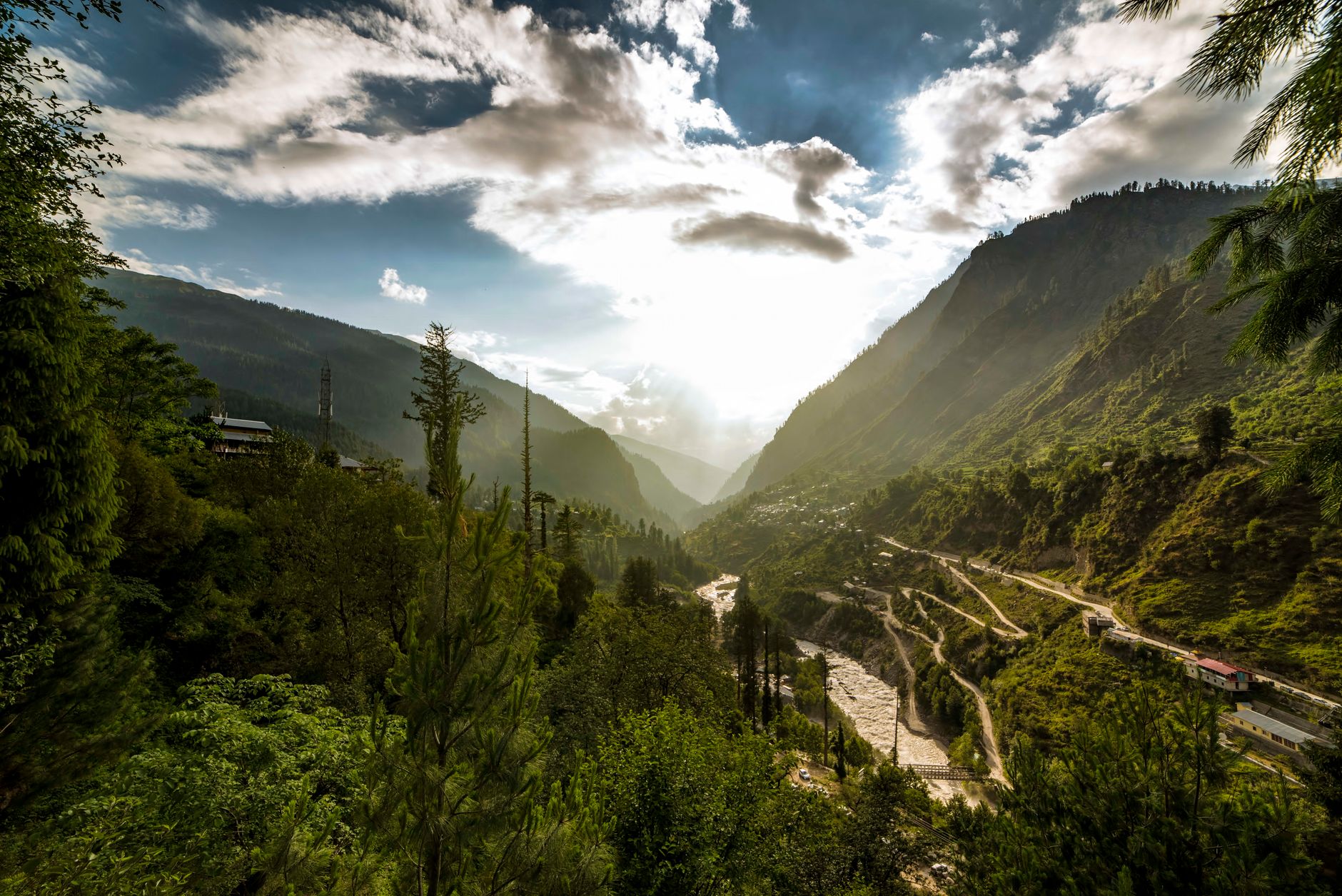
The magic of Kasol Parvati Valley lies in its remarkable ability to be many things to many people. For trekkers, it serves as the gateway to some of Himachal’s most rewarding trails—the popular Kheerganga trek, the challenging Pin Parvati Pass, and the mystical route to Malana village. The valley’s topography is spectacular, with the Parvati River carving through deep gorges flanked by deodar and pine forests, while 6,000-meter peaks like Mantalai form a magnificent white crown against azure skies.
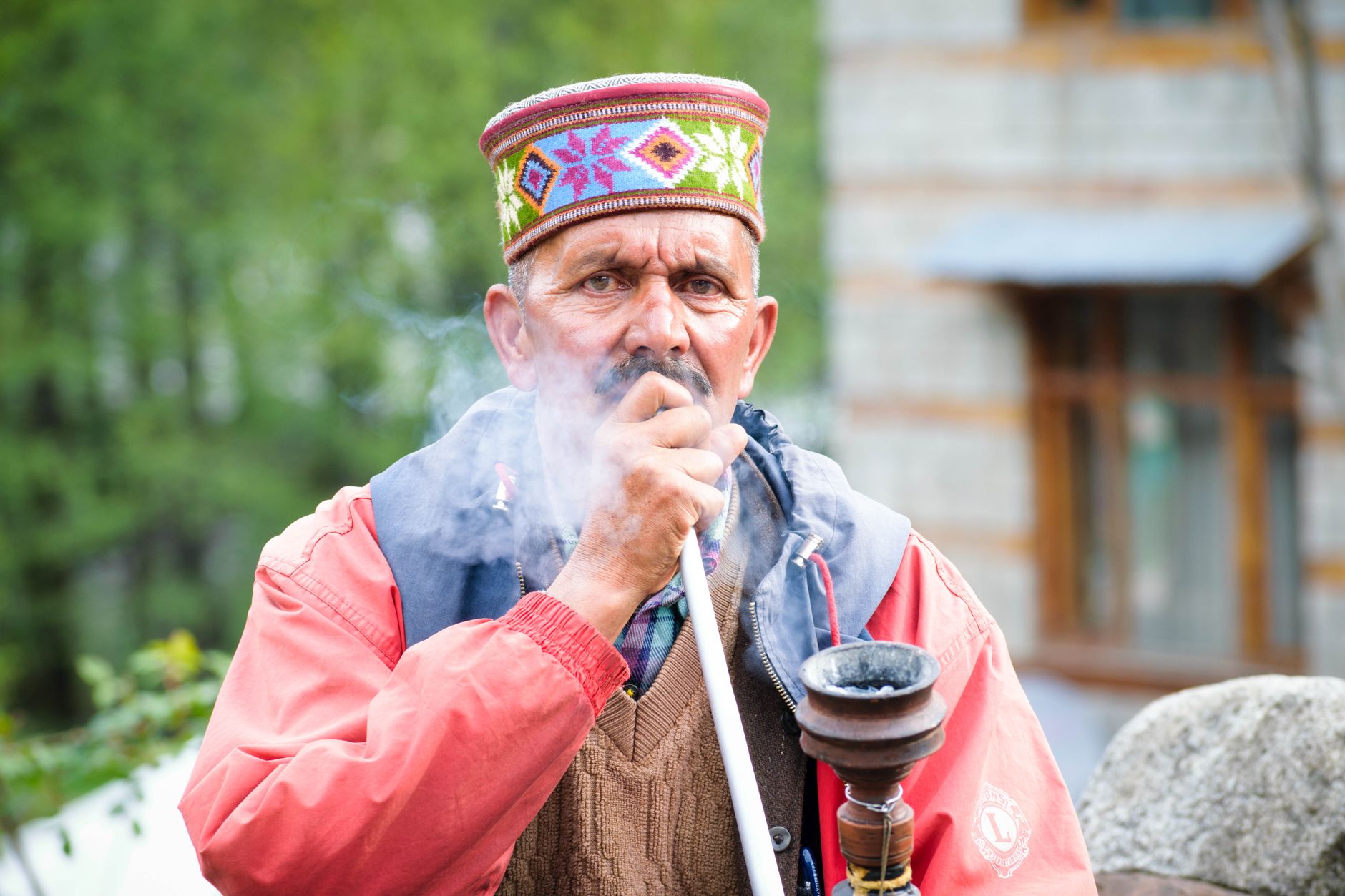
What truly distinguishes this destination is its unique cultural fusion. The large Israeli backpacker community has been visiting since the 1980s, creating an unprecedented cultural exchange. This has resulted in Kasol developing an international café culture virtually unmatched in the Indian Himalayas. You can savor authentic hummus, falafel, and shakshuka prepared by Israeli chefs who’ve made the valley their second home, while traditional Himachali grandmothers sell fresh apples and local walnuts from roadside stalls. The village has become a meeting point where Jewish prayers blend with Hindu temple bells, where Sabbath is observed alongside Dussehra, creating a genuinely multicultural Himalayan experience.
The valley also holds deep spiritual significance. The Parvati River is considered sacred, and the region is dotted with ancient temples and natural hot springs like Manikaran, where pilgrims have bathed for millennia. The forest trails whisper with legends of sages and sadhus who meditated in these mountains. This spiritual heritage attracts not just religious pilgrims but also those seeking mental clarity, yoga practitioners, and meditation enthusiasts who find the valley’s energy particularly conducive to introspection.
Beyond culture and spirituality, Kasol offers practical appeal for Indian travelers seeking quality mountain experiences without breaking the bank. Unlike increasingly commercialized destinations like Manali, Kasol retains authenticity and affordability. The valley’s diverse accommodation options, from ₹300 dormitories to ₹5,000 riverside cottages, make it accessible to students, families, and luxury travelers alike. The freedom to trek, camp by the river, or simply spend days reading in cafés creates a relaxed, non-prescriptive travel experience increasingly rare in India’s tourism landscape.

How to Reach Kasol Parvati Valley
By Air: The nearest airport is Bhuntar Airport (also called Kullu-Manali Airport), located 31 km from Kasol. Air India and Alliance Air operate flights from Delhi to Bhuntar, with fares ranging from ₹3,500 to ₹8,000 depending on season and booking time. From Bhuntar, you can hire a private taxi (₹800-1,200) or take a local bus (₹40-50) to Kasol. Taxis take approximately 1-1.5 hours, while buses take around 2 hours with stops.
By Train: While there’s no direct rail connectivity to Kasol, the nearest broad-gauge railway stations are Chandigarh (310 km) and Pathankot (285 km). From these stations, you’ll need to take buses or taxis. The narrow-gauge Joginder Nagar Railway Station (144 km) is closer but has limited connectivity. Most travelers prefer taking trains to Chandigarh, which is well-connected to Delhi, Mumbai, Kolkata, and other major cities. From Chandigarh railway station, state-run HRTC buses run directly to Kasol (₹350-450, 8-10 hours) or you can take a bus to Bhuntar and change there.
By Road: This is the most popular option. From Delhi (approximately 520 km), you can take an overnight HRTC Volvo bus directly to Bhuntar (₹800-1,400) which takes about 12-14 hours. From Bhuntar, local buses to Kasol run every hour (₹40-50, 1.5 hours). Private operators also run semi-sleeper and sleeper buses from Delhi to Kasol/Bhuntar (₹600-1,500). The route follows NH44 through Chandigarh, Bilaspur, and Mandi—a scenic journey through multiple altitudinal zones.
Self-Drive: Driving yourself offers flexibility to stop at Mandi, visit Rewalsar Lake, or explore the Kullu Valley. The route from Delhi via Chandigarh-Bilaspur-Mandi-Bhuntar-Kasol is well-maintained. From Bhuntar to Kasol, the road runs along the Parvati River through Jari and Manikaran, narrow at places but manageable for careful drivers. Petrol pumps are available in Bhuntar and Manikaran. Budget ₹4,000-5,000 for fuel from Delhi to Kasol and back.
Local Transport: Within Kasol and the valley, local buses connect villages like Manikaran (₹10, 20 minutes), Tosh (₹20, 40 minutes), and Barshaini (₹30, 1 hour). Shared taxis offer faster alternatives at slightly higher rates. Many visitors prefer walking along the riverside trails connecting various points in the valley.
Best Time to Visit Kasol Parvati Valley
Spring (March to May): This is arguably the best time to visit Kasol Parvati Valley. March sees the tail end of winter, with occasional snowfall at higher altitudes and temperatures ranging from 10°C to 20°C. By April and May, the weather becomes perfect—daytime temperatures of 15°C-25°C, clear skies, blooming rhododendrons, and accessible trekking trails. This is peak season, so expect crowds, especially during weekends and holidays. Book accommodation in advance. All cafés, guesthouses, and trails are fully operational. Trekking conditions are ideal, with Kheerganga showing patches of snow while remaining accessible.
Summer (June to August): June remains pleasant until the monsoon arrives in late June or early July. The monsoon season (July-August) brings heavy rainfall to the valley, making it the least favorable time to visit. Landslides are common, trails become slippery and dangerous, and many trekking routes close. However, if you don’t mind rain, the valley turns emerald green, waterfalls become spectacular, and you’ll find significant discounts on accommodation (up to 50% off). Clouds often obscure mountain views, but the dramatic mist-shrouded landscapes have their own appeal. Budget travelers and solitude-seekers sometimes prefer this season despite the challenges.
Autumn (September to November): Post-monsoon September brings refreshed landscapes, crystal-clear air, and spectacular mountain visibility. This is the second-best season for visiting. September-October offers perfect trekking weather with temperatures between 10°C-22°C. The apple harvest season adds charm, with orchards laden with fruit. October sees fewer crowds than spring while offering equally good weather. By November, temperatures drop significantly (5°C-15°C), and early snowfall may occur. Late November sees many establishments closing for winter, though Kasol village itself remains accessible.
Winter (December to February): Winter transforms Kasol into a snow-covered wonderland but requires preparation. December and January see temperatures dropping to -5°C to 10°C, with heavy snowfall common. Many cafés and guesthouses close, and higher treks become inaccessible. However, for those seeking solitude, snow experiences, and dramatic winter landscapes, this season offers unique appeal. New Year attracts a significant crowd with special events in cafés. Budget ₹200-300 extra per day for heating and warm clothing. The road occasionally closes due to snow, so maintain flexible travel plans.
Top Things to Do in Kasol Parvati Valley
Trek to Kheerganga
The Kheerganga trek is the undisputed crown jewel of Parvati Valley adventures. This 12-14 km trek from Barshaini (accessible by bus from Kasol in 1 hour, ₹30) takes you through dense forests, across gushing streams, and past waterfalls to a high-altitude meadow at 2,960 meters. The reward at the summit is extraordinary—natural hot springs where you can bathe in mineral-rich warm water while surrounded by snow-capped peaks. The trek takes 4-6 hours up and 3-4 hours down, with basic guesthouses and camping available at the top (₹300-800). Most trekkers make this an overnight trip, watching sunset and sunrise from the meadow.
Explore Tosh Village
Perched high above Kasol at 2,400 meters, Tosh is a traditional Himachali village that has carefully balanced tourism with cultural preservation. A 40-minute bus ride (₹20) or 2-hour trek from Kasol brings you to this picturesque settlement with slate-roofed houses, apple orchards, and some of the valley’s best cafés offering stunning Parvati Valley views. Stay overnight in traditional guesthouses (₹500-1,500), interact with locals, and trek further to the remote village of Kutla. Tosh offers a more peaceful alternative to increasingly busy Kasol while providing modern café culture and comfortable accommodation.
Visit Manikaran Sahib Gurudwara
Located just 4 km from Kasol, Manikaran is one of Hinduism and Sikhism’s most sacred sites, famous for its natural hot springs where water emerges at nearly 85°C. The beautiful Gurudwara serves free langar (community meal) to thousands daily—experiencing this hospitality is deeply moving. Take a dip in the separate bathing pools for men and women, said to have healing properties for skin and joint ailments. The Gurudwara’s kitchen uses hot spring water for cooking rice and dal, which develops a unique flavor. Local buses run every 30 minutes (₹10, 15 minutes), or enjoy the scenic 4 km riverside walk from Kasol.
Discover Malana Village
Malana, one of India’s most isolated and distinctive villages, sits at 2,652 meters and is accessible via a steep 3-4 hour trek from Jari or a drivable route via Naggar. This ancient village maintains its own social structure, dialect (Kanashi), and democracy system claimed to be the world’s oldest. Malana residents consider themselves descendants of Alexander the Great’s soldiers and maintain strict customs—do not touch walls, people, or objects without permission, as outsiders are considered ritually polluting. The village is famous for Malana Cream, but note that possession and purchase of narcotics carry severe legal penalties. Visit respectfully, hire local guides (₹500-700), and focus on the fascinating culture and dramatic mountain scenery.
Camping by the Parvati River
Numerous spots along the Parvati River offer spectacular camping experiences. Between Kasol and Chalal village, several operators provide riverside camping (₹500-1,500 per person including tents, bonfire, and meals). You can also independently camp at designated spots, though always seek local permission. The sound of the rushing river, star-filled skies unpolluted by city lights, and surrounding pine forests create unforgettable nights. March-June and September-October offer the best camping weather. Many camps organize music sessions, barbecues, and activities like rappelling and rock climbing.
Trek to Rasol and Chalal
For easier walks perfect for acclimatization or leisurely exploration, these short treks offer great rewards. Chalal village lies just 30 minutes’ walk from Kasol across a bridge and through pine forests. This small settlement offers quieter cafés with river views and serves as a peaceful alternative to staying in Kasol itself. The trek to Rasol (3-4 hours from Kasol) takes you to a beautiful village at 2,500 meters with spectacular valley views, basic guesthouses, and trails to nearby waterfalls. Both treks are suitable for families and beginners, requiring moderate fitness levels.
Café Hopping and Israeli Cuisine
Kasol’s unique café culture deserves dedicated time. Spend afternoons trying different establishments—each has distinct character, from riverside locations to forest hideaways, from psychedelic décor to minimalist aesthetics. Beyond eating, these cafés function as community spaces where travelers exchange trek information, find travel companions, attend live music sessions, and experience the valley’s cosmopolitan vibe. Try authentic shakshuka for breakfast, falafel wraps for lunch, and hummus platters while watching the river flow past. Popular spots like Evergreen, Jim Morrison, Moon Dance, and German Bakery each offer unique atmospheres worth experiencing.
Where to Stay in Kasol Parvati Valley
Budget (₹300-1,000 per night): Kasol offers excellent budget accommodation. Parvati Kuteer provides basic but clean rooms from ₹500, with river views from some rooms. Kasol Heights offers dormitory beds at ₹300-400 and private rooms from ₹600. Shalom Backpackers Hostel has become popular among young travelers with dorms at ₹350 and a social common area. In nearby Chalal, Alpine Guest House offers peaceful rooms at ₹500-700. Most budget options include basic amenities—shared bathrooms, Wi-Fi, and hot water (sometimes via geysers only). Many don’t serve food but are located near cafés.
Mid-Range (₹1,000-3,000 per night): This category offers comfort without excessive cost. Parvati Woods Cottage provides beautiful wooden cottages with river views, attached bathrooms, and heating at ₹1,500-2,000. The Himalayan Village features traditionally designed rooms with modern amenities at ₹1,800-2,500, including breakfast. Kasol Inn offers well-maintained rooms at ₹1,200-1,800 with valley views and in-house dining. In Tosh, Pink Floyd Café and Guest House combines comfortable rooms (₹1,500-2,200) with one of the valley’s best cafés. These properties typically include attached bathrooms, hot water, Wi-Fi, and sometimes in-house restaurants.
Splurge (₹3,000+ per night): For luxury seekers, options are limited but growing. Kasol Exotica offers premium cottages at ₹3,500-5,000 with exceptional river views, stylish interiors, and personalized service. The Hosteller Kasol provides upscale hostel experience with designer interiors, café, and private rooms at ₹2,500-4,000. Near Manikaran, Shiva Cottages features well-appointed rooms at ₹3,000-4,500 with modern bathrooms and heating. Some travelers book homestays in villages like Tosh or Pulga (₹2,000-3,500) that offer authentic experiences with traditional Himachali meals, warm hospitality, and genuine cultural exchange that luxury hotels cannot replicate.
Local Food & Cuisine
Israeli and International Cuisine: Kasol’s unique demographic has created an unexpected Israeli food haven. You must try authentic shakshuka—eggs poached in spiced tomato sauce, served with fresh bread—a hearty breakfast found at almost every café (₹180-250). Hummus platters with fresh pita, olives, and pickled vegetables showcase chickpea versatility (₹200-300). Sabich, a pita sandwich stuffed with fried eggplant, hard-boiled eggs, hummus, and tahini, makes for satisfying lunch (₹150-220). Fresh falafel wraps with salad and tahini sauce are available everywhere (₹120-180). Many cafés also serve wood-fired pizzas, pasta, and continental dishes with quality rivaling urban restaurants.
Himachali Traditional Dishes: Don’t miss local cuisine amid international options. Siddu, a steamed bread made from wheat flour stuffed with poppy seeds or walnuts, is traditionally served with ghee or dal (₹50-80). Trout fish, caught fresh from Parvati River tributaries, grilled or fried with local spices, is absolutely delicious (₹350-500 for full fish). Aktori, a festive dish made from buckwheat leaves and wheat flour cakes, offers authentic taste when available seasonally (₹100-150). Local apple cider and fresh apple juice showcase the valley’s famous produce (₹40-80).
Recommended Eateries: Evergreen Café is a Kasol institution, famous for wood-fired pizzas (₹250-400), extensive Israeli menu, and riverside seating. Moon Dance Café in Kasol offers excellent shakshuka (₹200), great music, and relaxed ambiance with prices ranging ₹150-350 for mains. German Bakery serves fresh-baked goods, Israeli breakfast (₹250-350), and has exceptional coffee. In Tosh, Pink Floyd Café combines stunning views with quality food—try their hummus platter (₹280) and herbal teas (₹50-80). Stone Garden Café in Chalal provides peaceful riverside dining with excellent trout (₹400) and Israeli dishes (₹200-350). For traditional Himachali food, try local dhabas in Manikaran near the Gurudwara serving simple dal, rice, and vegetables (₹80-120), or Shiva Place in Kasol which offers both local and international menus (₹120-300).
Practical Travel Tips for Kasol Parvati Valley
Permits and Documentation: Indian nationals require no special permits for Kasol itself. However, certain trekking routes require forest permits available from the Forest Department office in Kasol or Barshaini (₹50-100 per person). For international tourists, standard passport and valid Indian visa are required. Register with your guesthouse immediately upon arrival—this is legally required. For treks to restricted areas like Pin Parvati Pass, special permits from DC office in Kullu are necessary (₹200-500), though most tourists stick to permit-free areas.
Mobile Network and Connectivity: Mobile network is available but unreliable. BSNL and Jio offer the best coverage in Kasol village and up to Manikaran. Airtel and Vodafone-Idea work intermittently. Higher villages like Tosh, Kalga, and Pulga have spotty coverage at best. Expect complete connectivity loss on most treks. Most cafés and guesthouses offer Wi-Fi (₹50-100 for day pass if you’re not a customer), though speeds are slow and connections unreliable. Download offline maps, music, and necessary information before arriving. Inform family about limited connectivity to avoid worry.
ATM and Banking: ATMs in Kasol frequently run out of cash or malfunction, especially during peak season and after weekends. The most reliable ATM is the Punjab National Bank ATM in Kasol market. Another ATM is available in Manikaran. Withdraw sufficient cash in Bhuntar or Kullu before reaching Kasol. Most guesthouses, cafés, and shops operate on cash only, though some mid-range and upscale establishments accept UPI payments when internet permits. Carry ₹500 and ₹200 notes as change is often scarce.
Medical Facilities: Medical facilities are extremely basic. Kasol has a Primary Health Center (PHC) with limited capabilities and a few private clinics for minor ailments. The nearest hospital with proper facilities is Civil Hospital in Bhuntar (31 km, 1 hour) or Kullu (39 km). Carry a comprehensive first-aid kit including bandages, antiseptic, pain relievers, altitude sickness medication (Diamox), anti-diarrheal medicine, and any prescription medications you need. Several pharmacies in Kasol market stock basic medicines but don’t count on finding specialized medications. Travel insurance covering medical evacuation is strongly recommended, especially if planning high-altitude treks.
What to Pack: Pack layers regardless of season—temperatures fluctuate significantly between day and night. Essential items include: sturdy trekking shoes, warm jacket (even in summer for evenings), rain jacket/poncho, sun protection (hat, sunglasses, SPF 50+ sunscreen), water bottle, headlamp/torch, power bank, toilet paper, hand sanitizer, and basic toiletries. For treks: proper trekking backpack, thermal wear, trekking poles, quick-dry clothing, and sleeping bag if camping. The valley’s casual vibe means you don’t need fancy clothes, but pack modestly—both for cultural respect and practical comfort. Avoid bringing valuables or expensive jewelry.
Safety Considerations: Kasol is generally safe, but exercise normal precautions. Don’t trek alone—always go with companions or hire local guides. Inform your guesthouse about trekking plans. Rivers, though beautiful, have strong currents and are extremely cold—drowning incidents occur, so don’t attempt to cross or swim without local guidance. Avoid drugs despite their availability—possession carries severe legal penalties including long imprisonment, and quality/purity is questionable leading to health risks. Watch your belongings in crowded cafés and buses. Women travelers report Kasol as safe, though general awareness applies everywhere. Don’t venture into remote areas after dark.
Responsible Tourism: The valley faces serious environmental pressure from tourism. Please practice leave-no-trace principles: carry back all non-biodegradable waste, use refillable water bottles instead of buying plastic bottles, say no to plastic bags, dispose of cigarette butts properly, and use toilets rather than open areas. Many cafés provide filtered water refills (₹10-20). Respect local culture—dress modestly in villages, ask permission before photographing people, don’t touch temple walls or objects in Malana, and speak respectfully about local customs even if they seem unusual. Support local economy by staying in local guesthouses, buying from small shops, and hiring local guides rather than bringing guides from outside. The Parvati Valley’s future depends on sustainable tourism practices that preserve its pristine beauty and authentic culture for generations to come.
Final Thoughts
Kasol Parvati Valley represents something increasingly rare in our hyper-connected world—a place where you can genuinely disconnect, breathe deeply, and rediscover what matters. Whether you’re standing in Kheerganga’s hot springs watching the sun rise over Himalayan peaks, sharing stories with travelers from five continents over hummus in a riverside café, or simply sitting by the Parvati River listening to its ancient song, the valley offers experiences that transcend typical tourism. This isn’t just about ticking destinations off a list; it’s about transformation, about returning to plains with renewed perspective, about understanding that the best journeys change not just your location but your very self.
The valley welcomes everyone—the adventure junkie seeking the next adrenaline rush, the spiritual seeker looking for peace, the culture enthusiast fascinated by unique communities, the foodie exploring unexpected cuisines, and the simple wanderer who just wants to wake up to mountain air and spend days doing absolutely nothing. So pack your bags, book that bus ticket, leave your expectations behind, and surrender to Parvati Valley’s magic. The mountains are calling, the river is flowing, the cafés are brewing coffee, and an experience unlike any other awaits you in Kasol. Come discover why thousands return to this mystical valley year after year, and why many who come for a weekend end up staying for months. The valley has a way of holding onto those who need it most.
- Cross the bridge to Old Kasol village for quieter guesthouses with better river views and lower prices than main market area
- Carry sufficient cash as ATMs in Kasol often run out and mobile network is unreliable in upper valley villages
- Book accommodation in advance during peak season (May-June, October) as budget stays fill up quickly with backpackers
- Start Kheerganga trek early morning by 6 AM to avoid afternoon crowds and reach hot springs before sunset
- Avoid monsoon season (July-August) as landslides frequently block roads and trekking trails become dangerously slippery
Frequently Asked Questions about Kasol Parvati Valley
The best time to visit Kasol Parvati Valley is from March to June and September to November. During these months, the weather is pleasant with temperatures ranging from 15°C to 30°C, making it ideal for trekking, sightseeing, and outdoor activities.
The nearest airport to Kasol is Bhuntar Airport, located 31 km away, while the nearest major railway station is in Chandigarh (310 km). From these points, you can take buses or hire taxis to reach Kasol, with Bhuntar being the closest transport hub at just 31 km from the village.
Kasol is situated at an altitude of 1,580 meters (5,180 feet) above sea level. No permits are required to visit Kasol itself, but certain treks in the Parvati Valley region may require forest permits costing ₹50-100.
Kasol is often called “Mini Israel” due to its significant Israeli tourist population and the resulting cultural influence. The village features signboards in Hebrew alongside Hindi, cafés serving authentic Israeli cuisine like shakshuka, and a vibrant cosmopolitan atmosphere that blends seamlessly with traditional Himachali culture.
The average daily budget for Kasol varies depending on your travel style: ₹800-1,500 for budget travelers, ₹1,500-3,000 for mid-range comfort, and ₹3,000+ for more comfortable accommodations and experiences. This includes stay, food, and local activities.
Kasol Parvati Valley offers diverse experiences including the legendary Kheerganga trek, exploring remote ancient Himalayan villages, relaxing in sacred hot springs, enjoying Israeli and local cuisine in riverside cafés, and immersing yourself in the pristine natural beauty of dense pine forests and snow-capped peaks. The area is perfect for adventure seekers, nature enthusiasts, and those looking for spiritual rejuvenation.