
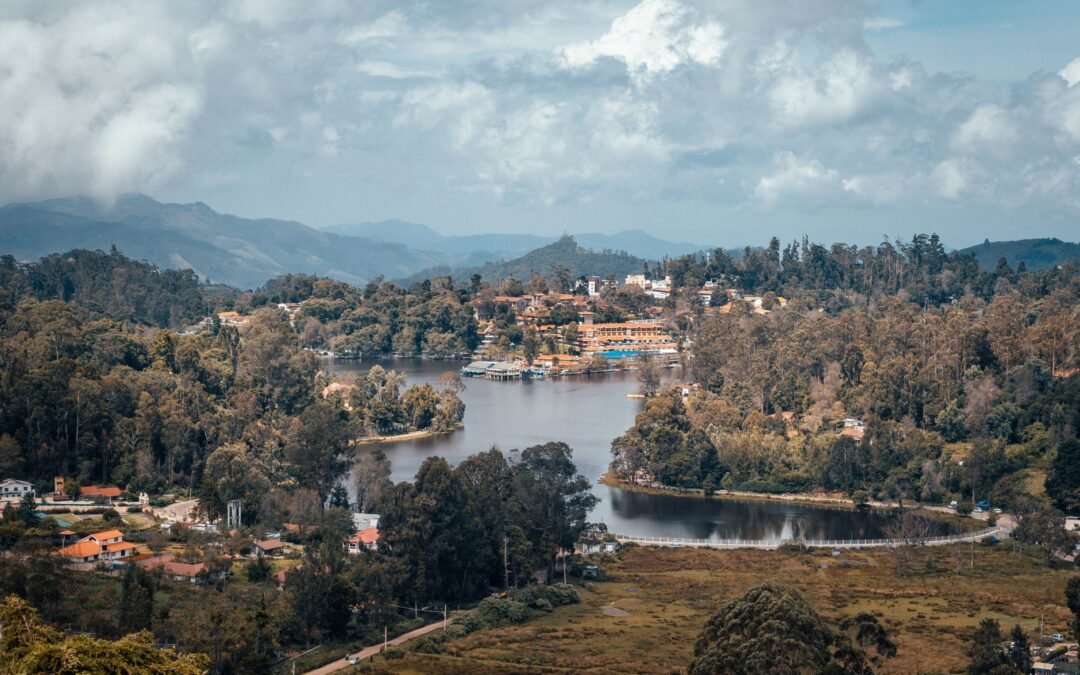
- Kodaikanal sits at 7,200 feet altitude offering year-round pleasant weather in Tamil Nadu’s Palani Hills
- April-June and September-October are ideal months to visit with clear skies and minimal rainfall
- Kodaikanal Lake, Coaker’s Walk, and Bryant Park are must-visit attractions within the town
- The nearest airport is Madurai (120 km) with regular bus and taxi connections to Kodaikanal
- Homemade chocolates and eucalyptus oil are popular local products to buy as souvenirs
Introduction
Nestled in the upper Palani Hills of the Western Ghats in Tamil Nadu, Kodaikanal stands as one of India’s most enchanting hill stations, offering a refreshing escape from the relentless heat of the southern plains. Often called the “Princess of Hill Stations,” this misty mountain retreat sits like a jewel among rolling hills covered in dense shola forests, sprawling grasslands, and cascading waterfalls. Unlike its more commercialized counterparts, Kodaikanal retains an old-world charm that transports visitors to a bygone era of colonial elegance mixed seamlessly with Tamil culture and natural splendor.
What sets Kodaikanal apart is its unique geography—a landscape sculpted by ancient volcanic activity that created dramatic cliff faces, deep valleys, and the stunning star-shaped lake that has become the town’s centerpiece. The town sits at a comfortable altitude where the air is perpetually crisp and fragrant with eucalyptus, pine, and wild flowers. Whether you’re a honeymooning couple seeking romantic solitude, a family looking for outdoor adventures, or a solo traveler craving mountain serenity, this hill station offers experiences that range from gentle lakeside strolls to challenging treks through pristine forests that harbor rare flora and fauna found nowhere else on earth.
From its humble beginnings as a refuge established by American missionaries in 1845, Kodaikanal has evolved into a destination that perfectly balances natural beauty with thoughtful development. The town offers modern amenities without sacrificing its ecological integrity, making it an ideal destination for conscious travelers who want comfort alongside authenticity. The local Palaiyar tribal communities, Christian missionaries’ descendants, and Tamil residents have created a unique cultural tapestry that enriches every visit with diverse perspectives, cuisines, and traditions.
Quick Facts About Kodaikanal
| Aspect | Details |
|---|---|
| Altitude | 2,133 meters (7,000 feet) above sea level |
| Best Time to Visit | April to June, September to October |
| Distance from Nearest City | Madurai – 120 km, Coimbatore – 175 km |
| Nearest Airport | Madurai Airport (120 km), Coimbatore Airport (175 km) |
| Permits Required | None for Indian nationals; foreigners need standard entry documents |
| Temperature Range | Summer: 20°C-36°C, Monsoon: 12°C-20°C, Winter: 8°C-17°C |
| Approx Budget per Day | ₹1,500-₹2,500 (budget), ₹3,000-₹6,000 (mid-range), ₹7,000+ (luxury) |
Why Visit Kodaikanal
Kodaikanal’s allure lies in its remarkable biodiversity and unique geological features that distinguish it from other Indian hill stations. The region is home to the Kurinji flower (Strobilanthes kunthiana), a rare neelakurinji bloom that carpets the hillsides in vivid purple once every twelve years—a phenomenon that draws botanists and nature enthusiasts from across the globe. The next blooming is expected around 2030, but the anticipation itself adds mystique to the landscape. Beyond this botanical wonder, the shola-grassland ecosystem here represents one of the most threatened habitats in India, harboring endemic species like the Nilgiri tahr, lion-tailed macaque, and over 300 species of birds including the endangered Nilgiri wood pigeon.
The star-shaped Kodaikanal Lake, created in 1863 by Sir Vere Henry Levinge, the then Collector of Madurai, serves as the town’s beating heart. This artificial lake, covering 60 acres, was ingeniously designed by damming three mountain streams, creating a water body that reflects the surrounding hills like a perfect mirror on calm days. What makes this engineering marvel special is how seamlessly it integrates with the natural topography, appearing as though nature herself crafted this aquatic centerpiece. The 5-kilometer path encircling the lake has become a beloved ritual for morning walkers, cyclists, and contemplative souls seeking tranquility.
Unlike the Himalayan hill stations with their dramatic peaks and deep valleys, Kodaikanal offers a gentler, more accessible mountain experience characterized by rounded hilltops, dense forests, and numerous viewpoints that reveal layer upon layer of blue-tinged mountains stretching to the horizon. The presence of centuries-old missionary schools like Kodaikanal International School adds an intellectual and cultural dimension rarely found in tourist destinations. The town’s micro-climate creates conditions where temperate fruits and vegetables thrive—you’ll find fresh strawberries, passion fruit, plums, and pears sold roadside, a testament to the fertile volcanic soil and favorable weather patterns unique to this elevation and latitude.

How to Reach Kodaikanal
By Air: The nearest airports are Madurai Airport (120 km away) and Coimbatore International Airport (175 km away). Madurai Airport is better connected with major Indian cities including Chennai, Bangalore, Mumbai, and Delhi through airlines like IndiGo, Air India, and SpiceJet. From Madurai Airport, you can hire a prepaid taxi for approximately ₹2,500-₹3,000, which takes about 3.5 hours via the scenic ghat road. Coimbatore Airport offers more international connections but requires a longer journey of approximately 4.5 hours by taxi, costing around ₹3,500-₹4,500. Both airports have regular bus services to Kodaikanal operated by Tamil Nadu State Transport Corporation (TNSTC), with fares ranging from ₹150-₹250.
By Train: The nearest railway stations are Kodai Road (80 km away), Palani (64 km away), and Dindigul (100 km away). Kodai Road station is well-connected to major cities including Chennai, Bangalore, Madurai, and Coimbatore. From Kodai Road, TNSTC buses depart every 30 minutes between 6:00 AM and 8:30 PM, charging ₹50-₹80 for the winding 2.5-hour journey up the hills. Private taxis from Kodai Road cost ₹1,200-₹1,800 and offer the convenience of door-to-door service. Many travelers prefer the overnight train journey from Chennai or Bangalore, arriving at Kodai Road early morning and reaching Kodaikanal by mid-morning.
By Road: Kodaikanal enjoys excellent road connectivity with regular bus services from major South Indian cities. From Chennai (465 km), overnight Volvo AC sleeper buses operated by TNSTC and private operators like VRL, SRS, and KPN Travels charge ₹800-₹1,500 and take approximately 10-11 hours. From Bangalore (465 km), similar services cost ₹900-₹1,600 with journey times of 10-12 hours. From Madurai (120 km), frequent buses depart every hour from the Mattuthavani bus stand, costing ₹80-₹150 for a 3.5-hour journey. The roads are well-maintained but involve numerous hairpin bends, especially the final 40-kilometer ghat section from the plains, making it unsuitable for those prone to motion sickness.
By Self-Drive: Driving to Kodaikanal offers flexibility and the opportunity to stop at scenic viewpoints. From Madurai, take NH-85 to Theni, then follow the ghat road (NH-7) through 54 hairpin bends to Kodaikanal. The route is well-signposted but requires cautious driving, especially during monsoons and early mornings when mist reduces visibility. Petrol pumps are available in Batlagundu and Kodai Road before the final ascent, so fill up before climbing. Car rentals in Madurai cost ₹2,000-₹3,500 per day including driver, or ₹1,500-₹2,500 for self-drive options.
Best Time to Visit Kodaikanal
Summer (March to June): This is peak tourist season when Kodaikanal becomes a refuge for heat-weary travelers from Tamil Nadu, Kerala, and beyond. April and May see maximum crowds as temperatures in the plains soar above 40°C while Kodaikanal remains pleasantly cool at 20-28°C. This period offers clear skies perfect for sightseeing, photography, and outdoor activities. However, expect premium prices for accommodation (often 50-100% higher), crowded viewpoints, and long queues at popular attractions. Book accommodations at least 2-3 months in advance. The annual summer festival in May showcases cultural programs, flower shows, and boat races on the lake.
Monsoon (July to September): The southwest monsoon transforms Kodaikanal into an emerald paradise with cascading waterfalls at their magnificent best and mist-wrapped landscapes that appear otherworldly. Rainfall averages 150-200mm per month, with September being the wettest. While outdoor activities get limited and some viewpoints remain shrouded in fog, this season offers the most affordable accommodation rates (40-60% lower than summer), peaceful solitude, and dramatic weather phenomena. Bear Falls, Silver Cascade, and Thalaiyar Falls thunder with impressive force. Roads can be slippery, and landslides occasionally disrupt connectivity, so check weather forecasts before traveling. October marks the northeast monsoon’s beginning, bringing intermittent showers.
Winter (November to February): Winter brings crisp, dry weather with temperatures dropping to 8-10°C at night, occasionally touching 5°C in January. Days remain pleasantly cool at 15-20°C with brilliant sunshine perfect for trekking, cycling, and nature walks. December and January can feel genuinely cold, especially mornings and evenings, requiring woolens—a rarity in South India that adds to Kodaikanal’s charm. This season sees moderate tourist traffic, reasonable accommodation prices, and excellent visibility from viewpoints stretching 80-100 kilometers on clear days. The Christmas and New Year period witnesses a surge in visitors and prices, but late January through February offers the perfect balance of pleasant weather, manageable crowds, and fair pricing.
Special Considerations: If witnessing the Kurinji bloom is on your bucket list, plan your visit during its rare flowering period (next expected around 2030). School holidays (May-June, October, December) bring family crowds, while weekends year-round see a spike in visitors from nearby cities. For photographers, the monsoon’s dramatic cloudscapes and winter’s clear skies offer different but equally spectacular opportunities.
Top Things to Do in Kodaikanal
Boating on Kodaikanal Lake
The quintessential Kodaikanal experience involves renting a pedal boat or rowboat on the star-shaped lake, gliding across waters that mirror the surrounding pine forests and colorful houses perched on hillsides. The Tamil Nadu Tourism Development Corporation (TTDC) operates the boat house, offering pedal boats for ₹200 per hour (4-seater) and rowboats for ₹150 per hour. Early mornings between 6:30-8:30 AM offer magical conditions with mist rising from the water and minimal crowds, while evenings see families and couples enjoying sunset rides. The 5-kilometer paved path circling the lake is perfect for cycling (rental bikes available for ₹50-₹100 per hour) or leisurely walks while vendors sell fresh corn, peanuts, and Kodai plums.
Trekking to Dolphin’s Nose
This dramatic cliff face jutting 6,600 feet above sea level offers vertiginous views of the southern plains shimmering far below and requires a moderate 3-kilometer trek from Kodaikanal-Palani Road. The flat-topped rock formation resembles a dolphin’s nose, hence the name, and provides panoramic vistas of verdant valleys, the winding roads of the ghats, and on exceptionally clear days, glimpses of Palani Hills temple in the distance. The trek takes approximately 1.5 hours each way through shola forests where you might spot Nilgiri langurs and diverse birdlife. Start early (by 7:00 AM) to avoid afternoon mists that can obscure views and make the rocky path slippery. Carry water, wear sturdy shoes, and exercise extreme caution near the cliff edges as there are no protective barriers.
Exploring Coaker’s Walk
This narrow, 1-kilometer paved pedestrian path built in the 1870s by Lieutenant Coaker runs along steep cliff edges at 7,000 feet elevation, offering spectacular views of the southern slopes and valleys where geometric agricultural patterns create a patchwork quilt effect. The walk connects St. Peter’s Church to the Telescope House, where for ₹5 you can peer through a century-old telescope to magnify distant villages and natural features. Early mornings and late evenings present the best visibility, while midday often sees mist rolling in dramatically from the valleys below. The path features several covered seating areas where elderly visitors rest and photographers wait for perfect light. During clear weather, you can see Pambar River meandering through the plains and the distant Dolphin’s Nose from certain vantage points.
Visiting Bryant Park
Named after H.D. Bryant, a British forest officer who made significant contributions to the area’s horticulture, this 20.5-acre botanical garden showcases over 325 species of trees, shrubs, and cacti spread across immaculately maintained terraced sections. Located adjacent to Kodaikanal Lake, the park explodes with color during its annual flower show in May, displaying rare hybrid varieties developed by the park’s dedicated botanists. Walking through sections dedicated to ferns, roses, ornamental plants, and a glasshouse featuring exotic species provides botanical education alongside aesthetic pleasure. Entry costs ₹30 for adults and ₹15 for children, with photography permitted throughout. The park serves as a peaceful retreat for families, with children enjoying the manicured lawns while plant enthusiasts examine the labeled specimens and seek gardening advice from knowledgeable staff.

Pillar Rocks and Beyond
Three giant granite rock pillars standing shoulder-to-shoulder at 400 feet height create one of Kodaikanal’s most photographed natural formations, visible from multiple viewpoints maintained by the Forest Department (entry ₹10 per person). The surrounding Devil’s Kitchen cave formation adds geological intrigue with narrow passages and caves where wind creates eerie whistling sounds that have spawned numerous local legends. The adjacent Guna Caves, made famous by the Tamil film “Guna,” were partially closed after safety concerns but the viewpoint remains accessible. The entire area is surrounded by dense shola forest where conservation efforts protect endemic species. Hire a local guide (₹300-₹500) to learn about the region’s geological history and ecological significance, transforming a simple sightseeing stop into an educational experience.
Berijam Lake Excursion
Located 23 kilometers from Kodaikanal town at an elevation of 2,000 meters, Berijam Lake offers pristine wilderness far from tourist crowds, though access requires a Forest Department permit (₹190 per vehicle obtained from Forest Range Office near the bus stand). This reservoir, built in 1906, sits surrounded by untouched forests teeming with wildlife including bison, deer, and occasionally wild elephants. Visiting hours are strictly regulated (9:30 AM to 3:00 PM), and only 30 vehicles are permitted daily on a first-come, first-served basis, so arrive early at the permit office. The 21-kilometer forest road to the lake offers numerous wildlife spotting opportunities and passes through dense pine and eucalyptus plantations. Swimming and loud activities are prohibited to protect the ecosystem. Pack a picnic, maintain complete silence near the lake, and experience Kodaikanal’s wilderness as it existed before tourism development.
Where to Stay in Kodaikanal
Budget Options (₹800-₹2,000 per night): Greenlands Youth Hostel near the bus stand offers clean dormitory beds from ₹400 and basic private rooms from ₹1,200, perfect for backpackers and student groups. Hotel Astoria on Anna Salai provides no-frills double rooms from ₹1,000-₹1,500 with hot water and television, located centrally for easy market access. Zostel Kodaikanal, the popular hostel chain’s outpost on Vattakanal Road, charges ₹600 for dorms and ₹2,000 for private rooms with common areas designed for socializing. Tamil Nadu Tourism’s Hotel Tamil Nadu on Fern Hill Road offers government-maintained rooms from ₹1,200-₹1,800 with lake views and reliable service. JC Residency and Hilltop Towers on PT Road cluster around the ₹1,500-₹2,000 range with decent amenities and proximity to tourist spots.
Mid-Range Options (₹2,500-₹6,000 per night): The Carlton, a heritage property on Lake Road, offers colonial charm with spacious rooms from ₹3,500-₹5,500, manicured gardens, and old-world hospitality that’s become increasingly rare. Sterling Kodai Lake on Lake Road provides well-appointed rooms from ₹4,000-₹6,000 with restaurant facilities and organized activities for families. Villa Retreat on Convent Road features cottages from ₹3,000-₹5,000 set in quiet gardens away from the town’s bustle, popular with honeymooners. The Kodai Resort Hotel on Gymkhana Road offers rooms from ₹2,800-₹4,500 with modern amenities and helpful staff. Treebo Trip Empire and FabHotel Hills & Hues represent reliable mid-range chains with rooms averaging ₹2,500-₹3,500 and standardized services.
Luxury & Splurge Options (₹7,000+ per night): Le Poshe by Sparsa on Convent Road stands as Kodaikanal’s premier luxury property, offering suites from ₹8,000-₹15,000 with valley views, fine dining, spa services, and personalized concierge attention. The Tamara Kodai on La Saleth Church Road provides 5-star experiences from ₹12,000-₹25,000 with plantation-style accommodations, an infinity pool overlooking misty valleys, and curated local experiences. Lilly’s Valley Resort on Kodai-Berijam Road offers premium cottages from ₹8,000-₹12,000 surrounded by forest, providing seclusion without sacrificing comfort. For those seeking heritage properties, Casabella Guesthouse on Lake Road offers boutique accommodations from ₹6,000-₹10,000 in a restored colonial bungalow with personalized service and gourmet meals.
Local Food & Cuisine
Must-Try Dishes: Kodaikanal’s cool climate creates perfect conditions for growing unique produce that defines local cuisine. Fresh homemade chocolates manufactured by small-scale producers using locally grown cocoa have become the town’s edible signature—visit Chocolate shops along PT Road and Anna Salai for handmade truffles, chocolate fudge, and cocoa-based treats (₹300-₹800 per box). Pear preserves, passion fruit jams, and plum wine produced from Kodaikanal’s orchards offer distinctive tastes unavailable elsewhere; look for these at Eco Nut selling organic products near Solar Observatory. Mushroom dishes featuring locally foraged varieties appear on many menus—mushroom fried rice, stuffed mushrooms, and mushroom soup showcase the region’s fungal diversity and cool climate agriculture. Don’t miss Kodai cheese made by dairy cooperatives and available at Pastry Corner and other bakeries—its unique flavor comes from milk produced by cattle grazing on mountain vegetation.
Traditional Tamil meals served on banana leaves provide authentic South Indian experiences with Kodaikanal variations incorporating local vegetables. Varieties of dosai (crepes) with molagai podi (spice powder), sambar featuring homegrown vegetables, and aviyal made with seasonal produce demonstrate how Tamil cuisine adapts to mountain agriculture. Street vendors near the bus stand and around the lake sell steaming hot vadas (lentil fritters), bajjis (vegetable fritters), and freshly roasted peanuts for ₹20-₹50, perfect for chilly evenings. During winter months, hot mulled wine made from Kodai plums and spices appears at select restaurants, offering warming comfort after day-long explorations.
Recommended Restaurants: Tava Vegetarian Restaurant on Anna Salai serves excellent North and South Indian vegetarian fare with most dishes priced ₹120-₹300; their paneer butter masala and variety dosais receive consistent praise. Royal Tibet on PT Road offers authentic Tibetan and Chinese cuisine including momos (dumplings), thukpa (noodle soup), and Tibetan bread for ₹150-₹350, run by a Tibetan family who fled to India decades ago. Cloud Street café on Coaker’s Walk provides continental breakfast, wood-fired pizzas (₹300-₹500), pasta dishes, and exceptional filter coffee while offering stunning valley views—arrive early for window seats. Altaf’s Café near the lake has achieved cult status among travelers for its masala chai (₹20), toast-omelet combinations (₹40-₹80), and unpretentious atmosphere where locals and tourists mix freely.
Pastry Corner on Anna Salai, operating since the 1940s, serves fresh baked goods, sandwiches, and cakes (₹30-₹200) alongside steaming cups of Nilgiri tea. Ten Degrees on Convent Road offers fine dining with multi-cuisine menus emphasizing local ingredients in dishes ranging ₹350-₹800, ideal for special occasions. For street food experiences, the food stalls clustered near Bryant Park entrance sell piping hot corn on the cob (₹40-₹60), fresh strawberries with cream (₹80-₹100), and local plums (₹50-₹100 per kg) depending on season. Muncheez on PT Road caters to younger crowds with burgers, sandwiches, and shakes (₹100-₹250) in a casual setting with free WiFi.
Practical Travel Tips for Kodaikanal
Permits and Regulations: Indian nationals require no special permits to visit Kodaikanal, though accessing Berijam Lake requires a Forest Department permit costing ₹190 per vehicle (maximum 5 persons), obtained from the Forest Range Office near the bus stand. Foreign nationals need to carry valid passports and visas but face no additional restrictions. Photography is generally permitted everywhere except military installations and certain tribal areas—always ask before photographing individuals, especially Palaiyar tribal people. The Wildlife areas surrounding Kodaikanal fall under protected forest regulations; hiring local guides (₹300-₹500) ensures compliance while enhancing experiences with ecological knowledge.
Connectivity and Communications: Major mobile networks including Airtel, BSNL, Vodafone-Idea, and Jio provide reliable coverage in Kodaikanal town, though signal strength weakens in remote trekking areas and valleys. BSNL and Airtel generally offer the most consistent connectivity. The town has numerous internet cafes (₹30-₹50 per hour) concentrated around Anna Salai and PT Road. Most mid-range and luxury hotels provide WiFi, though speeds remain modest by urban standards due to infrastructure limitations. ATMs operated by State Bank of India, ICICI Bank, HDFC Bank, and Canara Bank are available along Anna Salai and near the bus stand, though they occasionally run dry during peak tourist season—carry sufficient cash as backup.
Medical Facilities: Van Allen Hospital on Hospital Road provides general medical services and emergency care with 24-hour casualty facilities and reasonably well-equipped departments. Palani Andavar Speciality Hospital offers multispecialty services including orthopaedics, cardiology, and diagnostic facilities. Several pharmacies line PT Road and Anna Salai, stocking common medications, though specialized drugs may be unavailable—bring prescription medications from home. The nearest major hospital with comprehensive facilities is in Madurai (120 km), so travelers with serious medical conditions should plan accordingly. Basic first-aid supplies and altitude sickness medications should be carried, though Kodaikanal’s moderate elevation rarely causes altitude-related issues.
What to Pack: Despite being a tropical location, Kodaikanal’s elevation demands layered clothing year-round. March to June requires light woolens for early mornings and evenings (temperatures drop to 15-18°C), while July to February necessitates proper warm clothing including jackets, shawls, and sweaters as temperatures can touch 5-8°C. Waterproof jackets and umbrellas are essential during monsoons (July-October). Comfortable walking shoes with good grip handle the town’s steep roads and trekking paths better than sandals. Sunscreen and sunglasses protect against strong UV radiation at elevation, while insect repellent helps during forest treks. Carry personal toiletries as options in local shops are limited compared to metropolitan areas.
Safety Considerations: Kodaikanal is generally safe for solo travelers, women, and families, with low crime rates and friendly locals. However, avoid isolated areas after dark and be cautious on poorly lit roads. During monsoons, landslides occasionally block roads, so check weather forecasts and road conditions before travel. The steep cliff edges at viewpoints like Pillar Rocks and Dolphin’s Nose lack protective barriers—exercise extreme caution, especially with children. Hiring local guides for treks reduces risks of getting lost in dense forests. Be wary of touts offering accommodation or tours at bus stands and railway stations; book directly or through verified platforms. Keep valuables secured as petty theft, though rare, can occur in crowded areas.
Responsible Tourism: Kodaikanal’s fragile ecosystem faces increasing pressure from tourism development. Practice responsible travel by avoiding single-use plastics—carry reusable water bottles (safe drinking water available at hotels and restaurants). Respect the shola forests by staying on marked trails and avoiding littering; carry bags to pack out all waste. Support local communities by purchasing handicrafts directly from artisans rather than large commercial shops. Avoid disturbing wildlife and maintain silence in forest areas. Many viewpoints display signs requesting visitors not to pluck flowers or damage vegetation—these protections help preserve endemic species. Consider visiting during shoulder seasons (March-April, September-October) to reduce peak season crowding. Stay at eco-certified accommodations when possible and participate in community-based tourism initiatives that benefit local populations while protecting natural resources.
Final Thoughts
Kodaikanal represents more than just another hill station destination—it embodies a delicate balance between accessible tourism and ecological preservation, between modern comforts and timeless natural beauty. Whether you’re watching dawn break over the plains from Coaker’s Walk, pedaling across the mirror-smooth lake, or hiking through ancient shola forests where sunlight filters through dense canopies, this Princess of Hill Stations offers moments of pure connection with nature and oneself. The town’s unique blend of Tamil culture, colonial history, and tribal traditions creates a cultural richness that enhances every scenic vista and forest trail. Unlike destinations that have succumbed entirely to commercialization, Kodaikanal retains pockets of authenticity where local life continues at its own measured pace, where chai shops buzz with Tamil conversations, and where morning markets sell produce grown on surrounding hillsides.
As you plan your Kodaikanal journey, remember that the best experiences often lie beyond the well-trodden tourist circuits—in conversations with elderly residents who remember the town before mass tourism, in quiet moments beside Berijam Lake’s pristine waters, in the taste of chocolate made by artisans who’ve perfected their craft over decades. Pack your bags with practical essentials but leave space for spontaneity, for the unplanned encounters and unexpected vistas that transform trips into treasured memories. Whether you spend three days covering major attractions or a week diving deep into the region’s ecological and cultural layers, Kodaikanal promises rejuvenation of body, mind, and spirit. The mountains are calling—answer with respect, curiosity, and an open heart ready to embrace the gifts this remarkable hill station offers so generously to those who visit with awareness and appreciation.
- Visit Kodaikanal Lake early morning around 6 AM to enjoy boating without crowds and witness stunning mist over the water
- Book homestays in villages like Poombarai or Mannavanur for authentic experiences and lower prices than town hotels
- Carry light woolens even in summer as evenings can drop to 10-15°C especially near viewpoints like Pillar Rocks
- Buy fresh homemade chocolates from Cottage Crafts Shop or Eco Nut rather than commercial stores for authentic taste
- Take the less-crowded Vattakanal Falls trek instead of popular spots for peaceful nature walks through pine forests
Frequently Asked Questions about Kodaikanal
The best time to visit Kodaikanal is from April to June and September to October when the weather is pleasant and ideal for sightseeing. During summer months (April-June), temperatures range from 20°C-36°C, while September-October offers post-monsoon freshness with clear skies perfect for outdoor activities.
Kodaikanal is situated at an altitude of 2,133 meters (7,000 feet) above sea level in the upper Palani Hills of the Western Ghats in Tamil Nadu. It is called the “Princess of Hill Stations” due to its enchanting natural beauty, misty mountain landscapes, old-world colonial charm, and pristine environment that sets it apart from more commercialized hill stations.
Kodaikanal is located 120 km from Madurai and 175 km from Coimbatore. The nearest airports are Madurai Airport (120 km away) and Coimbatore Airport (175 km away), both well-connected to major Indian cities.
No special permits are required for Indian nationals to visit Kodaikanal. Foreign nationals only need standard entry documents required for visiting India.
The daily budget for Kodaikanal varies based on travel style: ₹1,500-₹2,500 for budget travelers, ₹3,000-₹6,000 for mid-range visitors, and ₹7,000 or more for luxury experiences. This covers accommodation, food, local transport, and sightseeing activities.
Kodaikanal experiences pleasant weather year-round with temperatures ranging from 20°C-36°C during summer, 12°C-20°C during monsoon season, and 8°C-17°C during winter months. The air remains perpetually crisp and comfortable due to its high altitude location.