
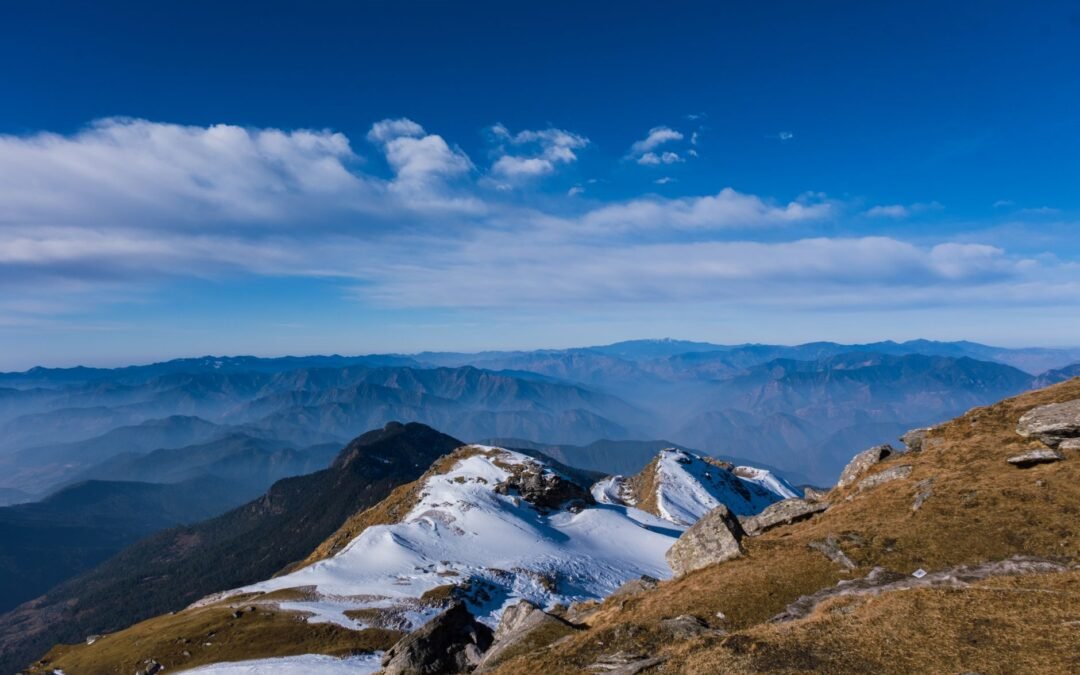
- Nag Tibba Trek is a perfect weekend trek from Delhi, taking only 2-3 days to complete with moderate difficulty level
- The best months to visit are April-June and September-November for clear weather and stunning Himalayan views
- Pantwari village serves as the main base camp, located 85 km from Dehradun and accessible by road
- The trek reaches 9,915 feet altitude offering panoramic views of Bandarpoonch, Swargarohini, and Gangotri peaks
- Winter treks (December-March) offer snow-covered trails but require proper gear and experience
Introduction
Nestled in the Garhwal region of Uttarakhand, the Nag Tibba Trek stands as the perfect gateway to Himalayan trekking for beginners and weekend warriors alike. Known locally as the “Serpent’s Peak,” this magnificent trail reaches an altitude of 3,022 meters (9,915 feet) and offers breathtaking panoramic views of snow-clad giants including Swargarohini, Bandarpoonch, Kedarnath, and Gangotri peaks. What makes this trek particularly special is its accessibility—a relatively easy climb that can be completed in just two to three days, making it ideal for those with limited time but unlimited wanderlust.
The journey through dense oak and rhododendron forests, sprawling meadows dotted with wildflowers, and charming Garhwali villages provides an authentic Himalayan experience without the grueling difficulty of higher altitude treks. As you ascend through ancient trails once used by shepherds and their flocks, you’ll encounter a pristine wilderness that remains relatively untouched by mass tourism, offering solitude and serenity in equal measure.
Whether you’re a first-time trekker looking to test your mountain legs or an experienced hiker seeking a quick escape from urban chaos, Nag Tibba delivers an unforgettable adventure. The trek’s proximity to major cities like Dehradun and Delhi, combined with its year-round accessibility and stunning natural beauty, has rightfully earned it the title of “Queen of Weekend Treks” in the Indian trekking community.
Quick Facts About Nag Tibba Trek
| Feature | Details |
|---|---|
| Maximum Altitude | 3,022 meters (9,915 feet) |
| Best Time to Visit | October to March (winter), April to June (summer) |
| Distance from Nearest City | 90 km from Dehradun, 60 km from Mussoorie |
| Nearest Airport | Jolly Grant Airport, Dehradun (102 km) |
| Permits Required | No special permits required |
| Temperature Range | Winter: -5°C to 10°C, Summer: 10°C to 25°C |
| Trek Duration | 2-3 days (approximately 15 km total) |
| Approximate Budget per Day | ₹1,200 – ₹2,500 (independent), ₹3,000 – ₹5,000 (organized tour) |
Why Visit Nag Tibba Trek
The Nag Tibba Trek distinguishes itself through several unique characteristics that set it apart from other Himalayan trails. First and foremost, it’s one of the few treks in Uttarakhand that remains accessible throughout the year, including the winter months when most higher altitude treks close due to heavy snowfall. During December to March, the trail transforms into a winter wonderland, with snow-covered paths and frozen streams creating a magical landscape that rivals any European alpine destination—all at a fraction of the cost and distance for Indian travelers.
The cultural significance of this trek adds another layer of fascination. The summit houses an ancient temple dedicated to Nag Devta (the Snake God), which holds deep religious significance for the local Garhwali community. During the monsoon festival of Nag Panchami, devotees from surrounding villages make the arduous climb to offer prayers, and trekkers who visit during this period can witness these vibrant cultural celebrations firsthand.
Unlike commercialized trekking routes, Nag Tibba still retains its authentic character. The base villages of Pantwari and Devalsari offer genuine glimpses into traditional Garhwali life, where locals still practice terrace farming, speak the melodious Garhwali dialect, and maintain centuries-old customs. The biodiversity along the trail is equally impressive—keen-eyed trekkers might spot Himalayan birds like the koklas pheasant, monal, and kalij, while the forests harbor wildlife including barking deer, langurs, and occasionally even leopards in the lower reaches.
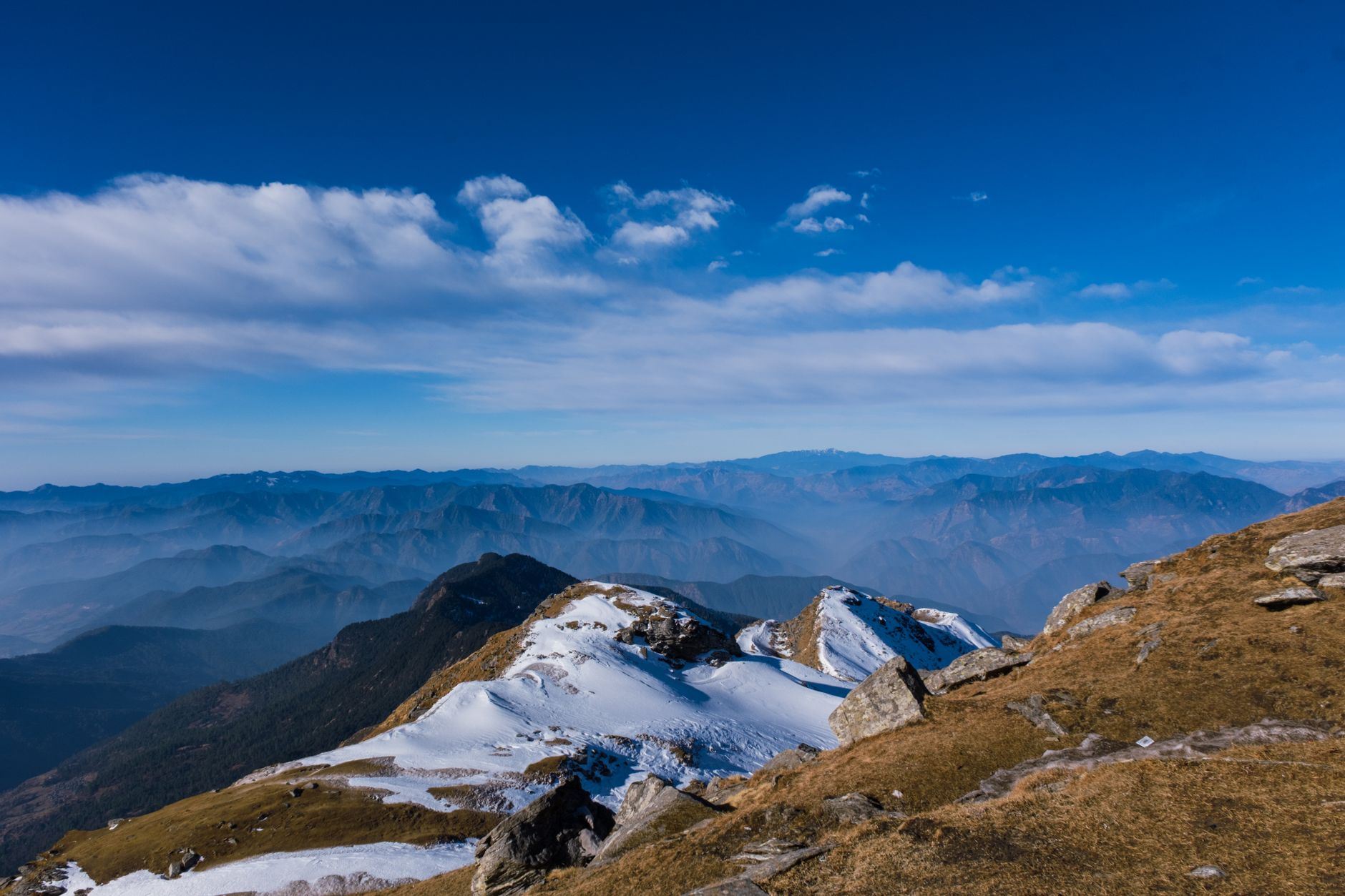
The 360-degree view from the summit is genuinely spectacular. On clear days, you can witness over 30 major Himalayan peaks spanning nearly 150 kilometers of the Garhwal range. The sunrise from the top, when the first golden rays illuminate the snow-covered giants while you stand above a sea of clouds, creates memories that last a lifetime. This view rivals those from much longer and more difficult treks, making Nag Tibba an exceptional value proposition for time-constrained trekkers.
How to Reach Nag Tibba Trek
By Air: The nearest airport is Jolly Grant Airport in Dehradun, located approximately 102 km from Pantwari village, the trek’s traditional starting point. Regular flights connect Dehradun to Delhi, with airlines like IndiGo, SpiceJet, and Air India operating daily services. Flight costs range from ₹3,000 to ₹8,000 depending on booking time and season. From the airport, you can hire a private taxi to Pantwari for approximately ₹2,500-₹3,500, or take a more economical shared cab to Dehradun city (₹200-₹300) and then arrange onward transport.
By Train: Dehradun Railway Station is the nearest major railhead, well-connected to Delhi, Mumbai, Kolkata, and other major cities. The Nanda Devi Express and Shatabdi Express are popular choices from Delhi, with fares ranging from ₹400 (general class) to ₹1,500 (AC chair car). From Dehradun railway station, taxis to Pantwari cost around ₹2,200-₹2,800 for the 90 km journey. Alternatively, you can take a bus to Mussoorie (₹60-₹100) and then another bus or shared taxi to Pantwari.
By Road: This is the most flexible and economical option. From Delhi, the journey to Pantwari covers approximately 330 km and takes 8-10 hours. You can drive via Dehradun-Mussoorie road (NH 507) through Kempty Falls, then take the route to Purola, turning off toward Pantwari. Uttarakhand State Transport buses run from Delhi ISBT Kashmere Gate to Dehradun (₹400-₹600), from where local buses operate to Pantwari (₹100-₹150). Private Tempo Travelers can be hired from Dehradun for groups, costing around ₹4,000-₹6,000.
From Mussoorie: Pantwari is 60 km from Mussoorie, accessible via a scenic mountain road. Local buses operate irregularly, so hiring a taxi (₹1,500-₹2,000) or arranging transport through your trek operator is advisable. Some trekkers choose to start from Devalsari village instead, which is slightly closer to Mussoorie at 55 km.
Best Time to Visit Nag Tibba Trek
October to November (Autumn): This is considered one of the best periods for the Nag Tibba Trek. The monsoon has cleared the air, providing crystal-clear visibility and stunning mountain views. Daytime temperatures range from 10°C to 20°C, with nights dropping to 0°C to 5°C. The meadows retain their greenery, and the forests display beautiful autumn colors. Crowds are moderate, making it ideal for those seeking relative solitude. This is perfect trekking weather with minimal rainfall risk.
December to February (Winter): The trek transforms into a snow-covered wonderland during these months, attracting adventure enthusiasts seeking a winter Himalayan experience. Snowfall typically begins in late December, with January and February seeing heavy snow accumulation. Temperatures plummet to -5°C to -15°C at night, while days hover around 0°C to 10°C. This period is excellent for those wanting to experience snow camping and winter trekking, though it requires proper gear and some experience. The trail can be challenging, and hiring a local guide becomes essential.
March to April (Spring): As winter recedes, the trail comes alive with blooming rhododendrons painting the forest in shades of red, pink, and white. This is arguably the most beautiful time to visit, with pleasant temperatures (10°C to 20°C during the day) and minimal snow on lower sections. The summit may still have snow patches, offering the best of both worlds. Wildlife sightings increase as animals emerge from winter dormancy. Crowds begin to increase, especially during weekends, as this is peak trekking season.
May to June (Summer): These are the warmest months, with temperatures ranging from 15°C to 25°C during the day, making it comfortable for beginners and families. The snow has completely melted, and the meadows are lush green with wildflowers. However, humidity increases, and afternoon clouds can obstruct mountain views. This period sees maximum tourist footfall, especially during school vacations. It’s ideal for first-time trekkers and those uncomfortable with cold weather.
July to September (Monsoon): Generally not recommended due to heavy rainfall, slippery trails, and leech infestation in the forests. Visibility is poor with constant cloud cover. However, the landscape is at its greenest, and the trails are least crowded. Only experienced trekkers with proper rain gear should attempt this trek during monsoon, and that too with extreme caution as landslides can occur on approach roads.
Top Things to Do in Nag Tibba Trek
Summit the Nag Tibba Peak
The ultimate goal of the trek, reaching the 3,022-meter summit at dawn offers an unparalleled experience. The final ascent from base camp takes about 2-3 hours through increasingly steep terrain, culminating in a ridge walk to the top. Here, the ancient Nag Devta temple stands as a spiritual beacon, while the 360-degree panorama reveals peaks like Swargarohini (6,252m), Bandarpoonch (6,316m), Kedarnath (6,940m), and the distant Gangotri ranges stretching across the horizon like a frozen wave.
Camp Under Starlit Himalayan Skies
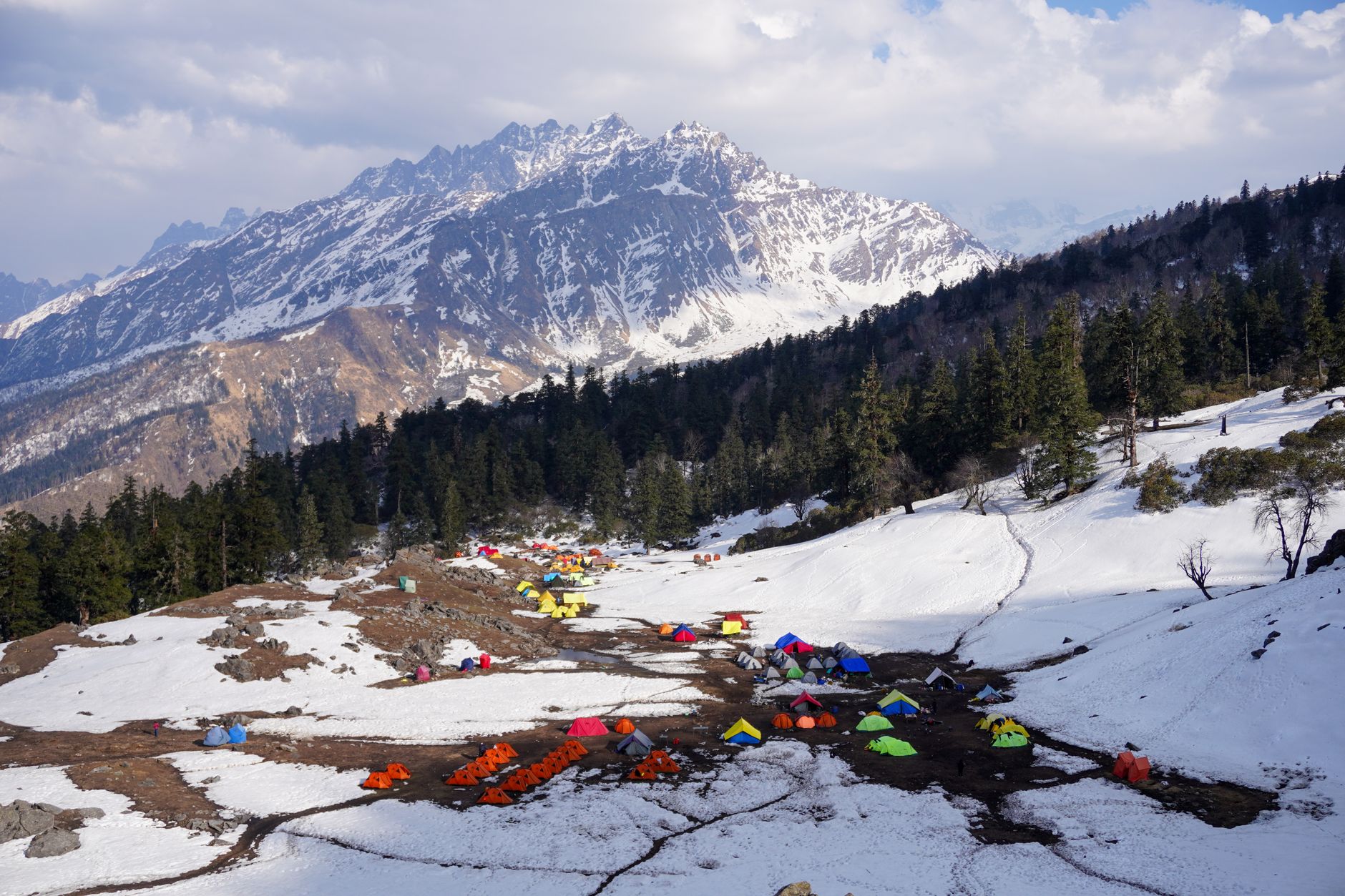
Camping at Nag Tibba base camp, situated at approximately 2,800 meters amidst sprawling meadows, is an experience unto itself. With minimal light pollution, the night sky reveals countless stars, the Milky Way clearly visible as a luminous band across the heavens. During winter, the crisp air enhances visibility even further, while summer nights are pleasantly cool, perfect for sitting around a bonfire sharing stories with fellow trekkers and local guides who narrate fascinating folklore about the mountains.
Explore Traditional Garhwali Villages
The villages of Pantwari, Devalsari, and nearby settlements offer authentic cultural immersion. Walk through slate-roofed houses built using traditional techniques, observe terrace farming on impossible slopes, and interact with locals who maintain centuries-old customs. Visit during harvest season (September-October) to witness traditional farming practices, or during festivals like Phool Dei (spring festival) when villagers decorate doorways with flowers and sing traditional songs welcoming the new season.
Wildlife and Bird Watching
The diverse ecosystems along the trail—from oak and rhododendron forests to alpine meadows—support rich biodiversity. Early morning and late evening are ideal for spotting Himalayan birds including the colorful monal (Uttarakhand’s state bird), kalij pheasant, and various thrush species. The forests harbor barking deer, ghoral (Himalayan goat-antelope), langurs, and numerous smaller mammals. Carry binoculars and maintain silence for the best wildlife encounters, particularly in the quieter winter months when animals venture closer to lower elevations.
Photography at Aunter Village
Located between Pantwari and the summit, Aunter village sits at the edge of vast meadows offering photographic gold. The traditional architecture, agricultural landscapes, and backdrop of snow-peaks create compelling compositions. During spring, when rhododendrons bloom, the entire trail becomes a photographer’s paradise. The golden hour here, when soft light bathes the meadows and illuminates the peaks, provides professional-quality landscape opportunities even for amateur photographers.
Winter Snow Trekking Experience
For those visiting between December and February, the trek becomes a snow adventure requiring microspikes or crampons. Walking through knee-deep snow, making snow angels at the summit, and camping on snow-covered ground offers thrills comparable to international winter destinations. The frozen streams, icicle-laden trees, and completely white landscape create a surreal atmosphere, while the physical challenge of navigating snowy terrain adds an element of adventure suitable for those with some trekking experience.
Sunrise and Sunset Spectacles
The Himalayan sunrise from Nag Tibba summit ranks among nature’s greatest shows. Starting the final ascent at 4:30 AM to reach the top by dawn, you witness darkness gradually giving way to light as the eastern sky turns from purple to orange, eventually illuminating the snow peaks in brilliant gold. Sunset from base camp is equally magical, with the peaks turning pink and purple before darkness descends, and you’re reminded of your insignificance before these ancient giants.
Where to Stay in Nag Tibba Trek
Budget Options: Most trekkers camp along the trail, with the primary camping sites at Nag Tibba base (₹300-₹500 per person for campsite fee if you carry your own tent). Several budget guesthouses operate in Pantwari village, including Pantwari Village Homestay (₹400-₹700 per night) and local family-run accommodations offering basic but clean rooms with shared bathrooms. These homestays often include simple meals (₹150-₹250 per meal) featuring local Garhwali cuisine. In Aunter village, you can find similar budget lodges charging ₹500-₹800 per night with meals.
Mid-Range Options: Organized trek operators provide comprehensive packages including camping equipment, meals, and guides. Companies like Bikat Adventures, Thrillophilia, and India Hikes offer 2-night/3-day packages ranging from ₹3,500 to ₹6,000 per person, including transportation from Dehradun, camping gear, meals, and experienced guides. These packages typically use quality camping equipment and provide trained cooks who prepare nutritious meals suitable for trekking. Some operators also offer stays at their base camps near Pantwari with semi-permanent tented accommodations featuring better amenities (₹1,500-₹2,500 per night including meals).
Splurge Options: While Nag Tibba itself doesn’t have luxury accommodations due to its remote nature, you can bookend your trek with comfortable stays in Mussoorie or Dehradun. Before or after the trek, consider Jaypee Residency Manor in Mussoorie (₹6,000-₹12,000 per night) or Hyatt Centric Rajpur Road in Dehradun (₹5,000-₹10,000 per night) for luxury amenities and relaxation. Some premium trek operators offer customized experiences with better camping equipment, personal porters, and gourmet meals, with prices ranging from ₹8,000 to ₹15,000 per person for the complete trek experience.
Camping Considerations: If trekking independently, you’ll need to carry your own camping equipment or rent it in Dehradun (tents ₹300-₹500 per day, sleeping bags ₹200-₹400 per day). The main camping spots are at Nag Tibba base camp and sometimes at Aunter meadows. Always seek permission from locals before camping and follow Leave No Trace principles strictly, as the region’s pristine environment depends on responsible tourism.
Local Food & Cuisine
Traditional Garhwali Dishes: The local cuisine is simple, wholesome, and perfectly suited to the mountain climate. Aloo Ke Gutke is a must-try dish—spiced potatoes tempered with local spices, typically served with puris or parathas. Chainsoo, a protein-rich black gram dal roasted and cooked with local spices, provides the energy needed for trekking. Kafuli, made from spinach and fenugreek leaves with a paste of local grains, offers nutritional value and authentic taste. During winter, try Gahat ki Dal (horse gram lentil soup), known for its warming properties and high protein content, perfect after a cold day’s trek.
Where to Eat in Pantwari: Pantwari village has limited but authentic dining options. Pantwari Dhaba near the village square serves simple meals including dal-rice, vegetable curry, and rotis for ₹80-₹150 per meal. The food is fresh, prepared with locally sourced ingredients, and the warmth of the owners adds to the experience. Aunty’s Kitchen, a small homestay eatery, offers home-cooked Garhwali thalis for ₹200-₹300, including multiple local dishes that provide a comprehensive taste of regional cuisine.
On-Trail Food: Most organized treks include all meals, typically consisting of breakfast (porridge, eggs, bread, tea), lunch (sandwiches or packed meals), and dinner (rice, dal, vegetables, chapatis). If trekking independently, carry energy-rich foods like dry fruits, nuts, chocolate bars, and glucose biscuits (budget ₹300-₹500 for snacks for 2-3 days). At Aunter village, Aunter Rest Stop offers basic meals and hot tea (₹50-₹100), providing a welcome break during the ascent.
Beverages and Snacks: Don’t miss the local Buransh juice (made from rhododendron flowers) available in spring, known for its refreshing taste and medicinal properties. The locals also prepare Bal Mithai and Singodi, traditional sweets you can purchase in Dehradun before the trek (₹200-₹400 per kg). Hot lemon tea with honey, available at village dhabas for ₹20-₹30 per cup, is perfect for cold evenings and helps with acclimatization.

Practical Travel Tips for Nag Tibba Trek
Permits and Permissions: One of Nag Tibba’s advantages is that no special permits are required for Indian nationals. Foreign tourists should carry valid passports and Indian visas, though no additional trekking permits are needed. However, inform your homestay or lodge owners about your trekking plans, and it’s courteous to seek permission from locals if camping on village common lands. There are no permit costs, making this an economical trekking option.
Mobile Network Coverage: Mobile connectivity is limited on the trek. BSNL has the most reliable coverage in Pantwari village and parts of the initial trail, while Airtel and Jio have spotty coverage in lower areas. Beyond Aunter village, expect minimal to no network coverage. Inform family and friends beforehand, and consider this digital detox as part of the experience. Carry downloaded maps and offline navigation apps like Maps.me or Google Maps offline mode.
ATM and Money: There are no ATMs in Pantwari or anywhere along the trek. The nearest ATMs are in Mussoorie (60 km away). Carry sufficient cash in small denominations (₹4,000-₹6,000 recommended for independent trekkers covering meals, homestays, and emergencies). Village shops and homestays don’t accept cards or digital payments. Keep money in waterproof pouches to protect it from rain or snow.
Medical Facilities: Medical facilities are extremely basic in the region. Pantwari has a small primary health center with limited capabilities. The nearest hospital with proper facilities is in Mussoorie or Dehradun. Carry a comprehensive first-aid kit including bandages, antiseptic, pain relievers, altitude sickness medication (Diamox), anti-diarrheal medicine, and any personal prescription medications. Include blister treatment supplies, as blisters are the most common trekking ailment. If you have any pre-existing conditions, carry medical certificates and extra medication.
What to Pack: Clothing should follow layering principles: thermal innerwear, fleece mid-layer, and waterproof outer shell. In winter, add down jackets and extra thermal layers. Carry 2-3 pairs of trekking pants, 4-5 t-shirts, warm socks (woolens in winter), gloves, woolen cap, and a sun hat. Footwear is crucial—invest in good quality trekking shoes with ankle support (broken in before the trek) and carry lightweight camp shoes. Essential gear includes a 50-60L backpack with rain cover, sleeping bag (comfort rating -5°C for winter, +5°C for summer), trekking poles, headlamp with extra batteries, sunglasses (UV protected), sunscreen (SPF 50+), water bottles (2 liters capacity), water purification tablets, personal toiletries, and quick-dry towel.
Safety Tips: Always trek with at least one companion; solo trekking is discouraged, especially in winter. Hire local guides if you’re unfamiliar with mountain navigation (₹800-₹1,200 per day). Start early to avoid trekking in darkness, and be prepared for sudden weather changes—mountains are unpredictable. Inform someone about your itinerary and expected return. Watch for symptoms of altitude sickness (headache, nausea, dizziness) despite the relatively moderate altitude. Stay hydrated, drinking at least 3-4 liters of water daily. In winter, be aware of frostbite risks and ensure extremities are well-protected.
Responsible Tourism: Nag Tibba’s pristine environment faces increasing pressure from tourism. Practice Leave No Trace principles religiously: carry all waste back, including biodegradable items like orange peels. Don’t use soap or detergents near water sources. Avoid lighting fires except in designated areas with local wood—better still, use camping stoves. Respect local culture and customs; ask permission before photographing villagers. Don’t offer money to children, as it encourages begging. Support local economy by purchasing from village shops and hiring local guides. Avoid using plastic water bottles; carry reusable bottles and purification tablets. The mountains give us so much; it’s our responsibility to preserve them for future generations.
Best Practices: Acclimatize properly by spending a day in Pantwari before ascending if you’re coming from plains. Maintain a steady, slow pace rather than rushing—remember, “pole pole” (slowly, slowly). Take regular breaks, especially during ascent. Eat well even if you don’t feel hungry, as your body needs fuel. In winter, check weather forecasts before starting and be prepared to abandon the trek if conditions deteriorate. Keep important documents in waterproof covers. Carry emergency contact numbers including local police (100), ambulance (108), and your trek operator’s 24×7 helpline.
Final Thoughts
The Nag Tibba Trek represents everything that makes Himalayan trekking so compelling, distilled into a perfectly accessible weekend adventure. It’s a rare gem that offers genuine mountain experiences—the thrill of summit views, the serenity of alpine meadows, the warmth of village hospitality, and the satisfaction of physical achievement—without demanding weeks of time or extensive mountaineering experience. For first-timers, it serves as a gentle yet authentic introduction to the mighty Himalayas, building confidence and skills for future adventures. For experienced trekkers, it offers a quick escape to recharge and reconnect with the mountains that call to our souls.
What truly sets this trek apart is its ability to deliver extraordinary value in every sense. In just a few days and at minimal cost, you’ll experience diverse ecosystems, witness world-class mountain panoramas, immerse yourself in local culture, and create memories that will fuel your wanderlust for years to come. Whether you choose to challenge yourself with a winter snow trek or opt for a comfortable summer escape, whether you trek solo with just a guide or join an organized group, the Serpent’s Peak awaits with open arms and endless rewards. So pack your backpack, lace up those trekking boots, and answer the call of Nag Tibba—your Himalayan adventure begins here, and the mountains are waiting to work their magic on you.
- Start your trek early from Pantwari village (6-7 AM) to reach the summit by afternoon and avoid afternoon mist that obscures mountain views
- Carry extra water as the only reliable water source is at Nag Tibba base camp; the summit stretch has no water points
- Book homestays in Pantwari village a week in advance during peak season as accommodation options are limited to 8-10 properties
- Hire local guides from Pantwari for ₹800-1000 per day who know shortcuts and can arrange bonfire permits at campsites
- During winter treks, carry microspikes or crampons as the final kilometer to summit becomes icy and slippery after December
Frequently Asked Questions about Nag Tibba Trek
The best time to visit Nag Tibba Trek is from October to March for winter trekking with snow-covered landscapes, and April to June for summer trekking with pleasant weather. The trek remains accessible throughout the year, making it one of the few Uttarakhand treks that can be undertaken even during winter months when most higher altitude treks are closed.
Nag Tibba Trek is considered relatively easy and is perfect for beginners and first-time trekkers looking to test their mountain legs. The trek can be completed in just 2-3 days covering approximately 15 km total distance, making it ideal for weekend warriors and those with limited time but wanting an authentic Himalayan experience.
The Nag Tibba Trek reaches a maximum altitude of 3,022 meters (9,915 feet), known locally as the “Serpent’s Peak.” From the summit, trekkers can enjoy breathtaking panoramic views of snow-clad Himalayan giants including Swargarohini, Bandarpoonch, Kedarnath, and Gangotri peaks.
Nag Tibba Trek is located 90 km from Dehradun and 60 km from Mussoorie in the Garhwal region of Uttarakhand. The nearest airport is Jolly Grant Airport in Dehradun, approximately 102 km away, making it easily accessible from major cities like Delhi and Dehradun for weekend trips.
No special permits are required for the Nag Tibba Trek, making it convenient for independent trekkers and organized groups alike. This accessibility, combined with its proximity to major cities and year-round trekking availability, contributes to its popularity as the “Queen of Weekend Treks.”
The approximate budget for Nag Tibba Trek ranges from ₹1,200 to ₹2,500 per day for independent trekkers, and ₹3,000 to ₹5,000 per day for organized tours. The total trek duration is 2-3 days, making it an affordable weekend getaway for adventure enthusiasts seeking a Himalayan trekking experience.