
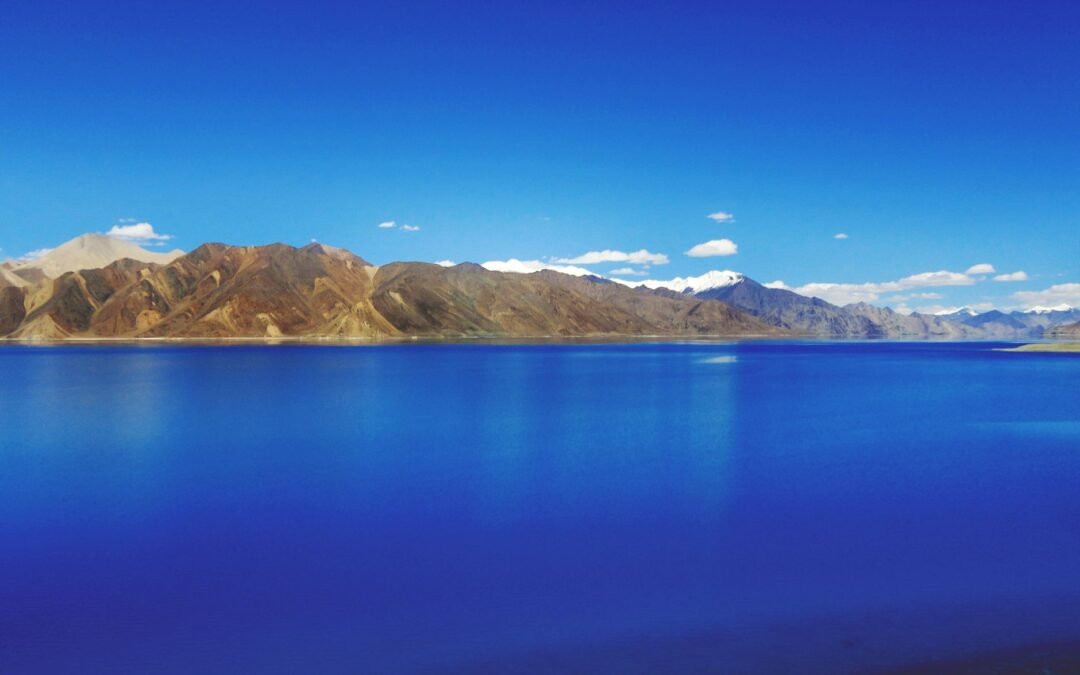
- Pangong Lake requires an Inner Line Permit obtainable online or in Leh, valid for 7 days
- The lake is accessible only from May to September due to heavy snowfall closing Chang La pass
- Only 40% of Pangong Lake lies in India; the remaining 60% extends into Tibet, China
- Overnight stays require booking camps in advance as accommodation options are limited at 14,000 feet altitude
- The drive from Leh takes 5-6 hours via Chang La, the world’s third-highest motorable pass at 17,590 feet
Introduction
Imagine a lake so mesmerizing that it changes colors from azure blue to emerald green, and then to sapphire within hours. Welcome to Pangong Lake, or Pangong Tso as locals call it, one of the most spectacular high-altitude lakes in the world. Nestled in the rugged terrain of Ladakh at a breathtaking altitude of 14,270 feet (4,350 meters), this enchanting body of water stretches approximately 134 kilometers from India to Tibet, with roughly 60% of its length lying in Chinese territory. The lake first captured the imagination of mainstream Indian travelers after appearing in the climactic scenes of the Bollywood blockbuster “3 Idiots,” but its allure extends far beyond its cinematic fame.
What makes Pangong Lake truly extraordinary is its paradoxical nature—despite being a saline water body, it remains frozen from December to May, creating a surreal winter wonderland. The journey to reach this remote paradise is as memorable as the destination itself, taking you through some of the world’s highest motorable passes, including the famous Chang La at 17,590 feet. The stark, almost lunar landscape surrounding the lake, with its barren mountains that seem to touch the sky, creates a sense of otherworldly beauty that stays etched in memory long after you’ve returned home.
Whether you’re an adventure enthusiast, a photography aficionado, a nature lover, or simply someone seeking solace away from urban chaos, Pangong Lake offers an experience that transcends conventional tourism. The pristine beauty, the silence broken only by the gentle lapping of waves, and the star-studded night sky create a meditative atmosphere that rejuvenates the soul. This comprehensive guide will help you plan your journey to this Himalayan jewel, ensuring you make the most of your visit to one of India’s most iconic natural wonders.
Quick Facts About Pangong Lake
| Feature | Details |
|---|---|
| Altitude | 14,270 feet (4,350 meters) |
| Best Time to Visit | May to September |
| Distance from Nearest City | Leh: 160 km (5-6 hours drive) |
| Nearest Airport | Kushok Bakula Rimpochee Airport, Leh (160 km) |
| Permits Required | Yes – Inner Line Permit (₹400-600 for Indians, ₹800-1,000 for foreigners) |
| Temperature Range | Summer: 3°C to 25°C | Winter: -20°C to -40°C |
| Approx Budget per Day | ₹2,500-₹5,000 (including accommodation, food, and permits) |
Why Visit Pangong Lake
Pangong Lake stands apart from other mountain destinations through its unique geological and ecological characteristics. The lake’s extraordinary color-changing phenomenon occurs due to its depth variations and the angle of sunlight hitting its surface throughout the day. Unlike most high-altitude lakes, Pangong Tso is endorheic, meaning it has no outlet, and despite being a saltwater lake with salinity levels that vary across its length, it remarkably freezes completely during winter—a rare occurrence for saline water bodies. This freezing creates ice sheets thick enough that locals have historically crossed the lake on foot during deep winter.
The biodiversity around Pangong Lake, though seemingly minimal in such harsh terrain, is remarkable. The lake and its surroundings form a crucial breeding ground for migratory birds, including the rare black-necked crane, brahmini ducks, bar-headed geese, and numerous species of seagulls that travel thousands of kilometers to nest here. The Changpa nomads, who have inhabited these high-altitude regions for centuries with their pashmina goats, add a cultural dimension to your visit. Witnessing their traditional lifestyle, seeing their distinctive black tents dotting the landscape, and understanding how humans have adapted to survive in such extreme conditions adds profound depth to the Pangong experience.
The geopolitical significance of Pangong Lake cannot be overlooked. The Line of Actual Control (LAC) between India and China runs through the lake, and the region has witnessed historical tensions. The famous “Fingers” area on the northern bank consists of eight mountain spurs extending into the lake, with different fingers falling under different territorial claims. This adds a layer of contemporary relevance to your visit, making you realize you’re standing at one of the most strategically important locations in the Indian subcontinent. The sense of national pride experienced here, combined with the humbling natural beauty, creates an emotional connection that purely scenic destinations rarely evoke.
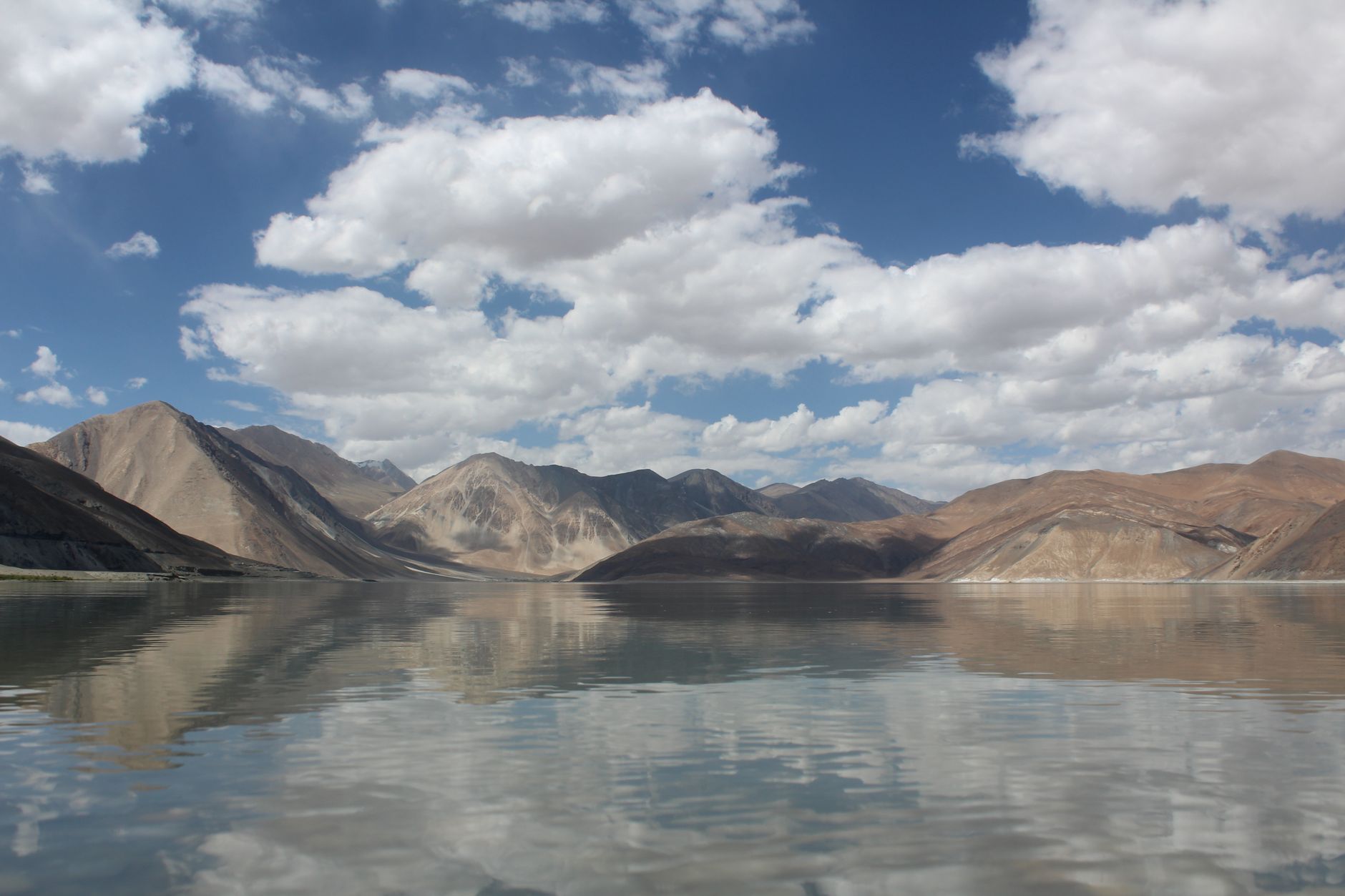
How to Reach Pangong Lake
By Air and Road: The most common route involves flying to Kushok Bakula Rimpochee Airport in Leh from Delhi (₹4,000-₹12,000), Chandigarh (₹5,000-₹10,000), or Srinagar (₹3,000-₹8,000). From Leh, the journey to Pangong Lake covers 160 kilometers via the Chang La pass route. Most travelers hire a taxi or join group tours. Private taxis cost approximately ₹6,000-₹8,000 for a round trip with overnight stay, while shared taxis reduce the cost to ₹1,200-₹1,500 per person. The drive takes 5-6 hours one way, with the Chang La pass located at 17,590 feet, making it one of the world’s highest motorable roads.
By Road from Manali: Adventure seekers often take the Manali-Leh highway, covering approximately 475 kilometers over two days. This route typically costs ₹10,000-₹15,000 for a private vehicle or ₹2,500-₹3,500 per person in shared taxis. The journey includes overnight stops at Sarchu or Pang, with spectacular views of Baralacha La, Lachulung La, and Tanglang La passes. From Leh, you continue the remaining 160 kilometers to Pangong. This route operates only from June to September due to snow conditions.
By Road from Srinagar: The Srinagar-Leh highway covers approximately 420 kilometers and takes two days, costing ₹8,000-₹12,000 for private vehicles or ₹2,000-₹3,000 per person in shared taxis. This scenic route passes through Sonamarg, crosses Zoji La pass (11,575 feet), and includes stops at Drass, Kargil, and Lamayuru. The highway typically opens in May and closes by November. From Leh, the standard 160-kilometer journey to Pangong follows.
Alternative Route via Wari La: An alternative route from Leh to Pangong via Sakti and Wari La (15,715 feet) spans approximately 180 kilometers. This relatively less-traveled route takes about 6-7 hours and offers different perspectives of Ladakhi landscape. However, this route requires the same permits and is generally used by those making a loop journey, approaching via Chang La and returning via Wari La, or vice versa.
Best Time to Visit Pangong Lake
May to June (Late Spring/Early Summer): This period marks the beginning of the tourist season as the lake starts thawing. Temperatures range from 0°C to 15°C, with pleasant days and chilly nights. The Chang La pass becomes accessible, and accommodation facilities begin opening. May sees fewer crowds, making it ideal for those seeking solitude. However, some facilities might still be under preparation. This is an excellent time for photography as the melting ice creates unique patterns on the lake’s surface.
July to August (Peak Summer/Monsoon): These months constitute the peak tourist season with maximum accessibility and all facilities fully operational. Temperatures range from 10°C to 25°C during the day, though nights remain cold at 3°C to 10°C. July and August witness the highest tourist influx, especially after mid-July when schools close for summer vacations. While Ladakh receives minimal monsoon rainfall due to its rain-shadow location, occasional showers can occur. The lake displays its most vibrant blue hues during this period, and migratory birds are visible in good numbers. Expect higher accommodation prices and advance booking requirements.
September to Early October (Autumn): This is arguably the best time to visit Pangong Lake. Post-monsoon skies are crystal clear, offering exceptional visibility for photography and stargazing. Temperatures range from 5°C to 20°C during the day but drop to -5°C at night. Crowds thin out significantly after mid-September as schools reopen. The autumn light creates spectacular golden hours for photographers. By late September, some accommodation providers begin closing for the season, so availability should be confirmed in advance. The risk of sudden weather changes increases toward October.
November to April (Winter): The lake freezes completely during these months, creating a stunning white landscape. Temperatures plummet to -20°C to -40°C, making it accessible only to hardcore adventure enthusiasts. The road via Chang La typically closes due to heavy snowfall, making the lake virtually inaccessible except through specialized winter expeditions. A few intrepid travelers attempt the frozen lake trek (Chadar Trek area), but facilities at Pangong are completely shut. This period is not recommended for regular tourists but attracts professional photographers and extreme adventure seekers willing to face severe conditions.
Top Things to Do in Pangong Lake
Witness the Color-Changing Phenomenon
The most captivating activity at Pangong Lake is simply sitting by its shores and watching the water transform through different shades. Early morning presents deep blue tones, midday brings emerald and turquoise hues, while evening bathes the lake in golden and purple reflections. Spend at least three to four hours observing these transitions, as the interplay of sunlight, clouds, and the lake’s varying depths creates a natural spectacle that cameras can barely capture. The southern bank near Spangmik village offers the best vantage points for this phenomenon.
Photography Expedition
Pangong Lake is a photographer’s paradise offering diverse subjects—from landscape and astro-photography to wildlife and cultural documentation. The famous “3 Idiots” shooting location near Spangmik draws numerous visitors recreating iconic scenes. Early morning golden hours (5:30-7:30 AM) and blue hours after sunset provide magical lighting conditions. Night photography enthusiasts can capture the Milky Way with stunning clarity due to zero light pollution, with the lake’s reflection adding a surreal dimension to astrophotography compositions.
Bird Watching
Between May and September, Pangong Lake becomes a vital breeding ground for numerous migratory bird species. Bring binoculars to spot bar-headed geese (known to fly over Mount Everest during migration), brahmini ducks, brown-headed gulls, and if you’re fortunate, the rare black-necked crane. The marshy areas near Merak village on the southern shore provide excellent bird-watching opportunities. Early morning hours before 8 AM offer the best chances for sightings when birds are most active.
Visit Nearby Villages
Explore Spangmik, Merak, and Man villages along the lake’s Indian banks to experience authentic Changpa culture. These settlements consist of summer camps where nomadic families graze their famous pashmina goats. Interact with locals (respectfully and with permission), observe their traditional lifestyles, and understand how communities thrive at these extreme altitudes. Some families sell locally-made pashmina products directly, offering better quality and prices than Leh markets, though bargaining should be gentle and respectful.
Camping Under the Stars
Spending a night in camps near Pangong Lake ranks among Ladakh’s most memorable experiences. The absence of light pollution creates spectacular stargazing opportunities where the Milky Way stretches across the sky with remarkable clarity. Most camps organize bonfire evenings with local music and traditional butter tea. The profound silence, broken only by occasional waves and distant bird calls, creates a meditative atmosphere. Carry adequate warm clothing as temperatures drop significantly after sunset, often reaching near-freezing even in summer.
Short Hikes and Walks
Several easy to moderate hiking trails surround Pangong Lake’s accessible areas. A popular 2-kilometer walk from Spangmik to Merak village along the lakeshore takes about 45 minutes and offers constantly changing perspectives of the lake and mountains. Another moderate hike leads to hilltops behind Spangmik village, providing panoramic views ideal for sunrise or sunset. These hikes require no special equipment but given the altitude, proceed slowly and stay hydrated. Always inform your accommodation provider before venturing out.
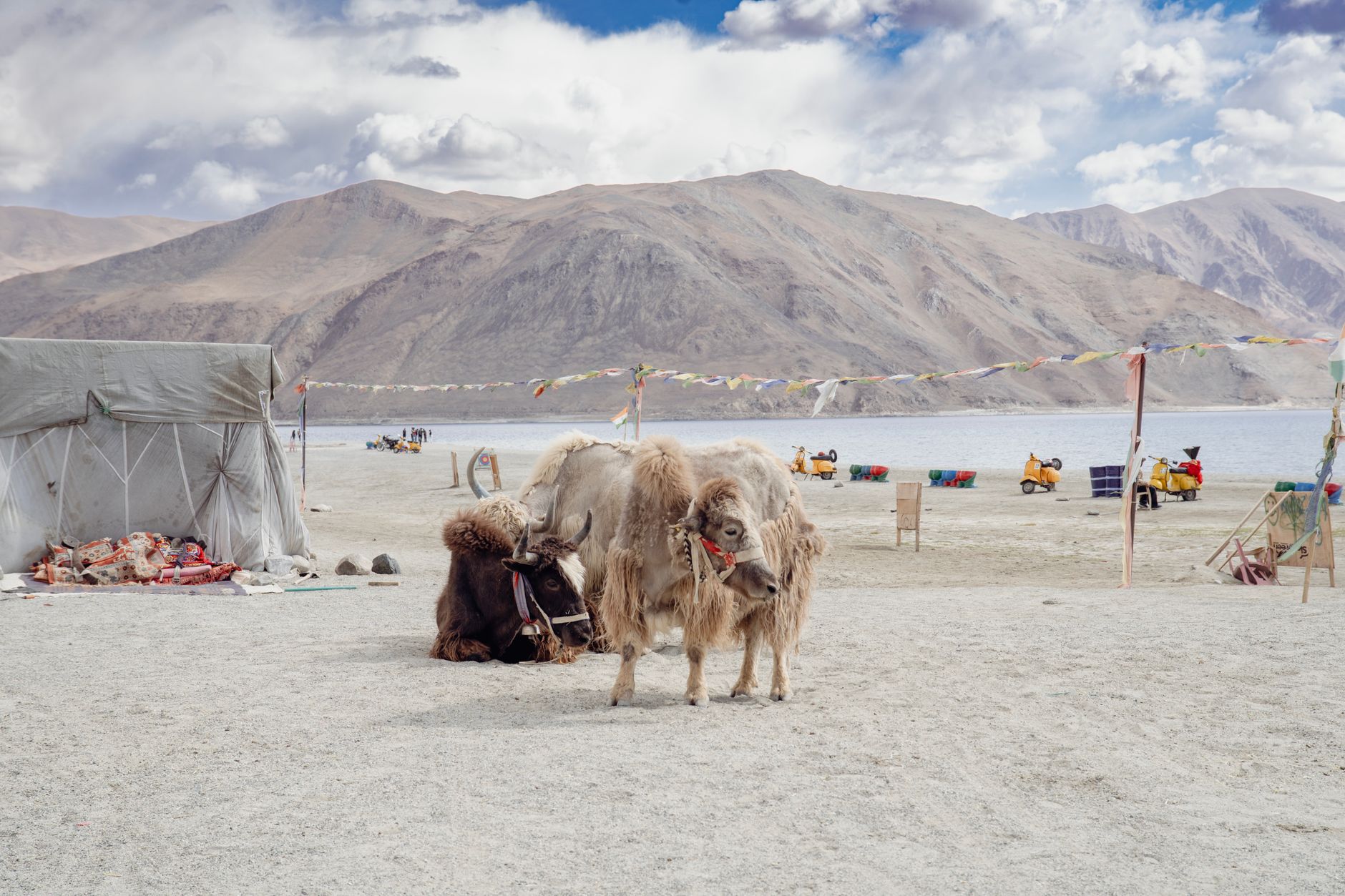
Where to Stay in Pangong Lake
Budget Options (₹800-₹2,000 per night): Basic guesthouses and homestays in Spangmik and Merak villages offer simple accommodation with shared bathrooms and minimal amenities. Padma Guesthouse and Pangong Homestay provide clean rooms with basic bedding and home-cooked meals for approximately ₹1,000-₹1,500 per person including dinner and breakfast. These family-run establishments offer authentic cultural experiences and warm Ladakhi hospitality. Facilities are basic—expect bucket baths with lukewarm water, squat toilets, and limited electricity (usually solar-powered for 2-3 hours in evening). Despite simplicity, the warmth of hosts and genuine interactions make these budget stays memorable.
Mid-Range Options (₹2,000-₹5,000 per night): Several established camps operate during the tourist season offering comfortable accommodation with better facilities. Watermark Camp Pangong, Pangong Sarai Camp, and Himalayan Retreat provide Swiss cottage tents with attached western toilets, hot water (subject to availability), and decent bedding. Prices range from ₹3,000-₹4,500 per person on a full-board basis (all meals included). These camps typically feature dining tents serving multi-cuisine food, limited electricity during evening hours, and organized bonfire sessions. Book directly or through Leh travel agents for better rates than online platforms.
Splurge/Luxury Options (₹5,000-₹15,000 per night): Premium camps like The Chamba Camp Thiksey (with seasonal operations at Pangong), Norboo’s Cottage, and luxury sections of established camps offer superior comfort with plush bedding, attached bathrooms with running hot water, better insulation, and gourmet dining. Some provide heating arrangements and premium toiletries. Prices range from ₹6,000-₹12,000 per person including all meals and some activities. The Zostel Pangong offers a unique backpacker-meets-comfort experience at around ₹2,500-₹4,000 with dormitory and private room options, attracting younger travelers seeking social atmospheres.
Important Accommodation Notes: All accommodations at Pangong Lake are seasonal, operating only from May to September. Advance booking is essential during peak season (July-August), preferably 2-3 weeks ahead. Most properties require full payment advance or significant deposits. Mobile connectivity is extremely limited, so confirm bookings through Leh-based travel agents or while in Leh. Check-out times are usually early (around 8-9 AM) to allow travelers sufficient daylight for return journeys. Given the remote location, luxury expectations should be tempered—even premium camps face challenges with water heating, electricity, and waste management.
Local Food & Cuisine
Thukpa: This hearty Tibetan noodle soup is the perfect comfort food at Pangong’s high altitude. Made with hand-pulled noodles, vegetables, and sometimes mutton or chicken, seasoned with local spices, thukpa provides warmth and energy. The version served at Pangong camps often includes locally-sourced vegetables and yak meat, offering an authentic taste distinct from city versions. Expect to pay ₹120-₹200 per bowl at camp restaurants.
Momos: These Tibetan dumplings are ubiquitous across Pangong accommodations, available in vegetable, chicken, or mutton variants. Steamed momos are healthier, though fried versions are equally popular. Served with spicy red chutney (made with local chilies and tomatoes), a plate of 8-10 momos costs approximately ₹100-₹150. The high-altitude preparation method slightly alters cooking times, giving Pangong momos a unique texture.
Butter Tea (Gur Gur Chai): This traditional Ladakhi beverage made with tea leaves, yak butter, and salt might taste unusual initially but becomes addictive given its warming properties and energy boost at high altitudes. The salty, creamy tea helps prevent altitude sickness and keeps you hydrated. Most camps serve it complimentary with meals, while standalone cups cost ₹20-₹40. It’s an acquired taste but culturally significant and practically beneficial.
Skyu: A traditional Ladakhi pasta dish prepared with thumb-sized wheat dough pieces cooked with vegetables and occasionally meat in a thick curry. This hearty meal is particularly popular during colder months and provides substantial calories necessary at high altitudes. Available at most camps and homestays for ₹150-₹250 per serving, skyu represents authentic Ladakhi home cooking.
Dining Options: Pangong Retreat Camp Restaurant offers the most extensive menu with Indian, Chinese, and Tibetan dishes ranging from ₹100-₹350 per item, along with spectacular lake views from their dining tent. Spangmik Village Café, a small local establishment, serves authentic home-style Ladakhi food at economical prices (₹80-₹150 per dish). Most camps operate on fixed meal times—breakfast around 7-8 AM, lunch 12:30-1:30 PM, and dinner 7-8:30 PM. Since restaurants are limited, most visitors opt for full-board packages with their accommodation. The Changpa Dhaba near Merak village offers the most affordable local food (₹60-₹120 per item) but operates irregularly depending on tourist flow. Carrying some packaged snacks, energy bars, and dry fruits from Leh is advisable as food variety is limited and everything closes early evening.

Practical Travel Tips for Pangong Lake
Permits and Documentation: Indian citizens require an Inner Line Permit (ILP) to visit Pangong Lake, costing approximately ₹400-₹600, valid for 7 days. Foreign nationals need a Protected Area Permit (PAP) costing around ₹800-₹1,000. These permits can be obtained online through the official Ladakh administration website or from the DC office in Leh. Travel agencies also arrange permits for ₹100-₹200 service charge. Carry multiple photocopies of your ID proof (Aadhar card for Indians, passport for foreigners) as permits are checked at multiple points—before Chang La, at the army check post near Tangtse, and sometimes at Lukung. Permits require a minimum of two people for foreign nationals; solo foreign travelers must join groups or hire guides.
Mobile Network and Internet: Mobile connectivity at Pangong Lake is extremely limited. BSNL and Jio occasionally provide weak signals in certain spots near Spangmik and Merak, but don’t rely on it. Airtel and Vodafone have virtually no coverage. Most camps and guesthouses lack WiFi facilities. Plan accordingly—download offline maps (Maps.me works excellently in Ladakh), inform family about communication blackouts, and coordinate all bookings and confirmations while in Leh where connectivity is reliable.
ATM and Cash Availability: There are absolutely no ATMs or banking facilities at Pangong Lake or anywhere along the route after Leh. The nearest functional ATM is in Leh, approximately 160 kilometers away. Carry sufficient cash (₹5,000-₹10,000 per person depending on stay duration) to cover accommodation, food, permits, and emergencies. Most camps and guesthouses don’t accept cards or digital payments. Keep cash in small denominations as getting change for ₹500 or ₹2,000 notes can be challenging.
Medical Facilities and Health Precautions: Medical facilities are non-existent at Pangong Lake. The nearest primary health center is in Tangtse village, about 30 kilometers away, with limited facilities. Serious medical emergencies require evacuation to Leh (5-6 hours drive). Carry a comprehensive first-aid kit including altitude sickness medication (Diamox), pain relievers, anti-nausea tablets, bandages, antiseptic cream, and any personal prescription medicines. Acclimatize properly in Leh for at least 2 days before traveling to Pangong, which sits at 14,270 feet. Stay hydrated (drink 3-4 liters water daily), avoid alcohol and smoking, eat light meals, and walk slowly. Symptoms of acute mountain sickness (AMS) include headache, nausea, dizziness, and breathlessness—if severe symptoms develop, descend immediately.
What to Pack: Even during summer, nights at Pangong Lake are freezing cold. Essential items include: thermal innerwear (top and bottom), warm fleece jacket, down jacket or heavy windcheater, woolen cap, gloves, warm socks, comfortable trekking shoes, sunglasses (UV protection essential at high altitude), sunscreen (SPF 50+), lip balm, moisturizer (dry climate causes severe skin dryness), reusable water bottle, torch/headlamp with extra batteries, power bank (electricity is limited), personal toiletries, toilet paper (limited availability), medications, and energy snacks. Carry a small day pack for items needed during the journey. Layers work better than single heavy clothing as temperatures fluctuate significantly between day and night.
Safety Tips: The drive to Pangong Lake involves crossing Chang La (17,590 feet), one of the world’s highest motorable passes. Start early (5-6 AM from Leh) to avoid afternoon weather deterioration and ensure return in daylight. The roads are narrow with steep drops—hire experienced drivers familiar with mountain driving. Avoid travel during or immediately after rain or snow as landslides and road blockages are common. Carry extra food and water in vehicles in case of road blockages. Don’t venture too close to the lake shore in unfamiliar areas as underwater topography is uneven. Stay away from the northern banks (finger areas) as they’re close to the LAC and have military restrictions. Always keep your permits handy and cooperate with army personnel at checkpoints. Don’t photograph military installations, bridges, or personnel without explicit permission.
Responsible Tourism: Pangong Lake’s fragile ecosystem faces increasing pressure from tourism. Practice responsible behavior: carry all waste back to Leh (no dustbins exist at the lake), avoid single-use plastics, don’t litter or defecate near the lake, use toilets provided by camps, avoid loud music or noise pollution, don’t disturb wildlife or bird nesting areas, respect local culture and photography boundaries (always ask permission before photographing people), buy local products directly from communities, and don’t haggle excessively with impoverished locals. The lake’s water is not drinkable—avoid washing clothes or utensils in the lake. Camp and guesthouse owners work hard to manage waste in this remote location with zero infrastructure; cooperate with their waste segregation efforts. Remember, tourism provides vital income to local communities, but unchecked tourism can destroy the very beauty that attracts visitors.
Final Thoughts
Pangong Lake represents more than just a scenic destination—it’s a transformative experience that challenges your perceptions of beauty, remoteness, and human resilience. The journey through some of the world’s highest mountain passes, the stark yet stunning landscapes that seem straight out of science fiction, the ever-changing colors of the lake, and the profound silence broken only by nature’s whispers combine to create memories that transcend typical tourist experiences. This is a place where you confront your physical limitations at high altitude while simultaneously expanding your mental horizons through sheer natural grandeur. The simplicity of life in Spangmik and Merak villages, the warmth of Changpa hospitality despite harsh conditions, and the realization of India’s geographical and cultural diversity make Pangong Lake a destination that educates as much as it mesmerizes.
Whether you’re standing at the lake shore recreating your favorite Bollywood moment, sitting silently watching colors dance across the water, or lying under a star-studded sky contemplating the universe, Pangong Lake offers moments of profound connection with nature and self. Yes, the journey demands effort—physical acclimatization, logistical planning, basic facilities, and significant travel time—but every challenge dissolves the moment you first glimpse that impossibly blue water stretching toward distant mountains. So pack your warmest clothes, prepare your camera, acclimatize properly, and set forth on this journey to one of Asia’s most spectacular natural wonders. Pangong Lake awaits with its timeless beauty, ready to etch itself permanently into your heart and memory. The lake has remained unchanged for millennia, but you certainly won’t return unchanged from its shores.
- Carry sufficient cash as there are no ATMs beyond Leh; camps accept only cash payments
- Start from Leh early morning (5-6 AM) to witness the lake’s famous color-changing phenomenon in different light
- Book camps at Spangmik village (14 km from lake) rather than Man village for better facilities and views
- Acclimatize in Leh for minimum 2 days before visiting to prevent acute mountain sickness at high altitude
- Carry your own snacks and water bottles as food options are extremely limited between Leh and Pangong Lake
Frequently Asked Questions about Pangong Lake
The best time to visit Pangong Lake is from May to September when the weather is pleasant and the lake is not frozen. During these months, temperatures range from 3°C to 25°C, making it ideal for sightseeing and camping. The lake remains frozen from December to May, creating a winter wonderland but with extreme temperatures dropping to -40°C.
Pangong Lake is located at an altitude of 14,270 feet (4,350 meters) above sea level in Ladakh. It is approximately 160 kilometers from Leh, which takes about 5-6 hours to reach by road, passing through the famous Chang La pass at 17,590 feet.
Yes, an Inner Line Permit (ILP) is mandatory to visit Pangong Lake as it is located in a restricted border area. The permit costs approximately ₹400-600 for Indian nationals and ₹800-1,000 for foreign nationals and can be obtained from the DC office in Leh or online.
Pangong Lake gained widespread fame after appearing in the Bollywood movie “3 Idiots,” but its true uniqueness lies in its extraordinary color-changing nature, shifting from azure blue to emerald green to sapphire within hours. Despite being a saline water body, it freezes completely from December to May, and it stretches 134 kilometers from India to Tibet with 60% in Chinese territory.
The approximate daily budget for visiting Pangong Lake ranges from ₹2,500 to ₹5,000 per person, which includes accommodation, food, and permit costs. This budget can vary depending on your choice of accommodation, transportation mode, and dining preferences.
The nearest airport to Pangong Lake is Kushok Bakula Rimpochee Airport in Leh, located approximately 160 kilometers away. From the airport, visitors need to travel by road for 5-6 hours through the Chang La pass to reach the lake.