
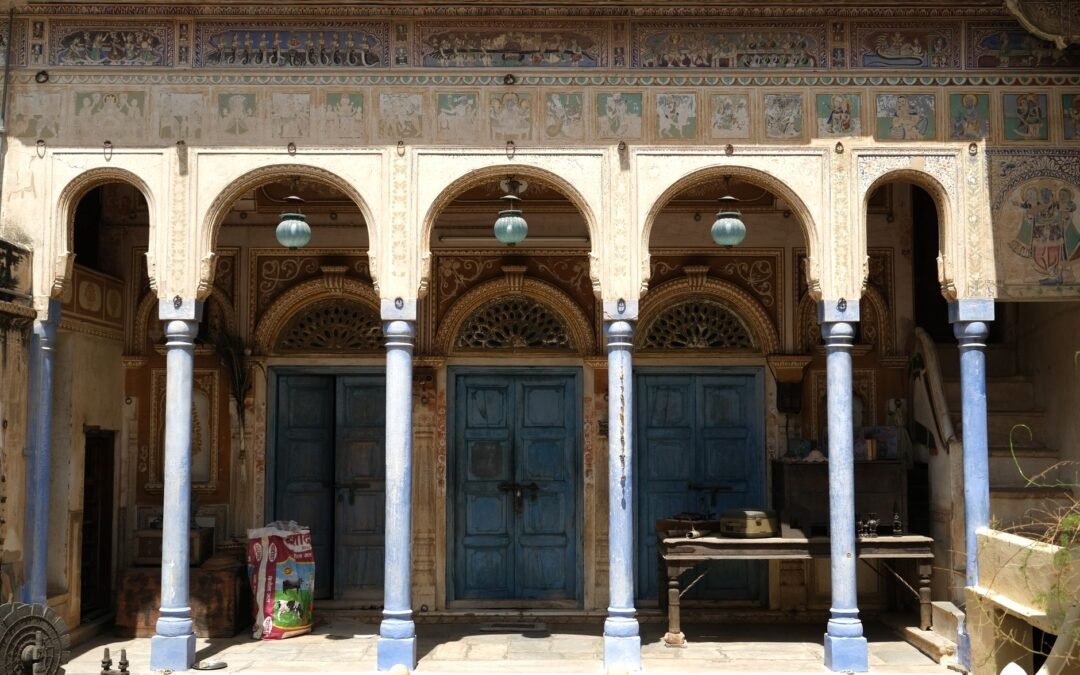
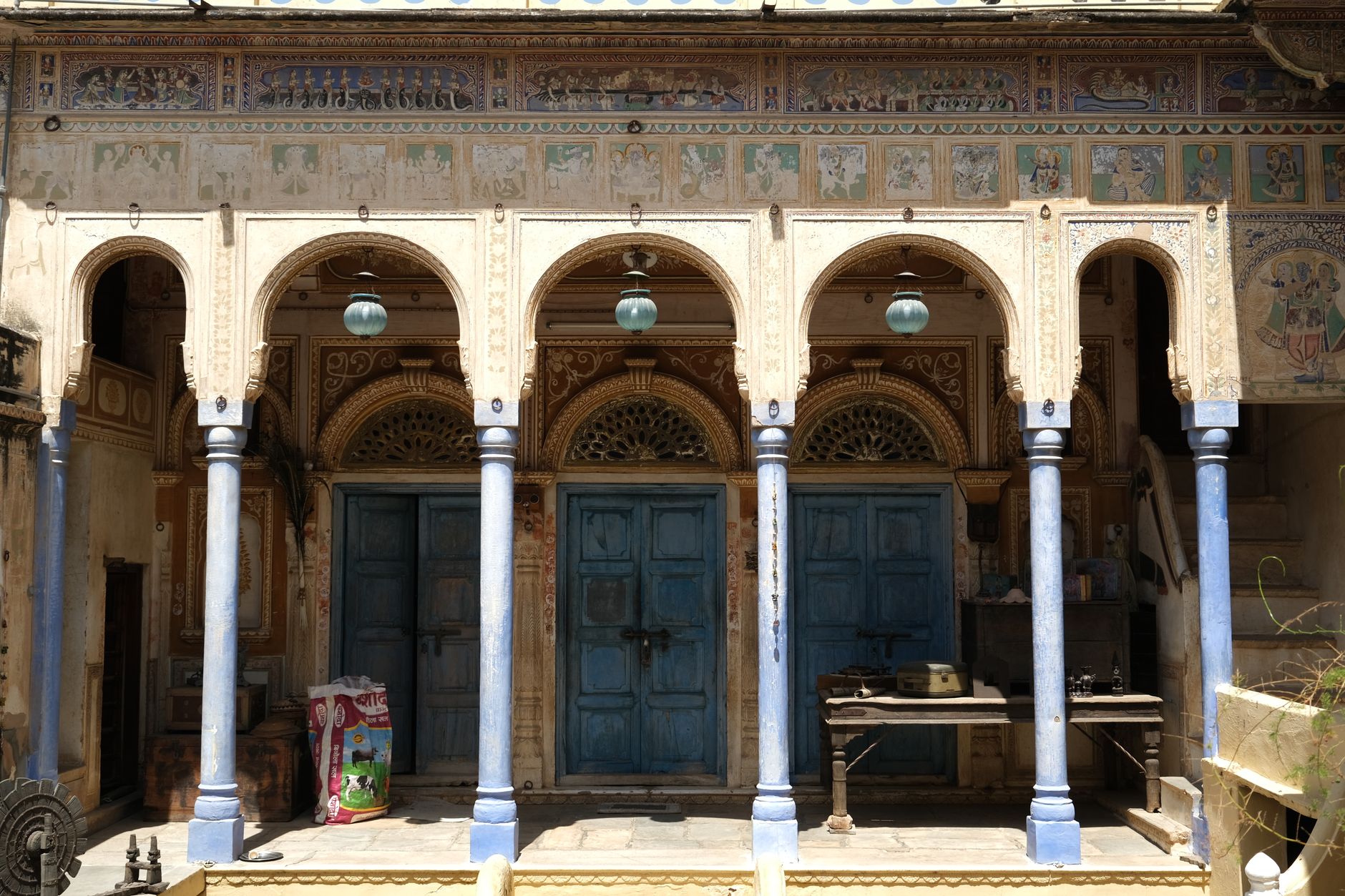
- Shekhawati is renowned for its magnificent painted havelis featuring intricate frescoes from the 18th and 19th centuries
- The region comprises towns like Mandawa, Nawalgarh, and Fatehpur, each offering unique architectural treasures
- October to March is ideal for visiting, avoiding the scorching summer temperatures of Rajasthan
- Shekhawati is easily accessible from Jaipur (approximately 170 km) and Delhi (250 km) by road
- Heritage hotels in converted havelis offer authentic accommodation experiences at reasonable prices
Introduction
Nestled in the northeastern corner of Rajasthan, Shekhawati is a treasure trove of art, history, and architectural splendour that remains surprisingly off the beaten tourist path. Often called the “open-air art gallery of Rajasthan,” this semi-arid region comprises a collection of historic towns adorned with some of the most spectacular frescoes and havelis (mansions) in India. While most travellers flock to Jaipur, Udaipur, and Jaisalmer, those who venture into Shekhawati discover a world frozen in time, where every wall tells a story and every street corner reveals another masterpiece of Rajput and Marwari craftsmanship.
The region earned its name from Rao Shekha, a Rajput chieftain who ruled in the 15th century, but its golden age arrived much later during the 18th and 19th centuries. This was when wealthy Marwari merchants, having made their fortunes in Bombay, Calcutta, and foreign lands, returned to build magnificent havelis in their homeland. These merchants competed to outdo each other, commissioning artists to create increasingly elaborate frescoes depicting everything from Hindu mythology and British colonials to early locomotives and hot air balloons. The result is an extraordinary visual chronicle of India’s transition from medieval kingdoms to the modern era.
Today, Shekhawati beckons travellers seeking authenticity, art lovers captivated by folk paintings, history enthusiasts fascinated by merchant culture, and photographers hunting for that perfect frame. Spread across towns like Mandawa, Nawalgarh, Fatehpur, Dundlod, and Jhunjhunu, this region offers an immersive experience that combines heritage tourism with rural Rajasthani life, all without the commercialization that has overtaken more famous destinations.
Quick Facts About Shekhawati
| Attribute | Details |
|---|---|
| Altitude | 350-400 meters above sea level |
| Best Time to Visit | October to March (winter months) |
| Distance from Nearest City | Jaipur: 190 km, Delhi: 250 km, Bikaner: 200 km |
| Nearest Airport | Jaipur International Airport (190 km) |
| Permits Required | None required for Indian or international tourists |
| Temperature Range | Summer: 30-48°C, Winter: 5-25°C |
| Approx Budget per Day | Budget: ₹1,500-2,500 | Mid-range: ₹3,000-6,000 | Luxury: ₹8,000+ |
Why Visit Shekhawati
Shekhawati stands apart from Rajasthan’s more famous destinations because it offers something genuinely rare: an intact slice of 18th and 19th-century merchant culture with virtually no modern intrusions. Unlike heavily restored palace complexes elsewhere, the havelis here retain their authentic, weathered charm—some meticulously maintained, others romantically crumbling, but all bearing witness to an extraordinary artistic tradition.
The frescoes that adorn these structures are what truly distinguish Shekhawati. These aren’t merely decorative patterns but detailed narratives painted with natural pigments derived from vegetables, minerals, and precious stones. You’ll find depictions of Krishna’s raas leela alongside portraits of Queen Victoria, traditional Indian wrestlers next to early automobiles, Hindu gods sharing wall space with European angels, and scenes from the Ramayana adjacent to images of Wright Brothers’ airplane. This unique fusion of East and West, tradition and modernity, creates a visual language found nowhere else in India.
What makes Shekhawati particularly special for travelers is its accessibility combined with its obscurity. Unlike Jaipur’s Hawa Mahal or Udaipur’s City Palace, where you navigate through throngs of tourists, here you can often have entire havelis to yourself. Local families still occupy many of these mansions, and they’re remarkably welcoming, often inviting visitors for chai and stories about their ancestors. The region also provides authentic insight into rural Rajasthani life—camel carts still outnumber cars in smaller towns, women in colorful ghagras draw water from ancient wells, and traditional crafts like pottery and bangle-making continue as they have for centuries.
Furthermore, Shekhawati serves as an excellent base for understanding the Marwari business community’s influence on India’s economic history. These were the merchants who founded some of India’s largest business houses—Birlas, Goenkas, Poddars—and their hometown havelis reflect both their wealth and their deep connection to their roots. For anyone interested in India’s commercial heritage, Shekhawati offers unparalleled insights.

How to Reach Shekhawati
By Air: The nearest airport is Jaipur International Airport, located approximately 190 km from Mandawa, the most popular Shekhawati town. From Jaipur, you can hire a taxi (₹3,500-4,500 for a one-way trip) or take a bus. Delhi’s Indira Gandhi International Airport is about 250 km away and offers more flight connections, making it another viable option, especially if you’re planning a broader Rajasthan itinerary.
By Train: Several towns in Shekhawati have railway stations. Jhunjhunu (on the Delhi-Jaipur line) is well-connected with trains from Delhi, Jaipur, Bikaner, and Sikar. From Jhunjhunu, local buses and taxis connect to other Shekhawati towns. Nawalgarh also has a railway station with reasonable connectivity. Trains from Delhi to Jhunjhunu take approximately 5-6 hours, with tickets ranging from ₹200-1,500 depending on class. The Shekhawati Express and several other passenger trains serve this route.
By Road: Shekhawati is excellently connected by road, making self-drive or hired vehicle the most flexible option. From Jaipur, take National Highway 52 towards Sikar, then proceed to Nawalgarh or Mandawa—the journey takes about 4-5 hours. From Delhi, take NH 48 to Rewari, then NH 52 through Narnaul—approximately 5-6 hours. Regular Rajasthan State Road Transport Corporation (RSRTC) buses operate from Jaipur (₹200-350), Delhi (₹400-600), and Bikaner (₹250-400). Private Volvo and semi-sleeper buses are also available at slightly higher fares (₹500-900).
By Taxi/Car Rental: Hiring a car with driver is popular and convenient for exploring multiple Shekhawati towns. From Jaipur, expect to pay ₹2,500-3,500 per day for a sedan (Dzire/Etios) or ₹3,500-5,000 for an SUV (Innova/Ertiga), including fuel and driver allowance. Self-drive options are available through services like Zoomcar and Revv (₹1,800-3,000 per day plus fuel). The roads are generally good, though traffic in smaller towns requires caution due to pedestrians, livestock, and bullock carts.
Best Time to Visit Shekhawati
October to March (Winter – Peak Season): This is unquestionably the best time to visit Shekhawati. October brings relief from the scorching summer, with temperatures ranging from 15-30°C—perfect for exploring the havelis and walking through narrow lanes. November and December see pleasant days (20-25°C) and cool nights (8-12°C), ideal for photography when the soft winter light enhances the frescoes’ colors. January can get quite cold, especially at night (5-10°C), so carry warm clothing. The Shekhawati Festival, usually held in February, showcases local culture with folk performances, camel rides, and haveli tours. February and March remain comfortable (12-28°C) before temperatures start climbing. Tourist footfall is highest during winter, but Shekhawati never feels crowded compared to mainstream Rajasthan destinations.
April to June (Summer – Off Season): Summers in Shekhawati are harsh, with temperatures soaring to 40-48°C, making daytime exploration challenging. However, budget travelers can benefit from significant discounts on accommodation (30-50% off). If visiting during summer, plan outdoor activities before 10 AM and after 5 PM. The intense heat does have one advantage—the stark sunlight creates dramatic contrasts perfect for architectural photography. Many smaller heritage properties reduce operations during peak summer months.
July to September (Monsoon – Low Season): Shekhawati receives minimal rainfall (average 400-500 mm annually), so monsoon is mild compared to other parts of India. Occasional showers bring temporary relief and transform the arid landscape into surprising green patches. Temperatures range from 28-38°C with high humidity. While not the ideal time for photography (overcast skies mute colors), the region takes on a different character. Accommodation prices remain low, and you’ll have most places to yourself. Some havelis may be temporarily closed for maintenance. Roads are generally accessible, though occasional waterlogging can occur in low-lying areas.
Top Things to Do in Shekhawati
Explore the Painted Havelis of Mandawa
Mandawa serves as Shekhawati’s tourism hub and houses some of the region’s most spectacular havelis. The Goenka Double Haveli features an impressive collection of frescoes including images of a European woman in a car and soldiers in colonial attire. Murmuria Haveli showcases portraits of Jawaharlal Nehru and detailed depictions of trains and airplanes. The Hanuman Prasad Goenka Haveli contains perhaps the most photographed fresco in Shekhawati—a European man riding a bicycle. Spend at least half a day wandering Mandawa’s lanes; many havelis are still inhabited, and caretakers will gladly show you around for a small tip (₹50-100).
Discover Nawalgarh’s Artistic Heritage
Nawalgarh offers a more authentic, less touristy experience than Mandawa. The Poddar Haveli Museum (entry ₹50) has been beautifully restored and provides excellent context about haveli architecture and fresco techniques. The Aath Haveli complex comprises eight interconnected mansions with extraordinary mirror work and European-influenced paintings. Don’t miss the Morarka Haveli Museum (entry ₹100) which displays traditional Rajasthani artifacts alongside stunning frescoes. The Roop Niwas Kothi, now a heritage hotel, allows non-guests to visit for ₹200 and includes refreshments.
Walk Through Fatehpur’s Time Capsule
Fatehpur remains delightfully untouched by tourism, offering the most authentic Shekhawati experience. The Nadine Le Prince Haveli Cultural Center (free entry) is managed by a French artist who fell in love with the region and now promotes local art and restoration. The Devra family haveli contains frescoes depicting Shekhawati’s desert landscape and caravans, while the Jagannath Singhania Haveli features rare frescoes of Gangaur processions. Fatehpur’s stepwell (baori) near the haveli quarter is an architectural gem rarely visited by tourists.
Experience Village Life in Dundlod
Dundlod combines haveli heritage with living rural culture. The Dundlod Fort (entry ₹200) has been partially converted into a heritage hotel but maintains its original character with antique furniture and fading frescoes. Participate in village safaris (₹500-800) that include visits to local homes, pottery workshops, and agricultural fields. The Satyanarayan Temple here contains exceptional frescoes depicting Krishna leela. Dundlod is also known for its horse safaris (₹1,500-3,000 for half-day rides through countryside).
Visit Jhunjhunu’s Grand Monuments
Jhunjhunu, the largest town in Shekhawati, offers a mix of havelis, temples, and cenotaphs. The Khetri Mahal, also called the “Wind Palace of Shekhawati,” was built in 1770 and features impressive open-air corridors. The Rani Sati Temple is one of India’s most visited Hindu pilgrimage sites and showcases elaborate mirror work. The Modi and Tibrewala havelis demonstrate the wealth of 19th-century merchants. The Kamruddin Shah Dargah and Mertani Baori stepwell provide interesting cultural contrasts to the Hindu merchant havelis.
Photograph the Cenotaphs and Step-wells
Beyond havelis, Shekhawati contains remarkable cenotaphs (chhatris) and step-wells (baoris) that deserve exploration. The chhatris near Parasrampura feature frescoes on domed ceilings—a rare architectural element. The Neemrana baori is a five-story stepwell with intricate stone carving. These structures are generally free to visit and offer excellent photography opportunities, especially during golden hour when low-angle sunlight illuminates the stone work and creates dramatic shadows.
Where to Stay in Shekhawati
Budget (₹800-2,500 per night): Budget accommodation in Shekhawati often means staying in family-run guesthouses or basic heritage properties. In Mandawa, the Mandawa Haveli (₹1,200-1,800) offers clean rooms in a traditional setting with home-cooked meals available. Hotel Shekhawat (₹900-1,500) provides no-frills accommodation near the main market. In Nawalgarh, Apani Dhani (₹1,000-2,000) is an eco-resort with thatched huts offering an authentic village experience. Ramesh Jangid’s Tourist Pension (₹800-1,500) in Nawalgarh is run by a local guide and provides excellent insights into the region. Most budget properties include breakfast and can arrange local tours.
Mid-Range (₹2,500-6,000 per night): Mid-range options provide comfortable heritage experiences without luxury price tags. The Mandawa Castle (₹3,500-5,500) offers genuine fort accommodation with period furniture and courtyards. Vivaana Culture Hotel in Mandawa (₹4,000-6,000) is a beautifully restored haveli with modern amenities and an excellent restaurant. In Nawalgarh, the Roop Niwas Palace (₹3,000-5,000) combines royal heritage with warm hospitality and features a pool and spa. Piramal Haveli in Jhunjhunu (₹2,800-4,500) is a stunning restoration with spacious rooms and knowledgeable staff who arrange haveli tours. Most mid-range properties include breakfast, wi-fi, and can organize village safaris and cultural performances.
Splurge (₹6,000+ per night): Luxury heritage hotels in Shekhawati offer intimate experiences with personalized service. The Dundlod Fort (₹8,000-15,000) provides royal accommodation with just 14 rooms, elaborate thali meals, and cultural programs including puppet shows and folk music. Castle Mandawa (₹7,500-12,000) has been featured in international travel magazines and offers opulent suites with frescoed walls and private sit-outs. The Mandawa Haveli Heritage Boutique Hotel (₹6,500-10,000) combines historical architecture with contemporary design sensibilities. These properties typically include all meals, heritage walks, village tours, and evening cultural programs in their rates, making them excellent value despite higher base prices.
Local Food & Cuisine
Shekhawati’s cuisine reflects its desert location and Marwari heritage, featuring dishes designed to last in hot climate using minimal water. The food is predominantly vegetarian, with subtle spicing that differs from the rich gravies of other Rajasthan regions.
Must-try Dishes: Bajre ki roti with lehsun chutney (millet flatbread with garlic chutney) is the staple food, nutritious and perfectly suited to the climate. Ker sangri, made from desert beans and berries, is Shekhawati’s signature dish—tangy, spicy, and unlike anything you’ll taste elsewhere. Gatte ki sabzi features gram flour dumplings in yogurt gravy, while Papad ki sabzi transforms simple papads into a delicious curry. Don’t miss Bajre ki khichdi, a hearty millet-lentil dish served with generous dollops of ghee and jaggery. For sweets, try Churma (crushed wheat sweetened with jaggery) and Ghevar (a honeycomb-textured dessert). Makhaniya lassi, thick buttermilk churned with makhan (butter), is the perfect refreshment.
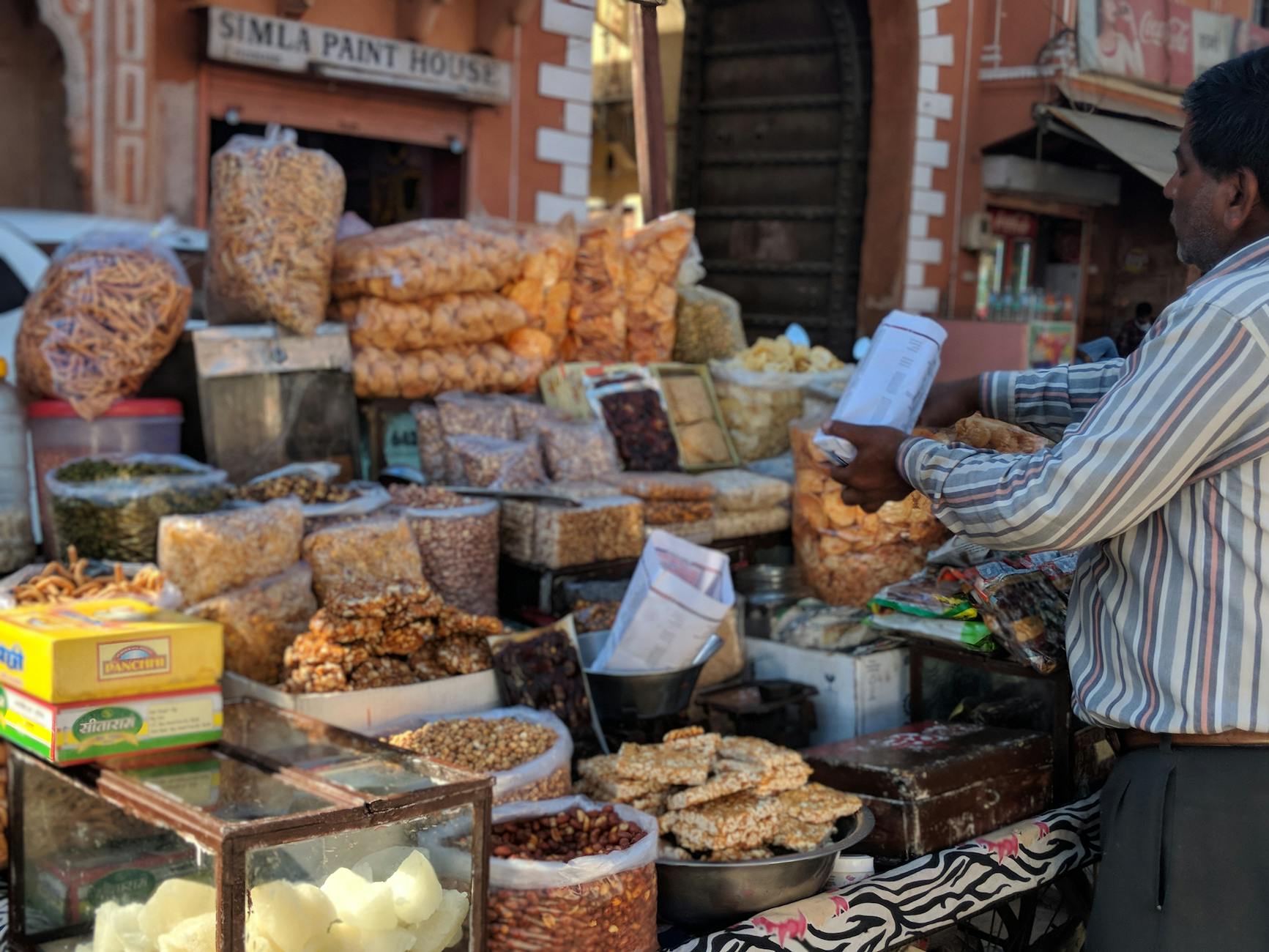
Where to Eat: Most heritage hotels serve excellent traditional thalis (₹400-800) with multiple dishes showcasing regional flavors. In Mandawa, Hotel Mandawa Haveli’s Restaurant offers rooftop dining with views of painted havelis and serves authentic Marwari thalis (₹350-600). Desert Resort Restaurant in Mandawa (₹250-500 per person) provides both traditional and North Indian options. In Nawalgarh, Roop Niwas Palace Restaurant serves elaborate multi-course meals (₹500-900) prepared using family recipes. For budget dining, Shri Radhey Restaurant in Mandawa (₹150-300) and Apani Dhani’s Restaurant in Nawalgarh (₹200-400) offer simple but delicious local food. Street food options include samosas, kachoris, and jalebis available at local markets for ₹20-50. Nehru Chowk in Jhunjhunu has several sweet shops selling authentic Rajasthani mithais. Most towns have limited dining options outside hotels, so many travelers opt for hotel meal plans.
Practical Travel Tips for Shekhawati
Permits and Regulations: No special permits are required for visiting Shekhawati, whether you’re an Indian or international tourist. However, many havelis remain private residences, so always ask permission before entering or photographing. Caretakers usually request small tips (₹50-100) for opening locked properties. Some major havelis charge nominal entry fees (₹20-100). Photography inside temples may be restricted; always inquire first.
Mobile Network and Connectivity: Mobile network coverage is generally reliable in major towns like Mandawa, Nawalgarh, and Jhunjhunu, with Airtel, Jio, and Vodafone-Idea providing decent 4G services. Smaller villages may have patchy coverage. Most mid-range and luxury hotels offer Wi-Fi, though speeds can be slow. Consider downloading offline maps before arrival. Internet cafes are rare; rely on hotel connectivity for work requirements.
ATMs and Money: ATMs are available in larger towns (Mandawa, Nawalgarh, Jhunjhunu, Fatehpur) but may run out of cash during weekends and holidays. Carry sufficient cash as smaller establishments, haveli caretakers, and local guides don’t accept cards. Few restaurants and shops accept digital payments outside main hotels. Nearest full-service banks are in district headquarters. Plan to withdraw cash in Jaipur or before entering remote Shekhawati areas.
Medical Facilities: Basic medical facilities and pharmacies exist in major towns, but serious medical issues require travel to Jaipur (190 km) or Jhunjhunu’s district hospital. Carry personal medications, especially for stomach issues, allergies, and chronic conditions. Pack oral rehydration salts, as the dry climate causes dehydration. Most heritage hotels have tie-ups with local doctors for emergency consultations. Travel insurance covering medical evacuation is recommended.
What to Pack: October-March visitors should pack layers including warm jackets for early mornings and evenings (temperatures drop to 5-10°C). Cotton clothing works well for daytime. Comfortable walking shoes are essential for exploring haveli-filled lanes with uneven surfaces. Carry sunscreen (SPF 50+), sunglasses, and wide-brimmed hats year-round—the sun is intense. Binoculars help appreciate detailed frescoes on high walls. Flashlights are useful for exploring darker haveli sections. Pack modest clothing; Shekhawati is conservative, and covered shoulders and knees are appreciated, especially at temples. A good camera is essential—consider a wide-angle lens for architecture and interiors.
Safety Considerations: Shekhawati is remarkably safe with very low crime rates. However, abandoned havelis can have unstable structures; avoid entering damaged buildings without local guidance. Watch for uneven surfaces, open wells, and sudden steps in older properties. Women travelers generally feel comfortable, though traveling with a guide or in groups is preferable in very remote villages. Respect local customs—avoid public displays of affection and dress conservatively. The intense summer heat (45°C+) poses health risks; plan accordingly if visiting April-June. Traffic includes unpredictable elements like wandering cattle, so drive defensively.
Responsible Tourism: Shekhawati’s heritage is fragile and deserves respectful tourism. Don’t touch or scratch frescoes—oils from fingers damage centuries-old paintings. Avoid using flash photography, which fades pigments. Support local restoration efforts by visiting museums and paying entry fees where applicable. Shop for local handicrafts directly from artisans rather than middlemen. Minimize plastic use; carry reusable water bottles (water purifiers available at hotels). Respect privacy in inhabited havelis—these are people’s homes, not just tourist attractions. Consider hiring local guides (₹500-1,000 per day) who provide employment and authentic insights. Several organizations work on fresco conservation; consider donations to support this vital work.
Hiring Guides: Local guides significantly enhance the Shekhawati experience, providing historical context and access to locked havelis. Knowledgeable guides like Ramesh Jangid in Nawalgarh (contact through his tourist pension) charge ₹800-1,500 per day and offer customized tours. Many heritage hotels arrange guided walks (₹500-800 for half-day). Guides can negotiate with haveli caretakers and translate fresco narratives. For photography enthusiasts, specialized photo tours (₹2,000-3,000 per day) focus on best lighting and angles.
Final Thoughts
Shekhawati represents a rare convergence of art, history, and authentic cultural experience that becomes increasingly difficult to find in our homogenized world. Walking through its painted lanes, you’re not just observing preserved heritage but witnessing a living chronicle of India’s transformation across centuries. The frescoes speak eloquently about a time when merchants dreamed big, artists flourished under patronage, and communities took pride in beautifying their surroundings. Unlike more famous destinations where tourism has altered the original character, Shekhawati retains its soul—children still play in haveli courtyards, women still draw rangoli at thresholds, and life continues much as it has for generations, albeit with slowly fading frescoes as poignant reminders of past grandeur.
Whether you’re a history buff fascinated by merchant culture, an art lover captivated by folk traditions, a photographer seeking unique subjects, or simply a traveler weary of crowded tourist circuits, Shekhawati rewards curiosity with unforgettable experiences. Plan for at least three to four days to properly explore multiple towns without rushing. Go with an open mind, comfortable shoes, and sufficient memory cards—you’ll need them. Most importantly, go soon. While conservation efforts are underway, many frescoes continue deteriorating, and some havelis collapse each monsoon. This open-air gallery won’t remain accessible forever, making your visit not just a journey through Rajasthan’s past, but participation in preserving it for future generations. Shekhawati awaits, ready to share its stories—you just need to take that first step off the beaten path.
- Visit havelis early morning (7-9 AM) when caretakers are available and soft light is perfect for photographing frescoes without harsh shadows
- Hire a knowledgeable local guide in Mandawa or Nawalgarh who can access private havelis not typically open to tourists
- Carry small denomination notes as many haveli caretakers expect modest tips (₹20-50) for opening locked properties
- Explore smaller villages like Dundlod and Mahansar to see lesser-known but equally stunning frescoes without crowds
- Visit during the Shekhawati Festival (February) to experience local culture, camel rides, and traditional Rajasthani performances
Frequently Asked Questions about Shekhawati
The best time to visit Shekhawati is from October to March during the winter months when temperatures range from 5-25°C. Summer months should be avoided as temperatures can soar up to 48°C in this semi-arid region.
Shekhawati is located approximately 190 km from Jaipur and 250 km from Delhi. The nearest airport is Jaipur International Airport, which is 190 km away, making it easily accessible from major cities.
Shekhawati earned this nickname due to its spectacular collection of frescoes and havelis built by wealthy Marwari merchants during the 18th and 19th centuries. These magnificent mansions feature elaborate wall paintings depicting Hindu mythology, British colonials, early locomotives, and hot air balloons, creating an extraordinary visual chronicle of India’s history.
The approximate budget per day for visiting Shekhawati ranges from ₹1,500-2,500 for budget travelers, ₹3,000-6,000 for mid-range travelers, and ₹8,000 or more for luxury travelers. This makes it an affordable destination compared to other popular Rajasthan tourist spots.
The main towns to explore in Shekhawati include Mandawa, Nawalgarh, Fatehpur, Dundlod, and Jhunjhunu. Each town is adorned with historic havelis and frescoes showcasing the artistic and architectural splendor of the Marwari merchant culture.
No special permits are required to visit Shekhawati for either Indian or international tourists. The region is easily accessible and welcomes travelers seeking an authentic heritage experience away from commercialized tourist destinations.