
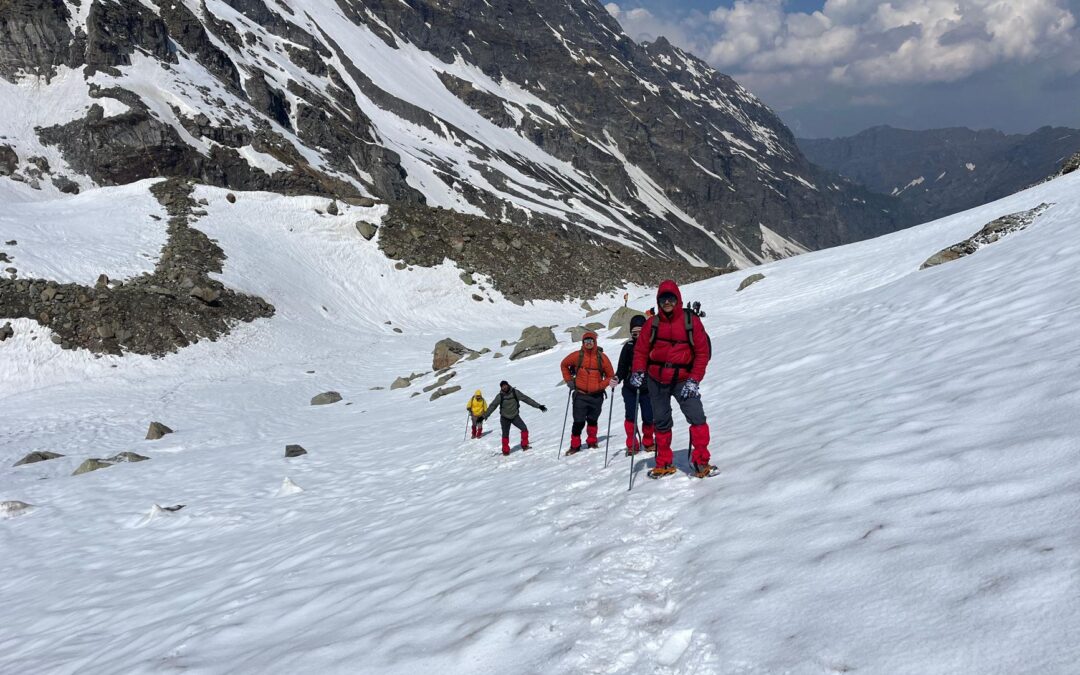
- Rupin Pass Trek is an 8-day moderate to difficult trek reaching 15,250 feet with diverse terrain from forests to snow bridges
- Best trekking months are May-June and September-October with clear weather and accessible trails
- Trek starts from Dhaula village in Uttarakhand and ends at Sangla in Himachal Pradesh requiring interstate permits
- Acclimatization at Jiskun and Jhaka is crucial to prevent altitude sickness during the ascent
- Essential gear includes crampons, trekking poles, layered clothing and waterproof equipment for snow and stream crossings
- Introduction
- Quick Facts About Rupin Pass Trek
- Why Visit Rupin Pass Trek
- How to Reach Rupin Pass Trek
- Best Time to Visit Rupin Pass Trek
- Top Things to Do in Rupin Pass Trek
- Where to Stay in Rupin Pass Trek
- Local Food & Cuisine
- Practical Travel Tips for Rupin Pass Trek
- Final Thoughts
- Frequently Asked Questions
Introduction
Nestled in the heart of the Indian Himalayas, the Rupin Pass Trek stands as one of the most spectacular and diverse high-altitude treks in the country. Spanning across Uttarakhand and Himachal Pradesh, this rupin passtrek is a journey through constantly changing landscapes that shift from verdant forests to snow-laden passes, offering trekkers an experience that feels like walking through multiple seasons in a single expedition. At an elevation of 15,250 feet, Rupin Pass presents a perfect blend of challenge and beauty that attracts both seasoned trekkers and adventurous beginners looking to push their limits.
What sets the Rupin Pass Trek apart from countless other Himalayan trails is its remarkable diversity. Over the course of eight days, you’ll traverse lush green meadows dotted with wildflowers, cross gushing streams, navigate through dense pine and rhododendron forests, encounter cascading waterfalls including the magnificent Rupin waterfall that plunges nearly 2,000 feet, and finally climb the thrilling snow slopes to reach the pass itself. The trek begins in the quaint village of Dhaula in Uttarakhand and concludes in Sangla valley in Himachal Pradesh, taking you through remote villages where time seems to have stood still.
This comprehensive guide will equip you with everything you need to know about planning and executing this incredible journey. From logistics and accommodation to the best time to visit and essential packing tips, we’ve covered every aspect to ensure your Rupin Pass adventure becomes a treasured memory that will last a lifetime.
Quick Facts About Rupin Pass Trek
| Feature | Details |
|---|---|
| Maximum Altitude | 15,250 feet (4,650 meters) |
| Trek Duration | 8 days |
| Total Distance | 52 kilometers |
| Difficulty Level | Moderate to Difficult |
| Best Time to Visit | May to June, September to October |
| Distance from Dehradun | 220 km to Dhaula (trek starting point) |
| Nearest Airport | Jolly Grant Airport, Dehradun (232 km from trek base) |
| Nearest Railway Station | Dehradun Railway Station (220 km from trek base) |
| Permits Required | Yes (Forest Department permits) |
| Temperature Range | -5°C to 15°C (varies by season and altitude) |
| Approx Budget per Day | ₹1,500 – ₹2,500 (excluding package costs) |
| Trek Package Cost | ₹12,000 – ₹18,000 per person |
Why Visit Rupin Pass Trek
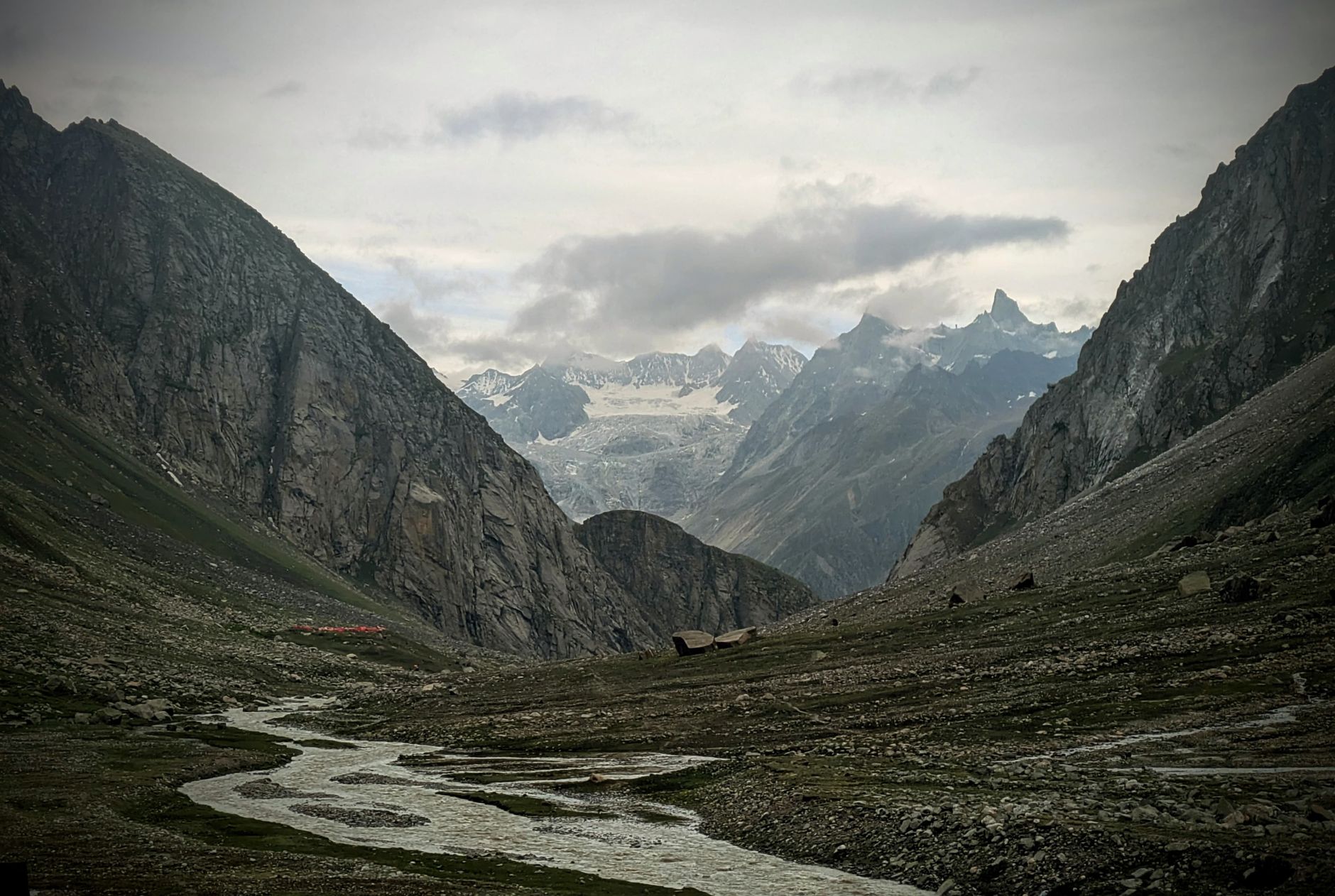
The Rupin Pass Trek is not just another mountain trail—it’s a theatrical performance where nature plays the lead role, constantly changing costumes and settings to keep you spellbound. Unlike many treks that showcase a single landscape type, Rupin Pass takes you through an astounding variety of terrains within just 52 kilometers. You begin your journey in deciduous forests where sunlight filters through deodar and oak trees, progress to alpine meadows carpeted with forget-me-nots and edelweiss, traverse alongside the roaring Rupin river that changes character from a gentle stream to a thunderous waterfall, and finally conquer the dramatic snow bridge at the pass that requires basic mountaineering techniques.
One of the trek’s most distinctive features is the Rupin waterfall itself—a three-tiered cascade that drops approximately 2,000 feet, making it one of the highest waterfalls accessible through trekking in the Himalayas. The trail takes you right beside this magnificent natural wonder, where the mist from the falls creates rainbows on sunny days and the thunderous roar fills the valley. The waterfall campsite at Dhanderas Thatch offers front-row seats to this spectacular display, something few other treks can match.
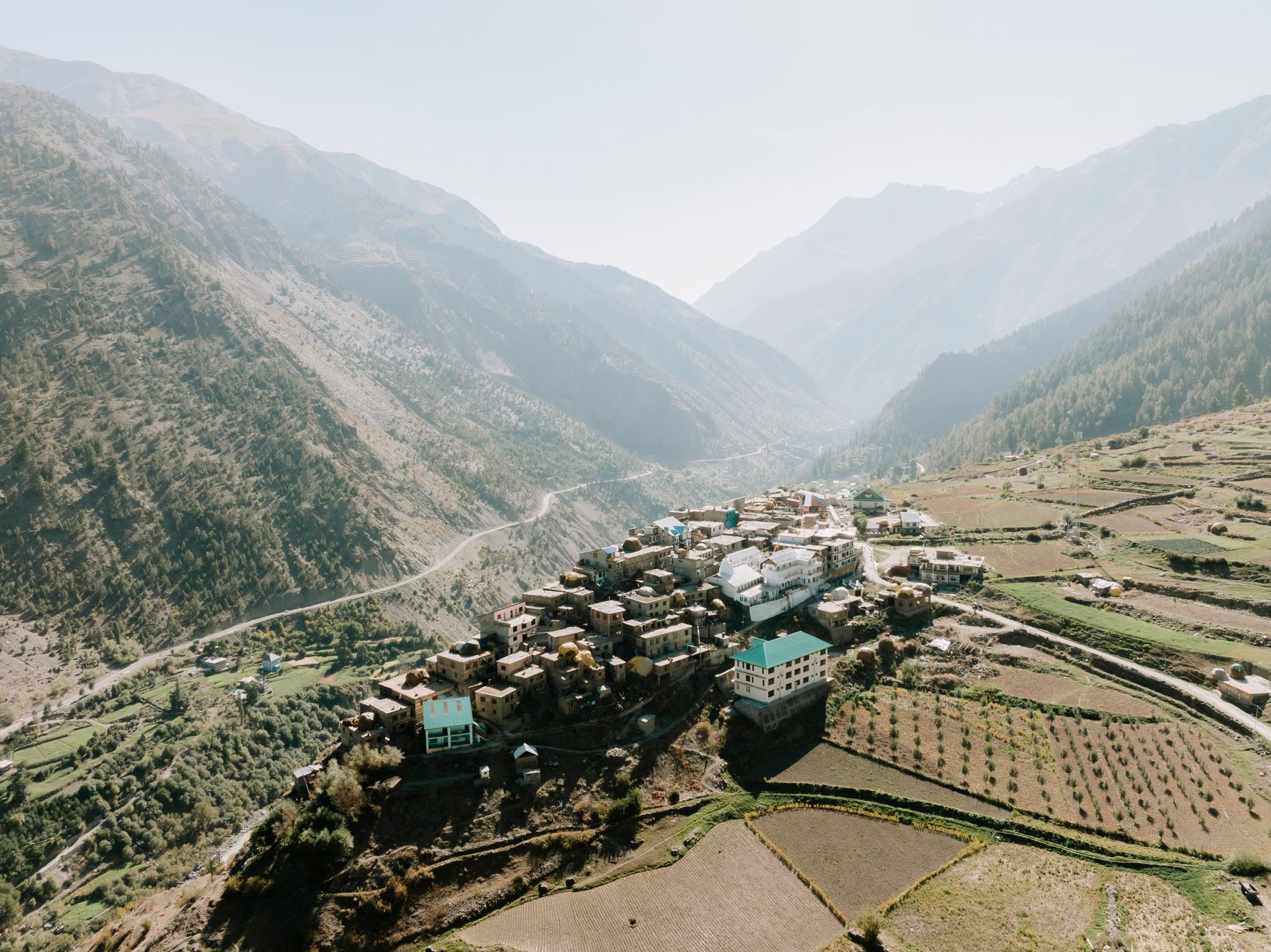
The cultural immersion is equally compelling. Remote villages like Jiskun and Jhaka showcase traditional Himalayan architecture with slate-roofed wooden houses, and locals still practice ancient agricultural methods on terraced fields carved into mountainsides. The hospitality of the villagers, their simple lifestyle untouched by modern conveniences, and their stories about the mountains add a human dimension to the trek that transforms it from a mere physical challenge into a cultural journey. The trek also offers some of the most photogenic campsites in the Himalayas—Rati Pheri, Ronti Gad, and Upper Waterfall Camp are frame-worthy at every angle.
Perhaps most thrillingly, the final ascent to Rupin Pass involves climbing a 60-degree snow slope, adding an element of mountaineering to what is otherwise a trekking experience. This section, while challenging, is what separates Rupin Pass from easier treks and gives trekkers a genuine sense of accomplishment. The panoramic views from the pass—with peaks like Kailash (Black Peak) and Swargarohini dominating the skyline—make every difficult step worthwhile. The descent into the Sangla valley through the Ronti Gad route reveals yet another landscape, with hanging villages and the magnificent Baspa river valley spread below like a green tapestry.
How to Reach Rupin Pass Trek
The Rupin Pass Trek traditionally begins from the village of Dhaula in Uttarakhand, though your journey actually starts from Dehradun, the capital of Uttarakhand. Here’s a comprehensive breakdown of how to reach the trek base:
By Air
The nearest airport is Jolly Grant Airport in Dehradun, located approximately 232 km from Dhaula village. The airport has regular flights from Delhi (flight duration: 1 hour, cost: ₹3,000-₹8,000), Mumbai, and Bangalore. From the airport, you’ll need to arrange road transportation to Dhaula, which takes about 8-10 hours depending on road conditions. Private taxis charge around ₹6,000-₹8,000 for this journey. Most organized treks include a shared transport from Dehradun to the base camp, which costs around ₹1,500-₹2,000 per person.
By Train
Dehradun Railway Station is well-connected to major Indian cities. The Shatabdi Express from Delhi takes approximately 6 hours (cost: ₹500-₹1,500 depending on class), while trains from Mumbai, Kolkata, and other metros are also available. From Dehradun railway station, the road journey to Dhaula is 220 km and takes 8-10 hours. You can book shared taxis or join group transportation arranged by trekking operators.
By Road
From Dehradun, the route to Dhaula goes via Mussoorie (35 km), Nainbagh, Nowgaon, Purola, and Mori. The 220 km journey passes through winding mountain roads offering spectacular views. Government buses run from Dehradun ISBT to Purola (₹200-₹300), from where you need to take a shared taxi or private vehicle to Dhaula (40 km, ₹800-₹1,200). If driving your own vehicle, note that mobile network coverage becomes sparse after Purola, so download offline maps beforehand. The roads are generally in decent condition but can be affected by landslides during monsoon.
Organized Transport
Most trekking companies offer a complete package that includes transportation from Dehradun to the trek starting point and back from Sangla to Shimla (the exit point). This is often the most convenient option, costing ₹2,000-₹3,000 per person for the round trip. The return journey after completing the trek goes from Sangla to Shimla (220 km, 8-9 hours), from where you can catch trains or buses back to Delhi or other cities.
Best Time to Visit Rupin Pass Trek
The Rupin Pass Trek is accessible during specific windows when weather conditions are favorable and the pass is navigable. Here’s a detailed month-by-month breakdown:
Pre-Monsoon Season (May to June)
This is considered the best time for the Rupin Pass Trek. May and June offer stable weather with clear skies, making it ideal for photography and spectacular mountain views. Daytime temperatures range from 10°C to 15°C at lower altitudes, while higher camps can see temperatures from 0°C to 5°C. The snow at the pass is well-consolidated, making the climb safer and more manageable. The meadows burst with wildflowers—rhododendrons, primulas, and forget-me-nots create a riot of colors. The waterfalls are at their thunderous best, fed by melting snow. This period sees maximum trekkers, so expect company on the trail and at campsites. All facilities, including homestays in base villages, are fully operational.
Monsoon Season (July to August)
The trek is officially closed during monsoon months due to multiple hazards. The region receives heavy rainfall, making trails slippery and prone to landslides. The Rupin river swells dangerously, making crossings risky. Leeches are abundant in forested sections. Clouds obscure mountain views most of the time. Organized trekking companies do not operate during this period, and attempting the trek independently is strongly discouraged due to safety concerns.
Post-Monsoon Season (September to October)
September to mid-October is the second favorable window for the Rupin Pass Trek. Post-monsoon clarity offers the crispest mountain views and most spectacular sunrises and sunsets. The landscape transforms with autumn colors—golden meadows, rust-colored foliage, and crystal-clear streams. Temperatures are cooler than summer, with daytime readings of 5°C to 10°C and nighttime temperatures dropping to -5°C at higher camps. The snow at the pass is more technical in October, often requiring ice axes and crampons. Fewer trekkers compared to summer means more solitude and pristine campsites. Weather is generally stable, though early October snowfall can occasionally occur, adding to the trek’s beauty but also its challenge.
Winter Season (November to April)
The trek is closed during winter months as the region receives heavy snowfall, making the pass inaccessible. Temperatures plummet to -15°C or lower, and avalanche risk increases significantly. Access roads often get blocked. The trek typically reopens only in early May when snow begins to melt and routes become viable again.
Top Things to Do in Rupin Pass Trek
Conquer the Rupin Pass Summit
The crown jewel of the entire trek is the final ascent to Rupin Pass at 15,250 feet. This challenging climb involves navigating a 60-degree snow slope, often requiring the use of ropes, ice axes, and microspikes. The physical and mental challenge of this section, followed by the triumphant moment of standing at the pass with 360-degree views of snow-clad peaks including Kailash and Swargarohini, creates an unforgettable experience. The descent toward Sangla valley offers entirely different perspectives, making this day the most rewarding of the entire trek.
Camp Beside the Rupin Waterfall
The campsite at Dhanderas Thatch or the Upper Waterfall Camp offers a once-in-a-lifetime opportunity to sleep within sight and sound of the spectacular Rupin waterfall. Watching this 2,000-foot cascade illuminated by sunset light, witnessing rainbows form in its mist, and falling asleep to its thunderous roar is an experience that defines the trek. Morning brings the magical sight of the waterfall bathed in golden light, with steam rising from the valley below—a photographer’s paradise.
Explore Remote Himalayan Villages
Villages like Jiskun, Jhaka, and Udkund offer glimpses into authentic Himalayan life untouched by modernity. Spend time interacting with locals, observing their slate-roofed wooden architecture, watching traditional agricultural practices on terraced fields, and learning about their customs and folklore. Many trekkers arrange homestays in these villages, enjoying local meals of rajma, rice, and mountain vegetables cooked on traditional wood stoves—an authentic cultural experience worth the slight detour from standard camping itineraries.
Photography at Rati Pheri and Ronti Gad Meadows
These expansive alpine meadows, situated at approximately 12,000 feet, offer some of the most photogenic landscapes on the trek. Rati Pheri’s undulating green carpet dotted with shepherd huts, with Dhauladhar peaks forming the backdrop, is especially stunning during sunrise and sunset. Ronti Gad, meaning “weeping willows,” features a pristine meadow bisected by a crystal-clear stream, with the Rupin Pass visible in the distance—a composition that seems almost too perfect to be real.
Cross the Rupin River Multiple Times
The trek involves several river crossings that range from simple log bridges to more adventurous boulder-hopping. Each crossing offers its own thrills and the satisfaction of successfully navigating these natural obstacles. During high flow periods, guides set up safety ropes. The experience of crossing the rushing Rupin river with icy water just inches below your feet, surrounded by towering mountains, is both exhilarating and humbling.
Stargazing at High-Altitude Camps
At camps above 12,000 feet, far from any artificial light source, the night sky reveals itself in spectacular fashion. The Milky Way stretches across the heavens like a luminous river, shooting stars are frequent, and constellations appear with startling clarity. Several trekking groups organize night photography sessions, teaching participants to capture the star-studded sky above the Himalayan peaks—an activity that has become increasingly popular among astrophotography enthusiasts.
Where to Stay in Rupin Pass Trek
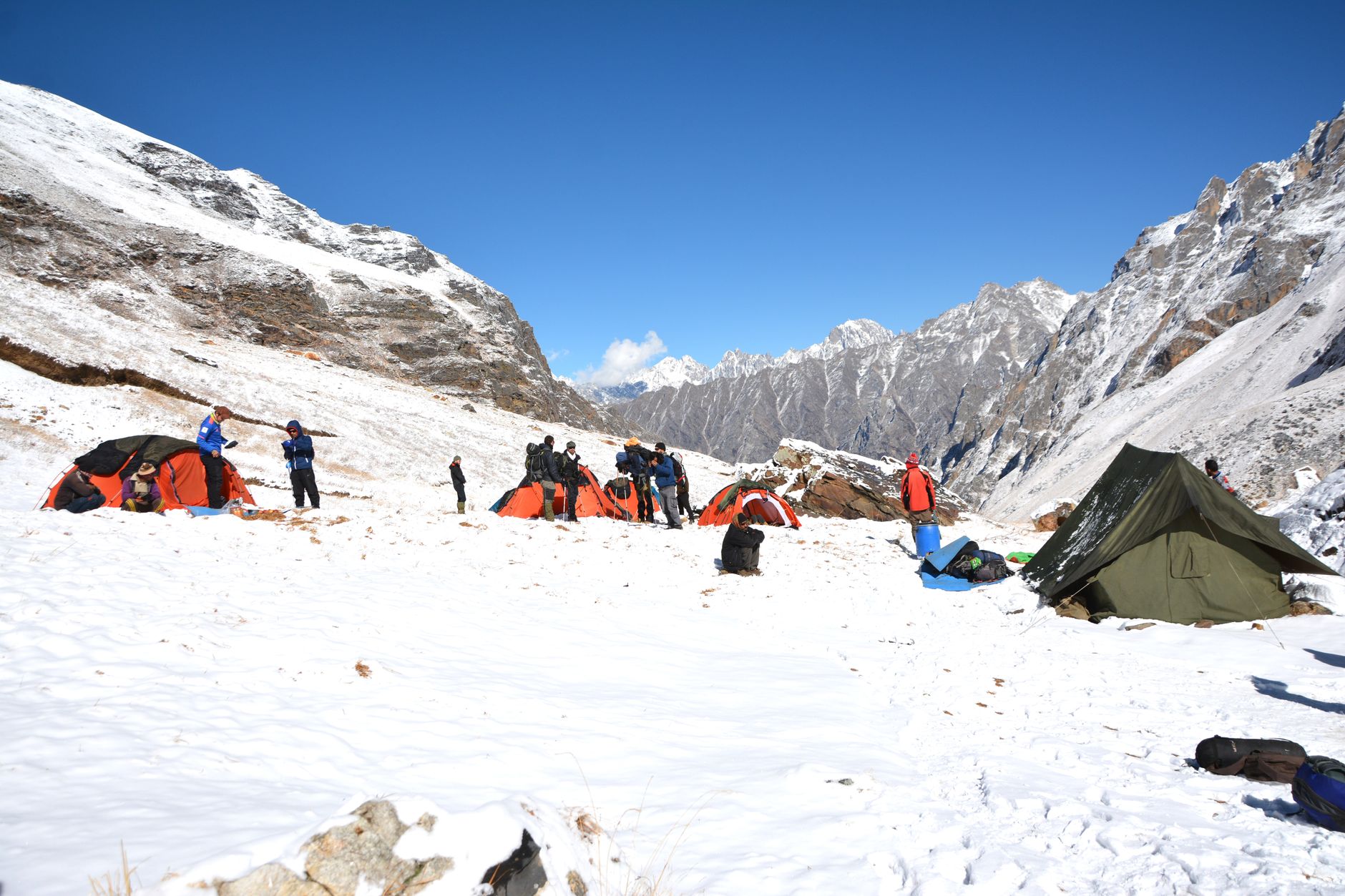
The Rupin Pass Trek is primarily a camping-based expedition, with trekkers spending nights in tents at designated campsites along the route. However, there are accommodation options at the start and end points of the trek:
Budget Accommodation
In Dhaula village, basic homestays are available for ₹300-₹500 per night, offering simple rooms with shared bathrooms and traditional home-cooked meals for an additional ₹200-₹300. These provide an authentic village experience but have minimal amenities—expect basic beds, no heating, and intermittent electricity. Jiskun village, the first overnight stop for some itineraries, also offers similar homestay options. In Sangla valley (the trek end point), budget guesthouses charge ₹500-₹800 per night. Zostel Sangla is a popular backpacker hostel offering dormitory beds at ₹600-₹800 and private rooms at ₹1,500-₹2,000.
Mid-Range Accommodation
Most trekkers join organized expeditions that include camping equipment, meals, guides, and porters in a package costing ₹12,000-₹18,000 per person. These packages typically include comfortable sleeping tents (usually 2-3 person tents), dining tents, toilet tents, sleeping bags, and all meals throughout the trek. Reputed operators like Indiahikes, Trek the Himalayas, and Youth Hostels Association of India provide quality camping experiences with trained guides and well-maintained equipment. In Sangla, mid-range hotels like Hotel Rupin River View (₹2,000-₹3,500 per night) and Banjara Camps & Retreats (₹2,500-₹4,000 per night) offer comfortable rooms with hot water, attached bathrooms, and in-house restaurants.
Splurge Options
For those wanting comfort before and after the trek, Dehradun offers luxury options like Four Points by Sheraton (₹6,000-₹10,000 per night) and Hyatt Regency (₹7,000-₹12,000 per night). In Sangla valley, Banjara Orchard Retreat offers luxury cottages with modern amenities at ₹5,000-₹8,000 per night, featuring spectacular valley views, organic gardens, and gourmet meals. Some premium trekking operators offer luxury camping experiences with larger tents, air mattresses, portable toilets, and gourmet trail meals, pushing package costs to ₹25,000-₹35,000 per person, though this remains relatively rare for Rupin Pass.
Local Food & Cuisine
The Rupin Pass Trek offers an interesting culinary journey, combining Uttarakhandi and Himachali cuisines with standard trekking fare. Here’s what to expect:
Must-Try Local Dishes
Siddu: A local Himachali specialty, siddu is a steamed bread made from wheat flour stuffed with poppy seeds, walnuts, or dal. Eaten with ghee, it’s incredibly filling and provides excellent energy for trekking. Available in villages like Jiskun and Sangla, it costs around ₹30-₹50 per piece.
Mandua ki Roti with Bhang ki Chutney: Mandua (finger millet) roti is a staple in Uttarakhand, rich in nutrition and perfect for high-altitude sustenance. Served with bhang (hemp seed) chutney, which has a nutty flavor and is packed with protein, this combination offers authentic mountain cuisine. Expect to pay ₹80-₹120 for a meal at village homestays.
Rajma Chawal: The classic Himalayan comfort food of red kidney beans curry with rice appears on almost every trekking menu. The local variety, cooked slowly with mountain spices, tastes distinctly better than plain versions. A generous serving costs ₹60-₹100 at dhabas along the route.
Thukpa and Momos: Given the proximity to Tibetan cultural influences, Sangla valley offers excellent thukpa (noodle soup) and momos (dumplings). A bowl of steaming thukpa (₹100-₹150) or a plate of momos (₹80-₹120) is the perfect post-trek reward in Sangla.
Where to Eat
Homestays in Jiskun Village: Several family-run homestays prepare authentic local meals using organic vegetables from their gardens and freshly ground spices. A complete thali-style meal costs ₹200-₹300 and typically includes dal, sabzi, rice, roti, and pickle. The experience of dining with a local family, hearing their stories, and enjoying food cooked on wood-fired stoves is priceless.
Dhabas in Purola: On your way to the trek start point, Purola town has several dhabas serving North Indian and Garhwali food. Garhwal Dhaba and Purola Highway Dhaba are popular stops where a full meal costs ₹150-₹250. Try their aloo ke gutke (spiced potatoes) and pahadi dal.
Restaurants in Sangla: Mount Kailash Restaurant in Sangla serves both Indian and Tibetan cuisine (₹150-₹300 per dish) with pleasant outdoor seating overlooking the Baspa valley. The Rupin River Café, though slightly more expensive (₹200-₹400 per dish), offers continental options alongside local fare—perfect for trekkers craving variety after days of simple camping food.
Camp Meals: Organized trekking packages include all meals—breakfast typically features porridge, eggs, bread, and tea (₹100-₹150 value); lunch consists of packed sandwiches, fruits, and energy bars (₹150-₹200 value); and dinner includes soup, rice, roti, dal, vegetables, and sometimes chicken (₹200-₹300 value). The quality varies by operator but is generally nutritious and sufficient for trekking energy requirements.
Practical Travel Tips for Rupin Pass Trek
Permits and Regulations
The Rupin Pass Trek requires forest department permits as it passes through protected forest areas in both Uttarakhand and Himachal Pradesh. When booking with organized trekking companies, permits are typically included in the package cost. For independent trekkers, permits must be obtained from the Forest Department offices in Dehradun and Shimla, costing approximately ₹500-₹1,000 per person. You’ll need to provide ID proof (Aadhaar card or passport for foreigners), photographs, and your detailed itinerary. The process can take 1-2 days, so plan accordingly. Some checkpoints along the route verify permits, so carry physical copies throughout the trek.
Mobile Network and Connectivity
Mobile network coverage is limited and sporadic on the Rupin Pass Trek. BSNL offers the best coverage, working intermittently in villages like Dhaula, Jiskun, and Jhaka. Airtel and Jio have minimal to no coverage once you leave Purola. At high-altitude campsites (Rati Pheri, Ronti Gad, Rupin Pass), expect complete communication blackout. Download offline maps (Google Maps, Maps.me) before starting the trek. Inform family members about the communication situation beforehand. Some trekking companies carry satellite phones for emergencies, but personal communication will be impossible for 5-6 days of the trek. This digital detox, while challenging initially, becomes one of the trek’s unexpected gifts.
ATM and Cash Requirements
The last reliable ATMs are in Purola town, approximately 40 km before the trek starts. Carry sufficient cash (₹5,000-₹8,000 recommended) for emergencies, tips for guides and porters, village purchases, and post-trek expenses in Sangla. During the trek itself, there are no facilities to withdraw money. Sangla has one ATM, but it frequently runs out of cash, especially during peak tourist season. Credit cards are not accepted anywhere along the trek route or in villages. Keep cash in waterproof pouches distributed across multiple bags to avoid complete loss if one bag gets wet or lost.
Medical Facilities and Health Precautions
Medical facilities are extremely limited on the Rupin Pass Trek. The nearest hospitals are in Purola (basic primary health center) and Dehradun (for serious emergencies). Professional trekking operators carry comprehensive first aid kits and guides are trained in basic emergency response, but evacuation for serious issues requires helicopter rescue, which can cost ₹1-3 lakhs. Therefore, comprehensive travel insurance with high-altitude trekking coverage is essential (₹500-₹1,500 for 10 days coverage). Acclimatization is crucial—spend at least one day in Dhaula or Jiskun before ascending rapidly. Stay hydrated, drinking 3-4 liters of water daily. Watch for Acute Mountain Sickness (AMS) symptoms: headache, nausea, dizziness, shortness of breath. Diamox (250mg, take as prescribed by your doctor) helps prevent AMS. Carry personal medications, band-aids, antiseptic cream, pain relievers, and blister treatment supplies. Water purification tablets or a UV purifier are essential as drinking directly from streams can cause stomach infections.
What to Pack
Packing appropriately is critical for the Rupin Pass Trek. Essential items include: Trekking gear—sturdy trekking shoes (broken in before the trek), gaiters for snow, trekking poles for stability, and a 50-60 liter backpack with rain cover. Clothing—three layers of thermal innerwear, fleece jacket, down jacket for high camps, waterproof outer shell, 3-4 pairs of trekking pants, woolen cap, sun hat, gloves (waterproof for snow), and 4-5 pairs of moisture-wicking socks. Sleeping gear—sleeping bag rated to -10°C (if not provided by operator), sleeping bag liner for extra warmth and hygiene. Technical equipment—headlamp with extra batteries, sunglasses with UV protection, trekking pole, and microspikes or crampons for snow sections (May-June usually requires these). Toiletries and sundries—sunscreen (SPF 50+), lip balm, toilet paper, wet wipes, quick-dry towel, and personal hygiene products. Electronics—power bank (20,000 mAh recommended), camera with extra batteries, and waterproof phone pouch. Documents—ID proof, permits, insurance papers, emergency contact numbers, and sufficient cash in waterproof pouch. Total pack weight should ideally not exceed 10-12 kg; hire porters (₹350-₹500 per day) if needed.
Safety Tips
Safety should be paramount during the Rupin Pass Trek. Never trek alone—always join organized groups or hire local guides who know the terrain, weather patterns, and emergency protocols. Follow the guide’s instructions regarding pace, rest breaks, and camp timings. The snow slope at Rupin Pass requires proper technique and equipment; wait your turn, don’t rush, and use fixed ropes properly. Weather in mountains changes rapidly—always carry rain gear and warm layers even on sunny mornings. Cross rivers carefully, using designated crossing points and following safety protocols. At campsites, secure tents properly, never keep food inside sleeping tents (attracts wildlife), and use designated toilet areas. Inform trek leaders immediately if you feel unwell—ignoring symptoms at high altitude can be life-threatening. Respect local customs in villages, dress modestly, and seek permission before photographing people or religious sites.
Responsible Tourism Practices
The pristine beauty of the Rupin Pass Trek depends on responsible trekker behavior. Follow strict “Leave No Trace” principles—carry all non-biodegradable waste (plastic wrappers, batteries, sanitary products) back to base; many operators conduct trash inspections before final dispersal. Use biodegradable soap if washing near streams, or better yet, carry wet wipes and minimize water usage. Toilet paper should be carried back or burned completely (bury only human waste). Avoid single-use plastics; carry reusable water bottles and use purification methods. Don’t pick flowers, disturb wildlife, or remove stones from cairns or cultural sites. Stick to established trails to prevent erosion and habitat destruction. Support local economy by purchasing from village shops, tipping support staff fairly (₹500-₹1,000 per trekker for entire team), and respecting local customs. Minimize noise pollution—mountains deserve reverence, not loud music or shouting. Use existing campsites rather than creating new ones. The fragile Himalayan ecosystem depends on every trekker’s commitment to preservation.
Final Thoughts
The Rupin Pass Trek is more than just a physical journey through spectacular landscapes—it’s a transformative experience that tests your limits, humbles you before nature’s grandeur, and rewards you with memories that will fuel your wanderlust for years to come. From the thunderous beauty of the Rupin waterfall to the triumphant moment of standing at the pass surrounded by snow-clad peaks, from the warm hospitality of remote village homestays to the camaraderie forged with fellow trekkers around campfires, this trek encompasses everything that makes Himalayan adventures so compelling. The diverse terrain ensures that boredom is impossible; just when you’ve grown accustomed to forest trails, the landscape transforms into alpine meadows, and before you’ve fully absorbed that beauty, you’re facing the technical challenge of snow slopes.
Whether you’re a seasoned trekker looking for your next conquest or an enthusiastic beginner ready to push beyond your comfort zone, the Rupin Pass Trek offers the perfect balance of challenge and accessibility, wilderness and culture, adventure and introspection. The trek demands respect—proper preparation, physical fitness, appropriate gear, and a humble attitude toward the mountains. But for those who approach it with reverence and determination, it delivers rewards far beyond the summit: a deeper connection with nature, confidence in your capabilities, and a renewed appreciation for both the majesty of the Himalayas and the resilience of the human spirit. Start planning your Rupin Pass adventure today, and prepare to return not just with photographs and stories, but with a transformed perspective on what you’re capable of achieving.
- Start trek from Dhaula early morning to complete the steep ascent to Sewa camp before afternoon weather changes
- Hire local porters from Dhaula village who know safe crossing points over the hanging Rupin Waterfall section
- Camp at Lower Waterfall Camp instead of Upper Waterfall for better acclimatization and stunning sunrise views
- Carry microspikes even in summer as the Rupin Pass summit section has year-round snow patches requiring traction
- Book homestays in Sangla village post-trek for authentic Kinnauri hospitality and recovery before returning to Shimla
Frequently Asked Questions about rupin passtrek
Rupin Pass Trek reaches a maximum altitude of 15,250 feet (4,650 meters) and is classified as moderate to difficult. The trek spans 52 kilometers over 8 days, making it suitable for both seasoned trekkers and adventurous beginners looking to push their limits.
The best time to visit Rupin Pass Trek is from May to June and September to October. During these months, the weather conditions are ideal for trekking with temperatures ranging from -5°C to 15°C depending on the season and altitude.
The trek package cost for Rupin Pass ranges from ₹12,000 to ₹18,000 per person. Additionally, you should budget approximately ₹1,500 to ₹2,500 per day for expenses excluding the package costs.
The Rupin Pass Trek begins in the quaint village of Dhaula in Uttarakhand and concludes in Sangla valley in Himachal Pradesh. The trek starting point at Dhaula is approximately 220 km from Dehradun.
Yes, Forest Department permits are mandatory for undertaking the Rupin Pass Trek. These permits are required as the trek passes through protected forest areas spanning across Uttarakhand and Himachal Pradesh.
The nearest airport is Jolly Grant Airport in Dehradun (232 km from trek base) and the nearest railway station is Dehradun Railway Station (220 km from trek base). From Dehradun, you need to travel 220 km to reach Dhaula, the trek starting point.