
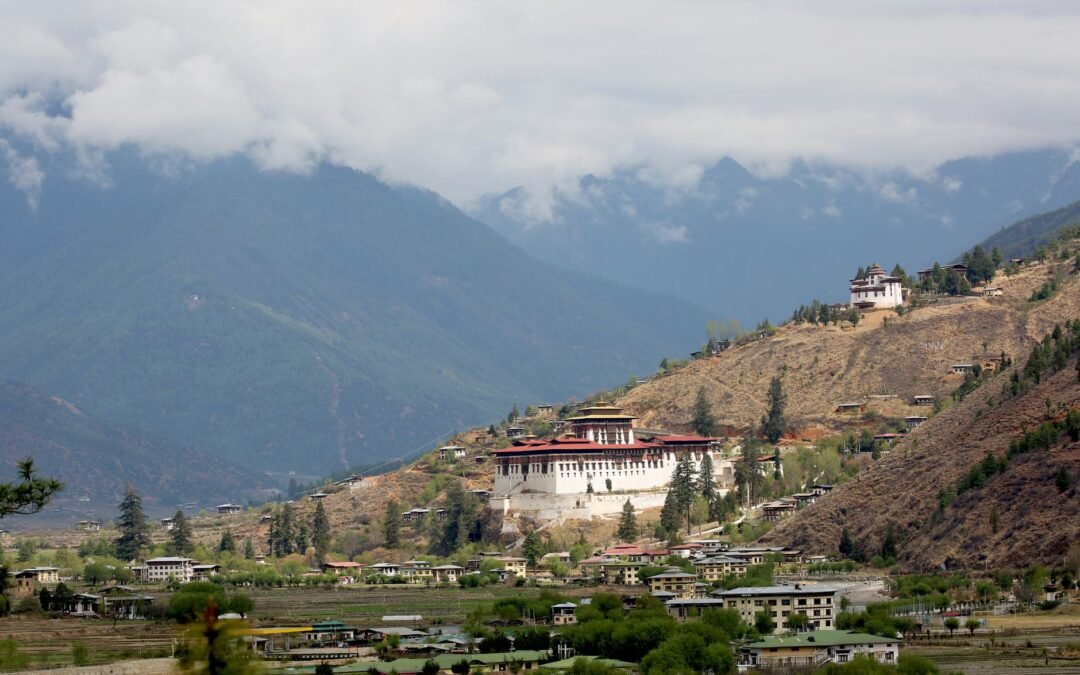
- Paro International Airport is Bhutan’s only international airport, making Paro Valley the gateway to the country
- Tiger’s Nest Monastery requires a 4-5 hour round-trip hike at high altitude; start early morning for best experience
- Bhutan requires booking through licensed tour operators; independent travel is not permitted for most tourists
- March-May and September-November offer the best weather with clear skies for mountain views and trekking
- Daily Sustainable Development Fee of $100 USD per night is mandatory for all international visitors
Introduction
Nestled in the heart of the Himalayas, Paro Valley is Bhutan’s most enchanting destination, where ancient monasteries cling to cliffsides, prayer flags flutter in crisp mountain air, and centuries-old traditions thrive amid breathtaking natural beauty. This pristine valley, home to Bhutan’s only international airport, serves as the gateway to the Land of the Gross National Happiness and offers travellers an intoxicating blend of spiritual serenity, architectural marvels, and dramatic landscapes that have remained largely untouched by the modern world.
From the legendary Tiger’s Nest monastery perched impossibly on a granite cliff 900 metres above the valley floor to the charming streets of Paro town lined with traditional painted wooden houses, this valley encapsulates everything that makes Bhutan extraordinary. The Paro Chu (river) meanders through the valley, nourishing emerald rice paddies and ancient willow trees, while snow-capped peaks of over 7,000 metres create a stunning backdrop that changes colour with every passing hour. Unlike the commercialised tourist circuits of neighbouring countries, Paro Valley remains wonderfully authentic, offering visitors a rare glimpse into a culture that has deliberately chosen preservation over rapid development.
Whether you’re seeking spiritual enlightenment at sacred Buddhist sites, embarking on challenging mountain treks, or simply soaking in the tranquillity of one of Asia’s most beautiful valleys, Paro promises experiences that linger in your memory long after you’ve returned home. This comprehensive guide will help you navigate everything this magical destination has to offer, from practical travel logistics to hidden cultural gems that most visitors miss.
Quick Facts About Paro Valley
| Aspect | Details |
|---|---|
| Altitude | 2,200 – 2,500 metres above sea level |
| Best Time to Visit | March to May and September to November |
| Distance from Nearest City | Thimphu – 54 km (approximately 1.5 hours by road) |
| Nearest Airport | Paro International Airport (within the valley) |
| Permits Required | Tourist Visa + Daily Sustainable Development Fee (SDF): ₹1,200 per night for Indians; US$200 (approx ₹16,500) per night for other nationals |
| Temperature Range | Summer: 15-25°C; Winter: -5 to 15°C; Spring/Autumn: 10-20°C |
| Approx Budget per Day | Indians: ₹3,000-₹5,000; International tourists: ₹20,000+ (including mandatory SDF) |
Why Visit Paro Valley
Paro Valley distinguishes itself as one of the world’s most remarkable destinations through a unique combination of factors that you simply cannot find replicated anywhere else. First and foremost, it’s home to Taktsang Palphug Monastery, better known as Tiger’s Nest, arguably the most photographed and spiritually significant Buddhist site in the Himalayas. The monastery’s location alone—built into a sheer cliff face 3,120 metres above sea level—defies architectural logic and represents a feat of medieval engineering that continues to astound modern visitors. Legend holds that Guru Rinpoche flew here on the back of a tigress in the 8th century to meditate in the cave for three months, subduing local demons and bringing Buddhism to Bhutan.
Beyond its iconic monastery, Paro Valley preserves Bhutan’s architectural heritage more completely than perhaps any other region in the country. The valley contains over 155 Buddhist temples and monasteries, including the 7th-century Kyichu Lhakhang, one of Bhutan’s oldest and most sacred temples. The traditional architecture here follows strict Buddhist principles where buildings are constructed without a single nail, using intricate interlocking wooden joints instead. Walking through Paro town, you’ll notice every structure—from hotels to government buildings—adheres to traditional Bhutanese design codes, with whitewashed walls, colourful window frames, and hand-painted Buddhist motifs depicting auspicious symbols.
What truly sets Paro apart is its remarkable accessibility combined with authentic cultural preservation. Unlike remote Bhutanese valleys that require days of trekking to reach, Paro offers immediate immersion into traditional life while being connected to the outside world through its international airport. You can witness rice harvesting using centuries-old methods in the morning, participate in archery (Bhutan’s national sport) with locals in the afternoon, and enjoy a hot stone bath—a traditional therapeutic treatment where river stones are heated in fire and placed in wooden tubs filled with artemisia-infused water—in the evening. The valley also hosts the spectacular Paro Tshechu festival annually in spring, where masked dancers perform sacred cham dances wearing elaborate costumes and monks unfurl a giant thangka (religious painting) at dawn that’s so sacred, merely viewing it is believed to cleanse sins.
How to Reach Paro Valley
By Air: Flying into Paro International Airport is the most dramatic and convenient way to reach the valley. Drukair and Bhutan Airlines operate flights from several Indian cities including Delhi, Kolkata, Guwahati, Bagdogra, and Mumbai. The flight from Delhi takes approximately 3 hours and costs between ₹15,000 to ₹35,000 depending on season and booking time. From Bangkok, Singapore, and Kathmandu, international travellers can also find direct connections. The landing at Paro is legendary among aviation enthusiasts—only a handful of specially trained pilots are certified to navigate the approach through the narrow valley, descending between mountains in what feels like an impossibly tight corridor. The airport is located just 6 km from Paro town, and your tour operator typically arranges airport transfers as part of your package.
By Road from India: Indian travellers can enter Bhutan by road through Phuentsholing (border town adjacent to Jaigaon in West Bengal) or Gelephu and Samdrup Jongkhar gates. From Phuentsholing to Paro, the distance is approximately 160 km, taking 5-6 hours through winding mountain roads that climb from 300 metres to over 2,200 metres elevation. This journey passes through the capital Thimphu and offers spectacular views of the Himalayas. Shared taxis from Phuentsholing to Paro cost around ₹800-₹1,200 per person, while private taxis charge ₹4,000-₹6,000 for the entire vehicle. Most tour packages include ground transport, which is recommended given the challenging mountain roads.
By Road from Thimphu: Once in Bhutan, travelling between Thimphu and Paro is straightforward. The 54 km journey along the Paro-Thimphu highway takes approximately 1.5 hours and follows the Paro Chu and Wang Chu rivers through pristine landscapes. Regular bus services operate between the two cities for as little as Nu. 50-100 (equivalent to ₹50-₹100, as Bhutanese Ngultrum is pegged at par with Indian Rupee), while private taxis cost around ₹1,500-₹2,500. The road is well-maintained by Bhutanese standards and passes through blue pine forests with possible wildlife sightings including the rare takin, Bhutan’s national animal.
Important Note: All tourists except Indian, Bangladeshi, and Maldivian passport holders must book through licensed Bhutanese tour operators or international partners, and cannot travel independently. Indians can travel independently but must obtain route permits from immigration for areas outside Paro and Thimphu. Your tour operator handles all ground transport logistics as part of the package.
Best Time to Visit Paro Valley
Spring (March to May): This is considered the best season to visit Paro Valley, with temperatures ranging from 10-20°C, creating ideal conditions for trekking and sightseeing. The valley bursts into colour with rhododendrons, magnolias, and wild azaleas blooming across the hillsides, painting the landscape in vibrant pinks, reds, and whites. March and April are particularly special as they coincide with the Paro Tshechu festival (dates vary according to the lunar calendar), when the valley fills with pilgrims and tourists witnessing the spectacular masked dances. Skies are generally clear, offering stunning mountain views, though occasional spring showers occur. This is peak tourist season, so expect more crowds at major sites and higher accommodation costs, though “crowded” in Paro remains manageable compared to most Asian destinations.
Summer (June to August): Monsoon season brings heavy rainfall to Paro Valley, with lush green landscapes but also clouds that frequently obscure mountain views. Temperatures are mild, ranging from 15-25°C, making it comfortable for those who don’t mind rain. This is actually an excellent time for botanists and nature enthusiasts, as the valley explodes with wildflowers and the rice paddies become emerald green. The rain typically falls in afternoon downpours rather than all-day drizzle. Tourist numbers drop significantly, meaning you might have Tiger’s Nest almost to yourself and can negotiate better hotel rates. However, trekking routes can be muddy and occasionally closed, and flight cancellations due to poor visibility are more common. The Haa Summer Festival in July offers cultural experiences away from the main tourist circuit.
Autumn (September to November): This rivals spring as the optimal visiting period, with crystal-clear skies, comfortable temperatures of 10-20°C, and some of the best mountain visibility of the year. The post-monsoon air is incredibly crisp, making the Himalayan panoramas spectacularly sharp. Rice fields turn golden as harvest approaches in October, creating a picturesque patchwork across the valley floor. The weather is stable, making it perfect for the Tiger’s Nest hike and other outdoor activities. This is another peak season, particularly October, when pleasant weather coincides with Diwali holidays for Indian tourists. The rare black-necked cranes begin arriving in nearby valleys in November, a highlight for birders.
Winter (December to February): Winter transforms Paro into a snow-dusted wonderland with temperatures ranging from -5 to 15°C. While cold, the skies remain brilliantly clear, offering perhaps the most spectacular mountain views of the year. Tourist numbers plummet, creating an intimate experience at major sites and significantly lower accommodation costs—some hotels offer discounts of 30-40%. Higher altitude sites like Tiger’s Nest may have snow and ice, requiring extra caution and appropriate footwear, but the monastery remains accessible except during severe snowstorms. This is an excellent time for budget-conscious travellers and those seeking solitude, though you must pack serious cold-weather gear. Many Bhutanese festivals occur during winter months in smaller villages, offering authentic cultural experiences.
Top Things to Do in Paro Valley
Trek to Taktsang Monastery (Tiger’s Nest)
The hike to Tiger’s Nest is Bhutan’s signature experience and absolutely non-negotiable for any Paro visit. The challenging 5-6 hour round trip trek climbs approximately 900 metres through blue pine and rhododendron forests, with prayer flags marking the steep switchback trail. Approximately halfway up, a cafeteria offers tea, Maggi noodles, and stunning views of the monastery across the gorge—this makes an ideal rest point before the final steep ascent. The monastery complex itself, clinging impossibly to the granite cliff at 3,120 metres, contains several temples where you can witness monks in prayer (photography inside is prohibited). The spiritual energy here is palpable, and the achievement of reaching this sacred site rewards you with breathtaking valley panoramas and a profound sense of accomplishment.
Explore Paro Dzong (Rinpung Dzong)
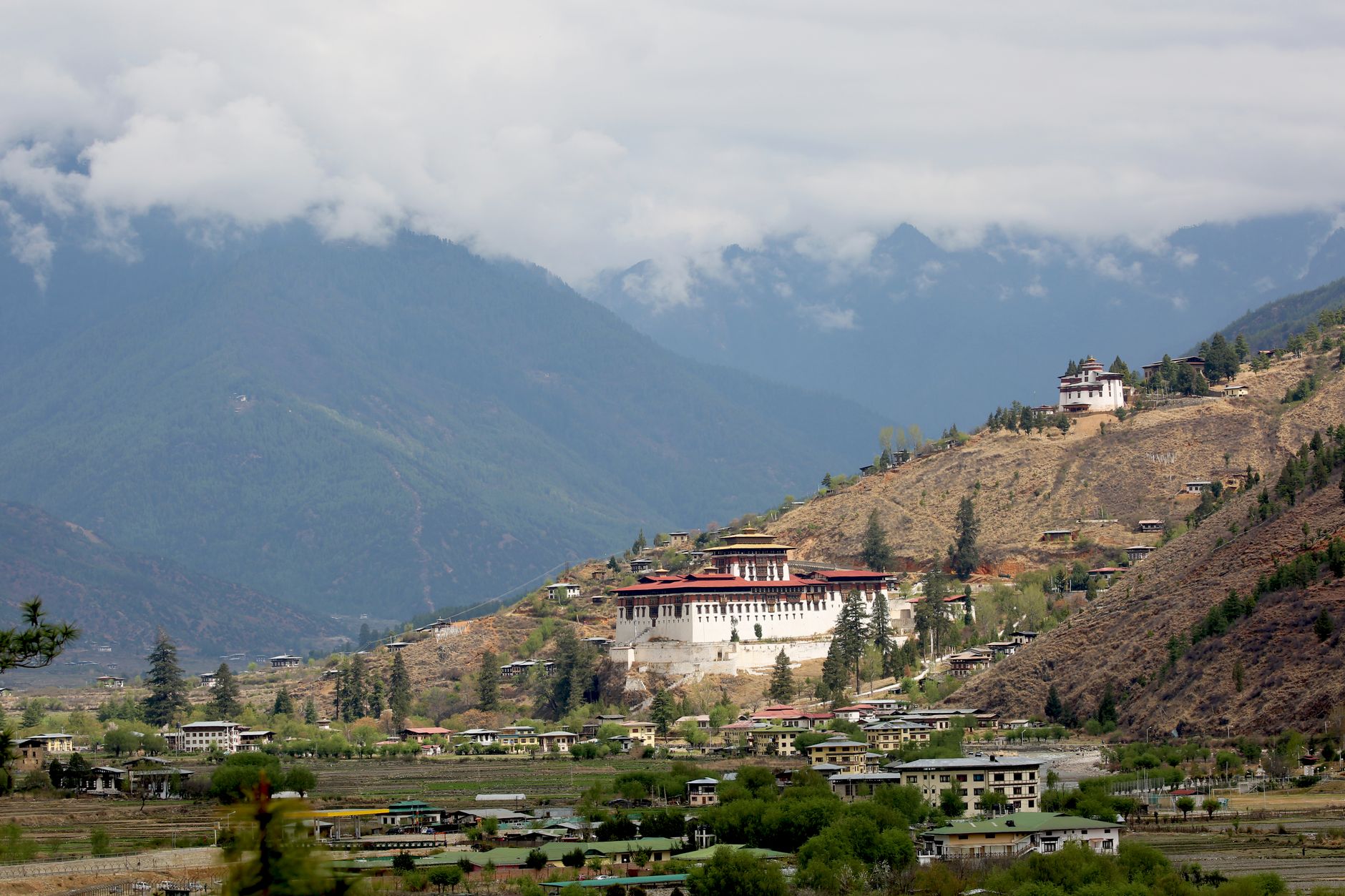
This magnificent 17th-century fortress-monastery dominates Paro’s landscape and serves as the administrative headquarters and monastic school. Built without architectural plans or nails, the dzong exemplifies traditional Bhutanese engineering with its massive buttressed walls, intricate woodwork, and courtyards adorned with beautiful paintings depicting Buddhist teachings. The dzong houses approximately 200 monks and contains 14 shrines and chapels. During the Paro Tshechu festival, the dzong’s courtyard becomes the stage for sacred masked dances, and a gigantic thangka is unfurled from the walls at dawn. The approach crosses the traditional cantilever Nyamai Zam bridge spanning the Paro Chu river, offering picture-perfect views of this architectural masterpiece.
Visit Kyichu Lhakhang
Dating to 659 AD, Kyichu Lhakhang is one of Bhutan’s oldest temples and among the 108 temples built in a single day by Tibetan King Songtsen Gampo to subdue a demoness threatening Buddhism’s spread. The temple complex contains two main buildings—the original ancient temple and a newer structure built by Bhutan’s Queen Mother in 1968. Inside the older temple, you’ll find a statue of Jowo Sakyamuni (Future Buddha) that’s considered among Bhutan’s most sacred relics. The courtyard features a large prayer wheel and is perpetually circumambulated by elderly Bhutanese spinning hand-held prayer wheels and reciting mantras. The temple’s orange tree reportedly bears fruit year-round, considered auspicious. This is an active pilgrimage site where you’ll witness authentic devotional practices away from major tourist crowds.
Experience Farmhouse Hospitality
Spending time at a traditional Bhutanese farmhouse offers insights into rural life that no hotel can replicate. Many families in Paro Valley open their centuries-old homes to visitors, serving authentic meals including ema datshi (chili cheese curry), red rice, and ara (traditional rice wine or wheat beer). These substantial wooden structures, often three stories high, house the family on the middle floor, animals on the ground floor, and store grain and dried crops on the top floor. You’ll warm yourself by the bukhari (wood stove), learn about traditional crafts like weaving, and perhaps participate in archery practice in the family’s backyard range. This immersive experience, typically arranged through your tour operator, costs around ₹1,500-₹2,500 per person including a multi-course meal and provides the most authentic cultural interaction available.
Take a Hot Stone Bath
After strenuous days of trekking, indulge in dotsho, the traditional Bhutanese hot stone bath that’s equal parts therapy and cultural experience. River stones are heated in a roaring wood fire for several hours until glowing red, then carefully placed in a wooden tub filled with water infused with artemisia and other medicinal herbs. As the stones hit the water, the tub erupts in steam and the temperature soars to a blissful heat that soothes tired muscles. The minerals from the stones combine with the aromatic herbs to create a therapeutic bath believed to cure ailments from arthritis to hangovers. Many hotels offer this service (₹1,000-₹2,500 per session), or you can experience it at dedicated traditional bath houses where locals also come for treatment.
Hike to Bumdrak Monastery and Camp
For those seeking a less crowded trekking experience, the hike from Tiger’s Nest to Bumdrak Monastery offers spectacular wilderness and cultural immersion. This challenging 4-5 hour trek from Tiger’s Nest ascends through alpine forests to 3,800 metres, where a small monastery overlooks pristine Himalayan landscapes. Many trekkers camp overnight here (your tour operator provides equipment and camping permits), waking to sunrise views over the entire Paro Valley with snow peaks glowing pink in the dawn light. The monastery itself sees few visitors, and monks welcome trekkers with butter tea. On clear days, you can see Mount Jhomolhari (7,326 metres), one of Bhutan’s most sacred peaks, dominating the northern horizon.

Where to Stay in Paro Valley
Budget Options
Tashi Namgay Resort: Despite its “resort” name, this property offers some of Paro’s most affordable accommodation at ₹2,500-₹4,000 per night for standard rooms. Located about 2 km from town center, the traditionally designed buildings feature heated rooms (essential in winter), attached bathrooms with hot water, and a restaurant serving Bhutanese, Indian, and Chinese cuisine. The property has a pleasant garden and helpful staff who can arrange transport and guides.
Pemako Homestay: For authentic cultural immersion, this family-run guesthouse in a traditional farmhouse charges approximately ₹2,000-₹3,000 per night including breakfast and dinner. The family serves home-cooked meals including their own red rice and vegetables, and the warm hospitality makes you feel like a welcomed guest rather than a customer. Rooms are simple but clean, with shared bathrooms featuring traditional hot stone bath facilities. It’s located about 15 minutes’ walk from Paro town.
Mid-Range Options
Hotel Olathang: Perched on a hillside above Paro town, this comfortable hotel offers rooms at ₹5,000-₹8,000 per night with valley views, modern amenities, and traditional Bhutanese décor. The property features a good restaurant, bar, and beautiful gardens where you can spot birds and occasionally even monal pheasants. It’s a favorite among Indian tour groups and maintains reliable service standards. The location provides easy access to major sites while offering peaceful evening retreats.
Khangkhu Resort: Located in a quieter part of the valley about 10 km from town, this boutique property charges ₹6,000-₹9,000 per night for well-appointed cottages with traditional bukhari fireplaces, modern bathrooms, and valley views. The resort specializes in authentic Bhutanese cultural experiences including archery lessons, traditional cooking classes, and guided nature walks through their extensive grounds. The restaurant serves excellent food, including proper Bhutanese cuisine upon request.
Luxury & Splurge Options
COMO Uma Paro: This internationally acclaimed resort brings contemporary luxury to the Paro Valley with rates starting around ₹25,000-₹40,000 per night. The 29 rooms and villas feature underfloor heating, private balconies overlooking rice fields and mountains, and luxurious bathrooms. The property’s COMO Shambhala Retreat offers yoga, meditation, and spa treatments incorporating Bhutanese hot stone therapies. The Bukhari Restaurant serves innovative cuisine blending Bhutanese ingredients with international techniques, and the expert concierge arranges exceptional private cultural tours and trekking experiences.
Le Meridien Paro, Riverfront: Bhutan’s first international chain hotel offers 59 rooms and suites starting at ₹20,000-₹35,000 per night, bringing Marriott’s service standards to the valley. The stunning location along the Paro Chu river provides exceptional views, and the property features Bhutan’s first resort spa offering traditional and contemporary treatments. Multiple dining venues serve everything from traditional Bhutanese thalis to international cuisine, and the hotel’s expertise in arranging cultural activities and treks is excellent.
Amankora Paro: For the ultimate luxury experience, Aman’s Paro lodge (part of their five-lodge circuit through Bhutan) offers rates starting around ₹70,000-₹1,20,000 per night for suites that blend contemporary design with Bhutanese traditional elements. The 24 suites feature king-sized beds, traditional wood-burning stoves, terrazzo-clad bathrooms with deep soaking tubs, and private outdoor seating areas. The property’s dining room serves exceptional cuisine, the spa offers comprehensive treatments, and the service level is impeccable. Aman arranges extraordinary private cultural experiences including private monastery blessings and meetings with local artisans.
Local Food & Cuisine
Ema Datshi: Bhutan’s national dish is a fiery yet addictive curry of green chilies cooked in creamy yak cheese sauce. Don’t be deceived by its simple appearance—this dish packs serious heat, as chilies are treated as a vegetable rather than a spice in Bhutanese cuisine. The combination of spicy chilies and rich cheese creates a unique flavor profile you won’t find elsewhere. Ema datshi is served with red rice (a nutty, semi-milled rice native to Bhutan) and forms the centerpiece of most Bhutanese meals. If the heat proves overwhelming, ask for kewa datshi (potatoes in cheese sauce) or shamu datshi (mushrooms in cheese sauce) as milder alternatives.
Momos: While found throughout the Himalayas, Bhutanese momos have distinct characteristics with thicker dough and less ginger-heavy fillings than their Tibetan or Nepali cousins. Both steamed (momo) and fried (kothey) versions are available, stuffed with pork, beef, cheese, or vegetables. They’re served with ezay, a spicy chili sauce with tomatoes and sometimes cheese, rather than the typical sesame-soy dipping sauce found elsewhere. Local momos are comfort food at its best, especially on cold mountain evenings.
Jasha Maru: This spicy chicken curry made with tomatoes, ginger, garlic, and generous amounts of dried red chilies represents Bhutanese home cooking at its finest. Unlike Indian curries, Jasha Maru uses minimal oil and no coconut or cream, creating a lighter but intensely flavored dish. The chicken is typically cooked on the bone, enhancing the flavor, and the curry is finished with fresh coriander and sometimes spring onions.
Suja (Butter Tea): This traditional beverage made from tea leaves churned with butter and salt might challenge Western palates but is integral to Bhutanese hospitality. The tea has a savory, almost soup-like quality and provides essential calories and warmth at high altitudes. It’s customarily served in small bowls that are continuously refilled, and polite custom requires you to sip at least some before declining more.
Where to Eat
Champaca Café: Located in Paro town, this charming café serves excellent coffee (a rarity in Bhutan), wood-fired pizzas, sandwiches, and salads alongside Bhutanese dishes. It’s become a favorite among both tourists seeking familiar foods and locals enjoying the contemporary atmosphere. Prices range from ₹200-₹600 per dish, and the free Wi-Fi makes it a good spot for catching up on emails. The café also sells local handicrafts and organic products.
Sonam Trophel Restaurant: This family-run establishment near the main square serves authentic Bhutanese cuisine in a traditional setting with low wooden tables and cushioned seating. The menu includes all the datshi variations, momos, and traditional meat dishes, with prices ranging from ₹150-₹400 per dish. The family prepares food to order, so expect a wait, but the quality and authenticity are excellent. They can adjust spice levels for those unaccustomed to Bhutanese heat.
My Kind of Place: Popular with both tourists and expats living in Bhutan, this restaurant offers the most diverse menu in Paro, ranging from Bhutanese ema datshi to pasta, burgers, and Chinese dishes. The atmosphere is casual and welcoming, with both traditional low seating and standard tables. Prices range from ₹250-ₜ700 per dish, and portions are generous. The bar serves local beers including Druk 11000 and Red Panda, plus imported spirits.
Brioche Café: This bakery and café produces exceptional breads, pastries, and cakes using organic Bhutanese ingredients. It’s the perfect breakfast spot with excellent coffee, croissants, and breakfast sets (₹300-₹500), and also serves lunch items including quiches and sandwiches. The attached shop sells packaged snacks, imported cheeses, and Bhutanese honey and preserves—ideal for stocking up before treks.

Practical Travel Tips for Paro Valley
Permits and Entry Requirements: Indian passport holders can enter Bhutan without a visa but must carry either a valid passport or Voter ID card (for stays up to 14 days). Entry permits are issued free at the border or airport. However, you must obtain a route permit from immigration for travel beyond Paro and Thimphu districts, available free from immigration offices. For non-Indian tourists, visas must be arranged through a licensed tour operator before arrival and cost US$40 (approximately ₹3,300) in addition to the mandatory Sustainable Development Fee (SDF) of US$200 (₹16,500) per night. This SDF for Indians is significantly lower at ₹1,200 per night and can be paid directly to your tour operator or at entry points. These fees contribute to Bhutan’s free education and healthcare systems and environmental conservation efforts.
Money Matters: The Bhutanese Ngultrum (Nu.) is pegged at par with the Indian Rupee, and Indian currency (except ₹500 and ₹2,000 notes which are not accepted) is widely accepted throughout Bhutan. However, you’ll receive change in Ngultrum, which cannot be exchanged outside Bhutan, so plan accordingly. ATMs are available in Paro town at Bank of Bhutan and Bhutan National Bank, accepting most international cards, though withdrawals are limited to Nu. 20,000 per day. Credit cards are accepted at major hotels and some restaurants, but carry cash for smaller establishments, entry fees to monasteries (typically Nu. 300-500), and shopping at local markets. Most tour packages are fully paid in advance, covering accommodation, meals, transport, and guides, so you primarily need cash for personal expenses, tips, and shopping.
Mobile Network and Connectivity: Mobile coverage in Paro Valley is generally good with two providers—Bhutan Telecom and TashiCell. Indian tourists can use international roaming (check with your provider for Bhutan roaming rates) or purchase a local SIM card (approximately Nu. 200-300 plus recharge) from shops in Paro town; you’ll need passport photos and photocopies of your ID. Data packages are affordable and provide reasonable speeds for WhatsApp and social media, though streaming video may be challenging. Most hotels offer Wi-Fi, though speeds can be slow, especially in budget properties. Internet cafes are rare as most locals now use mobile data.
Medical Facilities: Paro has a district hospital providing basic medical care free of charge even to tourists, though serious conditions require evacuation to Thimphu’s larger hospital (54 km away). Several pharmacies in Paro town stock common medications, though supplies can be limited. Travel insurance with emergency evacuation coverage is essential, as serious medical emergencies may require air ambulance to Thailand or India. The high altitude can cause altitude sickness symptoms (headache, nausea, breathlessness) in susceptible individuals—ascend gradually, stay hydrated, and avoid alcohol for the first days. Most hotels stock oxygen cylinders for emergencies. Bring prescription medications in original packaging along with copies of prescriptions.
What to Pack: Layered clothing is essential as temperatures fluctuate significantly between day and night and between sun and shade. Bring thermal wear for winter visits or spring/autumn mornings, warm fleece or down jacket, comfortable trekking shoes with good ankle support and grip (essential for Tiger’s Nest), rain jacket regardless of season, sun hat, sunglasses, and high-SPF sunscreen (UV radiation is intense at altitude). Modest clothing is required for monastery visits—avoid shorts, sleeveless tops, and revealing clothes; carrying a shawl or scarf is useful for women. A good daypack, water bottle, headlamp/torch (power cuts occur), basic first-aid kit, altitude sickness medication if susceptible, and personal toiletries (international brands are limited and expensive) complete the essentials. Binoculars enhance wildlife and bird watching, and a good camera with extra batteries is essential as charging opportunities may be limited during treks.
Safety and Security: Bhutan is exceptionally safe with very low crime rates. Violent crime against tourists is virtually unheard of, and petty theft is rare. However, practice common sense—secure valuables in hotel safes, don’t flash expensive jewelry or cameras unnecessarily, and keep photocopies of important documents separate from originals. The greater dangers are environmental—steep trails can be slippery especially after rain, altitude sickness affects some visitors, and winter ice makes paths treacherous. Always trek with a guide (mandatory for most trails anyway), inform your hotel of your plans, carry sufficient water and snacks, and don’t push beyond your fitness level. Stray dogs can be encountered, especially in towns at night; they’re generally harmless but avoid approaching or attempting to pet them.
Responsible Tourism: Bhutan’s tourism philosophy emphasizes high value, low impact—please honor this by respecting local customs and environment. Always ask permission before photographing people, especially during religious ceremonies. Dress modestly, remove shoes when entering temples or homes, and walk clockwise around monasteries and stupas. Don’t smoke in public (Bhutan has strict anti-tobacco laws with heavy fines for smoking in public spaces). Never point your feet at people or religious objects. Dispose of trash properly—littering is particularly offensive in a country that constitutionally protects its environment. Support local businesses by purchasing handicrafts directly from artisans, eating at local restaurants, and choosing locally-owned accommodation when possible. Tipping is not traditionally Bhutanese but is now expected from tourists—approximately Nu. 300-500 per day for guides, Nu. 200-300 for drivers, and 10% for restaurants is appropriate. Consider offsetting your flight carbon emissions through Bhutan’s reforestation programs.
Final Thoughts
Paro Valley represents far more than just another tick on your travel checklist—it’s a transformative destination that challenges your assumptions about development, happiness, and what constitutes progress in our modern world. In an age where ancient cultures are rapidly disappearing under the homogenizing forces of globalization, Paro stands as a living testament to the possibility of preserving tradition while selectively embracing modernity. The sight of monks in traditional robes checking smartphones, of centuries-old monasteries powered by solar panels, and of young Bhutanese educated abroad choosing to return to farm their ancestral land, reminds us that there are multiple paths forward for humanity.
Whether you’re standing breathless (from exertion and awe) before Tiger’s Nest monastery, sharing butter tea with a family in their farmhouse, or simply watching the Paro Chu river flow beneath prayer flags as the sun sets behind the Himalayas, Paro Valley offers moments of clarity and peace increasingly rare in our frenetic world. The Bhutanese concept of Gross National Happiness isn’t just government policy—it’s palpable in the genuine smiles of people, in the pristine environment they’ve committed to protecting, and in the balance they maintain between spiritual and material life. So book that flight, obtain those permits, pack your warmest layers, and prepare for a journey to one of the last Shangri-Las on Earth. Paro Valley awaits with experiences that will restore your faith in humanity’s ability to live harmoniously with both nature and tradition. Come not just to see, but to understand—and you’ll leave transformed.
- Book your Tiger’s Nest trek for early morning (7-8 AM) to avoid afternoon clouds that obscure the monastery views and mountain backdrop
- Carry small denomination ngultrum notes for temple donations and tea stalls along hiking routes as vendors rarely have change
- Visit Paro’s weekend market on Saturdays for authentic local handicrafts at better prices than tourist shops near the airport
- Acclimatize for at least one day in Paro (2,250m altitude) before attempting higher altitude treks to prevent mountain sickness
- Request your guide to arrange a traditional hot stone bath (dotsho) at farmhouses for an authentic Bhutanese wellness experience
Frequently Asked Questions about Paro Valley
The best time to visit Paro Valley is during March to May (spring) and September to November (autumn) when the weather is pleasant with temperatures ranging from 10-20°C. These months offer clear skies, comfortable trekking conditions, and stunning views of the snow-capped Himalayan peaks.
Paro Valley sits at an altitude of 2,200 to 2,500 metres above sea level. While this elevation is generally well-tolerated by most visitors, it’s advisable to take it easy on your first day, stay hydrated, and allow your body to acclimatize before undertaking strenuous activities like the Tiger’s Nest hike.
Indian tourists do not require a visa but need a valid passport or Voter ID card to enter Bhutan. Additionally, Indians must pay a Sustainable Development Fee (SDF) of ₹1,200 per night, making Paro Valley significantly more affordable for Indian travelers compared to international tourists who pay US$200 (approximately ₹16,500) per night.
Paro Valley is located 54 km from Thimphu, Bhutan’s capital, which takes approximately 1.5 hours by road. Paro has Bhutan’s only international airport (Paro International Airport) within the valley itself, making it the primary entry point for all visitors to the country.
Indian tourists can expect to spend approximately ₹3,000-₹5,000 per day excluding the mandatory SDF of ₹1,200 per night. International tourists should budget ₹20,000+ per day including the mandatory Sustainable Development Fee, which covers accommodation, meals, guide, and transport.
Tiger’s Nest (Taktsang Monastery) is Paro Valley’s most iconic attraction, perched dramatically on a granite cliff 900 metres above the valley floor. This legendary monastery is a sacred Buddhist site that offers breathtaking views and represents the spiritual heart of Bhutan, attracting pilgrims and travelers from around the world.