
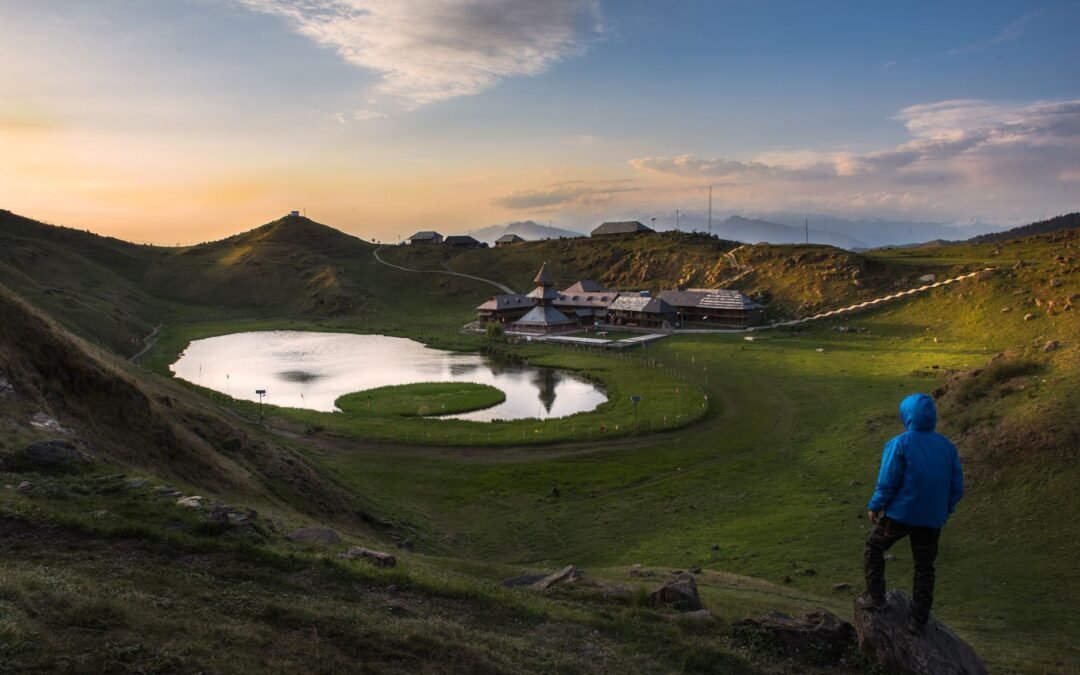
- Prashar Lake sits at 2,730m altitude with a unique floating island and ancient three-storied pagoda temple dedicated to Sage Prashar
- Best reached via 7km trek from Baggi village or direct taxi to lake; nearest town Mandi is 49km away with good road connectivity
- May-June and September-November offer ideal weather; winter brings heavy snow making the trek challenging but scenically stunning
- HPTDC rest house and camping options available at lakeside; advance booking recommended during peak season
- Trek difficulty is moderate with gradual ascent; suitable for beginners with basic fitness levels
Introduction
Nestled at an altitude of 2,730 meters in the Mandi district of Himachal Pradesh, Prashar Lake is one of North India’s most enchanting and mystical destinations. This sacred alpine lake, with its crystal-clear blue-green waters and a floating island that changes its position throughout the year, offers a glimpse into the untouched natural beauty that the Himalayas are renowned for. Named after the sage Prashar, who is believed to have meditated here, the lake holds profound religious significance and attracts both pilgrims and adventure seekers in equal measure.
What sets Prashar Lake apart from the increasingly commercialized hill stations of Himachal Pradesh is its remarkable preservation of authentic mountain culture and relatively undiscovered status. Unlike the crowded trails of Triund or the bustling streets of Manali, Prashar remains refreshingly serene, offering travelers an opportunity to experience the raw magnificence of the Himalayas without the typical tourist chaos. The three-tiered pagoda-style temple dedicated to Sage Prashar, built in the 13th century by Raja Ban Sen, stands as a testament to the region’s rich architectural heritage and adds a spiritual dimension to the natural splendor.
The panoramic views from Prashar Lake are nothing short of spectacular. On clear days, visitors are treated to stunning vistas of the Dhauladhar, Pir Panjal, and Kinnaur mountain ranges, with peaks like Hanuman Tibba and other snow-capped giants forming a magnificent backdrop. Whether you’re a trekker seeking solitude, a photographer chasing the perfect shot, a spiritual seeker, or simply someone wanting to disconnect from urban chaos, Prashar Lake promises an experience that will linger in your memory long after you’ve returned to the plains.
Quick Facts About Prashar Lake
| Altitude | 2,730 meters (8,960 feet) |
| Best Time to Visit | May to November (Summer & Autumn) |
| Distance from Nearest City | 49 km from Mandi, 180 km from Chandigarh |
| Nearest Airport | Bhuntar Airport (Kullu) – 60 km |
| Permits Required | No special permits needed |
| Temperature Range | Summer: 10°C to 25°C, Winter: -10°C to 10°C |
| Approx Budget per Day | ₹800 – ₹2,000 per person |
Why Visit Prashar Lake
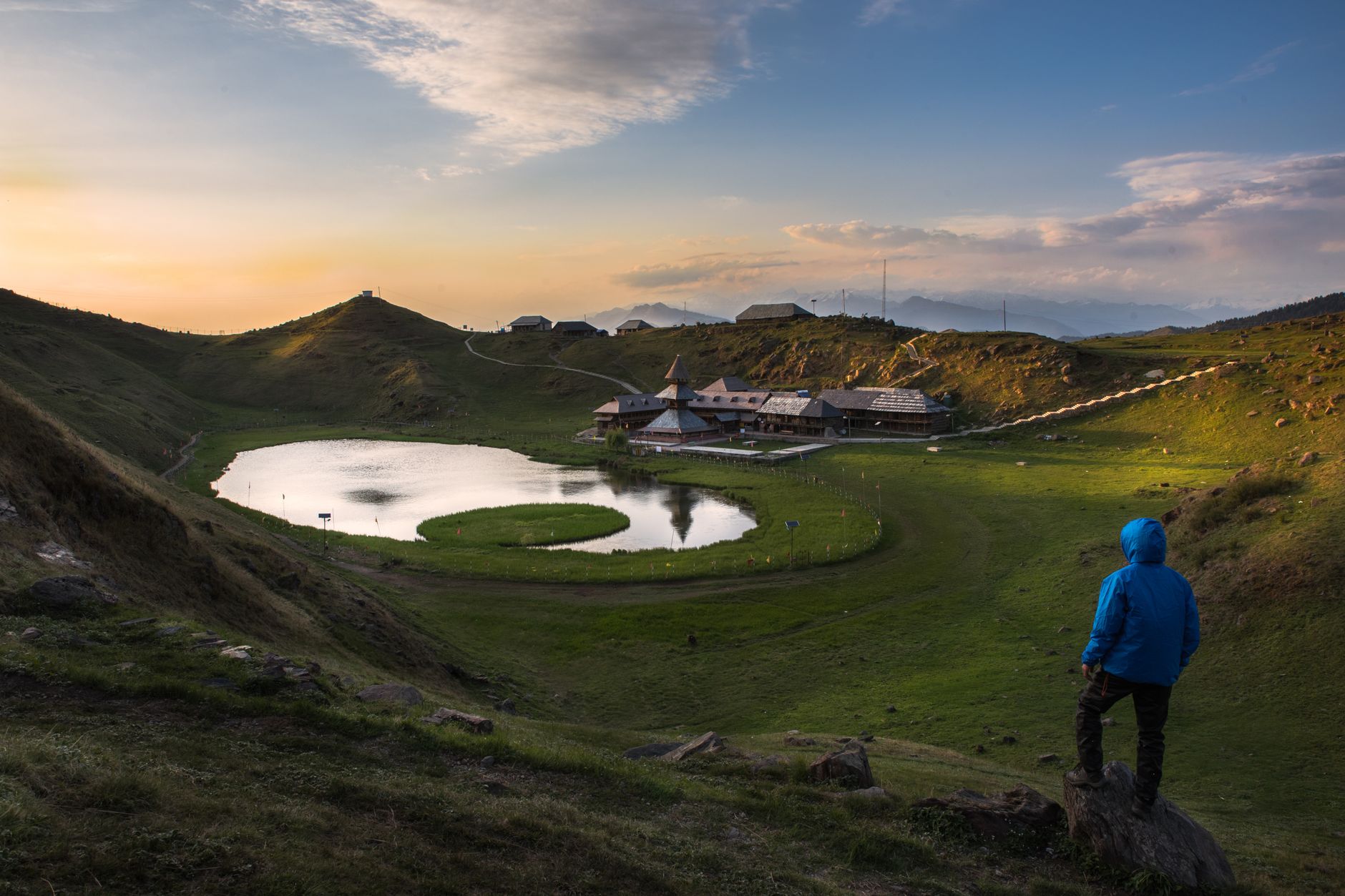
Prashar Lake’s uniqueness lies in its mysterious floating island—a circular patch of vegetation that drifts across the lake’s surface, never anchoring to one spot. Local legend suggests that no one has successfully measured the depth of this lake, and numerous attempts with weighted ropes have failed to touch the bottom, adding an element of enigma to the destination. This geological curiosity, combined with the lake’s perfectly circular shape, has fascinated scientists and spiritual seekers alike for centuries.
The architectural marvel of the Prashar Rishi Temple sets this destination apart from other mountain lakes. Built in the Kathkuni style—a traditional Himachali architectural form using interlocking wood and stone without nails or cement—the three-storied pagoda structure has withstood earthquakes and harsh mountain weather for over 700 years. The intricate wood carvings depicting scenes from Hindu mythology and the temple’s unique construction technique make it a significant heritage site. The temple remains actively used by locals, and witnessing the morning and evening aarti (prayer ceremony) offers an authentic glimpse into Himalayan spiritual practices.
Unlike many popular tourist destinations in Himachal that have been heavily commercialized, Prashar Lake retains its pristine character. There are no hotels or permanent shops cluttering the landscape—just a vast meadow, the ancient temple, and the serene lake surrounded by mountains. This lack of commercial development means you can still experience the Himalayas as they were meant to be: peaceful, unspoiled, and profoundly beautiful. The night sky here is spectacular, free from light pollution, making it a paradise for stargazers and astrophotography enthusiasts.
The destination also serves as a cultural immersion experience. The small village of Prashar and nearby hamlets like Baggi and Jwalapur offer opportunities to interact with local communities who maintain traditional lifestyles. You can observe age-old farming practices, witness the making of traditional Himachali items, and taste authentic home-cooked meals. The warmth and hospitality of the local people, who consider the lake and temple sacred, add a human dimension to the natural beauty.
How to Reach Prashar Lake
By Air: The nearest airport is Bhuntar Airport (also called Kullu-Manali Airport), located approximately 60 kilometers from Prashar Lake. This airport has regular flights from Delhi and Chandigarh operated by airlines like Air India and Alliance Air. From Bhuntar, you’ll need to hire a taxi to reach Prashar Lake via Mandi, which costs between ₹2,500 and ₹3,500 depending on your negotiation skills and the season. The journey takes about 3-4 hours. Alternatively, you can fly to Chandigarh International Airport (180 km away), which has better connectivity and more frequent flights, and then make your way to Prashar via road.
By Train: The nearest major railway station is Joginder Nagar Railway Station (about 50 km from Prashar Lake), though it’s a narrow-gauge line with limited connectivity. A more practical option is to reach Chandigarh Railway Station or Ambala Cantonment, which are well-connected to major Indian cities like Delhi, Mumbai, Kolkata, and Bangalore. From Chandigarh, you can take a bus or hire a taxi. The Chandigarh to Prashar Lake taxi fare ranges from ₹4,000 to ₹6,000 for a round trip, taking approximately 5-6 hours one way.
By Road: This is the most popular and economical option. From Mandi town (49 km away), you have two route options. The longer but motorable route goes via Baggi village—approximately 40 km of road journey followed by a 7 km trek or drive on a rough mountain road. Many visitors drive directly to the lake if they have a sturdy vehicle like a SUV or 4×4. Local taxis from Mandi charge ₹1,500 to ₹2,500 for a drop to the lake. HRTC (Himachal Road Transport Corporation) buses run from Mandi to Baggi village (₹50-80 per person), from where you can trek the remaining 7 km or hire a local jeep for ₹500-800.
Trekking Route: Adventure enthusiasts often prefer the trekking route from Baggi village. This 7-kilometer moderate trek takes 3-4 hours and offers stunning views of the Kullu Valley and surrounding peaks. The trail is well-marked and passes through dense forests of oak, deodar, and rhododendron. Some trekkers also take the route from Jwalapur village, which is slightly longer (9 km) but less crowded. If you’re coming from Delhi, numerous travel agencies offer weekend packages including transport, trekking, and camping for ₹3,500 to ₹6,000 per person.
Best Time to Visit Prashar Lake
Summer (May to June): This is the peak tourist season when Prashar Lake is most accessible. Temperatures range from 15°C to 25°C during the day, dropping to 8°C to 12°C at night. The meadows around the lake are lush green, dotted with wildflowers, and the weather is perfect for camping and trekking. The road is fully accessible, making it convenient for families and first-time visitors. However, weekends can get moderately crowded with visitors from Delhi and Chandigarh. The lake is at its most beautiful during this period, reflecting the clear blue sky and surrounding peaks.
Monsoon (July to September): While the monsoon brings lush greenery and dramatic cloud formations to Prashar, this season requires caution. Heavy rainfall can make the roads slippery and occasionally trigger landslides. The trek from Baggi becomes challenging with muddy trails, though experienced trekkers find the misty, rain-washed landscape enchanting. Temperatures range from 12°C to 20°C, with high humidity. This is the least crowded season, offering solitude but requiring proper rain gear and flexible travel plans. The lake’s floating island is particularly active during this period, moving more frequently across the water surface.
Autumn (October to November): Many consider this the best time to visit Prashar Lake. Post-monsoon skies are crystal clear, offering unobstructed views of the Himalayan ranges. The weather is cool and pleasant (10°C to 20°C during the day), perfect for photography and outdoor activities. The autumn colors paint the landscape in shades of gold and amber, creating spectacular visual opportunities. By late November, you might encounter the first snowfall. Crowds are manageable, and the locals are especially welcoming as they prepare for the winter months. This is ideal for serious trekkers and photographers.
Winter (December to April): Winter transforms Prashar into a snow-covered wonderland, but accessibility becomes extremely challenging. Heavy snowfall typically blocks the road by December, and the trek from Baggi becomes suitable only for experienced winter trekkers with proper equipment. Temperatures can plummet to -10°C or lower, with daytime temperatures barely crossing 5°C. The lake often freezes partially or completely. While the winter landscape is magical, facilities are minimal as the temple priest and most locals descend to lower villages. Only attempt a winter visit if you’re an experienced mountaineer with appropriate gear, guide, and emergency provisions. The reward is absolute solitude and pristine snow scenery.
Top Things to Do in Prashar Lake
Camp Under the Stars
Camping at Prashar Lake is an unforgettable experience, with the vast meadow offering perfect camping grounds right beside the lake. The absence of light pollution creates ideal conditions for stargazing, and on clear nights, you can witness the Milky Way stretching across the sky with remarkable clarity. Several local operators provide camping equipment rental (tent, sleeping bag, and mattress) for ₹500 to ₹800 per person per night, or you can carry your own gear. The experience of waking up to sunrise over the Dhauladhar range while still in your tent is simply magical.
Explore the Prashar Rishi Temple
Spend time exploring the architectural brilliance of the 13th-century Prashar Temple, noting the intricate wooden carvings and traditional Kathkuni construction technique that uses no nails or cement. The temple houses an idol of Sage Prashar along with smaller shrines dedicated to Lord Kamrunag and other deities. Visitors can participate in the morning and evening aarti ceremonies, which are simple yet deeply spiritual affairs conducted by the resident priest. The temple’s upper floors offer panoramic views of the lake and surrounding mountains—climb carefully, as the wooden stairs are ancient and narrow.
Trek to Nearby Viewpoints
Several short treks from the lake lead to spectacular viewpoints. The trek to the ridge above the temple (approximately 1 km, 30 minutes) offers a bird’s-eye view of the lake and temple complex. For the more adventurous, the trek to Prashar Peak (about 3 km from the lake) provides 360-degree views of the Pir Panjal, Dhauladhar, and Kinnaur ranges. Local guides are available for ₹300-500 per day and can show you hidden trails and the best photography spots while sharing legends and folklore associated with the region.
Photography and Videography
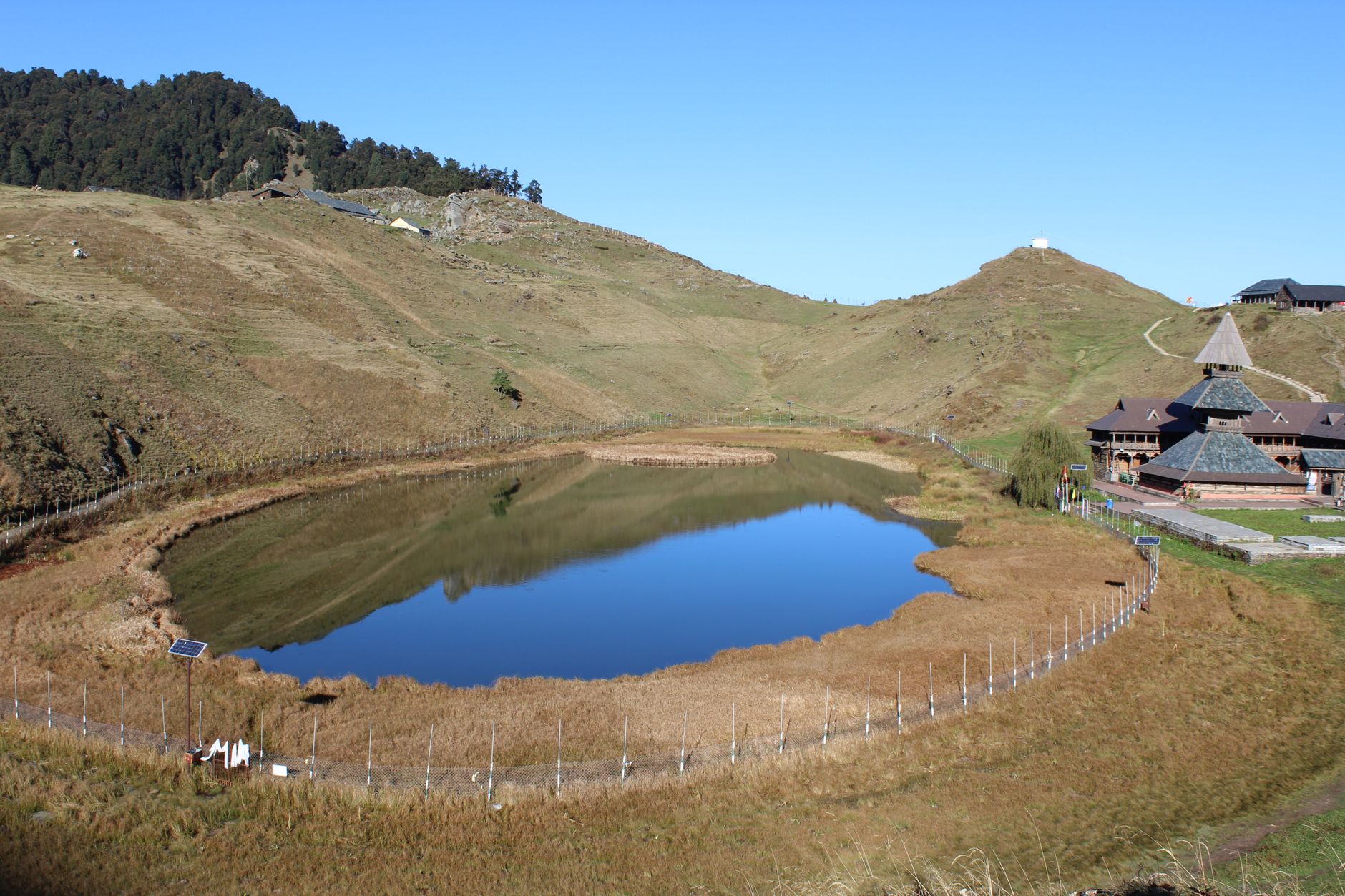
Prashar Lake is a photographer’s paradise, offering diverse subjects from the floating island and mountain reflections in the lake to the ancient temple architecture and distant snow peaks. Sunrise and sunset create particularly dramatic lighting conditions, with the temple silhouetted against colorful skies. The reflection of surrounding mountains in the lake’s still waters during calm mornings provides mirror-like images. Astrophotography enthusiasts can capture stunning star trails and Milky Way shots at night. Don’t forget to photograph the unique Kathkuni architecture details of the temple—the wooden carvings tell stories of Hindu mythology and local legends.
Interact with Local Communities
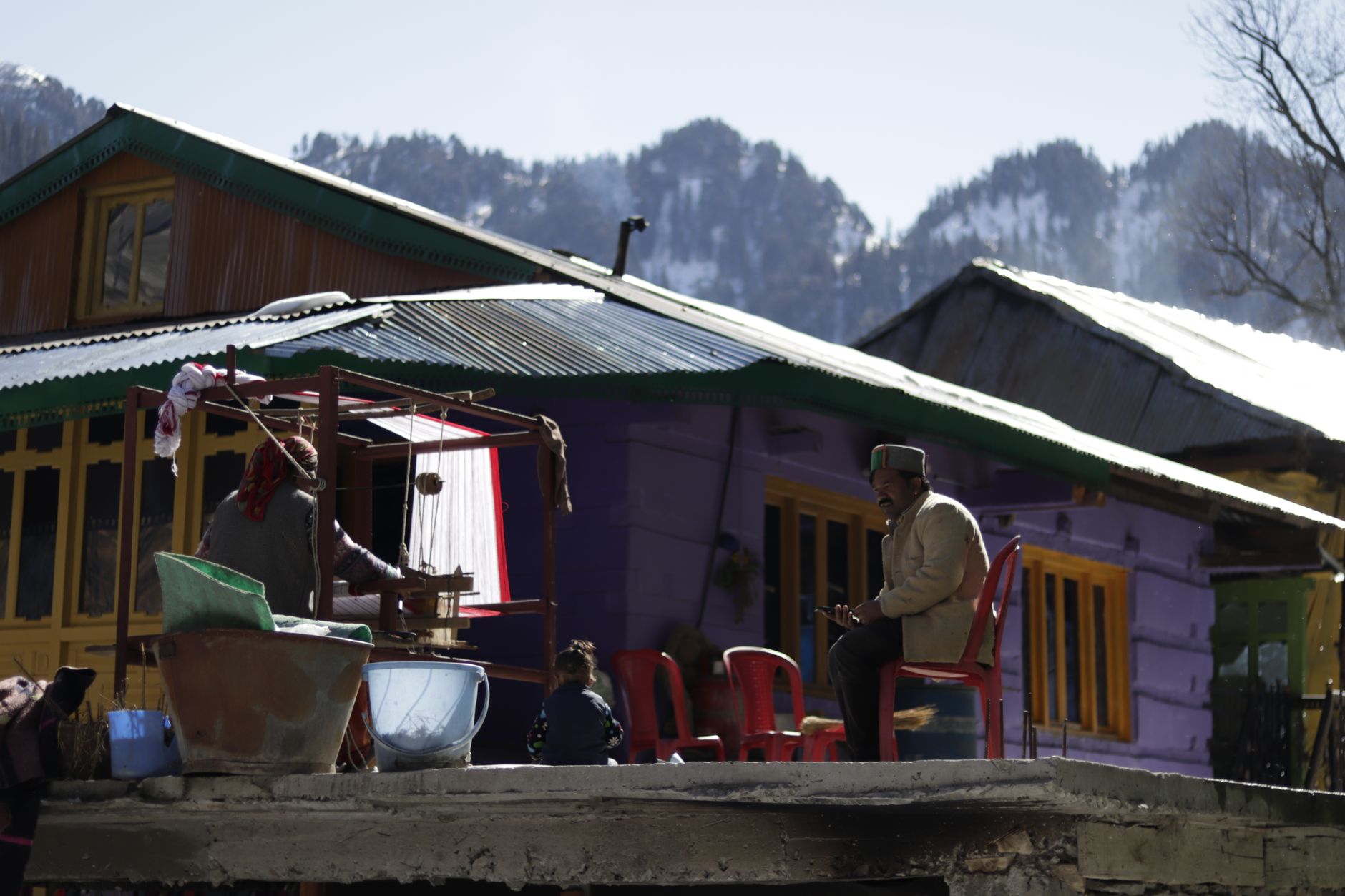
Visit the nearby villages of Baggi, Jwalapur, and Prashar village to experience authentic Himachali culture. The locals are warm and welcoming, often inviting travelers to their homes for traditional meals and chai. You can observe traditional farming practices, wool spinning, and handicraft making. Many families offer homestay experiences where you can learn to cook local dishes, understand the region’s apple and vegetable farming, and hear fascinating stories about local deities and festivals. This cultural exchange enriches your visit beyond the scenic beauty.
Meditation and Yoga
The serene environment around Prashar Lake creates ideal conditions for meditation and yoga practice. The meadow beside the lake serves as a natural yoga studio with a view no urban yoga center can match. Many visitors come specifically for spiritual retreats, spending days in meditation within the temple premises or by the lakeside. The peaceful atmosphere, fresh mountain air, and spiritual energy attributed to Sage Prashar’s meditation at this spot make it conducive to introspection and inner peace. Early morning meditation sessions, with mist rising from the lake and the first rays of sun touching the peaks, offer profound experiences.
Where to Stay in Prashar Lake
Budget Options (₹300 – ₹800 per night): The most authentic budget option is the temple guesthouse (₹200-400 per person), managed by the temple committee. These are basic rooms with minimal facilities—just a bed and blanket—but they offer an opportunity to stay right next to the temple and lake. Shared toilet facilities are available, though they’re very basic. No advance booking is possible; rooms are allocated on a first-come-first-served basis. For slightly better facilities, several local villagers in Baggi village offer homestays (₹500-800 per person including meals), where you get a clean room in a traditional Himachali house with home-cooked food and warm hospitality.
Camping (₹500 – ₹1,500 per night): Camping is the most popular accommodation option at Prashar. Local operators like Prashar Lake Camps and Himalayan Eco Camps offer camping packages ranging from ₹800 to ₹1,500 per person, including tent, sleeping bag, mattress, and meals. These camps typically operate from April to November. You can also carry your own camping gear and set up anywhere in the meadow for free, though you’ll need to arrange your own food. Some operators offer luxury camping options with better tents, foam mattresses, and elaborate meals for ₹2,000-2,500 per person.
Mid-Range Options (₹1,500 – ₹3,000 per night): For more comfortable stays, you’ll need to stay in Mandi town (49 km away) and make day trips to the lake. Hotel Raj Mahal in Mandi (₹2,000-2,500 per night) offers clean, comfortable rooms with modern amenities. Hotel Shiva International (₹1,800-2,200) and Hotel Evening Plaza (₹1,500-2,000) are other reliable options. These hotels can arrange taxis to Prashar Lake and back. In Baggi village, a few families have upgraded their homestays to offer rooms with attached bathrooms and better facilities for ₹1,200-1,800 per night including meals.
Splurge Options (₹3,500+ per night): While there are no luxury properties at Prashar Lake itself, you can stay at premium hotels in nearby areas. The Himalayan Retreat Resort near Barot (about 35 km from Prashar) offers comfortable rooms with valley views for ₹4,000-6,000 per night. Alternatively, stay at upscale properties in Kullu or Manali (though farther away) and take an overnight camping trip to Prashar. Some travel companies offer curated luxury camping experiences at Prashar with premium tents, quality bedding, multi-cuisine meals, and guided activities for ₹4,500-7,000 per person per night, though these need advance booking.
Local Food & Cuisine
Sidu: This is a must-try traditional Himachali bread made from wheat flour and stuffed with poppy seeds, hemp seeds, or local greens. Sidu is steamed and traditionally served with ghee (clarified butter) or desi butter, often accompanied by dal or mutton curry. The preparation is time-consuming, taking several hours as the dough needs to be fermented. At Prashar, you’ll find authentic sidu at the temple langar (community kitchen) during festivals, or you can request it at homestays in Baggi village with advance notice. The earthy, slightly sour flavor combined with rich butter makes it incredibly satisfying after a trek.
Madra: This is a distinctive Himachali curry made with chickpeas or kidney beans cooked in yogurt-based gravy, flavored with cardamom, cloves, and cinnamon. Unlike typical North Indian curries, madra has a creamy, mildly sweet taste and is traditionally prepared during festivals and special occasions. Local homestays serve excellent madra, often with rice or roti. The dish perfectly represents the Himachali principle of using minimal spices to let the natural flavors shine through.
Aktori: This is a festive pancake made from buckwheat flour, wheat flour, and local herbs, cooked on a griddle and served with ghee. Aktori has a unique, slightly bitter taste that’s an acquired preference but beloved by locals. It’s particularly popular during winter months and festivals. You might find it at village homestays if you’re visiting during festival seasons like Lohri or Magh. It’s typically eaten for breakfast or as a snack with tea.
Local Trout Fish: While not available right at Prashar, nearby areas are famous for fresh trout from mountain streams. If you’re staying in Mandi or passing through, restaurants like Sharma Dhaba and The Trout House serve delicious grilled or fried trout (₹250-400 per plate). The fish is incredibly fresh and flavored simply with local herbs and lemon, letting the delicate flavor speak for itself.
Where to Eat: At Prashar Lake itself, food options are limited. The temple community kitchen serves simple vegetarian meals (rice, dal, sabzi, and roti) for ₹50-100, operating primarily during peak season and festivals. Several temporary dhabas set up during summer months (May to October) serve basic Indian food like maggi, parathas, rice-dal, and chai (₹50-150 per meal). Many visitors carry packed food from Mandi or arrange meals with their camping operator. In Baggi village, homestays like Soni Homestay and Verma Guest House serve authentic Himachali thalis (₹200-350 per person) with items like madra, chana madra, and local vegetables. For better restaurant options, Mandi town has several good eateries: Sharma Dhaba on NH-21 serves excellent North Indian and Himachali food (₹150-300 per person), while New Punjab Restaurant offers good vegetarian options (₹120-250 per person). It’s advisable to carry energy bars, dry fruits, and snacks, as food availability at the lake can be unpredictable, especially off-season.
Practical Travel Tips for Prashar Lake
Permits and Documentation: No special permits are required to visit Prashar Lake, which makes it accessible for both Indian and foreign tourists. However, foreign nationals should carry their passport and valid visa, as there are occasional checkpoints on the route. Indian citizens should carry a valid photo ID (Aadhaar card, driving license, or passport). If you’re planning to camp, inform the temple committee or local authorities as a courtesy—there’s no official requirement, but it helps with safety and community relations.
Mobile Network and Connectivity: Mobile network coverage at Prashar Lake is extremely limited and unreliable. BSNL has occasional signal, while Airtel and Jio have spotty coverage at best. Vodafone-Idea typically doesn’t work at all. The last point with reliable connectivity is usually Baggi village or Mandi town. This digital detox is actually a blessing for many visitors, but do inform family and friends beforehand that you’ll be unreachable. There’s no WiFi available at the lake. Download offline maps, necessary information, and emergency contact numbers before leaving Mandi.
ATM and Money: There are no ATMs or banking facilities at Prashar Lake or Baggi village. The nearest ATMs are in Mandi town (49 km away), where you’ll find branches of SBI, Punjab National Bank, HDFC, and ICICI. Withdraw sufficient cash before heading to the lake, as most services (camping fees, food, guide charges, temple donations) operate on cash-only basis. Carry denominations of ₹50, ₹100, and ₹500 notes, as vendors and homestays often don’t have change for ₹2,000 notes. Budget approximately ₹1,500-2,500 in cash per day per person, depending on your style of travel.
Medical Facilities: Medical facilities near Prashar Lake are minimal to non-existent. The nearest primary health center is in Baggi village with very basic facilities and limited operation hours. For any serious medical emergency, you’ll need to travel to Mandi District Hospital (49 km away) or to Kullu (about 70 km). Carry a comprehensive first-aid kit including bandages, antiseptic cream, pain relievers, altitude sickness medication (though 2,730 meters rarely causes serious AMS), anti-diarrheal medicine, and any personal prescription medications. Common issues include minor cuts and bruises from trekking, upset stomach from changed food and water, and cold-related ailments.
What to Pack: Regardless of season, pack warm clothing including a fleece jacket and windproof outer layer, as temperatures drop significantly after sunset even in summer. Good trekking shoes with ankle support are essential—the terrain can be rocky and slippery. Carry a sturdy backpack (30-40 liters), water bottle (at least 2 liters capacity), headlamp or flashlight with extra batteries, sunscreen (SPF 50+), sunglasses, and a hat. A rain jacket is crucial even in summer, as mountain weather is unpredictable. If camping, carry a sleeping bag rated for the season (0°C for summer, -10°C for winter), camping mat, toiletries, toilet paper, and a small trowel. Don’t forget a power bank for your devices, camera with extra batteries, and plastic bags to carry back all your waste.
Safety Tips: While Prashar Lake is generally safe, exercise caution during the trek from Baggi, especially in wet conditions when the trail becomes slippery. Don’t attempt to swim in the lake—it’s sacred to locals and can be very cold. The temple pond behind the main temple is considered especially holy; respect local customs and don’t touch or pollute the water. Be careful around the temple’s wooden structures, especially the staircases, as they’re ancient and can be fragile. If trekking in winter or monsoon, hiring a local guide (₹400-600 per day) is highly recommended. Wildlife encounters are rare but possible—bears and leopards inhabit the surrounding forests, so avoid solo treks during dawn, dusk, or night. Inform your homestay or camping operator about your trekking plans and expected return time.
Responsible Tourism: Prashar Lake’s pristine condition depends on responsible visitor behavior. Carry all your waste back with you—there are no waste disposal facilities at the lake. Use designated toilet areas or practice proper outdoor toilet etiquette (dig a cat hole at least 200 feet from water sources). Don’t use soap or detergents in the lake water. Respect the temple sanctity by dressing modestly and removing shoes before entering. Don’t litter or leave anything behind, including organic waste like fruit peels. Avoid loud music that disturbs the natural tranquility and other visitors. If buying local products or hiring services, pay fair prices without aggressive bargaining—these communities have limited income sources. Camp only in designated areas or with permission, and use existing fire rings if making a campfire (though campfires are generally discouraged). Contribute to the temple donation box as a token of respect. By following these principles, you help preserve this magical place for future generations.
Final Thoughts
Prashar Lake represents the Himalayas at their most enchanting—where nature, spirituality, and culture converge to create an experience that transcends typical tourism. This hidden gem in Himachal Pradesh rewards those willing to venture off the beaten path with memories that last a lifetime. Whether you’re watching the sunrise paint the Dhauladhar peaks in gold, listening to temple bells echo across the meadow, or simply sitting by the lake contemplating the mysterious floating island, Prashar offers moments of profound peace and beauty that our hyperconnected world rarely provides.
If you’re yearning for an authentic Himalayan experience without the commercialization that plagues many popular destinations, Prashar Lake should be at the top of your bucket list. The journey itself—whether you trek through fragrant pine forests or drive along winding mountain roads—is as rewarding as the destination. Pack your bags, prepare for limited connectivity and basic facilities, and embrace the opportunity to disconnect from the modern world while connecting deeply with nature, culture, and perhaps something within yourself. Prashar Lake awaits, timeless and serene, ready to share its magic with those who seek it. Plan your visit during the shoulder seasons of May-June or September-October for the best experience, and don’t forget to carry respect, curiosity, and a sense of wonder along with your trekking gear.
- Start your trek from Baggi village early morning around 6-7 AM to witness sunrise over Dhauladhar ranges from the lake
- Carry sufficient cash as there are no ATMs beyond Mandi town; the HPTDC rest house accepts only cash payments
- Visit the temple priest to learn about the floating island’s movement patterns which change throughout the year mysteriously
- Book HPTDC rest house rooms at least 2 weeks in advance during summer; they have limited rooms with spectacular lake views
- Hire local guides from Baggi village for winter treks as trail markers get covered in snow and route-finding becomes difficult
Frequently Asked Questions about Prashar Lake
Prashar Lake is nestled at an altitude of 2,730 meters (8,960 feet) in the Mandi district of Himachal Pradesh, India. It is located 49 km from Mandi city and approximately 180 km from Chandigarh.
The best time to visit Prashar Lake is from May to November during the summer and autumn seasons. During these months, the weather is pleasant with temperatures ranging from 10°C to 25°C, making it ideal for trekking and sightseeing.
Prashar Lake is famous for its mysterious floating island—a circular patch of vegetation that drifts across the lake’s surface and never anchors to one spot. The lake also features crystal-clear blue-green waters, a 13th-century three-tiered pagoda-style temple built by Raja Ban Sen, and offers spectacular panoramic views of the Dhauladhar, Pir Panjal, and Kinnaur mountain ranges.
No, you do not need any special permits to visit Prashar Lake. It is easily accessible to all tourists and travelers.
The approximate budget for visiting Prashar Lake is ₹800 to ₹2,000 per person per day. This budget covers basic accommodation, food, and local transportation expenses.
The nearest airport to Prashar Lake is Bhuntar Airport in Kullu, which is approximately 60 km away. From the airport, you can hire a taxi or take local transportation to reach Prashar Lake.