
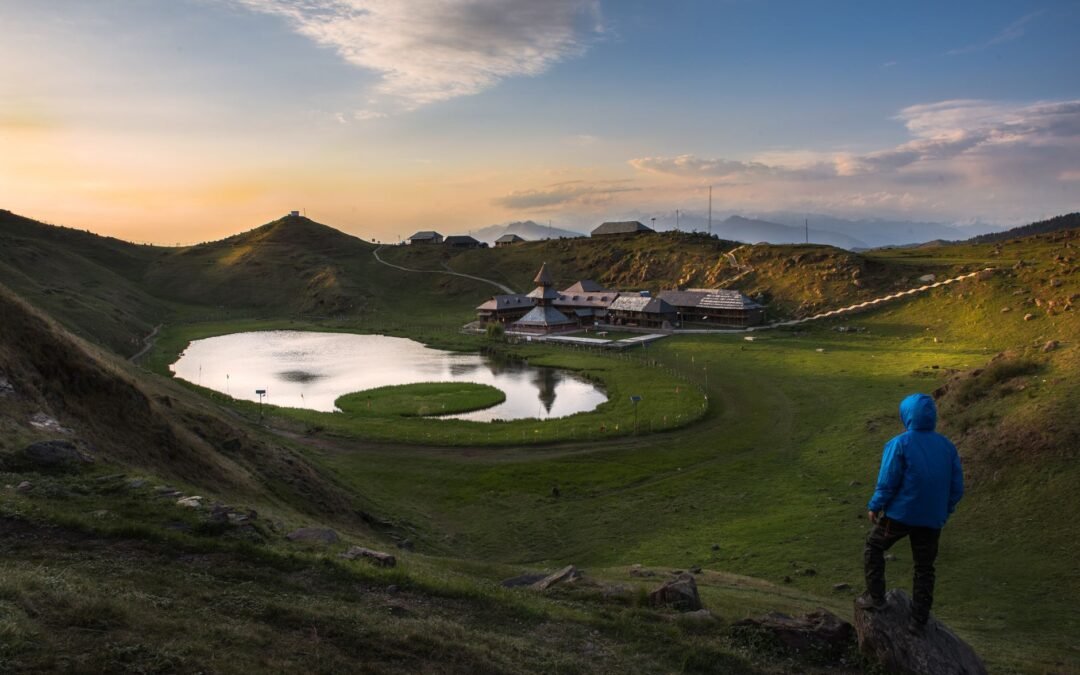
- Prashar Lake trek is an easy 7 km trek suitable for beginners, offering stunning views of Dhauladhar, Pir Panjal, and Kinnaur mountain ranges
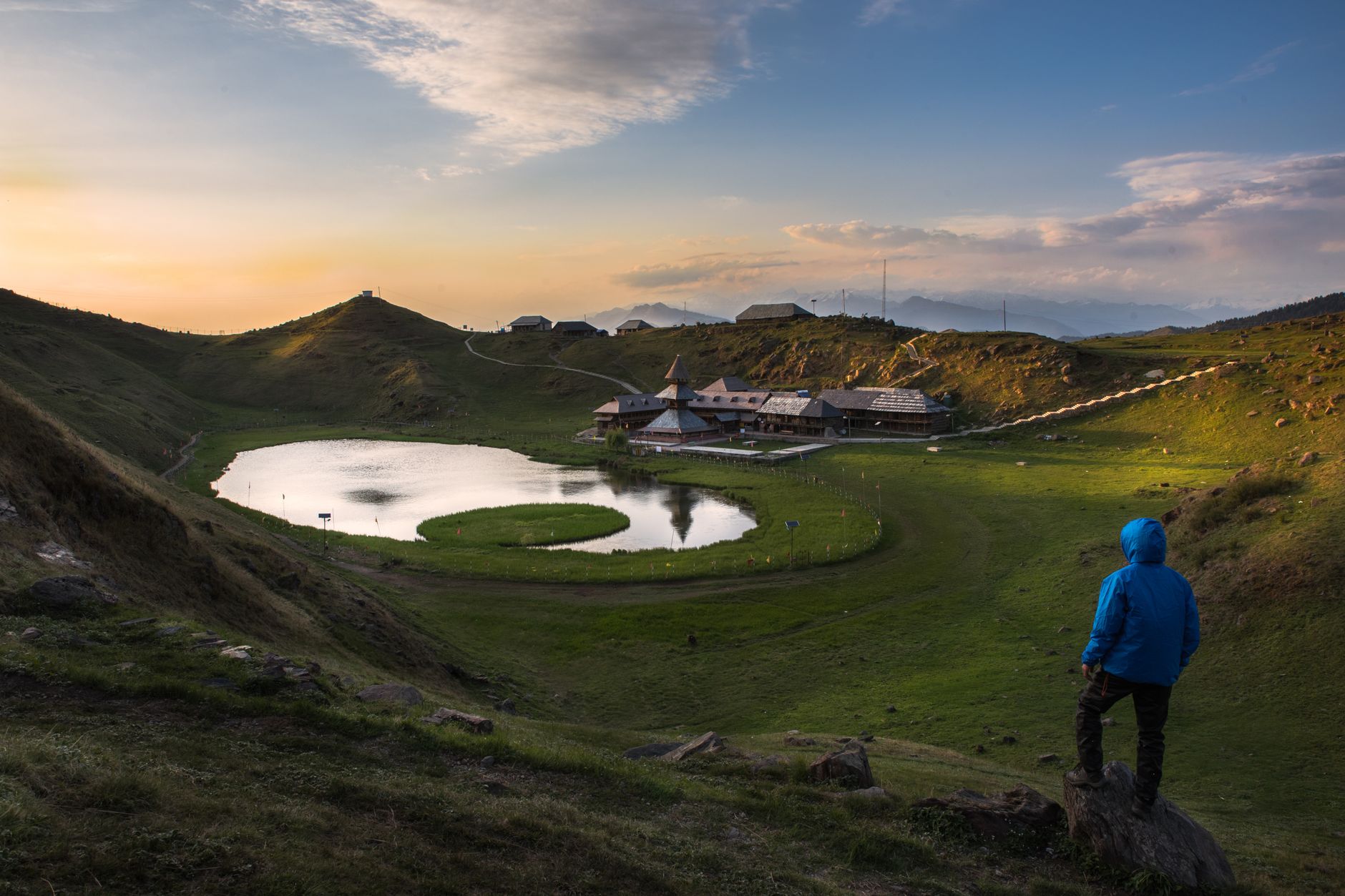
- The mysterious floating island in Prashar Lake changes position daily and the lake’s depth remains unknown, adding mystical charm to the trek
- May to June and September to November are ideal trekking months, while winter offers snow trekking for experienced adventurers
- The ancient pagoda-style Prashar Rishi Temple near the lake dates back to the 13th century and holds significant mythological importance
- Direct road connectivity from Mandi makes Prashar Lake accessible by vehicle, but trekking from Baggi village offers the most rewarding experience
- Introduction
- Quick Facts About Prashar Lake trek
- Why Visit Prashar Lake trek
- How to Reach Prashar Lake trek
- Best Time to Visit Prashar Lake trek
- Top Things to Do in Prashar Lake trek
- Where to Stay in Prashar Lake trek
- Where to Eat and Local Food
- Practical Tips for Visiting Prashar Lake trek
- Frequently Asked Questions
Introduction
Nestled in the Mandi district of Himachal Pradesh at an altitude of 2,730 meters, the Prashar Lake trek is one of those rare Himalayan experiences that combines accessibility with untouched beauty. This moderate trek leads you to a sacred alpine lake that sits like an emerald jewel in the lap of the Dhauladhar ranges, offering 360-degree views of snow-capped peaks including the majestic Pir Panjal range. What sets this trek apart from the crowded trails of Triund or Kheerganga is its relative obscurity—despite being just 50 kilometers from the popular tourist hub of Mandi, Prashar Lake remains wonderfully off the beaten path, attracting those who seek authentic Himalayan experiences over Instagram-ready hotspots.
The trek to Prashar Lake is as much a spiritual journey as it is a physical one. At the lake’s edge stands a three-storied pagoda-style temple dedicated to the sage Prashar, believed to have meditated here during the Mahabharata era. The lake’s most intriguing feature is a circular floating island that drifts across its surface, whose depth remains unknown despite several attempts to measure it. Local legends say that the Pandavas created this lake when their elephant sat down to rest, and the sage Prashar blessed it with eternal sanctity. Whether you’re a trekker seeking moderate adventure, a photographer chasing golden hour over Himalayan peaks, or a soul searcher looking for peace away from commercialized hill stations, this trek offers an experience that lingers long after you’ve descended.
The journey typically begins from Baggi village, though several routes exist depending on your fitness level and time availability. The trail winds through dense alpine forests of oak, deodar, and rhododendron, opens up to vast meadows where shepherds graze their flocks in summer, and culminates at the serene lake surrounded by towering peaks. Unlike more strenuous Himalayan treks that require days of acclimatization, the Prashar Lake trek can be completed in a single day from Baggi, making it perfect for weekend warriors from Delhi, Chandigarh, or other northern cities. Yet it offers enough challenge to give you that sense of accomplishment, with steep sections that test your endurance and altitude that reminds you you’re truly in the mountains.
Quick Facts About Prashar Lake trek
| Aspect | Details |
|---|---|
| Altitude | 2,730 meters (8,956 feet) |
| Best Time to Visit | May-June and September-November; accessible year-round for experienced trekkers |
| Distance from Nearest City | Mandi: 50 km, Kullu: 80 km, Manali: 120 km |
| Nearest Airport | Bhuntar Airport (Kullu): 85 km |
| Permits Required | No special permits required |
| Temperature Range | Summer: 10°C-20°C, Winter: -10°C to 5°C |
| Budget per Day | ₹1,000-₹2,500 (including accommodation, food, and transport) |
Why Visit Prashar Lake trek
The Prashar Lake trek stands apart from Himachal’s more famous trails for several compelling reasons. First and foremost is the mystical floating island that defies scientific explanation—this circular patch of land slowly rotates across the lake’s surface, never settling in one position for long. Locals believe it conceals the entrance to an underwater passage, and countless attempts to measure the lake’s depth have failed, with ropes extending hundreds of meters without touching bottom. This mystery adds an element of wonder that you simply won’t find at conventional mountain lakes.
Secondly, the 360-degree panoramic views from the lake are genuinely breathtaking. On clear days, you can spot over 300 Himalayan peaks including Kinnaur Kailash, the entire Pir Panjal range, and the Dhauladhar peaks. The sunrise here paints the snow-covered mountains in shades of orange and pink that photographers dream about, while sunsets turn the lake into a mirror reflecting the darkening sky and surrounding peaks. The ancient Prashar Rishi temple, built in the traditional Himachali pagoda style with intricate wooden carvings dating back to the 14th century, serves as a stunning foreground for these mountain vistas.
What truly distinguishes this trek is its cultural authenticity. Unlike commercialized destinations, Prashar retains its spiritual significance for local communities. You’ll encounter shepherds from the Gaddi tribe during summer months, moving their flocks to high-altitude pastures just as their ancestors have for centuries. The temple priest still performs daily rituals, and during the Prashar Lake fair in August, thousands of devotees make the pilgrimage, singing traditional songs and performing folk dances. The trek also offers multiple difficulty options—you can drive almost to the lake if you have mobility issues, take a moderate 7-kilometer trek from Baggi village, or challenge yourself with the longer 18-kilometer route from Jwalapur that traverses multiple Himalayan valleys.
How to Reach Prashar Lake trek
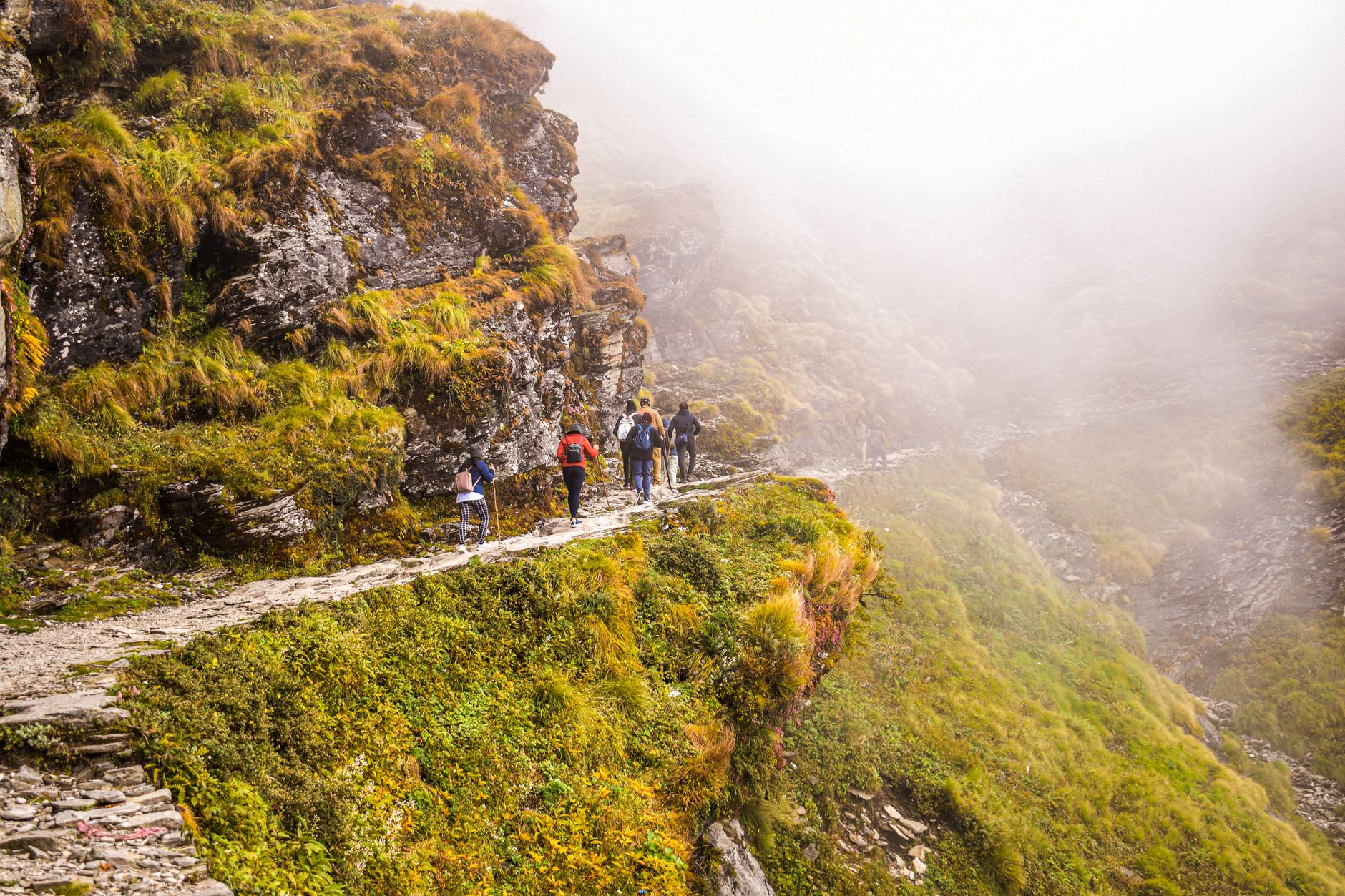
By Road from Major Cities: From Delhi (530 km), take NH44 via Chandigarh and Bilaspur to Mandi (approximately 11-12 hours). From Chandigarh (180 km), drive via Bilaspur to Mandi (5-6 hours). From Manali (120 km), take the route via Kullu and Aut to Mandi (4-5 hours). From Mandi, proceed to Baggi village via Bagi-Parashar road, which is about 35 kilometers and takes approximately 2 hours. The road from Mandi to Baggi is narrow and winding but well-maintained until Baggi. Note that private vehicles can go beyond Baggi to Jwalapur (7 km further) if you want to shorten your trek.
By HRTC Bus: Himachal Road Transport Corporation operates regular buses from Delhi ISBT to Mandi (₹600-₹900 for ordinary/deluxe services). From Mandi bus stand, take a local bus to Baggi village. Buses to Baggi run only twice daily at approximately 8:30 AM and 2:30 PM, costing ₹50-₹70 per person. Return buses from Baggi to Mandi depart at 7:00 AM and 1:00 PM. Due to limited bus services, many trekkers prefer hiring local transport from Mandi.
By Air: The nearest airport is Bhuntar Airport (also called Kullu-Manali Airport) located 85 kilometers from the trek starting point at Baggi. From Bhuntar, take a taxi to Mandi (₹1,500-₹2,000) and then another taxi to Baggi (₹1,200-₹1,800). Alternatively, take a bus from Bhuntar to Mandi (₹100-₹150) and proceed as mentioned above. Chandigarh International Airport is the other option, about 180 kilometers away, with better flight connectivity but longer road journey.
By Train: The nearest major railway stations are Joginder Nagar (60 km), Chandigarh (180 km), and Pathankot (190 km). Joginder Nagar is connected by narrow-gauge railway from Pathankot, but services are irregular. Most travelers prefer reaching Chandigarh by train and then taking a bus or taxi to Mandi and onwards to Baggi. From Chandigarh railway station, you can hire a taxi directly to Baggi for ₹4,500-₹6,000.
Taxi Costs: From Mandi to Baggi: ₹1,200-₹1,800 for a sedan. From Mandi to Jwalapur (closer to the lake): ₹1,800-₹2,500. From Chandigarh to Baggi: ₹5,000-₹7,000. From Bhuntar to Baggi: ₹2,500-₹3,500. Always negotiate fares beforehand and confirm whether prices include return journey waiting time.
Best Time to Visit Prashar Lake trek
January to March (Winter): This is the snow trekking season when the entire region is blanketed in 3-5 feet of snow. Temperatures drop to -10°C at night, and the lake often freezes partially or completely. The trek becomes significantly more challenging, requiring proper winter trekking gear, gaiters, and preferably a guide. The road beyond Mandi may be closed, requiring you to trek from lower villages, adding 10-15 kilometers to your journey. However, for experienced winter trekkers, the snow-covered landscapes and the frozen lake create a magical winter wonderland. The temple remains open throughout winter, with the priest residing there year-round. This season is not recommended for beginners or those without winter trekking experience.
April to June (Summer): This is peak trekking season when weather conditions are most favorable. Temperatures range from 10°C to 20°C, making it comfortable for both day and night. The snow melts by mid-April, revealing the trail and the vibrant green meadows. Rhododendrons bloom in late April and early May, painting the forests in brilliant reds and pinks. The lake reflects the clear blue sky, and visibility of surrounding peaks is excellent. This period sees maximum footfall, especially on weekends, so expect company on the trail and at camping sites. All homestays and camping facilities are fully operational. This is the ideal time for families, beginners, and photographers seeking clear weather and lush landscapes.
July to September (Monsoon): The monsoon season brings unpredictable weather to the region. While the landscapes turn incredibly lush and the waterfalls along the trail are at their most spectacular, the trek can be risky due to slippery paths, leeches in the forest sections, and potential landslides on the road from Mandi to Baggi. Clouds often obscure the mountain views, defeating one of the main purposes of visiting Prashar. However, if you visit during a clear spell, you’ll have the place almost to yourself. The famous Prashar Lake fair usually occurs in mid-August when thousands of locals make the pilgrimage. This is a unique cultural experience but means crowded trails and camping areas. Trek only during monsoon if you’re experienced with rain trekking and check weather forecasts carefully.
October to December (Autumn/Early Winter): This is arguably the best time to visit Prashar Lake. October and November offer crystal-clear skies, perfect visibility of Himalayan peaks, and comfortable daytime temperatures (10°C-15°C). The post-monsoon air is crisp and pollution-free, making it ideal for photography—many consider sunrise during this period the most spectacular. By late November and December, temperatures begin dropping significantly (0°C to -5°C at night), and snowfall becomes possible. December visitors might experience the first snowfall of the season, which is magical but requires preparedness for cold conditions. All facilities remain open through November, with some closing by late December. This season attracts serious trekkers and photographers while avoiding the crowds of summer.
Top Things to Do in Prashar Lake trek
Trek Through Alpine Forests and Meadows
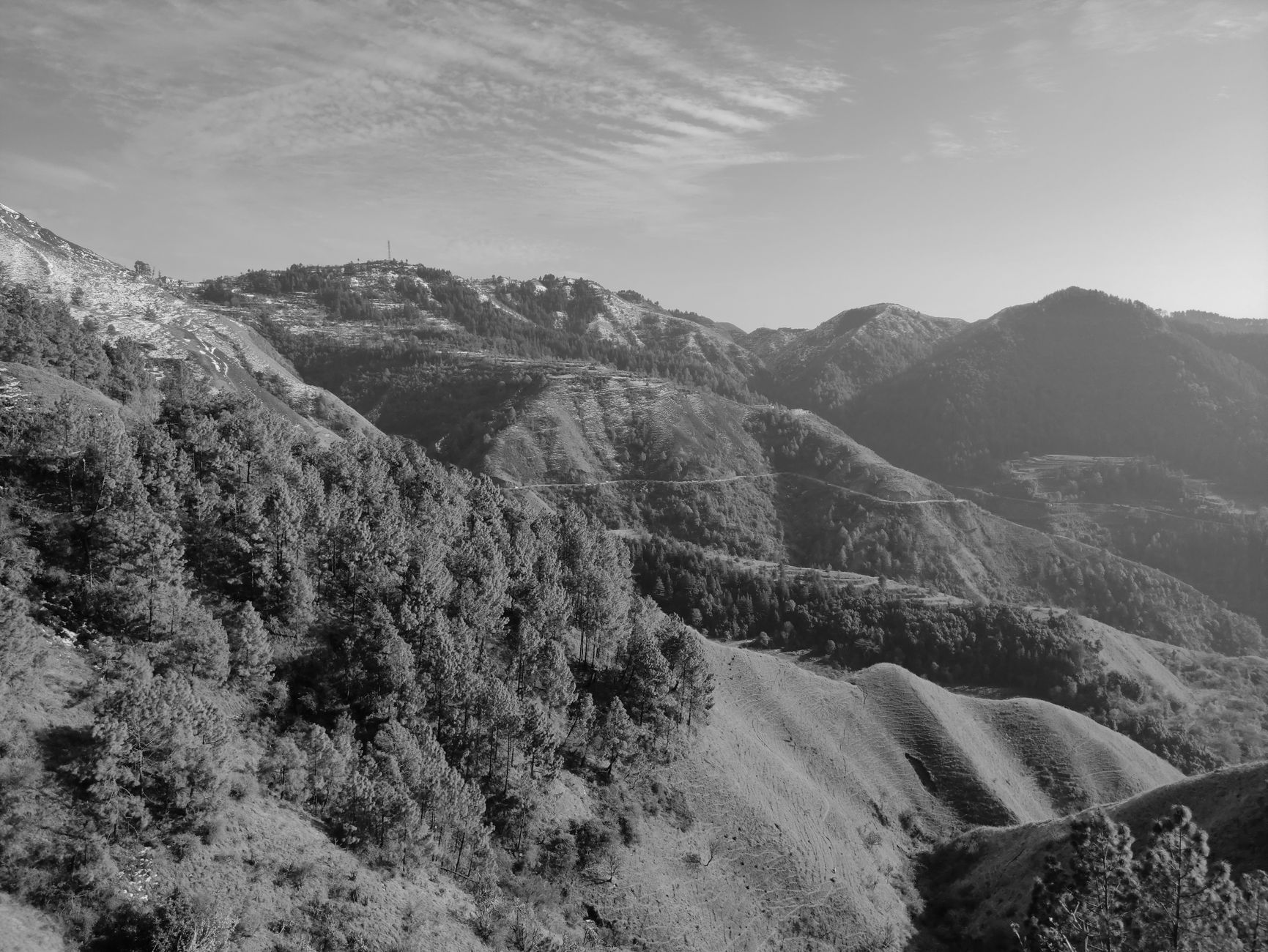
The journey itself is as rewarding as the destination. The moderate 7-kilometer trek from Baggi to Prashar Lake takes 3-4 hours, ascending through dense forests of oak, deodar, and pine that gradually give way to open meadows. The trail is well-marked with red arrows and ribbons, passing through multiple forest clearings where you can rest and spot Himalayan birds like the Monal pheasant, Koklass pheasant, and various woodpeckers. The final approach to the lake opens up dramatically as you emerge from the forest onto vast meadows with the pagoda-style temple silhouetted against the mountains—a moment that makes every uphill step worthwhile.
Visit the Ancient Prashar Rishi Temple
The three-storied pagoda-style temple dedicated to sage Prashar is an architectural marvel built in the 14th century during the reign of Raja Ban Sen. The intricate wooden carvings on the temple’s exteriors depict scenes from Hindu mythology, while the slate-roofed structure showcases traditional Himachali craftsmanship that has withstood centuries of harsh mountain weather. Inside, the sanctum houses an idol of Prashar Rishi alongside representations of Lord Kamrunag. The temple priest performs daily aarti at sunrise and sunset—attending these rituals as the sun illuminates the surrounding peaks is a deeply spiritual experience. Photography is allowed outside but restricted inside the sanctum.
Witness Sunrise and Sunset Over Himalayan Peaks
The panoramic views from Prashar are legendary among trekkers. Position yourself on the meadows above the lake about 30 minutes before sunrise to watch the first golden rays strike the snow-covered peaks of Kinnaur Kailash and the Pir Panjal range. The mountains literally glow orange and pink while the lake below remains in blue shadow—an ethereal sight that photographers wait hours to capture. Sunset is equally spectacular as the setting sun turns the waters gold and the temperature drops rapidly. On exceptionally clear nights, the Milky Way stretches across the sky, visible to the naked eye due to zero light pollution, making Prashar Lake an excellent spot for astrophotography.
Camp Beside the Sacred Lake
Camping at 2,730 meters beside a sacred Himalayan lake, surrounded by towering peaks, is an experience that connects you deeply with nature. Designated camping areas are located on the meadows about 100 meters from the lake (camping directly at the lake edge is prohibited to maintain sanctity). Several camping operators provide tent accommodation with sleeping bags for ₹500-₹800 per person. Alternatively, bring your own camping gear. Nights are cold year-round (even in summer, temperatures drop to 5-8°C), so proper warm clothing is essential. Sitting around a bonfire under the stars, sharing stories with fellow trekkers while sipping chai, captures the essence of Himalayan adventure. The silence at night is profound, broken only by the occasional temple bells.
Explore the Mysterious Floating Island
The lake’s circular floating island is its most enigmatic feature. This piece of land, covered with grass and small vegetation, slowly rotates across the lake’s surface, never remaining in the same position for long. Scientists have studied this phenomenon but cannot fully explain it, while locals maintain it’s a divine manifestation. Walk around the lake’s perimeter (about 300 meters circumference) to observe the island from different angles and watch how its position changes over hours. The lake’s depth has never been successfully measured—attempts with hundreds of meters of rope have failed to reach the bottom, adding to the mystery. Swimming is strictly prohibited as the lake is considered sacred, and the icy cold water (even in summer) makes it dangerous.
Interact with Local Gaddi Shepherds
During summer months (May-September), you’ll encounter Gaddi shepherds who bring their flocks of sheep and goats to the high-altitude pastures around Prashar. These semi-nomadic communities have grazed their animals in these meadows for centuries, and they’re usually friendly and willing to share stories about life in the Himalayas. You can observe their traditional lifestyle, photograph their flocks against the mountain backdrop, and learn about their annual migration patterns. Some shepherds sell fresh dairy products like milk and buttermilk. These interactions provide authentic cultural insight often missing from more commercialized destinations, reminding visitors that the Himalayas are not just scenic backdrops but living landscapes where people maintain centuries-old traditions.
Extend to Nearby Kamrunag Temple Trek
For those with extra time and energy, the Kamrunag Temple trek (located about 20 kilometers from Prashar) makes an excellent extension. This ancient temple dedicated to Lord Kamrunag sits at 3,334 meters and requires a 3-kilometer trek from the nearest motorable point. The temple’s unique feature is the lake beside it where devotees offer money and jewelry—legend says the deity blesses those who make offerings. The trek offers different perspectives of the Kullu and Mandi valleys and fewer crowds than Prashar. You can complete both Prashar and Kamrunag in a 3-4 day itinerary, giving you a comprehensive experience of this region’s trekking and spiritual offerings.
Where to Stay in Prashar Lake trek
Budget Accommodations (Under ₹1000/night): The Forest Rest House at Prashar Lake offers basic rooms with shared bathrooms for ₹400-₹600 per night on a first-come-first-served basis. However, availability is unpredictable and it’s often occupied by forest department staff. In Baggi village, several homestays offer simple rooms with home-cooked meals—try Baggi Homestay (₹500-₹700 per person including dinner and breakfast) or Hill View Guest House (₹600-₹800 per person with meals). These homestays provide basic amenities—clean rooms, hot water in buckets, simple but delicious local food, and genuine Himachali hospitality. Camping is the most popular budget option at ₹500-₹800 per person including tent and sleeping bag with camping operators like Camp Prashar and Prashar Lake Camping. The Guest House near the temple offers dormitory-style accommodation for ₹300-₹500 per bed but fills up quickly during weekends and peak season.
Mid-range Accommodations (₹1000-3000/night): In Mandi town, which many use as a base before heading to Prashar, several mid-range hotels provide comfortable stays. Hotel Regency (₹1,500-₹2,200 per night) offers clean rooms with modern amenities, hot water, and an in-house restaurant. Hotel Evening Plaza (₹1,200-₹1,800 per night) provides good value with comfortable beds, WiFi, and helpful staff who can arrange transport to Baggi. For a more premium experience near the trailhead, Prashar Camps & Guest House offers Swiss cottage tents for ₹2,000-₹2,800 per night including meals, located about 2 kilometers before the lake with spectacular views. Some homestays in Baggi have upgraded to provide attached bathrooms and better facilities in the ₹1,200-₹1,800 range with meals included.
Splurge Options (₹3000+/night): Luxury options are limited at Prashar itself, which actually adds to its charm. The most upscale choice is to stay at The Himalayan Hideaway in Mandi (₹3,500-₹5,000 per night), a boutique property with mountain views, well-appointed rooms, room service, and guided trek arrangements. Alternatively, the Apple Valley Resorts near Barot (about 40 kilometers from Prashar, ₹4,000-₹6,500 per night) offers luxury cottages with valley views, making it possible to do Prashar as a day trek while returning to comfort at night. For the ultimate splurge, Larisa Mountain Resort in Kullu Valley (₹8,000-₹12,000 per night) provides five-star amenities and can arrange private transport and guides for Prashar treks, though it’s 80 kilometers away.
Where to Eat and Local Food
Food options at Prashar Lake itself are limited but authentic. The temple area has 2-3 small dhabas run by locals serving simple meals. Prashar Lake Dhaba near the temple offers hot maggi, chai, parathas, rice-dal, and basic sabzi for ₹50-₹150 per dish. The food is simple but tastes incredible after a trek, and the views while eating are priceless. These dhabas operate seasonally (May-November usually) and during winter may be closed except during weekends.
Local Dishes to Try: Don’t miss Siddu, a local steamed bread made from wheat flour and stuffed with poppy seeds or walnuts, typically served with ghee and dal—it’s a traditional Himachali breakfast that provides great energy for trekking. Patande are sweet pancakes made from wheat flour, often served at homestays for breakfast. Madra is a curry made from chickpeas or rajma (kidney beans) in a yogurt-based gravy flavored with cardamom and cloves—hearty and delicious after a day of trekking. Babru is Himachali kachori stuffed with black gram paste, deep-fried and best enjoyed hot with tamarind chutney.
In Baggi village, homestays serve authentic Himachali home-cooked meals. Baggi Village Restaurant (₹100-₹250 per meal) offers traditional thalis with seasonal vegetables, dal, rice, and roti. Most camping packages include basic meals—typically vegetarian with options like rice, dal, sabzi, and chapati for dinner (₹150-₹250) and parathas, bread-omelet, or poha for breakfast (₹80-₹150).
For more variety, stock up in Mandi before heading to Prashar. Café Dalhousie in Mandi (₹150-₹400 per person) serves North Indian, Chinese, and continental dishes. Baba Ji Dhaba on the Mandi-Kullu highway is famous among locals for authentic Punjabi dhaba food—dal makhani, butter chicken, and tandoori rotis (₹200-₹350 per person). Sher-e-Punjab Restaurant in Mandi town (₹250-₹500 per person) offers a more upscale dining experience with good quality North Indian cuisine. Remember to carry energy bars, dry fruits, and plenty of water for the trek as there’s limited availability on the trail itself.
Practical Tips for Visiting Prashar Lake trek
Permits Required: One of the advantages of Prashar Lake trek is that no special permits are required. Unlike treks in restricted areas, you can simply arrive and start trekking. However, if you’re camping, some camping operators may ask for basic identification (Aadhaar card or any government ID). The Forest Department has started maintaining a register at the trailhead, so be prepared to provide your name, contact details, and home address for safety records—this is free and simply for emergency contact purposes.
Mobile Network Connectivity: Mobile network at Prashar Lake is highly unreliable. BSNL has the best connectivity, with intermittent signal near the temple area and at certain high points during the trek. Airtel and Jio work sporadically at best, usually requiring you to climb to specific spots for signal. Vodafone-Idea has virtually no coverage. In Baggi village, BSNL and Airtel have reasonable connectivity. Plan accordingly—inform family about limited connectivity, download offline maps before starting the trek, and don’t rely on your phone for navigation. This digital detox is actually one of the trek’s blessings, allowing you to truly disconnect and immerse in nature.
ATM Availability: There are no ATMs at Prashar Lake or in Baggi village. The
- Start your trek from Baggi village early morning around 6 AM to catch the sunrise at Prashar Lake and avoid afternoon clouds that often obscure mountain views
- Carry extra water bottles as the only water source is at the lake itself; the trail from Baggi has no refilling points along the steep ascent
- Book the HPPWD rest house or forest guest house at least 2 weeks in advance during peak season through official channels, not local agents
- Take the left trail from Baggi village instead of the right one – it’s 30 minutes longer but offers better panoramic views and gentler gradients for beginners
- Visit the small Kamrunag Temple on your way back by taking a detour from Bakhli; locals consider this combination spiritually complete and the route adds scenic variety
Frequently Asked Questions about Prashar Lake trek
The best time to visit Prashar Lake is from May to November when the weather is pleasant and the trek route is accessible. Winter months (December to March) offer snow-covered landscapes but require prior trekking experience and proper winter gear due to harsh conditions and heavy snowfall.
Prashar Lake trek is considered easy to moderate, making it suitable for beginners and families. The trek is approximately 7-8 kilometers from Baggi village and can be completed in 3-4 hours, with well-marked trails and gradual elevation gains to 2,730 meters.
From Delhi or Chandigarh, take a bus or drive to Mandi (approximately 440 km from Delhi and 200 km from Chandigarh). From Mandi, hire a taxi to Baggi village (40 km), which is the trek starting point, or drive directly to Prashar Lake if roads are accessible.
Yes, you can stay at the PWD Rest House or HPTDC guesthouse near Prashar Lake, which require advance booking. Alternatively, camping is allowed around the lake area, and homestays are available in nearby Baggi village for a more local experience.
Pack comfortable trekking shoes, warm clothing (even in summer as temperatures drop at night), rain gear, sunscreen, a water bottle, energy snacks, and a first-aid kit. If camping, carry a sleeping bag, tent, and torch; winter treks require additional thermal wear and snow gear.
Yes, there is a beautiful three-storied pagoda-style temple dedicated to Sage Prashar located on the banks of the lake. Built in the 13th century, this ancient temple is an important pilgrimage site and features unique wooden architecture with intricate carvings reflecting Himachali craftsmanship.