
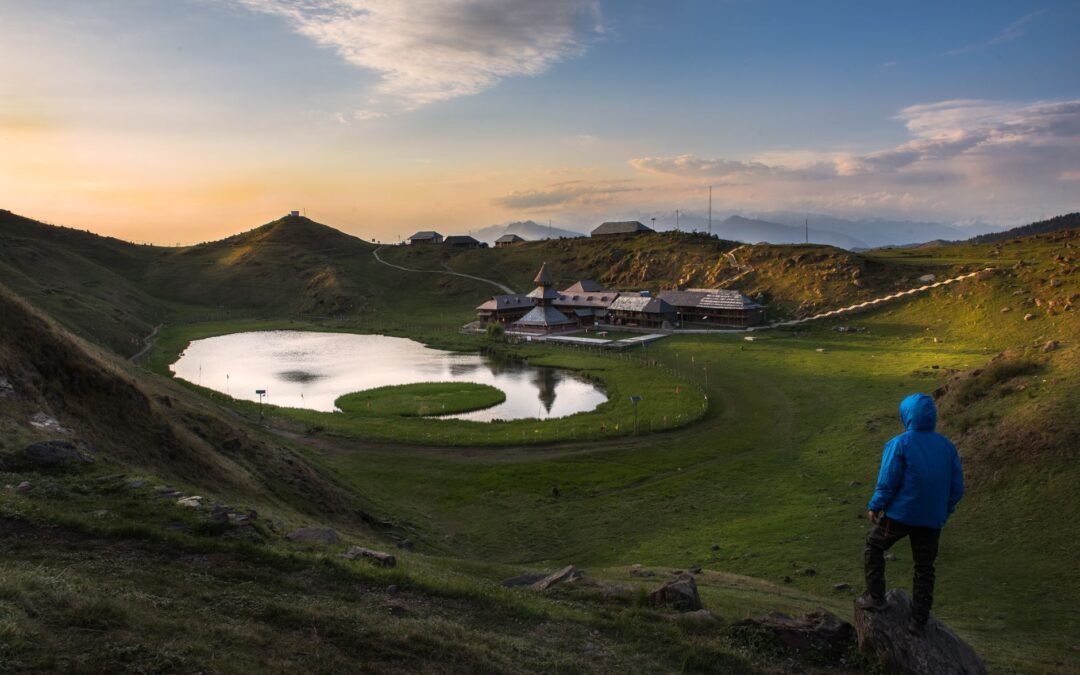
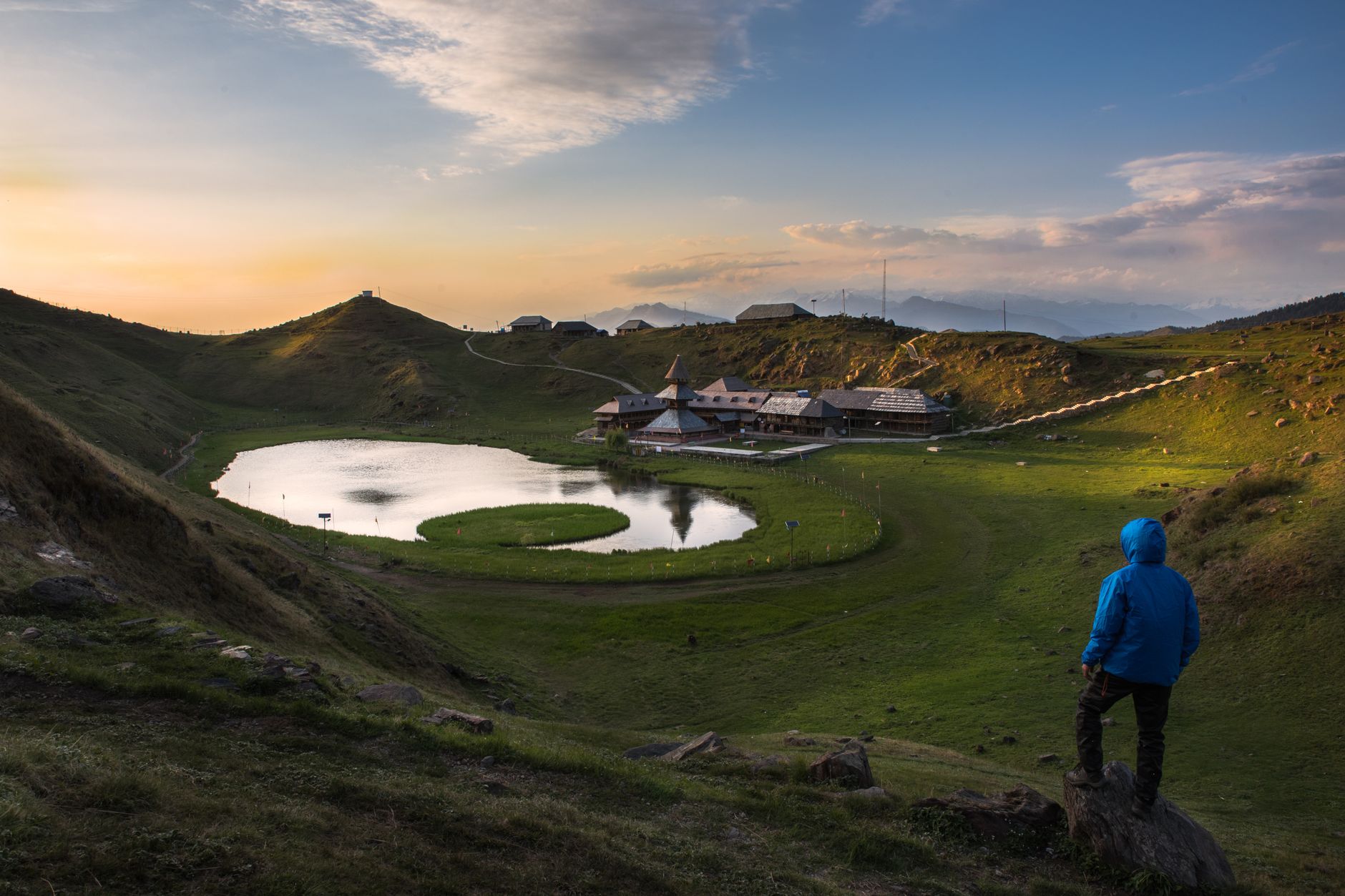
- Prashar Lake sits at 2,730 meters with a stunning three-story pagoda temple and mystical floating island
- The 7 km trek from Baggi village is moderate and suitable for beginners with scenic Dhauladhar range views
- May to November offers ideal trekking conditions, while winter brings snow and requires experience
- HPTDC Rest House and camping near the lake provide budget-friendly overnight stay options
- No mobile network beyond Baggi village, so download offline maps and inform someone about your trek
Introduction
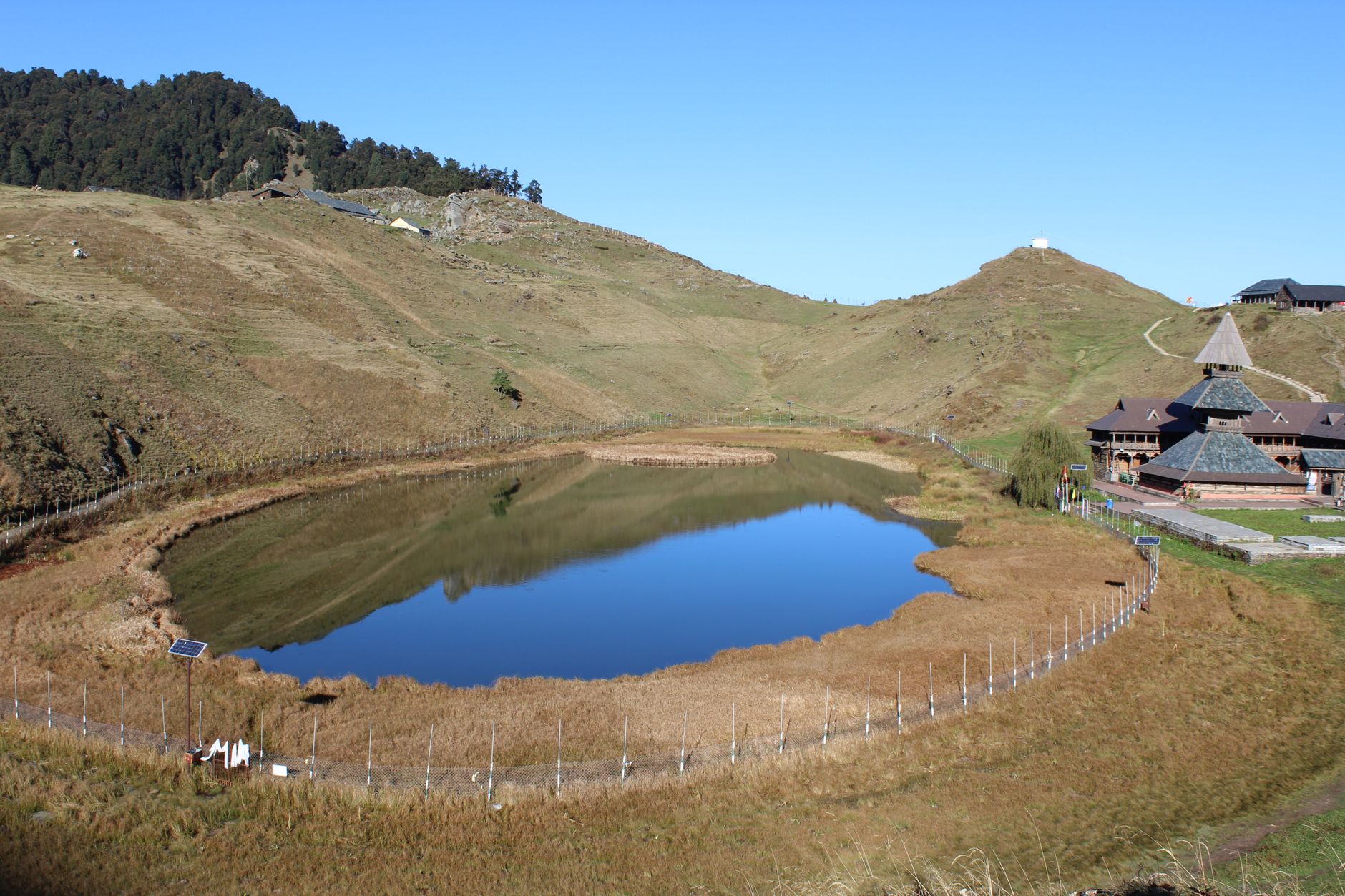
Nestled in the pristine Mandi district of Himachal Pradesh, the Prashar Lake Trek stands as one of the most enchanting yet underrated trekking destinations in the Indian Himalayas. At an elevation of 2,730 meters above sea level, this sacred alpine lake captivates visitors with its deep blue waters, floating island, and the ancient three-storied pagoda-style temple dedicated to the sage Prashar. Unlike the crowded trails of Triund or Kheerganga, Prashar Lake offers trekkers a perfect blend of spiritual tranquility, moderate adventure, and breathtaking panoramic views of the Dhauladhar, Pir Panjal, and Kinnaur mountain ranges, including the majestic Trishul and Kailash peaks.
What makes this trek particularly special is its accessibility combined with its relatively untouched beauty. The journey from Baggi village to Prashar Lake covers approximately 7-8 kilometers of well-marked trails through dense deodar and oak forests, lush meadows adorned with wildflowers, and traditional Himachali hamlets where time seems to have stood still. The trek is manageable for beginners yet rewarding enough for experienced trekkers, making it an ideal weekend getaway from Delhi, Chandigarh, or other northern Indian cities.
The mystery of the lake’s floating island—a circular patch of vegetation that changes position with the wind—has fascinated scientists and spiritual seekers alike for centuries. Local legends attribute the lake’s creation to the Pandavas during their exile, adding layers of mythological significance to the natural wonder. Whether you’re seeking adventure, spiritual solace, or simply an escape from urban chaos, Prashar Lake Trek promises an unforgettable Himalayan experience without the overwhelming tourist crowds.
Quick Facts About Prashar Lake
| Feature | Details |
|---|---|
| Altitude | 2,730 meters (8,960 feet) |
| Best Time to Visit | May to November (peak: May-June, September-October) |
| Distance from Nearest City | 49 km from Mandi, 165 km from Chandigarh, 450 km from Delhi |
| Nearest Airport | Bhuntar Airport (50 km), Chandigarh Airport (165 km) |
| Permits Required | No special permits required for Indian nationals |
| Temperature Range | Summer: 10°C-20°C, Winter: -5°C to 10°C |
| Budget per Day | ₹800-₹1,500 (budget), ₹1,500-₹3,000 (mid-range) |
Why Visit Prashar Lake
Prashar Lake distinguishes itself from countless other Himalayan destinations through its unique combination of geological wonder, architectural heritage, and cultural significance. The lake’s most intriguing feature is its floating island—a phenomenon that has baffled researchers for decades. This circular mass of vegetation genuinely floats on the water’s surface and shifts position depending on wind patterns, creating an ever-changing landscape that ensures no two visits to Prashar are exactly alike. The lake’s depth has never been accurately measured despite numerous attempts, with local folklore claiming it to be bottomless, adding an air of mystique to the serene waters.
The 13th-century Prashar Rishi Temple, built in traditional Himachali pagoda style with intricate wooden carvings, stands as a testament to the region’s architectural brilliance. Unlike many modernized religious sites, this temple has retained its original structure, complete with slate-covered roofs and carved wooden pillars depicting various deities and mythological scenes. The temple priest belongs to a lineage that has served here for generations, maintaining rituals that have remained unchanged for centuries. The annual Prashar Rishi fair held in August (usually during Janmashtami) attracts devotees from across Himachal Pradesh, offering visitors a rare glimpse into authentic Himachali culture.
The panoramic views from Prashar Lake are nothing short of spectacular. On clear days, you can witness an unobstructed 360-degree view of over 300 Himalayan peaks, including the snow-clad summits of Trishul (7,120 meters), Manali peaks, Kinnaur Kailash, and the entire Pir Panjal range. The sunrise and sunset here paint the sky in shades of crimson, gold, and purple, reflecting off the lake’s surface in a display that photographers and nature enthusiasts find irresistible. Unlike more commercialized destinations, Prashar Lake remains relatively crowd-free, allowing for peaceful contemplation and genuine connection with nature. The surrounding alpine meadows, locally called “thach,” burst into a carpet of wildflowers during monsoon season, creating a botanical wonderland that changes character with every passing week.
How to Reach Prashar Lake
By Road from Major Cities: The most common route begins from Mandi, a well-connected town in Himachal Pradesh. From Mandi, take the road toward Baggi village (approximately 42 km), which serves as the main starting point for the trek. The route follows: Mandi → Hanogi Mata Temple → Kataula → Baggi Village. This journey takes about 2-3 hours by private vehicle. From Chandigarh, the total distance is approximately 165 km via NH154 and NH305, taking around 5-6 hours. Delhi is roughly 450 km away, an 11-12 hour journey via NH44 and NH154, though most travelers break this journey with an overnight stay in Chandigarh or Mandi.
By HRTC Bus: Himachal Road Transport Corporation operates regular bus services from Mandi to Baggi village, though frequency is limited to 2-3 buses daily, usually in the morning and afternoon. The bus fare is approximately ₹50-₹80 per person. From Chandigarh, you can take a direct bus to Mandi (₹300-₹450, depending on service type), which runs every hour from the ISBT Sector 43. Alternatively, take a bus to Kullu or Manali and disembark at Mandi. From Delhi, overnight Volvo buses to Mandi cost between ₹800-₹1,200. It’s advisable to book HRTC tickets in advance during peak season through the official HRTC website or counter.
Nearest Airport: Bhuntar Airport (also known as Kullu-Manali Airport) is the closest, located approximately 50 km from the trekking base. From Bhuntar, you can hire a taxi to Baggi village for ₹1,500-₹2,000. Flights from Delhi to Bhuntar operate 3-4 times weekly, depending on weather conditions, with fares ranging from ₹3,500-₹8,000. Chandigarh Airport is a larger alternative at 165 km, with better connectivity to major Indian cities.
Nearest Railway Station: Joginder Nagar Railway Station (approximately 60 km) is the closest, though it’s on a narrow-gauge line with limited services. Chandigarh Railway Station (150 km) and Pathankot Railway Station (190 km) are more practical options with regular trains from Delhi, Mumbai, and other major cities. From Chandigarh station, you can hire a taxi directly to Baggi village for ₹3,500-₹4,500 or take a bus to Mandi and continue from there.
Taxi and Self-Drive Options: Private taxis from Chandigarh to Baggi village cost ₹4,000-₹5,500 depending on vehicle type. From Mandi, expect to pay ₹1,800-₹2,500 for a one-way trip to Baggi. Many travelers prefer hiring a taxi for the entire trip (round-trip with waiting), which costs approximately ₹8,000-₹10,000 from Chandigarh. Self-drive is possible and quite popular, though ensure your vehicle is suitable for mountain roads. The roads are generally well-maintained until Baggi, though some stretches can be narrow with steep drops.
Best Time to Visit Prashar Lake
January to March (Winter): This period transforms Prashar Lake into a winter wonderland, with the lake often freezing over and the entire area blanketed in thick snow. Temperatures drop to -5°C to 5°C, making it suitable only for experienced trekkers equipped for winter conditions. The trek becomes significantly more challenging due to snow accumulation (often 2-4 feet), and the route from Baggi becomes difficult to navigate without a local guide. However, for those seeking solitude and spectacular snow vistas, this season offers an unmatched experience. The temple remains accessible, though accommodation options are limited. Essential gear includes crampons, gaiters, and four-season tents if camping. Road access to Baggi can be disrupted after heavy snowfall.
April to June (Pre-Monsoon/Summer): This is the peak trekking season and the most popular time to visit Prashar Lake. Temperatures range from 10°C to 20°C during the day, creating perfect trekking conditions. The snow begins melting by late April, revealing green meadows that progressively burst into bloom. By May, the rhododendrons paint the forest trails red and pink, while wildflowers carpet the alpine meadows in every imaginable color. Visibility is excellent, offering clear views of the Himalayan ranges. All accommodation options are fully operational, and the trek is easily accessible even for beginners. However, expect larger crowds, especially on weekends and during long holidays. Booking accommodation in advance is strongly recommended. This is also the ideal time for photography and camping under star-studded skies.
July to September (Monsoon): The monsoon season brings its own charm but also challenges. Rainfall is frequent but usually in short bursts, with July and August seeing the heaviest precipitation. The meadows are at their greenest, and wildflowers reach peak bloom, creating a botanist’s paradise. However, trails can become slippery and muddy, and leeches are common in forested sections. Mist and clouds often obscure mountain views, though they create dramatic, mystical landscapes. The annual Prashar Rishi fair typically occurs in August (during Janmashtami), offering cultural immersion but also meaning larger crowds and limited accommodation. If trekking during monsoon, waterproof gear is essential, and the trek requires more caution. The positive aspect is fewer tourists compared to summer months, and surprisingly beautiful weather on clear days between rain spells.
October to December (Post-Monsoon/Early Winter): Many experienced trekkers consider this the best time to visit Prashar Lake. Post-monsoon clarity offers the most spectacular mountain views, with crystal-clear skies revealing every peak in sharp detail. October and November feature comfortable daytime temperatures (5°C to 15°C), though nights get quite cold. The autumn colors transform the forest into a palette of gold, amber, and russet. By November, the first snowfall begins, dusting the peaks and occasionally the lake area itself. December sees decreasing temperatures and increasing snowfall, marking the transition to full winter conditions. This season offers the best photography opportunities with clear skies and dramatic lighting. The crowds thin out considerably after October, providing a more intimate experience with nature. Most accommodations remain open until mid-December.
Top Things to Do in Prashar Lake

Trek Through Alpine Meadows and Deodar Forests
The 7-8 kilometer trek from Baggi village to Prashar Lake is an adventure in itself, taking approximately 4-5 hours for most trekkers. The trail winds through dense deodar and oak forests where sunlight filters through the canopy creating magical light patterns, particularly in the early morning hours. As you gain altitude, the forest gives way to expansive alpine meadows where shepherds graze their flocks during summer months. The well-marked path includes several traditional Himachali hamlets where you can interact with locals and experience their warm hospitality, often being offered chai and homemade snacks that make the climb even more memorable.
Camp Under the Stars
Camping near Prashar Lake offers one of the most spectacular stargazing experiences in Himachal Pradesh. The absence of light pollution combined with the high altitude creates conditions where the Milky Way appears as a luminous river across the sky, and countless constellations become visible to the naked eye. Several designated camping areas near the lake allow overnight stays, with many travelers opting to pitch tents on the meadows overlooking the lake. The experience of sunrise from your tent, with the first light painting the Himalayas gold, is absolutely unforgettable. If you don’t carry camping equipment, several operators in Baggi village offer tents on rent for ₹300-₹500 per night.
Visit the Ancient Prashar Rishi Temple
The 13th-century temple dedicated to Sage Prashar is an architectural marvel that demands unhurried exploration. Built in traditional Himachali pagoda style without using any nails, the temple features exquisite wood carvings depicting various deities, animals, and mythological scenes that have withstood centuries of harsh Himalayan weather. The temple priest, who resides there year-round, shares fascinating stories about the temple’s history and the legends associated with Sage Prashar and the Pandavas. During evening aarti (prayer ceremony), the temple’s spiritual ambiance intensifies, with the sound of bells and chants echoing across the tranquil lake, creating a meditative atmosphere that transcends religious boundaries.
Photography and Nature Observation
Prashar Lake is a photographer’s paradise offering diverse subjects from landscape and wildlife to cultural and architectural photography. The changing light throughout the day creates dramatically different moods—the soft morning light perfect for landscape shots, harsh midday sun highlighting the lake’s deep blue color, and golden hour transforming everything into warm, ethereal scenes. Wildlife enthusiasts can spot Himalayan birds including the Western Tragopan (Himachal’s state bird), monal pheasants, and various species of eagles. The floating island provides an ever-changing foreground for compositions, while the reflection of surrounding peaks in the lake’s still waters creates mirror-image opportunities that are particularly stunning during sunrise and sunset.
Explore Nearby Villages and Interact with Locals
The villages surrounding Prashar Lake—including Baggi, Jwalapur, and Kahangarh—offer authentic insights into traditional Himachali lifestyle that remains largely unchanged by modern tourism. Walking through these hamlets, you’ll encounter traditional wooden houses with slate roofs, terraced fields cultivated using age-old methods, and locals engaged in traditional occupations like weaving, farming, and animal husbandry. Most villagers are remarkably hospitable, often inviting travelers for tea and conversations that provide deep cultural understanding. Many homestays in these villages allow you to participate in daily activities like farming, cooking traditional meals, or attending local festivals, creating meaningful connections that transform a simple trek into a cultural immersion experience.
Paragliding from Billing (Extended Trip)
While not at Prashar Lake itself, the world-famous paragliding site of Billing is only about 60 km away and can be combined with the Prashar Lake trek for an extended adventure. Billing is consistently ranked among the top paragliding destinations globally, hosting the Paragliding World Cup. After the serene, grounded experience at Prashar Lake, the adrenaline rush of soaring over the Kangra Valley offers a contrasting perspective of Himachal’s beauty. A tandem paragliding flight from Billing to Bir costs approximately ₹2,500-₹3,500 and takes 20-30 minutes, offering bird’s-eye views of tea gardens, monasteries, and the Dhauladhar range. Many tour operators offer packages combining both destinations.
Where to Stay in Prashar Lake
Budget Options (Under ₹1000/night): The Forest Rest House near Prashar Lake offers the most authentic experience with basic accommodation in dormitory-style rooms for approximately ₹200-₹400 per bed. However, booking requires prior permission from the Forest Department in Mandi, and availability is limited. Camping on designated grounds near the lake is the most popular budget option, with several operators charging ₹400-₹800 per person including tent, sleeping bag, and basic meals. In Baggi village, Guru Kripa Guest House and Shiva Guest House offer simple rooms with attached bathrooms for ₹600-₹900 per night. The temple trust also maintains a dharamshala offering very basic accommodation for pilgrims at minimal charges (₹100-₹300), though facilities are rudimentary with shared bathrooms and no guaranteed availability.
Mid-Range Options (₹1000-3000/night): Baggi village and the surrounding area have seen several homestays emerge in recent years, offering comfortable stays with authentic Himachali hospitality. Zostel Himachal Prashar Lake, located in Baggi, offers dormitory beds (₹800-₹1,200) and private rooms (₹2,000-₹2,800) with modern amenities, common areas perfect for socializing, and organized activities. Parashar Camps and Resorts provides semi-permanent tents with proper beds and attached washrooms for ₹1,500-₹2,500 per night including meals, positioned closer to the lake with spectacular views. Himgiri Homestay in Baggi village (₹1,200-₹1,800 per room) offers traditionally designed wooden rooms with home-cooked meals prepared using organic ingredients from their own farms. Devbhoomi Camps charges ₹1,800-₹2,500 for Swiss tents with basic amenities and organized bonfire evenings.
Splurge Options (₹3000+/night): While Prashar Lake area maintains a relatively rustic charm without luxury resorts, Riverside Luxury Camps located in Jhanjehli (about 25 km from Baggi) offers premium accommodation for ₹3,500-₹5,000 per night. These luxury tents feature proper beds, attached bathrooms with hot water, and valley views, along with multi-cuisine dining options. The property also arranges guided treks to Prashar Lake with packed lunches. For those willing to stay further away, Mandi town offers several hotels like Regenta Resort Manali by Royal Orchid (₹4,500-₹8,000 per night) where you can base yourself while doing day trips to Prashar, though this reduces the immersive experience. Some high-end travel companies offer fully organized camping experiences at Prashar with luxury tents, personal guides, and gourmet meals for approximately ₹8,000-₹12,000 per person per night, though these are typically available only during peak season and require advance booking.
Where to Eat and Local Food
Local Dishes to Try: The food around Prashar Lake reflects authentic Himachali cuisine that’s hearty, warming, and perfect for the mountain climate. Siddu is a must-try local delicacy—steamed wheat bread stuffed with poppy seeds, crushed walnuts, or vegetables, typically served with ghee and enjoyed with a cup of tea during the trek. Madra, a chickpea curry cooked with yogurt and traditional spices, represents the region’s culinary heritage and is usually prepared during festivals and special occasions. Aktori, a pancake made from buckwheat flour and wheat, is commonly prepared in local homes and makes for a filling breakfast or snack. Thukpa, the Tibetan noodle soup, has become popular in the region and is perfect comfort food after a long trek, warming you from inside while providing necessary carbohydrates and nutrition.
Dhabas and Restaurants: The dining options around Prashar Lake are limited and primarily consist of small dhabas and homestay kitchens, which is part of the destination’s authentic charm. Prashar Dhaba in Baggi village is the most well-known eatery, run by a local family who serve simple yet delicious meals including rice, dal, sabzi, and roti for approximately ₹100-₹150 per meal. They also make excellent parathas (₹30-₹50 each) and provide packed lunch options for trekkers at ₹150-₹200. Baggi Village Tea Stall near the starting point of the trek is famous among trekkers for its masala chai (₹10-₹20) and Maggi (₹30-₹50), along with samosas and pakoras during afternoon hours.
Hill Top Cafe in Baggi offers slightly more variety with attempts at multi-cuisine food including Chinese and continental dishes alongside Indian meals, with prices ranging from ₹120-₹250 per dish. The quality can be inconsistent, but the views from their outdoor seating make up for it. Zostel Himachal Prashar Lake’s cafe provides a more cosmopolitan menu catering to young travelers, offering pasta (₹180-₹250), sandwiches (₹100-₹150), and various breakfast options (₹80-₹200), along with decent coffee that’s rare to find in this region. Most homestays prepare meals for guests at ₹200-₹400 per meal, usually offering authentic Himachali thalis that include dal, rice, seasonal vegetables, raita, and roti.
Near the lake itself, food options are virtually non-existent except for a small tea stall that operates seasonally during peak months, selling biscuits, chips, and tea. It’s strongly advisable to carry energy bars, dry fruits, and water bottles from Baggi village. If camping, most operators include meal packages in their charges, typically providing breakfast, packed lunch for trekking, evening snacks, and dinner cooked at the campsite. The food is usually simple but freshly prepared—expect rajma-chawal, dal-roti, vegetable curry, and sometimes chicken curry, with meals priced at approximately ₹800-₹1,200 per day if purchased separately from accommodation.
Practical Tips for Visiting Prashar Lake
Permits and Documentation: Indian nationals do not require any special permits to visit Prashar Lake, making it one of the most accessible Himalayan destinations. However, carrying valid photo identification (Aadhaar Card, Voter ID, Driving License, or Passport) is mandatory and will be checked at various points. Foreign nationals need to register with the Foreigners’ Regional Registration Office (FRRO) if staying longer than the visa stipulations, though this is rarely applicable for a short trek. If you plan to camp overnight near the lake, it’s courteous to inform the temple priest or caretaker, though no official permission is required. Photography is allowed freely, and no camera fees are charged at the temple or lake area. However, drone flying requires prior permission from local authorities and the Forest Department.
Mobile Network Connectivity: Mobile network coverage at Prashar Lake and surrounding areas is limited and unpredictable. BSNL typically offers the most reliable connectivity in the region, with sporadic 2G to 3G signals available at Baggi village and occasionally near the temple area. Airtel and Jio networks function intermittently in Baggi village but become virtually non-existent as you ascend toward the lake. Vodafone/Vi has minimal to no coverage in this area. It’s advisable to inform family and friends beforehand that you’ll be off-grid for the duration of your trek. If you need to make important calls or require internet access, do so from Baggi village before starting the trek or from Mandi town. Many travelers find this digital detox refreshing, allowing complete immersion in the natural surroundings. Emergency situations can be handled through the temple priest who has access to satellite phone facilities.
ATM and Cash Availability: There are no ATMs at Prashar Lake or in Baggi village. The nearest functional ATMs are located in Mandi town, approximately 42 km away, where you’ll find branches of SBI, PNB, HDFC, and ICICI banks. It’s crucial to withdraw sufficient cash before heading to Prashar Lake as virtually all transactions in the area—accommodation, food, guides, camping fees, and transportation—are cash-only. Digital payment options are extremely limited, with only a few establishments in Baggi accepting UPI or Paytm, and that too when network connectivity permits. As a guideline, carry at least ₹5,000-₹7,000 per person for a 2-3 day trip, including accommodation, meals, guide fees if required, and contingency funds. Keep the cash in waterproof pouches and distributed across different bags to minimize risk.
Medical Facilities: Medical facilities near Prashar Lake are extremely basic. Baggi village has a small primary health center that can handle minor ailments, cuts, and provide first aid, but don’t expect anything beyond basic medication and bandaging. The nearest proper medical facility is the Civil Hospital in Mandi (42 km away), which has doctors, emergency services, and basic surgical facilities. For serious medical emergencies, Chandigarh (165 km) is the closest city with multi-specialty hospitals and advanced medical care. It’s absolutely essential to carry a personal first-aid kit containing bandages, antiseptic cream, pain relievers, altitude sickness medication (Diamox), anti-diarrheal medicine, antihistamines for allergies, and any personal prescription medications. Common health issues trekkers face include minor cuts and bruises, altitude-related headaches (though 2,730 meters rarely causes serious altitude sickness), dehydration, and upset stomach from change in food and water. The temple priest and locals are familiar with basic mountain remedies and can be helpful in non-serious situations.
What to Pack: Packing appropriately can make the difference between an enjoyable and miserable experience at Prashar Lake. Clothing: Layer your clothing with moisture-wicking base layers, insulating mid-layers (fleece or down jacket depending on season), and waterproof outer shell. Even in summer, temperatures drop significantly after sunset, so carry warm clothing. Trekking pants, 2-3 t-shirts, thermal wear for cold months, woolen cap, gloves, and 2-3 pairs of trekking socks are essential. Footwear: Proper trekking shoes with good grip and ankle support are non-negotiable—the trail has steep sections and can be slippery. Carry an extra pair of comfortable sandals or flip-flops for the campsite. Trekking Gear: A comfortable backpack (40-50 liters), trekking pole for knee support on descents, headlamp or flashlight with extra batteries, water bottles (2 liters capacity minimum), water purification tablets, and sunglasses for snow glare protection. Camping Equipment: If camping independently, you’ll need a tent rated for the season, sleeping bag (comfort rating suitable for expected temperatures), sleeping mat, and camping stove with fuel. Toiletries and Personal Items: Sunscreen (SPF 50+), lip balm, moisturizer for dry mountain air, toilet paper and tissues, hand sanitizer, wet wipes, and biodegradable soap. Women should carry appropriate sanitary products as these aren’t available locally. Food and Snacks: Energy bars, dry fruits, nuts, chocolate, electrolyte powder, and ready-to-eat meals if planning to camp. Documentation: Photocopies of ID proof, emergency contact numbers written down (not just stored in phone), and some passport-size photographs. Optional but Recommended: Camera with extra batteries and memory cards, power bank, book for leisure reading, binoculars for bird watching, and a journal to document your experiences.
Safety Tips: While Prashar Lake trek is considered relatively safe, following basic precautions ensures a trouble-free experience. Start your trek early in the morning (6-7 AM from Baggi) to reach the lake by early afternoon, allowing ample time before darkness falls around 6 PM in summer and 5 PM in winter. The trail is well-marked, but hiring a local guide (₹800-₹1,200 per day) is recommended for first-time visitors, especially during monsoon or winter when trails can be obscured. Never trek alone; always go in groups of at least 2-3 people. Inform your homestay or hotel about your trekking plans and expected return time. Stay hydrated by drinking water regularly throughout the trek, but ensure water is purified either through boiling or purification tablets. Avoid drinking directly from streams despite their clear appearance. Respect the lake’s sanctity by not polluting it—no washing clothes, bathing, or throwing waste. The entire area around the lake is considered sacred, and locals are particularly sensitive about maintaining its purity. Carry back all non-biodegradable waste including plastic bottles, wrappers, and cans. Do not light fires except in designated camping areas, and even then, use only designated fire pits. The wooden temple and surrounding forests are extremely vulnerable to fire hazards. Be cautious of dogs in villages—while mostly harmless, some can be territorial. If you encounter wildlife like Himalayan black bears (rare but possible), maintain distance and never attempt to feed them. Weather in mountains changes rapidly; if you see dark clouds gathering, find shelter immediately as thunderstorms can be dangerous at high altitude. For winter treks, be prepared for snow-related challenges and ensure you have proper gear including crampons if trekking through deep snow. Women travelers generally find Himachal Pradesh safe, but it’s advisable to dress modestly respecting local sensibilities, especially around the temple area. Emergency evacuation from Prashar Lake can be challenging and time-consuming, so adequate travel insurance covering trekking activities and emergency helicopter evacuation is strongly recommended.
Final Thoughts
The Prashar Lake Trek embodies everything that makes Himachal Pradesh a trekker’s paradise—natural beauty, spiritual significance, cultural authenticity, and accessibility—all wrapped into one moderately challenging yet immensely rewarding experience. Unlike many overcrowded Himalayan destinations that have lost their charm to mass tourism, Prashar Lake retains an unspoiled quality that allows for genuine connection with both nature and local culture. The mystical floating island, the architectural splendor of the ancient temple, the warmth of Himachali hospitality, and those breathtaking 360-degree mountain panoramas create memories that linger long after your trek ends. Whether you’re an experienced trekker seeking a weekend adventure, a spiritual seeker looking for peaceful contemplation, a photography enthusiast chasing perfect light, or simply someone yearning to escape the monotony of urban life, Prashar Lake welcomes you with open arms and delivers an experience that often exceeds expectations.
The best time to embark on this journey is now—before word spreads further and this hidden gem becomes another overcrowded tourist spot. Pack your bags, gather your friends or embrace solo adventure, and set out to discover this jewel of the Mandi district. The mountains are calling, and Prashar Lake awaits your footsteps on its ancient trails. For more detailed guides, insider tips, accommodation recommendations, and comprehensive information about Prashar Lake Trek and countless other stunning destinations across Himachal Pradesh, continue exploring aguidetohimachal.com—your trusted companion for authentic mountain experiences in the Himalayas. Let every trek be a story worth telling, and may Prashar Lake become one of your most cherished chapters in the great adventure of life.
- Start your trek from Baggi village before 2 PM to reach the lake before sunset, as the forest trail gets tricky in darkness
- Carry cash for camping permits and temple offerings as there are no ATMs; the last ATM is in Mandi town
- Book HPTDC Rest House rooms at least 2 weeks in advance during peak season as only 4 rooms are available
- Fill water bottles at Baggi village as the next reliable water source is only at the lake; avoid drinking lake water directly
- Camp on the right side of the temple for better sunrise views over Dhauladhar peaks and protection from evening winds
Frequently Asked Questions about Prashar Lake Trek
Prashar Lake is situated at an elevation of 2,730 meters (8,960 feet) above sea level in the Mandi district of Himachal Pradesh. This moderate altitude makes it accessible for both beginners and experienced trekkers while offering stunning panoramic views of the Dhauladhar, Pir Panjal, and Kinnaur mountain ranges.
The best time to visit Prashar Lake is from May to November, with peak trekking months being May-June and September-October. During summer (May-June), temperatures range from 10°C to 20°C, while winter temperatures can drop to -5°C to 10°C, making the trek comfortable in warmer months.
Prashar Lake is located 49 km from Mandi, 165 km from Chandigarh, and 450 km from Delhi. The nearest airport is Bhuntar Airport at 50 km, and Chandigarh Airport is 165 km away, making it an ideal weekend getaway from northern Indian cities.
The trek from Baggi village to Prashar Lake covers approximately 7-8 kilometers of well-marked trails. The route passes through dense deodar and oak forests, lush meadows with wildflowers, and traditional Himachali hamlets, making it manageable for beginners yet rewarding for experienced trekkers.
No special permits are required for Indian nationals to trek to Prashar Lake. This ease of access, combined with its relatively untouched beauty, makes it more convenient than many other Himalayan trekking destinations.
The budget for Prashar Lake Trek ranges from ₹800-₹1,500 per day for budget travelers and ₹1,500-₹3,000 per day for mid-range travelers. This affordable cost makes it an accessible trekking option for various budgets while experiencing the pristine beauty of the Himalayas.