
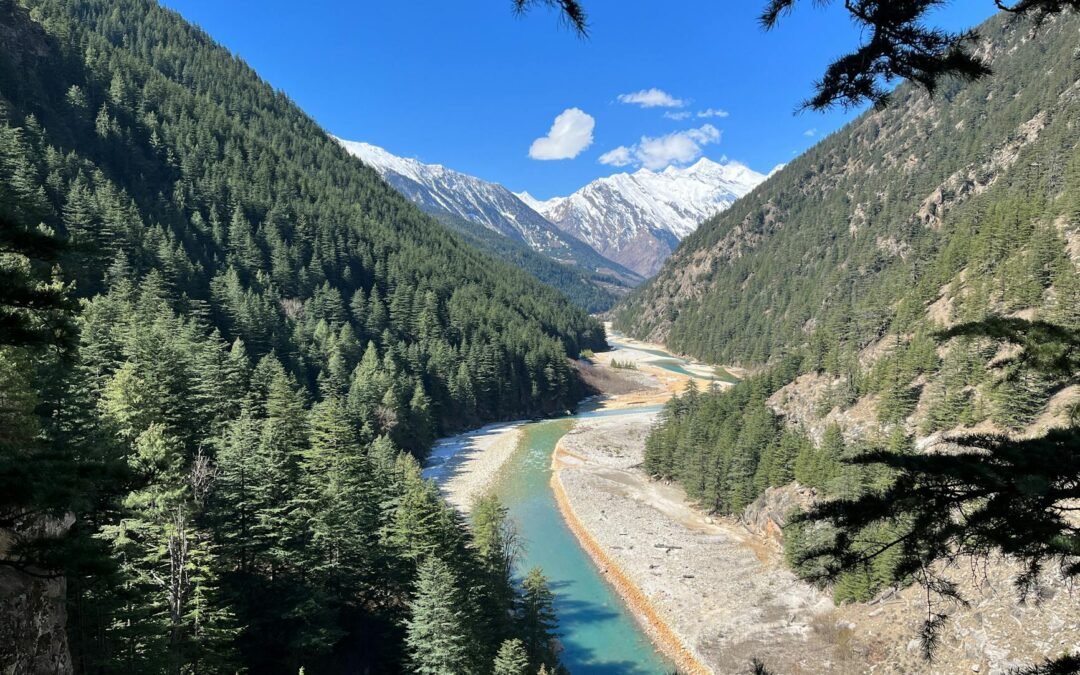
- Sangla Valley sits at 2,680 meters altitude in Kinnaur district, offering pristine Baspa River views and apple orchards
- Best visited from April to October when roads are accessible and weather is pleasant for sightseeing
- Inner Line Permit required for Indian tourists to visit areas beyond Sangla towards Indo-Tibet border
- Chitkul village, last inhabited village near Indo-China border, lies just 25 km from Sangla Valley
- Traditional Kinnauri architecture and Buddhist-Hindu cultural blend make this valley culturally unique
- Introduction
- Quick Facts About Sangla Valley Kinnaur
- Why Visit Sangla Valley Kinnaur
- How to Reach Sangla Valley Kinnaur
- Best Time to Visit Sangla Valley Kinnaur
- Top Things to Do in Sangla Valley Kinnaur
- Where to Stay in Sangla Valley Kinnaur
- Where to Eat and Local Food
- Practical Tips for Visiting Sangla Valley Kinnaur
- Final Thoughts
- Frequently Asked Questions
Introduction
Nestled in the heart of Kinnaur district, Sangla Valley Kinnaur stands as one of Himachal Pradesh’s most breathtaking yet underexplored treasures. Cradled by snow-capped peaks and bisected by the roaring Baspa River, this enchanting valley offers travelers an authentic Himalayan experience far removed from the commercialized tourist circuits. The valley stretches approximately 16 kilometers along the river, with the picturesque village of Sangla serving as its crown jewel at an altitude of 2,680 meters above sea level.
What sets Sangla Valley apart is its unique blend of raw natural beauty and rich cultural heritage. Ancient wooden temples with intricate slate roofs dot the landscape, apple orchards carpet the valley floor in spring, and traditional Kinnauri architecture showcases the region’s distinctive identity. The valley serves as a gateway to some of Kinnaur’s most spectacular treks and offers glimpses into a way of life that has remained largely unchanged for centuries. Whether you’re standing beneath the towering deodar forests, exploring the legendary Kamru Fort, or simply watching the Baspa River carve its way through rocky gorges, Sangla Valley promises an experience that lingers in memory long after you’ve returned home.
This comprehensive guide will take you through everything you need to know about planning your journey to this Himalayan paradise, from practical travel logistics to hidden gems that most guidebooks overlook. Sangla Valley isn’t just a destination—it’s an invitation to disconnect from the chaos of modern life and reconnect with the timeless rhythms of mountain existence.
Quick Facts About Sangla Valley Kinnaur

| Altitude | 2,680 meters (8,793 feet) |
|---|---|
| Best Time to Visit | April to June, September to October |
| Distance from Nearest City | Shimla: 230 km, Rampur: 140 km |
| Nearest Airport | Shimla Airport (Jubbarhatti): 245 km |
| Permits Required | Inner Line Permit (ILP) for certain areas beyond Sangla |
| Temperature Range | Summer: 10°C to 25°C, Winter: -10°C to 10°C |
| Budget per Day | ₹1,500 to ₹3,500 (depending on accommodation and activities) |
Why Visit Sangla Valley Kinnaur
Sangla Valley distinguishes itself through its extraordinary geological diversity and cultural richness that you won’t find replicated elsewhere in Himachal. The valley presents a transitional landscape where the lush green valleys of Himachal gradually give way to the stark, dramatic terrain of the trans-Himalayan region. This unique positioning creates microclimates supporting everything from abundant apple and cherry orchards to alpine meadows bursting with wildflowers during summer months.
The architectural heritage here tells stories spanning centuries. The Kamru Fort, perched dramatically on a cliff overlooking Sangla village, dates back over 800 years and features a stunning six-story tower constructed entirely from local wood and stone. The fort houses a temple dedicated to the local deity Kamaksha Devi, with its Buddhist-influenced pagoda-style architecture showcasing the region’s syncretic spiritual traditions. Similarly, the Bering Nag Temple, constructed from interlocking timber without a single nail, exemplifies the sophisticated indigenous building techniques that have withstood countless Himalayan winters.
The Baspa River, fed by glacial melt from the Baspa valley, is renowned among trout fishing enthusiasts as one of India’s premier destinations for the sport. The crystal-clear waters teem with rainbow and brown trout, making it a paradise for anglers with proper permits. Beyond fishing, the riverbanks offer countless spots for meditation, photography, and simply absorbing the therapeutic sounds of rushing water against ancient boulders.
What truly makes Sangla Valley exceptional is its authentic Kinnauri culture, which remains vibrant and accessible to respectful visitors. The locals, predominantly following a blend of Hinduism and Buddhism, maintain traditions that predate written records. Their distinctive language, Kinnauri, their traditional attire featuring intricate woolen caps and shawls, and their festivals celebrating harvest and deities create an immersive cultural experience. Unlike more touristy destinations, you can still witness daily life largely unaffected by mass tourism—women weaving traditional patterns, men tending orchards using age-old techniques, and communities gathering for ceremonial occasions.
How to Reach Sangla Valley Kinnaur
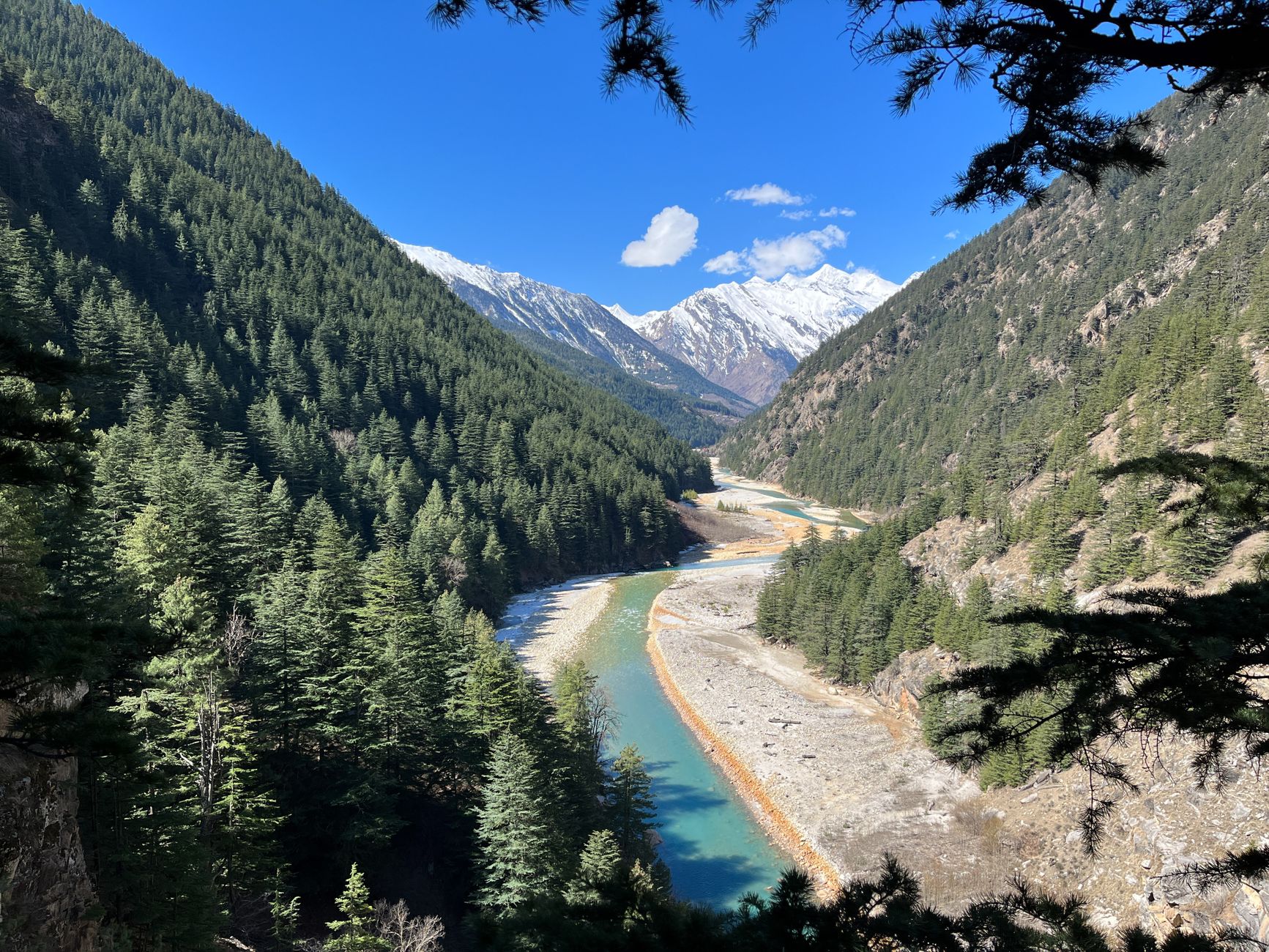
By Road: The most common and scenic route to Sangla Valley begins from Shimla. From Shimla, travel via NH5 towards Rampur Bushahr (130 km), then continue on NH5 through Jeori, Karcham, and Powari before turning off toward Sangla (another 100 km from Rampur). The total distance from Shimla is approximately 230 km and typically takes 8-10 hours depending on road conditions and stops. The road is paved but narrow in sections, with hairpin bends offering spectacular views of the Sutlej River valley. An alternative route from Chandigarh covers approximately 430 km via Shimla, taking around 12-14 hours.
By HRTC Bus: Himachal Road Transport Corporation (HRTC) operates regular bus services to Sangla. From Shimla, direct buses to Sangla depart from the main bus stand, with departures typically in the early morning (around 6:00 AM). The journey costs between ₹350 to ₹500 depending on whether you choose ordinary or deluxe services. Buses from Rampur Bushahr to Sangla are more frequent, running throughout the day, with fares around ₹150 to ₹200. During peak season (May-June), it’s advisable to book tickets at least a day in advance. Alternatively, you can take buses to Karcham or Powari and then hire a local taxi for the remaining 17 km to Sangla, which costs approximately ₹600 to ₹800.
Nearest Airport: Shimla Airport (Jubbarhatti) is the closest airport, located 245 km away. However, flights here are limited and weather-dependent. A more reliable option is Chandigarh International Airport, approximately 420 km away, which offers better connectivity to major Indian cities. From either airport, you’ll need to arrange road transport to Sangla via taxi or bus.
Nearest Railway Station: Shimla Railway Station is the nearest major railhead at 230 km. However, the Kalka-Shimla toy train, while scenic, is time-consuming. Most travelers prefer Chandigarh Railway Station (400 km) or Kalka Railway Station (385 km), both well-connected to Delhi, Mumbai, and other major cities, followed by road journey to Sangla.
Taxi Costs: From Shimla to Sangla, a private taxi costs between ₹4,500 to ₹6,500 depending on vehicle type (₹5,000 to ₹7,500 for SUVs). From Chandigarh, expect to pay ₹8,000 to ₹12,000. Many travelers share taxis from Shimla or Rampur to reduce costs, bringing individual expenses down to ₹1,200 to ₹1,800 per person. Local taxis within Sangla Valley charge approximately ₹1,500 to ₹2,000 per day for sightseeing, or ₹10-15 per kilometer for shorter trips.
Best Time to Visit Sangla Valley Kinnaur
January to March (Winter): Sangla transforms into a winter wonderland during these months, with heavy snowfall often making roads impassable, particularly in January and February. Temperatures plummet to -10°C or lower at night, with daytime temperatures hovering around 0°C to 10°C. The valley receives its maximum snowfall during this period, and the road from Karcham to Sangla frequently closes due to snow accumulation. This is the least favorable time for first-time visitors unless you’re specifically seeking a remote, snow-bound experience. Most hotels and guesthouses operate at minimal capacity or close entirely. However, if you do manage to visit during late February or March when roads occasionally clear, you’ll witness pristine snow-covered landscapes with virtually no tourists.
April to June (Spring and Early Summer): This is widely considered the best time to visit Sangla Valley. April brings the valley back to life as snow melts, roads reopen, and apple orchards burst into beautiful white and pink blossoms. Temperatures range from 10°C to 25°C, perfect for outdoor activities. May and June offer clear skies, maximum accessibility to all attractions, and comfortable weather for trekking. This is peak tourist season, especially in May-June when Indian schools break for summer vacation, so book accommodations in advance. All hotels, homestays, and restaurants operate at full capacity. The Baspa River flows energetically with snowmelt, creating spectacular cascades and rapids. This period is ideal for trout fishing, village walks, and photography.
July to September (Monsoon): The monsoon season brings mixed conditions to Sangla Valley. While rainfall here is less intense than in other parts of Himachal, the region still experiences occasional heavy showers, particularly in July and August. Temperatures remain pleasant (15°C to 22°C), but the risk of landslides increases significantly along the access roads, especially on the Shimla-Sangla highway. September marks the transition period as monsoons recede, bringing fresh greenery and fewer tourists. Post-monsoon September is actually an excellent time to visit, with clear post-rain views, revitalized landscapes, and reduced tourist crowds. However, always check road conditions before traveling during these months, as landslides can cause temporary closures.
October to December (Autumn and Early Winter): October is another prime time to visit Sangla Valley. The weather remains crisp and clear with temperatures ranging from 5°C to 20°C. Apple harvest season is in full swing, and you can witness local life at its most vibrant as orchards yield their bounty. The skies are exceptionally clear, offering stunning views of surrounding snow-capped peaks. November sees temperatures dropping (0°C to 15°C), with early snowfall possible toward month-end. December brings the onset of serious winter, with snowfall beginning and temperatures often dipping below freezing. Roads remain accessible in early December but become increasingly challenging as the month progresses. Most tourist facilities begin closing by mid-December as the valley prepares for its winter hibernation.
Top Things to Do in Sangla Valley Kinnaur
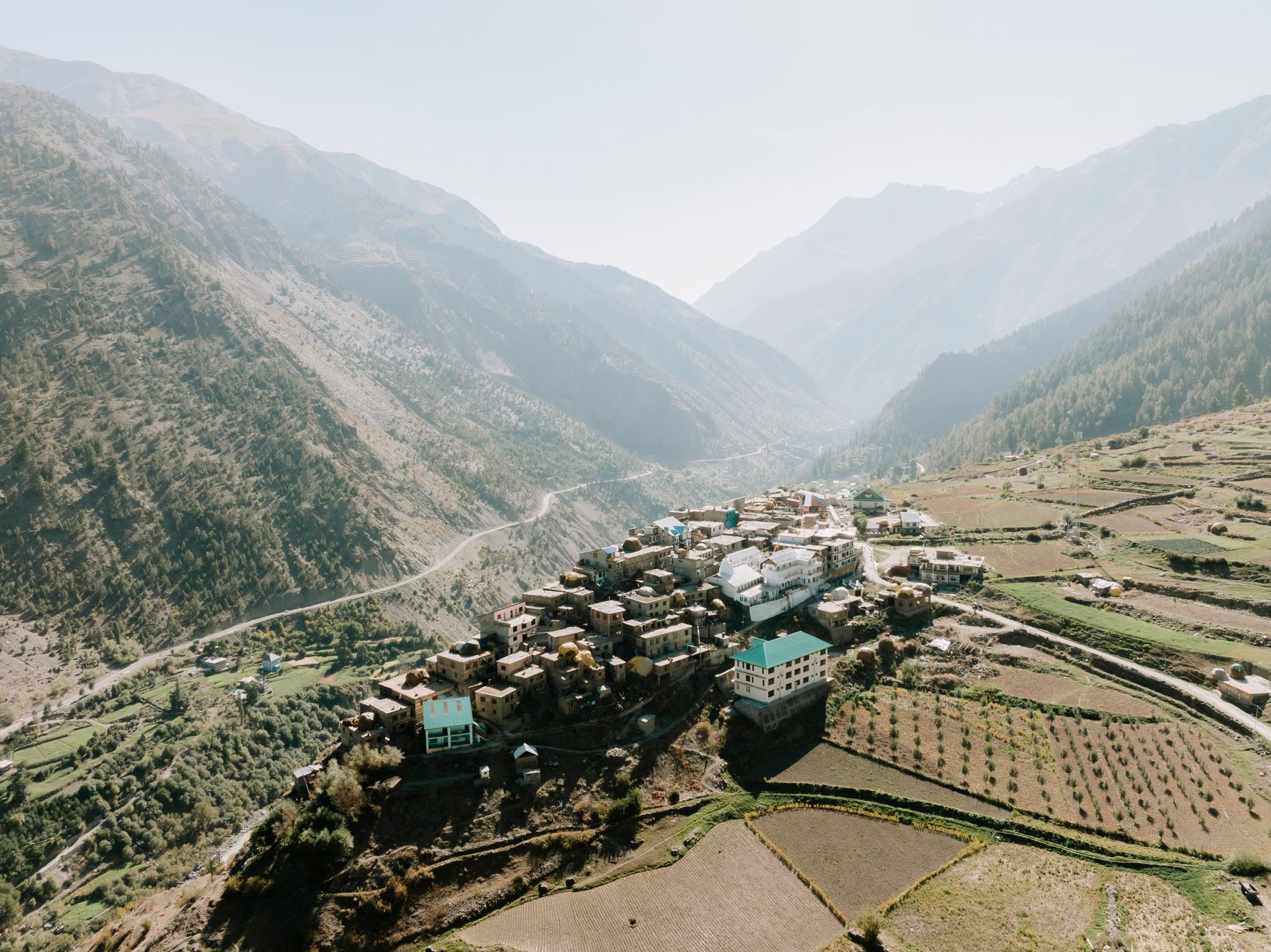
Explore Kamru Fort and Village
The ancient Kamru Fort, standing majestically above Sangla village, demands at least half a day of exploration. This historical marvel served as the erstwhile capital of the Bushahr kingdom and houses the Kamaksha Devi temple within its tower structure. The climb to the fort is steep but rewards visitors with panoramic views of the entire Sangla Valley. The fort’s architecture is particularly fascinating—constructed with alternating layers of stone and timber, a traditional earthquake-resistant technique. Inside, you’ll find ancient Buddhist carvings and murals alongside Hindu deities, reflecting the region’s syncretic religious traditions. The caretaker often shares fascinating historical accounts and legends if you express genuine interest.
Visit Chitkul Village – India’s Last Inhabited Village
Located 25 km from Sangla at an altitude of 3,450 meters, Chitkul holds the distinction of being the last inhabited village near the Indo-Tibetan border. The journey to Chitkul along the Baspa River is spectacularly scenic, passing through changing landscapes and traditional Kinnauri villages. Chitkul itself feels like stepping back in time, with traditional wooden houses, ancient temples like the Mathi Temple dedicated to the local goddess, and stunning views of snow-clad peaks. The village is accessible from April to October; beyond Chitkul, you’ll find the famous signboard marking “Last Dhaba” and “Last ATM” of India. Spend time walking through potato and pea fields, interacting with locals, and absorbing the tranquility of this remote settlement. A day trip from Sangla costs approximately ₹1,500 to ₹2,000 by taxi.
Trekking and Nature Walks
Sangla Valley serves as the base for numerous trekking routes catering to different experience levels. The Sangla Kanda trek offers moderate difficulty with extraordinary views, taking approximately 4-5 hours for the round trip. For serious trekkers, the Sangla to Chitkul to Nagasti trail stretches over multiple days through pristine alpine terrain. Easier options include short nature walks through deodar forests, apple orchards, and alongside the Baspa River. The walk from Sangla to Batseri village (approximately 3 km) is particularly pleasant, passing through orchards and offering close-up views of traditional Kinnauri architecture. Local guides are available for ₹800 to ₹1,500 per day, and their knowledge of flora, fauna, and local culture significantly enriches the experience.
Trout Fishing in Baspa River
The Baspa River is renowned throughout India as one of the finest trout fishing destinations. Rainbow trout and brown trout thrive in these cold, oxygen-rich glacial waters. Fishing permits are mandatory and can be obtained from the Fisheries Department office in Sangla for approximately ₹500 to ₹1,000 per day, depending on the season and catch limits. Several stretches of the river are designated for angling, with the best spots located between Sangla and Chitkul. Local operators offer fishing equipment on rent (₹300-500 per day) and can guide you to productive spots. The best fishing season runs from March to June and September to November. Even if you’re not an avid angler, simply sitting by the river watching others fish while surrounded by stunning mountain scenery is deeply therapeutic.
Temple Circuit and Cultural Immersion
Beyond Kamru Fort, Sangla Valley boasts several architecturally and spiritually significant temples. The Bering Nag Temple, dedicated to the serpent deity, features the characteristic Kinnauri pagoda-style wooden architecture with elaborate carvings. The temple in Rakcham village, about 14 km from Sangla, showcases similar traditional construction techniques. In Chitkul, the ancient Mathi Temple complex contains Buddhist prayer wheels alongside Hindu deities. Visiting during local festivals like Fulaich (September), Sazo (mid-September), or Losar (Tibetan New Year in February-March) offers unparalleled cultural immersion, with traditional music, dance, and elaborate rituals. Always remove shoes before entering temples, dress modestly, and ask permission before photographing religious ceremonies.
Photography and Stargazing
Sangla Valley is a photographer’s paradise offering endless subjects—dramatic mountain peaks, traditional wooden architecture, portraits of weathered Kinnauri faces, spring blossoms, autumn harvests, and the ever-changing moods of the Baspa River. Early mornings provide the best light for landscape photography, with the rising sun illuminating snow peaks while valleys remain shrouded in mist. Sunset photography is equally rewarding, particularly from elevated points like Kamru Fort. The clear mountain skies and minimal light pollution make Sangla exceptional for night sky photography and stargazing. The Milky Way is visible on clear nights, particularly during new moon phases. Several homestays can arrange bonfire nights in orchards away from village lights, creating perfect conditions for astrophotography and simply marveling at the celestial display.
Where to Stay in Sangla Valley Kinnaur
Budget Accommodation (Under ₹1,000/night)
Govt. Rest House and PWD Guest Houses: The government-run rest houses in Sangla offer basic but clean accommodation for approximately ₹500 to ₹800 per night. Advance booking through the district administration website is recommended, though walk-in availability sometimes exists during off-season. Facilities are minimal but adequate, with clean beds and basic attached bathrooms.
Local Homestays: Several families in Sangla and nearby villages like Batseri offer homestay accommodations ranging from ₹600 to ₹1,000 per night, including simple meals. These provide authentic cultural experiences, with families serving traditional Kinnauri meals and sharing local stories. Popular options include homestays near Bering Nag Temple and in Batseri village. The Sangla Homestay Association can help arrange bookings through the tourism office.
Tented Camps: During peak season (May-June), temporary tented camps appear along the Baspa River, offering basic accommodation for ₹700 to ₹900 per night. While facilities are basic (shared bathrooms, no hot water), the riverside locations and campfire experiences are memorable.
Mid-Range Accommodation (₹1,000-3,000/night)
Batseri Heritage Cottages: Located in Batseri village, 3 km from Sangla, these traditionally constructed wooden cottages charge ₹1,800 to ₹2,500 per night. The property features river views, attached bathrooms with hot water, and a restaurant serving Kinnauri and North Indian cuisine. The wooden interiors and traditional architecture provide authentic ambiance without compromising comfort.
Hotel Mount Kailash: Situated in central Sangla, this mid-range hotel offers rooms from ₹2,000 to ₹3,000 per night with modern amenities including Wi-Fi (when available), hot water, and a decent in-house restaurant. The hotel arranges tours, fishing permits, and taxi services, making it convenient for travelers preferring organized logistics.
Rupin River View Resort: Though slightly misnamed (it’s actually on the Baspa), this property offers comfortable rooms at ₹2,200 to ₹2,800 per night with beautiful valley views. The apple orchard setting, friendly staff, and home-cooked meals receive consistent praise from guests. Located about 2 km from Sangla center, the peaceful surroundings compensate for the slight distance.
Splurge Options (₹3,000+/night)
The Wanderer’s Nest: This boutique property offers luxury accommodation with rooms starting at ₹4,500 per night. Featuring floor-to-ceiling windows offering unobstructed mountain and river views, modern bathrooms, premium bedding, and gourmet meals prepared by experienced chefs, it caters to travelers seeking comfort in remote settings. The property also has a well-stocked library and organizes cultural evenings with local musicians.
Apple Valley Resort: Located in a secluded apple orchard, rooms here range from ₹3,500 to ₹5,500 per night depending on the season and room category. The resort features traditionally designed cottages with modern interiors, a multi-cuisine restaurant, and personalized services including guided treks, picnics by the river, and cultural experiences with village elders. During apple season, guests can participate in harvest activities.
Where to Eat and Local Food
Sangla Valley’s cuisine reflects its position at the cultural crossroads of Himachal, Tibet, and Central Asia. The harsh climate and agricultural patterns have shaped a hearty, nutritious food culture centered on locally grown ingredients.
Chilta: This unique local bread is made from wheat flour and served with ghee or locally made butter. Unlike regular rotis, chilta has a distinct flavor imparted by the traditional preparation method involving fermentation. It’s typically consumed during breakfast with butter tea (cha) and is available at most homestays and local eateries.
Thenthuk: A Tibetan-influenced soup dish featuring hand-pulled noodles in a vegetable or meat broth, thenthuk is perfect for cold mountain evenings. The Kinnauri version often includes locally available vegetables and, when available, dried or fresh meat. The noodles are pulled by hand in traditional fashion, creating irregular shapes that hold the flavorful broth perfectly.
Aktori/Patande: These are traditional festive cakes made from wheat flour and buckwheat, shaped into intricate patterns and deep-fried or baked. Different designs represent various local deities and are prepared during festivals and special occasions. Some homestays prepare these upon request for interested visitors.
Local Rajma and Pahadi Dishes: The region grows excellent quality red kidney beans, and the local rajma preparation with aromatic hill spices differs significantly from versions found in plains. Served with madra (chickpea curry with yogurt) and rice, it’s a staple you’ll find everywhere from dhabas to upscale restaurants.
Recommended Eateries
Sangla Dhaba: Located in the main market area, this no-frills dhaba serves authentic local food along with North Indian staples. A filling meal costs ₹150 to ₹250 per person. The aloo parathas with fresh curd and their rajma-chawal thalis receive particular praise. The owners are friendly and can explain ingredients and preparation methods of local dishes.
Batseri Village Restaurant: Run by a local cooperative, this restaurant specializes in traditional Kinnauri cuisine. Expect to pay ₹200 to ₹350 for a complete meal featuring multiple local dishes. They often prepare thukpa, momos, and local variations of sabzi-roti combinations. Advance ordering for special dishes like aktori is recommended.
Himalayan Café: A relatively upscale option near the main bridge, this café offers Indian, Chinese, and Continental dishes with prices ranging from ₹250 to ₹500 per person. The trout preparations are excellent when available, showcasing locally caught fish. The café also serves decent coffee, a rarity in this remote region, and freshly baked goods including apple pies made with local apples.
Hotel Mount Kailash Restaurant: Open to non-guests, this restaurant offers a varied menu with meal costs between ₹300 to ₹600 per person. They prepare decent Chinese, North Indian, and some South Indian dishes. The buffet breakfast (₹200-250) is substantial and popular with travelers preparing for day trips or treks.
Practical Tips for Visiting Sangla Valley Kinnaur
Permits Required
While Sangla itself doesn’t require an Inner Line Permit (ILP), traveling beyond Chitkul toward the Indo-Tibetan border does require permits. For most travelers, only a fishing permit is necessary if planning to angle in the Baspa River, obtainable from the Fisheries Department office in Sangla for ₹500 to ₹1,000 per day. However, if you’re planning to trek toward the restricted zones near the international border, you’ll need an ILP, which can be obtained from the District Magistrate’s office in Reckong Peo (the district headquarters, approximately 80 km from Sangla) or through online applications on the Himachal Pradesh government website. The ILP costs approximately ₹50 per person for Indian nationals and ₹200 for foreign nationals, valid for specific areas and durations. Processing takes 1-2 days, so plan accordingly. For foreign nationals, carrying multiple copies of passport and visa along with passport-size photographs is essential for permit applications.
Mobile Network Connectivity
Mobile network coverage in Sangla Valley is limited and unreliable. BSNL and Jio provide the most consistent service, though coverage remains patchy even with these operators. BSNL generally offers the best connectivity in Sangla village and Chitkul, while Airtel and Vodafone-Idea networks are virtually non-existent throughout the valley. Even with BSNL, expect frequent signal drops and inability to access data services. The main Sangla market area and some higher points around Kamru Fort receive better signals than areas deep in the valley. Most hotels and guesthouses don’t have Wi-Fi, and those claiming to offer it typically experience frequent outages. Prepare for digital detox and inform family/friends about limited connectivity in advance. If urgent connectivity is needed, the BSNL office in Sangla sometimes allows travelers to make calls for a small fee.
ATM and Banking Facilities
ATM facilities in Sangla Valley are extremely limited and unreliable. There is one Punjab National Bank ATM in Sangla village, but it frequently runs out of cash or experiences technical problems, especially during peak tourist season. The nearest reliable banking facilities are in Karcham (17 km away) and Reckong Peo (80 km away), both having multiple banks and ATMs. The ATM in Chitkul, famously marked as “India’s Last ATM,” is more of a tourist attraction than a reliable facility, as it’s often non-functional. Critical advice: Carry sufficient cash from Shimla, Rampur, or Karcham to cover your entire stay in Sangla Valley. Most hotels, homestays, restaurants, and shops operate on cash-only basis. As a safety measure, carry at least ₹10,000 to ₹15,000 in cash per person for a 3-4 day trip, storing it securely in multiple locations. Some higher-end hotels accept UPI payments when network connectivity permits, but don’t depend on this.
Medical Facilities
Medical facilities in Sangla Valley are basic at best. A small Primary Health Centre (PHC) in Sangla provides first aid and treatment for minor ailments, staffed by a single doctor and paramedical staff. The facility operates during regular office hours (9 AM to 5 PM) on weekdays, with emergency services theoretically available but practically limited. For serious medical emergencies, the nearest well-equipped hospital is in Reckong Peo (80 km away), and critical cases often require evacuation to Shimla (230 km). Given these limitations, take these precautions: carry a comprehensive first-aid kit including altitude sickness medication (Diamox), pain relievers, antiseptics, bandages, personal prescription medications, and medicines for common ailments like headaches, stomach issues, and cold. Travel insurance with emergency evacuation coverage is highly recommended. Many travelers also carry a pulse oximeter to monitor oxygen saturation at high altitudes. The nearest pharmacy in Sangla has limited stock, primarily basic medications, so bring specialized medicines from home.
What to Pack
Packing appropriately is crucial for comfort and safety in Sangla Valley. Clothing: Regardless of season, pack layers. Even in summer, temperatures drop significantly at night, requiring warm fleece or light down jackets. Thermal innerwear, woolen socks, and warm caps are essential for mornings and evenings. During winter (December-March), heavy down jackets, insulated boots, and multiple thermal layers are mandatory. Waterproof jackets and rain gear are necessary during monsoon (July-September). Footwear: Sturdy trekking shoes with good ankle support and grip are essential, even if you’re not planning serious treks, as many attractions involve walking on uneven, sometimes slippery terrain. Sun protection: The high altitude significantly intensifies UV radiation—pack high-SPF sunscreen (50+), quality sunglasses with UV protection, and wide-brimmed hats. Miscellaneous essentials: High-capacity power banks (20,000 mAh+) since electricity is sometimes erratic, headlamps or flashlights with extra batteries, water purification tablets or filters, reusable water bottles, toilet paper and wet wipes (restroom facilities can be basic), personal toiletries (limited availability locally), cameras with extra batteries and memory cards, and books or journals for entertainment during evenings without internet. For trekkers: Add trekking poles, proper backpacks, sleeping bags if camping, water-resistant bags for electronics, and energy bars/dry fruits.
Safety Tips
While Sangla Valley is generally safe, awareness and precautions enhance your security and comfort. Altitude considerations: Sangla sits at 2,680 meters, and Chitkul at 3,450 meters. Altitude sickness can affect anyone regardless of fitness level. Acclimatize gradually, stay hydrated (3-4 liters of water daily), avoid alcohol for the first 24-48 hours, and ascend slowly. If experiencing severe headaches, nausea, or breathing difficulties, descend immediately. Road safety: The mountain roads are narrow with sharp curves and sheer drops. If driving yourself, maintain moderate speeds, use horn on blind curves, and avoid traveling after dark. During monsoon, landslides are common—check road conditions before departure and avoid travel during heavy rains. Weather awareness: Mountain weather changes rapidly. Always check forecasts, carry appropriate gear regardless of morning conditions, and don’t venture far from settlements if weather appears threatening. Wildlife: The region hosts Himalayan wildlife including occasional leopards and bears. When trekking or walking in forested areas, make noise to avoid surprising animals, don’t walk alone in dense forests, and never leave food outside accommodations. Cultural sensitivity: Kinnauri people are warm but appreciate respectful behavior. Dress modestly when visiting temples and villages, always ask permission before photographing people, remove shoes before entering homes and temples, and avoid public displays of affection. Valuables: Use hotel safes when available, carry photocopies of important documents separately from originals, and avoid displaying expensive jewelry or gadgets. Women travelers: Solo female travelers and women’s groups generally feel safe in Sangla Valley due to the respectful local culture, though standard precautions like avoiding isolated areas after dark and informing hotel staff about trekking plans are advisable.
Final Thoughts
Sangla Valley Kinnaur represents Himachal Pradesh at its most authentic and unspoiled. Unlike the overcrowded hill stations that have succumbed to unplanned tourism development, Sangla retains its soul—a soul shaped by centuries of mountain life, Buddhist-Hindu syncretism, and communities living in harmony with an often unforgiving landscape. Whether you’re watching the sun illuminate the Kinner Kailash range from your guesthouse window, listening to the eternal song of the Baspa River, exploring ancient temples where wood and faith have stood together for generations, or simply sharing butter tea with a Kinnauri family, you’re experiencing something increasingly rare—genuine connection with place and people.
The journey to Sangla Valley demands effort, patience, and flexibility. Roads may be blocked, weather may not cooperate, and modern conveniences will be scarce. Yet these very challenges filter out the casual tourist and reward the true traveler with experiences that no five-star resort can manufacture. Sangla asks you to slow down, to measure time not by schedules but by sunrises and stories, to find richness not in connectivity but in conversations under star-filled skies. If you’re seeking such an experience, pack your bags, embrace the adventure of mountain roads, and discover why those who visit Sangla Valley often speak of it years later with a distant look in their eyes, already planning their return. For more detailed information about Sangla Valley Kinnaur and hundreds of other destinations across Himachal Pradesh, continue exploring aguidetohimachal.com—your comprehensive resource for authentic Himalayan travel experiences.
- Book homestays in Rakcham village for authentic Kinnauri hospitality and home-cooked local meals at half the price of Sangla hotels
- Visit Batseri village temple early morning around 6 AM to witness traditional Kinnauri deity rituals performed by locals
- Carry multiple photocopies of your Inner Line Permit as checkpoints between Karcham and Chitkul frequently verify documents
- Shop for pure Chilgoza pine nuts directly from farmers in September-October at INR 800-1000 per kg, much cheaper than markets
- Hire local guides from Sangla for the Rupin Pass trek base camp trail who know hidden camping spots with Baspa River access
Frequently Asked Questions about Sangla Valley Kinnaur
Sangla Valley is located at an altitude of 2,680 meters (8,793 feet) above sea level. The picturesque village of Sangla serves as the crown jewel of this valley in the Kinnaur district of Himachal Pradesh.
The best time to visit Sangla Valley is from April to June and September to October. During these months, the weather is pleasant with summer temperatures ranging from 10°C to 25°C, making it ideal for sightseeing and outdoor activities.
Sangla Valley is located approximately 230 km from Shimla and 140 km from Rampur. The nearest airport is Shimla Airport (Jubbarhatti), which is about 245 km away from the valley.
An Inner Line Permit (ILP) is required for certain areas beyond Sangla in Kinnaur district. However, Sangla itself is generally accessible without special permits, though requirements may change so it’s best to verify current regulations before traveling.
The daily budget for visiting Sangla Valley ranges from ₹1,500 to ₹3,500 per person, depending on your choice of accommodation and activities. This budget typically covers lodging, meals, local transportation, and sightseeing expenses.
Sangla Valley stretches approximately 16 kilometers along the Baspa River. The valley is renowned for its blend of natural beauty including snow-capped peaks, deodar forests, apple orchards, and cultural heritage sites like ancient wooden temples and the legendary Kamru Fort.