Before Deotsidh became the great cave shrine of Baba Balak Nath, Shahtalai remembered him as the young saint who grazed cows, lit his dhuna, and answered Mata Ratno’s love with a miracle of roti and lassi.
Most devotees know Baba Balak Nath Ji through the famous cave shrine at Deotsidh. That is where the great pilgrimage gathers, where crowds arrive from Himachal, Punjab, Haryana, Chandigarh, Jammu, Delhi, and beyond. But the story of Baba Ji does not begin only at the cave. One of its most tender chapters belongs to Shahtalai in Bilaspur district.
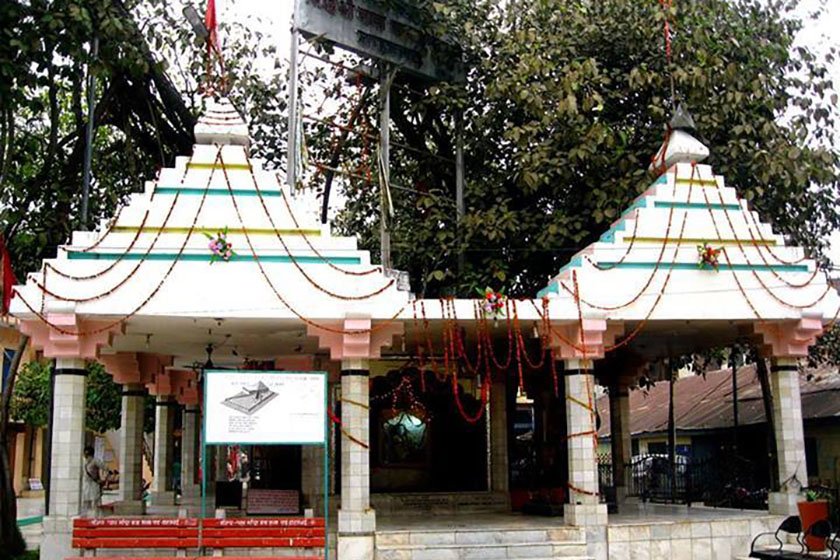
Shahtalai is remembered as the place where Baba Balak Nath lived with Mata Ratno / Ratno Mai, grazed her cows, performed tapasya, and kept his sacred dhuna. It is not merely a stop before Deotsidh. It is the place where the saint’s humility, discipline, and detachment are given shape through local memory.
Here, Baba Ji is not first seen as a distant siddh seated in a cave. He is seen as a young ascetic serving, wandering with cattle, sitting near a banyan tree, and teaching through silence as much as miracle.
🌄 Location & How to Reach It
Shahtalai is located in Bilaspur district, Himachal Pradesh, close to the Baba Balak Nath pilgrimage circuit that also includes Deotsidh / Deoth Sidh. It lies on the Bilaspur-side sacred route and is often visited by devotees before or along with Deotsidh. While Deotsidh’s main cave shrine is officially located at Chakmoh in Hamirpur district, Shahtalai belongs to the Bilaspur side of Baba Ji’s story.
Google Maps: Get Directions
Elevation: Shahtalai is generally described around the lower hill elevation of roughly 650 m in public travel references, though a survey-certified temple-specific figure should be confirmed locally if needed.
- By road: Shahtalai is connected by road with Bilaspur, Ghumarwin, Jhandutta, Barsar, Hamirpur, and Deotsidh. Devotees commonly combine Shahtalai with Deotsidh on the same pilgrimage route.
- By rail: The nearest practical railway access is usually through Una, Kiratpur Sahib, or other Punjab-side stations, followed by road travel.
- By air: The nearest commonly used airports are Kangra / Gaggal Airport and Chandigarh Airport, followed by road travel.
This is not a trek-based shrine. Shahtalai is road-accessible, but traffic and crowds can increase during major Baba Balak Nath pilgrimage periods, especially around the annual fair season.
🌸 Best Time to Visit
Shahtalai can be visited through most of the year. The most comfortable months are generally October to March, when the lower hills are cooler, and March to June if travelling early in the day.
The most important pilgrimage season connected with Baba Balak Nath Ji is the Chaitra fair / Chaitra mela period, around March–April, when devotees visit the wider Baba Balak Nath circuit in large numbers. During this time, Shahtalai and Deotsidh both become much busier, and accommodation, parking, and road movement should be planned carefully.
Summer can be warm in this part of Bilaspur district, so morning or evening visits are more comfortable. Monsoon brings greenery but can also affect local roads. Winter is usually manageable, though mornings and evenings may be cool.
For a quieter visit, avoid the busiest festival rush and arrive during daylight. For a devotional visit tied to Baba Ji’s annual fair season, confirm current arrangements locally before travelling.
🕉️ The Young Saint Who Came to Mata Ratno
The most loved Shahtalai tradition centres on Mata Ratno, also called Ratno Mai. She is remembered as the woman who gave shelter, food, and motherly affection to Baba Balak Nath Ji.
In the devotional story, Baba Ji came to Shahtalai and lived in connection with Mata Ratno’s household. He grazed her cows and lived a simple ascetic life. Some traditions say he stayed there for twelve years, serving and performing tapasya. Other accounts give different durations, including shorter tapasya periods, so the exact number should be treated as devotional tradition rather than a fixed historical record.
What matters in the story is not the calendar alone. It is the relationship.
Mata Ratno saw Baba Ji with a mother’s heart. Baba Ji accepted service but remained inwardly detached. He was in the world, yet not bound by it. He worked, ate, moved with the cattle, and sat in meditation, but his path was not that of ordinary domestic life.
This tension between affection and renunciation gives Shahtalai its emotional depth.
🔥 The Dhuna Beneath the Banyan
Shahtalai is strongly associated with Baba Ji’s dhuna, the sacred fire connected with his tapasya. In Nath and ascetic traditions, a dhuna is more than a physical fire. It is a sign of practice, presence, discipline, and spiritual heat.
Local traditions remember Baba Ji sitting near a banyan tree and performing meditation. The banyan itself carries deep sacred meaning in Indian tradition — long life, shelter, rootedness, and continuity. A saint’s dhuna near such a tree naturally becomes a place of reverence.
For devotees, the dhuna is a reminder that Baba Balak Nath Ji’s power did not come from outward display. It came from tapasya. Fire burns steadily, silently, and inwardly. That is the mood of Shahtalai.
The place teaches a simple thing: before a saint becomes famous, he passes through discipline. Before crowds gather, there is solitude. Before Deotsidh, there is Shahtalai.
🥛 The Roti and Lassi Miracle
One of the most famous Shahtalai stories is the miracle of roti and lassi.
After Baba Ji had spent years with Mata Ratno, she reminded him of the food she had given him during his stay. In some versions, she spoke with motherly attachment, asking how he could leave after eating her rotis and drinking her lassi for so long. Baba Ji then struck the ground with his chimta. From the earth, the rotis came out. With another strike, lassi appeared.
The meaning of the story is not merely that Baba Ji performed a miracle. It is a lesson about non-attachment. He showed that he had not consumed anything as an ordinary dependent person. Nothing was owed in the worldly sense. What Mata Ratno had given in love was returned in a form that proved Baba Ji’s spiritual freedom.
Yet the story is tender, not cold. Mata Ratno’s affection is not mocked. She represents human love, care, and attachment. Baba Ji represents the ascetic path that cannot be held by even the deepest affection.
That is why Shahtalai remains so moving. It holds both sides: the mother who wants to keep him and the saint who must leave.
🙏 What Shahtalai Is Known For
Shahtalai is known as the place of Mata Ratno, Baba Ji’s cow-grazing service, his dhuna, and the roti-lassi miracle. It is one of the most important places for understanding the life story of Baba Balak Nath Ji before Deotsidh.
Devotees visit Shahtalai to honour the early life and tapasya of Baba Ji. Many also see it as a necessary spiritual companion to Deotsidh. If Deotsidh is the cave of fulfilment, Shahtalai is the ground of service.
The place is also known for its connection with Garuna Jhari, Mata Ratno’s memory, and smaller sacred points connected with the Baba Ji tradition. These locations together create a local pilgrimage landscape, not just one single temple.
For many devotees, Shahtalai feels more intimate than the main Deotsidh shrine. It is where Baba Ji’s human relationship with Mata Ratno is remembered most strongly. That makes it a place of affection as much as reverence.
🏛️ A Pilgrimage Village, Not Just a Temple
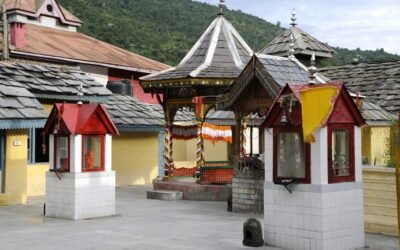
Shahtalai should not be understood only as one temple building. It is a pilgrimage village shaped by Baba Balak Nath Ji’s memory. The sacred points here are spread through story: dhuna, banyan, Mata Ratno, cattle, roti, lassi, and the path onward to Deotsidh.
This is different from a temple where the whole meaning is concentrated inside a sanctum. At Shahtalai, the place itself becomes the shrine. Streets, trees, small temples, resting places, and local references all carry part of the story.
That is why a rushed visit misses the point. Shahtalai is best experienced slowly. One should not come only to tick a stop before Deotsidh. The devotee should ask: what happened here before Baba Ji sat in the cave? What did service mean? What did Mata Ratno give? What did Baba Ji refuse to be bound by?
The architecture is secondary to the memory. The pilgrimage value lies in the relationship between saint, mother, service, fire, and departure.
📜 Shahtalai and Deotsidh: Two Chapters of One Story
Shahtalai and Deotsidh are closely connected, but they should not be confused.
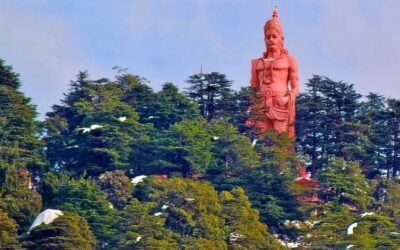
Shahtalai is in Bilaspur district and is remembered for Baba Ji’s stay with Mata Ratno, his tapasya, and the roti-lassi story. Deotsidh / Deoth Sidh is the major cave shrine, officially located at Chakmoh in Hamirpur district, on a hilltop near the Hamirpur–Bilaspur border. The official Hamirpur district page describes Deotsidh as a famous Hindu shrine of Baba Balak Nath, visited by devotees from Himachal, Punjab, Haryana, Chandigarh, Jammu & Kashmir, and other northern regions.
This distinction matters because many travel pages blend the two places carelessly. For a devotee, both are part of the same sacred route, but their meanings are different.
Shahtalai is the chapter of service and affection. Deotsidh is the chapter of siddhi and cave worship. Shahtalai is Mata Ratno’s memory. Deotsidh is the cave where Baba Ji’s main shrine draws the largest pilgrimage.
To understand Baba Balak Nath Ji properly, both should be seen together — but not flattened into one.
🕉️ Baba Balak Nath Ji and the Nath Tradition
Baba Balak Nath Ji is widely revered as a siddh, a saintly figure often associated with the Nath tradition, tapasya, celibacy, yogic power, and child-like divine purity. His name itself combines Balak, meaning child or young boy, with Nath, a term connected with yogic and ascetic lineages.
Devotees often address him as Sidh Baba Balak Nath Ji, Paunahari, or simply Baba Ji. His worship is especially strong in Himachal Pradesh, Punjab, Haryana, Chandigarh, Delhi, and among North Indian families who hold Baba Ji as a protector and giver of blessings.
In Shahtalai, this larger identity becomes local and personal. Baba Ji is not introduced first through theological categories. He is remembered through Mata Ratno’s cows, roti, lassi, and dhuna. That is the beauty of the place. It brings a great siddh into a village relationship.
The story does not reduce Baba Ji. It makes him closer.
🎉 Festivals and Devotion
- Chaitra Mela: The major pilgrimage season connected with Baba Balak Nath Ji falls around Chaitra, generally March–April. Shahtalai and Deotsidh both become busy during this period. Current arrangements should be confirmed before travelling.
- Dhuna worship: Devotees honour Baba Ji’s tapasya through the sacred memory of his dhuna at Shahtalai.
- Mata Ratno remembrance: Mata Ratno is central to Shahtalai’s devotional identity. Many devotees remember her along with Baba Ji.
- Roti and lassi story: The miracle of roti and lassi remains one of the most loved stories connected with Shahtalai.
- Deotsidh circuit: Many pilgrims visit Shahtalai along with Deotsidh, seeing both as connected stages in Baba Ji’s life.
- Offerings: Devotees may offer rot, prasad, flags, and other items according to local custom. Always follow the practice observed at the shrine.
🏞️ While You’re in the Area
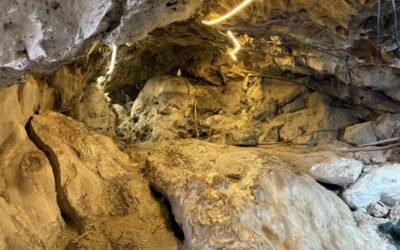
- Deotsidh / Baba Balak Nath Cave Temple: The main cave shrine of Baba Balak Nath Ji, located at Chakmoh in Hamirpur district, and the major pilgrimage centre of the tradition.
- Garuna Jhari: A local sacred spot associated with Baba Ji’s meditation and the Shahtalai tradition. Confirm the route locally.
- Bachretu / Bachhretu Fort: A historic fort site on the Kotdhar side near Shahtalai, officially associated with Raja Ratan Chand of Bilaspur.
- Shiv Boadi Temple, Bachretu: A local Shiva shrine connected with water, tapasya tradition, and the wider Baba Balak Nath sacred landscape.
- Bilaspur Town: A practical base for food, transport, and combining Shahtalai with other Bilaspur temples.
- Baba Nahar Singh Temple, Dholra: A major local devta shrine in Bilaspur town, associated with Baba Nahar Singh Ji and his sacred kharaun.
- Gobind Sagar Lake: The large reservoir that shapes modern Bilaspur’s landscape and gives the district its distinctive water-and-hill identity.
🙏 Getting in Touch
For Deotsidh, the official Baba Balak Nath temple trust has online services and organisational information, but Shahtalai-specific local arrangements should still be confirmed on the ground. For current darshan access, festival crowd arrangements, parking, accommodation, and the local route between Shahtalai and Deotsidh, ask locally in Shahtalai, Barsar, Bilaspur, or through the Baba Balak Nath pilgrimage network.
Do not rely only on old videos or social posts for festival arrangements. During Chaitra Mela and other busy periods, traffic, parking, and access patterns may change.
As with all living shrines, remove shoes where required, keep the area clean, follow local customs, and ask before photographing inner sacred spaces, dhuna areas, or ritual objects.
❓ Quick Questions Travellers Ask
Where is Shahtalai located?
Shahtalai is located in Bilaspur district, Himachal Pradesh, on the Baba Balak Nath pilgrimage route.
Is Shahtalai the same as Deotsidh?
No. Shahtalai is connected with Mata Ratno and Baba Ji’s service and tapasya. Deotsidh is the main cave shrine at Chakmoh in Hamirpur district.
Why is Shahtalai important in Baba Balak Nath tradition?
Shahtalai is remembered as the place where Baba Balak Nath Ji stayed with Mata Ratno, grazed cows, performed tapasya, and showed the famous roti-lassi miracle.
Who was Mata Ratno?
Mata Ratno / Ratno Mai is remembered as the motherly devotee who gave Baba Ji shelter, food, and affection during his stay at Shahtalai.
What is the roti and lassi miracle?
The story says Baba Ji struck the earth with his chimta and brought out the rotis and lassi that Mata Ratno believed she had given him over the years, showing his spiritual detachment.
Can Shahtalai and Deotsidh be visited together?
Yes. Many devotees visit both as part of the same Baba Balak Nath pilgrimage circuit.
What is the best time to visit Shahtalai?
Shahtalai can be visited through most of the year. Chaitra Mela around March–April is the major pilgrimage season, but it is also the busiest time.
Is there a trek to reach Shahtalai?
No. Shahtalai is road-accessible. Local walking may be required between sacred points.
What should devotees offer?
Offerings vary by custom. Devotees may offer prasad, rot, flags, or other items according to local shrine practice.
Are photos allowed?
Photography rules may depend on the exact shrine area. Ask before photographing dhuna spaces, inner areas, or ritual objects.
A Last Word
Shahtalai is the softer chapter of Baba Balak Nath Ji’s story. It does not have the dramatic cave identity of Deotsidh, but it has something equally powerful: the memory of service.
Here, Baba Ji grazed cows. Mata Ratno fed him. A dhuna burned. A banyan gave shade. A motherly heart tried to hold a saint, and the saint answered with a miracle that still carries the taste of roti and lassi.
To visit Shahtalai is to remember that siddhi does not begin with fame. It begins with discipline, humility, and detachment. Before Baba Ji became the great cave shrine of Deotsidh, Shahtalai knew him as the young saint who served and then walked on.
Fact-check note: Shahtalai is treated here as distinct from Deotsidh / Deoth Sidh, the main Baba Balak Nath cave shrine officially located at Chakmoh in Hamirpur district, near the Hamirpur–Bilaspur border. Official Hamirpur district material confirms Deotsidh as the major Baba Balak Nath shrine, while public Shahtalai references consistently connect Shahtalai with Mata Ratno / Ratno Mai, Baba Ji’s cow-grazing service, his dhuna, and the roti-lassi miracle. Details such as the exact length of Baba Ji’s stay at Shahtalai vary across devotional accounts, with some traditions saying twelve years and others giving different tapasya periods. These are therefore presented as sacred tradition rather than documentary chronology. Exact Shahtalai-specific timings, formal local contacts, and event arrangements should be confirmed locally, especially during the Chaitra pilgrimage season.