
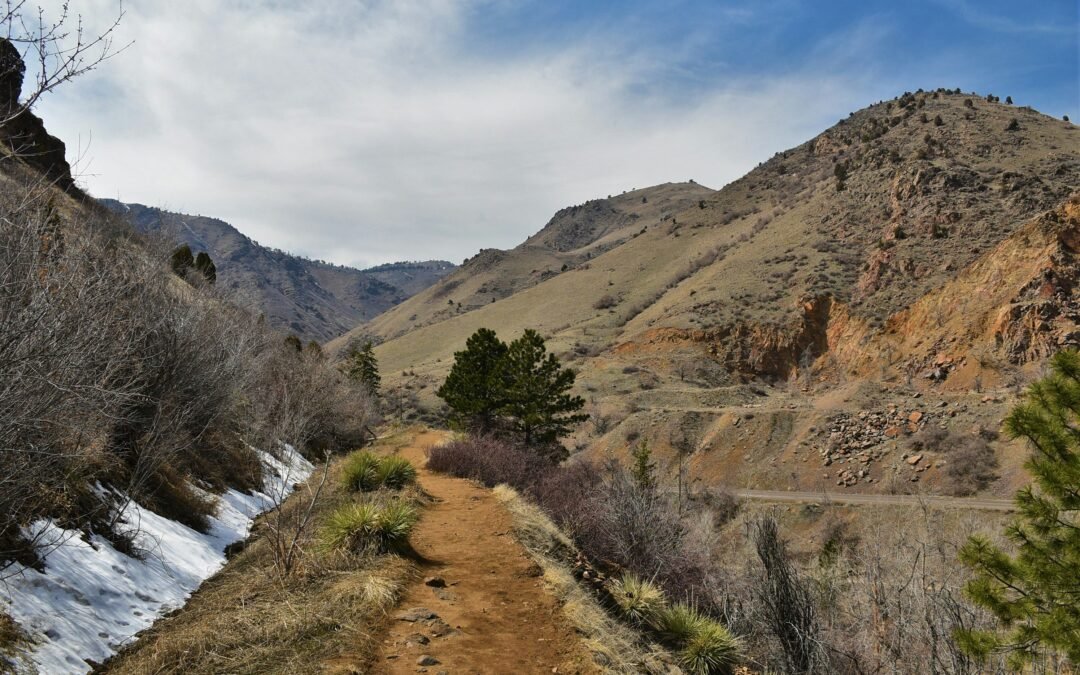
There is something absolutely primal about steering a vehicle through terrain that was never meant to be tamed. The moment your tyres lose their grip on smooth tarmac and start chewing through mud, gravel, and loose stone, something shifts inside you. India, with its staggering diversity of landscapes, is quietly one of the greatest off-roading playgrounds on the planet. From frozen Himalayan passes to volcanic black rock trails in the Deccan, this country rewards the adventurous soul in ways that no highway ever could.
Spiti Valley, Himachal Pradesh: Where the Road Forgets Itself
If off-roading in India had a spiritual home, it would be Spiti. The Spiti Valley sits at an average altitude of 12,500 feet and connects through routes that genuinely test your vehicle and your nerve. The road from Kaza to Langza or the legendary stretch between Manali and Kaza via the Kunzum Pass is not just a drive, it is a conversation between your machine and the mountain. Loose scree, river crossings at Batal, and stretches of road that disappear entirely under ice in winter make this a dream for serious off-road enthusiasts.
The best time to attempt Spiti is between June and September when the passes are technically open but the road conditions remain gloriously wild. A round trip from Manali covering Kaza, Tabo, and Nako will clock roughly 800 to 900 kilometres. Petrol costs aside, accommodation in Spiti runs between Rs 800 and Rs 2,500 per night in homestays and guesthouses. Hiring a local Bolero or Innova with an experienced driver costs around Rs 4,000 to Rs 6,000 per day, and locals here drive these roads the way you drive your colony lane.
Zanskar Valley and the Umling La, Ladakh: The Roof of the World on Four Wheels
Ladakh does not simply offer off-roading. It offers an existential reckoning. The Umling La Pass at 19,024 feet is now the highest motorable road in the world, and driving it feels like borrowing a few minutes from the edge of the atmosphere. The oxygen is thin, the landscape is lunar, and the silence is so complete that you can hear your own heartbeat.
The Zanskar Valley circuit, particularly the stretch from Padum towards Purne, involves river crossings and boulder fields that will have even seasoned drivers holding their breath. The best season is July through mid-September. A self-drive trip to Ladakh requires a vehicle in excellent mechanical condition, a permit from the Deputy Commissioner’s office in Leh, and a genuine respect for altitude sickness. Budget approximately Rs 1,500 to Rs 3,000 per day for accommodation and carry extra fuel canisters because petrol pumps are separated by vast, indifferent distances.
Chopta and Tungnath, Uttarakhand: The Underrated Himalayan Circuit
Not every off-roading experience needs to be a survival test. The road from Ukhimath to Chopta and further towards Dugalbitta passes through dense rhododendron forests, mossy hillsides, and viewpoints where Kedarnath, Chaukhamba, and Neelkanth peaks line up like old friends. In winter, this road becomes a sheet of ice and compressed snow, and driving it requires chains on your tyres and fire in your belly.
The Chopta circuit is accessible from Rishikesh or Haridwar and covers roughly 200 kilometres one way. Ideal months for a challenging drive are December through February when the snowfall transforms the landscape into something from a Scandinavian fairy tale. Accommodation is basic but warm, with rooms available between Rs 600 and Rs 1,500. This destination suits those who are new to off-roading but want genuine challenge without crossing into the extreme territory of Ladakh.
Coorg to Talacauvery via Virajpet, Karnataka: Jungle Mud and Misty Climbs
The Western Ghats offer a completely different flavour of off-roading. Replace the barren grandeur of the Himalayas with thick canopy, red laterite mud, leech-infested trails, and the constant smell of wet earth and coffee blossoms. The forest tracks around Nagarhole, the climb towards Brahmagiri Wildlife Sanctuary, and the lesser-known trails near Kutta town are brilliant for those who want their four-wheel drive adventures wrapped in green.
Monsoon season between June and August is both the most beautiful and most demanding time to drive here. The roads turn treacherous in the most satisfying way. Tyres sink, vehicles slide sideways, and you find yourself laughing at the ridiculousness and beauty of it all. Coorg itself is well-connected from Bangalore, roughly 250 kilometres away. Homestays here are exceptional, often run by Kodava families who will feed you pandi curry and Coorgi rice wine while your muddy vehicle sits in the courtyard. Expect to spend Rs 2,500 to Rs 5,000 per night for quality accommodation.
Rann of Kutch, Gujarat: Flat, White, and Completely Deceptive
The Rann of Kutch introduces a paradox. It looks like the easiest terrain imaginable and then it swallows your vehicle whole. The salt flats of the Great Rann are firm in winter but riddled with soft, wet pockets that drop you axle-deep without a moment’s notice. Night driving across the white expanse under a full moon is one of the most surreal experiences India offers.
The best time to visit is between November and February, particularly around the Rann Utsav festival season when the area buzzes with energy. Drive from Bhuj into the Rann and explore routes towards Dholavira or Kalo Dungar, the black hill that offers a breathtaking panoramic view. Accommodation ranges from the government-run tent city near Dhordo, priced between Rs 4,000 and Rs 12,000 per tent per night, to budget dharamsalas in Bhuj for under Rs 1,000.
Mandwa to Bhandardara via Igatpuri, Maharashtra: Weekend Warriors Welcome
For Mumbai and Pune residents who cannot fly to Ladakh every weekend, the Sahyadri range offers surprisingly technical terrain. The stretch from Igatpuri through the ghats towards Bhandardara, or the forest trails near Malshej Ghat during monsoon, brings the off-roading experience within a two-hour drive of major cities. These roads are not as dramatic as the Himalayas, but they have enough character to rattle your fillings loose and show you what your vehicle is actually capable of.
Practical Tips Before You Go
Regardless of which destination you choose, a few principles apply universally. Never go alone on remote routes. Carry a basic recovery kit including a tow rope, a shovel, traction boards, and a high-lift jack. Download offline maps before you leave because signal disappears long before the adventure ends. Tell someone your exact route and expected return time. Check your spare tyre pressure the morning you leave, not the week before. And perhaps most importantly, go slow. Off-roading is not about speed, it is about reading the ground beneath you and responding with patience.
India’s off-roading destinations are not merely places on a map. They are tests of character wrapped in extraordinary beauty. Each trail asks something of you, demands your full attention, and then rewards you with a view, a moment, or a story that no smooth expressway ever could. The dust on your dashboard and the mud caked into your wheel arches are not damage. They are evidence that you actually showed up.