
- Upper Mustang requires a special restricted area permit costing USD 500 for 10 days, obtainable only through registered agencies in Nepal.
- March to November is ideal for visiting, with May and October offering the best weather and clear mountain views.
- The trek typically takes 10-12 days from Jomsom to Lo Manthang and back, covering ancient Buddhist monasteries and caves.
- Accommodation is basic teahouse-style lodging; bring cash as ATMs are unavailable in Upper Mustang region.
- Lo Manthang, the walled capital, houses centuries-old monasteries with rare Tibetan Buddhist art and manuscripts.
Introduction
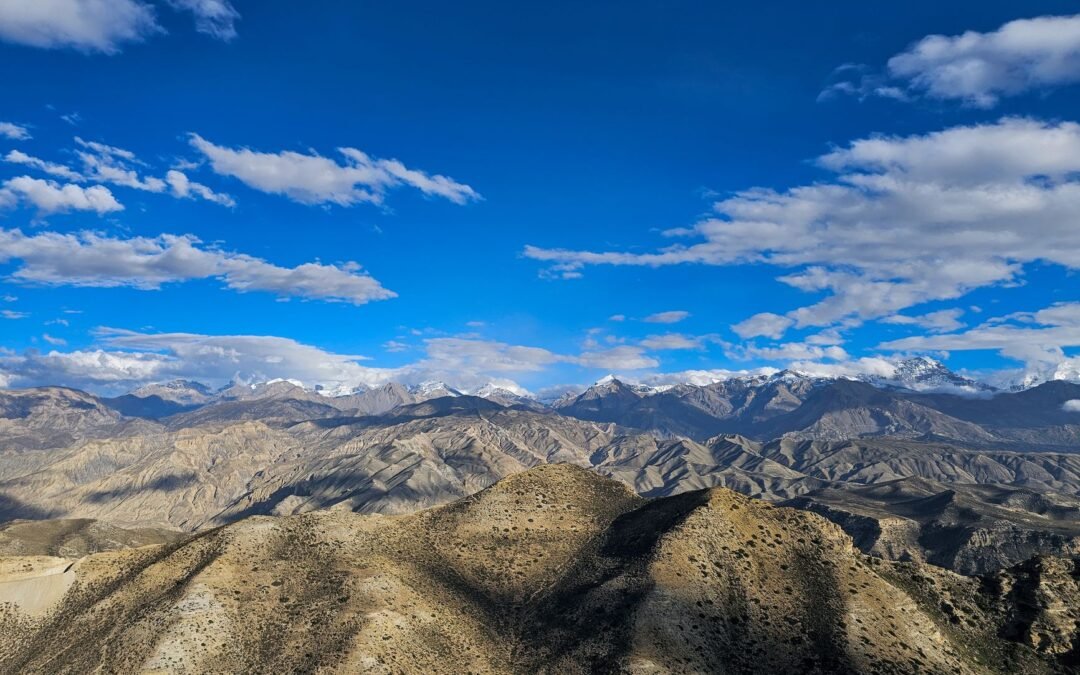
Tucked away in the rain shadow of the Dhaulagiri and Annapurna ranges, Upper Mustang stands as one of the last forbidden kingdoms in the Himalayas, a place where time seems to have frozen somewhere in the medieval era. This remote enclave in north-central Nepal, once an independent kingdom until 2008, offers travelers an extraordinary journey into a landscape so starkly beautiful and culturally pristine that it feels like stepping onto another planet entirely. With its otherworldly desert terrain, ancient cave dwellings carved into crimson cliffs, and monasteries that have stood sentinel for centuries, Upper Mustang presents an adventure unlike any other in the Himalayan region.
What sets this destination apart from Nepal’s more popular trekking circuits is its profound isolation and the remarkable preservation of Tibetan Buddhist culture. The restricted access—which only opened to outsiders in 1992—has created a time capsule where traditional practices, art forms, and daily life continue much as they have for centuries. The walled city of Lo Manthang, the ancient capital, remains a living museum where prayer wheels spin constantly, monks chant in monastery courtyards, and locals still practice polyandry and sky burial traditions.
For adventurous travelers from India and across the globe seeking something beyond the conventional tourist trail, Upper Mustang offers not just a trek but a pilgrimage into a vanishing world. This is a destination that rewards those willing to embrace its challenges—the high altitude, the basic accommodations, the dusty trails—with experiences and vistas that will remain etched in memory forever.
Quick Facts About Upper Mustang
| Aspect | Details |
|---|---|
| Altitude | 2,700m to 4,200m (Lo Manthang at 3,840m) |
| Best Time to Visit | March to November (ideal: May-October) |
| Distance from Nearest City | Jomsom: 70 km | Pokhara: 230 km | Kathmandu: 395 km |
| Nearest Airport | Jomsom Airport (flights from Pokhara) |
| Permits Required | Restricted Area Permit (RAP), ACAP, TIMS Card |
| Temperature Range | Summer: 5°C to 25°C | Winter: -15°C to 10°C |
| Approx Budget per Day | NPR 5,000-8,000 / INR 3,125-5,000 (excluding permits) |
Why Visit Upper Mustang
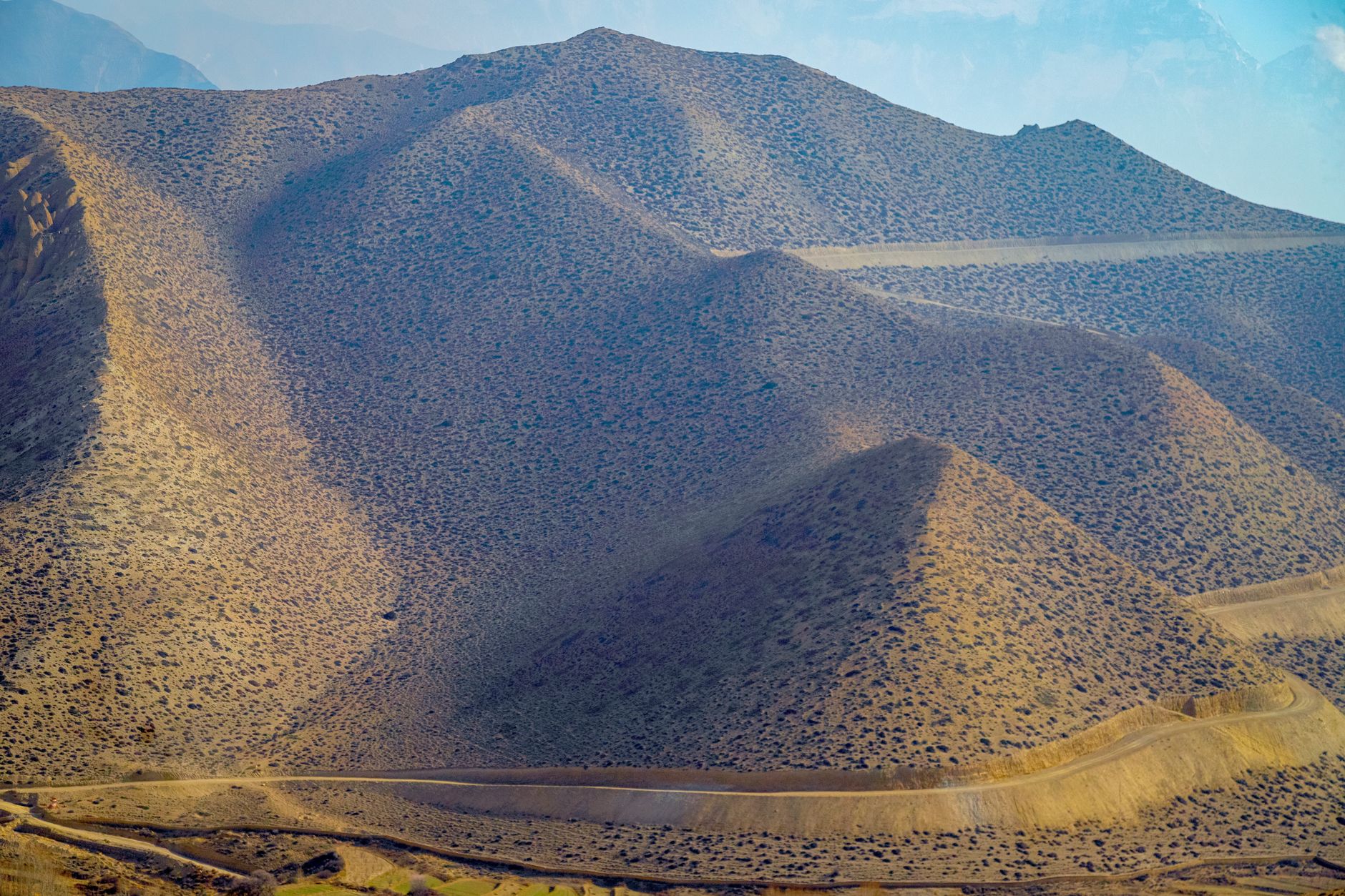
Upper Mustang’s uniqueness lies in its extraordinary geological and cultural tapestry. The landscape here is nothing short of surreal—a high-altitude desert where erosion has sculpted multi-hued cliffs into fantastical formations that glow in shades of ochre, sienna, and burnt umber against impossibly blue skies. Unlike the lush, green valleys typical of most Himalayan regions, Mustang’s terrain resembles the Tibetan plateau, with vast expanses of barren beauty punctuated by brilliant green oasis villages that seem to defy the harsh environment.
The cultural preservation here is unparalleled. This region harbors over 40 sky caves—ancient dwelling and burial sites carved into sheer cliff faces hundreds of feet above the valley floor, some dating back 3,000 years. Many contain remarkably preserved murals, manuscripts, and artifacts that provide invaluable insights into pre-Buddhist and early Buddhist civilizations. The monasteries of Thubchen, Jampa, and Chodey in Lo Manthang house 15th-century wall paintings that rival anything found in Lhasa, created by the same Newari artists who decorated Tibet’s great monasteries.
What truly distinguishes Upper Mustang is the authenticity of daily life. Unlike many Himalayan destinations transformed by mass tourism, here you’ll witness traditional salt caravans still making their way between Nepal and Tibet, farmers practicing ancient irrigation techniques in barley fields, and communities maintaining centuries-old festivals like Tiji, where masked dances tell creation myths through elaborate three-day ceremonies. The population remains predominantly ethnically Tibetan, speaking their own Mustangi dialect, and practicing a form of Tibetan Buddhism that has remained largely unchanged while Tibet itself has transformed dramatically.
How to Reach Upper Mustang
By Air (Recommended): The most efficient route begins with a flight from Kathmandu to Pokhara (200 km, 25 minutes, NPR 8,000-12,000 / INR 5,000-7,500 per person), followed by a spectacular morning flight from Pokhara to Jomsom (20 minutes, NPR 12,000-15,000 / INR 7,500-9,400). The Pokhara-Jomsom flight operates only in morning hours when winds are calm and offers breathtaking views of Dhaulagiri and Annapurna. From Jomsom, the Upper Mustang trek begins, with Lo Manthang approximately 70 km north through a series of villages.
By Road: Adventurous travelers can drive from Kathmandu to Pokhara (200 km, 6-7 hours, NPR 1,500-2,000 / INR 940-1,250 by tourist bus, NPR 15,000-20,000 / INR 9,400-12,500 by private vehicle). From Pokhara, a rough mountain road reaches Jomsom (110 km, 8-10 hours, NPR 1,200-1,800 / INR 750-1,125 by jeep). However, this road is extremely challenging, often closed by landslides during monsoon, and only recommended for those with strong constitutions and adventure spirit. The final segment from Jomsom to Lo Manthang requires trekking or horse/pony hire (NPR 2,000-3,000 / INR 1,250-1,875 per day).
Organized Trek: Most visitors arrange the Upper Mustang journey through registered trekking agencies, which is mandatory for permit acquisition. Package costs typically range from NPR 150,000-250,000 / INR 93,750-156,250 per person for 12-14 day treks, including permits, guides, porters, accommodation, and meals. Independent trekking is not permitted in Upper Mustang—you must have a registered guide and minimum two trekkers per group as per current regulations.
Best Time to Visit Upper Mustang
March to May (Spring): This period marks the beginning of the trekking season as trails become accessible after winter snows. Temperatures range from 5°C to 20°C, and the landscape bursts with wildflowers at lower elevations. March can still be quite cold with occasional snowfall, while April and May offer increasingly comfortable conditions. The famous Tiji Festival usually occurs in May (dates vary by lunar calendar), drawing visitors from around the world. Expect moderate crowds, especially during festival time, with accommodation availability generally good.
June to August (Monsoon): Upper Mustang’s unique geography makes it a rare monsoon-friendly Himalayan destination. The rain shadow effect means this region receives minimal rainfall even during monsoon months. Temperatures climb to 10°C-25°C, making it comfortable for trekking. Trails remain largely dry and passable, though occasional afternoon clouds can obscure mountain views. This period sees fewer trekkers, offering more authentic interactions with locals who are busy with agricultural activities. However, flight schedules to Jomsom may be disrupted by weather in Pokhara.
September to November (Autumn): Considered the prime season for Upper Mustang, autumn delivers crystal-clear skies, excellent visibility of Himalayan peaks, and moderate temperatures (5°C to 20°C). The post-monsoon freshness gives landscapes vivid clarity, perfect for photography. Harvest season brings villages to life with activity. This is peak trekking season, so advance bookings for permits and accommodation are essential. October particularly sees maximum visitors, with tea houses and lodges at capacity.
December to February (Winter): Winter transforms Upper Mustang into a frozen high-altitude desert with temperatures plummeting to -15°C at night, though daytime can reach 10°C in sunshine. Most lodges close, and many locals migrate to lower elevations. Only the most experienced and well-equipped trekkers should consider winter visits. However, those who brave the cold encounter the region in absolute solitude, with snow-dusted landscapes of haunting beauty. Special winter permits may be required, and guide availability is limited.
Top Things to Do in Upper Mustang
Explore the Walled City of Lo Manthang
The medieval capital of the former Kingdom of Lo, this walled city dating from 1380 CE remains remarkably intact with its whitewashed mud-brick buildings clustered within protective walls. Walk through narrow cobblestone alleys where traditional life continues—women spin wool, children play in dusty squares, and prayer flags flutter from every rooftop. Visit the four-story Royal Palace where the former king still resides, and explore the three main monasteries containing priceless Buddhist art.
Trek to the Mysterious Sky Caves of Chungsi
These extraordinary man-made caves, carved into vertical cliff faces up to 150 feet above ground, represent one of archaeology’s great mysteries. Some 10,000 caves dot the Mustang region, with many accessible only by technical climbing equipment. The caves at Chungsi near Lo Manthang can be visited with local guides, revealing chambers once used as burial sites and meditation retreats, some still containing ancient murals, pottery fragments, and Buddhist manuscripts that scholars continue to study.
Witness the Sacred Tiji Festival
This three-day annual festival in Lo Manthang reenacts the legend of Dorje Jono’s victory over a demon threatening the kingdom with drought. Monks from the Choedey monastery perform elaborate masked dances in the central square, wearing spectacular costumes and playing traditional instruments. The ritual symbolizes the triumph of Buddhism over Bon religion and serves as both religious observance and community celebration, with locals dressed in their finest traditional attire, creating unforgettable photographic opportunities.
Visit Ancient Monasteries and Gompas
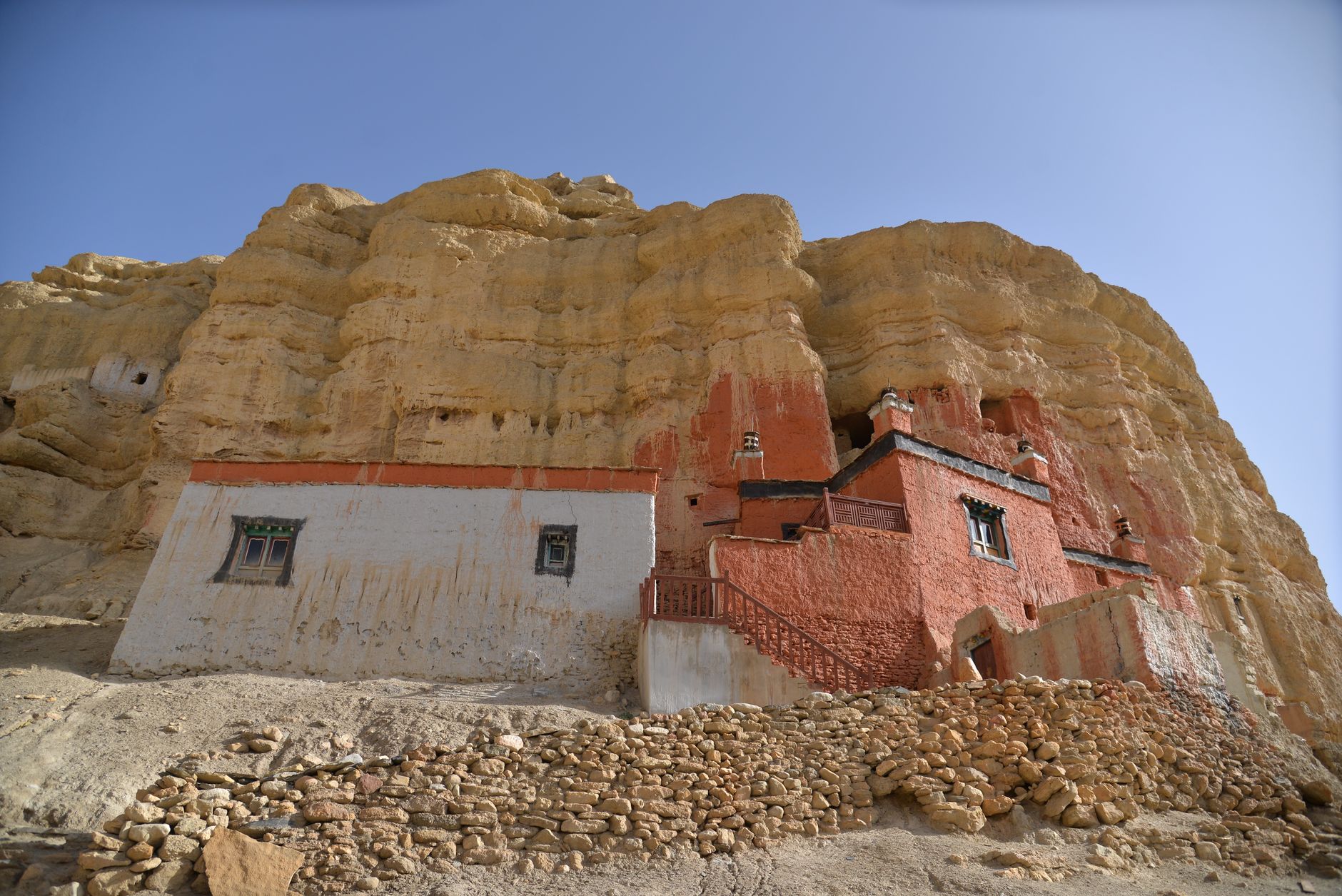
Upper Mustang shelters some of the Himalayas’ most significant Buddhist monasteries, many predating similar structures in Tibet. The Thubchen Gompa and Jampa Gompa in Lo Manthang house 15th-century murals covering entire walls with intricate depictions of mandalas and Buddhist deities. In Ghar Gompa, one of Nepal’s oldest monasteries at 3,950m, you’ll find meditation caves and ancient artifacts. The red-walled Chhoser Cave complex near the village of Chhoser features remarkable paintings and even natural rock formations worshipped as deities.
Experience Traditional Village Life
Stay in villages like Tsarang, Ghami, and Dhakmar to witness authentic Mustangi culture. Participate in daily activities like harvesting barley, grinding tsampa (roasted barley flour), or helping locals channel glacial meltwater through intricate irrigation systems that make agriculture possible in this desert. Accept invitations to share salt butter tea in family homes, where you’ll learn about polyandrous family structures still practiced in some households and hear stories of the ancient salt trade with Tibet.
Photograph the Otherworldly Landscapes
Upper Mustang is a photographer’s paradise with its dramatic geological formations. Capture sunrise over the eroded canyons near Dhakmar, where iron-rich soil creates blood-red cliffs against azure skies. The white and ochre striped formations of the Charang Valley resemble abstract paintings. Don’t miss the Kali Gandaki gorge, the world’s deepest at certain points, and the sweeping desert vistas from passes like Mui La (4,170m) that reveal seemingly endless moonscape terrain punctuated by distant snow peaks.
Where to Stay in Upper Mustang
Budget Accommodation (NPR 800-1,500 / INR 500-940 per night): Most villages along the trek offer basic tea houses with simple rooms, shared bathrooms, and communal dining. In Kagbeni, the Bob Marley Guest House provides clean rooms with stunning Nilgiri views. Royal Mountain Guest House in Chuksang offers basic but comfortable accommodation. In Lo Manthang, Annapurna Guest House and Peaceful Guest House provide simple rooms with traditional decor. These establishments typically include basic bedding, though sleeping bags are recommended for extra warmth, especially outside peak season.
Mid-Range Options (NPR 2,000-4,000 / INR 1,250-2,500 per night): For slightly more comfort, Hotel Mustang Lodge in Jomsom offers the best amenities before entering Upper Mustang proper, with attached bathrooms, hot showers, and WiFi. In Lo Manthang, Hotel Nilgiri and Hotel Kailash both provide better rooms with some attached bathrooms, solar-powered electricity, and more varied menus. Star Lodge in Tsarang features relatively comfortable rooms and a pleasant courtyard dining area. These mid-range places often include breakfast and sometimes dinner in their rates.
Premium Accommodation (NPR 5,000-8,000 / INR 3,125-5,000 per night): While Upper Mustang doesn’t offer luxury hotels in the conventional sense, some properties provide premium experiences. Hotel Lo Manthang Heritage Hotel offers the region’s best rooms with traditional Tibetan decor, cleaner private bathrooms, and superior dining. Some trekking companies arrange camping treks with high-quality equipment and full meal service, which can cost NPR 6,000-10,000 / INR 3,750-6,250 per person per day but provide more comfort and flexibility in overnight locations, particularly for accessing more remote areas beyond standard trekking routes.
Local Food & Cuisine
Upper Mustang’s cuisine reflects its Tibetan heritage and high-altitude environment, featuring hearty, warming dishes designed to sustain people in harsh conditions. Tsampa forms the staple food—roasted barley flour mixed with salt butter tea to create a dough-like consistency, eaten for breakfast or as trail food. Thukpa, a nutritious noodle soup with vegetables and sometimes yak meat, appears on every tea house menu and provides perfect warmth after cold trekking days. Momos (dumplings) in Upper Mustang are typically larger and heartier than elsewhere, filled with potato, cheese, or yak meat, steamed or fried, and served with fiery chili sauce. Tingmo, steamed bread similar to Chinese mantou, accompanies most meals and is excellent dipped in vegetable curry or meat stews.
The region also features unique specialties like Khapse, deep-fried twisted cookies made during festivals and special occasions, often sweetened with sugar or honey. Yak cheese produced locally has a distinctive sharp flavor and appears in various dishes or as a trail snack. Salt butter tea (Po Cha) remains the traditional beverage—a acquired taste for many visitors with its salty, buttery profile, but genuinely energizing at high altitude.
For dining, most villages offer limited choices beyond tea house lodges. In Jomsom, Hotel Mustang Lodge Restaurant (mains NPR 400-800 / INR 250-500) serves the widest menu before entering Upper Mustang. Kagbeni‘s Yak Donalds Cafe (mains NPR 350-600 / INR 220-375) offers both local and continental options with a humorous name playing on western fast food. In Lo Manthang, Royal Mustang Kitchen at Hotel Nilgiri (mains NPR 500-900 / INR 315-565) provides the best food in the capital with some dishes using locally sourced yak meat and organic vegetables. Most tea houses charge NPR 300-600 / INR 190-375 for main courses, with dal bhat (rice and lentils) being the most economical option at NPR 400-500 / INR 250-315 with unlimited refills.

Practical Travel Tips for Upper Mustang
Permits and Documentation: Upper Mustang requires multiple permits that must be arranged through registered trekking agencies—independent permits cannot be obtained. The Restricted Area Permit (RAP) costs USD 500 per person for first 10 days, then USD 50 per additional day, making it one of Nepal’s most expensive permit requirements. Additionally, you need the Annapurna Conservation Area Permit (ACAP) at NPR 3,000 / INR 1,875 per person and TIMS Card at NPR 2,000 / INR 1,250. Total permit costs typically reach NPR 55,000-60,000 / INR 34,375-37,500. Permits must be arranged at least two weeks before travel, requiring passport copies, photos, and insurance details.
Mobile Network and Connectivity: Mobile coverage in Upper Mustang is extremely limited and unreliable. Ncell provides sporadic coverage in Kagbeni and Jomsom, but signals disappear almost entirely beyond Kagbeni. Lo Manthang has very weak Ncell coverage at certain spots. Some lodges offer WiFi through satellite connection (NPR 300-500 / INR 190-315 per hour), but speeds are painfully slow and connection unstable. Embrace the digital detox aspect of this journey and inform family and friends about communication limitations beforehand.
ATM and Money: The last reliable ATM is in Jomsom at Nepal Investment Bank and Himalayan Bank—both frequently run out of cash or malfunction. Carry sufficient Nepali Rupees in mixed denominations for your entire trek. No ATMs exist in Upper Mustang proper, and credit cards are not accepted anywhere. Budget NPR 1,500-2,500 / INR 940-1,565 daily for accommodation and meals, plus extra for beverages, snacks, and emergency contingencies. Bring at least 20-30% more cash than calculated needs.
Medical Facilities and Health: Medical facilities are minimal. Jomsom has a small health post with basic supplies, but serious medical issues require evacuation to Pokhara or Kathmandu. Carry comprehensive first aid kits including altitude sickness medication (Diamox), pain relievers, antibiotics, anti-diarrheal medicine, and any personal prescriptions. Altitude sickness poses real risks—acclimatize properly in Kagbeni before ascending, stay hydrated (3-4 liters daily), avoid alcohol, and ascend gradually. Travel insurance with helicopter evacuation coverage (minimum USD 100,000) is absolutely essential and often required for permit issuance.
Packing Essentials: Despite summer warmth, temperatures drop dramatically after sunset and at high passes. Pack layered clothing including thermal base layers, fleece mid-layers, down jacket, windproof and waterproof outer shell. Quality sleeping bag rated -10°C minimum is essential as lodge blankets provide insufficient warmth. Sun protection is critical in the intense high-altitude UV—bring SPF 50+ sunscreen, lip balm, glacier glasses, and wide-brimmed hat. Dust mask or buff helps with constant wind-blown dust. Trekking poles ease stress on knees during descents. Bring water purification tablets or UV sterilizer as bottled water creates plastic waste. Power banks are essential as electricity is limited and unreliable.
Safety and Responsible Tourism: Respect local customs—always walk clockwise around mani walls and chortens, ask permission before photographing people or inside monasteries, dress modestly covering shoulders and knees. Many monasteries charge photography fees (NPR 200-500 / INR 125-315). Avoid public displays of affection which offend local sensibilities. Practice leave-no-trace principles—carry out all trash as waste management systems don’t exist. Avoid plastic water bottles; lodges provide boiled water for refilling (NPR 50-100 / INR 30-65 per liter). Support local economy by purchasing handicrafts directly from artisans rather than Kathmandu shops. Respect photography restrictions at certain religious sites and during sacred ceremonies unless explicitly permitted. Donate thoughtfully to monasteries if moved to do so, but avoid giving money or candy to children which encourages begging.
Final Thoughts
Upper Mustang represents far more than a trekking destination—it’s a pilgrimage into a vanishing world, a journey that challenges and transforms those willing to embrace its stark beauty and cultural depth. The experience of walking ancient trade routes where salt caravans once connected Nepal and Tibet, standing before medieval monasteries where centuries of Buddhist practice have imbued every stone with spiritual significance, and sharing salt butter tea with people whose lives remain intimately connected to traditions stretching back millennia creates memories that transcend typical travel experiences. The landscape alone—those impossible erosion-sculpted cliffs glowing in sunset light, prayer flags snapping in relentless winds against impossibly blue skies, and green barley fields defying the desert—would justify the journey. But it’s the human element, the warmth of Mustangi hospitality in this harsh environment, the privilege of witnessing authentic cultural practices, that truly makes Upper Mustang extraordinary.
If you’re seeking comfort, convenience, or effortless travel, Upper Mustang isn’t your destination. But if you’re ready for an adventure that demands physical effort, cultural sensitivity, and flexibility in exchange for experiences of profound beauty and authenticity, then start planning your journey to this last Himalayan kingdom. The permits may be expensive, the accommodations basic, and the trails dusty and challenging, but you’ll return with a perspective-shifting understanding of how culture, spirituality, and human resilience can flourish in even the most demanding environments. Don’t wait too long—climate change, development pressures, and the inevitable march of modernization mean the Upper Mustang of today won’t exist forever. Experience this timeless land while it still guards its secrets in the shadow of the Himalayas.
- Hire a local guide from Lo Manthang to access the restricted Konchok Ling Cave monastery, which contains 2,000-year-old murals not listed in standard itineraries.
- Book permits in February-March for spring treks as the Nepal government occasionally limits the number of permits issued during peak Tiji Festival season.
- Carry small denomination Nepali rupee notes (10, 20, 50) as shopkeepers in villages beyond Kagbeni rarely have change for large bills.
- Stay an extra night in Ghami village to visit the lesser-known Dhakmar red cliffs at sunrise when tourist groups have already moved on to Lo Manthang.
- Pack electrolyte powder and high-altitude medication from Kathmandu as medical facilities stop at Jomsom and altitude sickness is common above 3,800 meters.
Frequently Asked Questions about Upper Mustang
The best time to visit Upper Mustang is from March to November, with the ideal months being May to October. During this period, the weather is favorable for trekking, with summer temperatures ranging from 5°C to 25°C, making it perfect for exploring the high-altitude desert landscape and ancient monasteries.
To visit Upper Mustang, you need three permits: a Restricted Area Permit (RAP) which is mandatory as it’s a restricted region, an Annapurna Conservation Area Permit (ACAP), and a TIMS (Trekkers’ Information Management System) Card. These permits are essential since Upper Mustang only opened to outsiders in 1992 and maintains strict access controls.
From India, you can reach Upper Mustang via Kathmandu (395 km away) or Pokhara (230 km away). The most common route is to fly to Jomsom Airport from Pokhara, which is 70 km from Upper Mustang, as Jomsom is the nearest airport with regular flights.
Upper Mustang ranges in altitude from 2,700 meters to 4,200 meters above sea level. The ancient walled capital city of Lo Manthang sits at 3,840 meters, making proper acclimatization essential for visitors to avoid altitude sickness.
The approximate daily budget for Upper Mustang is NPR 5,000-8,000 or INR 3,125-5,000 per day, excluding permits. This covers basic accommodations, meals, and trekking expenses, though visitors should be prepared for basic facilities due to the region’s remote nature.
Upper Mustang is called the Last Forbidden Kingdom because it was an independent kingdom until 2008 and remained closed to outsiders until 1992. This isolation has preserved its medieval character, Tibetan Buddhist culture, and traditional practices like polyandry and sky burial, making it feel like a time capsule frozen in the past.