
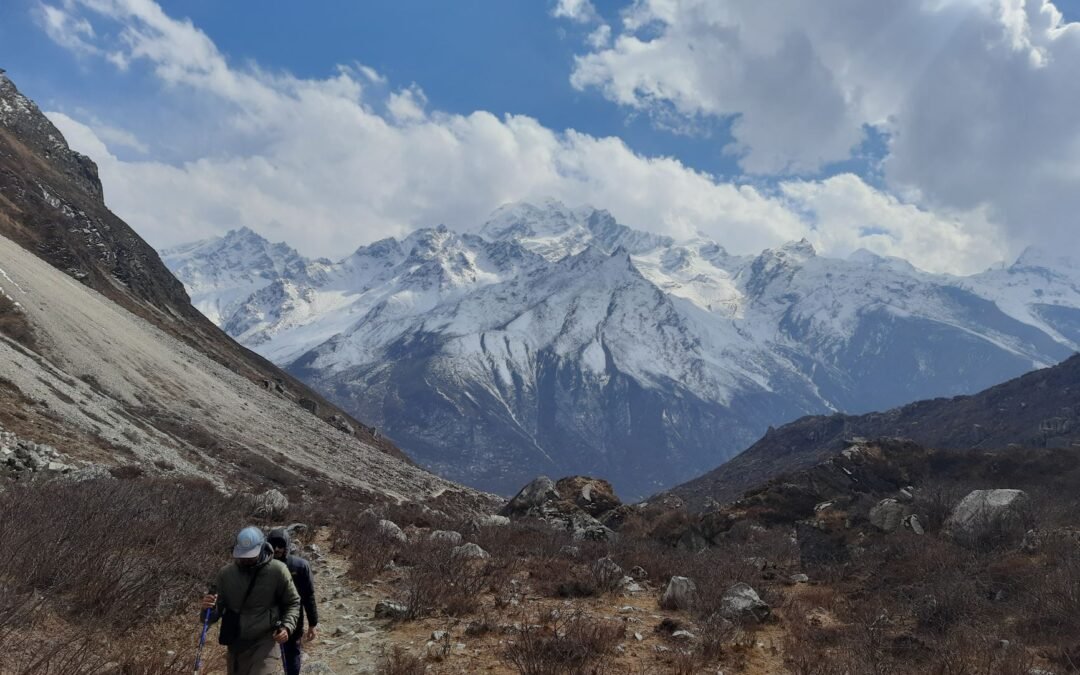
- Langtang Valley trek takes 7-10 days and is ideal for trekkers seeking less crowded trails near Kathmandu
- TIMS card and Langtang National Park permit are mandatory and cost approximately $30-40 USD total
- Best trekking seasons are March-May and September-November with clear mountain views and moderate temperatures
- Kyanjin Gompa at 3,870m is the main destination offering spectacular views of Langtang Lirung
- Local Tamang culture and Buddhist monasteries add rich cultural experiences beyond just trekking
- Introduction
- Quick Facts About Langtang Valley
- Why Visit Langtang Valley
- How to Reach Langtang Valley
- Best Time to Visit Langtang Valley
- Top Things to Do in Langtang Valley
- Where to Stay in Langtang Valley
- Local Food & Cuisine
- Practical Travel Tips for Langtang Valley
- Final Thoughts
- Frequently Asked Questions
Introduction
Nestled in the lap of the Himalayas, just north of Kathmandu, Langtang Valley stands as one of Nepal’s most accessible yet profoundly beautiful trekking destinations. Often overshadowed by the more famous Everest Base Camp and Annapurna circuits, this hidden gem offers an intimate mountain experience where ancient Tamang villages cling to steep hillsides, prayer flags flutter against impossibly blue skies, and the peaks of Langtang Lirung (7,227m) pierce the heavens. For travellers seeking an authentic Himalayan adventure without the overwhelming crowds, Langtang Valley presents the perfect balance of challenge, cultural immersion, and natural splendour.
The valley holds a special place in the hearts of those who have walked its trails. Tragically affected by the devastating 2015 earthquake, which wiped out entire villages including Langtang village itself, the region has rebuilt with remarkable resilience. Today, visiting Langtang is not just a trek—it’s an act of solidarity with mountain communities who have transformed tragedy into hope. The new settlements, rebuilt with improved infrastructure, welcome trekkers with warm smiles and renewed spirit, making every visit meaningful beyond the spectacular landscapes.
What sets Langtang apart is its remarkable biodiversity within Langtang National Park, home to red pandas, Himalayan black bears, and over 250 bird species. The trek takes you through dense rhododendron forests that explode into colour during spring, past cascading waterfalls, across suspension bridges swaying over roaring rivers, and up to alpine meadows where yaks graze peacefully. Whether you’re an experienced trekker from Mumbai looking for your next challenge or a first-time adventurer from Delhi seeking mountain magic, Langtang Valley promises an unforgettable journey into the heart of the Himalayas.
Quick Facts About Langtang Valley
| Feature | Details |
|---|---|
| Altitude | 3,430m (Kyanjin Gompa) to 4,984m (Tserko Ri viewpoint) |
| Best Time to Visit | March-May and September-November |
| Distance from Nearest City | 51 km from Kathmandu (to trailhead at Syabrubesi) |
| Nearest Airport | Tribhuvan International Airport, Kathmandu (137 km from Syabrubesi) |
| Permits Required | Langtang National Park Entry Permit (NPR 3,000/INR 1,875) + TIMS Card (NPR 2,000/INR 1,250) |
| Temperature Range | -5°C to 15°C (winter), 10°C to 20°C (spring/autumn) |
| Approx Budget per Day | NPR 2,500-4,000 (INR 1,565-2,500) including accommodation and meals |
Why Visit Langtang Valley
Langtang Valley distinguishes itself through its unique combination of accessibility and authenticity. Unlike the more commercialized trekking routes, Langtang maintains its raw, unfiltered mountain character. The valley offers what seasoned trekkers call the “complete Himalayan package”—dramatic mountain vistas comparable to any in Nepal, rich Tibetan-Buddhist culture in traditional Tamang and Sherpa villages, diverse ecosystems ranging from subtropical forests to alpine tundra, all within a compact 7-10 day trek that doesn’t demand extreme fitness levels or months of planning.
The cultural tapestry of Langtang is particularly remarkable. The Tamang people, descendants of Tibetan horse traders, have preserved their heritage through centuries. Walking through villages like Lama Hotel, Langtang village (rebuilt), and Kyanjin Gompa, you’ll encounter ancient monasteries where butter lamps flicker in the darkness, hear the deep resonance of ceremonial horns at dawn, and witness daily life that has changed little over generations. The local cheese factory in Kyanjin Gompa, established by Swiss aid workers in the 1950s, still produces delicious yak cheese—a unique attraction you won’t find on other major trekking routes.
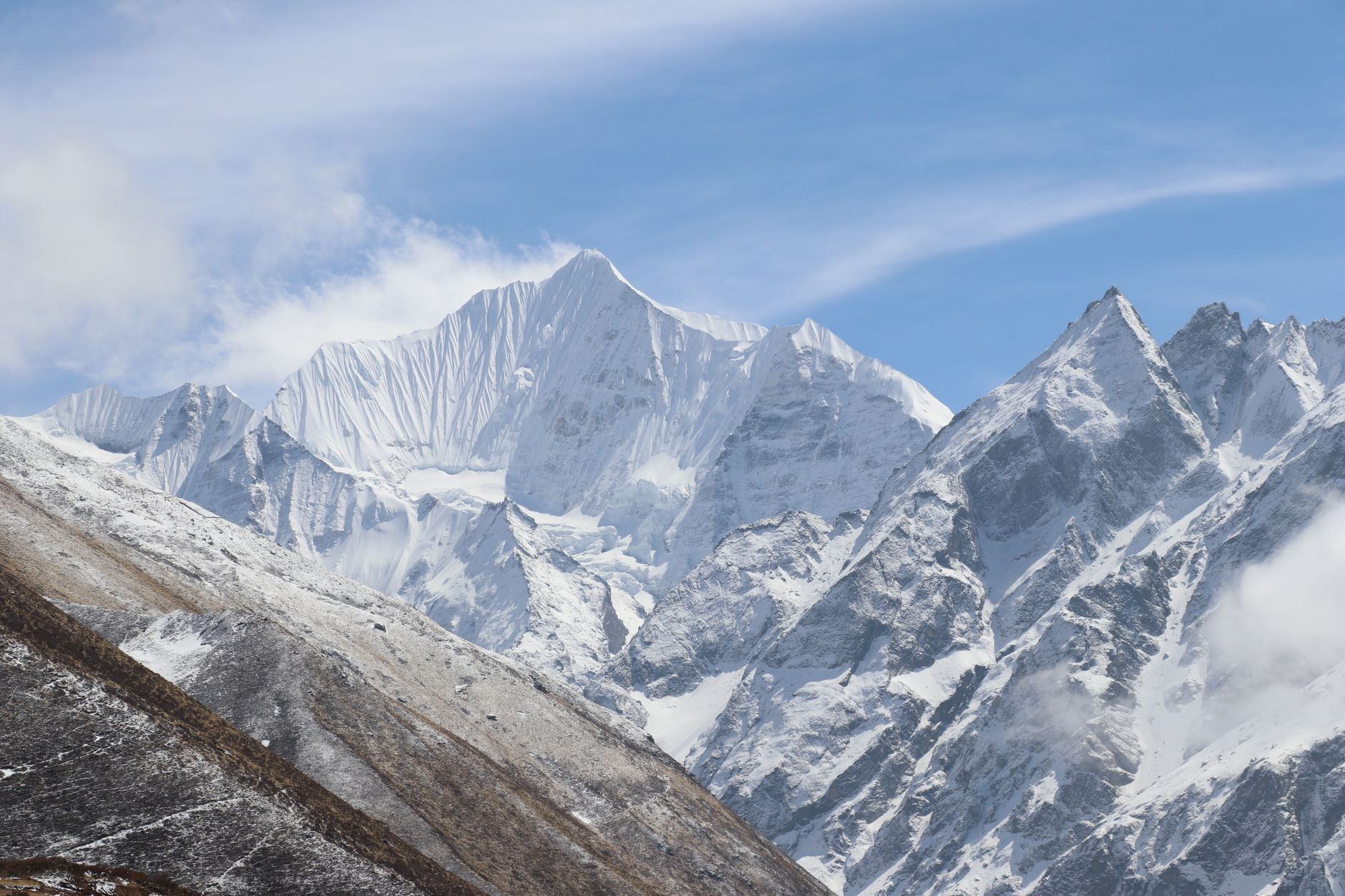
What truly sets Langtang apart is its geographic drama compressed into a relatively short distance. Within just a few days of trekking, you transition from lush bamboo forests inhabited by langur monkeys to barren high-altitude landscapes where glaciers dominate the horizon. The valley walls rise sharply on both sides, creating a natural amphitheater where peaks like Langshisha Ri (6,427m), Dorje Lakpa (6,966m), and the majestic Langtang Lirung create a 360-degree panorama of Himalayan grandeur. The famous sunrise view from Tserko Ri (4,984m) reveals an unobstructed vista of over twenty peaks above 6,000 meters—a sight that rivals any viewpoint in the Himalayas.
How to Reach Langtang Valley
The journey to Langtang Valley begins in Kathmandu and requires reaching Syabrubesi, the gateway village where the trek officially starts. For Indian travellers, the adventure begins even before Nepal, making the entire journey part of the experience.
By Air to Kathmandu: Most international trekkers fly into Tribhuvan International Airport in Kathmandu. Direct flights from major Indian cities are frequent and affordable—Delhi to Kathmandu takes approximately 1.5 hours (INR 8,000-15,000), Mumbai to Kathmandu via Delhi or direct takes 2-3 hours (INR 12,000-22,000), and Kolkata to Kathmandu is just 1 hour (INR 7,000-12,000). Airlines including Air India, IndiGo, and Nepal Airlines operate regular services. From other international destinations, connections through Delhi or Bangkok are most common.
Overland from India: For budget-conscious travellers or those preferring road journeys, several bus services connect Indian cities to Kathmandu. From Delhi, direct buses to Kathmandu (approximately 28 hours, INR 2,500-4,000) depart from Kashmiri Gate ISBT. From Varanasi, buses take about 20 hours (INR 1,800-3,000). The most popular border crossing is at Raxaul-Birgunj or Sunauli-Bhairawa, where you can complete visa formalities (though most Indians receive free entry under bilateral agreements).
Kathmandu to Syabrubesi: This 137 km journey is an adventure itself. Local buses depart from Kathmandu’s Machha Pokhari bus park daily at 7:00 AM, taking 7-9 hours depending on road conditions (NPR 700-1,000/INR 440-625). The journey snakes through terraced hillsides, crosses multiple suspension bridges, and passes through Trisuli Bazaar and Dhunche. For greater comfort, private jeeps can be hired for NPR 12,000-15,000 (INR 7,500-9,375) for the entire vehicle, accommodating 4-5 passengers, and taking 6-7 hours. Many trekking agencies in Thamel offer shared jeep options for NPR 2,500-3,000 (INR 1,565-1,875) per person, departing early morning.
Helicopter Option: For those with limited time or preferring to avoid the long road journey, helicopter services from Kathmandu to Kyanjin Gompa are available through various operators, costing approximately USD 3,000-4,000 (INR 2.5-3.3 lakhs) for the entire helicopter (capacity 5 passengers), though this obviously bypasses the gradual acclimatization necessary for altitude safety and the entire trekking experience.
Best Time to Visit Langtang Valley
Spring (March to May): This is arguably the finest season for Langtang Valley. March brings warming temperatures (10-15°C at lower altitudes, 0-5°C at Kyanjin Gompa), and by April, the famous rhododendron forests burst into spectacular blooms of red, pink, and white—creating magical walking conditions. May continues the pleasant weather, though afternoons can bring occasional clouds. Trails are busy but not overcrowded, visibility is generally excellent for mountain views, and all teahouses are fully operational. The downside is that this is peak season, so popular teahouses may be full, especially in late April. Daytime trekking is comfortable, but nights remain cold at higher elevations, requiring good sleeping bags.
Summer/Monsoon (June to August): The monsoon season sees Langtang Valley receive significant rainfall, with June through August bringing daily afternoon showers and reduced mountain visibility due to clouds. Trails become muddy, slippery, and leeches are common in forested sections below 3,000m. However, this season has advantages for specific travellers—the valley transforms into an emerald paradise with wildflowers, waterfalls are at their most dramatic, and you’ll have trails almost to yourself. Budget teahouses offer significant discounts. However, landslide risks increase substantially on the Kathmandu-Syabrubesi road, sometimes causing delays or route closures. This season is only recommended for experienced trekkers comfortable with uncertainty and prepared for wet conditions.
Autumn (September to November): This is the most popular and arguably the best season for Langtang Valley trekking. September sees the tail end of monsoon clearing away, leaving crystal-clear mountain views. October and November offer stable weather, moderate temperatures (12-18°C at lower elevations, 5-10°C at Kyanjin Gompa during day), and the clearest skies of the year—perfect for photography enthusiasts. The Hindu festival of Dashain (October) adds cultural richness, though some teahouses may close temporarily. Trails are busiest in late October and early November, so booking teahouses ahead or starting early each morning is advisable. Nights are cold at high altitude, dropping to -5°C or lower at Kyanjin Gompa by late November.
Winter (December to February): Winter trekking in Langtang is possible but challenging and suitable only for experienced trekkers. Days are generally clear and sunny with spectacular views, but temperatures plummet dramatically—expect -10°C to -15°C at Kyanjin Gompa at night, with daytime temperatures barely reaching 5-8°C. Snow accumulation at higher elevations can make the trail to Tserko Ri and Kyanjin Ri difficult or impossible without proper equipment. Many teahouses above Lama Hotel close for winter, limiting accommodation options. The Kathmandu-Syabrubesi road can be affected by ice and occasional snowfall. However, for those prepared with four-season sleeping bags, quality down jackets, and winter trekking experience, the solitude and pristine snow-covered landscapes offer unmatched beauty.
Top Things to Do in Langtang Valley
Trek to Kyanjin Gompa
The main objective of most Langtang treks, reaching Kyanjin Gompa (3,830m) is a rewarding 3-4 day journey from Syabrubesi. The monastery itself, rebuilt after the 2015 earthquake, sits in a spectacular amphitheater surrounded by towering peaks. Arrive in time for early morning prayers where monks chant ancient texts by candlelight, creating an atmosphere of profound spirituality. The settlement has grown to include several comfortable teahouses, a small cheese factory, and even a bakery famous among trekkers for its cinnamon rolls and apple pies—a surprising luxury at this altitude.
Summit Tserko Ri (4,984m)
This challenging day hike from Kyanjin Gompa (starting at 3:00-4:00 AM) takes 4-5 hours to ascend and rewards trekkers with arguably the finest sunrise panorama in Langtang Valley. From the prayer-flag-adorned summit, over twenty peaks above 6,000m are visible, including Langtang Lirung dominating the skyline to the north, the Ganesh Himal range to the west, and Dorje Lakpa glistening in the east. The descent takes 2-3 hours, and the entire excursion demands good acclimatization—spend at least two nights at Kyanjin Gompa before attempting this summit.
Visit Langtang Glacier and Langshisha Kharka
A moderate day hike from Kyanjin Gompa leads to Langtang Glacier and the yak pastures of Langshisha Kharka (4,285m). The 3-4 hour walk follows the Langtang Khola river upstream, passing massive moraine fields and offering close-up views of the glacier’s snout with deep blue ice caves and meltwater pools. Langshisha Kharka itself is a vast alpine meadow where yak herders set up seasonal camps—you might be invited for butter tea in their traditional black tents. The return journey provides different perspectives on Langtang Lirung’s massive south face.
Explore Kyanjin Ri (4,773m)
A shorter but steeper alternative to Tserko Ri, Kyanjin Ri rises directly behind Kyanjin Gompa and can be climbed in 3-4 hours with descent taking 1.5-2 hours. The summit offers 360-degree panoramas including excellent views of the Langtang valley stretching below, the Langtang Lirung massif, and on clear days, even Shishapangma (8,027m) in Tibet. The trail is well-marked with cairns and prayer flags, and many trekkers choose this as an acclimatization hike on their first afternoon in Kyanjin Gompa before attempting the higher Tserko Ri.
Experience Tamang Cultural Heritage
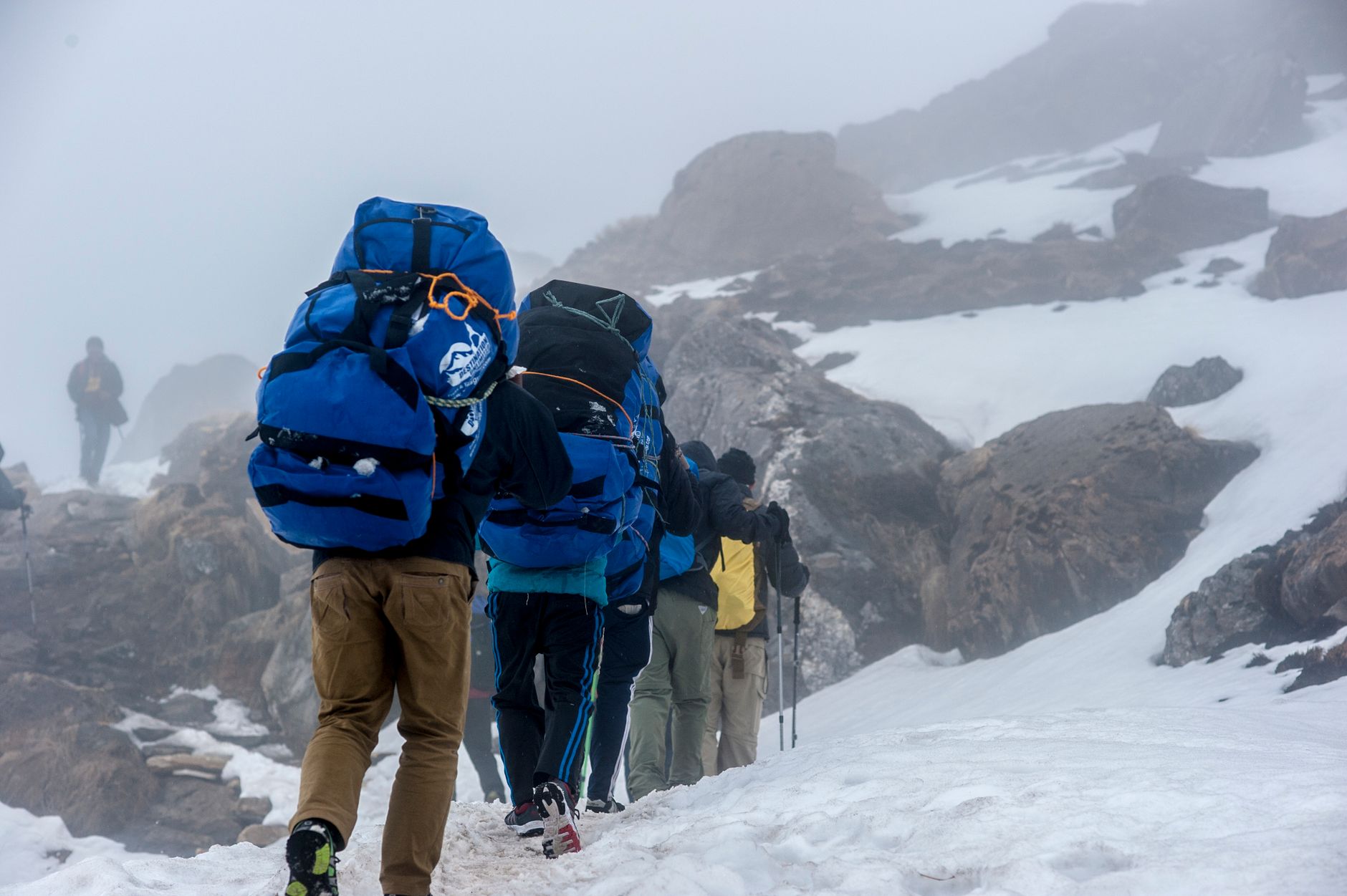
The rebuilt Tamang villages along the Langtang trail—particularly Lama Hotel, Langtang Village (now relocated to Kyanjin Gompa area), and surrounding settlements—offer rich cultural experiences. Many teahouses offer traditional Tamang cultural programs in the evening with folk dances, songs accompanied by the damphu drum, and stories about mountain life. Visit the small museums and memorial sites dedicated to the 2015 earthquake victims, which provide sobering perspective on the region’s resilience. Engaging respectfully with locals, learning basic Nepali phrases, and purchasing handicrafts directly from artisans supports community recovery.
Wildlife Spotting in Langtang National Park
Established in 1976, Langtang National Park covers 1,710 square kilometers and harbors incredible biodiversity. Early morning and late afternoon are prime times for wildlife encounters. The forests between Bamboo and Lama Hotel are excellent for spotting red pandas (though sightings are rare), Himalayan tahr, langur monkeys, and with luck, the elusive musk deer. Birdwatchers should keep eyes and binoculars ready for impeyan pheasants (Nepal’s national bird), Himalayan griffons soaring overhead, blood pheasants in rhododendron thickets, and numerous species of finches and accentors. The patient and quiet observer will be rewarded with glimpses into the park’s rich ecosystems.
Where to Stay in Langtang Valley
Budget Options (NPR 200-500/INR 125-315 per night): Langtang Valley operates on a traditional teahouse system where accommodation is extremely affordable or sometimes free, with lodges making their income primarily from food and beverages. Most budget teahouses along the trail offer basic but adequate rooms with twin beds, foam mattresses, pillows, and blankets (though bringing your own sleeping bag is highly recommended for warmth and hygiene). Notable budget-friendly options include Lama Hotel Resort (NPR 200-300 per room), Riverside Lodge in Bamboo (NPR 200), and Langtang Village Lodge in the rebuilt settlement (NPR 300-400). Facilities are basic—shared squat toilets, no running hot water, and communal dining areas—but the warm hospitality and authentic experience more than compensate.
Mid-Range Options (NPR 500-1,500/INR 315-940 per night): As you progress higher into the valley, particularly around Kyanjin Gompa, several upgraded teahouses offer improved facilities worth the extra cost at altitude. Hotel Yala Peak in Kyanjin Gompa (NPR 800-1,000) provides attached bathrooms with western toilets, solar-heated showers (for an additional NPR 300-500), and relatively spacious rooms with multiple blankets. Hotel Thorang View (NPR 600-800) offers similar amenities with excellent mountain views from rooms. Sherpa Lodge at Lama Hotel (NPR 500-700) features cleaner facilities and comfortable common areas with wood-burning stoves. These establishments often include limited electricity from solar panels, allowing device charging for a nominal fee (NPR 200-400 per charge).
Splurge Options (NPR 1,500-3,000/INR 940-1,875 per night): While true luxury is not the Langtang Valley experience, a few establishments offer premium comfort by mountain standards. Hotel Buddha Kyanjin Gompa (NPR 2,000-2,500) features the best rooms in the valley with attached bathrooms, guaranteed hot water, thick mattresses, and even Wi-Fi in the common area. Ganesh View Lodge in Kyanjin Gompa (NPR 1,500-2,000) provides excellent meals with varied menu options and notably cleaner facilities. Langtang View Hotel in Thulo Syabru village (if descending via alternative route) offers attached bathrooms, mountain views from private balconies, and hot showers included in the room rate. At this level, expect clean bed linens, multiple blankets, and better insulation from the cold.
Local Food & Cuisine
Trekking teahouses throughout Langtang Valley offer surprisingly diverse menus, blending traditional Nepali, Tibetan, and Western dishes to cater to trekkers’ varied tastes and nutritional needs at altitude.
Dal Bhat remains the ultimate trekkers’ meal—unlimited servings of rice with lentil soup, vegetable curry, papad, pickle, and sometimes a small portion of meat. This nutritionally complete meal provides sustained energy for long trekking days and costs NPR 600-900 (INR 375-565) depending on altitude and whether you choose the vegetarian or meat option. The saying “Dal Bhat power, 24 hour!” is lived wisdom on the trail. Every teahouse serves their version, but Lama Hotel Resort and Hotel Thorang View in Kyanjin Gompa are particularly praised for generous portions and tasty preparations.
Tibetan Bread with Yak Cheese is a Langtang specialty not to be missed. The bread—deep-fried, fluffy, and slightly sweet—pairs perfectly with locally produced yak cheese from Kyanjin Gompa’s cheese factory. Order it for breakfast (NPR 250-350/INR 155-220) with honey or jam, or as a trail snack. Kyanjin Gompa Bakery serves the best version, fresh from their traditional stone oven, often still warm. The cheese itself has a distinctive sharp, slightly smoky flavor that grows on you—purchase some to carry for the descent (NPR 800-1,200 per kg/INR 500-750).
Thukpa (Tibetan Noodle Soup) becomes increasingly popular as you ascend and temperatures drop. This hearty soup brimming with vegetables, noodles, and optional chicken or yak meat (NPR 400-600/INR 250-375) provides warmth and hydration—crucial at altitude. The spicier the better for clearing sinuses at high elevation. Namaste Lodge at Lama Hotel and Yala Peak Hotel in Kyanjin Gompa serve particularly flavorful versions with generous meat portions and perfectly cooked noodles.
Sherpa Stew is another warming meal combining potatoes, vegetables, and meat in a thick broth, served with rice or bread (NPR 500-700/INR 315-440). Rich and filling, it’s ideal for dinner after a long trekking day. Momos (Tibetan dumplings) are available everywhere—vegetable, buff (buffalo), chicken, or yak—steamed or fried (NPR 300-500 for 10 pieces/INR 185-315). While ubiquitous, the best momos are found at Buddha Kitchen in Kyanjin Gompa, where they’re made fresh to order with paper-thin wrappers and flavorful fillings.
For beverages, Tongba (traditional hot millet beer served in a wooden or bamboo container and sipped through a bamboo straw) provides cultural experience and warmth for NPR 200-300 (INR 125-185). The famous ginger-lemon-honey tea (NPR 150-250/INR 95-155) is the trekkers’ medicine—soothing for sore throats, warming, and believed to help with altitude acclimatization. At higher elevations, expect prices to increase by 30-50% due to porter transportation costs—a small price supporting the incredible logistics of supplying these remote villages.
Practical Travel Tips for Langtang Valley
Permits and Documentation: All trekkers require two permits for Langtang Valley. The Langtang National Park Entry Permit costs NPR 3,000 (INR 1,875) for foreigners and can be obtained at the Nepal Tourism Board office in Kathmandu (Bhrikuti Mandap) or at the park entrance checkpoint in Dhunche. Bring two passport photos and your passport. The Trekkers’ Information Management System (TIMS) Card costs NPR 2,000 (INR 1,250) for independent trekkers and NPR 1,000 (INR 625) if trekking with a registered agency. TIMS cards must be obtained in Kathmandu from the Nepal Tourism Board or through registered trekking agencies. Indian citizens need valid photo identification (passport or Aadhar card) as Nepal-India border arrangements allow free entry, though these permits are still mandatory for trekking.
Mobile Network and Connectivity: Ncell provides the most reliable mobile coverage in Langtang Valley, with decent 3G/4G signals up to Kyanjin Gompa, though data speeds decrease with altitude. Nepal Telecom also works reasonably well. Purchase SIM cards in Kathmandu (NPR 100-200/INR 65-125) with data packages (NPR 500-1,500/INR 315-940 for 5-20GB) before starting your trek, as they’re unavailable along the trail. Most teahouses above 3,000m offer Wi-Fi for NPR 300-600 per day (INR 185-375), though speeds are slow and primarily suitable for messaging rather than video calls or uploads. Consider the trek an opportunity for digital detox—the mountains deserve your full attention.
ATM and Cash Availability: There are no ATMs beyond Kathmandu until you return, so carry sufficient Nepali Rupees for your entire trek. Calculate accommodation, meals (three meals daily averaging NPR 1,500-2,000/INR 940-1,250), snacks, beverages, charging fees, permits, and a 20-30% buffer for emergencies. For a typical 7-8 day Langtang Valley trek, budget NPR 25,000-35,000 (INR 15,625-21,875) in cash. Some higher-end lodges in Kyanjin Gompa now accept digital payments, but don’t rely on this—cash remains king in the mountains. Keep smaller denomination notes (NPR 100, 500) as teahouses often lack change for NPR 1,000 notes.
Medical Facilities and Altitude Sickness: Medical facilities are extremely limited in Langtang Valley. A small health post operates in Kyanjin Gompa with basic first aid capabilities, but serious conditions require helicopter evacuation to Kathmandu. Altitude sickness (AMS) is the primary health concern—symptoms include headache, nausea, dizziness, and loss of appetite. Follow proper acclimatization schedules: “climb high, sleep low,” ascend no more than 500m per day above 3,000m, stay well-hydrated (3-4 liters daily), and spend at least two nights in Kyanjin Gompa before attempting higher viewpoints. Carry Diamox (acetazolamide) as preventive medication if you’re prone to altitude issues, though consult your doctor first. Comprehensive travel insurance covering helicopter evacuation (costing USD 3,000-5,000/INR 2.5-4 lakhs) is absolutely essential—confirm your policy covers trekking up to 5,000m.
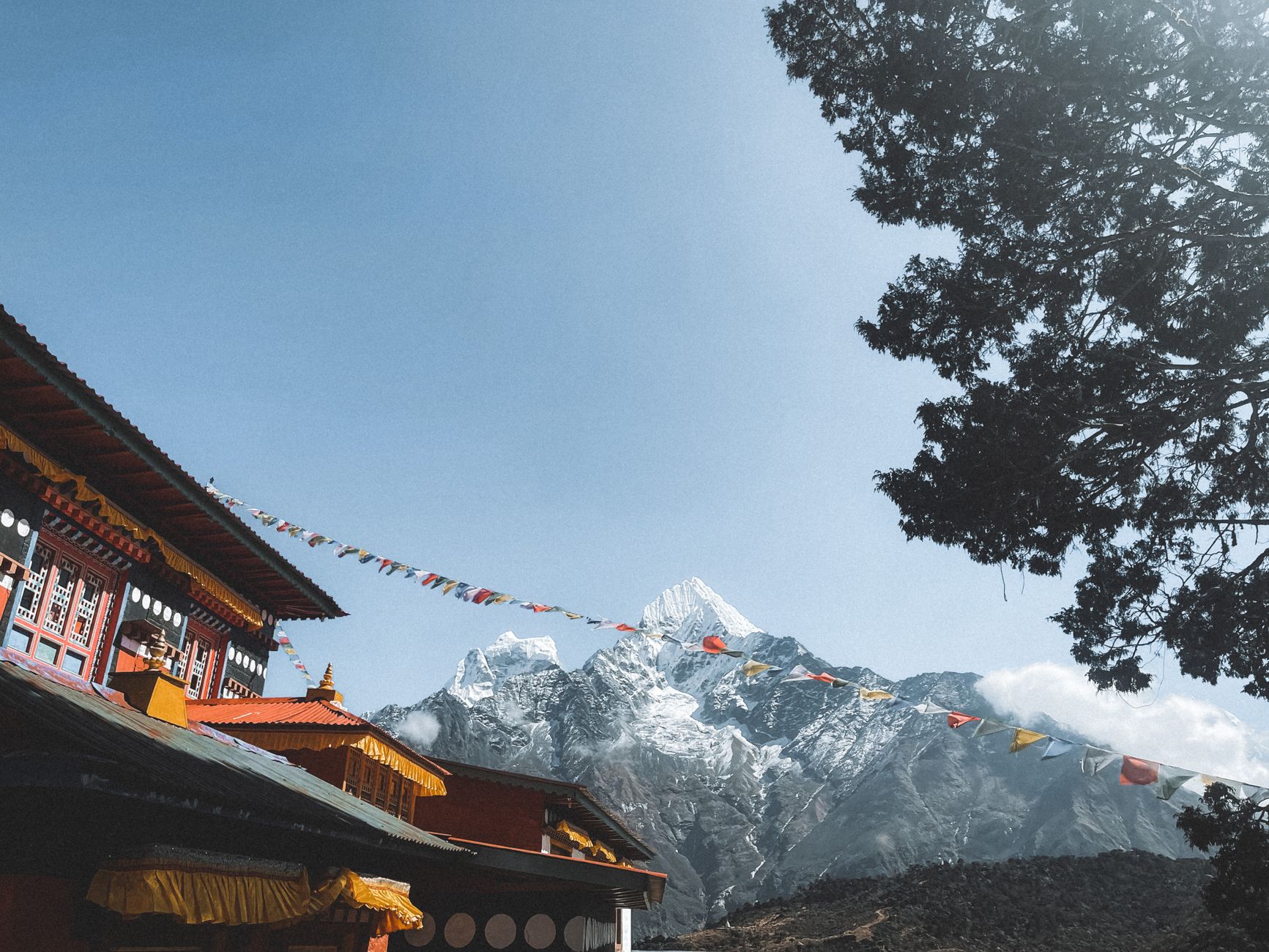
What to Pack: Layering is crucial as temperatures vary dramatically from sunny mornings to freezing nights. Essentials include: four-season sleeping bag (rated to -10°C minimum), quality down jacket, waterproof and windproof outer shell, thermal base layers, trekking pants, warm hat and gloves, sun hat, good-quality trekking boots (broken in before the trek), sunglasses with UV protection, high SPF sunscreen and lip balm (mountain sun is intense), water purification tablets or filter, comprehensive first-aid kit including blister treatment, headlamp with extra batteries, trekking poles (invaluable for descents and river crossings), power bank for devices, toiletries and quick-dry towel, water bottles or hydration system (2-3 liters capacity), and high-energy snacks (chocolate, nuts, energy bars). Leave cotton clothing at home—synthetic and merino wool perform far better in mountain conditions.
Safety and Responsible Tourism: Respect local culture by dressing modestly (covering shoulders and knees), asking permission before photographing people or religious sites, removing shoes before entering monasteries, and always walking clockwise around stupas and mani walls. The 2015 earthquake remains a sensitive topic—approach with empathy. Practice Leave No Trace principles: carry all non-biodegradable waste back to Kathmandu (many teahouses provide porter-carried waste disposal), use refill stations for water instead of buying plastic bottles (most lodges offer filtered water for NPR 50-100 per liter/INR 30-65), and stick to designated trails to prevent erosion. Be mindful of wood consumption—avoid wood-heated showers when solar alternatives exist, as deforestation is a growing concern. Tip guides and porters appropriately (10-15% of their service fee), purchase directly from local artisans rather than Kathmandu middlemen, and consider staying an extra night in villages to distribute tourism income more widely. Your trekking choices directly impact these fragile mountain communities—travel thoughtfully.
Final Thoughts
Langtang Valley represents trekking in its purest form—unadorned, authentic, and transformative. Unlike the crowded highways to Everest Base Camp or the increasingly commercial Annapurna Circuit, Langtang retains the intimate mountain experience that first drew adventurers to Nepal’s Himalayas. Every prayer flag fluttering in the wind, every cup of warming tea shared with fellow trekkers in a smoky lodge, every sunrise painting the ice-clad peaks in shades of gold and rose, contributes to a journey that remains with you long after you’ve descended back to the lowlands. The valley’s resilience after the 2015 earthquake—villages rebuilt, trails restored, communities welcoming—stands as powerful testament to the human spirit, making every visit meaningful beyond personal achievement.
Whether you’re standing at the summit of Tserko Ri as dawn breaks over the Himalayan giants, savoring fresh yak cheese in Kyanjin Gompa, or simply walking through ancient rhododendron forests with mountains framing every vista, Langtang Valley delivers moments of profound beauty and connection. For Indian travellers, it’s remarkably accessible—just hours from Delhi by flight to Kathmandu, followed by a scenic drive and trek into wilderness that feels worlds away from urban chaos. For international adventurers, it offers quintessential Himalayan experiences without the time commitment of longer treks. So lace up your boots, pack your warmest layers, and answer the call of Langtang Valley. The mountains are waiting, the Tamang people are ready to welcome you, and an adventure of a lifetime beckons. Book your trek, respect the mountains, support the communities, and prepare for memories that will last forever. The Himalayas have a way of changing those who walk among them—Langtang Valley is where that transformation begins.
- Start your trek from Syabrubesi early morning around 6-7 AM to avoid afternoon clouds that obscure mountain views
- Carry extra cash as ATMs are unavailable beyond Dhunche; most teahouses don’t accept cards
- Book teahouses in Kyanjin Gompa in advance during peak season as accommodation fills up quickly
- Try the locally made yak cheese at Kyanjin Gompa cheese factory for an authentic experience
- Acclimatize properly at Kyanjin Gompa for at least one full day before attempting Tserko Ri or Kyanjin Ri climbs
Frequently Asked Questions about Langtang Valley
The best time to visit Langtang Valley is during March to May (spring) and September to November (autumn). During these months, the weather is clear with temperatures ranging from 10°C to 20°C, offering excellent mountain views, and in spring, the rhododendron forests bloom spectacularly.
Langtang Valley is one of Nepal’s most accessible trekking destinations, located just 51 km from Kathmandu to the trailhead at Syabrubesi. Tribhuvan International Airport in Kathmandu is approximately 137 km from Syabrubesi, making it convenient for travelers flying into Nepal.
You need two permits for the Langtang Valley trek: the Langtang National Park Entry Permit costing NPR 3,000 (INR 1,875) and the TIMS Card (Trekkers’ Information Management System) costing NPR 2,000 (INR 1,250). These permits help maintain the national park and ensure trekker safety.
The main destination Kyanjin Gompa sits at 3,430m, but trekkers often ascend to Tserko Ri viewpoint at 4,984m for panoramic views of Langtang Lirung (7,227m) and surrounding peaks. The altitude range requires proper acclimatization to prevent altitude sickness.
The approximate daily budget for the Langtang Valley trek ranges from NPR 2,500 to 4,000 (INR 1,565 to 2,500), which includes accommodation in teahouses and meals. This makes Langtang an affordable trekking option compared to other popular Himalayan routes.
Langtang National Park is home to remarkable biodiversity including red pandas, Himalayan black bears, and over 250 bird species. Trekkers pass through dense rhododendron forests and alpine meadows where yaks graze, offering opportunities to observe diverse Himalayan flora and fauna.